2027 Decentralized Trial Careers Growing Fastest in 2026

Co-Founder and Chief Data Scientist
Many professionals with unrelated bachelor's degrees struggle to find career paths offering both growth and flexibility. Traditional routes can demand extensive retraining, creating barriers to entering the clinical research management field.
This challenge intensifies as decentralized clinical trials expand rapidly, increasing demand for skilled coordinators who can adapt to new digital protocols. Understanding which roles grow fastest and the educational pathways tailored to accommodate career switchers is crucial.
This article explores the fastest-growing decentralized trial careers and outlines flexible, accredited programs to help professionals transition efficiently into clinical research management roles with minimal disruption.
Key Things You Should Know
- Decentralized trial careers are projected to grow by over 25% annually through 2026, driven by increasing adoption of remote patient monitoring technologies.
- The role requires expertise in digital data management and patient engagement strategies, areas emphasized in recent clinical research management programs.
- Approximately 60% of new clinical research jobs in 2026 will involve decentralized trial coordination, reflecting a major industry pivot from traditional models.
What are decentralized clinical trials and why are careers in this field growing so fast?
Decentralized clinical trials (DCTs) leverage digital technologies to conduct trials remotely, reducing the need for patient visits to physical sites. This innovative approach integrates mobile health tools, telemedicine, electronic consent, and remote monitoring to efficiently collect real-time data.
The growth of decentralized trial jobs in the United States highlights an increasing demand for faster, patient-focused, and cost-effective clinical research methods. The global market is expected to grow from $8.77 billion in 2025 to $10.31 billion in 2026, with a 17.7% compound annual growth rate (CAGR), reaching $19.55 billion by 2030.
Key drivers of career growth in this sector include:
- Digital proficiency: Expertise in telehealth platforms, data privacy, and remote patient monitoring is crucial.
- Regulatory knowledge: Understanding evolving compliance standards across regions is vital.
- Project management: Managing decentralized operations requires new strategies and adaptive skills.
Expanding roles in Clinical Research Management include decentralized trial coordinators, data analysts focused on wearable devices, and patient engagement managers who improve remote retention.
For those pursuing decentralized clinical trials careers in North America, gaining practical experience with digital tools and regulatory frameworks is essential. Students and graduates can benefit by exploring accredited programs such as a pharmacy school online accredited to enhance their qualifications and competitiveness.
These careers offer geographic flexibility and contribute to more inclusive research by reaching diverse populations without traditional site constraints. Employers increasingly seek professionals skilled in both clinical and technical domains to navigate this evolving landscape.
What education and clinical research background do you need for decentralized trial roles?
Candidates aiming for decentralized trial clinical research education requirements typically hold a bachelor's degree in nursing, pharmacy, biology, public health, or related fields. Advanced degrees such as a master's in clinical research management, clinical operations, or data analytics increase competitiveness, especially as decentralized trials require proficiency with digital tools and data management.
Practical skills and background for decentralized clinical trial roles include experience in clinical research settings, with emphasis on protocol adherence, regulatory compliance, patient monitoring, and electronic data capture systems. Familiarity with telemedicine platforms and remote patient monitoring devices is crucial due to the rise of hybrid and fully virtual studies.
Knowledge of regulatory standards like FDA guidelines and good clinical practice (GCP) remains essential. Certifications such as Certified Clinical Research Professional (CCRP) or Certified Clinical Research Coordinator (CCRC) enhance understanding of decentralized trial components and regulatory intricacies.
Strong data literacy and communication skills for remote collaboration support success in these roles. The expansion of remote and hybrid clinical work is evident in the rise from 38% in 2022 to 55% in 2024 of clinical trials using at least one decentralized or virtual component, illustrating the need for versatile professionals.
For those exploring career paths or compensation, a resource on how to become a pharmacist salary provides valuable insights on the financial outlook in related healthcare roles.
Which clinical research degrees best prepare you for decentralized trial management careers?
Degrees in clinical research management, life sciences, and healthcare administration provide essential preparation for decentralized trial roles. A bachelor's degree in clinical research or related fields like biology, public health, or nursing delivers foundational knowledge on trial protocols, regulatory compliance, and patient safety, critical areas for decentralized trial careers.
Master's programs focusing on clinical research management or healthcare informatics advance skills in digital data collection, remote monitoring, and decentralized study designs. These programs prepare students to handle virtual patient interactions and resolve technological challenges, aligning well with the best clinical research programs in the US for decentralized trial careers.
Certifications from organizations such as the Society of Clinical Research Associates (SoCRA) or the Association of Clinical Research Professionals (ACRP) boost credentials by covering decentralized trial topics including electronic consent and remote monitoring.
U.S. clinical trial managers engaged in decentralized or hybrid trials experienced a 23% rise in average annual pay from 2020 to 2024, reflecting strong demand for specialized skills.
Prospective learners should seek programs integrating coursework on decentralized trial risks, patient engagement, and digital health platforms.
Programs blending clinical research knowledge with information technology expertise enhance graduates' ability to lead decentralized operations efficiently. Experience through internships or familiarity with electronic data capture (EDC) systems further improves job prospects.
Those interested may also consider construction management courses as an example of specialized degree pathways supporting project oversight skills applicable in decentralized settings.
How do online clinical research management programs compare to campus options for this specialty?
Online clinical research management programs increasingly outperform traditional campus options, especially for decentralized trial specialties. These online programs offer greater flexibility for professionals balancing work and study while providing immediate access to training on emerging technologies.
Since digital and data-focused platforms like eConsent, ePRO, wearables, remote monitoring, and telehealth account for over 60% of total decentralized clinical trial (DCT) enablement spending, mastering these tools is essential. Online courses typically integrate these innovations more quickly than many campus programs.
Campus programs still offer valuable hands-on experience focusing on traditional clinical operations and patient interaction. However, slower adaptation to digital tools can limit opportunities in technology-driven roles.
Prospective students should confirm if campus programs include updates on decentralized trial tech or collaborations with industry leaders to remain competitive in the US clinical research management landscape.
Key differences include:
- Online programs often feature modules on software platforms used in real-world decentralized trials, boosting job readiness.
- Virtual labs and simulations help students develop skills in remote data handling and telehealth communication.
- Campus programs usually emphasize traditional research protocols but may lack focus on data-centric roles.
- Networking opportunities exist in both formats, with online cohorts often providing links to a broad range of professionals actively working in DCT roles.
Students aiming for tech-focused careers in decentralized trials should strongly consider online clinical research management education. Evaluating program accreditation, technology integration, and instructor expertise is key.
For those interested in related fields, exploring online sports degrees can also offer insights into flexible, tech-driven study options.
What core courses and skills are most important for decentralized clinical trial management?
Core courses for decentralized clinical trial management focus on regulatory affairs, data privacy, and digital health technologies.
Mastery of frameworks like FDA and EMA guidelines is essential, as over 70% of new decentralized or hybrid trial protocols now include digital consent, remote safety monitoring, and explicit data-privacy language. This creates strong demand for professionals skilled in compliance and ethics within virtual clinical environments.
Training covers remote patient monitoring tools, telehealth integration, and electronic informed consent systems. Managing decentralized data collection platforms and ensuring data integrity across multiple sites are critical skills.
Familiarity with project management software tailored to decentralized trials, such as electronic trial master files (eTMF) and risk-based monitoring, increases operational efficiency.
Statistical analysis and biostatistics remain vital, emphasizing adaptive trial designs and hybrid data integration. Health informatics expertise helps candidates securely handle large volumes of patient-generated data.
Effective patient engagement strategies and digital communication skills are also prioritized to coordinate remote participants and study teams smoothly.
Regulatory and compliance knowledge includes drafting and implementing protocols aligned with evolving standards, alongside understanding data privacy laws like HIPAA and GDPR.
Hands-on experience with decentralized trial platforms paired with strong regulatory and data management education prepares students for in-demand roles shaping the future of clinical research.
How long do clinical research management programs take and what do they typically cost?
Programs in clinical research management vary from 6 months to 2 years, depending on the credential and format. Certificate programs for working professionals often last 6 to 12 months and provide foundational skills.
Associate degrees or bachelor's concentrations usually take 1 to 2 years, offering in-depth training in regulatory affairs, trial design, and data management. Master's degrees extend to 18-24 months and focus on advanced leadership and strategic oversight in trials.
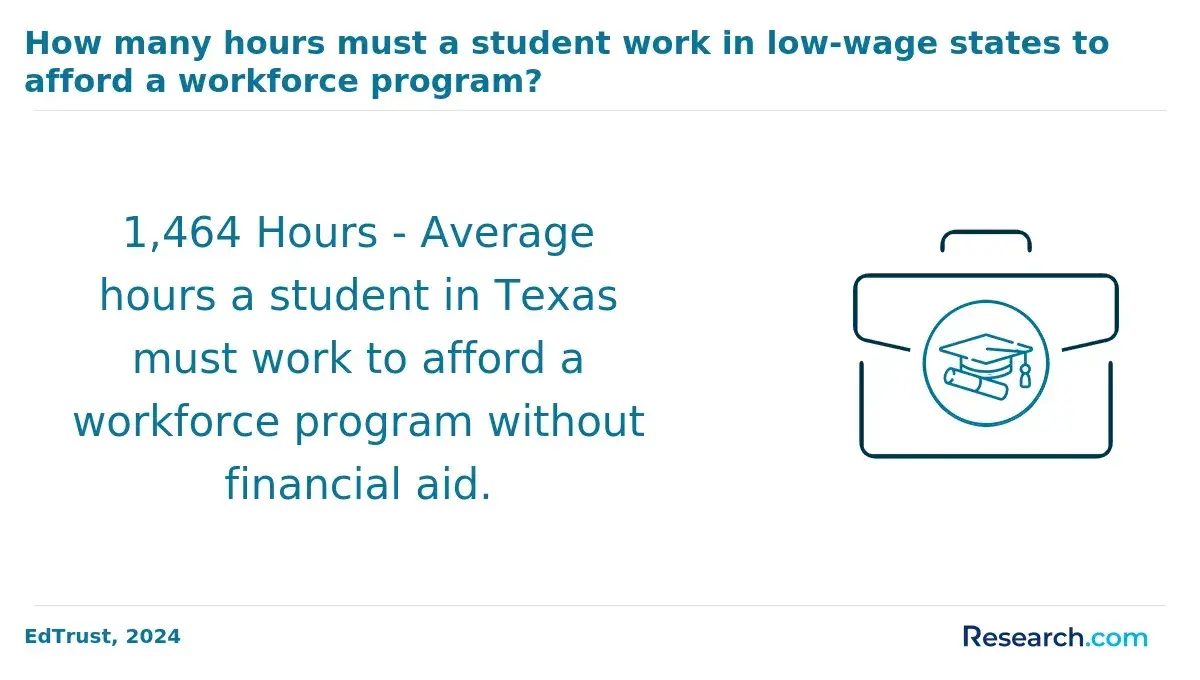
Tuition costs differ widely by program type and length: certificate programs range between $2,000 and $10,000, while associate and bachelor's degrees typically cost $10,000 to $40,000. Master's degrees often range from $20,000 to $60,000. Financial aid and employer tuition assistance may help offset expenses.
The shift toward site-less and patient-centric trials, with decentralized and remote operations growing over 25% annually, makes technology platforms, remote monitoring, and patient engagement key areas of emphasis. Students should prioritize programs that integrate these trends to be competitive in roles involving home health and community-based trial management.
When selecting a program, consider curriculum relevance to decentralized trial models and the availability of practical experience. Short-term certificates enable quick entry or skill enhancement, while longer degrees allow for specialization and leadership opportunities aligned with evolving clinical trial landscapes.
How can you verify accreditation and program quality for decentralized trial-focused degrees?
To ensure quality and accreditation in decentralized trial-focused degrees, students should verify that the institution is accredited by recognized regional or national bodies approved by the U.S. Department of Education or the Council for Higher Education Accreditation (CHEA). This confirms the program meets academic and operational standards.
Students must also confirm that the curriculum aligns with decentralized clinical trial (DCT) competencies, covering digital tools, remote patient monitoring, and regulatory compliance essential to decentralized research.
Programs partnering with industry or clinical research organizations often enhance learning quality and offer valuable practical experience.
Key verification steps include:
- Checking institutional accreditation
- Reviewing curriculum relevancy
- Confirming faculty expertise in decentralized trials
- Identifying industry partnerships
- Evaluating graduate outcomes and job placement rates
Faculty credentials and integration of professional certifications, such as those from the Association of Clinical Research Professionals (ACRP) or Society of Clinical Research Associates (SoCRA), provide further assurance of program rigor. Alumni feedback on employment success within the decentralized trial sector is also vital.
Given the Asia-Pacific market's projected growth of over 18% CAGR through 2030, programs with regional specialization or global network access may offer competitive career advantages.
These thorough verification measures help prospective students navigate clinical research management education effectively toward decentralized trial careers.
What entry-level and advanced job titles exist in decentralized clinical trial operations?
Entry-level roles in decentralized clinical trial (DCT) operations often include Clinical Trial Coordinator, Decentralized Trial Associate, and Remote Patient Engagement Specialist.
These positions support patient recruitment, data collection, and virtual monitoring, contributing to a 30-40% reduction in recruitment timelines and up to 20% improved retention, according to recent multi-sponsor studies. Professionals in these roles gain experience with telemedicine tools, electronic consent, and remote monitoring technologies.
Advanced positions such as Decentralized Trial Manager, Clinical Operations Lead - DCT, and Patient Recruitment Strategist involve managing complex trial workflows, integrating technology platforms, and ensuring regulatory compliance for remote trial components. These roles also tackle challenges including data integrity and participant adherence in decentralized settings.
Specialized careers like Data Integration Specialist and DCT Technology Analyst are focused on synthesizing real-time data from wearables and evaluating software solutions. Success in these roles requires both clinical research management expertise and strong digital health skills.
For professionals aiming to enter or advance in this growing field, education emphasizing decentralized trial methodologies is vital. Pursuing certifications in telehealth and remote monitoring technologies significantly enhances employability in this sector driven by efficiency and productivity gains.
What salary ranges and career advancement opportunities exist in decentralized clinical research?
Salaries in decentralized clinical research roles vary by experience and employer. Entry-level positions like DCT coordinators or data specialists typically earn $60,000 to $80,000 annually.
Mid-level roles such as DCT project managers or clinical trial analysts command between $90,000 and $130,000, while senior roles, including DCT operations managers and clinical research directors, often exceed $150,000, especially at large CROs or pharmaceutical sponsors.
Career growth is strong due to increased demand for decentralized trials. Many professionals start in operational or data-focused roles, then advance to project management or strategy positions involving decentralized trial design and execution. Expertise in digital health platforms, remote patient monitoring, and regulatory compliance enhances promotion opportunities.
Industry trends show that over 75% of leading pharma sponsors and large CROs maintain active decentralized or hybrid trial portfolios.
DCT-related services make up more than 15% of outsourced clinical development spending, driving hiring for specialized roles such as patient recruitment technology, site liaisons, and data integrity oversight.
To succeed, individuals should build skills in digital tools unique to remote trials and seek certifications relevant to clinical trial operations. Gaining knowledge of the specific regulatory landscape for decentralized trials improves advancement potential within this evolving, competitive field.
How is employer demand and long-term job outlook evolving for decentralized trial professionals?
Demand for decentralized trial professionals is rapidly increasing as virtual and hybrid clinical trial models become more widespread. Employers seek individuals with skills in remote patient monitoring, digital data management, and telehealth coordination.
Experience with decentralized trial platforms, regulatory compliance across jurisdictions, and patient engagement tools is vital. Candidates who ensure data integrity and patient safety while managing trials across various locations are highly valued.
The market for decentralized trials is projected to grow from $10.4 billion in 2026 to $15.45 billion by 2032, reflecting a 6.6% compound annual growth rate. This expansion fuels strong job prospects for roles such as clinical trial coordinators, data managers, and remote monitoring specialists, especially as sponsors and CROs increase investments.
Job seekers should pursue certifications related to digital health and decentralized trial methodologies. Developing skills in patient-centric approaches and real-world evidence generation also boosts employability. Flexibility to adapt to evolving technologies and knowledge of regulatory differences across states and countries enhances career longevity.
Project management abilities supporting coordination among dispersed teams are important in decentralized trial careers.
This field offers robust opportunities driven by the pharmaceutical industry's shift toward innovative, patient-friendly trial designs and technology-focused clinical research management.
Other Things You Should Know About Clinical Research Management
Decentralized clinical trials face complex regulatory hurdles, including ensuring compliance with multiple regional authorities and adapting to evolving guidelines for remote patient monitoring and data capture. Clinical research management professionals must stay current with FDA and EMA updates, as well as privacy laws such as HIPAA, to maintain trial integrity and protect patient information.
Advancements in digital tools, such as electronic data capture (EDC) systems, mobile health apps, and telemedicine platforms, have transformed clinical research management roles. Professionals now need not only traditional clinical expertise but also skills in managing technology-driven workflows, data analytics, and cybersecurity to support decentralized trial execution.
Patient engagement is critical to the success of decentralized trials because it promotes higher retention rates and more accurate data collection. Clinical research management teams often implement digital communication strategies and user-friendly interfaces to facilitate ongoing patient participation and adherence throughout the study.
In 2027, decentralized clinical trials require unique budgeting considerations such as increased investment in digital platforms and remote monitoring technologies. Additionally, expenses may arise from ensuring robust data security measures and training personnel to manage decentralized systems efficiently, making financial strategies more complex compared to traditional trials.
References
- Clinical research career: 7 top roles, salaries & GCP guide https://pharmaeducenter.com/blog/clinical-research-career/
- Decentralized Clinical Trials and CROs in 2024 | CCRPS https://ccrps.org/clinical-research-blog/decentralized-clinical-trials-and-contract-research-organizations-in-2024
- Clinical Research Associate (CRA) Career Path https://pathologylabtraining.co.uk/biomedical-sciences/cra-careers
- Right Educational Path for a Career in Clinical Research https://medipharmsolutions.com/blog/choosing-the-right-educational-path-for-a-career-in-clinical-research/
- Introduction to Decentralized Clinical Trials (DCTs) - ACRP https://acrpnet.org/learning/courses/introduction-to-decentralized-clinical-trials-dcts
- Why Decentralisation Is The Future Of Clinical Trials https://mdgroup.com/blog/why-decentralisation-is-the-future-of-clinical-trials/