2027 Business Careers That Reward Strong Leadership Skills

Co-Founder and Chief Data Scientist
Landing leadership roles in business requires navigating intense competition while proving tangible impact early in a career. For many aspiring managers, timing educational credentials amid evolving employer expectations compounds the pressure-especially as 60% of business students now prefer flexible online or hybrid programs, according to the National Center for Education Statistics. This trend reflects a workforce increasingly valuing adaptive learning pathways that align with career pivots and upskilling without sacrificing current job demands. Understanding which leadership-driven business careers offer measurable advancement and align with these shifting educational models can streamline critical decisions for professionals balancing growth ambitions with realistic constraints.
This article identifies business careers that reward strong leadership skills and evaluates how strategic education choices can bridge gaps between current qualifications and targeted roles to optimize career momentum.
Key Things You Should Know
- Strong leadership in business administration correlates with 21% higher team productivity, but employers expect demonstrated strategic decision-making over formal credentials, shaping hiring toward experience-centered evaluations per 2024 SHRM data.
- The opportunity cost of advanced leadership training averages $12,500 annually, based on national career progression studies, creating a crucial timing tradeoff for mid-career professionals balancing salary loss versus skills acquisition.
- Organizations increasingly prioritize leadership soft skills linked to retention, with 59% of turnover attributed to poor management, compelling candidates to invest in targeted emotional intelligence development to advance.
What are the most in-demand business careers for professionals with strong leadership skills?
Leadership in business careers increasingly demands proficiency in managing digital transformation and operational complexity, with companies excelling in digital leadership reporting profitability rates 2.3 times above peers. Among in-demand business administration roles with leadership focus, positions like Chief Digital Officer and Product Manager require navigating technical integration alongside strategic priorities.
For instance, product managers in healthcare tech must align cross-disciplinary teams while adhering to stringent regulatory frameworks, balancing innovation with compliance risks.
Project managers in sectors such as construction face challenging logistical tradeoffs, where strong leadership directly impacts cost containment and deadline adherence through disciplined process enforcement and accountability. Meanwhile, strategic operations managers rely heavily on data interpretation to optimize workflows in finance or retail, underscoring the necessity for leaders fluent in analytics and team motivation.
Individuals pursuing leadership-centric business administration pathways should seek programs that emphasize digital fluency and real-world experience, since employers prioritize demonstrated impact on operational metrics or digital initiatives over theoretical knowledge alone. Practical exposure to ambiguity and change management is essential, as flexibility often outweighs static credentials.
This pragmatic alignment also highlights the value of an online administration degree for those balancing professional advancement with education. Strong leadership business careers demand measurable results, and curriculum design must reflect that reality.
How do leadership-focused business careers differ from general management roles in the workplace?
Leadership-driven business career paths require distinct skills that surpass routine operational oversight, emphasizing strategic influence, cross-functional coordination, and change management. Unlike general management roles focused on daily task execution within predictable frameworks, leadership demands vision-setting and navigating complex stakeholder interests.
For instance, a medical and health services manager must adapt to shifting regulatory requirements while directing large, interdisciplinary teams-a role experiencing a 23.2% projected employment growth from 2024 to 2034, far exceeding the 3.1% average occupational growth reported by the U.S. Bureau of Labor Statistics (2026).
This gap illustrates how leadership roles inherently entail heightened accountability and responsiveness to evolving industry dynamics.
Employers value leadership candidates who excel in strategic decision-making tools, emotional intelligence, and multi-level communication that translates executive objectives into actionable departmental plans. Key challenges often include balancing immediate operational demands with long-term goals and managing limited resources while sustaining stakeholder trust.
In contrast, general management is typically more task-driven and protocol-bound, offering fewer opportunities for transformational impact. Students considering a shift from general management to leadership-oriented education should prioritize developing negotiation, risk assessment, and systems thinking capabilities to meet these practical challenges.
Programs that integrate these competencies provide a stronger foundation to navigate the demands of leadership-driven business career paths. For those interested in specialized fields, exploring the best online schools for construction management can be a strategic choice aligned with workforce trends and skill requirements.
What education and business degrees best prepare you for leadership-oriented careers?
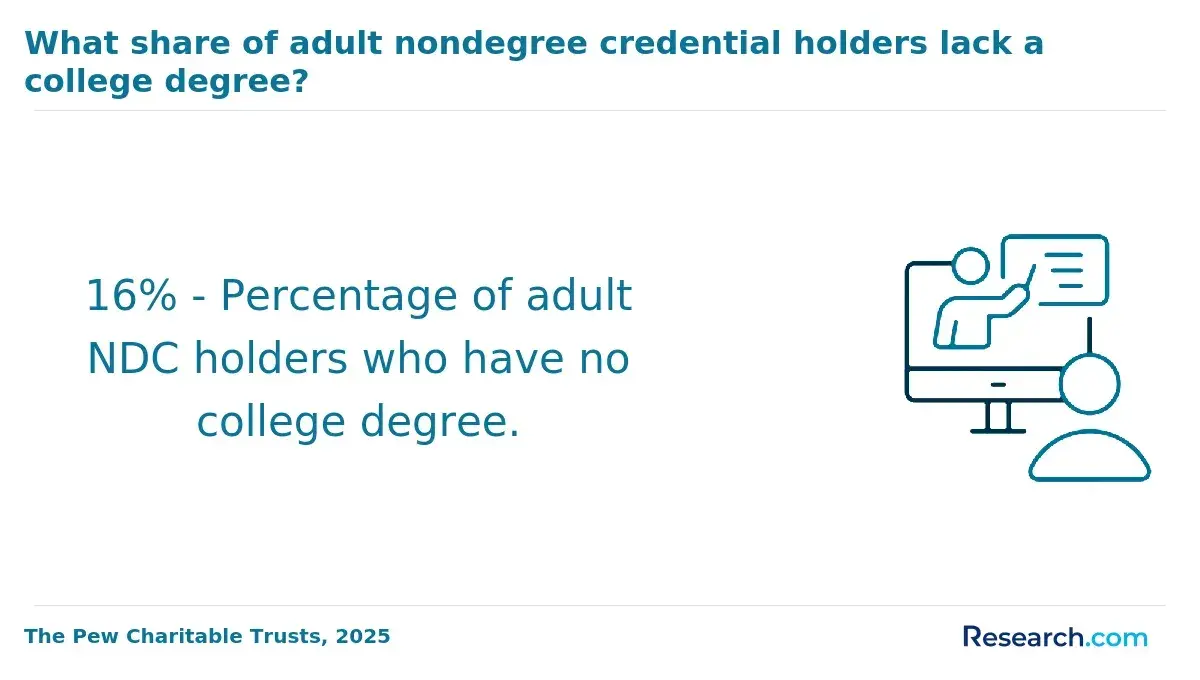
Leadership-oriented careers demand a hybrid skill set balancing core business administration principles with specialized expertise in project management and strategic decision-making. A bachelor's or master's degree integrating leadership courses with certifications in project management equips candidates to meet these requirements effectively. For instance, project managers in healthcare must navigate regulatory landscapes while coordinating multidisciplinary teams-a challenge requiring formal education in both risk management and leadership.
This practical alignment often defines employer preference and separates candidates with practical know-how from those with only theoretical knowledge.
Degrees lacking applied leadership elements and real-world exercises limit growth potential. Employers favor programs embedding case studies, simulations, and cross-functional teamwork to address the projected 40% shift in core skills for project and program management roles by 2026.
Approaching business degrees for leadership roles with an emphasis on continuous learning remains essential since about 50% of employees will need reskilling amid evolving workplace demands.
Working professionals aiming to pivot or advance should prioritize accredited, flexible MBA or blended business administration programs offering leadership concentrations paired with practical credentials. These options ensure alignment with employer expectations focused on data-driven decision-making, communication, and stakeholder management.
Avoid standalone online certifications without credit transferability to sustain long-term career viability. For those evaluating program options, the project management degree is a salient example of specialized study maintaining relevance and rigor in evolving markets.
How do online business administration programs help develop practical leadership skills?
Online business administration programs improve leadership abilities by emphasizing applied skills that directly affect workplace outcomes. Rather than focusing on abstract theory, these programs develop practical leadership skill development through online business administration courses that integrate problem-solving, team management simulations, and sector-specific case studies.
For instance, a healthcare manager transitioning to administration hones resource allocation and compliance leadership, while a retail supervisor refines customer engagement and labor scheduling strategies.
Employers increasingly expect leaders who deliver measurable improvements, such as enhanced team productivity and reduced employee turnover. Data from Human Resources and People Operations Leadership Organizations demonstrate a 59% increase in retention linked to leadership development for people managers, signaling its strategic value beyond technical expertise.
Students often face challenges applying leadership concepts across diverse industries; online programs address this by tailoring experiential projects to fields like manufacturing, finance, and tech.
Another significant advantage to these online curricula is the immediate applicability of skills, which benefits working professionals by accelerating competency gains within current roles. This direct skill transfer contrasts sharply with traditional lecture-heavy formats that often limit real-world leadership impact.
Candidates should seek out programs that embed mentorship, internships, or interactive labs to develop essential soft skills like conflict resolution and strategic delegation. For those exploring options, an accelerated hospitality degree online can similarly demonstrate the benefits of condensed, targeted leadership training that applies across service-oriented sectors.
What leadership courses and concentrations are typically included in business administration degrees?
Leadership training embedded in business administration degrees directly influences employability by requiring tangible team or project oversight experience, often delivered through internships or simulations. These programs balance theory-such as organizational behavior and power dynamics-with applied leadership challenges in conflict resolution and strategic alignment.
Specializations like sales and business development leadership reflect distinct labor market demands. For example, firms with engaged leaders in these areas report up to 21% higher profitability, linking leadership competencies to measurable financial performance. However, this comes with the tradeoff that such concentrations may narrow exposure to broader business functions.
Advanced leadership tracks in change management and innovation cater to volatile sectors like technology and manufacturing, where leading transformational initiatives under pressure is critical. Students should critically assess whether coursework integrates real-world case studies to build adaptive decision-making skills.
- Focus on practical leadership skills tied to specific roles such as operations manager or sales director.
- Evaluate program rigor in simulating workplace leadership challenges.
- Consider the balance between specialized leadership concentrations and broad managerial competencies.
- Prepare for the market preference for candidates with proven leadership in project or team settings.
Employers frequently prioritize candidates who demonstrate leadership impact beyond academic environments. Programs that incorporate leadership labs or simulations better prepare students for these expectations but require commitment to experiential learning over purely theoretical study.
What admissions requirements do leadership-focused business administration programs usually have?
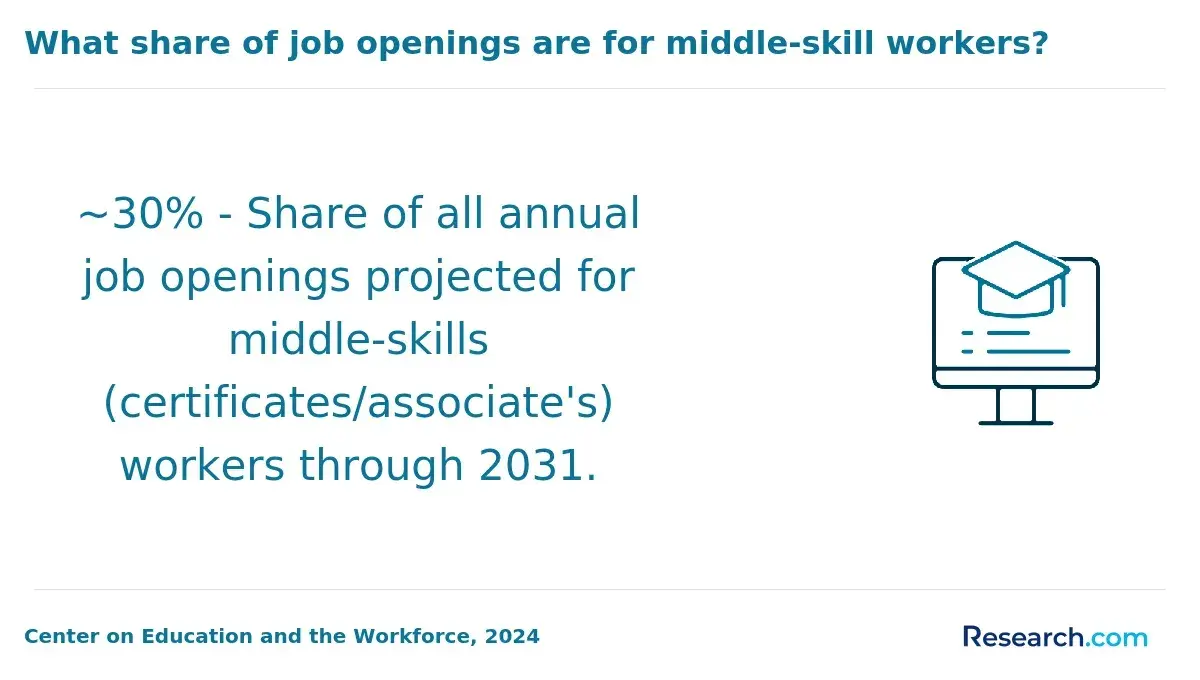
A leadership-focused business administration program demands more than solid academics; it requires verifiable leadership capacity demonstrated through relevant experience. Admissions typically expect a bachelor's degree with at least a 3.0 GPA and standardized test scores like the GMAT or GRE above the 50th percentile.
However, these numeric thresholds serve primarily to filter candidates; the decisive factor is documented leadership impact such as managing projects, directing teams, or making strategic decisions. A well-crafted resume and recommendations emphasizing these competencies often outweigh theoretical potential.
Industry context shifts the emphasis. Candidates pursuing executive financial roles must prove proficiency in quantitative subjects like accounting and corporate finance. Conversely, entrepreneurial leadership applicants benefit more from storytelling examples that illustrate innovation and team mobilization.
Admissions committees distinguish sharply between conceptual leadership qualities and tangible outcomes, favoring evidence of budget management or organizational change.
Essays and interviews probe problem-solving under pressure and ethical judgment-skills critical in leadership positions. For instance, financial managers earn a mean wage of $180,470, signaling that employers expect rigorous financial oversight coupled with proven leadership, not just credentials.
This wage premium reflects selective hiring where practical leadership skills reliably forecast job performance, not merely academic achievement.
How long do leadership-oriented business programs take and what do they typically cost?
Choosing between leadership-focused certificates and traditional MBA programs demands careful assessment of time, cost, and employer expectations. Certificate programs offer targeted skills in 12 to 24 months with tuition ranging from $3,000 to $15,000, favoring professionals prioritizing quicker, practical leadership development. In contrast, full MBA degrees usually span two years full-time and often exceed $40,000, justified by comprehensive curricula, extensive networking, and stronger market recognition.
For instance, an operations manager in manufacturing may prefer shorter certifications emphasizing team leadership and process optimization to align with employer priorities on real-world skills rather than academic credentials. Meanwhile, finance and consulting executives frequently opt for longer MBAs that deliver strategic breadth and signaling power despite higher financial and time commitments.
The U.S. Bureau of Labor Statistics projects a 4.4% growth for general and operations management roles over a decade, matching national trends but coupled with above-average compensation. Candidates should weigh this growth against tradeoffs such as lost income during full-time study and extended timelines for part-time or online formats.
Decision-makers benefit from evaluating:
- The immediate applicability of skills versus broader business knowledge
- Flexible delivery modes that mitigate career disruption
- Employer emphasis on practical leadership experience over credentials alone
For more detailed insights on leadership program cost and structure, visit expert resources at research.com.
What is the job outlook and salary potential for business careers that rely on leadership?
Leadership competence in business administration directly impacts organizational performance and salary potential, with management occupations projected to grow 7% from 2024 to 2034, outpacing general job growth. Disciplines like consulting, healthcare, and technology typically reward leadership roles with median salaries exceeding $100,000, reflecting the strategic and financial influence of these positions.
Employers increasingly expect candidates to pair formal education with real-world skills-advanced communication, decision-making, and data fluency are essential. For instance, a healthcare mid-level manager who enhances leadership capabilities can cut operational costs by up to 15%, boosting organizational profitability and justifying salary premiums.
Students and professionals must weigh ongoing educational investment against time in the workforce. Leadership pathways diverge notably by sector:
- Consulting emphasizes certifications tied to measurable client outcomes.
- Manufacturing and logistics prioritize operational expertise reinforced by leadership skills.
This nuanced demand signals slower salary growth or volatility for those lacking technical fluency in data-driven decision-making. Balancing education costs and practical skill acquisition is therefore critical for making strategic career pivots or advancement decisions in business administration.
Are there leadership or management certifications that can boost business career prospects?
Leadership and management certifications shift focus from theoretical knowledge to measurable workplace impact, a critical distinction in business administration careers. For example, a PMP-certified project manager can increase a technology firm's project success rate by up to 30%, while a Certified Manager reduces inefficiencies through standardized practices in manufacturing. These certifications demand significant investment, so candidates must evaluate industry recognition and return on time and cost.
Prospective students or professionals pivoting into leadership roles face a dynamic labor market where 20% of the UK workforce is projected to be underskilled by 2030, signaling a growing demand for leaders who can implement innovative business models. Certifications tied to real-world competencies-team leadership, resource allocation, and change management-offer practical advantages over generic credentials.
Those weighing certification should consider specific career goals, such as scaling corporate hierarchies versus launching startups, as well as employer expectations for quantifiable outcomes. This evaluation helps ensure their credential investment translates to tangible salary gains and workplace contributions rather than abstract credentials.
Ultimately, selecting a leadership certification involves balancing measurable skill mastery against sector-specific demand and personal career trajectories, prioritizing certifications that bridge theory with actionable results.
How can prospective students compare and choose accredited business schools for leadership training?
Accreditation status should be a gating factor when comparing leadership training programs, as regional accreditation verifies that a school meets stringent academic and operational standards demanded by employers and professional bodies. Graduates' employment rates and salary growth rates after program completion provide quantifiable evidence of value, while experiential learning opportunities often distinguish programs that effectively build transferable leadership skills.
For example, a mid-career healthcare professional pivoting to management must prioritize programs offering healthcare-specific leadership modules and relevant professional networks to ensure applicability in a specialized industry.
Return on investment is highly variable but measurable. Quality leadership programs average a $7 return for every $1 invested, highlighting the premium on programs backed by industry partnerships or faculty with direct corporate leadership experience.
Delivery mode impacts skill development; interactive formats like blended or on-campus settings are typically more effective for leadership skills requiring peer collaboration and practical workshops. Prospective students targeting tech executive roles should evaluate whether curricula integrate current technology trends and digital leadership challenges.
Lastly, confirm alignment with recognized certifications or leadership credentialing pathways valued in your target sector to avoid credentialing friction and support seamless career progression.
Other Things You Should Know About Business Administration
Leadership-focused business administration programs often demand significant time for case studies, group projects, and presentations that simulate real business challenges. Working professionals should anticipate periods of intense workload that may complicate maintaining work-life balance. Choosing programs with flexible scheduling or asynchronous coursework can mitigate these pressures, but students must still be prepared for high engagement during assessments.
Specialized leadership tracks provide targeted skills such as conflict resolution and team motivation, tailoring learning to leadership demands but may sacrifice exposure to broader business functions. Broader programs offer versatile knowledge across finance, marketing, and operations but might underprepare students for complex leadership scenarios. Candidates should evaluate their immediate career objectives: those aiming directly for leadership roles benefit most from specialized tracks, while individuals seeking general managerial knowledge might prefer comprehensive programs.
Employers consider workplace leadership roles more reliable indicators of capability than academic projects, which can be theoretical or simulated. Academic leadership experiences add value when paired with tangible results or internships that replicate real organizational environments. For career pivots, demonstrating measurable impact in current or past positions holds more weight, so students should prioritize internships or part-time leadership roles alongside their studies.
References
- How Much Does Leadership Training Cost for Corporates? (Ranges + Models) https://regentstc.com/knowledge-hub/blog/how-much-does-leadership-training-cost-for-corporates
- How MBA Programs Cultivate Leadership Development https://www.vtrpro.com/post/how-mba-programs-cultivate-leadership-development
- Business Administration Concentrations: How to Cater Your BBA to Your Career Goals https://www.umassglobal.edu/blog-news/business-administration-concentrations-cater-your-bba-your-career-goals
- The Most In-Demand Skills for Global Careers in Business, Technology, and Management https://www.swissuniversity.com/post/the-most-in-demand-skills-for-global-careers-in-business-technology-and-management
- Leadership Skills After Online MBA: How It Impacts Career Growth? https://www.kukonline.ac.in/online-mba/leadership-skills-after-online-mba-career-growth
- How To Choose the Best Management and Leadership Courses? https://www.bmc.net/blog/general-blog-posts/management-and-leadership-courses
- 8 Jobs You Can Get With a Specialized Business Leadership Degree | CCU Online https://www.ccu.edu/blogs/cags/category/business/8-business-leadership-degree-jobs/
- Top 15 Highest Paying Business Degree Jobs in 2025 UK & Global Guide https://apexlearning.org.uk/highest-paying-business-degree-jobs-2025-2026/
- The Most In-Demand Skills for Business Leaders in 2025 - MANCOSA https://www.mancosa.co.za/blog/the-most-in-demand-skills-for-business-leaders-in-2025/
- Leadership vs. Management in the Workplace | Wellhub https://wellhub.com/en-us/blog/employee-development/leadership-vs-management/