2027 Online Business Administration Degrees With Human Resources Career Alignment

Co-Founder and Chief Data Scientist
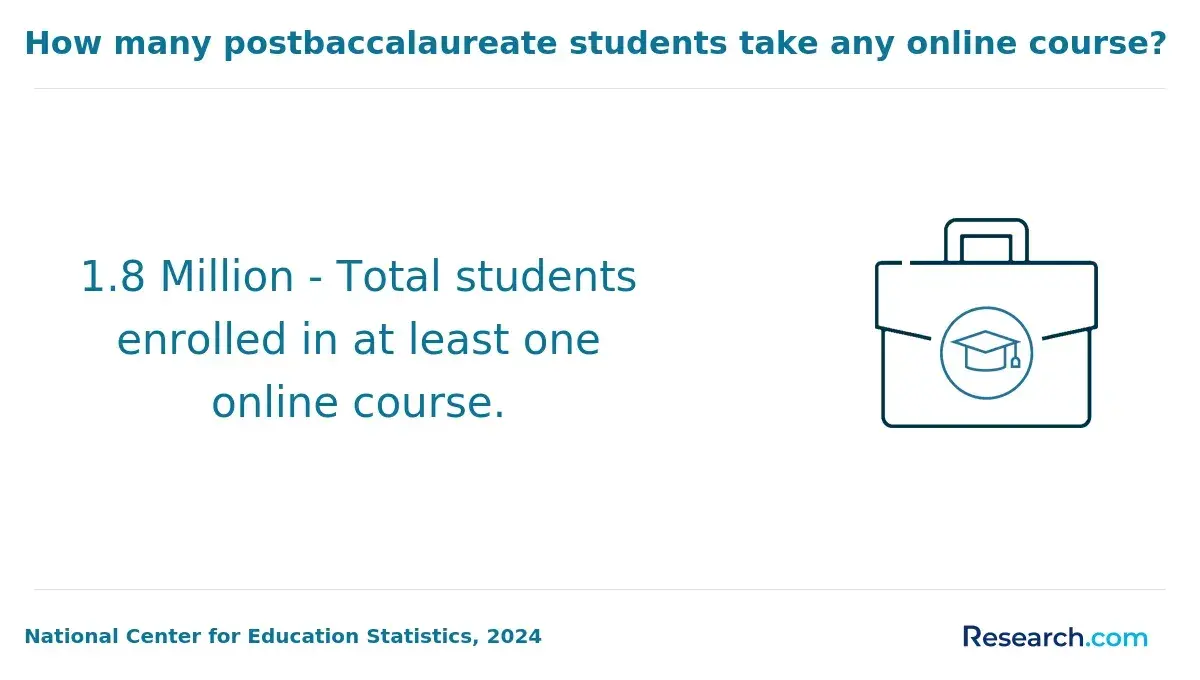
Mid-career professionals aiming to transition into human resources leadership often confront a limited window for upskilling while balancing job demands and personal responsibilities. The surge in online education-now accounting for over 40% of all higher education enrollments according to the National Center for Education Statistics-signals critical shifts in accessibility but also exposes vast variation in program quality and flexibility. This fragmentation complicates strategic decisions about which online business administration degrees truly align with HR career goals and employer expectations.
This article evaluates the most relevant online business administration degrees with integrated human resources pathways, helping prospective students navigate program structures, credential value, and labor market fit to optimize their career advancement strategy.
Key Things You Should Know
- Only 37% of U.S. online business administration degrees with human resources alignment include SHRM-aligned coursework, creating a credentialing gap that complicates employer verification and real-world HR applicability post-graduation, per 2024 NCES data.
- Employers increasingly require both HR analytics proficiency and business administration acumen; 56% of HR job postings from the BLS in 2024 explicitly seek hybrid skills, pressuring students to prioritize programs with integrated analytics modules.
- The median full cost difference between standard online business administration degrees and those with dedicated HR specialization exceeds 22%, limiting access and necessitating careful ROI analysis amid stagnant wage growth reported by the Federal Reserve in early 2024.
What is an online business administration degree with a human resources focus?
Choosing an online business administration degree with a human resources specialization involves assessing its concrete impact on workforce readiness and career trajectories. Graduates gain tactical expertise in areas like talent acquisition, labor law compliance, and employee relations-skills directly applicable in industries such as healthcare and manufacturing. This specialization supports moves from generalist positions, like office management, into focused HR roles requiring strategic workforce planning and regulatory expertise.
Employers increasingly accept credentials from online business degree programs, with 51% now open to such candidates, a notable rise from 34% three years prior according to the Graduate Management Admission Council Corporate Recruiters Survey reported by BestColleges. This shift improves market viability yet underscores the importance of selecting programs aligned with industry standards to avoid pitfalls like outdated content or limited HR certification integration.
Practical considerations for prospective students include:
- Verifying accreditation status to ensure program quality and recognition.
- Ensuring the curriculum prepares for key HR certifications that enhance employability.
- Balancing time investment to master complex labor law compliance, a crucial factor given legal risks in HR roles.
The human resources career-focused online business administration program also enables measured transition from administrative duties to specialized HR functions, which often require nuanced understanding of workforce planning and employee benefits strategy. For those evaluating options, reviewing online business degree programs accredited by recognized agencies offers a practical method to filter credible offerings with relevant content and adequate support.
How do online business administration-HR programs compare to on-campus options?
Online business administration degrees with human resources focus provide academic rigor comparable to on-campus programs but require students to address significant gaps in networking and experiential learning. With employers filling 11,200 human resources manager and 78,700 specialist roles annually, practical experience often outweighs purely academic credentials. Campus-based programs typically facilitate internships and employer engagement more effectively, an advantage less accessible through online formats.
Students pursuing online HR degrees must actively secure internships or local roles to gain hands-on exposure, especially critical in industries like manufacturing or healthcare where onsite knowledge of labor regulations and union negotiations is vital. Conversely, sectors with remote workforces, such as tech startups, may value the digital collaboration skills honed through online study.
Comparing online versus on-campus business administration HR programs reveals tradeoffs in flexibility versus structured socialization. Online formats suit working professionals balancing jobs or family but demand strong self-discipline, often affecting time-to-degree and completion rates. Traditional degrees sometimes signal a candidate's ability to navigate competitive environments, influencing hiring biases.
Prospective students should evaluate their industry's hiring norms, immediate HR experience needs, and self-directed learning capacity. Success in an online program requires a deliberate approach to building networks and integrating knowledge with real-world practice in an evolving labor market that continues to grow through 2032.
For those considering broader educational options, a bachelor's degree in project management may complement HR competencies with applicable operational skills.
What accreditation and institutional quality standards should these online programs meet?
Accreditation plays a decisive role in determining the practical value of online business administration degrees aligned with human resources careers. Regional accreditation from agencies like the Higher Learning Commission or Middle States Commission on Higher Education ensures foundational institutional quality and credit transferability, while program-specific credentials from bodies such as the Accreditation Council for Business Schools and Programs (ACBSP) or the Association to Advance Collegiate Schools of Business (AACSB) verify relevant curriculum rigor. Employers, especially in healthcare and manufacturing sectors, prioritize candidates from programs that meet these accreditation standards as they indicate alignment with core HR competencies and industry expectations.
Graduates from accredited programs generally demonstrate stronger outcomes in practical areas such as talent acquisition, labor law compliance, and compensation management-the skills linked to median annual earnings of approximately $136,350 reported for human resources and compensation managers. In contrast, candidates from less rigorous or non-accredited programs risk exclusion from competitive roles due to perceived skill gaps and weaker employer confidence.
When assessing online programs, prospective students must consider the integration of current HR software training, strategic decision-making case studies, and real-world organizational challenges. Accreditation influences not only educational quality but also access to impactful internships, professional certifications like SHRM-CP, and robust networking opportunities that directly impact career progression.
For those exploring online learning options comparable to business administration, resources such as a project management degree online offer insights into affordability and program features relevant to workforce alignment.
In practical terms, verifying online business administration accreditation standards in the United States shapes both immediate employability and longer-term career trajectories, highlighting the tradeoff between program cost, quality, and labor market outcomes.
What are the typical admission requirements for online business administration-HR degrees?
Admission criteria for an online business administration degree admission requirements with a human resources focus often reflect a balance between academic standards and professional experience. Programs typically require at least a high school diploma and a GPA near 2.5 to 3.0, filtering applicants to ensure foundational competence. While standardized tests such as the SAT or ACT are increasingly optional, some schools still recommend them to assess quantitative and verbal reasoning, though relevant work experience can sometimes substitute for these scores.
The human resources business administration program entry criteria frequently include prerequisite coursework in subjects like accounting, economics, and management, preparing students for specialized HR content. Letters of recommendation emphasizing leadership and communication skills are common, recognizing that employers value these competencies in sectors such as healthcare, technology, and manufacturing. Tuition costs for these programs range widely, from approximately $16,650 to $64,000 for online bachelor's degrees in human resources management, affecting accessibility and decision-making for adult learners managing career pivots and financial constraints.
Access to reliable technology and demonstrated self-motivation remain non-negotiable given the asynchronous nature of online study. Prospective students often benefit from engaging admissions counselors early to understand credit transfer and program readiness, mitigating potential barriers. Applicants unable to meet direct entry requirements may enhance eligibility through foundational courses or certificates, a strategic step in progressing within the field.
For interdisciplinary ambitions, one may consider pathways extending to advanced credentials such as an online PhD in healthcare management, which integrates HR expertise with sector-specific leadership roles.
How long do online business administration-HR programs take and what do they cost?
Completion time for online business administration-HR programs varies considerably, with associate degrees requiring about 2 years, bachelor's degrees around 4 years, and master's taking 1.5 to 2 years. Part-time study extends these timelines to 3-5 years, introducing a risk of delayed workforce entry and potentially slower salary growth. Cost is another critical factor: associate degrees range from $6,000 to $20,000, bachelor's cost $30,000 to $60,000, and master's programs fall between $20,000 and $50,000. Public in-state tuition generally offers the best value, whereas private or out-of-state tuition drives up expenses.
Employers typically prioritize candidates holding bachelor's or master's degrees with specific alignment to HR functions, expecting readiness in workforce analytics, compliance, and strategic initiatives. For instance, competition for HR management roles in technical services demands both credentials and demonstrated business acumen to accelerate onboarding. U.S. Bureau of Labor Statistics data indicate human resources managers earn median salaries around $163,000, with slight variation by sector, validating the premium placed on advanced education paired with relevant experience.
Students must weigh accelerated options that reduce cost and duration against the tradeoff of diminished depth and networking opportunities. Online formats serve working adults well but require disciplined scheduling to avoid extending completion time. Balancing tuition expense, program rigor, and alumni outcomes remains essential for making a strategic investment aligned with long-term career objectives.
What core business and human resources courses will students usually complete?
Online business administration degrees focused on human resources must balance core business acumen with specialized HR expertise to meet employer demands for strategic HR leadership. Graduates who only master foundational topics like organizational behavior or strategic management but lack practical HR applications-such as compliance with employment law, compensation frameworks, and talent analytics-often find advancement limited. For instance, HR managers negotiating union contracts in manufacturing rely equally on labor law knowledge and data-driven insights into workforce costs; tech companies expect HR professionals to deploy retention strategies aligned with fast innovation cycles.
Programs that omit experiential learning in areas like compliance audits or real-world negotiation simulations risk leaving students underprepared for the operational complexities of HR roles. Key business courses-marketing principles, operations management, and business law-are essential complements, enabling HR leaders to translate data into actionable workforce strategies.
Critical skills include workforce analytics, HR information systems, and leadership communication to navigate workplace diversity and remote teams. Without these, achieving the strategic influence and median six-figure compensation in HR management roles projected by labor statistics remains a challenge.
Which HR career paths and job titles can this degree prepare you for?
Graduates of online business administration programs aligned with human resources often confront the distinct challenge of translating theoretical knowledge into operational HR competencies, particularly when lacking prior industry experience. Roles such as talent acquisition coordinator at tech startups demand acute time-management skills to handle high-volume recruiting, a competence noted by 69% of global employers as a strong suit in these graduates, according to a 2024 GMAC Corporate Recruiters report.
Mid- and senior-level HR roles-like HR director or organizational development manager-require more than foundational skills; strategic decision-making, compliance acumen, and leadership in change management become imperative. Business administration coursework supporting these areas offers a framework, but real-world effectiveness depends heavily on supplemental certifications and practical exposure.
Key workforce considerations include:
- Mastery of HRIS software and legal compliance standards is often expected, adding pressure to supplement academic learning.
- Internships or project-based work integrated into programs are critical for bridging experience gaps, especially for career changers.
- Advancement beyond entry-level roles frequently involves ongoing specialization and professional development.
This degree provides a versatile business foundation applicable across public, private, and nonprofit sectors, but prospective students should weigh the balance between flexible online learning and the need for tangible HR experience to meet employer expectations effectively.
What salary ranges and advancement opportunities exist for HR professionals with this degree?
HR professionals with an online business administration degree can expect salaries from about $60,000 at entry level to over $100,000 in senior roles within finance or technology sectors. The earnings gap between MBA holders and experienced hires without advanced degrees often exceeds $25,000 annually, according to GMAC data compiled by BestColleges. This differential points to a measurable financial advantage tied directly to completing advanced business degrees.
Graduates who focus on HR-related business administration gain opportunities beyond traditional roles, allowing shifts into talent management, strategic leadership, or organizational development. For example, a manager with this degree might lead workforce planning or change management projects essential for promotion into senior management or C-suite roles such as chief human resources officer (CHRO).
Successful progression typically demands five to ten years of combined education and relevant work experience. Employers especially value candidates who complement degree credentials with direct experience in HR technologies or data analytics, fields rapidly transforming human resources practices.
Practical career growth hinges on targeted networking and certification in specialized HR areas. Professionals must weigh the return on investment carefully, as salary and role expansion depend as much on real-time project leadership and industry relevance as on the credential itself.
Are certifications like SHRM or HRCI recommended with a business administration-HR degree?
Securing SHRM or HRCI certifications alongside a business administration-HR degree tangibly separates candidates in competitive sectors where advanced HR roles command median salaries surpassing $160,000, particularly in professional, scientific, technical services, and enterprise management. These credentials confirm expertise in compliance, strategic workforce planning, and talent management-skills that hiring managers explicitly expect for leadership positions.
For instance, candidates targeting enterprise management must present proficiency in complex legal frameworks and employee relations strategies. While smaller firms or less regulated industries may not mandate these certifications, possessing them often accelerates promotion opportunities and bolsters credibility. This advantage comes with tradeoffs:
- Significant time commitment to study while balancing job duties
- Financial costs associated with exam fees and preparation
- Pressure to pass rigorous certification exams
Employers consistently prefer candidates demonstrating both formal education and certification, viewing this combination as evidence of readiness and sustained professional development. Neglecting these credentials risks exclusion from strategic HR leadership roles or high-paying industry segments. Deciding to pursue SHRM or HRCI should align with targeted industry demands and one's aspirational career path rather than a blanket expectation.
How can students choose a reputable online business administration-HR program that fits their goals?
Choosing a business administration-HR program demands scrutiny beyond brand names and marketing claims, focusing on accreditation and curriculum rigor that align tightly with labor market demands. Accreditation from recognized regional agencies or organizations like SHRM is not a superficial marker but a signal of academic standards linked to practical HR competencies, including labor law and talent management.
Mid-career professionals pivoting into HR should weigh program flexibility and the availability of experiential learning such as virtual internships, which directly impact job readiness. Programs lacking targeted content on industrial relations or compliance may disadvantage graduates specifically aiming for HR management roles in sectors like manufacturing.
Cost and duration require balancing against credible outcome metrics. Bureau of Labor Statistics data show business-related roles, including HR, offering median annual wages near $80,100-around 27% above the median for all bachelor's grads-illustrating a tangible return on investment for rigorous programs. Graduates from less rigorous or unaccredited institutions risk diminished employer recognition despite holding a degree.
Prospective students must request specific retention and HR-sector job placement rates, plus alumni engagement measures, to assess real-world value. Programs failing to update curriculum for evolving HR technology and changing employment laws pose long-term risks to career resilience.
Other Things You Should Know About Business Administration
Online business administration-HR programs require disciplined time management, especially since they blend quantitative business studies with qualitative HR topics. Working professionals should expect to allocate 10 to 15 hours per week to keep pace with readings, assignments, and interaction deadlines. Programs that offer asynchronous elements tend to provide greater flexibility, but students must be proactive in managing competing work responsibilities to avoid burnout and ensure steady progress.
Choosing programs that include internships or capstone projects adds substantial practical value by translating theoretical knowledge into real-world skills. Employers value candidates who have applied business administration and HR principles in workplace scenarios, improving readiness for entry or mid-level roles. If your current work experience does not involve HR duties, prioritizing these hands-on components should influence your program selection to enhance employability.
Broad business administration degrees offer flexibility to pivot across functions like finance, marketing, and operations but may lack depth in HR-specific competencies. Specialized HR tracks focus on workforce management and labor relations, improving immediate job readiness in human resources but narrowing career options outside HR. Prospective students should weigh their long-term career goals; prioritize specialized HR paths if committed to people management, or broader degrees if career versatility is a higher priority.
References
- Human Resource Management Course Level 4 and 5 | Online Business School https://www.onlinebusinessschool.com/human-resource-management-online-course-level-four-and-five/
- HR Career Path: Everything You Need to Know https://www.aihr.com/blog/hr-career-path/
- Study Human Resource Management: All you need to know https://www.study.eu/article/study-human-resource-management-hrm
- Human Resources Career Path: Roles, Skills & Growth https://hcm.sage.com/blog/human-resources-career-path
- Understanding Academic Accreditation for Online Universities https://www.qahe.org/article/understanding-academic-accreditation-for-online-universities/
- HR Certification vs. Degree: Which Is Right for You? https://hrcertification.com/blog/hr-certification-vs-degree-biid1000056
- Online BBA vs. On-Campus BBA: What You Should Know Before You Choose | CourseCompare.ca https://www.coursecompare.ca/online-bba-vs-on-campus-bba/
- Top 10 Online Bachelor's In Human Resources Programs 2025 https://www.accreditedschoolsonline.org/business/human-resources/
- Tuition-Free Distance Learning Program in Business Administration - UNYBT https://unybt.com/tuition-free-program-business-administration/
- Discover The Most Affordable Online Human Resources Degrees https://www.affordablecollegesonline.org/degrees/human-resources-programs/