2027 Online Business Administration Degrees With Long-Term Business Career Stability

Co-Founder and Chief Data Scientist
Working professionals seeking a strategic career shift in business face the dual challenge of securing relevant credentials without sacrificing current job responsibilities. The rise of online education, which now accounts for over 35% of all higher education enrollments according to the National Center for Education Statistics, signals both expanded access and intensified competition among programs vying for adult learners balancing complex schedules.
This trend underscores the necessity of selecting online business administration degrees that not only offer flexible admissions but also align with sustainable long-term career growth in a volatile market. This article evaluates online business administration degree options optimized for enduring business career stability and informed decision-making.
Key Things You Should Know
- According to the U.S. Bureau of Labor Statistics 2024 data, median wages for business administration roles plateau after five years without graduate credentials, implying that online bachelor's degrees may require further investment to sustain career growth.
- Employer surveys from the National Association of Colleges and Employers reveal 68% of hiring managers prioritize internship and practical experience over online degree modality, constraining purely remote business administration graduates' entry-level opportunities.
- Cost analyses from the College Board show average total expenses for accredited online business administration degrees remain 20-30% lower than traditional programs, yet elongated completion timelines due to balancing work and study create delayed return on investment.
What is an online business administration degree?
Online business administration degree programs are often chosen for their flexibility, but the real value lies in their ability to equip graduates with applicable skills that meet employer demands across sectors. For instance, a supply chain analyst in manufacturing might apply coursework in logistics and data analysis immediately to optimize processes, illustrating the degree's practical utility beyond theory.
This path requires self-discipline to manage asynchronous learning alongside current job responsibilities, making it suitable for professionals balancing multiple commitments. Critical components generally include strategic planning, financial reporting, leadership development, and technology integration, reflecting the multifaceted nature of modern business roles.
Graduates typically move into functional positions such as operations manager, financial analyst, or human resources coordinator, where understanding complex workflows and decision-making processes is essential. The U.S. Bureau of Labor Statistics projects about 911,400 openings annually in business and financial operations from 2022 to 2032, indicating sustained demand for adaptable professionals.
Deciding on an online business administration degree requires scrutiny of accreditation and curriculum relevance, particularly regarding applied skills versus theoretical focus. Long term career stability with business administration degrees is influenced by one's ability to navigate remote collaboration, data-driven strategies, and compliance complexity effectively. Prospective students can explore an accelerated business management degree option to fast-track these competencies.
How do I verify accreditation for online business programs?
Employers in finance, marketing, and supply chain sectors increasingly filter candidates using accreditation as a key screening metric. Without verified accreditation, graduates of online business administration programs face tangible risks such as lower salary offers and stalled career progression. For instance, a finance professional shifting to business administration must insist on degrees recognized by regional accreditors or specialized bodies like AACSB or ACBSP, as these credentials heavily influence employer trust and licensure. This practical verification of accreditation for online business administration programs is essential beyond institutional recognition alone.
Checking program legitimacy involves consulting the U.S. Department of Education's DAPIP and the Council for Higher Education Accreditation (CHEA) databases. These sources clarify whether a program fulfills rigorous standards necessary for federal financial aid eligibility, credit transfer, and certification pathways. Many institutions hold institutional accreditation yet lack specialized programmatic approval, which can directly impact degree value and graduate school admission options, particularly for MBA tracks requiring such credentials.
National accreditation or general education recognition rarely carry the same weight in the hiring market. Prospective students should also verify state licensing requirements for online programs serving their residence to avoid wasted investment. According to the National Association of Colleges and Employers, business majors with accredited degrees earned an average starting salary of $60,695 in 2022, reflecting market differentiation based on accreditation status.
In evaluating alternatives, candidates might explore programs such as those offering a bachelor of project management, where accreditation and outcome transparency are equally critical for career pivots.
Is an online business degree respected by employers?
Employer recognition of an online business administration degree depends heavily on accreditation, curriculum rigor, and demonstrable skills rather than delivery mode alone. Key to overcoming skepticism, especially in traditional industries, is supplementing the degree with documented internships, certifications, or portfolio work. For example, a career switcher aiming to enter supply chain management will need to actively build trust through targeted skill endorsements and relevant experience to compete with candidates from brick-and-mortar programs.
The value of an online business administration degree to employers is often mediated by program reputation and graduate outcomes. Degrees lacking third-party accreditation or clear alumni placement metrics frequently face employer doubt, underscoring the importance of verifying these factors before enrollment. Conversely, tech-sector roles in data analysis, digital marketing, or business intelligence tend to place greater trust in reputable online credentials when accompanied by demonstrated proficiency.
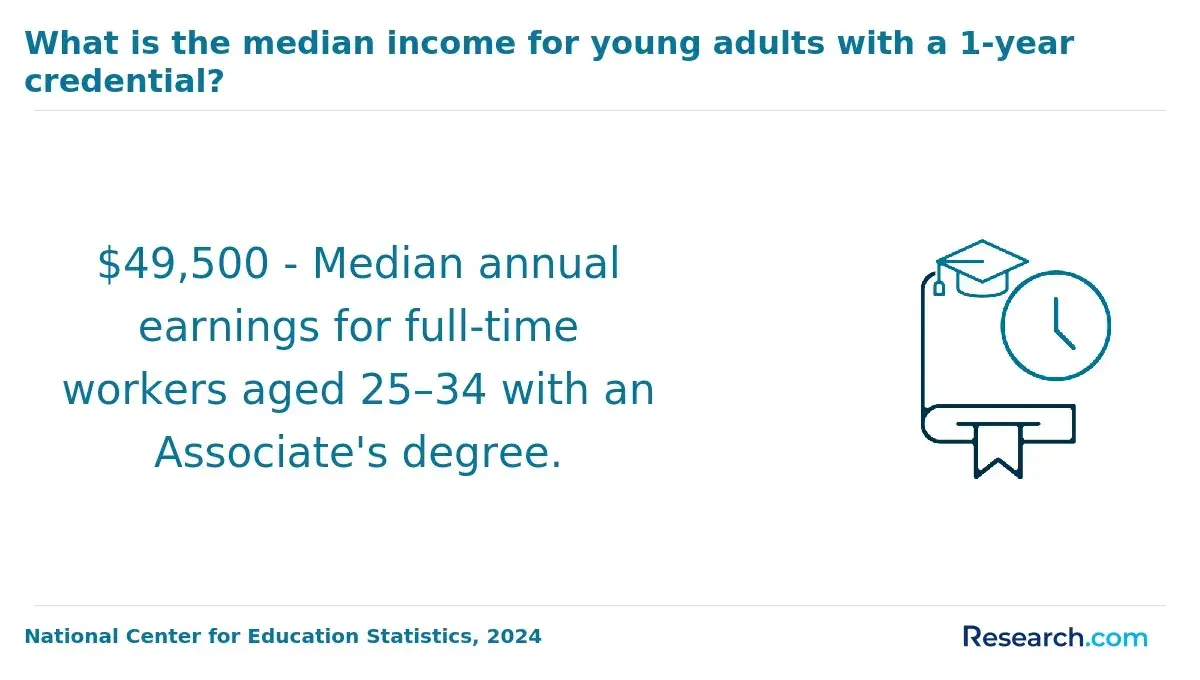
Labor market data highlights growth in business-related fields, with a 6% projected increase through 2028 and median wages rising from $70,000 to $80,000, reflecting persistent demand for qualified graduates. Practical decision-making around online business education must weigh flexibility against the extra initiative required to ensure employer acceptance.
For those considering diverse options, exploring online sports degrees may offer alternative pathways with distinct career trajectories.
Which business jobs offer the most stable career paths?
Stability in business administration careers aligns closely with roles delivering measurable impact tied to organizational resilience and continuity. Finance managers offer notably steady prospects due to their function in risk mitigation, regulatory compliance, and financial oversight, areas where volatility is most consequential. The U.S. Bureau of Labor Statistics projects finance manager employment to grow 11% through 2032, underscoring demand irrespective of sector shifts.
Operations managers maintain relevance by optimizing processes, particularly in manufacturing and logistics sectors where supply chain disruptions can directly threaten profitability. Their ability to adapt operations amidst economic fluctuations ensures persisting employer investment. Meanwhile, human resources specialists navigate evolving workforce needs by managing legal compliance and talent pipelines, a critical asset for businesses facing structural changes or skill gaps. These represent the most stable career paths in online business administration, reflecting durable cross-industry demand.
Educational choices should factor in long-term ROI and market expectations. The Education Data Initiative estimates a lifetime ROI near 287.7% for a bachelor's degree in business, crediting consistent employer value. However, certifications like CFA or CPA increasingly differentiate candidates, especially in finance roles tied to stable compensation. Transitioning professionals must balance degree completion with credential requirements and sector-specific stability.
Job seekers should prioritize roles centered on financial tracking, process improvement, or compliance-functions least susceptible to transient market trends. For those considering healthcare-related management trajectories, an online masters healthcare management program may offer alternative specialization advantages.
What courses are in an online business administration program?
The practical value of online business administration programs in 2026 stems from their balance of core foundational skills and targeted specialization, which directly impact employability and salary potential. Core courses in accounting, finance, marketing, management, and business law equip students with essential tools, but real-world effectiveness depends on careful course selection aligned with specific career goals.
Financial management classes emphasize budgeting, investment analysis, and risk assessment-skills tied to median financial manager salaries around $131,710, according to BLS data summarized by the University of Bridgeport. Marketing tracks cover advertising strategy and digital analytics, corresponding with marketing manager roles earning near $127,150. Yet, graduates must weigh the choice between broad business literacy and specialized expertise based on their desired industry niche.
Quantitative skills and strategic management training prove indispensable for roles demanding operational efficiency or leadership in complex organizations. Electives in supply chain management, entrepreneurship, or international business offer pathways to pivot into sectors like technology, where project management and innovation strategies dominate. However, the online format requires disciplined time management and self-motivation to translate theories into measurable business outcomes, often through internships or applied projects.
The tradeoff for students lies in balancing theoretical frameworks with practical experience, as the ability to demonstrate real-world competence often determines long-term career stability across evolving market demands.
How do online and campus business programs compare?
Choosing between online and campus business administration programs hinges on the interplay between learning environment and career objectives, not just convenience. Campus programs tend to provide critical in-person networking, mentorship, and experiential opportunities, making them advantageous for roles heavily dependent on interpersonal leadership, such as a finance professional shifting into banking management. Conversely, online programs offer superior schedule flexibility and often integrate applied coursework that benefits experienced professionals seeking operational management roles without disrupting existing commitments.
Curriculum content largely overlaps, covering foundations like accounting, marketing, and strategic management. However, campus settings embed collaboration through faculty-observed case studies and team projects, which can better demonstrate leadership potential to employers. Online students must proactively engage in external venues-volunteer boards or professional associations-to cultivate comparable interpersonal evidence for hiring managers.
The Bureau of Labor Statistics projects management occupations will grow by about 8% through 2031, adding nearly 884,000 jobs. Navigating this expanding market requires blending academic credentials with practical experience and up-to-date business technology skills. Students should weigh their learning preferences, current career stage, and employer demand nuances to select the modality best aligned with their targeted leadership paths.
What are the admission requirements for business administration degrees?
Admission to business administration programs presents concrete tradeoffs tied to academic readiness and workforce timing. Undergraduate applicants typically must show a high school diploma or equivalent and maintain at least a 2.5 to 3.0 GPA, setting a baseline that filters candidates likely to manage core business concepts. For those with prior college credits or associate degrees, submitting transcripts enables transfer evaluations that can shorten program length and reduce tuition outlays-critical factors when balancing cost and time.
Graduate business administration admissions layer on expectations for relevant work experience and often a minimum 3.0 undergraduate GPA. While some still require GMAT or GRE scores, an increasing number have eased this mandate to avoid excluding capable candidates, aligning with changing employer priorities that weigh professional background alongside academic records.
The challenge for working professionals enrolling in online formats lies in managing enrollment deadlines against existing employment obligations. Flexible start dates and rolling admissions address this friction, but applicants must remain vigilant to deadlines and document submission requirements.
Certain fields like finance or healthcare management may impose specific course prerequisites or certifications, reflecting employer demand for specialized knowledge rather than general business competence alone. Boise State University's 2025 ROI data indicates online business graduates can expect roughly 50% salary increases, emphasizing the importance of expediting admissions and maximizing transfer credits to hasten return on investment.
How long does an online business degree take and cost?
Choosing an online business administration degree demands a careful balance between time, cost, and expected career returns. Full-time study generally spans two to three years, but working professionals often face five or more years when attending part-time. Accelerated options shorten this to 12-18 months but require a workload many cannot sustain alongside employment.
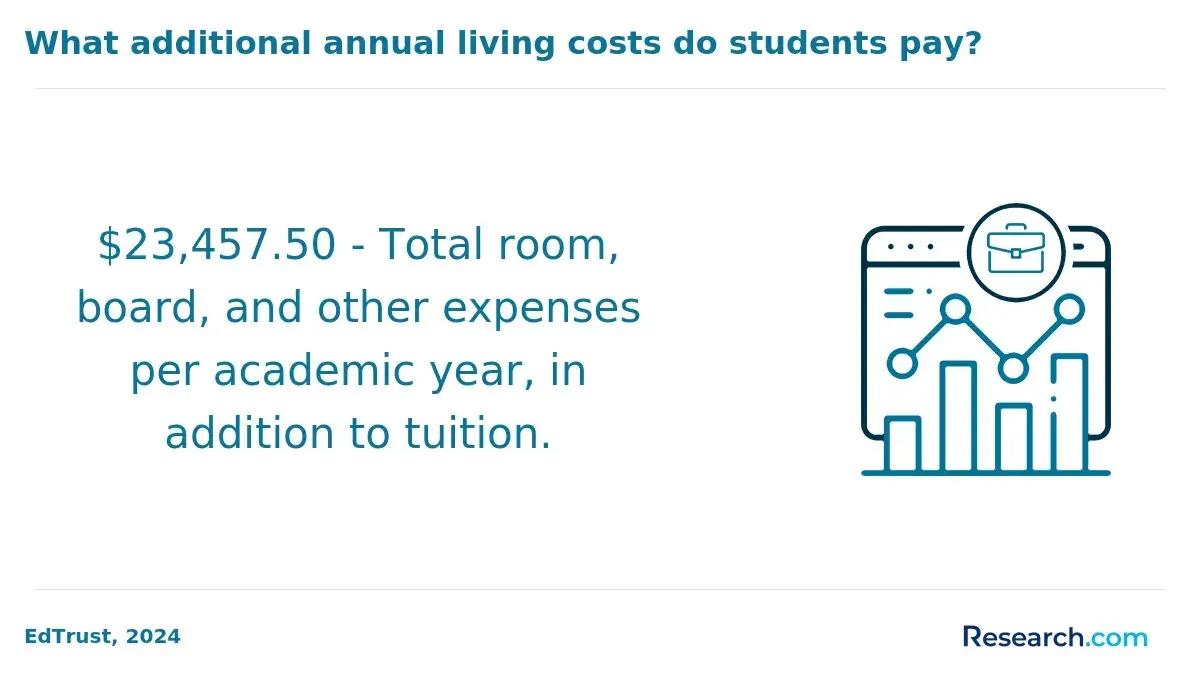
Costs vary widely, from roughly $15,000 at less selective institutions to upwards of $80,000 at top-tier universities, with additional expenses for technology, materials, and occasional travel. These factors weigh heavily against the economic benefit: according to data referenced by National University from the GMAC Corporate Recruiters Survey, MBA graduates typically see salary increases averaging $41,000, or 46%, alongside a $125,000 median starting salary and signing bonuses near $35,900 in competitive sectors.
Workers in finance and consulting often realize these gains sooner, while professionals in smaller industries or mid-career healthcare managers may prioritize flexible, part-time formats to limit income disruption, accepting extended program lengths. Employer expectations for internships and networking-often disrupted in online formats-also influence post-degree opportunities.
Key tradeoffs include program intensity against work-life balance and upfront cost against profound industry-specific salary implications. Candidates should frame decisions within the broader context of employment sector norms, hiring trends, and the practical realities of maintaining career momentum during study.
What salary can business administration graduates expect?
Salary data three to five years post-graduation reveals a gender gap in business administration earnings, with women averaging $151,951 and men $172,469, according to a GMAC survey cited by National University. This disparity signals a need for candidates to anchor salary negotiations in sector- and location-specific benchmarks. For instance, roles in finance or consulting within major urban centers often yield compensation at the top of this range, while nonprofit or regional positions may yield less despite equivalent credentials.
Prospective students balancing work and study must scrutinize the cost-benefit ratio, recognizing that higher tuition may pay off if targeted toward industries with established premium salaries for advanced degrees. Employers tend to value degrees combined with relevant work experience, particularly in leadership, project management, and data analytics. Supplementing a degree with certifications or specialized skills frequently accelerates salary growth trajectories.
Key considerations include:
- Aligning educational choices with evolving labor demands, especially in emerging fields such as fintech or sustainability.
- Leveraging data-driven insights on competitive salary standards, including gender-based variations, to strengthen bargaining positions.
- Understanding that long-term career stability and access to management roles often depend on both credential relevance and adaptable skill sets.
Such practical evaluation guides more strategic decisions about investing time and resources into business administration degrees offered online or through traditional channels, revealing real workforce returns beyond entry-level expectations.
Which certifications help business graduates advance careers?
Certifications focused on analytics, digital strategy, and leadership respond directly to employer demand for measurable, specialized capabilities that surpass general experience. Business and financial sectors pay a median annual wage of $76,850, significantly higher than the national median of $46,310, reflecting how such targeted skills translate to tangible economic value. For instance, professionals with data analytics credentials are positioned to design actionable insights that can optimize revenue streams, especially in sectors like retail supply chains and financial services.
Project management certifications like PMP remain essential for graduates taking on roles that require managing complex, cross-functional initiatives with strict deadlines and budget constraints. Similarly, digital marketing strategy certifications authenticate proficiency in optimizing customer engagement and retention in increasingly digital marketplaces.
Leadership certifications tailored for remote and hybrid work environments are gaining importance as organizations shift operational models. Graduates equipped to lead distributed teams can sustain productivity and morale without direct supervision, though such certifications demand a time and financial investment that may compete with gaining practical experience.
Choosing the right certification depends heavily on career focus; for example, supply chain analysts derive more benefit from analytics certifications than from broad-based management courses. Aligning practical relevance with recognized employer preferences and federal labor statistics offers a pragmatic framework for certification decisions in Business Administration.
Other Things You Should Know About Business Administration
Choosing between a general business administration degree and a specialized focus depends on your career objectives and current market demand. General degrees offer broader knowledge but may limit immediate industry-specific expertise, which employers often expect for mid- to senior-level roles. Specializing in areas like finance, marketing, or supply chain can enhance employability in targeted sectors but may reduce flexibility if you want to pivot later. Prioritize specialization if you have a clear career path; otherwise, a general track with electives can maintain versatility.
For-profit online programs typically offer accelerated admissions and flexible pacing but often come with higher tuition rates and questionable academic rigor, which can affect employer perception. Conversely, nonprofit or public institutions usually have more established reputations, stronger alumni networks, and better federal financial aid options, but admissions may be more competitive and course schedules less flexible. Prioritize nonprofit or public programs when long-term career advancement and credible credentials matter most, especially in competitive business environments.
Networking opportunities in fully online business administration programs vary widely and can significantly impact career stability and advancement. Programs with structured cohort models, virtual collaboration projects, and access to active alumni networks offer clear advantages in building professional relationships. Without these, students risk missing the informal connections and mentorships essential in business fields. When choosing an online program, prioritize those that incorporate interactive networking elements to replicate the relationship-building benefit of on-campus education.
References
- How much does Business Administration make today https://vinuni.edu.vn/how-much-does-business-administration-make/
- Business Administration Degrees (Types, Courses & FAQ) https://www.allbusinessschools.com/business-administration/degrees/
- How Long Does It Take to Get a Business Administration Degree? - Team Academy https://teamacademy.nl/how-long-does-it-take-to-get-a-business-administration-degree/
- Professional Business Certifications to Boost Your Career in 2025 https://www.business.com/articles/best-business-certifications/
- Online Business Degree Programs | University of Phoenix https://www.phoenix.edu/online-business-degrees.html
- Accreditation Council for Business Schools and Programs - (ACBSP) https://www.chea.org/accreditation-council-business-schools-and-programs
- Career Certifications to Boost Your Success https://studyhub.org.uk/career-certifications-to-boost-your-success/
- Is Your Online Degree Legitimate? How to Verify Private University Approval https://matchtocollege.com/blog/verify-private-university-online-degree-approval
- Top Recession-Proof Careers That Actually Offer Long-Term Stability https://girlboss.com/blogs/read/top-recession-proof-careers-that-actually-offer-long-term-stability
- How Long Does It Take to Get Your Business Degree? https://www.umassglobal.edu/blog-news/long-does-take-get-your-business-degree