2027 What to Know Before Applying to Arcadia University Online Programs

Co-Founder and Chief Data Scientist
The decision to apply for an online program at Arcadia University requires more than checking admission criteria. Many applicants overlook the reality that online learning demands strong self-discipline and reliable technology access. Considering that 48% of students cite flexibility as their top priority when selecting an online institution, understanding how Arcadia's programs align with personal schedules and professional goals is essential. Prospective students must evaluate whether they can meet the university's academic expectations without the structure of in-person classes.
Admission requirements at Arcadia University include more than traditional transcripts and test scores. Applicants should prepare for a thorough review process that may assess prior experience relevant to online learning readiness. Realistic expectations about interaction levels, pacing, and faculty engagement can influence success in an online environment. This article will analyze these factors and guide readers through the practical steps and considerations needed before applying to Arcadia University's online programs.
Key Points About Arcadia University Online Programs
- Applicants face a moderately difficult admission process with selective criteria that impact timely entry and program alignment, requiring clear academic prerequisites and focused application preparation.
- The $75,630 tuition demands careful financial planning, emphasizing the need to evaluate long-term career prospects and debt implications before enrollment.
- A 64% average graduation rate signals potential persistence challenges, making self-discipline and access to institutional support critical for successful program completion.
How competitive is the overall admission process at Arcadia University?
Arcadia University's overall acceptance rate of 79% indicates a moderately competitive admissions process. Out of every 100 applicants, roughly 79 are admitted, signifying that while most candidates succeed, a solid application remains necessary to meet basic standards. This reflects a balanced selectivity allowing access without overwhelming barriers for qualified students.
The variation in competitiveness often depends on the chosen program and specific requirements. Transfer applicants benefit from flexible policies, including CLEP exam acceptance and multiple semester intakes, which ease entry. However, some programs may demand standardized test scores or additional materials, increasing selectivity slightly compared to general admissions.
Compared to other online institutions, Arcadia's admission standards remain consistent with its on-campus offerings, which is notable. Many online programs elsewhere have lowered entrance requirements to boost enrollment, yet Arcadia maintains a moderate threshold, aligning with trends showing increasing national selectivity as reported by recent higher education analyses emphasizing tightening acceptance rates nationwide.
This stability in admissions at Arcadia implies predictability for applicants, avoiding the volatility seen at many schools. Prospective students should assess their credentials against this steady baseline and weigh the benefits of the school's balanced rigor when evaluating fit and long-term career objectives.
What are the admissions requirements at Arcadia University?
Admission to Arcadia University's online programs requires a balanced set of academic credentials and standardized test scores, reflecting a moderate selectivity level that distinguishes it from open admission schools yet remains more accessible than highly selective institutions. This middle ground often means applicants must carefully prepare to meet these criteria, balancing academic achievement and test performance to align with employer expectations for foundational knowledge and essential skills.
For example, a working professional seeking an online master degree should assess these admission hurdles early to avoid application delays or rejections. Below are the main admission requirements candidates must meet when applying for Arcadia University online programs.
- Secondary School Record: A complete transcript demonstrating successful completion of a college-preparatory curriculum, which confirms readiness for college-level work and assures employers of the applicant's foundational academic training.
- Standardized Test Scores: SAT scores typically range from 553 to 650 (verbal) and 530 to 660 (math), or ACT scores between 26 and 30. These benchmarks ensure applicants possess sufficient cognitive skills to handle rigorous coursework.
- English Language Proficiency: Non-native speakers must submit TOEFL scores to verify language skills necessary for effective communication and comprehension in an academic setting, a requirement important in a global workforce context.
- Competency Demonstration: Formal proof of academic or skill competencies adds evaluative depth beyond GPA, affirming applicants can meet program demands.
- Advanced Placement Credits: Accepted for prior rigorous coursework, AP credits allow students to reduce time and cost to degree completion, reflecting current trends in credit recognition.
- Additional Testing (Optional): Tests such as Wonderlic or WISC-III are recommended but not required, offering applicants alternative ways to showcase their cognitive abilities and adapt to different evaluation styles.
- Exclusions: Arcadia does not accept dual credit or credit for life experience, focusing admissions strictly on traditional academic achievements and formal testing.
A recent study found that over 60% of U.S. colleges have adopted test-optional or test-flexible policies to lower barriers to entry, but Arcadia University prioritizes traditional standardized tests and academic records. This means applicants must focus on meeting stated test score ranges and submitting full academic documentation rather than relying on alternative admissions pathways. Understanding these requirements is essential for applicants aiming for success within Arcadia University online admission requirements.
What online programs are Arcadia University known for?
Arcadia University's online degree programs hold distinct value because they combine theoretical foundations with applied experiences relevant to current workforce needs. For example, in education, a candidate who completes a tailored capstone project gains practical insight comparable to experience in real school settings, setting them apart for specialized instructional roles. Education, public health, business, psychology, and creative writing stand out as Arcadia's core strengths online.
Below are key programs illustrating this practical focus.
- Master of Education: This program integrates a custom capstone designed around real-world school challenges to cultivate skills for administrative or specialized teaching roles. Its competitive edge lies in aligning educators with contemporary instructional demands.
- Master of Public Health (MPH): Featuring applied research through partnerships with health organizations, this degree immerses students in actual public health issues and data-driven interventions, responding to the 18% regional increase in demand for remote public health professionals.
- Online MBA in Business Administration: The MBA emphasizes corporate-sponsored case studies that provide hands-on problem-solving aligned with evolving industry practices, meeting employers' preference for graduates with practical and analytical skills.
- Psychology Program: Focused on applied psychological theories and community engagement, this program supports careers in mental health and behavioral services with an emphasis on flexible online learning.
- Creative Writing: Offering a curated curriculum that balances theory with practice, this program fosters original work while preparing students for diverse writing-related professions.
Students considering online bachelor's degrees at Arcadia University should evaluate how these programs fit their goals given the tradeoffs between online delivery and experiential depth. Arcadia University Pennsylvania online graduate programs attempt to bridge this through partnerships and tailored projects; however, the impact on career opportunities varies by sector and employer. Applicants should review these practical realities carefully and consult resources such as easiest online degree guides to ensure realistic expectations and strategic decisions.
What is the cost of attending an online program at Arcadia University?
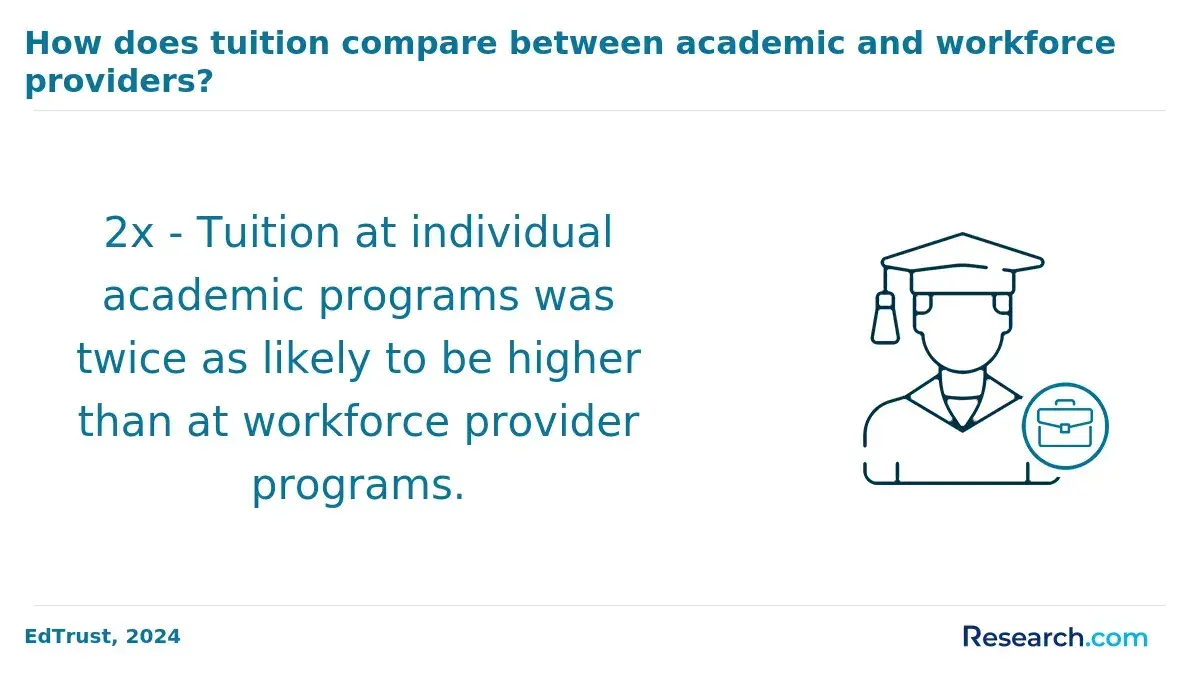
The average tuition cost for an online program at Arcadia University is $48,290, but the total cost of attendance can reach $75,630 when including books, supplies, and other fees. Undergraduate courses generally range from $800 to $900 per credit hour. Students must factor in extra costs such as technology and distance education fees, which cover essential platforms and support services for remote learning.
Hidden fees like proctored exam charges and identity verification can further increase expenses, particularly for programs requiring stringent academic integrity measures. Specialized software licenses or digital tools may also add unforeseen costs. Students should review these variables carefully since average tuition fees for Arcadia University online degrees vary based on program requirements and course load.
The total cost differs significantly across programs, especially between undergraduate and graduate levels, due to credit hour pricing and additional institutional fees. Recent data from 2024 reveals administrative and technology fees for online education have increased by over 15%, reflecting ongoing investments in digital infrastructure. These trends influence value alongside employability and long-term career outcomes.
Financial decisions should weigh these costs against practical benefits. Prospective students should explore affordable online masters programs and thoroughly assess financial aid options for Arcadia University online students to optimize investment efficiency in their chosen field.
What is the program schedule like at Arcadia University?
Arcadia University operates on a semester-based academic calendar with accelerated 7-week terms within those semesters. Applicants must navigate fall, spring, and summer start dates, planning carefully around rolling deadlines. This structure offers multiple entry points but demands timely application management to secure enrollment.
Online learners at Arcadia University typically manage course loads optimized for working adults, balancing professional and personal commitments. Fully asynchronous classes enable flexible engagement, accommodating varied schedules. Typical time commitments depend on course intensity, requiring disciplined time management for successful completion.
Beyond asynchronous formats, Arcadia offers cohort-based and executive-style tracks tailored to professionals seeking condensed, peer-driven learning experiences. A 2024 study noted a 34% increase nationwide in asynchronous course enrollment, reflecting employer demands for continuous skill development and the necessity for adaptable learning methods.
For example, a mid-career professional working full time can leverage these flexible schedules to upskill without pausing employment. However, the accelerated terms intensify workloads, requiring careful planning to avoid burnout while meeting both academic and workplace expectations.
Does Arcadia University have a high completion rate?
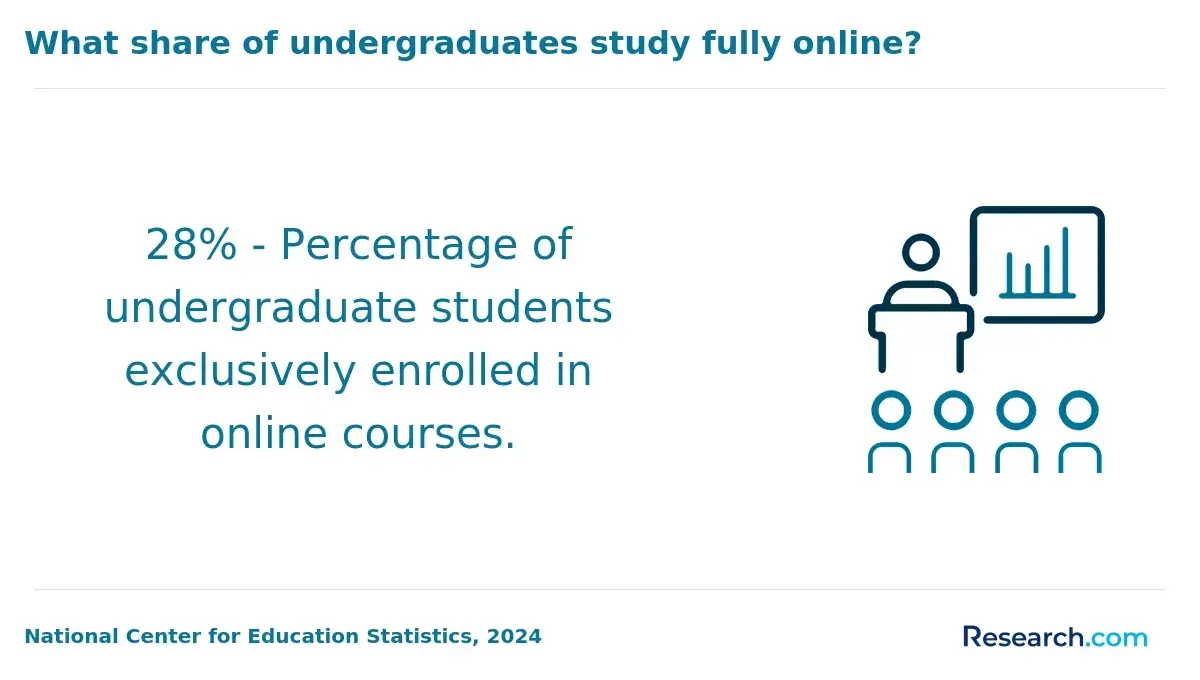
Arcadia University shows a 64% graduation rate among 3,142 online students, slightly below the national average persistence rate of 67% for remote undergraduates. This suggests that while a majority complete their degrees, the institution faces typical challenges in retaining online learners through graduation.
Completion rates vary widely depending on student support systems, the flexibility of class formats, and whether learners pursue part-time or full-time pathways. Those balancing work and family often take longer, with most finishing within six years, highlighting the demand for sustained motivation and effective time management in distance settings.
For example, a working professional enrolling part-time may find completing the degree feasible but extended, which can affect employer perceptions if degree completion is delayed. Employers often prioritize timely graduation as a sign of reliability and goal completion in candidates.
The 3% gap against national persistence benchmarks underscores a practical tradeoff. Prospective students must assess if Arcadia University's program structure aligns with their life conditions and professional goals to avoid potential setbacks in both education outcomes and long-term career impact.
Does Arcadia University have a good online student culture?
Arcadia University's online student culture offers foundational tools for interaction but depends heavily on student motivation to build meaningful connections. This setting works well for learners who are proactive in seeking engagement and comfortable navigating digital platforms. Unlike larger online institutions with vibrant, informal virtual spaces, Arcadia's culture centers more on structured academic collaboration and defined interaction points.
A prospective online student should weigh their personal networking style and self-discipline before expecting a dynamic peer environment. Key factors shaping Arcadia's online culture include:
- Blackboard Collaborate Platform:This real-time tool facilitates synchronous classes with direct faculty and peer interaction. It ensures clarity and immediate feedback but has limited scope for casual or spontaneous student exchanges outside scheduled sessions.
- Virtual Student Engagement Programs:These programs provide interest-based groups and career workshops tailored to remote learners. They create targeted engagement opportunities but require active student participation to thrive.
- Arcadia Student Portal Access:A centralized hub for communication and resource sharing that supports project collaboration. It's effective for task-focused interactions but less so for informal socialization.
- Microsoft Teams Channels:Enables group chats and virtual meetings outside class hours. It offers a flexible way to maintain peer connections but demands self-discipline to initiate and sustain dialogue.
- Limited Online Peer Networks:Compared to some universities, the smaller number of dedicated remote peer groups can make community-building slower and more effort-intensive.
- Emphasis on Student Initiative:The culture rewards students who actively seek out networking and engagement opportunities rather than passively participating.
- Impact on Academic Completion:A recent study from the National Center for Education Statistics shows online students engaging regularly through interactive platforms have a 37% higher course completion rate, highlighting the real-world consequences of an online culture's effectiveness.
What makes Arcadia University an ideal option for online students?
Arcadia University offers a practical balance of affordability, flexibility, and career outcomes that appeals to online students managing work and life commitments. For instance, a working professional pursuing a degree part-time can benefit from the extensive financial aid and remote learning support, easing financial stress and scheduling challenges simultaneously.
These factors are central to why Arcadia stands out for online learners. Below are the most popular reasons why online programs at Arcadia University Pennsylvania attract students seeking accessible yet career-relevant education.
- Comprehensive Financial Aid:100% of students receive some form of financial assistance, considerably lowering the $61,240 total attendance cost. This institutional commitment helps reduce upfront costs, making education more attainable for students balancing income constraints alongside tuition payment.
- Positive Salary Outcomes:The median alumni salary of $58,336 indicates a reasonable return on investment relative to tuition expenses. This figure serves as a practical benchmark for job market expectations after graduation, helping students make informed decisions about career and educational returns.
- Flexible Online Learning Environment:Arcadia's programs accommodate diverse schedules and regional limitations by providing robust online academic resources. Given that remote work opportunities have expanded by nearly 30% according to recent workforce data, this flexibility responds to a labor market increasingly open to virtual education credentials.
- Regional Reputation and Recognition:While not top-tier nationally, Arcadia maintains meaningful regional and program-specific standing. Graduates can leverage this recognition in competitive industries where employer familiarity impacts hiring decisions.
The evolving perception of online degrees among employers improves Arcadia's appeal as a viable option for online education. Prospective students should consider these factors carefully, especially given the broader ranking of online colleges that accept low GPA where accessibility and outcomes intersect. Understanding these advantages helps students align their educational choices with realistic career objectives.
What resources are available to online students at Arcadia University
Online students at Arcadia University depend on a range of digital academic resources that simulate crucial campus functions in a remote environment. These resources are essential for managing coursework efficiently while balancing competing responsibilities such as work and family. For instance, a remote learner juggling a full-time job may rely heavily on extended library access and virtual tutoring to maintain progress without compromising work hours.
Below is a summary of key support services that highlight the practical value of available resources.
- Virtual Tutoring Platforms: Personalized support is available through online tutors who help clarify course materials and develop study strategies. These platforms are vital for students who cannot attend in-person sessions but need tailored academic assistance to succeed.
- Remote Library Access: Students can use extensive databases, e-books, and scholarly journals around the clock. This 24/7 accessibility addresses diverse schedules, enabling uninterrupted research critical for strong academic performance.
- Career Development Services: These include digital job boards focused on remote and local positions, online resume coaching, and virtual networking events with employers and alumni. Such services offer strategic advantages for students entering competitive job markets, provided they engage actively.
- Mental Health and Wellness Support: Online counseling sessions and wellness webinars help mitigate isolation and stress, factors known to affect 45% of remote students significantly. These services contribute to emotional resilience and program completion.
- Financial Counseling for Online Students: Personalized virtual consultations help clarify financial aid details and provide budgeting guidance, addressing confusion experienced by 52% of remote learners and supporting sustained enrollment.
Students should also consider the demands of self-directed engagement in leveraging these resources fully. Awareness of one's need for proactive use is critical given the degree to which success relies on individual initiative. In evaluating whether Arcadia University meets their needs, prospective learners might explore competency-based programs that integrate flexible and goal-oriented learning models aligned with workforce expectations.
In sum, Arcadia University's supports for online students reflect a comprehensive effort to offset distance-related challenges. However, maximizing these benefits requires understanding real tradeoffs in time management, self-motivation, and resource utilization.
How can you evaluate if Arcadia University is the right school for you?
Choosing Arcadia University's online programs requires a nuanced assessment that aligns educational offerings with realistic career goals and personal circumstances. Imagine a working professional weighing whether the debt load justifies career growth potential or if the program's delivery matches their need for flexible interaction.
Making that decision well demands carefully analyzing several factors that influence both short-term enrollment satisfaction and long-term employment outcomes. Below are key considerations to guide an informed evaluation.
- Acceptance Rate and Academic Alignment: A 79% acceptance rate suggests reasonable accessibility but does not guarantee fit. Assess how your academic background compares to Arcadia's standards to avoid investing time and money in a program you may struggle to complete.
- Median Graduate Debt: With a $27,000 median debt among graduates, calculating expected return on investment is crucial. Higher debt may be justified if industry salary benchmarks and advancement opportunities meet or exceed repayment capabilities.
- Career Outcomes and Employer Recognition: Verify job placement rates and reputation within your targeted industry. Arcadia's degree value varies by sector, so ensure employer demand supports your chosen credential.
- Program Relevance and Delivery: Online program content must align with professional requirements and provide enough interaction to fit individual learning styles. Remote applicants increasingly prioritize programs offering structured career pathways and comprehensive support instead of just affordability or access, according to recent studies.
- Institutional Reputation Beyond Rankings: Seek out alumni feedback and employer perspectives to understand the real-world impact of an Arcadia degree. Reputation often reflects practical value rather than mere institutional prestige.
What Graduates Say About Arcadia University Online Programs
- Genesis: "When I began researching online programs, I paid close attention to Arcadia University's admission criteria and tuition structure to make sure it aligned with my professional goals and budget. The application process was straightforward but required me to demonstrate both academic readiness and the tech skills necessary for remote learning, which honestly pushed me to organize better from the start. After completing the program, I found that the initial orientation effectively framed the academic expectations and available support resources, which smoothed my transition into the workforce as it emphasized critical thinking and practical knowledge valued by employers."
- Precious: "Studying online at Arcadia University was a deliberate choice shaped by their clear communication on program options and a transparent admission process. Initially, I was cautious about managing my schedule and keeping up with coursework without in-person interaction, but the thorough orientation reassured me by detailing time management strategies and technical support. Thanks to the rigorous curriculum and self-directed learning environment, my degree significantly enhanced my professional profile, especially in navigating complex projects where independence and discipline are key."
- Samira: "Before applying to Arcadia University's online program, I carefully evaluated how their program structure would fit my lifestyle, particularly looking at admission requirements and the tech preparedness needed for online success. The process wasn't without challenges: the tuition costs demanded careful budgeting, and the self-discipline required was more intense than I initially expected. However, once enrolled, the online orientation provided a realistic preview of academic rigor and access to various student resources, which helped me stay on track. Ultimately, the degree has opened doors for me by validating my skills in a competitive job market."
Other Things You Should Know About Arcadia University Degrees
Arcadia University's online programs often require a mix of timed exams, written assignments, and project-based evaluations that demand consistent time management and active engagement. For working professionals, these structured deadlines can create tight scheduling challenges, particularly since some assessments might not allow extensive flexibility. Carefully reviewing the course assessment formats before applying can help determine whether your work commitments and available study hours realistically align with the program's demands.
While Arcadia University is regionally accredited, employers vary in how they value online degrees depending on the field and market context. It is vital to research industry-specific hiring trends and confirm that your target employers accept online degrees from Arcadia University as equivalent to on-campus credentials. Prioritizing programs with strong practicum or internship components at Arcadia University can improve employment prospects by providing tangible experience to complement the degree.
Arcadia University's online coursework may require specialized software licenses or stable high-speed internet, which are not always included in tuition fees. Students should anticipate additional costs for programs that use proprietary platforms or advanced simulation tools within their curricula. Assessing these technical demands upfront is essential to avoid unexpected expenses and to ensure your available technology infrastructure supports uninterrupted learning.
Many Arcadia University online courses operate asynchronously, allowing flexibility but reducing real-time interaction with peers and instructors. If building a professional network during your studies is a priority, you should weigh whether this model aligns with your goals, as limited live engagement can restrict networking potential. Opting for programs with scheduled virtual meetups or cohort-based learning can partially mitigate this tradeoff and enhance collaborative experiences.
References
- How Arcadia University Reversed Enrollment Decline with Eduvantis | Eduvantis https://eduvantis.com/arcadia-university-a-bold-turnaround-rooted-in-data-storytelling-and-campus-wide-unity/
- 404 Page Not Found | Clastify https://www.clastify.com/blog/acceptance-rates/arcadia-university
- Arcadia University (AU) https://www.princetonreview.com/college/arcadia-university-1024056
- Arcadia University Requirements for Admission https://www.prepscholar.com/sat/s/colleges/Arcadia-University-admission-requirements
- Arcadia, CA - Library https://www.arcadiaca.gov/government/library/resources/digital_library/index.php
- Arcadia University - How well is the financial aid? https://talk.collegeconfidential.com/t/arcadia-university-how-well-is-the-financial-aid/2799494
- New Data on Completion Rates | HESA https://higheredstrategy.com/new-data-on-completion-rates/
- Arcadia University Launches Online Bachelor of Arts in Business Administration Degree Completion Program https://finance.yahoo.com/news/arcadia-university-launches-online-bachelor-133300439.html
- Apply to Arcadia University https://www.commonapp.org/explore/arcadia-university/
- ARCADIA UNIVERSITY, USA https://www.ceebd.co.uk/studyusa/arcadia/