2027 Is Southern New Hampshire University's Online BS in Business Administration - Sport Management Worth It? What Students Should Know

Co-Founder and Chief Data Scientist
Choosing an online BS in business administration - sport management program involves balancing academic rigor with career applicability and flexible learning formats. The U. S. Department of Education reports a 12% annual increase in online enrollment for business-related degrees, signaling strong demand but also rising competition among programs.
This surge challenges prospective students to discern which programs genuinely prepare graduates for evolving sport management roles amid shifting industry expectations. For those targeting southern new hampshire university's offering, assessing curriculum depth, networking opportunities, and accreditation becomes crucial. This article evaluates whether this program aligns with student goals, workforce realities, and long-term career growth prospects.
Key Points About Southern New Hampshire University's Online BS in Business Administration - Sport Management Program
- Southern New Hampshire University's online BS in Business Administration - Sport Management program has a 96% acceptance rate, balancing easier access against the need for students to assess competitive academic priorities.
- The total tuition of $51,392 paired with a 2.39x earnings to debt ratio suggests graduates can expect reasonable financial returns relative to their investment.
- Employers value graduates for their practical skills and industry readiness, with alumni earning a median salary of $50,318 across various sport management roles.
What makes Southern New Hampshire University's online BS in Business Administration - Sport Management program stand out?
Choosing Southern New Hampshire University's online BS in Business Administration - Sport Management often hinges on balancing scale and flexibility against rigor and self-motivation demands. Its large enrollment of 184,099 students paired with 14,416 staff-including 4,710 full-time faculty-means access to robust resources and a broad network but can also result in less personalized attention.
For working adults or those managing other responsibilities, the fully asynchronous format allows important scheduling flexibility, though it requires learners to be disciplined and proactive without the immediate support found in smaller programs.
The program's distinct emphasis on combining business fundamentals with sport management principles prepares students for niche roles in the sports industry, where practical leadership and critical thinking are essential. Compared to more generic business degrees, this focus can provide a competitive edge in roles demanding industry-specific knowledge.
However, the program's 45% graduation rate underscores the challenge of balancing academic rigor with online learning's demands, making it better suited for students who thrive in self-directed, resource-rich environments with strong institutional infrastructure.
Is it difficult to get admitted to Southern New Hampshire University's online BS in Business Administration - Sport Management program?
Admission to most BS in Business Administration - Sport Management programs typically involves moderate competition, given the specialized blend of business skills and industry knowledge sought by employers. Applicants often face the challenge of demonstrating both academic competence and relevant interest in sports business sectors where opportunities remain limited and competitive.
In this context, gaining acceptance requires a balance between meeting academic benchmarks and presenting a focused commitment to the field.
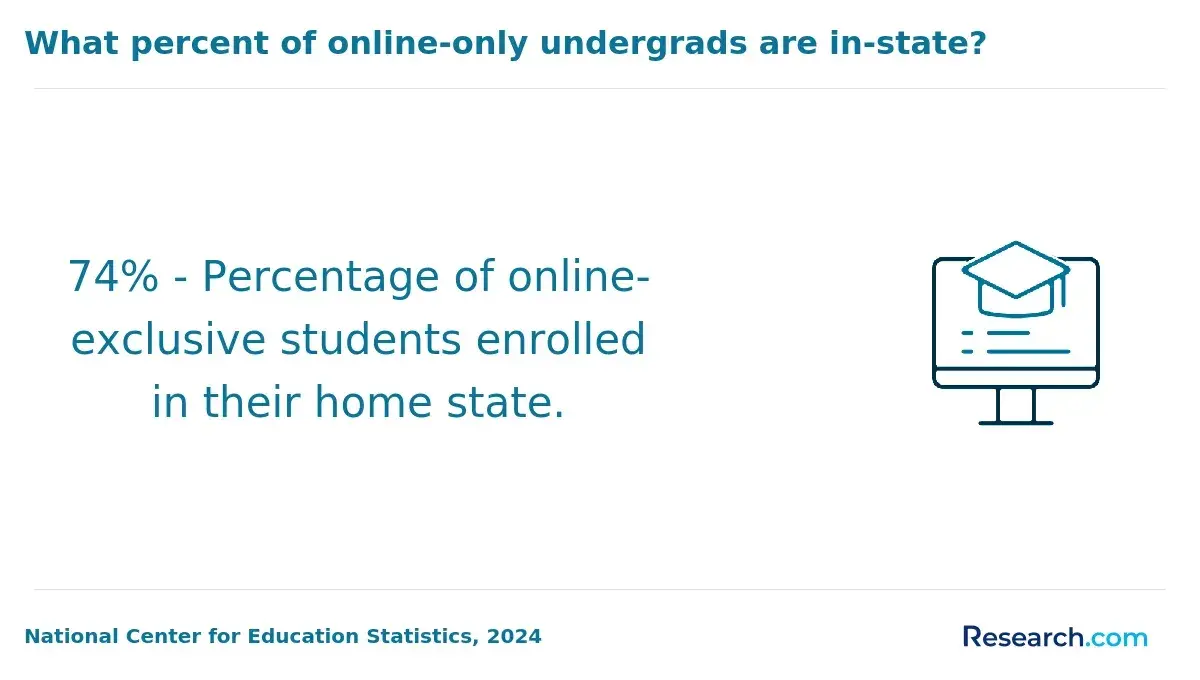
Southern New Hampshire University's online BS in Business Administration - Sport Management program stands out for its notably high acceptance rate of 96%, admitting 43,377 out of 45,127 applicants annually.
While the overall admission difficulty is rated moderately difficult, the absence of SAT or ACT requirements lowers barriers commonly faced by applicants. This accessibility can be advantageous for candidates who may have nontraditional academic backgrounds or who need to apply quickly without standardized test constraints, although it may also mean prospective students should prepare to demonstrate readiness through other aspects of their application.
This model suits prospective students aiming for entry into sports management fields without the delay or pressure of test preparation, but it also places more weight on individual initiative and self-discipline once admitted. The program's accessibility could lead to larger cohorts, which might influence the competitive dynamics of internship placements or networking opportunities within the sports business industry.
One recent graduate recounted applying late in the cycle after shifting career goals from a different sector. Despite initial uncertainty about her qualifications and some hesitation to apply without test scores, she found the application process straightforward. However, she felt pressure to quickly organize transcripts and relevant experiences.
The high acceptance rate eased her anxiety, yet she noted that early communication with admissions staff was crucial to navigating timeline concerns and confirming her application components were complete. This underscores the need for proactive engagement, even in accessible programs.
How does the curriculum of Southern New Hampshire University's online BS in Business Administration - Sport Management program stay aligned with current industry trends?
Aligning an online BS in Business Administration - Sport Management curriculum with fast-evolving industry demands hinges on integrating both foundational business skills and sport-specific competencies, a balance Southern New Hampshire University strives to maintain. For example, graduates entering roles that require leveraging social media analytics for fan engagement need practical, applied knowledge beyond theory, or risk falling short of employer expectations.
The curriculum's focus on core business principles alongside specialized sports management content not only mirrors the multidisciplinary nature of today's sports sector but also addresses the shifting emphasis on data-informed and ethical decision-making within the field. Key areas that demonstrate how Southern New Hampshire University's program maintains relevance include the following:
- Integrated Business Fundamentals: Courses in marketing, finance, and management ensure students develop a broad business acumen essential for navigating various organizational contexts within sports, reflecting the industry's preference for versatile professionals with hybrid skill sets.
- Specialized Sport Management Skills: Offering applied topics like sport marketing and event and facility management equips students with the operational knowledge and hands-on expertise needed to meet real-world demands, including sponsorship coordination and venue logistics.
- Ethics and Legal Focus: Including sports law and ethics prepares students to address compliance, governance, and integrity challenges, which are increasingly scrutinized by employers amid evolving regulatory landscapes.
By weaving these elements into project-based assignments and case studies, the curriculum mirrors current industry trends and expectations, making graduates better prepared to tackle practical challenges while gaining critical thinking skills. This alignment with the latest trends in southern New Hampshire university sport management program curricula supports workforce readiness, especially for candidates aiming to stand out in competitive job markets.
Students considering such programs should also weigh flexibility and program updates that keep pace with the sports industry's transformation driven by digital marketing and analytics-focused strategies. For those evaluating pathways, exploring easy degrees that pay well can provide supplemental insight relevant to career decision-making in allied fields.
Tuition for Southern New Hampshire University's online BS in Business Administration - Sport Management program is set at a flat rate of $16,450 per year for tuition and fees, with an additional estimated $1,800 annually for books and supplies. This pricing model offers transparency and predictability, which can be critical for students balancing work and study.
However, total annual attendance costs, when including room, board, and other expenses, can approach $51,392-an important consideration for those comparing the full financial impact of different pathways. Many students qualify for financial aid, with 81% receiving some form of assistance averaging $3,350, which directly affects net costs and can alleviate upfront expenses.
In practice, this cost structure means students who do not require on-campus housing or significant additional fees may find the online program financially manageable, particularly with institutional scholarships and corporate tuition reimbursement options factored in.
Southern New Hampshire University's approach to charging in-state tuition regardless of residency further simplifies budgeting and removes common geographic cost disparities seen in other programs. Such features can matter for working adults or those who want to avoid the unpredictability of fluctuating fees often found in comparable programs.
Comparing this to other BS in Business Administration - Sport Management programs nationally, many institutions charge tuition exceeding $20,000 annually before adding books and miscellaneous fees.
Those seeking the easiest bachelor degree to get online may still weigh Southern New Hampshire University's pricing favorably due to its combination of flat-rate tuition and accessible online delivery. Yet, applicants should carefully consider how total cost, aid availability, and the potential loan burden align with their long-term career objectives and financial situations.
When evaluating the cost of an online BS in Business Administration - Sport Management at Southern New Hampshire University, prospective students ought to balance the program's affordability against hiring realities and employer expectations in sports management. While cost is a practical constraint, it also influences access to quality internships, networking opportunities, and skill development-which are equally essential for navigating this competitive field effectively.
Meeting Southern New Hampshire University's admission criteria for the online BS in Business Administration - Sport Management significantly influences a candidate's ability to navigate an increasingly competitive enrollment landscape. The selective nature of admissions demands early attention to academic preparation and proficiency standards, especially for non-native English speakers.
Understanding these requirements is essential for prospective students to avoid delays or costly missteps during application. Below are the primary factors to consider.
- Academic Credentials: Applicants must hold a high school diploma or GED, supported by submission of official secondary school records and GPA documentation. Completion of a college-preparatory curriculum is also necessary to demonstrate foundational readiness.
- Standardized Testing: While SAT, ACT, and alternative assessments like Wonderlic or WISC-III are encouraged to showcase competencies, they are not mandatory, offering flexibility to applicants without standardized scores.
- English Proficiency: Non-native English speakers must provide TOEFL scores to verify language skills, reflecting employer expectations for effective communication in business contexts.
- Letters of Recommendation: These assess qualitative aspects of an applicant's potential and are required, emphasizing the program's interest in holistic evaluation beyond grades.
- Transfer Policies: Transfer students may receive credits for past college coursework, life experience, or advanced placement, but should verify specific credit limits and passing grade requirements with admissions to optimize time and cost efficiency.
The return on investment for attending Southern New Hampshire University's online BS in Business Administration - Sport Management hinges on balancing upfront costs against stable, though modest, earnings potential. The annual cost of attendance is $51,392, which exceeds the in-state federal estimate of $37,524, a critical consideration for prospective students weighing debt burden against income prospects in sport management.
Graduates report a median starting salary of $50,318, which is consistent a decade post-graduation, reflecting a career path with limited early salary growth but relative income stability.
From a practical standpoint, the median student debt of $21,082 generates an earnings-to-debt ratio of about 2.39x, suggesting manageable debt levels compared to income.
However, this ratio also signals modest financial margins that can be affected by variables like scholarships or grants, which significantly improve ROI by lowering debt and costs. Post-graduation employment often clusters around sports marketing, collegiate athletic departments, and professional sports administration, but competition for higher-paying roles can be intense and requires experience beyond the degree.
Those considering this program should factor in the plateau in income after mid-career and the relatively steady but unremarkable salary trajectory common in sport management fields. The decision to invest should weigh both direct costs and long-term career advancement potential, especially considering alternative education paths or certifications that might accelerate earnings faster within this specialized industry.
Student satisfaction with Southern New Hampshire University's online BS in Business Administration - Sport Management program is mixed but often leans positive when considering the program's flexible structure and support resources. The ability to balance coursework with personal and professional responsibilities is a critical factor influencing student perceptions, especially for those managing full-time employment or family commitments.
This flexibility, however, demands a high degree of self-motivation and proactive communication with faculty, which not all students find intuitive or sustainable over time.
The university's investment in virtual student organizations and mentoring helps to build a remote learning community, mitigating common challenges such as isolation and lack of peer interaction. These initiatives contribute to a more engaging environment that supports persistence, although the program's rigor can vary depending on individual background and time management skills.
As a result, satisfaction often correlates strongly with a student's ability to leverage available resources and maintain discipline throughout the course progression.
However, the overall graduation rate suggests some participants struggle to complete their studies within expected timelines, possibly reflecting gaps in readiness for online learning intensity or competing life demands. Those with prior experience in business fundamentals or sports management may report greater ease and contentment with the curriculum compared to newcomers adjusting to a demanding pace and self-guided format.
One graduate recalls initially hesitating about enrolling due to uncertainty about managing work and studies simultaneously. "I was overwhelmed at first, trying to juggle my job and the coursework," they said, "but once I engaged with the online student groups and connected regularly with my mentor, it made the experience more manageable. The program's pacing let me handle deadlines without burning out, which was crucial."
Despite moments of doubt, this realistic framework of support ultimately shaped a sense of accomplishment and satisfaction with the online pathway in sport management.
Employer access to graduates increasingly hinges on institutional support that bridges remote learning and professional networking. For students pursuing an online BS in Business Administration - Sport Management at Southern New Hampshire University, the school's investment in career facilitation reflects this necessity. Research indicates roughly 70% of graduates find jobs through school-facilitated connections, underscoring how career services can materially influence outcomes.
Leveraging Southern New Hampshire University career support for business administration sport management students involves several targeted efforts that enhance job market readiness and access. These include:
- Virtual Job Fairs: Structured online events connect students directly with employers nationwide, compensating for geographic dispersion inherent to remote study and allowing engagement with organizations actively hiring in sports management.
- Specialized Workshops: Focused on resume building and interview techniques tailored to sport management, these sessions address sector-specific expectations that generic job preparation often overlooks.
- Alumni Mentorship: A large network exceeding 150,000 active members facilitates mentorship opportunities, providing current students with insights into industry norms and introductions that can accelerate entry into competitive roles.
Southern New Hampshire University's approach to employment support reflects an understanding that how southern new hampshire university online sport management graduates find jobs is deeply influenced by direct connections and tailored preparation. For those evaluating an online bachelor degree in this field, the depth and accessibility of such career resources are critical to turning academic credentials into practical job prospects.
Graduates of Southern New Hampshire University's online BS in Business Administration - Sport Management face a job market where practical experience and specialized skills often outweigh the degree title alone, making career outcomes a critical factor when evaluating the program's value.
Given the competitive nature of sport management roles, candidates who can demonstrate event coordination, marketing savvy, and operational logistics tend to have stronger prospects, especially as entry-level salaries hover near $52,000 within related business fields.
Understanding these outcomes is essential for students weighing the long-term tradeoffs between educational investment and workforce entry. Below are some common roles aligned with the job placement rates for SNHU online Business Administration Sport Management graduates:
- Sports Marketing Coordinator: This role involves managing promotional campaigns and fan engagement strategies for sports teams or brands, requiring strong communication and creative skills. Salaries typically reflect entry-level business roles but can grow with proven results and networking.
- Athletic Event Manager: Responsible for organizing and overseeing sporting events, these managers navigate logistics, vendor contracts, and on-site coordination. The role demands leadership and detail orientation, offering pathway opportunities into higher administrative positions.
- Sports Operations Assistant: Focused on supporting daily operations within sports organizations or facilities, assistants handle team scheduling, equipment logistics, and administrative tasks, often serving as a stepping stone into more specialized managerial roles.
- Sales Representative in Sporting Goods: Combining product knowledge with sales techniques, this position supports revenue generation for retail or wholesale sports equipment companies and involves relationship-building within sports markets.
Graduates should weigh the program's alignment with real-world job demands and recognize that building relevant experience alongside academic credentials is crucial. For a broader perspective on credential value, reviewing the list of most in demand master's degrees can provide insight into how different degrees compare in employability and salary potential across industries.
Determining if Southern New Hampshire University's online BS in Business Administration - sport management program aligns with your goals requires weighing multiple, often competing factors tailored to your career trajectory and learning style. For example, choosing this program might benefit someone seeking a flexible schedule to balance work and study but could present challenges if their career path demands intensive networking or hands-on internships typically found in on-campus settings.
Several criteria help clarify whether this program is a fit, including but not limited to these key considerations.
- Curriculum Relevance: Evaluate if the coursework integrates solid business fundamentals with sport management-specific skills that align with your target roles, such as sports marketing or athletic administration. Check course content depth and applicability to real-world industry demands.
- Program Flexibility: Consider whether asynchronous, fully online delivery suits your personal commitments and preferred learning pace. Ensure the program's interaction style with faculty and peers matches the engagement level you need to stay motivated and connected.
- Outcome Metrics: Investigate graduation rates, employment placement data in sports-related fields, and alumni career trajectories. These metrics offer insights into how effectively the program supports employability in a competitive market.
- Support Services: Access to career counseling, internships, and networking can be decisive. Evaluate the availability and quality of these resources as they substantially influence your professional readiness post-graduation.
Especially when deciding how to determine if BS in Business Administration - sport management at Southern New Hampshire University matches your objectives, it's critical to consider how each factor influences your specific circumstances and long-term aims.
For broader context on alternative degree formats that may complement or contrast with traditional programs, exploring the best competency-based colleges can provide perspective on flexible learning models and their impact on career outcomes.
What Graduates Say About Southern New Hampshire University's Online BS in Business Administration - Sport Management Program
- Matthew: "Studying the BS in Business Administration - Sport Management at Southern New Hampshire University offered me a solid foundation in both business principles and sports-specific management. One of the biggest challenges in this field is that many employers put greater emphasis on practical experience, like internships and demonstrated project outcomes, rather than just the degree. The flexibility of SNHU's program allowed me to take on several internships simultaneously, which was crucial in building the portfolio that ultimately landed me my first management role in a mid-tier sports organization."
- Hiroshi: "Reflecting on my time at Southern New Hampshire University, the sport management program prepared me well for the realities of this competitive industry, especially in understanding that licensure isn't always the gateway to advancement. After graduating, I realized that employers highly value certifications and networking, so I supplemented my degree with specialized credentials. While the degree opened doors for remote work opportunities and entry-level positions, I also encountered some salary growth limitations without those extra certifications. Still, the program's flexible structure helped me pivot strategically several times early in my career."
- Jordan: "As someone who was focused on career outcomes, Southern New Hampshire University's BS in Business Administration - Sport Management gave me the tools to navigate the sports business landscape with a practical mindset. What stood out was how the curriculum emphasized real-world decision-making and managing diverse teams. Post-graduation, I found that competing for leadership roles required not just my degree but a strong track record in operations and relationship building. The program's pragmatic approach made remote work and fast workforce entry possible for me, setting realistic expectations about advancement trade-offs along the way."
Other Things You Should Know About Degrees
The program is designed for flexibility, catering to those juggling full-time jobs. Courses are online and self-paced, meaning students can tailor their workload around their schedules, although time management skills are crucial for balancing commitments.
While the curriculum includes case studies and relevant projects, the program's primarily online format limits direct access to internships or in-person networking events. Students interested in gaining industry experience may need to pursue external internships on their own or leverage local sport organizations.
This self-driven approach is critical as employer preference often leans toward candidates with demonstrated real-world experience beyond theoretical knowledge. Prospective students should evaluate their ability to independently secure these opportunities alongside coursework.
The bs in business administration - sport management lays a solid foundation, but it is not specifically tailored to prepare students for specialized sport management certifications or graduate-level entrance exams.
Students aiming for credentials like Certified Sports Event Executive (CSEE) or advanced degrees may need additional study outside of the standard curriculum. It's advisable to consider this program as a stepping stone rather than a comprehensive certification-preparation path, especially if certification aligns with your career goals.
Students must complete SNHU’s general education requirements and business core before upper-level sport management courses. That usually includes introductory accounting, economics, statistics, and business law, plus writing and communication classes. Exact prerequisites can be checked in the 2027 undergraduate catalog and academic degree plan.
- Bachelor IUM - Sport Business Management specialization - Omnes International https://www.omnes-international.com/en/program/bachelor-ium-sport-business-management-specialization/
- Southern New Hampshire University https://www.brazosport.edu/snhu/
- B.S. in Business Administration - Sports management | EdRevolut https://edrevolut.ai/courses/b-s-in-business-administration-sports-management--cmng4075e0dcsaylhsghoc6cy
- Business Administration - Sports Management, B.S. - Bluefield State University https://bluefieldstate.edu/degree/business-administration-sport-management-bs/
- Southern New Hampshire University Review 2022 - https://collegestats.org/colleges/snhu/review/
- Types of Sports Management Degrees https://www.allbusinessschools.com/sports-management/degrees/
- Bachelor of Business (Sports Management) | ICMS https://www.icms.edu.au/courses/undergraduate/bachelor-business-sports-management/
- Business Administration B.S. (Sport Management) https://www.rmu.edu/academics/undergraduate/rockwell-school-business/marketing/business-administration-bs-sport
- Top Online Business Degrees That Pay Off in 2026: A Smart Investment in Your Future - Swiss School of Business and Management Geneva https://www.ssbm.ch/top-online-business-degrees-that-pay-off-in-2026-a-smart-investment-in-your-future/
- Why study for a Sports Management degree https://brive.com/blog/studies/sports-management-degree/