2027 University of California, Berkeley Online Master of Information and Data Science: Cost, Admissions, Curriculum, and Career Paths

Co-Founder and Chief Data Scientist
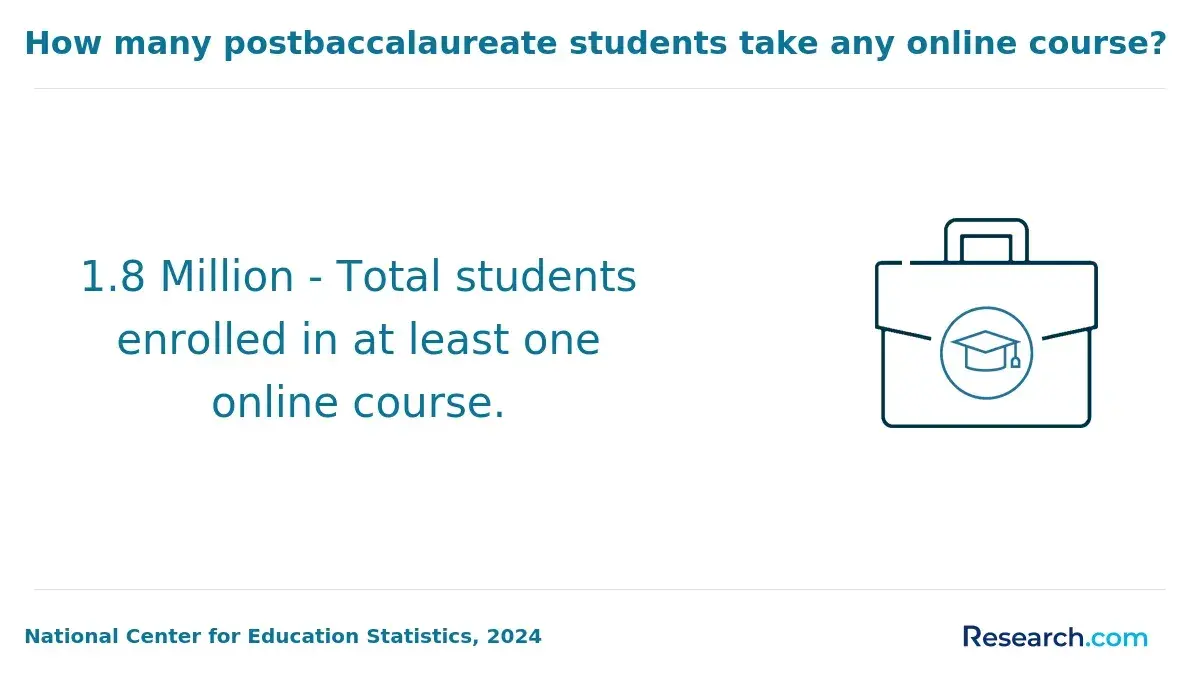
Determining whether the online Master of Information and Data Science at University of California, Berkeley fits specific academic and professional goals presents a complex challenge. With online graduate enrollments rising by over 20% in 2023 according to the National Center for Education Statistics, students weigh accessibility against program rigor and career impact.
Many seek programs offering flexible pacing without sacrificing depth, yet the demands of a data science career require practical and current skills. Understanding how UC Berkeley's curriculum aligns with industry needs, admission criteria, and long-term employability is essential for making an informed choice.
This article explores cost, curriculum, admissions, and career outcomes to clarify these critical factors.
Key Points About University of California, Berkeley's Master of Information and Data Science Program
- With a 12% acceptance rate, the program demands strong academic preparation, which can intensify pressure but also signals to employers a highly selective credential.
- Graduates often move into leadership roles across industries, indicating the program's alignment with workforce needs despite competition in the evolving data science job market.
- The $45,282 tuition requires careful budgeting; potential students should weigh this cost against expected salary gains and alternative, more accessible credentials.
What can students expect from University of California, Berkeley's online Master of Information and Data Science curriculum?
The University of California, Berkeley's online Master of Information and Data Science curriculum prioritizes blending theoretical knowledge with workforce-ready application, reflecting a program structure consistent with U.S. standards in interdisciplinary MIDS education.
For instance, navigating data privacy concerns during a healthcare analytics project requires both technical skill and an understanding of ethical implications, an emphasis embedded in the curriculum.
Below are key components illustrating this balance and their practical significance for students entering data science roles.
- Probability and Statistics: This foundational coursework demands fluency in statistical methods critical for interpreting complex datasets. Mastery here ensures graduates can build reliable models and perform sound data analysis, skills widely expected by employers.
- Data Engineering and Cloud Computing: These courses focus on managing scalable data infrastructures. Given the rising volume and variety of data sources, students must develop proficiency in tools and architectures essential for enterprise-level data manipulation and storage.
- Ethics and Social Implications: As data-driven decisions increasingly impact society, this area trains students to evaluate the responsible use of data technology, preparing them to anticipate legal and social challenges inherent in professional practice.
Electives allow customization in areas like natural language processing and human-computer interaction, enabling specialization aligned with market demand.
The capstone project integrates accumulated knowledge by requiring students to solve real-world problems under expert mentorship, a criterion that strengthens practical readiness. The program's approach aligns well with expectations across similar master's degrees nationwide, addressing both algorithmic rigor and contextual understanding.
Prospective students evaluating the University of California, Berkeley online MIDS program should also consider financial implications and funding options, which are critical to planning. It is useful to explore resources such as online colleges with financial aid to determine viable support avenues as they engage with this demanding curriculum.
What are University of California, Berkeley's admission requirements for online Master of Information and Data Science program?
Admission to the University of California, Berkeley's online Master of Information and Data Science program requires demonstrating academic readiness beyond mere credential possession.
For example, a candidate with a strong secondary school record but limited standardized testing may face tradeoffs in evaluating their quantitative aptitude or written communication skills in data science contexts. Applicants need to provide a range of documents to create a comprehensive academic and professional profile.
The following outlines typical requirements for successful applicants.
- Secondary Education: Completion of high school or equivalent, such as a GED, is mandatory to establish foundational academic competence, ensuring applicants have met general education standards before progressing to advanced studies.
- Transcripts: Submission of secondary school transcripts is required to verify academic performance history. These records offer admissions committees insights into the applicant's ability to handle coursework relevant to graduate-level study.
- English Language Proficiency: Non-native English speakers must submit TOEFL scores to confirm their ability to engage with program materials and communication, which is critical for success in a demanding online environment.
- Supporting Documents: Letters of recommendation and a professional resume are generally requested to demonstrate both academic potential and relevant real-world experience in data science or related fields. These materials help assess an applicant's readiness for graduate-level challenges.
- Advanced Placement (AP) Credits: While not granting credit for life experience or dual credit, the program accepts AP credits, which can reflect prior college-level achievement and may influence admission decisions.
Is it difficult to get admitted to University of California, Berkeley's online Master of Information and Data Science program?
Admission to a Master of Information and Data Science program generally requires a blend of technical skills and relevant experience, positioning it as moderately competitive within graduate education.
However, University of California, Berkeley's online MIDS program sets a notably higher bar, admitting only 14,677 applicants out of 125,910, which equates to an acceptance rate of roughly 12%. This selectivity reflects both the program's rigorous standards and the strong demand from candidates aiming for advanced roles in data science.
Applicants face significant pressure to demonstrate not just academic credentials but practical capabilities in quantitative analysis and computing. Unlike many programs, standardized test scores like the SAT or ACT are not required, so the admissions committee emphasizes demonstrated technical proficiency and professional impact.
This approach aligns with industry expectations where practical data manipulation and analysis skills often outweigh formal test scores, yet it raises the bar for applicants lacking clear evidence of their expertise.
One graduate recalled navigating the application process amid balancing full-time work in a tech startup. "I hesitated submitting because I wasn't sure my project experience was enough," they shared. Preparing a portfolio that clearly communicated measurable impact on data-driven decisions was crucial.
The wait for results was tense, but ultimately the program valued demonstrated skills over traditional metrics, validating the extra effort to provide concrete examples in the application.
Employer Confidence in Online vs. In-Person Degree Skills, Global 2024

What is the cost of attending an online Master of Information and Data Science program at University of California, Berkeley?
The tuition for the online Master of Information and Data Science program at University of California, Berkeley is $14,850, a substantial baseline cost that excludes other living and material expenses.
Students should be aware that Berkeley does not provide a flat in-state tuition rate for all online learners, meaning non-resident students may face higher tuition fees. This can be a critical consideration for budgeting, especially when compared with some programs offering more uniform pricing regardless of residency.
When evaluating the online Master of Information and Data Science tuition fees at University of California, Berkeley, it is important to factor in the additional estimated $1,442 annual cost for books and supplies. Unlike some institutions, Berkeley does not levy extra technology fees specifically for online learners, but the total annual investment, including room, board, and other expenses, can climb above $45,000.
This total often exceeds many online programs nationally, representing a significant financial commitment tied to the program's prestige and resource intensity.
The cost breakdown of the University of California, Berkeley online MIDS program contrasts with more affordable alternatives, yet it positions graduates well in competitive job markets demanding advanced data science skills.
For some students, the premium may be justified, but the decision necessitates a realistic assessment of financing options, potential student debt, and career outcomes. Those weighing data science programs should consider whether a lower-cost program might meet their needs, especially as many employers increasingly recognize a broad range of accredited online training options.
For prospective enrollees investigating related options, consulting resources about easy online college courses can provide insights into manageable academic pathways amid financial constraints. Students should ensure their investment aligns with their career plans and personal circumstances rather than relying solely on brand recognition when considering an online Master of Information and Data Science degree at University of California, Berkeley.
Are there financial aid options for online Master of Information and Data Science students at University of California, Berkeley?
Financial aid for the online Master of Information and Data Science at University of California, Berkeley can significantly influence student affordability, especially given the program's advanced-level focus and associated costs. Students often must navigate a mix of institutional support, employer contributions, and federal aid to optimize funding.
For example, a working professional relying on corporate tuition reimbursement might still need supplemental aid to fully cover expenses, reflecting a common tradeoff between employer support and out-of-pocket costs. Understanding available financial options is crucial for effective planning and long-term financial viability.
The key aid types include:
- Scholarships and Grants: Awarded based on merit, leadership, or diversity, these funds reduce tuition burdens without repayment obligations. Eligibility criteria vary, often requiring academic achievement or demonstrated commitment to the data science field.
- Corporate Tuition Reimbursement: Available to employed students whose companies support continuing education, this aid can cover partial or full tuition but usually depends on employer policies and requires maintaining employment status.
- Veteran Benefits: Veterans qualifying for programs like the Post-9/11 GI Bill can apply benefits toward tuition and fees, presenting valuable support for those transitioning to civilian data science roles.
- Institutional Need-Based Aid: University-administered funds provide additional assistance for students who demonstrate financial need, supplementing merit-based awards and often requiring detailed financial documentation.
- Federal Financial Aid: Completing the FAFSA enables access to federal loans and grants with varied repayment options, though loans increase debt load and must be considered within long-term career earnings expectations.
What learning resources are available to online Master of Information and Data Science students at University of California, Berkeley?
Access to specialized learning resources significantly influences outcomes for students enrolled in an online master's program like the University of California, Berkeley's Master of Information and Data Science. The challenge in online graduate education lies not only in delivering content but also in replicating the immersive academic and professional environments found on campus, which directly impacts skill acquisition and employability.
For instance, a student tackling a complex machine learning project benefits greatly from timely technical support and peer collaboration tools-elements that if absent can delay progress or hinder mastery. This highlights the value of structured infrastructure and targeted support services in mitigating common remote-learning pitfalls.
Below are key resources that support and shape the student experience in this program:
- Technical Support: Available to resolve issues related to platform navigation, software, and connectivity, ensuring students can reliably participate in synchronous sessions and access course materials without unnecessary disruptions.
- Academic Advising: Personalized guidance helps students select coursework aligned with their career goals and address challenges, fostering targeted learning and improved comprehension of data science concepts.
- Tutoring and Writing Support: These services aid students in mastering difficult topics and producing professional-grade reports, enhancing both technical understanding and communication skills valued by employers.
- Faculty Interaction: Regular virtual office hours and discussion forums enable deeper engagement with instructors and peers, essential for clarifying complex material and receiving timely feedback that can inform project iteration.
- Career Services and Networking: From resume critiques to interview prep and access to a robust alumni network, these resources bridge academic learning to workforce expectations, facilitating connections that can lead to internships and job placements in competitive data science roles.
Does University of California, Berkeley's online Master of Information and Data Science program have in-person clinicals or practicums?
In data science education, in-person practicums or clinicals often serve as critical hands-on opportunities to develop workplace readiness, especially in fields like healthcare where in-person patient interaction is essential.
However, many online Master of Information and Data Science programs, including University of California, Berkeley's, diverge from this model by prioritizing flexibility and remote accessibility over physical placements. This tradeoff can affect students' direct exposure to real-world environments but expands access for working professionals who cannot relocate or interrupt their careers.
Industry expectations vary, but many employers recognize the value of applied project work over formal clinical hours, particularly in tech-focused roles where virtual collaboration and remote data handling predominate. University of California, Berkeley online Master of Information and Data Science practicum requirements reflect this shift: the program does not mandate any in-person clinicals or practicums.
Instead, it uses virtual projects, case studies, and team-based assignments to simulate complex, industry-relevant challenges. This approach supports practical skill-building without the geographic and scheduling constraints typical of traditional internships.
Students complete a capstone project that integrates technical knowledge across data engineering, machine learning, and ethical frameworks, effectively replacing the need for in-person modules. This model aligns with limited options for in-person clinical opportunities in California for online Master of Information and Data Science students, emphasizing remote applied learning.
For those seeking additional certified training, exploring 6 week online courses with certificates may complement the degree by offering focused practical experience.
What careers can graduates of online Master of Information and Data Science at University of California, Berkeley secure?
The employability of online Master of Information and Data Science graduates from University of California, Berkeley depends significantly on their ability to navigate varied technical roles where data expertise translates into organizational impact. Choosing this degree involves weighing options between specialized technical positions and interdisciplinary roles that emphasize collaboration and strategic insight.
For example, a graduate working as a data scientist at a healthcare startup will need to blend advanced analytics with practical domain knowledge to influence patient care outcomes. Such career paths highlight how graduates from University of California, Berkeley data science master's alumni job prospects often extend beyond coding to include decision-making responsibilities.
Below are some typical roles graduates secure:
- Data Scientist: Experts in statistical modeling and predictive analytics who interpret complex datasets to guide business strategy. Median salaries generally reflect strong demand in sectors like finance and technology.
- Data Engineer: Professionals focused on building and maintaining the data infrastructure crucial for reliable pipeline workflows. This role requires proficiency in database systems and cloud technologies.
- Machine Learning Engineer: Specialists who develop algorithms that automate data-driven tasks to improve operational efficiency across industries such as e-commerce and healthcare.
- Business Intelligence Analyst: Analysts who translate data insights into actionable business recommendations, balancing technical skills and communication.
- Product Manager: Roles that bridge technical teams and market needs, leveraging data to guide product development and strategy in competitive environments.
Graduates often find that program versatility equips them to enter multiple sectors, given the comprehensive curriculum covering statistics, computation, visualization, and ethics. The University of California, Berkeley maintains a strong reputation, boosting alumni positioning in the labor market.
For prospective students evaluating options, comparing this program's outcomes against other self paced online college offerings in California offers valuable context for decision-making.
What is the salary outlook for online Master of Information and Data Science graduates?
The salary outlook for graduates of the University of California, Berkeley Online Master of Information and Data Science (MIDS) program tends to align with higher-paying technical fields rather than the broader median across disciplines.
While the median alumni salary at Berkeley is $92,446, MIDS graduates can reasonably expect salaries approaching those of computer science ($125,250) and electrical engineering ($126,367), reflecting the premium placed on advanced quantitative and computational skills.
The practical implication for candidates is that earning a MIDS degree generally opens doors to roles like data scientist or machine learning engineer, which are in strong demand and command substantial compensation.
This contrasts with related fields such as economics ($71,330) or applied mathematics ($71,282), where salary growth and hiring prospects are comparatively limited. The decision to pursue this degree should factor in these workforce realities and the premium on specialized data expertise in tech-driven industries, as well as the investment of time and resources.
For those evaluating whether to pursue a graduate program, the career earnings and job prospects after completing a Master of Information and Data Science at University of California, Berkeley justify its positioning near high-earning STEM disciplines.
This earnings potential, combined with broad industry applicability, can serve as a measured advantage when compared to other online offerings. For more on educational pathways related to workforce reintegration, see what can a felon go to college for.
How do you know if University of California, Berkeley's online Master of Information and Data Science program is the right choice for you?
Choosing an online master's program in information and data science demands careful consideration of how the curriculum, delivery format, and career support align with your specific objectives and lifestyle. This decision directly impacts how effectively you can apply new skills in real work settings and balance personal commitments.
Below are key factors to weigh before committing to the University of California, Berkeley's Master of Information and Data Science.
- Curriculum Depth and Practicality: Assess whether the program balances theoretical foundations with hands-on projects reflective of industry challenges. This balance affects your preparedness for the diverse technical demands and evolving frameworks employers expect.
- Learning Flexibility and Engagement: Evaluate how the hybrid model of asynchronous content paired with live sessions suits your schedule and learning style. Flexibility helps working professionals, but the quality of interaction can influence retention and professional networking.
- Community and Networking Opportunities: Investigate the diversity and collaboration within the student cohort, since peer interaction often leads to broader perspectives and potential job referrals, essential in sectors valuing interdisciplinary skills.
- Career Services and Outcomes: Consider the depth of mentorship and job placement support, ensuring it aligns with your career goals and your need for guidance navigating competitive markets post-graduation.
One graduate recalled, "I wrestled with choosing between programs that offered flexibility versus those known for strong networking. Berkeley's program appealed because I could attend live sessions while working full-time, but I was concerned about missing in-person connections."
"Over time, virtual meetups and team projects helped me build meaningful relationships, though it took effort to stay engaged beyond coursework. For me, weighing those tradeoffs early meant avoiding frustration later when balancing work and study."
What Graduates Say About University of California, Berkeley's Master of Information and Data Science Program
- Zoey: "During my time studying at University of California, Berkeley, I deeply appreciated the program's focus on real-world data challenges and its emphasis on portfolio development. The Master of Information and Data Science curriculum encouraged me to work on projects that demonstrated my skills in a practical way, which ultimately made a difference when applying for roles. While I did find the competition fierce for certain positions, having a solid portfolio from Berkeley's program helped me secure a data analyst role that allowed me to pivot into more technical responsibilities faster than I expected."
- Daisy: "University of California, Berkeley provided a rigorous, yet flexible learning environment that fit well with my full-time job, which was crucial for me. Through the Master of Information and Data Science program, I gained practical skills in machine learning and data engineering that employers actually value, but I also learned that certifications and hands-on experience often weigh heavier than the degree itself in hiring decisions. Since graduating, I've noticed my salary growth has limitations without professional licensure, but the program opened doors to remote opportunities that significantly improved my work-life balance."
- Delilah: "Reflecting on my journey through the Master of Information and Data Science at University of California, Berkeley, it was clear that the toughest part was navigating hiring realities in the data science field. The program's comprehensive coursework gave me a strong foundation, but I quickly realized employers prioritized internships and relevant industry experience more than just the degree. Nevertheless, graduating from Berkeley provided credibility that helped me enter the workforce quicker and gave me the confidence to pursue niche roles that aligned with my career pivot from marketing to data science."
Other Things You Should Know About Degrees
The program offers some flexibility in scheduling, with students able to take one to two courses per term, but it is still a rigorous full-time equivalent workload spread over 20 months. Working professionals should prioritize realistic time management because the course intensity, including weekly assignments and group projects, demands consistent commitment. If flexibility for balancing work and study is a top priority, prospective students may want to consider whether their current employment allows for steady weekly study hours rather than intermittent bursts of effort.
While the online Master of Information and Data Science program facilitates interaction through virtual meetups and discussion forums, it cannot fully replicate the spontaneous networking and face-to-face mentorship found on campus. This means students need to proactively engage in virtual community activities and external networking events to build meaningful professional connections. For individuals who highly value in-person networking or campus resources, supplementing the program with local data science meetups or conferences is advisable.
In 2027, students enrolled in UC Berkeley's Online Master of Information and Data Science program can access scholarships, federal student loans, and private educational loans. It's recommended to explore all options and reach out to UC Berkeley's financial aid office for personalized advice.
The curriculum intentionally blends theory with applied projects, but some students report a stronger emphasis on conceptual frameworks which can occasionally limit hands-on experience with the latest industry tools. This tradeoff means those aiming for immediate job-ready skills might need to independently pursue supplementary training in specific software or platforms. Prioritizing program modules that feature capstone projects and real-world datasets can help maximize practical experience within the program's structure.
References
- Choosing a master’s degree: data science or artificial intelligence | edX https://www.edx.org/resources/choosing-a-masters-degree-data-science-or-artificial-intelligence
- University of California Berkeley - Data Science and Business Analysis Degrees, Accreditation, Applying, Tuition, Financial Aid https://www.datasciencedegreeprograms.net/colleges/university-of-california-berkeley/
- UC Berkeley Student Resources – Stiles Hall https://stileshall.org/uc-berkeley-student-resources/
- Data Scientist Salary Guide https://www.mastersindatascience.org/careers/data-scientist/salary/
- UC Berkeley’s Online Master of Information and Data Science https://ischoolonline.berkeley.edu/data-science/
- Online Master of Information and Data Science https://www.ischool.berkeley.edu/programs/mids-online