2027 The Chicago School Online BA in Psychology - General Psychology: Cost, Curriculum, Admissions, and Career Outcomes

Co-Founder and Chief Data Scientist
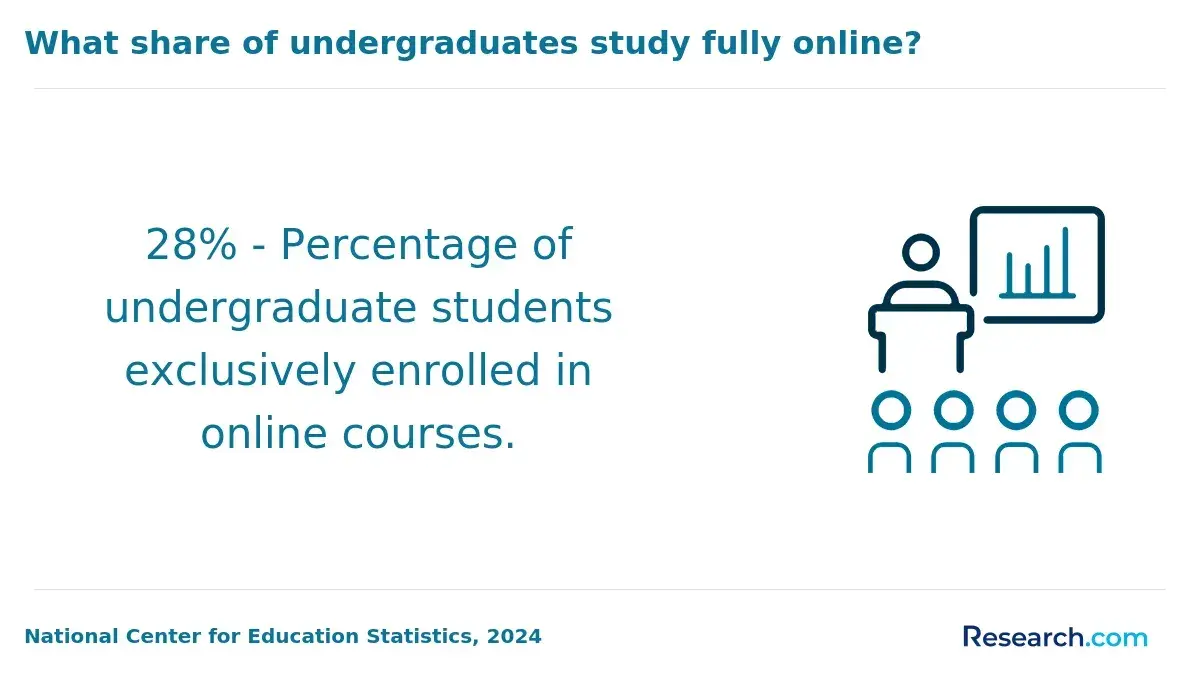
Choosing the right online psychology program requires understanding how it fits academic goals and career prospects. The Chicago School's online ba in psychology - general psychology offers flexibility that addresses the 8% annual growth in online higher education enrollment reported by the National Center for Education Statistics, reflecting a shift toward accessible learning for working adults.
Yet, students must weigh factors like curriculum relevance, admissions criteria, and workforce alignment to ensure the program supports long-term employability rather than just immediate credential acquisition. This article evaluates cost, curriculum, admissions, and career outcomes to help clarify if this program meets those practical considerations.
Key Points About The Chicago School's BA in Psychology - General Psychology Program
- The Chicago School's selective admission rate of 33% suggests notable competition, implying that prospective students must demonstrate strong academic and personal qualifications to gain entry.
- Employer regard for graduates highlights that while the program fosters relevant psychology skills, career advancement often depends on practical experience beyond the degree itself.
- The total tuition of $47,948 requires careful financial planning, as this investment may influence student debt levels and access, affecting long-term economic outcomes post-graduation.
What can students expect from The Chicago School's online BA in Psychology - General Psychology curriculum?
A critical factor in assessing the online BA in Psychology curriculum at The Chicago School is its alignment with broad U.S. undergraduate psychology standards while balancing theoretical knowledge and applied skill development. This curriculum prepares students to interpret psychological research and contribute to fields ranging from mental health services to human resources.
Consider a recent graduate navigating entry-level roles where practical understanding of psychological assessments and ethical considerations directly shapes their work with clients and data management. Below are key components of The Chicago School psychology general psychology course outcomes that shape competency for such roles:
- Introduction to Psychology: This foundational course requires students to grasp core psychological theories and concepts, setting a baseline for advanced study. Mastery here ensures readiness for diverse sub-fields and contextualizes human behavior through empirical perspectives.
- Research Methods and Statistics: Students engage deeply with experimental design, data collection, and statistical analysis. Proficiency is crucial, as employers increasingly expect graduates capable of evaluating data validity and applying evidence-based approaches in practice.
- Ethics in Psychology: This coursework challenges students to navigate ethical dilemmas and legal standards, a pivotal concern for all psychology-related careers. Understanding these frameworks is essential for maintaining professional integrity and public trust.
The online BA in Psychology curriculum at The Chicago School also allows elective specialization, enabling adaptation to specific workforce demands such as trauma or multicultural psychology. While the program's core mirrors many US programs, its flexible online delivery suits students balancing work or personal commitments.
However, those aiming for clinical licensure or advanced research roles should recognize the limitations of a bachelor's degree and plan accordingly-possibly exploring easiest doctorate to get pathways to enhance qualifications.
What are The Chicago School's admission requirements for online BA in Psychology - General Psychology program?
Admission to the Chicago School's online ba in psychology - general psychology involves more than simply submitting an application. Given the program's balance between accessibility and academic rigor, students must demonstrate readiness for undergraduate study through several critical pieces of documentation and materials.
For example, a transfer student aiming to leverage previously earned college credits must provide clear and verifiable records to facilitate credit evaluation and ensure the prior coursework aligns with program expectations. Below are key admission requirements prospective students should prepare to meet.
- Official Transcripts: Applicants must submit official academic transcripts from all prior institutions attended. These records are essential for verifying a student's academic history and gauging their preparedness to handle the program's coursework complexity.
- Letters of Recommendation: These letters provide insight into an applicant's character and academic potential. Admissions committees use these to assess qualities like motivation, discipline, and intellectual engagement that grades alone may not reveal.
- Resume or Portfolio: A resume or portfolio highlights relevant experiences outside the classroom, such as work, volunteer activities, or prior projects. This helps the admissions team evaluate practical exposure and commitment to psychology-related fields.
- Transfer Credit Evaluation: Transfer students should expect a review process of their previous college credits. This step ensures prior coursework meets the program's standards and determines how much credit will apply toward degree requirements.
The absence of explicit standardized test requirements, such as the SAT, ACT, or GMAT, reflects a holistic review model emphasizing overall academic and experiential readiness rather than test scores alone. Candidates who furnish comprehensive academic and professional documentation stand a better chance of demonstrating their ability to succeed in a demanding online learning environment that requires sustained commitment and self-discipline.
Is it difficult to get admitted to The Chicago School's online BA in Psychology - General Psychology program?
Admission to a typical BA in Psychology - General Psychology program often involves moderate to high competition, especially at larger institutions where applicant pools can number in the hundreds or thousands. The more selective programs frequently require standardized test scores and present additional hurdles that can disproportionately challenge non-traditional or working students. This contrasts with programs designed for accessibility, where lower applicant volume may signify fewer barriers to entry but also less rigorous vetting.
The Chicago School's online BA in Psychology - General Psychology reflects a less competitive admission environment, with a 33% acceptance rate based on just 27 applicants and 9 admitted annually. The absence of SAT or ACT requirements simplifies the application process, removing a common obstacle many students face. However, the relatively small applicant pool also suggests limited demand or visibility, which can factor into peer networking and post-graduation recognition when compared to larger programs.
One graduate recalled hesitating due to uncertainty about online learning but appreciated the straightforward application that didn't hinge on test scores. "Applying felt manageable because it wasn't like those overwhelming public university apps where I had to submit a ton of materials or stress over standardized tests," they said. The smaller cohort size made interaction more personal, though they noted the need to be self-motivated given the program's intimate scale and the competitive realities beyond admission.
What is the cost of attending an online BA in Psychology - General Psychology program at The Chicago School?
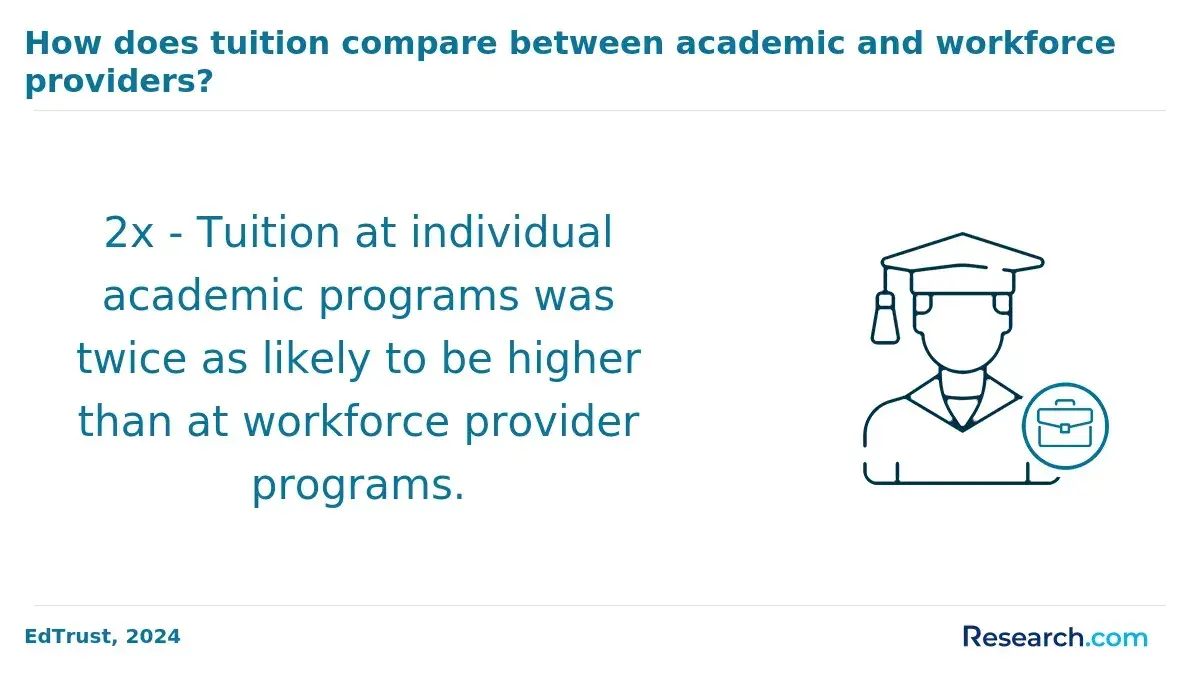
Tuition for the online BA in Psychology - General Psychology program at The Chicago School stands at $20,844 annually, with total costs including fees, room, board, and books reaching nearly $48,000. Students weighing this investment should consider that while direct technology fees specific to online learners are not separately charged, the absence of in-state tuition rates means charges remain uniform regardless of location. This uniform pricing can affect affordability for students outside Illinois compared to other public or regional institutions offering differential tuition.
The typical online tuition cost for the Chicago School BA in Psychology program exceeds the national average for similar degrees, reflecting both the urban context and the school's focus on experiential learning components. Many employers in psychology and related fields emphasize practical skills and applied experience, which can justify higher costs but also demands that students critically assess whether the program aligns with their professional and financial goals.
Given the comprehensive expense, prospective students should consider alternative pathways such as transfer-friendly 1 year associate degree programs that may reduce total educational costs before pursuing a bachelor's degree. Employers hiring for entry-level psychology roles often weigh a candidate's practical exposure and internships as heavily as institutional brand, making cost-benefit analyses essential when selecting a program.
Ultimately, the average cost of attending the Chicago School online psychology degree program requires balancing the higher tuition against curated curriculum rigor and potential career relevance. Students need to factor in these financial and educational tradeoffs realistically in the context of their long-term workforce integration strategies.
Are there financial aid options for online BA in Psychology - General Psychology students at The Chicago School?
Access to financial aid at The Chicago School significantly affects how students manage the costs and risks of pursuing an online BA in Psychology - General Psychology. Securing diverse funding sources can alter a student's debt load and influence post-graduation flexibility, especially considering the typically moderate starting salaries for psychology graduates without advanced degrees.
Choosing to leverage institutional and federal aid effectively may reduce reliance on high-interest private loans, which can otherwise limit career options due to repayment pressures. Below is a summary of key aid opportunities available to students:
- Institutional Scholarships: Merit-based awards aimed at academic performance can substantially lower tuition costs. Eligibility usually requires maintaining a minimum GPA, and amounts vary each semester based on the student's standing.
- Federal Aid: Students must complete the FAFSA to qualify for Pell Grants, subsidized and unsubsidized Direct Loans, and work-study programs. These come with specific eligibility conditions and repayment expectations that affect long-term financial planning.
- Veteran Benefits: Active-duty and veteran students can apply federal military education benefits to cover tuition expenses. This reduces out-of-pocket costs and facilitates smoother transitions from service to academic environments.
- Corporate Tuition Reimbursement: Working professionals enrolled in the program may access employer-sponsored tuition support, which can offset costs but often requires continued employment or service commitments.
- Need-Based Grants: Some aid is awarded based on demonstrated financial need, providing direct cost relief to eligible students and sometimes supplementing other aid sources.
What learning resources are available to online BA in Psychology - General Psychology students at The Chicago School?
Effective learning resources are a critical factor in supporting the success of students pursuing an online BA in Psychology - General Psychology at The Chicago School, especially when balancing studies with work or family obligations. The availability and quality of these resources can directly influence academic performance and professional readiness, as insufficient support often leads to delays or gaps in knowledge critical to applied psychology roles.
For example, students working part-time may rely heavily on asynchronous access to materials and technical support to maintain steady progress, while newcomers to online learning platforms benefit greatly from accessible tutoring and advising. These resources not only facilitate academic success but also help mitigate common challenges faced by remote learners. Below are key learning resources available to students.
- Digital Infrastructure: Robust online platforms provide seamless access to course materials, virtual classrooms, and interactive tools, ensuring students can engage with content flexibly and reduce downtime due to technical barriers.
- Technical Support: Dedicated assistance is available to troubleshoot platform issues promptly, minimizing disruption and helping students maintain consistent access essential for pacing their coursework effectively.
- Academic Advising: Personalized guidance helps students tailor their course selection to align with career goals and academic strengths, addressing the risk of course misalignment that can delay graduation.
- Tutoring Services: Targeted academic support is offered to reinforce foundational concepts and improve comprehension, which is crucial for students without prior college-level psychology experience or those struggling with complex topics.
- Research Resources: Access to extensive online libraries and psychology-specific research databases enables students to conduct rigorous academic projects, a capability valued by employers assessing critical thinking and analytical skills.
Does The Chicago School's online BA in Psychology - General Psychology program have in-person clinicals or practicums?
The absence of in-person clinicals or practicums in The Chicago School online psychology program clinical practicum requirements reflects a pragmatic tradeoff prioritizing accessibility but with implications for employers expecting hands-on experience. Many psychology programs at the bachelor's level incorporate supervised fieldwork to immerse students in real-world clinical settings, which bolsters readiness for practitioner roles or graduate licensure tracks.
The Chicago School's BA in Psychology - General Psychology deviates from this norm by focusing on theoretical and applied knowledge delivered fully online, limiting early direct exposure to clinical environments.
In-person clinicals for Chicago School BA in Psychology General Psychology students are not required, aligning with the degree's positioning as an entry-level academic credential rather than preparation for immediate clinical practice. Instead, the program uses case studies, virtual simulations, and research projects to replicate practical learning components remotely. This model suits individuals constrained by geography or schedules but may necessitate supplemental practical experience later for those seeking graduate study or licensure where hands-on hours are mandatory.
Those pursuing clinical psychology or counseling licensure must plan additional internships or practicums typically at the master's or doctoral level due to licensing boards' emphasis on supervised experience. For students weighing costs and outcomes, the lack of on-site clinical requirements here may reduce immediate barriers while signaling a need to consider additional paths for clinical career readiness, paralleled by other quick certifications that pay well.
What careers can graduates of online BA in Psychology - General Psychology at The Chicago School secure?
Employers typically view a BA in Psychology - General Psychology from The Chicago School as offering foundational skills rather than specialized credentials, which means graduates often enter roles that provide practical experience but limited immediate autonomy. This program's value lies in its application across several entry-level psychology-related careers, though those aiming for licensed clinical or counseling positions will face the necessity of advanced degrees.
The labor market for such graduates involves competing within social services, healthcare support, and research fields, where interpersonal and analytical skills are essential. Graduates should weigh this practical versatility against the tradeoff of slower credential accumulation compared to clinical-focused pathways. When evaluating career opportunities for Chicago School online BA in Psychology graduates, consider roles that blend direct client interaction with administrative or support functions. Below are common job types aligned with typical graduate outcomes:
- Behavioral Health Technician: Engages with patients under professional supervision in clinical environments, assisting with treatment adherence and monitoring. These roles often provide entry wages reflective of healthcare support staff.
- Case Manager: Coordinates care and access to resources for individuals facing mental health or social challenges, requiring organizational skills and emotional intelligence. Compensation varies by geographic market and employer.
- Research Assistant: Supports data collection, analysis, and study preparation in academic or corporate research settings, offering a pathway to research careers but generally offering modest starting salaries.
- Rehabilitation Specialist: Assists clients recovering from injury or disability, focusing on daily living skills improvement. Positions usually demand strong communication skills and provide stable, service-oriented pay.
Graduates' job prospects with a Chicago School BA in Psychology - General Psychology often depend on supplementing academic credentials with relevant experience or certifications. Those seeking greater credential-driven advancement should plan for graduate education.
For students assessing institutions, comparing cost and career outcomes involves considering the school's status as a not for profit online university, which can influence tuition and resource availability alongside program reputation.
What is the salary outlook for online BA in Psychology - General Psychology graduates?
The salary outlook for graduates with an online BA in Psychology - General Psychology from The Chicago School reveals a tradeoff between entry-level expectations and longer-term financial growth. While the median alumni salary across The Chicago School is approximately $56,899, those holding a General Psychology degree often see initial earnings closer to $35,504. This disparity suggests that graduates should anticipate modest starting wages, particularly in roles such as human services or administrative support in healthcare and nonprofit sectors.
Many employers in these fields prioritize foundational skills over advanced credentials, which impacts the earning potential of those without further specialization or graduate education. From a career earnings perspective for Chicago School psychology graduates, the degree can serve as a stepping stone toward better-paid roles, but the initial financial returns reflect typical market realities for generalist psychology entry positions. This gap underscores the importance for students to consider supplementing their degree with credentials such as certification or exploring quick certifications that pay well to enhance employability and salary prospects.
For students weighing the online BA in Psychology - General Psychology salary in Chicago, understanding the modest immediate income is crucial. The degree confers essential skills valued by employers but often requires additional education or strategic career moves to achieve median alumni salary levels. Evaluating these tradeoffs helps inform decisions about the program's long-term financial and professional value.
How do you know if The Chicago School's online BA in Psychology - General Psychology program is the right choice for you?
Selecting the right bachelor's program in psychology requires more than surface-level comparisons; it demands thoughtful alignment with your personal learning style, career trajectory, and the practical realities of workforce expectations. Choosing a program that matches these criteria can influence not only academic success but also employability and long-term professional opportunities.
Below are key considerations to determine if The Chicago School's online BA in Psychology - General Psychology program suits your needs.
- Curriculum Depth and Focus: Assess whether the program covers essential psychology domains such as cognitive, developmental, and social psychology while offering applied experiences like internships or research. This breadth versus specialization balance affects readiness for both graduate study and entry-level roles.
- Learning Format and Interactivity: Evaluate how the online program integrates instructor engagement and interactive content. Frequent real-time discussions and experiential assignments enhance retention and practical skill development, which can be critical for students who thrive on active learning.
- Community and Networking Opportunities: Consider the culture and connectivity within the virtual cohort. Access to peer support, mentorship, and professional communities can significantly influence your professional network and ongoing motivation.
- Alignment With Career Goals: Reflect on how well the program's emphasis on applied psychology and social justice aligns with jobs or graduate programs you target. Programs strongly focused on these areas may suit students aiming for roles in counseling, social services, or advocacy.
One graduate I spoke with initially hesitated between more traditional, research-focused online programs and The Chicago School's approach. She valued program interactivity and a community passionate about social impact but worried about balancing study with her part-time job. After conversations with current students and faculty, she chose this program because of its dynamic discussions and real-world assignments that kept her engaged.
She noted, "It wasn't just about absorbing theories but applying them in ways that prepared me for the counseling roles I wanted after graduation." This reflection highlights the importance of matching program delivery and values with your professional vision and life circumstances.
What Graduates Say About The Chicago School's BA in Psychology - General Psychology Program
- Brooklyn: "Studying at The Chicago School gave me a solid foundation in psychological theories while emphasizing practical application through case studies and group projects. The program's flexibility allowed me to balance work and school, which was crucial as I transitioned into remote support roles. Although the BA in Psychology - General Psychology didn't qualify me for licensure, employers appreciated the internships I completed, which helped me stand out in a competitive job market."
- Veronica: "The Chicago School's BA in Psychology - General Psychology program pushed me to think critically about behavioral patterns and ethical considerations in mental health. I realized early on that without a master's or licensure, upward mobility in clinical settings is limited, so I pivoted to HR and organizational development. My coursework, combined with networking opportunities, proved invaluable for entering this adjacent field."
- Monique: "After completing my degree at The Chicago School, I faced the real challenge of competing with candidates who had advanced certifications or licenses. However, the strong emphasis on research methods and communication skills gave me confidence to develop a portfolio that highlighted my practical knowledge. This approach opened doors in community outreach programs where real-world experience often outweighs formal credentials."
Other Things You Should Know About Degrees
The program emphasizes foundational psychological theories along with critical thinking and research skills but offers limited hands-on applied learning opportunities compared to programs boasting extensive practicum experiences. Students aiming for immediate clinical or counseling roles after graduation may find this tradeoff less favorable, as practical skills acquisition is especially crucial for those paths. Prioritizing programs with stronger applied components may be wise for those focused on direct client interaction careers.
Online students typically have fewer spontaneous opportunities for networking with peers, faculty, and local professionals compared to on-campus students. While The Chicago School facilitates virtual events and alumni connections, the remote format requires proactive effort to build professional relationships. Those who value in-person mentorship or local internships should weigh this limitation against the convenience of online learning before committing.
Some graduate programs may scrutinize credits earned online more critically, especially if the online curriculum differs in content or rigor from traditional programs. The Chicago School's BA in Psychology - General Psychology is regionally accredited, which aids transferability, but students should verify with targeted graduate schools whether all credits will be accepted. Prioritizing early communication with potential graduate programs is advisable to avoid unexpected credit loss or extended time to degree completion.
References
- How the 3-Year Psychology B.A. Can Jumpstart Your Career https://www.thechicagoschool.edu/insight/from-the-magazine/psychology-ba-focused-path-accelerated-90-credits/
- Chicago Early Learning (CEL) https://www.chicago.gov/city/en/depts/fss/provdrs/child/svcs/chicago-early-learning-program-implementation-manual.html
- The Chicago School Library: The Chicago School Library: The Chicago School Library https://library.thechicagoschool.edu/
- What is the Salary Outlook for Psychology Grads? https://mastersinpsychologyguide.com/articles/salary-outlook-psychology-masters/
- Psychology Grad School Guide & Requirements | Psychology.org https://www.psychology.org/resources/graduate-application-guide/
- Bachelor of Arts https://www.ualberta.ca/en/psychology/undergraduate-studies/index3.html
- Chicago School of Professional Psychology https://www.bestpsychologydegrees.com/colleges/chicago-school-of-professional-psychology/
- New Psychology B.A. at The Chicago School Offers One of the Fastest Paths to Graduate Study https://www.prnewswire.com/news-releases/new-psychology-ba-at-the-chicago-school-offers-one-of-the-fastest-paths-to-graduate-study-302509770.html
- Chicago School of Professional Psychology Overview 2026 https://amberstudent.com/blog/post/chicago-school-of-professional-psychology
- Explore UM | University of Manitoba - Psychology (BA) https://umanitoba.ca/explore/programs-of-study/psychology-ba