2027 Is Johns Hopkins University's Online MA in Sustainable Energy Worth It? What Students Should Know

Co-Founder and Chief Data Scientist
Choosing an online MA in Sustainable Energy program requires balancing academic rigor with flexibility, especially when career advancement depends on cutting-edge expertise. With online education enrollment growing by over 12% annually according to the National Center for Education Statistics, accessibility and program reputation shape student decisions. Prospective students must assess whether johns hopkins university's curriculum aligns with evolving industry demands and if its online format accommodates professional responsibilities without compromising networking opportunities. This assessment is crucial as sustainable energy sectors increasingly value interdisciplinary skills and practical experience. This article analyzes these considerations to guide readers in determining if the johns hopkins university online MA in sustainable energy fits their career ambitions and learning preferences.
Key Points About Johns Hopkins University's Online MA in Sustainable Energy Program
- Johns Hopkins University's online MA in Sustainable Energy has an 8% acceptance rate, reflecting rigorous admission standards that limit access but uphold academic and industry prestige.
- The total tuition of $80,778 requires significant upfront investment, balanced by a median alumni salary of $87,555 and an earnings to debt ratio of 8.54x, indicating strong long-term financial outcomes.
- Employer recognition is reinforced by Johns Hopkins University's distinguished faculty and an influential alumni network, supporting diverse sustainable energy career opportunities.
What makes Johns Hopkins University's online MA in Sustainable Energy program stand out?
The value of Johns Hopkins University's online MA in Sustainable Energy lies significantly in its capacity to serve professionals balancing employment and skills development. For those embedded in energy sectors or policymaking roles, the flexible blend of synchronous and asynchronous learning allows continued work without sacrificing academic rigor. This setup contrasts with on-campus programs that may offer deeper networking but less adaptability, making Johns Hopkins' format particularly suited for mid-career practitioners seeking applied knowledge without geographic or scheduling constraints.
The program's integration within a research-intensive institution translates to direct benefits for students through access to faculty expertise and cutting-edge research. With 1646 active teaching staff including 1526 full-time professors, learners can engage with instructors working on contemporary sustainability challenges, enhancing practical relevance. Coupled with a 95% average graduation rate, these factors indicate a robust academic environment that supports completion and skill mastery, crucial for roles demanding technical competence and policy awareness in sustainable energy domains.
Is it difficult to get admitted to Johns Hopkins University's online MA in Sustainable Energy program?
Gaining admission to a master's program in sustainable energy is generally competitive due to the field's interdisciplinary demands and its growing importance in policy and technology sectors. Candidates typically need strong quantitative and analytical skills along with relevant academic and practical experience to stand out. This baseline competitiveness reflects employers' expectations for candidates who can navigate complex technical challenges tied to environmental impacts and evolving energy systems.
Johns Hopkins University's online MA in Sustainable Energy program exemplifies a particularly selective case. With an acceptance rate near 8%, the admission process filters out all but a small fraction of applicants from a pool exceeding 38,000 annually. Such selectivity signals high academic standards and suggests that admitted students are positioned within a rigorously curated peer group. However, the challenging admission landscape means many qualified candidates will face stiff rejection, raising the tradeoff between investing time and resources in a highly competitive application versus considering programs with broader acceptance criteria but potentially less prestige or rigor.
The admissions criteria include demanding standardized test benchmarks-SAT verbal scores from 750 to 780 and math scores up to 800, or ACT scores between 34 and 57-emphasizing the importance of both verbal reasoning and mathematical ability. This focus can present a barrier for applicants whose strengths lie outside these exam measures, even if they have relevant professional or research experience.
One graduate recalled navigating the Johns Hopkins admission timeline with mounting anxiety: "I submitted my application just before the deadline after retaking a practice SAT to push my math score higher. The weeks waiting for a decision were the hardest. I wasn't sure if my profile, which had more work experience than perfect test scores, would be enough. When I got in, it felt like a validation not just of grades but of the strategic preparation and persistence I put into this process."
How does the curriculum of Johns Hopkins University's online MA in Sustainable Energy program stay aligned with current industry trends?
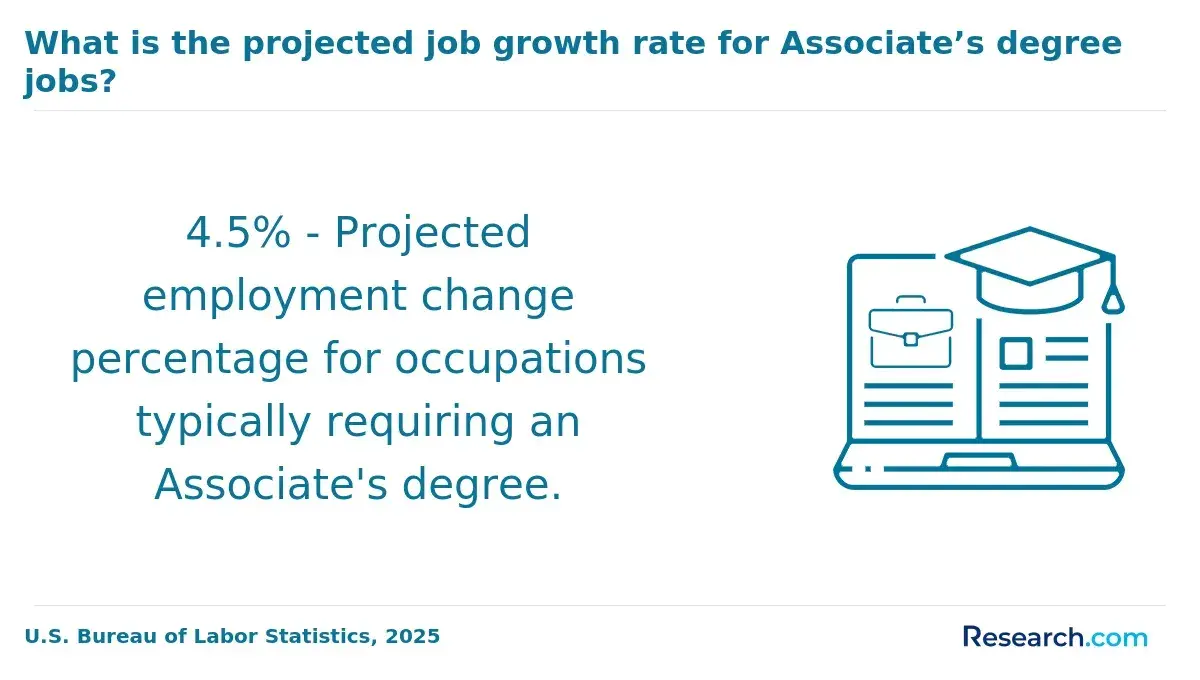
Alignment with industry trends in Johns Hopkins University's online MA in Sustainable Energy program is evidenced by its integration of technical expertise with practical application, closely mirroring employer expectations for graduates. Hiring managers increasingly seek candidates who can navigate complex regulatory environments, model energy systems effectively, and balance innovation with financial feasibility. Graduates entering sectors such as government agencies and energy consultancies benefit from the program's focus on data-driven decision-making combined with interdisciplinary project experience. Below are key factors demonstrating how the curriculum sustains this alignment:
- Comprehensive Technical Foundation: The curriculum covers renewable energy technologies, energy systems analysis, and economics, equipping students with a critical understanding of both technical and policy dimensions. This foundation addresses the need for professionals who can handle evolving sustainability challenges in energy production and distribution.
- Emphasis on Quantitative Skills: Courses incorporating data analysis and energy modeling respond to the workforce's increasing demand for quantitative proficiency. These skills enable graduates to engage in evidence-based policy evaluation and optimize resource management in competitive industry environments.
- Project-Based, Applied Learning: Real-world problem-solving through collaborative projects simulates workplace conditions, fostering cross-disciplinary teamwork and adaptive innovation. This practical exposure positions students to function effectively in dynamic settings that prioritize sustainability impact alongside economic viability.
The curriculum's thoughtful design reflects a clear alignment with the demands placed on MA in Sustainable Energy professionals today. It balances theoretical knowledge and applied practice, providing a pathway that prepares students pragmatically for a workforce governed by complex industry standards and the increasing role of sustainable solutions. Those exploring the relevance of the johns hopkins university online sustainable energy curriculum review should weigh this balance in light of their specific career goals and the competitive landscape.easiest masters degrees may not offer this level of industry-tailored integration, highlighting the distinct positioning of this program among sustainable energy degrees.
How much does Johns Hopkins University's online MA in Sustainable Energy program cost?
The tuition and fees for the online MA in Sustainable Energy program at Johns Hopkins University total $63,340 annually, excluding living expenses and books, which add roughly $1,367 more per year. This broader cost reflects a specialized curriculum with access to extensive academic resources, which factors into why the program's total annual cost, including room and board estimates, approaches $80,778. For students weighing budgets, this figure demands scrutiny in relation to expected career outcomes and employer value placed on advanced sustainability expertise.
Given 67% of undergraduates at Johns Hopkins receive financial aid averaging $54,088, graduate students may find institutional or external support potentially offsetting costs, though specific aid packages for the MA in Sustainable Energy are not publicly detailed. Professional partnerships or corporate tuition reimbursement could further mitigate expenses. However, prospective students must engage directly with the university to clarify the practical availability and scope of graduate financial assistance for sustainability degrees.
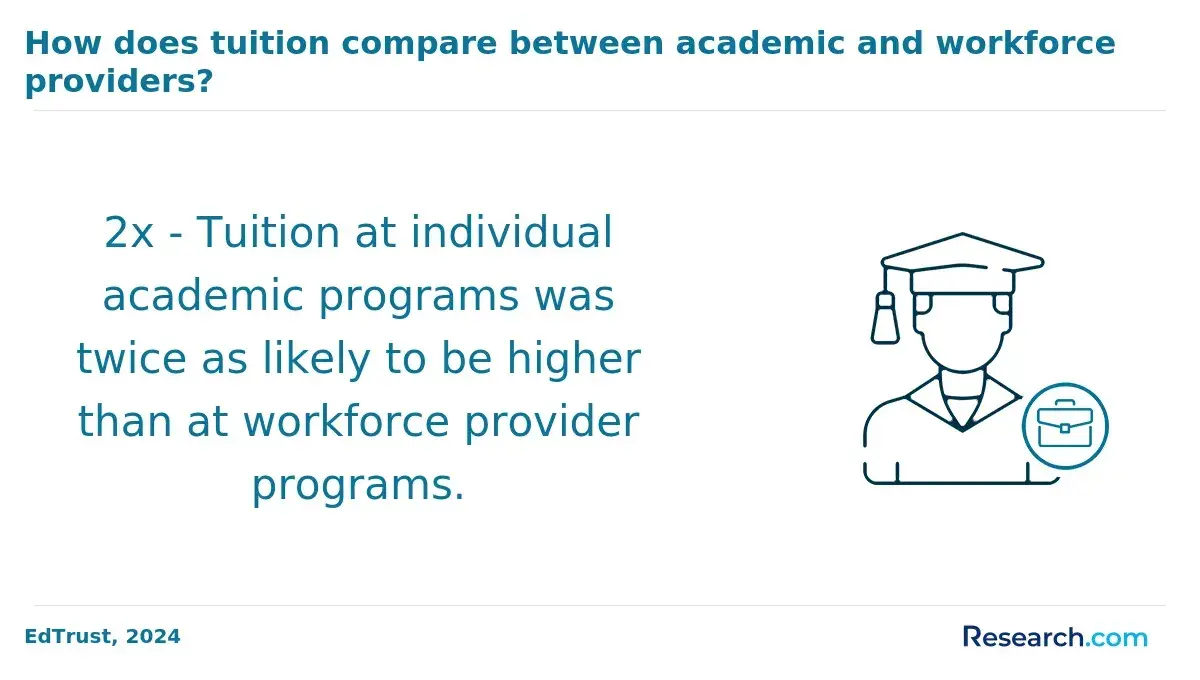
Comparing the cost of pursuing an online MA in Sustainable Energy at Johns Hopkins University to average tuition for similar programs across U.S. institutions reveals a significant premium. Many schools price such degrees between $20,000 and $60,000 annually, highlighting that Johns Hopkins' pricing occupies the higher end of this spectrum. Students should consider if the university's brand prestige, research prominence, and networking opportunities align with the financial investment and personal career objectives, especially when other accredited programs may present more economical alternatives.
Those exploring best accelerated bachelor's degree online options may also benefit from a comparative review of other graduate pathways in sustainable energy, weighing cost, program flexibility, and market relevance. Careful consideration of these tradeoffs is essential for making an informed choice about pursuing an advanced degree at Johns Hopkins or elsewhere in this competitive and evolving field.
What are the admission requirements for Johns Hopkins University's online MA in Sustainable Energy program?
The admissions process for Johns Hopkins University's online MA in Sustainable Energy is selective, reflecting the complexity and competitive nature of the field. Prospective students who do not meet core academic and testing benchmarks risk wasting time and resources in an application unlikely to succeed. Understanding these requirements is crucial for applicants aiming to align their profiles with employer expectations and academic rigor ahead of potential workforce impacts. Below are key criteria applicants must meet or exceed.
- Academic Record: Completion of high school or GED is mandatory, with a secondary school transcript and GPA required to evaluate foundational readiness. While not required, a college-preparatory curriculum strengthens candidacy by demonstrating advanced academic preparation.
- Standardized Tests: Competitive SAT scores in verbal (750-780) and math (780-800), or ACT scores ranging from 34 to 57, are anticipated for transfer students. These benchmarks indicate capability for graduate-level interdisciplinary study, although no dedicated entrance exam exists for this MA.
- English Proficiency: International applicants must submit TOEFL scores to verify language ability, ensuring they can engage effectively with rigorous course material and professional communication demands.
- Supporting Documents: Personal statements and letters of recommendation are essential, providing qualitative evidence of motivation, experience, and suitability. A professional resume may also be requested to clarify background relevance to sustainable energy challenges.
- Transfer Credit Limits: Transfer students face caps on accepted credits and must have passing grades in previous coursework. Life experience or portfolio submissions do not substitute formal academic credentials in this program's evaluation process.
What is the ROI of attending Johns Hopkins University's online MA in Sustainable Energy program?
Evaluating the ROI of attending Johns Hopkins University's online MA in Sustainable Energy involves weighing its substantial cost against clear income prospects. The total annual expense of approximately $80,778 aligns closely with on-campus tuition and reflects the investment required for specialized graduate education in a competitive sector. Graduates typically enter the workforce with a median salary near $87,555, a figure that does not show significant growth over a decade, indicating steady but potentially capped earning potential relative to program cost and debt.
This salary compared to a median student debt of $10,250 results in an earnings-to-debt ratio of about 8.5, which is favorable compared to many graduate programs. However, this ratio-and thus the actual ROI-can vary significantly depending on a student's access to scholarships or grants and their ability to secure roles in well-compensated positions within energy firms or government agencies focused on sustainability policy. Those with strong professional networks or relevant prior experience may improve their earnings trajectory beyond the median.
Given that salary growth appears limited post-graduation, prospects hinge heavily on gaining employer-recognized skills and connections during the program. Students should consider how such factors impact long-term earnings, especially given high upfront costs relative to alternative pathways in the expanding but unevenly remunerated sustainable energy job market.
Gender Distribution of MA in Sustainable Energy Students

Is there a high student satisfaction for Johns Hopkins University's online MA in Sustainable Energy program?
High student satisfaction in Johns Hopkins University's online MA in Sustainable Energy program is linked closely to the institution's capacity to balance academic rigor with flexibility, a crucial factor for working professionals navigating demanding schedules. The program's demanding curriculum requires consistent effort, but it's structured to prevent overwhelming students, which is a nuanced tradeoff many prospective enrollees should consider when evaluating how it fits their career timelines and personal commitments.
The student culture actively fosters engagement despite the distance, supported by virtual organizations and tailored mentoring that creates meaningful peer connections and a sense of community absent in many online programs. This infrastructure addresses a common source of dissatisfaction among remote learners-the feeling of isolation-by ensuring ongoing interaction and professional networking opportunities. Additionally, the university's extensive academic resources and dedicated staff contribute significantly to maintaining momentum, which is pivotal for completion rates and overall satisfaction.
One graduate reflected on their experience with a mix of relief and confidence. Balancing a full-time job with coursework initially sparked doubts about completing the degree without compromising work performance. Yet, the program's flexibility and accessible faculty turned into crucial assets, allowing progress during unpredictable workweeks. This adaptability, coupled with interactions through virtual student groups, made the online format feel surprisingly connected and manageable, reinforcing that while challenging, student satisfaction in this program hinges largely on how well individuals leverage available supports amid their unique circumstances.
How does Johns Hopkins University help online MA in Sustainable Energy graduates secure employment?
Employers in the energy sector increasingly weigh the job placement support services a university offers, which can decisively influence graduates' ability to secure employment. Industry data shows about 75% of energy employers regard university career services and alumni networks as critical factors in hiring decisions. This highlights the practical edge that robust institutional support can provide, especially given the competitive nature of sustainability roles. For students evaluating the johns hopkins university sustainable energy career support system, it is crucial to consider specific, actionable opportunities available before and immediately after graduation. Below are key elements of their employment facilitation approach.
- Virtual Job Fairs: These events connect students with employers actively recruiting in sustainability sectors, enabling direct dialogue and early networking that can lead to fast-tracked hiring opportunities.
- Targeted Job Portals: Graduates gain access to curated job boards aggregating openings relevant to sustainable energy, reducing search time and helping applicants focus on positions that fit their specialization.
- Resume and Interview Workshops: Tailored sessions enhance candidates' presentation skills and marketability, addressing sector-specific employer expectations and boosting the quality of applications.
- Alumni Mentorship Programs: With over 300,000 worldwide members, including professionals in sustainable energy, the alumni network pairs students with seasoned industry mentors who provide guidance, broaden contacts, and impart practical insights improving employment outcomes by approximately 20%.
The emphasis on these components reflects a practical understanding that education alone does not guarantee job placement. Instead, the interplay of specialized guidance, targeted networks, and employment-focused resources markedly shapes employment outcomes for MA in sustainable energy graduates at Johns Hopkins.
Prospective students should critically assess how such support compares with other options, especially when balancing the costs and benefits of online learning. For foundational undergraduate success, exploring affordable online bachelor degree programs can sometimes serve as a strategic step before committing to graduate specialization, as seen in many workforce pathways within energy fields. For more on such options, see affordable online bachelor degree programs.
What are the career outcomes for recent graduates of Johns Hopkins University's online MA in Sustainable Energy?
Career outcomes are pivotal when assessing the value of an online MA in Sustainable Energy from Johns Hopkins University, especially given the specialized yet evolving nature of the sustainable energy sector. Graduates face a labor market that prizes both technical skill sets and policy acumen, and entry-level salaries often reflect interdisciplinary benchmarks rather than specialized engineering or economics wages. The decision to pursue this degree involves weighing potential earnings against initial job placement realities and recognizing that earnings typically increase with expertise and sector-specific experience. This dynamic underscores why examining realistic career placement and salary expectations is critical. Below are several common roles graduates can anticipate, illustrating the range and implications for those exploring job placement rates for Johns Hopkins University online sustainable energy master's graduates:
- Energy Analyst: These professionals evaluate energy systems' efficiency and cost-effectiveness, playing a critical role in optimizing sustainable solutions. Average salaries start around the interdisciplinary studies benchmark, with growth potential as analytical proficiency expands.
- Sustainability Consultant: Consultants develop and implement sustainable practices within organizations, interfacing between technical innovations and corporate strategy. Earnings vary with sector and consulting experience, often trending higher over time.
- Environmental Policy Advisor: This role involves advising government agencies or private firms on regulatory compliance and policy development related to energy. It demands understanding complex legal frameworks, with compensation often influenced by policy impact and expertise.
While starting salaries for graduates might initially align closer to generalized interdisciplinary fields-marked by an average near $33,925-those who leverage the program's applied policy and energy system focus can progress toward roles with remuneration comparable to mechanical engineering ($70,563) or economics graduates ($69,157). For individuals examining whether enrollment is justified, it's essential to consider this trajectory within the broader context of labor demand and skill integration. Resources like self-paced bachelor's degree online rankings also provide valuable context on program flexibility and alignment with career objectives.
How do I know if Johns Hopkins University's online MA in Sustainable Energy program is the right fit for my goals?
The determination of whether Johns Hopkins University's online MA in Sustainable Energy program aligns with your objectives hinges on multiple practical factors tied to your academic ambitions and professional trajectory. Choosing this program without weighing your specific career goals could result in misaligned expectations or underleveraged opportunities. Several criteria can clarify the fit between the program's structure and your goals, especially given the diversity of roles in sustainable energy. Consider the following aspects carefully to evaluate how this degree supports your professional growth or if alternative routes might offer better alignment.
- Program Curriculum and Specialization: Focus on whether the course offerings and research avenues address your particular interests within sustainable energy, such as policy analysis, technology development, or environmental management. A targeted curriculum should directly enhance your expertise and employment prospects in your chosen niche.
- Faculty Expertise and Industry Ties: Evaluate the faculty's background to confirm they possess substantial experience and connections in sustainable energy sectors. These relationships can significantly enrich academic learning and open doors to meaningful professional networks.
- Flexibility and Delivery Format: Assess if the program's pacing and asynchronous options accommodate your existing professional and personal commitments. Flexibility is critical for balancing work-life demands without compromising the educational experience.
- Career Services and Alumni Outcomes: Investigate the availability of career support, internships, and an active alumni network within sustainable energy fields. Successful post-graduation employment often hinges on these resources, shaping long-term career trajectories.
These considerations play an essential role in evaluating the fit of Johns Hopkins University online MA in Sustainable Energy for professional growth, particularly when factoring the program into your broader career strategy. For students navigating complex personal circumstances or prior records, it's worthwhile to explore educational pathways carefully; resources like college degrees for felons may offer additional context on accessible options that align with your goals.
What Graduates Say About Johns Hopkins University's Online MA in Sustainable Energy Program
- Gabriel: "Completing the MA in Sustainable Energy at Johns Hopkins University was a real challenge, especially balancing work, school, and family. What really helped me was the program's practical approach and flexibility-being able to learn remotely allowed me to stay employed while gaining skills directly applicable to my role. I found that, after graduating, employers in the energy sector valued my portfolio and hands-on project experience more than licensure, which helped me secure a position at a mid-sized renewables company despite stiff competition."
- Colby: "My time at Johns Hopkins University's MA in Sustainable Energy program was eye-opening in terms of industry realities. Although the coursework was rigorous and well-structured, entering the workforce revealed that many hiring managers expect internships or certifications in addition to the degree when it comes to leadership roles. I've noticed the trade-off between salary growth and licensure in my career path, so I'm considering a professional certification next. Overall, the program gave me the solid foundation to pivot into sustainable consulting roles, which I hadn't previously considered."
- Brody: "The program at Johns Hopkins University offered a highly respected credential that certainly opened doors in energy analytics and policy. However, I realized fairly quickly that advancement at my company depends heavily on licensure and direct field experience rather than just academic achievement. The MA in sustainable energy helped me transition faster into remote work opportunities, which was crucial during the pandemic, but climbing the ladder means planning for more than just the degree. Still, the broad knowledge base I gained lets me contribute meaningfully in cross-functional teams."
Other Things You Should Know About Degrees
The program is designed with flexibility in mind, but the workload remains substantial given its accelerated format and technical depth. Students balancing full-time jobs should expect to dedicate 15 to 20 hours per week to coursework, including readings, projects, and collaboration. Prioritizing time management and possibly reducing work hours temporarily can improve the experience, as the program's pace can challenge those without a consistent schedule.
The online delivery limits spontaneous, in-person networking, which can be a drawback for students seeking direct industry connections. However, Johns Hopkins University offers virtual events, forums, and access to alumni networks that help bridge this gap. Prospective students should weigh how critical face-to-face interaction is for their career goals, as some networking opportunities require proactive engagement to replicate on-campus experiences effectively.
Though structured in terms of semesters and course deadlines, the program allows some leeway for deferrals and limited course withdrawals. Still, the accelerated timeline means that frequent interruptions can significantly delay graduation. Students with unpredictable schedules or responsibilities should consider this potential downside carefully and communicate early with advisors to mitigate risks of falling behind.
References
- Johns Hopkins University - Wikipedia https://en.wikipedia.org/wiki/Johns_Hopkins_University
- Master of Renewable and Sustainable Energy https://www.murdoch.edu.au/course/postgraduate/m1268
- Johns Hopkins University Online MA in Sustainable Energy - Organization https://www.idealist.org/en/nonprofit/e68fe270dbd94ba68712360df6828958-johns-hopkins-university-online-ma-in-sustainable-energy-washington
- Sustainable Energy Systems https://hochschule-burgenland.at/en/master-sustainable-energy-systems/
- Why Johns Hopkins SAIS Is Launching a New Online Degree on Sustainable Energy | ISEP https://sais-isep.org/blog/why-johns-hopkins-sais-is-launching-a-new-online-degree-on-sustainable-energy/
- 10 High-Demand Job Opportunities for Renewable Energy Engineering Graduates https://www.prasetiyamulya.ac.id/en/10-high-demand-job-opportunities-for-renewable-energy-engineering-graduates/
- Master of Science in Management of Smart and Sustainable Energy Systems https://international-academy-for-german-engineering.de/product/management-of-smart-and-sustainable-energy-systems/
- Master's in Sustainable Energy Systems. https://mastersplus.innoenergy.com/programmes/master-in-sustainable-energy-systems/
- Johns Hopkins University (JHU) https://www.princetonreview.com/college/johns-hopkins-university-1022939