2027 Is Arizona State University's Online BS in Software Engineering Worth It? What Students Should Know

Co-Founder and Chief Data Scientist
Choosing an online bs in software engineering program involves more than course access and flexibility. With the U. S. Bureau of Labor Statistics projecting a faster-than-average growth rate in software development jobs, candidates must consider if a program like the one at arizona state university effectively integrates industry-relevant skills and remote learning demands. Accessibility may ease enrollment, yet employers increasingly value project-based experience and recognized accreditation when evaluating online graduates. These factors weigh heavily on career mobility and long-term returns. This article examines how arizona state university's program aligns with market expectations, educational quality, and student needs to determine its true value.
Key Points About Arizona State University's Online BS in Software Engineering Program
- Arizona State University's online BS in Software Engineering accepts 90% of applicants, allowing wide access but requiring students to consider the competitive value of a program with high acceptance.
- Graduates report a median salary of $62,668, signaling strong employer demand for this degree and its alignment with industry-required technical skills.
- The total tuition of $34,845 paired with an earnings to debt ratio of 3.21x highlights a favorable cost-to-income balance, supporting career growth without excessive financial burden.
What makes Arizona State University's online BS in Software Engineering program stand out?
Arizona State University's online BS in Software Engineering program leverages its large institutional scale-serving 79,593 students with 14,448 staff-to deliver a flexible, fully online curriculum suited to working professionals and students managing multiple responsibilities. This scale supports extensive resources and interactive tools, enabling project-based learning that mirrors real-world software development teams. Students who prioritize practical skill-building alongside soft skills development will find this approach especially beneficial for navigating complex team environments post-graduation.
For those weighing tradeoffs, the program's strong emphasis on current industry standards and emerging technologies reflects a proactive alignment with workforce needs. Unlike smaller programs with limited access to career services or virtual labs, Arizona State University's offering integrates these supports to enhance student engagement and persistence, evidenced by a graduation rate of 68%. This environment tends to favor self-motivated students focused on applied learning and career preparation rather than purely theoretical study.
Is it difficult to get admitted to Arizona State University's online BS in Software Engineering program?
Software engineering bachelor's programs generally attract strong applicant pools due to the field's growth and job market relevance, making admission competitive at many institutions. Employers expect candidates not only to demonstrate technical aptitude but also to have completed rigorous coursework, which influences selectivity. Compared to these norms, getting admitted to Arizona State University's online BS in Software Engineering program is notably less difficult given its 90% acceptance rate, with 62,084 admitted from 68,840 applicants annually. This high acceptance rate indicates that ASU prioritizes accessibility alongside quality, but the applicant volume suggests prospective students should still prepare thoughtfully to stand out.
Many software engineering programs require standardized test scores, yet ASU's decision to forgo SAT or ACT requirements reduces traditional barriers and can benefit those who scored lower or did not test at all. This flexibility can broaden access for nontraditional students or working professionals balancing multiple obligations, a critical consideration when timing and personal circumstances affect readiness. Nevertheless, fewer application hurdles don't eliminate the necessity to verify fit with curriculum rigor or employer expectations for graduates.
One graduate recalls submitting her application close to the deadline while juggling full-time work, noting, "I hesitated because I wasn't sure if skipping the SAT would weaken my chances, but the acceptance rate gave me some relief." She also mentioned an anxious wait period given the large pool of applicants, despite the high acceptance percentage. For her, the key was aligning her preparation with the program's structure and industry demands rather than obsessing over admission hurdles.
How does the curriculum of Arizona State University's online BS in Software Engineering program stay aligned with current industry trends?
The alignment of Arizona State University's online BS in Software Engineering curriculum with current industry practices reflects meaningful responsiveness to shifting employer demands but requires scrutiny regarding depth and practical outcomes. Employers today expect graduates who not only understand core programming and design principles but who also bring familiarity with agile workflows, cloud environments, and emerging technologies. The program's structure offers a solid technical foundation while integrating project-based learning that simulates realistic development scenarios. Here are key factors demonstrating how ASU's curriculum resonates with the latest software engineering trends:
- Comprehensive core coursework: Students engage deeply with software design, data structures, algorithms, and systems programming, which provide the rigorous theoretical underpinnings expected in entry-level roles and form the baseline for technical competency.
- Agile and collaborative skills: Incorporation of team-based assignments and service learning develops critical communication and project management abilities aligned with agile and DevOps methodologies heavily favored in industry settings.
- Security and quality focus: By including software testing, quality assurance, and security training, the curriculum addresses a growing sector-wide emphasis on delivering robust, secure applications amidst escalating cybersecurity concerns.
Integrating these dimensions ensures graduates are better prepared to navigate rapidly evolving technological environments, though students should weigh how such curricula compare with offerings emphasizing cutting-edge AI or specialized cloud certifications. For prospective learners monitoring shifts in available degrees, including considerations of pursuing intensive pathways such as shortest doctoral programs, which often allow deeper specialization, is advisable. Within the context of Arizona State University online software engineering curriculum industry alignment, this degree positions students to enter a competitive yet demanding labor market seeking adaptable, practice-ready professionals.
The cost to pursue an online BS in Software Engineering at Arizona State University reflects a balance between base tuition and additional expenses that impact student budgeting decisions. The core tuition and fees total around $12,051 annually, while overall attendance costs rise to approximately $34,845 when accounting for books, room, board, and other fees. This distinction matters for working students or those managing tight finances, as the base tuition forms the predictable, controllable portion of expenses without unexpected technology fees, which Arizona State University notably waives for online learners.
Financial aid plays a pivotal role in mitigating these expenses, with about 93% of undergraduates at Arizona State University receiving support averaging nearly $12,400 per student. Such aid, coupled with institutional scholarships and corporate tuition reimbursement programs, can significantly reduce the net cost for many, especially those balancing employment and study. This adaptability is critical for prospective students evaluating whether their investment aligns with anticipated returns in employment opportunities and career stability.
Compared to national averages for similar programs, the Arizona State University online BS in Software Engineering tuition is competitively priced. Public universities typically charge in the range of $10,000 to $15,000 annually for in-state students, while private schools generally demand higher tuition. Arizona State University's flat-rate tuition regardless of student location simplifies financial planning in contrast to variable out-of-state fees, an advantage for remote learners seeking consistency.
Accounting for these factors, students must weigh tuition costs against the broader economic context of software engineering careers, where strong technical certifications often complement formal degrees. Resources detailing certifications that pay well underscore that strategic credentialing alongside degree programs improves employability and income potential, shaping the cost-benefit analysis for selecting an online BS in Software Engineering program at Arizona State University.
Arizona State University's admission criteria for the online bs in software engineering reflect a balance between academic preparedness and accessible entry, which can affect a candidate's ability to start efficiently and meet employer expectations for foundational knowledge. Understanding these requirements helps applicants strategize how to align their qualifications with the program's selective but flexible standards. Below are key admission elements to note.
- Secondary Education: Applicants must have completed high school or hold a GED certificate, ensuring foundational academic readiness. Submission of official secondary school records is required to verify credentials.
- English Proficiency: Demonstrable fluency in English is mandatory, with passing TOEFL scores typically required from non-native speakers, reflecting communication standards essential in software engineering roles.
- Test and Credit Policies: While entrance exams like SAT or ACT are not mandatory, the program accepts advanced placement credits and a broad range of transfer credits, including those recommended by ACE and CLEP exams, facilitating credit mobility for transfer students.
- Recommendation Letters and Testing: Letters of recommendation, formal competency tests, and assessments such as Wonderlic or WISC-III are encouraged but remain optional, allowing for some flexibility in the application process.
- Technology Access: Possession of a computer is compulsory, and ASU's option to purchase or lease equipment acknowledges practical barriers and aims to support student success in a technology-dependent curriculum.
Investing in an online BS in Software Engineering at Arizona State University requires weighing the program's costs against realistic earning potential. The reported annual cost of attendance can approach $34,845, though federal data suggest in-state students living on campus may spend closer to $28,047 yearly. Graduates enter the workforce with a median starting salary around $62,668, a figure that aligns favorably with national averages for software engineering roles and holds steady across a decade, indicating consistent market demand for these skills.
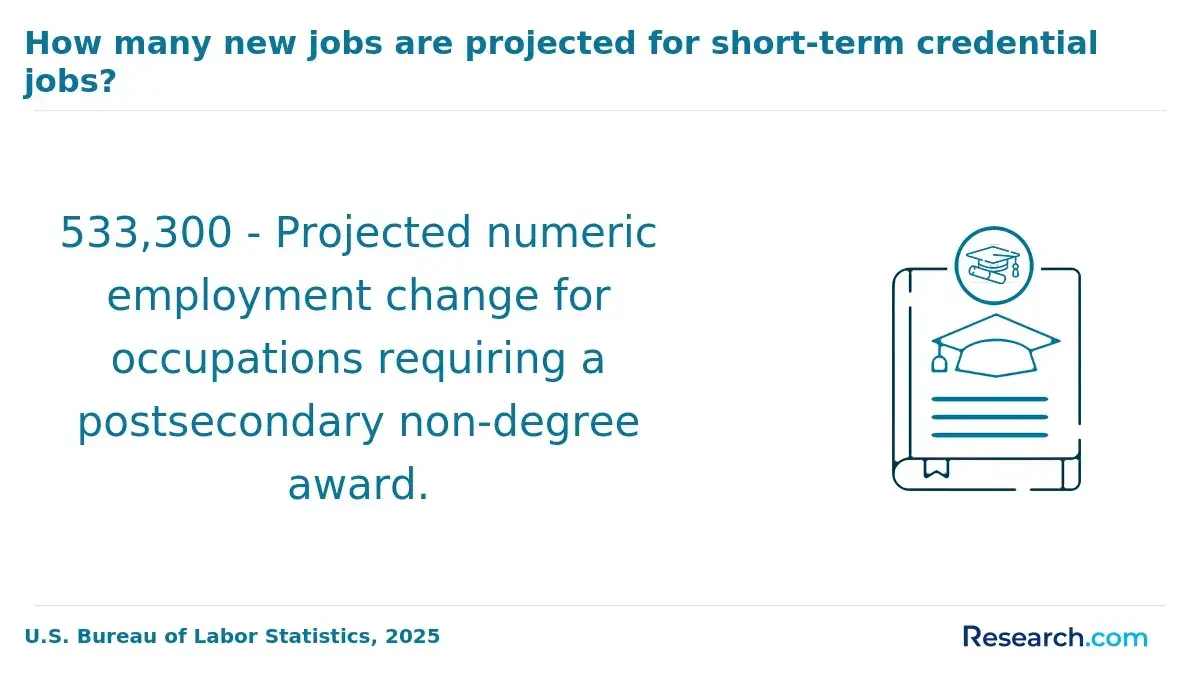
The return on investment is nuanced by the median student debt of $19,500, which yields an earnings-to-debt ratio above 3x. This ratio signals that, on average, graduates' income substantially exceeds their debt burden, improving financial viability over time. However, ROI outcomes vary notably with factors such as the ability to obtain scholarships or grants and the capacity to access higher-paying roles immediately post-graduation. Students who secure external funding or position themselves within competitive tech hubs may realize accelerated debt repayment and total lifetime earnings growth.
While ASU's strong employer network and graduates' presence in major tech sectors bolster opportunities, prospective students should consider regional salary differences, personal financial situations, and labor market fluctuations in software engineering when projecting ROI for this degree.
Student satisfaction in Arizona State University's online bs in software engineering program largely hinges on the balance between its support infrastructure and the program's inherent demands. While the program offers a comprehensive network of virtual mentoring and peer collaboration, the intensity and self-discipline required can pose significant challenges, especially for those juggling work or family commitments. This dynamic means satisfaction is often contingent on an individual's ability to manage time and maintain motivation without the physical presence of instructors.
The student culture reflects a pragmatic acceptance of these tradeoffs. Many appreciate the flexibility that accommodates their personal and professional lives, which translates into generally positive feedback about the program environment. However, some students note that the remote format can create a sense of isolation despite the availability of online forums and mentoring, which may affect engagement and overall contentment. The university's sizable enrollment and staff base suggest there is substantial institutional support, but remote learners must proactively leverage these resources to feel fully supported.
One graduate shared that initially, the absence of face-to-face interaction made it difficult to stay connected and motivated, especially during challenging coursework. "It wasn't until I joined the virtual study groups and reached out to mentors regularly that things shifted," they recalled. "Balancing a full-time job and family meant I had to be deliberate about my schedule, so the program's flexibility was a relief. But that flexibility also meant the pressure was entirely on me to keep progressing." Their experience underscores that satisfaction from the program depends heavily on the student's ability to engage with available resources and sustain self-directed effort.
Employment outcomes for online BS in Software Engineering graduates depend heavily on how effectively education providers connect learners with the job market. In this context, Arizona State University (ASU) leverages a multi-faceted support system to address geographic and networking limitations common to remote students. Importantly, industry data show that 65 percent of graduates secure their first job via platforms or networks offered through their schools, underscoring the tangible advantage of structured institutional involvement in career placement. This support becomes a significant factor for students weighing the practical value of an online software engineering education. Below are key resources ASU employs to aid employment success.
- Virtual Career Fairs: ASU organizes online events that bring technology employers directly to students, enabling access to internships and jobs without relocation. This reduces common hiring friction for remote learners seeking early work experience.
- Alumni Mentorship: The program links students with an active alumni network, providing industry insights, resume feedback, and professional connections that can open doors beyond generic job listings.
- Targeted Career Portals: Specialized online platforms list internships and entry-level positions specific to software engineering, streamlining the job search for candidates focused on this field.
- Resume and Interview Coaching: Tailored workshops help students craft competitive resumes and prepare for technical interviews, a critical barrier for many new graduates.
The employment support model at ASU illustrates a deliberate bridging of distance education and workforce integration, a dynamic many employers look for when assessing remote graduates. Those evaluating educational pathways might also consider programs like the fastest masters degree options, which can complement or accelerate career progress.
Within the broader scope of Arizona State University online software engineering career services, these strategies reflect a pragmatic approach to job market entry. For students prioritizing employment outcomes alongside academic credentials, the deployment of such focused career infrastructure is a noteworthy factor.
Career outcomes provide essential context when evaluating the value of arizona state university's online bs in software engineering, especially given the competitive nature of technology roles. Graduates often find their starting salaries positioned within a range comparable to related fields like computer science and computer engineering, where average earnings hover between roughly $71,000 and $73,000. These figures indicate that software engineering alumni can expect compensation that reflects persistent employer demand and industry standards. The practical significance of these outcomes lies in understanding how specific job roles match skillsets and influence long-term employability. The following examples highlight typical employment paths and associated earnings:
- Software Developer: Professionals in this role write, test, and maintain code for various applications. They commonly enter the workforce earning between $60,000 and $75,000, with salary growth tied to proficiency and project complexity.
- Systems Analyst: These experts assess and refine IT systems within organizations to boost performance and reliability. Starting salaries align closely with the tech sector averages for related disciplines.
- Application Engineer: Focused on creating tailored software solutions, these engineers blend programming with business needs, often commanding competitive pay reflecting specialized skills.
The career prospects for arizona state university software engineering graduates must be weighed against alternatives and individual goals, as specialization and industry demand shape both job availability and salary progression. Candidates should also consider how this program's curriculum prepares them for current development methodologies and tools relevant across sectors. For broader context on online degrees and their market positioning, resources such as online degrees provide helpful comparative perspectives.
Determining if Arizona State University's online bs in software engineering fits your career goals involves reconciling the program's offerings with your specific academic and professional objectives. The value of such a program is highly contingent on how well it serves your intended career trajectory and learning preferences. For example, a candidate aiming to transition from a general IT background to a specialized software engineering role will need a program emphasizing applied skills and industry standards. Conversely, someone focused on research-oriented software development might require a different depth or type of coursework. Several critical factors need assessment to make this judgment. Consider the following:
- Curriculum Alignment: Evaluate whether the courses emphasize practical skills like software development, system architecture, and quality assurance that match your career ambitions. Prioritize programs offering hands-on projects simulating real-world engineering challenges.
- Program Flexibility and Delivery: Since this is an online program, determine if its asynchronous or synchronous formats accommodate your schedule and learning style. Interaction with instructors and peers can significantly impact comprehension and networking opportunities.
- Accreditation and Industry Reputation: Confirm that the program holds accreditation from relevant bodies and leverages strong employer connections. These factors influence how employers perceive your degree and affect your employability.
- Support Resources: Investigate availability of career services, internships, and mentorships that improve your transition from study to employment, especially when pursuing online degrees for remote jobs.
- Personal Commitment and Resources: Acknowledge the time, financial investment, and discipline required, given that software engineering demands continuous practice and problem-solving skills to advance effectively.
What Graduates Say About Arizona State University's Online BS in Software Engineering Program
- Isaac: "My experience studying at Arizona State University was a blend of rigorous coursework and real-world projects that really shaped my approach to software development. The BS in Software Engineering program emphasized hands-on learning, which helped me build a portfolio that caught employers' eyes more than any certification could. While I initially struggled to break into certain competitive roles, the program's flexibility allowed me to take internships that ultimately led to a stable software engineering position with room to grow."
- Victor: "Arizona State University's BS in Software Engineering gave me the credentials and foundational skills to pivot from a non-traditional tech background into software development. What stood out was the program's adaptability to remote learning, which fit perfectly with my full-time job and family commitments. However, I learned quickly that employers in this field often favor demonstrated experience and robust portfolios over licensure, so I focused heavily on internships and freelance projects after graduating to build credibility."
- Luis: "Completing my BS in Software Engineering at Arizona State University was a demanding but rewarding journey that equipped me with a solid technical base. In the industry, I found that salary growth and leadership opportunities sometimes require additional certifications or advanced degrees, so I view my ASU degree as a strong starting point rather than a final destination. Still, the program's focus on practical skills and teamwork made it easier to secure remote roles and adapt in a competitive job market."
Other Things You Should Know About Degrees
Applicants need a completed high school diploma or equivalent, official transcripts, and admission to Arizona State University through its standard undergraduate process. ASU also reviews core preparation in math and science, and students who are underprepared may need placement or prerequisite coursework before taking upper-division software engineering classes.
Employers increasingly value skills over delivery method, so graduates from Arizona State University's online BS in software engineering generally face similar opportunities as on-campus peers, especially if they build strong portfolios. Still, certain traditional or highly competitive employers may prefer on-campus credentials due to perceived rigor or networking advantages. For job seekers prioritizing prestigious tech hubs or companies with strict hiring filters, combining the degree with relevant internships or certifications can offset these biases.
While Arizona State University offers online tutoring and academic support resources, the program assumes a solid base in math and programming, which can catch some students unprepared. Those lacking fundamentals might struggle initially and should proactively access tutoring or consider preparatory courses before or during early semesters. Investing early in these resources is critical; otherwise, the program's accelerated pace can exacerbate gaps, delaying progress or impacting grades.
- How to choose a bachelor's in software engineering | edX https://www.edx.org/resources/how-to-choose-a-bachelors-in-software-engineering
- Arizona State University Placements : Salaries, Top Recruiters & Job Opportunities https://www.gyandhan.com/study-abroad/usa/universities/arizona-state-university/placements
- Computer Engineering - engineering degree - WAB we Wrocławiu https://wab.edu.pl/en/educational-offer/first-degree/computer-engineering-engineering-degree/
- Career Paths with a Bachelor’s Degree in Software Engineering | Gisma https://www.gisma.com/blog/career-paths-with-a-bachelors-degree-in-software-engineering
- Software Engineering and Management Bachelor's Programme https://www.gu.se/en/study-gothenburg/software-engineering-and-management-bachelors-programme-n1sof
- Software Engineering Degree Career Outcomes: Jobs, Salaries & Growth https://hakia.com/degrees/software-engineering/career-outcomes/
- How Much Does it Cost to Learn Software Engineering? https://blog.nobledesktop.com/learn/software-engineering/software-engineering-cost-to-learn
- What Is a Software Engineer? | Skills and Career Paths https://www.computerscience.org/careers/software-engineer/
- Bachelor of Software Engineering - Wikipedia https://en.wikipedia.org/wiki/Bachelor_of_Software_Engineering
- Engineering Science in Software Engineering (MSE) https://asuengineeringonline.com/online-degrees/engineering-science-software-engineering-mse