2027 Is Arcadia University Good for Online Students? Programs, Flexibility, and Value

Co-Founder and Chief Data Scientist
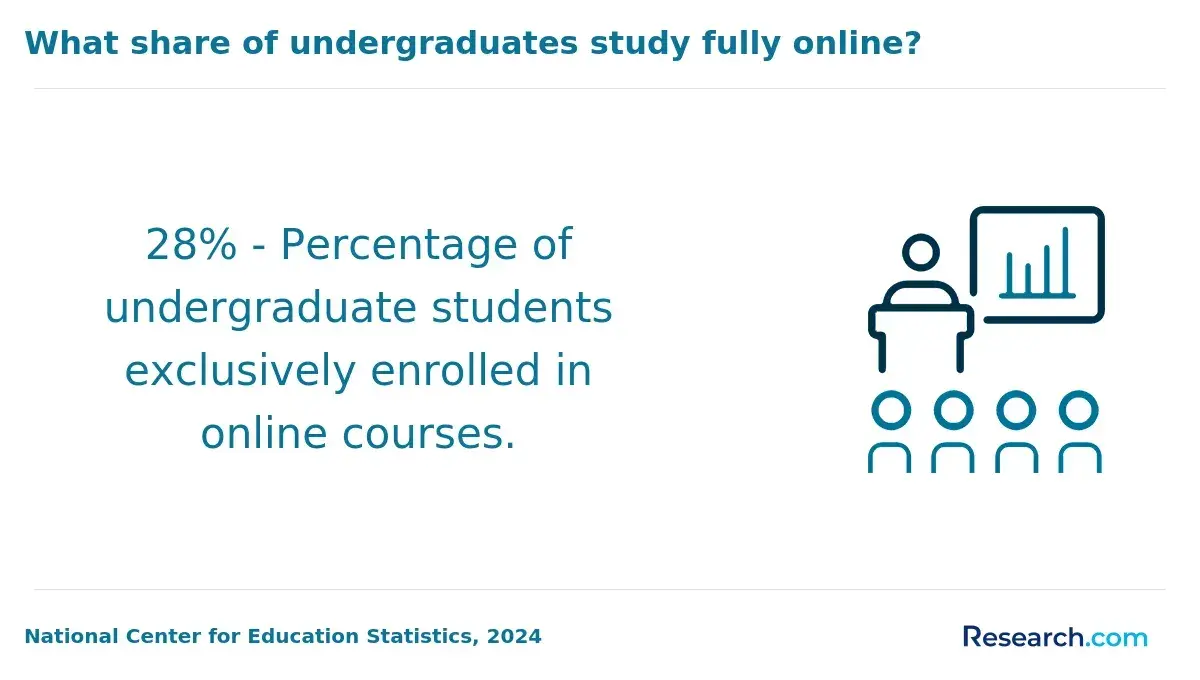
Determining whether Arcadia University provides an effective learning environment for online students requires more than cursory research. With online enrollment growing over 5% annually according to the National Center for Education Statistics, flexibility and program quality increasingly shape student decisions. Prospective students must understand if Arcadia University's offerings align with their career aims and schedules while delivering recognized value in a competitive workforce. This includes assessing available degree programs, affordability, and support resources designed specifically for remote learners.
This article explores these crucial dimensions to help readers evaluate if an online degree from Arcadia University justifies their educational investment and professional goals.
Key Points About Studying at Arcadia University as an Online Student
- Admissions are moderately competitive, indicating that prospective online students must prepare thoroughly to secure a spot, which may limit access but supports a focused peer environment.
- Total tuition for an online degree is $75,630, a significant financial commitment that requires evaluating return on investment relative to career goals and earning potential.
- Dedicated support services and interactive learning tools contribute to a 64% graduation rate, signaling moderate student satisfaction and a degree completion rate that impacts employability outcomes.
What online degree programs are available at Arcadia University?
Employers in fields such as business, public health, and counseling increasingly prioritize specialized knowledge paired with practical skills, which shapes the value proposition of online degree programs at Arcadia University. For a working professional pursuing flexibility, Arcadia University's selection balances synchronous and asynchronous learning formats, enabling management of personal commitments alongside education without full disengagement from live interaction when needed. Below are key programs illustrating this range, with brief summaries of their focus areas and delivery approaches.
- Bachelor of Science in Business Administration: This program develops leadership capabilities and management proficiency critical for mid-level managerial roles. It blends asynchronous coursework with occasional live sessions to support working students navigating complex schedules.
- Master of Science in Counseling: Designed for those targeting licensure, this degree emphasizes applied therapeutic techniques and clinical foundations, employing a mix of real-time classes and on-demand lessons to accommodate professional responsibilities.
- Master of Public Health: Focused on health policy formulation and community health implementation, this program stresses evidence-based practices ideal for advancing within healthcare or policy sectors.
- Master of Education: Tailored for educators seeking credential advancement or specialization, featuring flexible course timings that help maintain employment alongside academic progress.
- Associate Degree in General Studies: Offering foundational skills transferable across industries, this entry-level option primarily uses asynchronous modules for maximum learner autonomy.
- Bachelor of Arts in Psychology: Covers core psychological theories and research methods, using a hybrid model to facilitate both independent study and instructor interaction.
- Graduate Certificate in Leadership: A short-term credential focusing on practical leadership and organizational strategy, delivered predominantly asynchronously for accelerated completion.
Enrollment in the online degree programs at Arcadia University can suit learners who require adaptive pacing within a structured academic setting, a balance often sought by non-traditional students or professionals. For those exploring options beyond master's and bachelor's levels, the institution's offerings intersect with wider trends in flexible credentialing, though the absence of doctoral-level programs may prompt candidates to consider online doctorate programs elsewhere for terminal degree specialization. Awareness of how these formats translate into employer value-considering faculty interaction, curriculum rigor, and application opportunities-remains critical when assessing overall return on investment within competitive labor markets focused on outcomes and skill relevancy.
Are admissions for online degrees at Arcadia University difficult?
Admission to online degree programs at Arcadia University is moderately selective with a 79% acceptance rate, positioning it below highly competitive schools yet above fully open admission models. For professionals balancing work and study, this translates to a reasonable but not guaranteed entry, requiring solid academic preparation without facing excessive barriers common at more selective institutions.
Applicants must demonstrate readiness through secondary school records, completion of college-preparatory curricula, and formal assessments like TOEFL when applicable. While standard tests such as SAT or ACT are considered, with typical admitted scores indicating mid-range academic achievement, the absence of open enrollment reflects sustained academic standards consistent with trends toward maintaining quality over blanket accessibility.
Credit transfers are facilitated through CLEP and advanced placement exams, addressing a common challenge for transfer students seeking efficiency in credential completion. However, Arcadia excludes credit for life experience or dual enrollment, which may limit flexibility for some nontraditional learners accustomed to alternative credit pathways.
One Arcadia online graduate recalls initial concern over meeting admissions criteria while working full-time, noting, "I hesitated to apply because I wasn't sure my test scores and credits aligned. The process felt thorough but fair-submitting my transcripts and TOEFL results was straightforward, and getting accepted felt like a real validation of my readiness rather than just a formality." This experience highlights the balance between selectivity and accessibility shaping Arcadia's admissions approach.
How flexible are the online degree programs are at Arcadia University?
Arcadia University online degree flexibility primarily hinges on its blend of asynchronous and synchronous formats, which accommodates professionals managing variable work and life commitments. For example, a working nurse returning to school can access recorded lectures on their own schedule while scheduled live sessions provide interaction opportunities vital for comprehension. However, many distance learning program options still incorporate required in-person components such as clinicals or practicums, limiting fully remote completion particularly in fields like nursing and social work where hands-on practice is essential for licensure and employment.
The academic calendar is semester-based, providing clear start and end dates helpful for planning but less flexible than rolling admissions models favored by some online providers. This structure may benefit students who prefer traditional pacing, yet it constrains those needing accelerated or off-cycle enrollment. As such, Arcadia University's online offerings balance the flexibility needed for everyday accessibility with real-world experiential requirements that enhance graduate marketability, though prospective students should evaluate if their desired program's hybrid elements align with their scheduling needs.
Those seeking an online bachelor's degree through Arcadia University will find a practical option that mitigates some typical remote learning challenges but with tradeoffs affecting full-time work integration or purely virtual attendance.
Is it expensive to attend an online program at Arcadia University?
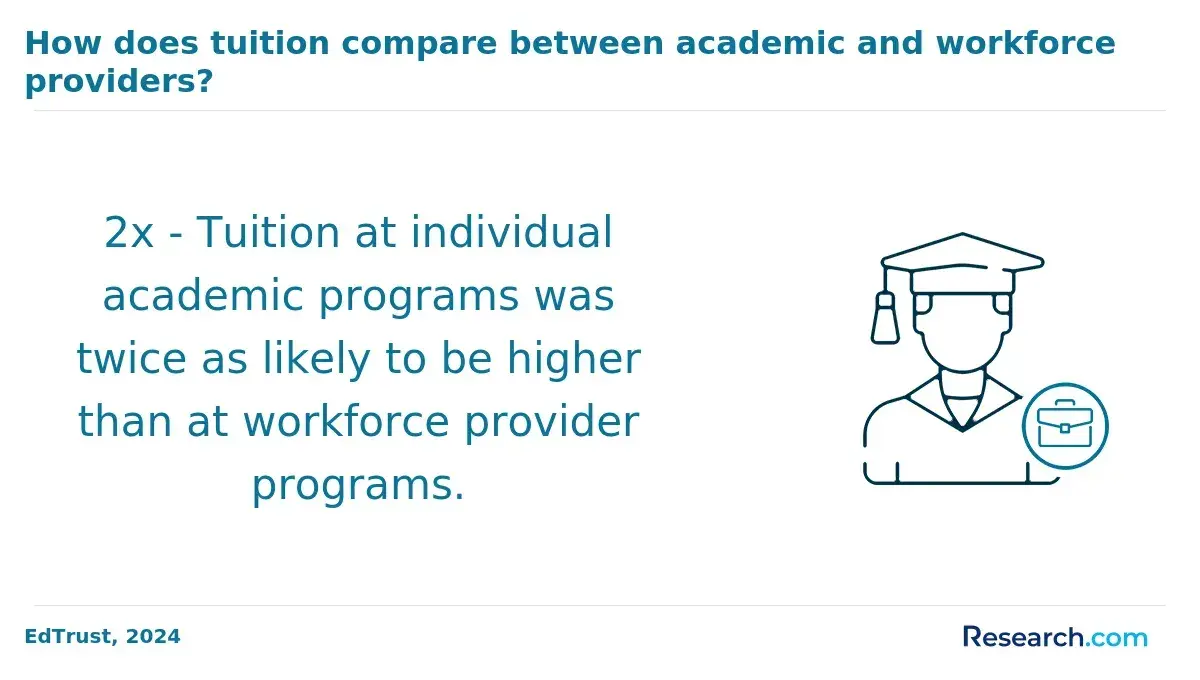
Attending an online program at Arcadia University comes with a substantial price tag, with average tuition and fees around $48,290 annually. Including books, housing, and other expenses, the total cost approaches $75,630 per year. This level of expense positions Arcadia above many traditional online programs, reflecting its private status and comprehensive campus resources. For example, a working professional considering an online degree must weigh whether the elevated cost justifies outcomes like employer recognition or flexible scheduling compared to more affordable options.
Unlike some institutions that provide flat-rate tuition for online students regardless of residence, Arcadia University's pricing does not vary solely on location, nor does it charge specialized technology fees for online learners. This means the cost structure largely depends on program-specific components and living expenses if on-campus participation is involved, adding complexity for students budgeting for total program costs. Prospective students should carefully review their program's requirements to anticipate additional expenses beyond tuition.
However, financial aid at Arcadia mitigates sticker shock somewhat; about 100% of undergraduates receive aid averaging $31,015, which significantly lowers the out-of-pocket expense for many. Still, when contrasted with the Federal Scorecard's total cost for in-state on-campus attendance at $61,240, the net price after aid remains an important consideration for online students. Those factoring the cost into their decision should assess how aid packages compare to expected earnings and long-term career returns, especially in fields with fluctuating demand.
Those exploring options for affordable online education might consult listings such as the top 10 online colleges to contextualize Arcadia University's pricing within broader market standards. Evaluating the cost against program flexibility and outcome quality is essential to determine if Arcadia aligns with specific student goals and workforce realities in today's competitive labor markets.
What resources are included in the tuition cost at Arcadia University?
Effective online learning hinges not only on curriculum design but also on readily accessible resources integrated into tuition costs, which directly influence student retention and success. For example, a working professional juggling job responsibilities and coursework will rely heavily on seamless digital access and timely academic support to manage deadlines and mastery of content. This practical reality underscores the significance of the resources bundled with tuition at Arcadia University. Below are key supports that enable online students to navigate their programs with greater agility and relevance to workforce demands.
- Digital Infrastructure Access: Arcadia University provides a robust online platform where students can retrieve course materials, participate in interactive modules, and engage in real-time collaboration, minimizing technical friction and supporting continuous learning regardless of location.
- Technical Support Services: Dedicated IT assistance tailored for online learners ensures prompt resolution of connectivity or software issues, reducing disruptions that can otherwise derail study progress and exacerbate time constraints for remote students.
- Academic Advising and Tutoring: Virtual academic consulting and tutoring help students address content challenges and plan their course trajectories effectively, particularly valuable for non-traditional students who benefit from personalized guidance that aligns with professional experience and goals.
- Centralized Student Portals: Integrated online portals consolidate access to class schedules, assignment submissions, grade tracking, and faculty communication, streamlining administrative management and promoting accountability essential for self-directed online education.
- Career Development Support: Included are virtual workshops, resume consultations, and interview preparation services that connect academic credentials to job market readiness, enhancing the practical value of the degree through facilitated networking and internship opportunities.
Are the online degrees at Arcadia University ideal for working professionals?
The structure of online degree programs for working professionals at Arcadia University integrates flexibility with career relevance, addressing the challenge of managing demanding work schedules alongside academic progress. For instance, a mid-level manager pursuing a counseling certificate can engage with course content on their own time, minimizing conflicts with professional obligations while gaining updated skills applicable to their field. This model supports upward career mobility and aligns with executive schedules without sacrificing academic rigor or workforce demands.
The academic pathways and asynchronous delivery methods at Arcadia University also provide opportunities to expand professional networks within industry-tailored cohorts, enhancing long-term career potential. Here are several factors that contribute to the value Arcadia offers working students:
- Flexible Coursework Delivery: Most classes use asynchronous formats, enabling students to complete assignments and access materials on a schedule that suits their work and personal life, critical for maintaining steady progress.
- Career-Specific Programs: Degree and certificate options focus on fields like business, healthcare, education, and counseling, emphasizing practical skills that align with employer expectations and workforce needs.
- Corporate Tuition Plans: Collaboration with employers facilitates tuition assistance and streamlined enrollment, reducing financial barriers for students supported by workplace educational benefits.
- Self-Paced Learning Options: Allows students with fluctuating work demands to adjust their study timelines, maintaining momentum without compromising professional responsibilities.
- Specialized Concentrations: Enables tailoring academic tracks to specific career objectives, increasing relevance and immediate applicability in job roles.
- Networking Within Cohorts: Cohort-based courses and industry-aligned programs foster peer connections, mentoring possibilities, and potential professional collaborations.
- Alignment with Fast-Track Options: For those seeking expedited credentials, Arcadia accommodates students comparing pathways such as the shortest masters degree programs available, balancing speed with comprehensive skill development.
How big is the online student community at Arcadia University?
The size of Arcadia University's online student community, with 3,142 enrollees, reflects more than just enrollment volume; it shapes the practical learning environment digital students will encounter. For a working professional pursuing a degree remotely, such a substantial population can offer critical peer interaction that counters the isolation often linked to online study. This scale supports varied academic and social engagement opportunities beyond static coursework.
Arcadia provides organized honor societies and special interest groups specifically for online learners, which is significant for maintaining academic motivation and peer accountability. Consider a health sciences student balancing clinical shifts with remote classes; having access to targeted virtual communities can facilitate timely study groups and networking without campus dependence, positively impacting persistence and completion rates.
The presence of official social media and student-run forums tailored for online students creates added layers of support. This infrastructure is more than social-it enables quick sharing of resources, advice on course challenges, and informal mentoring, which aligns with effective adult learning practices. Students able to tap into these networks often report improved problem-solving and morale compared to those isolated from peer feedback.
While not a substitute for in-person engagement, these digital communities at Arcadia University represent a deliberate effort to replicate key social and academic dimensions of campus life. Prospective students should weigh how much they value or require such connectivity to sustain motivation and navigate remote education's practical demands.
Is there high online student satisfaction at Arcadia University?
Online students at Arcadia University generally report a satisfactory learning experience that balances flexibility with meaningful academic support. Many appreciate the university's efforts to accommodate working professionals through adaptable scheduling and accessible faculty, which helps manage education alongside other commitments. For example, a part-time student juggling full-time employment cites responsive instructor interaction and relevant coursework as essential to staying engaged and applying skills immediately in their job.
Strengths frequently mentioned include personalized attention from instructors and curriculum designed with practical relevance, enhancing the connection between theoretical study and workplace demands. These factors contribute positively to student motivation and perceived value of the online program in career contexts.
However, some students encounter challenges related to technology platforms, which occasionally disrupt smooth participation, as well as limited opportunities for peer-to-peer interaction, which can hinder the sense of community often found in traditional settings. This may affect those who rely on collaborative learning or networking as part of their educational experience.
Overall, while there are modest drawbacks tied to the remote structure, the prevailing sentiment among online learners at Arcadia University is positive. The institution provides a viable option for students prioritizing flexibility and direct faculty support without sacrificing academic rigor or real-world applicability.
What is the average salary for online degree graduates at Arcadia University?
The average salary for online degree graduates at Arcadia University offers a nuanced picture of how field-specific training translates into earnings. For instance, a graduate pursuing a career in International Business is likely to achieve a median salary of about $44,105, positioning them favorably in sectors that value business acumen and global market awareness. This contrasts sharply with other areas such as Psychology or Biology, where median annual incomes fall closer to $22,531 and $25,274 respectively, demonstrating the limits of earnings in more specialized or entry-level scientific roles.
Employment outcomes reflect these disparities, with healthcare and business sectors showing stronger capacity to absorb and remunerate Arcadia's online alumni. Those in Health and Medical Administrative Services often earn around $38,830, benefiting from sustained demand across healthcare systems. Meanwhile, those entering education or psychological services confront a more challenging labor market, which affects salary progression and job stability. This dynamic indicates that the earnings of online degree holders from Arcadia University are heavily influenced by sector-specific labor market conditions and the practical applicability of the chosen discipline.
Overall, the median salary of $58,336 for Arcadia University's online graduates represents an aggregate that blends several disparate outcomes. Prospective students must weigh these figures carefully against their career goals and the practical value of flexible online education. Considering alternatives such as short certificate programs that pay well online may offer more immediate financial returns, especially for those seeking quicker workforce entry or higher salary ceilings in in-demand fields.
Does the ROI of an online degree from Arcadia University justify the cost?
Investing in an online degree can be costly upfront, but for many, the return hinges on whether those expenses translate into tangible economic benefits over time. At Arcadia University, the median student debt sits around $27,000, notably lower than the full tuition cost, indicating that financial aid offsets much of the sticker price. Graduates tend to earn slightly more than double their debt annually, evidencing a capacity to recover costs within a reasonable timeframe compared to more burdened borrowers from other institutions.
For a working professional juggling commitments, this manageable debt level combined with predictable tuition-under Arcadia's tuition guarantee-can reduce financial uncertainty during enrollment. While it may take roughly a decade to fully amortize the debt assuming steady income growth, the earnings-to-debt ratio signals that the resulting degree holds value sufficient to support loan repayment without excessive strain. That said, individual outcomes depend heavily on field of study and local job markets, making program choice critical.
Low institutional loan default rates further reflect Arcadia University's graduates' ability to maintain financial stability post-graduation, suggesting that their education generally meets employer expectations and job market demands. However, prospective students should carefully assess whether their intended program has clear alignment with sectors exhibiting steady employment opportunities since this will ultimately influence practical ROI.
In sum, Arcadia University's online degrees appear to offer a financially viable pathway for students who leverage available aid and remain realistic about their post-degree earning potential. These factors combined make the investment justifiable for many, though with the usual caveats tied to individual circumstances and labor market variability.
One graduate recounted her experience balancing full-time work while completing an online program at Arcadia University. Initially hesitant due to concerns over cost and time, she was reassured by the fixed tuition rates and manageable debt load. "I worried about stretching myself too thin and starting with a mountain of debt," she explained, "but knowing I could keep costs steady helped me commit." After graduation, she found a position in healthcare administration where the degree played a decisive role in hiring. While it took several years to feel fully secure financially, she noted that the investment gradually felt less daunting as salary increases helped chip away at the loan. "It made sense in the long run, especially because I didn't have unexpected surprises on the cost side."
What Graduates Say About Arcadia University's Online Degree Programs
- Genesis: "Completing my online program at Arcadia University was challenging but rewarding; I appreciated the flexibility that let me balance work and study without compromising either. When I graduated, I quickly realized that employers in my field tend to value hands-on internships and a solid portfolio more than just a degree. Still, having the Arcadia University credential opened doors to remote roles and made it easier to transition into a new industry."
- Preston: "Studying online at Arcadia University gave me the opportunity to engage with diverse coursework while maintaining my full-time job, which was crucial for my career progression. The real benefit came after graduation when the degree helped me negotiate for a better salary and take on management responsibilities, though I'm aware that certain advanced positions still require additional certification. Overall, the program was a strategic step that gave me a leg up in a competitive market."
- Sam: "My experience with Arcadia University's online program was eye-opening; it mirrored many on-campus demands while allowing me to learn at my own pace. After completing my degree, I entered a workforce that highly prizes practical skills and certifications, so I focused on building those alongside my coursework. The degree itself was valuable for establishing credibility, but the real advantage came from combining it with relevant internships and networking efforts."
Other Things You Should Know About Arcadia University Degrees
Arcadia University's online programs often blend asynchronous coursework with limited synchronous sessions to maintain flexibility while fostering engagement. However, some courses require live meetings that can be challenging for students with unpredictable schedules or those in different time zones. Prospective students should prioritize reviewing the specific course format before enrolling to ensure that any live sessions fit their availability without compromising convenience.
While Arcadia University carries a respectable regional accreditation, employer recognition of its online degrees varies by industry and employer sophistication. Graduates often find that employer perception aligns more with relevant experience and skills demonstrated than the delivery mode of their education. When making enrollment decisions, students aiming for traditional or conservative fields should consider supplementing the online degree with internships or certifications to enhance employer confidence.
In 2027, Arcadia University offers a range of online programs, including bachelor's and master's degrees in fields such as Education, Health Sciences, and Business Administration. These programs are designed to provide flexibility for students balancing studies and other commitments.
Arcadia University offers career services and virtual networking events for online students, yet these opportunities are less frequent and typically more limited than what's available on campus. This can affect students looking to build professional relationships or seek mentorship during their studies. For those who prioritize robust networking, enrolling in hybrid options or supplementing online study with local professional involvement may offer a strategic advantage.
References
- Arcadia University - Wikipedia https://en.wikipedia.org/wiki/Arcadia_University
- Arcadia University - Cost & Financial Aid https://www.meetyourclass.com/arcadia/cost
- Arcadia University Transfer Credit https://www.straighterline.com/colleges/arcadia-university/
- Enrollment Information https://www.ausd.net/apps/pages/enrollment
- How Arcadia University Reversed Enrollment Decline with Eduvantis | Eduvantis https://eduvantis.com/arcadia-university-a-bold-turnaround-rooted-in-data-storytelling-and-campus-wide-unity/
- Arcadia University Announces New Academic Programs for Fall 2024 https://www.prnewswire.com/news-releases/arcadia-university-announces-new-academic-programs-for-fall-2024-302074480.html
- Arcadia University Reviews https://www.gradreports.com/colleges/arcadia-university
- Arcadia Salaries - Glenside Wages https://www.academicjobs.com/employers/arcadia-university/3543/salaries
- Boost Your Career: Top Affordable Online Degrees with High ROI https://matchtocollege.com/blog/affordable-online-degrees-high-roi
- Acadia University - Tuition & Fees https://www2.acadiau.ca/student-services/student-accounts/tuition-fees.html