2027 Grand Canyon University Online EdD in Adult Learning: Quantitative Research: Cost, Curriculum, Admissions, and Career Outcomes

Co-Founder and Chief Data Scientist
Determining the fit of Grand Canyon University online EdD in Adult Learning: Quantitative Research requires balancing academic ambitions with practical constraints. With online doctoral enrollments rising steadily, driven by 2024 data from the National Center for Education Statistics showing a 12% growth in adult learners pursuing remote advanced degrees, flexibility and program relevance have become critical factors.
Adult students often juggle career demands and personal responsibilities, intensifying the need to assess if this program's curriculum and admissions policies align with those pressures. This article explores the cost, curriculum, admissions, and career outcomes to clarify whether this pathway effectively supports long-term professional goals.
Key Points About Grand Canyon University's EdD in Adult Learning: Quantitative Research Program
- The 60% acceptance rate means applicants should prepare rigorously, as the selective process reflects standards that may shape peer quality and networking outcomes.
- Alumni success across industries suggests employers value the degree's research focus, potentially supporting career shifts but requiring alignment with specific quantitative skill demands.
- The $37,212 tuition total demands careful financial planning, posing a considerable investment that may impact access and require weighing long-term return against career advancement goals.
What can students expect from Grand Canyon University's online EdD in Adult Learning: Quantitative Research curriculum?
Adopting Grand Canyon University's approach to an online EdD in Adult Learning: Quantitative Research requires navigating a curriculum aligned with national EdD standards yet steeped in practical, workforce-oriented research skills. Consider an experienced adult educator charged with evaluating a district-wide learning initiative's effectiveness.
The program structures coursework to equip this professional with the rigorous quantitative toolset needed to design, execute, and interpret such complex analyses critically.
Below are key curriculum components illustrating this focus:
- Advanced Statistics: This course demands competence in statistical techniques and software used to handle large educational data sets. Mastering these skills is vital for drawing valid conclusions that can influence policy and practice in adult learning environments.
- Research Design: Students engage with experimental and non-experimental research methodologies, learning to develop studies that can isolate variables affecting adult learner outcomes. This groundwork ensures the ability to formulate methodologically sound and ethically responsible projects.
- Data Analysis Methods: Emphasis is placed on inferential statistics and applied quantitative methods to assess educational interventions. Proficiency here prepares graduates to translate data into actionable insights, addressing real-world challenges within adult education.
The curriculum's combination of foundational theory, leadership, and quantitative specialization mirrors broadly accepted U.S. EdD program structures yet places particular weight on applied quantitative analysis relevant to adult education contexts. Integrating ethical considerations further grounds students in responsible research application.
For those weighing financial aspects, exploring what online college gives the most financial aid may be a prudent step before committing to this pathway. This educational blend aims to cultivate leaders capable of advancing adult learning through evidence-based decision-making and scholarly contributions.
What are Grand Canyon University's admission requirements for online EdD in Adult Learning: Quantitative Research program?
Admission to Grand Canyon University's online EdD in Adult Learning: Quantitative Research program demands more than just baseline eligibility; it reflects an evaluative approach that balances academic preparedness and language proficiency with an understanding of applicant readiness for doctoral-level rigor.
For instance, a candidate with strong academic records but weak English proficiency could face challenges in completing quantitative research components effectively.
Below is a summary of the core admission requirements prospective students should expect.
- Secondary Education Credentials: Completion of high school or a General Educational Development (GED) certificate is mandatory. This establishes foundational academic competence needed before advancing to graduate-level work.
- Academic Records and GPA: Applicants must submit secondary school transcripts showing a minimum GPA. This ensures that candidates possess a quantitative and qualitative academic history that supports doctoral study.
- English Language Proficiency: Non-native English speakers are required to pass the TOEFL exam. This is crucial since the program's content involves complex academic writing and research methodologies, demanding solid language skills.
- Recommendations: While not compulsory, letters of recommendation from educators or professionals can underscore readiness for graduate study, enhancing an application in competitive contexts.
- Additional Assessments and Credits: Tests such as the Wonderlic or WISC-III are suggested but not required. Advanced Placement (AP) credits and recognition of relevant life experiences may accelerate degree progress but dual credit is not accepted.
Is it difficult to get admitted to Grand Canyon University's online EdD in Adult Learning: Quantitative Research program?
Admission to EdD programs in Adult Learning with a quantitative research focus typically balances selectivity with accessibility, reflecting the specialized yet practical nature of the field. While some programs admit fewer candidates due to competitive demand for research-intensive doctoral training, others maintain moderate admission standards to attract professionals aiming to enhance leadership through advanced data skills.
Grand Canyon University's online EdD in Adult Learning: Quantitative Research is moderately selective, with a 60% acceptance rate out of nearly 48,000 applicants annually. This indicates a competitive but not prohibitive process relative to more restrictive doctoral programs.
Applicants must meet defined standardized test benchmarks-SAT verbal scores between 540 and 620, math between 518 and 555, or ACT scores ranging from 19 to 123-signaling an expectation for solid foundational academic skills without excessively high entry barriers.
Such admission criteria suggest that candidates who can demonstrate quantitative aptitude and alignment with adult learning objectives have a fair chance of acceptance, though the presence of a substantial applicant pool implies that careful preparation remains necessary to stand out.
One recent admit recalled feeling uncertain given the volume of applicants yet found that her emphasis on relevant work experience paired with clear quantitative strengths eased the process. "I was initially worried about how my test scores compared, but focusing on how my background aligned with the program's research goals made a real difference," she noted, highlighting the value of strategically positioning oneself beyond raw numbers in a competitive online doctoral cohort.
What is the cost of attending an online EdD in Adult Learning: Quantitative Research program at Grand Canyon University?
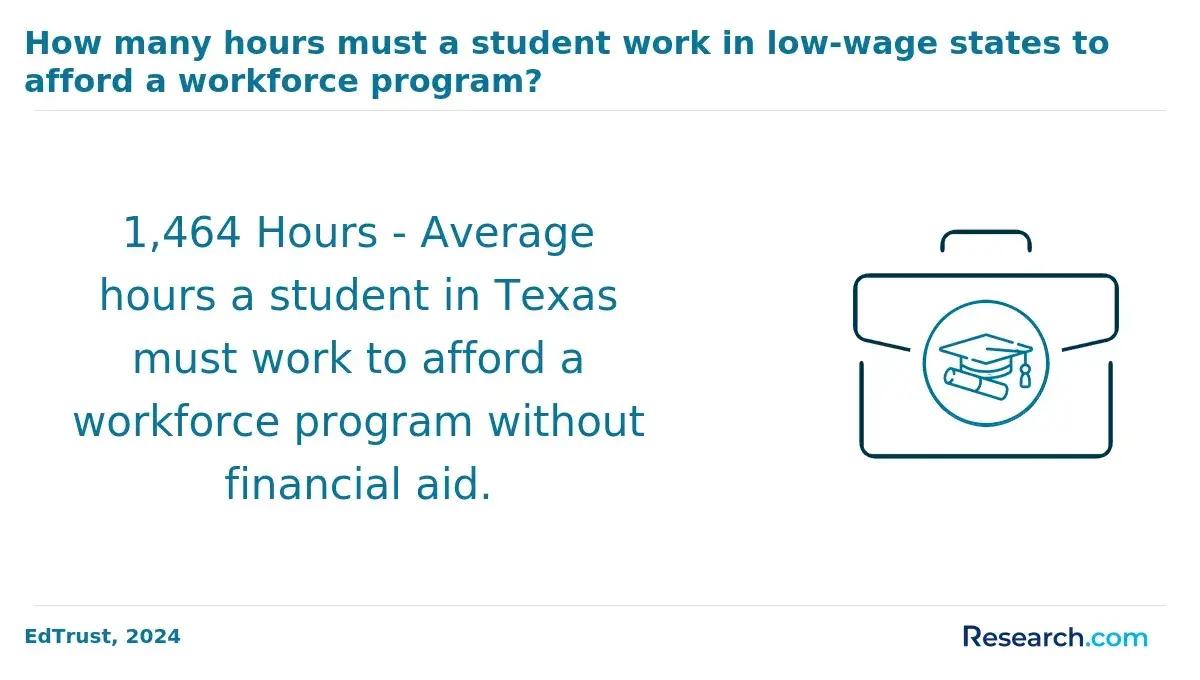
Tuition and fees for the online EdD in Adult Learning: Quantitative Research program at Grand Canyon University total $17,450 annually, a figure that excludes additional expenses like books and supplies, which add roughly $1,100 per year. When accounting for room, board, and other living costs, the total estimated annual expense rises to $37,212.
These numbers reflect the true financial footprint prospective students must consider, especially those comparing in-state versus online costs, as the Federal Scorecard cites a different total of $31,493 for in-state students living on campus. For students focused mainly on tuition, GCU's flat-rate pricing independent of location eliminates regional cost disparities commonly seen in similar programs.
In evaluating the Grand Canyon University online EdD tuition and fees in a broader context, the program's base tuition remains competitive within the discipline. Many comparable EdD in Adult Learning: Quantitative Research offerings across the U.S. command higher tuition rates, which can influence student decision-making, especially for those balancing affordability with program reputation and outcomes. Notably, GCU does not levy additional technology fees for online delivery, a cost that some institutions impose, introducing further unpredictability in total expenses for distance learners.
For candidates scrutinizing the cost to earn EdD in adult learning quantitative research online in Arizona, it is essential to weigh these tuition factors alongside professional goals and employer expectations. Employers in education and research fields increasingly value quantitative methods proficiency, but this must be matched with demonstrated applied experience. The program's cost profile underscores the need for students to consider both direct educational expenses and the opportunity costs related to time and workforce re-entry timing.
Prospective students should also be aware that fields linked to adult learning and quantitative research often intersect with sectors identified among the most profitable college majors. This linkage highlights the potential for strategic career positioning through education investments that align with evolving labor market demands and salary trajectories.
Are there financial aid options for online EdD in Adult Learning: Quantitative Research students at Grand Canyon University?
Financial aid options for students pursuing an online EdD in Adult Learning: Quantitative Research at Grand Canyon University exist but require strategic navigation to optimize benefits. The combination of institutional, federal, and alternative funding sources can alleviate costs, though the availability and coverage differ notably from undergraduate aid, demanding early and informed engagement.
This fiscal complexity amid doctoral studies often influences working professionals' decisions to continue or pause education based on aid eligibility and repayment terms.
Below is an overview of key funding avenues students should consider.
- Institutional Grants and Scholarships: Available primarily to doctoral students based on academic merit, leadership potential, or enrollment status, these awards vary in amount and are competitive. Early application and meeting specific criteria are essential to maximize chances.
- Federal Financial Aid: Through FAFSA, students can access federal grants, work-study opportunities, and student loans tailored for graduate-level borrowing, which have distinct limits and repayment structures compared to undergraduate loans.
- Veteran Benefits: Military-affiliated students may leverage GI Bill or other veteran-specific education benefits, which can substantially offset tuition but require proper documentation and eligibility verification.
- Corporate Tuition Reimbursement: Working professionals employed by organizations with tuition assistance programs can reduce out-of-pocket expenses by applying for employer-sponsored support, contingent on employment status and company policies.
- Alternative Financing Options: Including private loans or payment plans, these avenues may offer flexibility but often come with higher interest rates or less favorable terms, necessitating careful cost-benefit evaluation.
What learning resources are available to online EdD in Adult Learning: Quantitative Research students at Grand Canyon University?
Access to comprehensive learning resources is a practical necessity for doctoral candidates balancing the demands of advanced quantitative research with professional obligations. For students in the online EdD in Adult Learning: Quantitative Research at Grand Canyon University, the availability and structure of these supports directly impact the feasibility of completing rigorous coursework and developing research competence.
The integration of academic guidance, technological infrastructure, and career networking collectively shapes how well students manage real-world challenges such as data-intensive projects or methodological refinement.
Below are some critical resources that form the backbone of this support system.
- Learning Management System: A robust digital platform that offers continuous access to course materials, assignments, and discussions. Its 24/7 technical support is instrumental for resolving access issues that might otherwise delay research progress, particularly for students juggling work and study.
- Academic Advising: Dedicated advisors help students navigate course sequencing, dissertation planning, and resource referrals. This guidance helps prevent common pitfalls in doctoral progression by aligning academic planning with individual research goals.
- Research Assistance: Specialized support for writing, quantitative analysis, and methodology enhances scholarly rigor. Availability of consultative services aids students in developing valid, reproducible research designs-an essential skillset for employability in research-intensive roles.
- Digital Libraries and Databases: Access to extensive scholarly articles and datasets supports the literature review process and data sourcing. This resource is critical in fields demanding up-to-date evidence and statistical validation, such as adult learning research.
- Career Placement and Networking: Professional placement services and alumni connections provide channels for mentorship and job opportunities. These networks facilitate transitions from academia to education leadership or research roles, responding to employer preferences for candidates combining research expertise with applied experience.
Does Grand Canyon University's online EdD in Adult Learning: Quantitative Research program have in-person clinicals or practicums?
Many EdD programs in education emphasize in-person clinicals or practicum hours to ensure candidates gain hands-on experience in educational settings. These onsite requirements reflect traditional employer expectations for experiential learning, particularly in fields such as school leadership or counselor preparation. However, such mandates often present obstacles for professionals balancing careers, geographic constraints, or family commitments.
Grand Canyon University's EdD in Adult Learning: Quantitative Research diverges notably from this norm by eliminating the need for in-person practicums or clinicals. Instead, the program integrates applied research projects, virtual simulations, and case-based assignments that align with each student's professional context. This model addresses a critical need for flexibility among working adults, especially those who would find traditional practicum requirements impractical or prohibitive.
This arrangement suits students more focused on developing robust quantitative research competencies rather than clinical practice skills. While some candidates may trade off direct field experience, the program's emphasis on research methodology and dissertation work fosters capabilities suited for roles requiring data-driven analysis in adult education settings.
Prospective students concerned about meeting employer expectations should weigh this approach against industry standards typical of EdD programs and consider how their career goals align with the practical realities of Grand Canyon University's course design and the broader landscape of affordable online bachelor's degree opportunities.
What careers can graduates of online EdD in Adult Learning: Quantitative Research at Grand Canyon University secure?
The practical value of an online EdD in Adult Learning: Quantitative Research from Grand Canyon University largely depends on its ability to translate academic skills into stable leadership and specialist roles, particularly in Arizona's evolving education landscape. Graduates equipped with advanced statistical and data analysis expertise can influence program design and performance metrics, yet must navigate employer preferences for both technical acumen and strategic oversight.
A careful decision to pursue this EdD involves weighing the program's quantitative focus against varied employer demands, especially when compared to degrees with broader leadership training. The program's alignment with roles in data-driven educational development is key to its marketability.
Below are common career paths for these graduates:
- Director of Adult Education: Manages the implementation of adult learning initiatives, aligning strategies with organizational priorities. Salaries reflect managerial responsibility and vary by institution.
- Curriculum Developer: Designs evidence-based curricula tailored to adult learners, leveraging research techniques to enhance instructional relevance and effectiveness.
- Educational Research Analyst: Applies quantitative methods to assess instructional outcomes, interpreting data to advise education stakeholders on program improvements with competitive compensation linked to expertise.
- Program Evaluator: Conducts statistical evaluations of adult education programs to determine success rates and recommend data-driven enhancements, often in corporate or education sectors.
Considering such career options reveals the importance of mastering quantitative research within adult learning contexts, a specialty reflected in the employment trajectories of many graduates from Grand Canyon University's EdD program. Candidates should also reference accelerated programs for career changers to evaluate alternative pathways offering different balances of speed and specialization.
What is the salary outlook for online EdD in Adult Learning: Quantitative Research graduates?
The salary outlook for graduates of the online EdD in Adult Learning: Quantitative Research indicates a nuanced earning potential shaped by the specialized skill set and career pathways available. Graduates often face initial tradeoffs, as median salaries in education-related fields typically hover near $35,000, reflecting entry or mid-level roles. However, acquiring quantitative research capabilities can differentiate candidates for higher-paying administrative or policy-focused positions where salaries exceed basic education roles.
For example, a graduate moving into higher education administration might see salaries closer to or above the $42,186 median alumni salary reported across graduate fields, underscoring the value of targeted skill applications.
Examining related fields reveals a varied financial landscape, where specializations in areas like Business Administration command higher median earnings ($47,402), while roles tied to Special Education and Teaching or Professional Development average slightly lower. These figures suggest EdD graduates from Grand Canyon University should anticipate a salary range influenced by sector-specific demand and geographic or institutional context.
The career earnings outlook for Grand Canyon University EdD in Adult Learning graduates thus balances modest starting figures with the potential for growth where research skills drive strategic roles.
Prospective students weighing this degree should consider how their career trajectory aligns with these salary patterns and whether the online EdD coursework complements goals, especially compared with alternative pathways such as online PhD no dissertation programs that may differ in time commitment or focus. Understanding these practical tradeoffs will aid informed decisions on educational investment and expected outcomes.
How do you know if Grand Canyon University's online EdD in Adult Learning: Quantitative Research program is the right choice for you?
Choosing whether Grand Canyon University's online EdD in Adult Learning: Quantitative Research fits your needs requires aligning the program's demands and outcomes with your career trajectory and personal circumstances. A mismatch in expectations or preparedness for the quantitative rigor can lead to stalled progress or underused credentials.
Consider these essential factors to gauge fit before committing:
- Quantitative Research Readiness: Assess your comfort with statistics and data analysis as these form the core of the curriculum. Evaluating your existing skills or willingness to build them matters because insufficient preparation may affect your success and ability to apply learning in practice.
- Flexibility and Scheduling: Analyze your current workload and personal commitments. The fully online format offers scheduling adaptability, but sustained self-discipline and time management remain critical to complete advanced coursework alongside professional obligations.
- Community and Faculty Access: Reflect on how important ongoing, meaningful interaction with faculty and peers is for your learning. This program emphasizes digital engagement; if you require direct face-to-face mentorship, consider how the virtual setting aligns with your preferred communication style.
- Career Application: Clarify your long-term role in adult education or organizational learning. The program's focus on leadership roles requiring applied quantitative skills means your return on investment improves if these align closely with your career goals.
One recent graduate shared that deciding wasn't straightforward. They initially hesitated, worried about balancing work, family, and the demanding statistical coursework. After closely evaluating their quantitative background, time constraints, and need for a collaborative environment, they chose this program for its practical focus and flexible delivery.
They stressed, "Knowing I had to handle complex data but also needed interaction pushed me to ensure I could stay disciplined and engage actively online-not everyone will find that easy, but it fitted my situation well." This reflection highlights how candid assessment of personal limitations and strengths shaped their decision more than institutional reputation alone.
What Graduates Say About Grand Canyon University's EdD in Adult Learning: Quantitative Research Program
- Brandon: "During my time studying the EdD in Adult Learning: Quantitative Research program at Grand Canyon University, I really appreciated the focus on applying data-driven methods to real-world adult education scenarios. The coursework challenged me to develop comprehensive research projects, which became crucial when I transitioned into a role where evidence-backed program development is key. However, I found that while my degree opened doors, employers often looked for hands-on experience and a solid portfolio alongside my academic credentials, so I made sure to supplement my studies with internships and freelance consulting to stay competitive."
- Shawn: "Completing the EdD in Adult Learning: Quantitative Research at Grand Canyon University was a pragmatic choice for me, especially because of the program's flexibility that allowed me to balance work and study remotely. The quantitative skills I gained made me more confident in analyzing program outcomes and supporting organizational decisions, which ultimately helped me secure a promotion. Yet, I learned the hard way that salary growth in this field can be modest without additional licensure, so I'm currently exploring certifications to expand my career options further."
- Chase: "Reflecting on my journey through the EdD in Adult Learning: Quantitative Research program at Grand Canyon University, the most valuable takeaway was how the curriculum emphasized practical application over theory alone. This hands-on approach prepared me to navigate the realities of adult education careers where employers value demonstrated problem-solving and data analysis skills more than just degrees. After graduation, I pivoted from purely academic roles to a more applied research position, where remote work opportunities and leading quantitative studies have become the norm for me."
Other Things You Should Know About Degrees
The tuition for the 2027 Grand Canyon University Online EdD in Adult Learning: Quantitative Research program varies, with costs typically charged per credit hour. Prospective students should contact the university for the most accurate, up-to-date tuition rates, including any additional fees and potential financial aid options.
The program emphasizes advanced quantitative research skills that are highly valued in education sectors but may require translation into workplace-specific contexts outside academia. Students aiming for roles in corporate training or policy analysis should supplement this degree with domain-specific experience. While the program's focus strengthens analytical capabilities, practical application in business or government settings might need additional adaptation skills not explicitly covered.
Having a foundational background in quantitative methods is strongly advisable, as the program builds rapidly on complex statistical techniques and data analysis software. Students without this experience might face steep learning curves that can affect progression and confidence. Prospective enrollees should consider preparatory coursework or workshops to enhance their readiness, which will improve both academic performance and practical research outcomes.
The fully online format reduces in-person networking but Grand Canyon University offers virtual engagement through cohort discussions and faculty interactions. Students needing extensive professional networking might find the opportunities limited compared to in-person formats. Prioritizing active participation in online forums and seeking external professional groups can help supplement these connections, which are vital for career advancement post-graduation.
References
- GCU Dept. of Welcome Programs https://gcuwelcome.org/resources
- Best Online EdD in Higher Education Programs of 2025 https://www.eddprograms.org/schools/higher-education/
- Grand Canyon University | Ed.D. in Teaching and Learning with an Emphasis in Adult Learning - Qualitative Research https://bestaccreditedcolleges.org/program/grand-canyon-university-edd-in-teaching-and-learning-with-an-emphasis-in-adult-learning-qualitative-research.html
- Education, Learning Analytics in Higher Education Specialization, EdD https://catalog.ncu.edu/preview_program.php
- EdD Salary - How much can you make with a Doctor of Education (EdD) degree? (2025 Update) https://www.onlineeddprograms.com/faqs/edd-salary
- Trends for the Future of Education: How Cairn’s EdD Equips You to Lead https://cairn.edu/trends-for-the-future-of-education-how-cairns-edd-equips-you-to-lead/
- Higher Education Services https://www.gce.com/
- GCU K12 Resources | Canyon PD https://www.canyonpd.com/gcu-k12-education-resources/
- Doctor of Education EdD Salary and Career Outlook https://teach.com/online-ed/education-degrees/online-edd-programs/edd-careers/