2027 Cheapest Online Degrees at The Chicago School

Co-Founder and Chief Data Scientist
Finding affordable online degree programs in the US is increasingly challenging as tuition costs vary widely across institutions. With remote enrollment surpassing 40% of total postsecondary students according to recent data from the National Center for Education Statistics, the pressure to find cost-effective, reputable programs has intensified. In this context, The Chicago School offers several online degree options that may appeal to budget-conscious students seeking practical credentials in fields like psychology, counseling, and business.
Evaluating tuition and fees alongside program outcomes and employability prospects is crucial before committing to any school. This article examines the available online degrees at The Chicago School, their overall cost structure, and how these factors influence return on investment. Readers will gain an evidence-based perspective to decide if pursuing an education at The Chicago School aligns with their financial and career goals.
Key Points About the Cheapest Online Degrees at The Chicago School
- The total tuition cost for completing an online degree at The Chicago School is $47,948, reflecting a significant financial investment that requires evaluation against likely career earnings and debt impact.
- Affordable online programs focus mainly on applied psychology and behavioral sciences, limiting options for students seeking broad or lower-cost fields while reinforcing focus on specialized career paths.
- Graduates exhibit an earnings to debt ratio of 2.84x, suggesting moderate financial returns that necessitate careful consideration of job market demand and long-term employability before enrollment.
Why is The Chicago School emerging as a top choice for cost-effective online education?
Choosing an online degree requires more than just comparing tuition prices. The Chicago School rises as a cost-effective option due to its graduates earning almost three times their student debt, reflected in its balanced earnings to debt ratio of 2.84x. This ratio matters for those on tight budgets because it indicates a viable path to repay loans and avoid prolonged financial strain. With remote enrollment nationwide reaching saturation levels as employers demand more flexible, skill-based education, The Chicago School's approach aligns with shifts in higher education preferences, providing career-aligned programs that emphasize long-term value over initial cost alone.
Here are the core reasons that make The Chicago School a premier choice for cost-conscious online learners:
- Accessible Financial Aid: Over 53% of students receive aid averaging $7,237, significantly lowering upfront costs and easing financial barriers for working students or those balancing family obligations.
- Workforce-Relevant Programs: Curricula focus on skills currently prioritized in the job market, increasing the likelihood that graduates qualify for in-demand roles that justify the expense.
- Strong Retention Rates: High program retention signals that courses meet student expectations and support persistence, reducing wasted time and money on incomplete studies.
- Upward Economic Mobility: Graduates experience notable income growth, providing real financial returns that improve long-term quality of life despite initial costs.
- Flexible Online Delivery: Courses accommodate remote learners' schedules and locations, lowering indirect costs such as commuting or relocation.
One graduate shared how starting a program while managing part-time work and family expenses felt overwhelming. Yet, the substantial financial aid and online format enabled her to complete her degree without incurring additional debt. She noted, "It wasn't just about tuition. Being able to study on my own time while receiving aid that cut my costs by thousands made all the difference. I never had to sacrifice income or take on extra loans." This experience highlights how The Chicago School's model addresses both educational and financial realities faced by budget-conscious students.
What is the current base cost of online programs at The Chicago School?
The Chicago School's average total cost for online programs, including tuition, fees, and other expenses, is $47,948. However, the base tuition specific to online courses is not clearly published, complicating precise comparisons with other institutions. This opacity requires students to scrutinize costs carefully before enrollment.
Online learners at The Chicago School often encounter additional fees, such as technology or access charges. These supplemental costs contribute to a layered pricing structure common in distance education, reflecting investments in specialized support services beyond tuition alone.
Nationally, tuition pricing for online education shows growing variability as schools balance affordability with online infrastructure costs. A recent study highlights these disparities, signaling that students must evaluate total expenses and potential career benefits thoughtfully to ensure their investment aligns with realistic outcomes.
Prospective students seeking affordable options might also explore 2 year online degrees that pay well as practical alternatives. Overall, understanding the nuanced cost components at The Chicago School is essential when considering the cheapest online degree programs at The Chicago School.
Does The Chicago School offer flat-rate tuition for out-of-state distance learners?
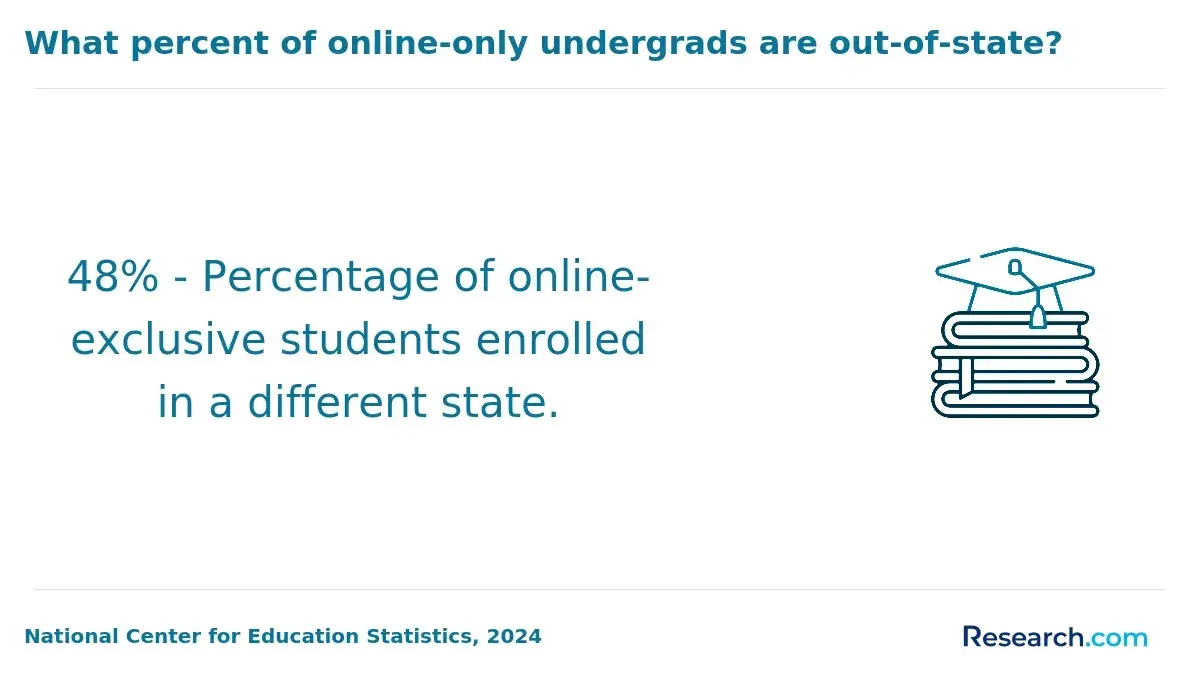
The Chicago School does not offer flat-rate tuition for out-of-state distance learners. Average out-of-state tuition typically exceeds $1,200 per credit hour, resulting in total costs often surpassing $48,000 for full programs. This pricing directly impacts students residing outside Illinois, increasing their financial commitment significantly.
Some states provide digital reciprocity waivers or regional flat-rate tuition agreements to curb costs for remote learners. The Chicago School currently lacks broad participation in these models, leaving out-of-state students without reductions. This contrasts with institutions in states that implement flat-rate pricing, which simplifies budgeting and lowers financial barriers.
National data shows roughly 25% of online programs now adopt flat-rate prices regardless of residency, a shift aimed at equity and access. This trend highlights The Chicago School's reliance on traditional residency-based pricing as more costly and less flexible than the growing standard elsewhere.
For example, a student in a waiver-eligible state attending a different online school might pay $15,000 less overall than a similarly situated peer at The Chicago School. This disparity mandates careful cost-benefit analysis, especially when long-term career returns may not offset higher up-front educational expenses.
Which online bachelor's degrees at The Chicago School offer the lowest total tuition?
The Chicago School offers some of the most affordable online bachelor's programs by combining targeted tuition rates with digital learning materials that cut overall costs. The programs listed below exemplify how students can minimize out-of-pocket expenses while pursuing applicable degrees aligned with workforce demands. These initiatives matter especially when nearly 40% of national undergraduate enrollments occur remotely, reflecting a strong preference for flexible formats. Here are key programs demonstrating how lower tuition and accessible curricula create cost-effective options.
- Psychology: This program maintains a per-credit tuition floor near $565 and integrates open-source course materials to reduce textbook costs. The curriculum's fully online format allows students to balance work and study, making it a compelling option for those seeking a social science degree with lower financial risk compared to technical fields.
- Social Work: Designed with workforce readiness in mind, Social Work offers standardized tuition pricing alongside digital resources that mitigate ancillary expenses. Its practicum components, coordinated in local settings, ensure practical experience without significant travel or accommodation costs often associated with experiential learning.
- Business Administration: The program delivers a professionally relevant curriculum that avoids expensive software fees typical of technical degrees. Its cost structure benefits students who prioritize manageable debt-to-income ratios post-graduation, aligning with sector expectations for foundational business knowledge.
- Human Services: Emphasizing community-focused skills, this track benefits from the standardized tuition model and online delivery while offering accessible pricing. The use of open educational resources reduces financial barriers, an important consideration given national tuition baseline differences between humanities and STEM disciplines.
- Organizational Leadership: Courses leverage widely available digital content, limiting extra expenditures. This program appeals to those targeting leadership roles where return on educational investment is crucial, reflecting a pragmatic balance of tuition cost and career impact.
Data on online enrollment saturation highlights the increasing demand for affordable options such as these. Choosing one of the most affordable online bachelor's programs at The Chicago School can be practical for students weighing debt and employability tradeoffs. For those wondering what degree can I get online in 6 months, these programs provide a clear illustration of how cost-efficient, workforce-aligned education looks beyond quick credentials.
What are the most affordable online master's degree programs at The Chicago School?
The Chicago School offers some of the most affordable online master's degree programs, with tuition rates that place it competitively among specialized graduate institutions. These degrees, typically charging between $600 and $630 per credit hour, provide cost-effective options for students seeking advanced qualifications without the burden of excessive debt. Compared to other for-profit and private schools, The Chicago School's programs reduce financial barriers by avoiding mandatory on-campus residencies, a factor that can otherwise inflate total costs significantly. Here is an overview of several affordable online master's programs available at The Chicago School:
- Clinical Mental Health Counseling: This program features a tuition structure that embeds course materials within the per-credit cost, helping students avoid unexpected expenses. Delivered fully online, it supports mental health professionals aiming to enhance their practice while managing expenses prudently. Graduates can leverage credentials important to employers without incurring debt that slows long-term earning growth.
- Industrial-Organizational Psychology: Offering online coursework with no residency requirements, this degree suits working professionals seeking to optimize leadership skills and workplace dynamics. The consistent per-credit cost structure allows for clear financial planning, making it suitable for candidates focused on efficient upskilling with measurable career return.
- Forensic Psychology: With competitive per-credit tuition that includes materials fees, this online program appeals to students looking to enter or advance in criminal justice and forensic settings. It balances affordability with practical curriculum delivery, facilitating timely progress toward credential acquisition important to employers.
- Public Health: This fully remote degree provides cost advantages by eliminating housing and travel expenses typically associated with graduate studies. Students benefit from a transparent tuition model that supports professionals seeking roles in health education and policy, where demand for credentialed experts remains strong.
- Applied Behavior Analysis: Online delivery and an inclusive tuition fee structure make this program accessible to students balancing work and study. The program emphasizes evidence-based skills that employers value, enabling candidates to improve salary prospects without accruing unsustainable educational debt.
A recent study reveals that graduate degree holders face an average debt-to-income ratio of 13.2, a notable financial consideration impacting many professionals. This highlights why selecting financially manageable programs like those offered by The Chicago School matters. Beyond tuition, these programs' lack of residency also aligns well with students managing family or work obligations. However, candidates should evaluate how each program's reputation and support services match their career goals to maximize the return on investment.
For individuals comparing options, The Chicago School's affordable online master's degrees provide a viable pathway. Their pricing approach contrasts favorably with some institutions that separate material costs from tuition, which can add unpredictability to overall expenses. Those weighing graduate education options should consider these factors alongside career relevance and employer expectations. Access to flexible, low-cost degrees increasingly supports professionals who want to avoid excessive debt while maintaining steady salary growth and marketability. Those interested may also explore opportunities for an affordable online bachelor's degree as a foundational step to graduate study.
Are digital course materials at The Chicago School expensive?
Online students considering The Chicago School must budget for digital course materials and supplies in addition to tuition, as these expenses can impact overall affordability. The average annual cost of these resources at The Chicago School is around $600, aligning closely with the national average of $700 for online learners. Despite the digital format often being less expensive than physical books, rising textbook prices have increased by 3.5% annually nationwide, adding to the financial demands students face. Below are key materials and their implications for students' budgets and learning experience.
- APA Publication Manual: A core digital textbook that guides proper research formatting and writing, essential for psychology programs. Students typically spend about $50 to $100 per term on access, which is non-negotiable for producing credible academic work.
- Psychology E-textbooks: Specialized e-texts cover foundational theories and therapy techniques. These range from $75 to $150 per course and are critical to grasping material needed for certification and clinical practice.
- Statistical Software Subscriptions: Tools like SPSS or RStudio enable data analysis crucial for research-heavy courses. Access licenses cost between $100 and $250 each term, representing a necessary but significant added expense.
- Online Therapy Simulations: These platforms offer hands-on practice in clinical scenarios, costing approximately $150 to $200 per term. They provide practical experience but increase out-of-pocket learning expenses.
- Case Study Databases: Access to curated databases supports applied learning and real-world case analysis, with fees typically around $50 to $100 per term. Students rely on these for skill development in counseling contexts.
Does The Chicago School offer accelerated term options for online students?
The Chicago School follows a traditional semester schedule for its online degrees, lacking accelerated 5-, 7-, or 8-week term options common at other institutions. This standard pacing can extend the time to completion, which may delay workforce entry compared to schools offering fast-track paths.
Tuition at The Chicago School is charged per credit rather than per term, so using accelerated courses to avoid extra semester fees has limited impact on total costs. The overall tuition remains about $47,948 regardless of term length, making the financial benefit of accelerated scheduling less pronounced here than at institutions with term-based billing.
In contrast, many universities embracing accelerated terms report improvements in student retention and graduation rates by 15% and 10%, respectively, reflecting the practical advantage of shorter, more frequent sessions. These modulated calendars enable quicker skill acquisition, which aligns better with employer expectations for timely credential completion and agility in evolving job markets.
A prospective student valuing rapid program completion for career transition or employer support should weigh The Chicago School's conventional timeline against institutions with modular calendars. The choice impacts not only time investment but also the ability to capitalize promptly on newly gained qualifications in competitive labor sectors.
Can online students The Chicago School transfer credits to reduce tuition costs?
Online students at The Chicago School can transfer up to 90 semester credits, cutting tuition from the total $47,948 by nearly half. This substantial credit acceptance provides immediate cost relief and shortens degree time, offering a tangible financial benefit for those with prior college experience.
However, savings vary widely since The Chicago School lacks formal articulation agreements with many regional colleges. For example, a student transferring from a local community college may face a more rigorous credit evaluation compared to one with military training credits or successful Prior Learning Assessments. This variance complicates straightforward tuition predictions.
Accreditation plays a critical role in transfer eligibility. Credits from regionally accredited institutions are more likely to be accepted, safeguarding transfer value. Without recognized accreditation, students risk losing credit applicability, undermining cost and time advantages.
Nationally, over 65% of students transfer credits, reflecting how essential clear articulation agreements are to reducing costs and minimizing lost time. For Chicago School online learners, weighing potential credit acceptance carefully impacts real cost-effectiveness beyond sticker tuition prices.
One graduate recalls hesitating initially; "I transferred 75 credits from my community college, but there was uncertainty since there wasn't a formal agreement. It took extra advising sessions and patience. When credits finally applied, I saved a year's tuition, which felt like a huge relief after the waiting." This process illustrates the practical uncertainty transfer students face despite the clear financial upside.
What financial aid options are available to online students at The Chicago School?
Financial aid programs for online students at The Chicago School provide varied assistance but rarely eliminate the need for careful financial planning. About 53% of students receive aid, with undergraduates averaging awards of $7,237. For example, a working professional targeting a master's degree must weigh aid benefits against potential debt and long-term earning prospects in a competitive market. The following list highlights key scholarship and grant opportunities at The Chicago School online and their eligibility criteria.
- Chicago School Scholarship: Targets high-performing applicants and covers up to 25% of tuition costs, available to both undergraduate and graduate students with strong academic records.
- Diversity Scholarship: Designed for students from underrepresented groups, offering awards up to $5,000 to help reduce financial barriers for marginalized communities.
- Veterans Grant: Provides substantial tuition coverage specifically for military-affiliated students, easing the transition back to academic life.
- Graduate Assistantship: Allows graduate students to receive tuition waivers in exchange for work contributions within the institution, combining experience with financial support.
- Community Service Grant: Supports students with verified volunteer experience by offering grant funds directed toward tuition costs.
While financial aid options are helpful, they do not fully cover the total cost of attendance, requiring students to consider borrowing and debt carefully. Recent trends reveal a gradual decline in student loan debt nationwide, as more students use employer tuition reimbursement or income share agreements. This shift highlights the importance of evaluating the return on investment of online degrees at The Chicago School for practical career advancement. Prospective students should also explore complementary credentials like certifications that pay well to boost employability in targeted sectors.
How do you know if the affordable online programs at The Chicago School are worth it?
Whether the affordable online programs at The Chicago School are worth pursuing depends heavily on realistic post-graduation outcomes and individual career goals. For example, a graduate seeking to enter clinical psychology needs accredited credentials recognized by employers and licensing entities. The median alumni salary of $56,899 shows moderate earnings, but it varies widely. A General Psychology graduate earning $35,500 highlights that some degrees offer lower financial returns.
Balancing cost versus expected salary is crucial, especially as many graduates nationwide now face debt-to-income ratios above 20%, a milestone that reduces financial flexibility and delays stable workforce entry. Considering the value of online programs at The Chicago School requires weighing these factors carefully. Below are key criteria students should assess to determine program value:
- Accreditation and Recognition: Accreditation supports degree legitimacy and professional licensing eligibility. The Chicago School holds relevant regional and programmatic accreditation, which helps ensure credentials are valued by employers, especially in psychology-related fields.
- Alumni Salary Outcomes: Median and program-specific salaries highlight the return on investment. While some programs offer modest earnings, understanding industry salary norms helps gauge economic mobility prospects after graduation.
- Program Specialization and Demand: Choosing disciplines aligned with workforce needs increases employability. The Chicago School's focus on psychology and counseling corresponds with rising demand in healthcare and mental health sectors.
- Graduation and Retention Rates: Completion rates affect time to career entry and debt accumulation. Though specific rates for The Chicago School's online programs are limited, lower nationwide completion challenges signal the importance of strong student support.
- Debt-to-Income Considerations: Graduates with debt loads increasing beyond 20% of income face reduced financial flexibility. Evaluating tuition cost against expected salary growth is essential for long-term financial health.
- Program Flexibility: Online delivery provides access and convenience, but students should assess if course pacing and support meet their learning needs to avoid extended time to degree.
- Career Path Alignment: The degree's relevance to targeted occupations determines practical value. Exploring options such as an online PhD no dissertation can offer alternative pathways with different tradeoffs in cost and time.
What Graduates Say About the Cheapest Online Degrees at The Chicago School
- Isabella: "Choosing an online program at The Chicago School was a calculated decision for me, balancing affordability with flexibility. While the sticker price was decidedly lower than other institutions I researched, I noticed additional fees for digital resources and software that slightly shifted the overall cost. Still, avoiding commuting and housing expenses provided genuine financial relief, and the degree's practical focus helped me secure a role in clinical psychology faster than I anticipated."
- Ethan: "My experience with The Chicago School's online program was decidedly pragmatic. The upfront cost was indeed cheaper, which initially drew me in, but I quickly had to reassess once additional technology fees were factored in. Nevertheless, the flexibility to study while working full-time outweighed these hurdles. Entering the workforce, I found the degree respected by employers but felt the salary growth was more gradual compared to peers from pricier, traditional programs."
- Morgan: "From the start, I was drawn to The Chicago School's online setup for its affordability and schedule adaptability. Navigating the hidden fees surprised me, though the overall expense was still less burdensome than campus-based degrees requiring relocation or daily travel. Professionally, the degree accelerated my transition into mental health services, confirming that the trade-off between cost and digital delivery challenges was worthwhile. This experience reshaped how I weigh educational investment in career planning."
Other Things You Should Know About The Chicago School Degrees
Choosing a lower-cost online degree at The Chicago School may involve tradeoffs in academic support and engagement. While affordable tuition can ease financial burdens, students might find fewer personalized interaction opportunities with faculty or limitations in resource availability, impacting networking and hands-on learning experiences.
Employer recognition varies by industry, but degrees from The Chicago School generally hold value in psychology-related fields and social services where the institution has a known reputation. Cheaper online options tend to focus on foundational knowledge rather than niche specializations, which may limit immediate career advancement in highly competitive sectors. Choosing these programs works best when paired with relevant work experience or professional certification.
Lower-cost programs typically have larger cohorts and fewer personalized resources compared to premium offerings, potentially impacting academic advising and timely feedback. Students who need more guidance should weigh whether the cost savings justify a potentially less individualized experience. Prioritizing programs with strong online support services can mitigate this issue and improve chances of timely graduation.
Some affordable online degrees may not meet all the requirements for licensure in regulated professions, particularly in clinical or counseling fields. Students targeting licensure should verify the alignment of these programs with state-specific standards before enrolling. When professional certification is the goal, investing in programs explicitly designed to fulfill these pathways may prove more cost-effective in the long run despite higher upfront tuition.
References
- CSBG Scholarship Program https://www.chicago.gov/fss/scholarship
- The Chicago School Reviews https://www.gradreports.com/colleges/chicago-school-of-professional-psychology-online
- Chicago School Of Professional Psychology https://www.straighterline.com/colleges/the-chicago-school-of-professional-psychology/
- Transferology https://www.transferology.com/
- Transfer in Courses to Get Credit - City Colleges of Chicago https://www.ccc.edu/services/request-transfer-credit/
- Cost of Online Education vs. Traditional Education [2025]: Comparison https://educationdata.org/cost-of-online-education-vs-traditional-education
- New Psychology B.A. at The Chicago School Offers One of the Fastest Paths to Graduate Study https://www.prnewswire.com/news-releases/new-psychology-ba-at-the-chicago-school-offers-one-of-the-fastest-paths-to-graduate-study-302509770.html
- CPS school board moves to make more students eligible for accelerated learning https://www.chalkbeat.org/chicago/2025/07/24/chicago-school-board-expands-eligibility-for-accelerated-academics/
- Best Practices in Online Pedagogy - The Chicago School | Office of Continuing Education https://tcsppofficeofce.com/best-practices-in-online-pedagogy/