2027 Can You Earn a Degree Faster at The University of Texas at Tyler as an Adult Learner?

Co-Founder and Chief Data Scientist
Adult learners juggling work and family often question if earning a degree faster at The University of Texas at Tyler is realistic. Prior college credits and professional experience can sometimes be credited, which reduces time spent on required courses. However, speed depends on course availability, program structure, and how well prior learning is evaluated. Nationally, over 40% of adult learners take advantage of credit for prior learning or transfer credits, highlighting a critical pathway to shorten degree completion times. This trend matters because it shapes expectations about how quickly an adult learner can progress.
Online programs at The University of Texas at Tyler may offer flexible scheduling and accelerated formats designed for adults, but practical limits exist. Employer acceptance, course load feasibility, and the rigor of degree requirements influence outcomes. This article will examine how transfer credits, professional experience recognition, and program flexibility at The University of Texas at Tyler affect the pace of degree completion and offer actionable insights for adult learners seeking to graduate sooner.
Key Points About Faster Degree Completion at The University of Texas at Tyler
- The University of Texas at Tyler accepts transfer credits and professional experience that can reduce required coursework, enabling adult learners to shorten program lengths and lower the $28,422 total tuition burden through more strategic educational planning.
- Its online programs offer scheduling flexibility that accommodates work commitments, allowing adult learners to maintain employment while progressing efficiently, which can contribute to decreased time-to-degree without sacrificing income.
- With a 47% graduation rate and a 3.33x earnings-to-debt ratio, adult learners may improve financial returns by completing degrees faster, though persistence challenges suggest weighing accelerated completion against realistic career outcomes.
Can adult learners at The University of Texas at Tyler realistically complete their degrees quickly?
Adult learners at The University of Texas at Tyler can realistically reduce their degree completion time but should expect modest acceleration rather than dramatic shortcuts. While the average graduation rate stands at 47%, accelerated online programs often cut one to two years off traditional timelines, mainly through credit transfers and prior learning assessments.
For example, a working adult who transfers professional certifications and military credits might shave six to twelve months by leveraging summer terms and portfolio evaluations. Institutional policies allow course overloading but cap maximum credits per term, which limits extensive acceleration to maintain academic standards and avoid burnout.
UT Tyler online students can also use flexible schedules and fast-track options to trim time in degree programs realistically by several months. However, systemic challenges such as balancing work and family commitments tend to keep completion times closer to those of traditional students, as research on adult higher education suggests.
Degree completion timelines vary significantly across programs depending on course requirements and structure. Programs with rigid course sequences offer less flexibility for early graduation, while those recognizing prior learning and offering credit transfers provide more pathways to finish faster, important in planning realistic graduation goals.
Does The University of Texas at Tyler have specific admission requirements for adult learners?
The University of Texas at Tyler does not impose entirely unique admission requirements specifically for adult learners, but it does accommodate their needs within a moderately difficult admission structure. Adult learners often seek to accelerate degree completion by transferring credits or leveraging life and professional experiences. For example, a working professional returning to complete their degree will benefit from UT Tyler's acceptance of transfer credits, including ACE recommendations and CLEP and DSST exam credits, which helps shorten time to graduation.
Understanding the admission criteria for adult learners at The University of Texas at Tyler and the UT Tyler application process for working professionals is essential to navigate these opportunities efficiently.
Key admission requirements relevant for adult learners include:
- Completed High School or GED:This foundational qualification is mandatory to ensure applicants meet basic academic readiness. Adult learners without traditional high school diplomas can apply with GED certification, allowing non-traditional students a viable entry path.
- Transfer Credit Evaluation:The university accepts transfer credits broadly, including ACE recommended credits and CLEP/DSST exams. This is crucial for adults who have accumulated prior college coursework or professional education to reduce duplication and expedite degree completion.
- Secondary School GPA and Rank:Applicants must meet minimum GPA and class rank standards, which maintain academic standards without unduly restricting access for adult learners.
- Life Experience Credit:While formal credit for life and work experiences is recognized, dual credit is not available, highlighting a limitation for concurrent credit from other institutions. This impacts adults balancing continuing education with careers.
Admission policies for adult learners align with national trends where experiential learning gains traction as a valid credential. Recent data show a growing share of programs embrace non-traditional admissions criteria to match workforce demand for accelerated educational pathways. The University of Texas at Tyler's 92% acceptance rate reflects relative accessibility but requires strategic planning due to moderate difficulty.
Navigating these nuances effectively allows adults to advance their education while balancing career demands. For those exploring cost-effective advanced degrees, the cheapest online PhD programs in USA offer additional pathways worth considering.
Are there executive programs at The University of Texas at Tyler for mid-career professionals?
The University of Texas at Tyler offers executive programs tailored for mid-career professionals, allowing adult learners to earn degrees faster through hybrid and weekend-intensive formats. These programs provide flexible scheduling that suits working adults, reducing commute time and balancing work, study, and personal responsibilities effectively.
Unlike traditional online tracks, executive programs combine online coursework with in-person sessions focused on applied leadership skills. This blend encourages networking and peer collaboration through cohort models, which can enhance learning beyond remote study and provide vital professional connections for working adults in East Texas.
Nationally, executive-level enrollment has grown 12% due to employer demand for leadership development without career disruption. This trend underscores the practical value of such programs but also signals that students must commit to program intensity and relevance to their career goals to sustain progress amid competing priorities.
Candidates considering these tracks should assess how professional experience and transfer credits might accelerate completion. Additionally, reviewing what degrees make the most money can inform strategic decisions about their educational and career investments within Executive MBA programs at The University of Texas at Tyler for mid-career professionals.
How can credit transfers affect the time-to-graduation for adult learners at The University of Texas at Tyler?
Credit transfers at The University of Texas at Tyler can substantially shorten time-to-graduation by allowing adult learners to bypass introductory and elective courses, provided their credits align closely with degree requirements. For example, a student transferring ACE-recommended credits for core business courses may avoid retaking foundational classes, thereby reducing both credit hours and semesters needed.
However, credits accepted only as general electives or outside their major sequence offer less time savings and may require additional courses to fulfill prerequisites. A 2024 study shows universities with broad transfer acceptance reduce average time-to-degree by 20%, highlighting how proper credit alignment directly impacts adult learners' academic timelines.
The following benefits illustrate how credit transfers accelerate degree progress at The University of Texas at Tyler:
- Reduced Credit Load: Transferred credits lower the total credits required, enabling adult learners to complete degrees faster without compromising core knowledge essential for employment.
- Elimination of Redundant Courses: By substituting prior learning verified through CLEP or DSST exams, students avoid repetitive content and maintain momentum in their specialized coursework.
- Enhanced Scheduling Flexibility: Fewer required courses create more opportunities to take higher-level classes sooner or balance school with work and family.
- Focused Degree Pathway: Transfer credits aligned with major requirements prevent delays caused by prerequisite chains, allowing students to progress seamlessly through complex curricula.
Can professional certifications and training be converted into credits at The University of Texas at Tyler?
The University of Texas at Tyler permits adult learners to convert professional certifications and training programs into academic credits to expedite degree completion. This process is contingent on department-specific evaluations, meaning credit transferability varies widely based on program requirements and the nature of the certifications or training submitted. For students balancing prior experience with academic rigor, this flexibility can reduce redundant coursework while maintaining educational standards.
However, not all professional credentials yield equal credit value. Adult learners must carefully review how their certifications fit into degree requirements, considering that some programs may accept broader types of credentials than others. This nuanced approach ensures that transferred credits contribute meaningfully to the degree while preserving long-term career mobility.
The variability requires prospective students to assess their specific situation against program policies rather than assuming uniform credit acceptance. Examples of professional certifications and training commonly eligible for credit at The University of Texas at Tyler reflect sectors with standardized, recognized benchmarks.
Below are representative certifications that illustrate typical credit transfer opportunities relevant to various fields.
- Certified Public Accountant (CPA) Certification: A credential demonstrating comprehensive accounting knowledge and skills. The CPA exam covers accounting principles critical to business degrees, making it suitable for credit conversion in finance or accounting majors.
- Project Management Professional (PMP) Certification: Recognized across industries, PMP certification verifies project leadership and execution expertise. It aligns with business curricula emphasizing management methodologies and practical application.
- CompTIA A+ Certification: This IT credential attests to foundational technical support and operational skills. Its standardized knowledge base is often applicable for credits within information technology degree components.
- Healthcare Certifications (CPR, CNA): Training and certification in healthcare basics and nursing assistance are accepted for credits in health science programs due to their rigor and alignment with foundational clinical practices.
- Military Training Evaluated by ACE: The American Council on Education (ACE) evaluates specific military courses and training for academic credit equivalencies, facilitating transfer for veterans and active-duty learners pursuing various degrees.
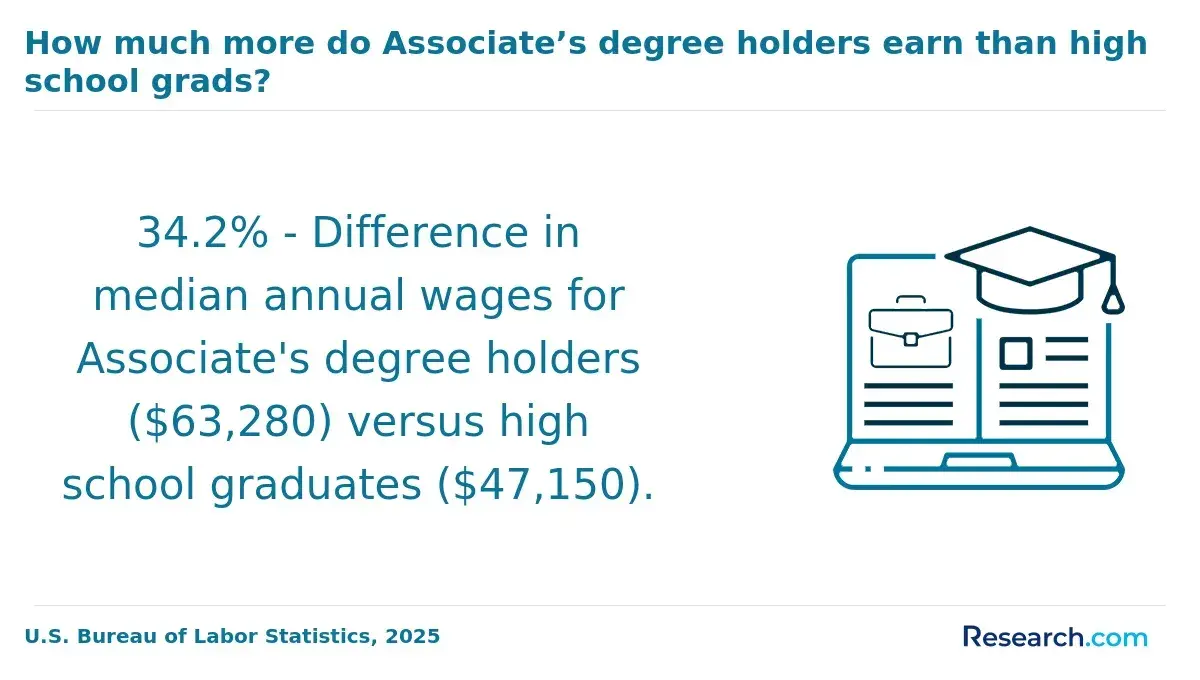
A report from the Lumina Foundation indicates that adults using prior learning assessment credits are 2.3 times more likely to graduate, highlighting the practical advantage of converting professional certifications into credits.
Many adult learners benefit by integrating their professional certifications credit transfer at The University of Texas at Tyler with degree progress, which can lead to fewer required courses and lower overall tuition costs. Individuals seeking the cheapest accredited online college options can particularly benefit from this strategic educational pathway.
Does The University of Texas at Tyler have competency-based education programs for adult learners?
The University of Texas at Tyler does not offer competency-based education programs tailored for adult learners. This means adults cannot accelerate degrees through mastery-based, self-paced assessments, which limits opportunities to shorten time to graduation compared to true competency models. Adult learners expecting to convert workplace skills directly into credit face practical setbacks at this institution.
Instead, The University of Texas at Tyler competency-based degree programs are largely absent, but alternatives exist. The university supports credit for prior learning and accepts transfer credits, combined with online courses that offer some flexibility. Still, these traditional formats rely on fixed credit hours and schedules, which may not meet the needs of working adults seeking faster completion through demonstrated competencies.
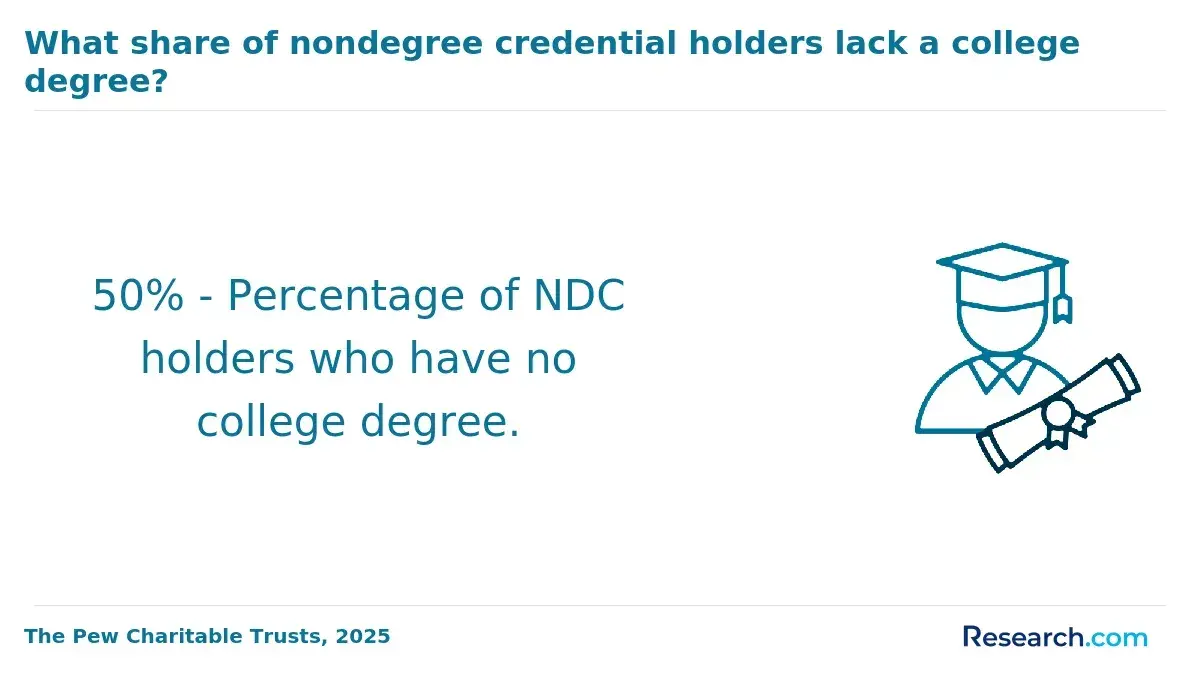
National trends show direct-assessment programs growing by 12.7% in enrollment, highlighting demand for flexible adult learning. For those seeking quicker degree completion options at UT Tyler, leveraging transfer credits and prior learning is essential. Some may need to explore quick masters degrees online outside the university to align education with professional experience more efficiently.
Does The University of Texas at Tyler run a continuous school calendar that eliminates summer breaks?
The University of Texas at Tyler does not offer a fully continuous school calendar that eliminates summer breaks. Instead, it operates on a traditional semester system with fall, spring, and optional summer sessions. This setup provides limited opportunities for year-round enrollment compared to institutions with continuous calendars.
Adult learners aiming to accelerate their degree may benefit from summer sessions, which often serve as shorter, intensive terms. For example, a working professional could use these sessions to complete prerequisite courses earlier than in a standard semester. However, the range of summer courses is narrower, which can restrict scheduling flexibility and prolong time to degree if required courses are unavailable.
A 2024 study found that only 35% of U.S. higher education institutions fully implement accelerated multi-term calendars with continuous enrollment, reducing degree time by an average of 20%. This highlights that continuous calendars offer distinct advantages for adult learners seeking speed, advantages that are only partially accessible at The University of Texas at Tyler.
Term lengths at The University of Texas at Tyler vary based on program requirements. Certain online or professional programs may offer compressed sessions within the traditional calendar, yet the overall system requires careful planning to leverage transfer credits and reduce time to graduation effectively.
What are the challenges of faster degree completion for adult learners at The University of Texas at Tyler?
Accelerating degree completion at The University of Texas at Tyler demands keen navigation of complex academic and personal barriers that often outweigh the superficial appeal of speed. Adult learners face real tradeoffs between faster progress and the depth of learning, program fit, and personal capacity. For example, a working parent juggling multiple accelerated classes simultaneously may see initial gains but risk burnout or incomplete mastery, which can affect future job performance.
Key challenges are outlined below to clarify practical considerations.
- Academic Burnout Risks: Compressed schedules increase academic load intensity, leading 38% of non-traditional students to withdraw from accelerated courses due to overload and insufficient time for content mastery. Prioritizing realistic course loads and seeking academic support can help manage this stress.
- Transfer Credit Delays: Not all external credits apply seamlessly, causing evaluation delays and forcing additional coursework. Early transfer credit assessment with advisors helps reduce surprises and limits extended time-to-degree.
- Institutional Pacing Limits: Policies restricting the number of concurrent accelerated classes can hinder effective compression of degree timelines. Understanding these limits upfront enables strategic planning to maximize course load without violating rules.
- Balancing Work and Family: Adult learners often juggle employment and caregiving responsibilities, reducing focus and increasing stress levels. Flexibility in scheduling and strong time management skills are critical for sustaining progress.
- Restricted Accelerated Offerings: Some majors lack sufficient accelerated courses, limiting faster pathways. Selecting programs with robust accelerated options or hybrid modalities is essential for those seeking speed.
- Financial Aid Compliance Challenges: Accelerated progression can complicate funding eligibility, with recent data showing 22% of adult learners facing aid gaps when shortening degree timelines. Close coordination with financial aid offices mitigates risks of enrollment disruptions.
- Depth vs. Speed Tradeoffs: Rapid completion may sacrifice foundational skill acquisition, potentially undermining long-term employability. Prioritizing quality learning over sheer velocity helps ensure greater career readiness.
How can The University of Texas at Tyler students leverage school resources to fast-track their degree?
Accelerating degree completion at The University of Texas at Tyler requires adult learners to strategically leverage targeted institutional resources while balancing real-world obligations. For instance, a working parent managing full-time employment and family duties might rapidly progress by combining personalized academic advising with proactive credit transfer evaluations, minimizing enrollment in redundant courses and shortening time to degree.
Adult learners can effectively use several university supports to maintain momentum and reduce completion time. These resources include:
- Specialized Academic Advising: Advisors focusing on online and non-traditional students provide tailored guidance on navigating degree requirements, course sequencing, and credit transfers to avoid unnecessary coursework and administrative delays.
- Dedicated Success Coaches: Regular check-ins and accountability from dedicated coaches help maintain motivation and balance school with work and family responsibilities.
- Tutoring Services and Writing Centers: Prompt academic support addresses skill gaps early, preventing delays caused by struggles in challenging subjects or assignments.
- Fast-Track Credit Reviews: Evaluations of prior learning, certifications, and professional experience can reduce required credits, lowering cost and time barriers for career-focused students.
- Flexible Online Course Options: Online course availability aligns with adult learners' schedules, enabling quicker progress while managing external obligations.
- Transfer Credit Policies: Clear articulation agreements optimize use of previously earned credits, avoiding redundant classwork and accelerating degree timelines.
- Career Counseling Integration: Advising that incorporates employer credential expectations ensures earned degrees remain relevant, reducing risk of extending study due to unrecognized qualifications.
Research indicates a 23% increase in retention among institutions with proactive academic advising models, a trend reflecting The University of Texas at Tyler accelerated degree completion resources that favor consistent engagement and timely progress. However, leveraging these supports involves tradeoffs such as navigating course availability and personal schedules.
Adult learners must assess employer expectations alongside available institutional mechanisms to determine if faster degree completion aligns with their career aims and life circumstances. Prospective students should also explore bachelor degree programs for working adults designed to maximize such efficiencies.
What are the career advantages of earning a degree from The University of Texas at Tyler on a shorter timeline?
Earning a degree faster at The University of Texas at Tyler offers notable career advantages by enabling adult learners to re-engage with the workforce sooner and improve their earning trajectory ahead of peers pursuing traditional timelines. For example, a mid-career professional who transfers relevant credits and leverages work experience to complete their degree quickly can qualify for promotions or new roles within months instead of years.
This accelerated path reduces income disruption and extends the period during which graduates benefit from higher salaries or skill-driven job mobility. The primary career advantages tied to faster degree completion reflect both financial feasibility and enhanced employer recognition.
Below are key professional benefits that articulate how condensing degree timelines supports practical career outcomes.
- Earlier Labor Market Reentry: Completing the degree in less time allows adult learners to return to full-time employment or advance in current roles sooner. This timing advantage translates to earlier salary increases and less time out of the workforce compared to traditional graduates.
- Reduced Financial Burden: A median graduate debt of $17,137 at The University of Texas at Tyler lowers financial strain, especially when combined with accelerated graduation that limits tuition accrual and other associated costs. This manageable debt supports investment in further career growth rather than prolonged repayment.
- Recognition of Accelerated Credentials: With 68% of employers valuing accelerated online master's degrees equally to traditional degrees, graduates from The University of Texas at Tyler enter the job market with credentials that demonstrate both rigor and relevant expertise-qualities that resonate in competitive hiring decisions.
- Maximized Use of Prior Learning: Transfer credits and professional experience are strategically integrated into the curriculum, reducing redundant coursework. This efficiency keeps learners focused on new knowledge that directly applies to their career goals and current industry demands.
- Signal of Professional Discipline: Finishing a degree quickly signals strong time-management skills and commitment, attributes employers associate with high-performing candidates, potentially giving graduates an edge in promotion or job placement.
What Graduates Say About Being an Adult Learner at The University of Texas at Tyler
- Isaac: "When I returned to school as an adult learner, the online format at The University of Texas at Tyler was essential for balancing work and family. I strategically maximized my credit transfers and leveraged the university's credit-by-exam options, which helped me complete my degree well ahead of the average timeline. This acceleration felt practical, not rushed, and entering the workforce with this degree led to an immediate promotion that made the intense focus worthwhile."
- Victor: "Enrolling in an online program at The University of Texas at Tyler was a calculated choice, especially given the test-optional admissions that reduced upfront administrative pressure. I appreciated how the flexibility enabled me to pace my studies around my full-time job while still pushing for an accelerated path by converting professional experience into credits. Post-graduation, I found that the faster completion didn't just get me into the workforce sooner - it also positioned me for salary negotiations that acknowledged my blended academic and practical background."
- Luis: "My experience at The University of Texas at Tyler as an adult learner was marked by weighing the real trade-offs of accelerating my degree versus thorough learning. The university's policies like test-optional admissions and credit transfers made it feasible to shorten the timeframe, but the process required careful planning to ensure all credits aligned with my career goals. Ultimately, graduating faster opened the door to new job opportunities, though I noticed that long-term career growth depended as much on ongoing professional development as on the speed of degree completion."
Other Things You Should Know About The University of Texas at Tyler Degrees
The University of Texas at Tyler offers accelerated online courses that typically last 7 to 8 weeks, which is shorter than the traditional 15-week semester. While this structure allows adult learners to complete credits faster, it demands a higher weekly time commitment and disciplined scheduling. Adult learners should prioritize their availability and work flexibility, as juggling accelerated coursework with full-time jobs can increase stress and reduce performance if not managed carefully.
Some online degree programs at The University of Texas at Tyler are designed with stacked course options, allowing students to take multiple courses in consecutive terms without breaks. Adult learners aiming to graduate faster should focus on these programs or select majors that offer course availability year-round, including summer sessions. This prioritization can minimize gaps between semesters but requires careful planning to avoid burnout and ensure sustained academic quality.
Though part-time enrollment may seem more manageable for working adults, it significantly slows down degree completion times at The University of Texas at Tyler. For faster graduation, full-time enrollment is recommended, especially in the online format where course pacing is rapid. Adult learners should weigh this against their personal and professional responsibilities, since overestimating their ability to manage full-time accelerated coursework can lead to dropped classes or extended timelines.
The University of Texas at Tyler offers flexible online programs that provide accelerated course options, enabling adult learners to advance at a pace that suits their needs. This flexibility is crucial for adults who aim to balance education with other responsibilities while pursuing expeditious degree completion.
References
- UTTyler Academic Calendar | What's on in Tyler https://www.academicjobs.com/employers/university-of-texas-at-tyler/3537/academic-calendar
- For Adult Learners, College Means More Than Just Jobs and Wages https://www.higheredtoday.org/2024/11/22/college-means-more-adult-learners/
- Adult Postsecondary Learners: Reviewing the Data and Evidence https://www.jff.org/idea/adult-learners/
- Benefits of Graduating Early: 7 Reasons to Consider It https://www.xceedprep.org/benefits-of-graduating-early/
- UT Tyler, Jacksonville College partner to make smooth-running transfer process | cbs19.tv https://www.cbs19.tv/article/news/local/ut-tyler-and-jacksonville-college-partner-to-make-smooth-running-transfer-process/501-c7bb2e3d-55ff-4bc6-ac7a-f426d0bb2b72
- Expand competency-based education to support adult learners https://www.highereddive.com/spons/expand-competency-based-education-to-support-adult-learners/642381/
- Making sure you're not a bot! https://www.iastatedigitalpress.com/jtmae/article/id/16756/
- Charting a New Path for Adult Learners - ReUp Education https://reupeducation.com/resources/charting-a-new-path-for-adult-learners-2/
- Online Study Tips for Adult Learners | TUW https://www.tuw.edu/school-news/online-study-tips/
- The University of Texas System makes bold move into competency-based education https://www.utsystem.edu/news/2014/11/03/university-of-texas-system-makes-bold-move-competency-based-education