2027 Best Online Degrees at The University of North Carolina at Chapel Hill: Programs, Tuition, and Admissions

Co-Founder and Chief Data Scientist
The University of North Carolina at Chapel Hill offers online degree programs designed primarily for diverse learners, including working adults, transfer students, and career changers, emphasizing rigorous liberal arts and professional education with strong public service values. With over 30,000 undergraduate and graduate students enrolled as reported by NCES in 2023, UNC-Chapel Hill demonstrates a substantial academic community that supports remote learners through established curricula recognized for academic quality and practical application.
When evaluating these online degrees, prospective students often consider factors such as program variety, the flexibility of asynchronous and synchronous course delivery, typical program length, tuition costs balanced against available financial aid, admissions criteria, and measurable career outcomes. This article aims to clarify these components, highlighting considerations like credit transfer policies, workload expectations, and institutional support services that shape the real-world accessibility and value of UNC-Chapel Hill's online offerings amid evolving higher education demands.
Quick Facts About The University of North Carolina at Chapel Hill Online Degrees
- The University of North Carolina at Chapel Hill has a high entrance difficulty for transfer students, reflecting competitive admissions, but it maintains strong transfer credit policies by accepting ACE recommendations, CLEP subject exams, and generally allowing credit transfers in the fall semester.
- With an average annual tuition of $27,633 for online programs, prospective students should weigh this cost against the high completion rate of 92%, which suggests strong student support and program quality that could justify the investment if aligned with career goals.
- The university's online degree offerings emphasize career-relevant fields such as nursing, business, teaching, and healthcare, many of which include pathways to licensure or professional certification.
Is The University of North Carolina at Chapel Hill a Good School for Online Degrees?
Career changers and working adults evaluating UNC Chapel Hill for online degrees should note its strong reputation as a top-tier public research university, reflected in national rankings and a diverse student body with over 55% in-state enrollment. The university's online programs primarily target graduate students and professionals needing flexible options aligned with fields like public health and business analytics. While the public institution status ensures competitive tuition for residents, online offerings remain relatively limited and curated, meaning students seeking expansive undergraduate online degrees might face constraints.
Our research shows UNC's institutional scale provides robust academic quality but may reduce administrative agility and personalized support often favored in smaller online-focused schools. In addition, the university's accreditation guarantees degree validity and transferability, important for those prioritizing credential recognition and professional advancement. Prospective students should weigh UNC Chapel Hill's research-driven environment against the narrower online program spectrum when assessing fit for 2 year online degrees that pay well.
Based on my experience reviewing UNC Chapel Hill's online degree tuition and admissions 2026 data alongside its academic profile, this university is best suited for students who value rigorous instruction coupled with moderate flexibility rather than fully independent learning pathways.
One recent graduate shared that while balancing full-time work and family, they appreciated UNC's structured approach that combined academic rigor with clear scheduling, noting, "The online program felt demanding but fair, and the faculty's real-world expertise was evident. I did wish there were more undergraduate online options, but the support through career services and alumni connections helped me pivot successfully into a new industry." This personal insight highlights the practical realities of navigating UNC Chapel Hill's online degrees amid competing life priorities.
What Online Degree Programs Does The University of North Carolina at Chapel Hill Offer?
The University of North Carolina at Chapel Hill (UNC-Chapel Hill) limits its online degree offerings to primarily bachelor's and graduate levels, deliberately excluding online associate degrees. This reflects a strategic focus on upper-division undergraduate and postgraduate education, which aligns with the institution's research mission and professional school strengths. Prospective students seeking entry-level online credentials will need to consider other institutions or community college partnerships, as UNC starts its online curriculum at the baccalaureate tier.
Undergraduate Programs: UNC-Chapel Hill's online bachelor's degrees are intentionally concentrated in fields with strong workforce demand and institutional expertise, such as public health and organizational leadership. These programs emphasize applied interdisciplinary studies and professional readiness, offering adult learners and traditional undergraduates pathways aligned with career advancement. However, the limited range means students seeking broad liberal arts or STEM undergraduate majors online may find fewer options here than at universities with more expansive multidisciplinary catalogs.
Graduate Opportunities: The university's online master's programs are considerably broader and more varied, catering extensively to working professionals. Key areas include public health specialties (like epidemiology and health policy), business administration (MBA), education leadership, nursing, social work, and data science. These programs balance practical skills with research depth and often feature customizable tracks to fit career goals. Conversely, fully online doctoral options are scarce and mainly practice-oriented, such as Doctor of Nursing Practice (DNP) degrees, underscoring the logistical challenges of remote doctoral mentorship.
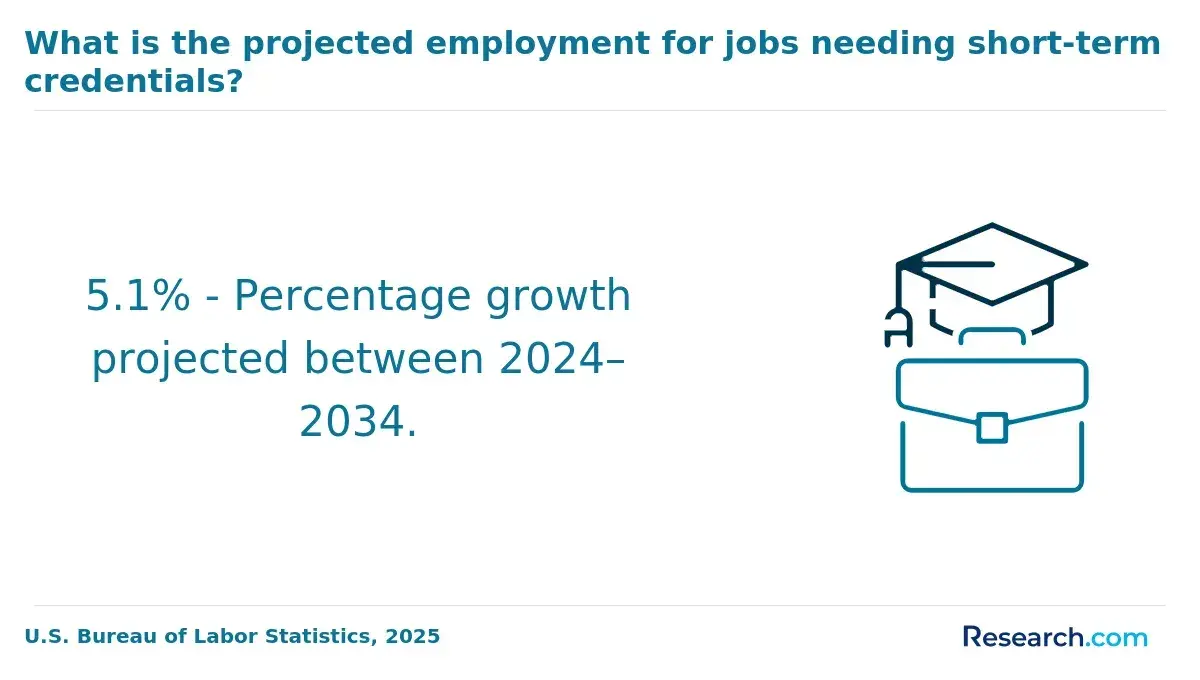
Our research also highlights significant institutional investment in stackable credentials such as graduate certificates and microcredentials-particularly in data analytics, project management, and health management-which provide flexible, modular learning for professionals aiming to upskill without committing to full degrees. Collectively, these offerings emphasize UNC-Chapel Hill's intent to serve professional development needs while maintaining academic rigor, especially in public health and business leadership domains.
How Do Online Classes Work at The University of North Carolina at Chapel Hill?
Online classes at The University of North Carolina at Chapel Hill blend asynchronous flexibility with necessary synchronous elements, creating a learning environment that demands both self-discipline and strategic time management. Many students benefit from recorded lectures and adaptable deadlines that accommodate working adults, but those unfamiliar with managing independent study may face challenges without regular live interactions. Programs in health sciences and professional fields often require real-time attendance for critical discussions, reducing scheduling flexibility and requiring careful planning.
The university supports part-time and full-time enrollment, allowing students to balance work and study while tailoring pace to their needs. Accelerated 6- to 8-week sessions are available but call for intense, focused effort with limited downtime. UNC-Chapel Hill's use of Sakai and integrated tools like Zoom ensures seamless access to materials and collaboration, although some course activities are better suited for desktop use rather than mobile devices.
Transfer students can typically apply credits, including ACE and CLEP recommendations, but should anticipate a rigorous admissions process with fall entry. Overall, the structure promotes flexibility but requires realistic assessment of workload, scheduling demands, and technological readiness based on UNC-Chapel Hill's comprehensive delivery model.
How Long Does It Take to Complete an Online Degree at The University of North Carolina at Chapel Hill, and Can Transfer Credits Speed It Up?
UNC Chapel Hill's fully online degree programs primarily cater to bachelor's and master's levels, with no fully online associate degrees available. Online bachelor's degree-completion programs require 120 credits, with transfer students often entering with up to 60 transferable credits, enabling completion in 1.5 to 3 years depending on course load. Part-time students typically take 3-6 credits per term, while full-time students enroll in 9-12 credits, including summer sessions to accelerate progress.
Master's programs vary from about one to three years, with full-time MPH students finishing in 12 to 20 months, while part-time study extends to two or three years. Flexible start dates and continuous enrollment options provide additional pacing control. Transfer credits play a critical role in reducing online degree completion time at UNC Chapel Hill, although acceptance depends on departmental approval and articulation agreements.
The university does not broadly award credits for prior learning assessments, so transfer credits remain the main acceleration mechanism. For those researching time-to-degree, balancing enrollment intensity and transfer credit policies is essential-our research shows informed transfer credit planning can significantly shorten timelines at UNC Chapel Hill.
When Sarah, a working mother pursuing the online Bachelor of Science in Interdisciplinary Studies at UNC Chapel Hill, transferred 60 credits from her community college, she expected a three-year path but finished in two. "The ability to enroll in summer courses was a gamechanger," she recalls. Managing 2-3 courses per term allowed her to juggle family and work without burnout.
Sarah credits the university's flexible transfer evaluation for recognizing her credits swiftly, which "saved months of repeating material I already knew." Her experience highlights that while full-time enrollment speeds completion, solid transfer credit policies and year-round course access often prove just as crucial for adult learners balancing multiple commitments.
How Much Does an Online Degree at The University of North Carolina at Chapel Hill Cost?
Career changers and working adults considering an online degree at The University of North Carolina at Chapel Hill should weigh the significant impact of residency on tuition costs. Our research shows that in-state undergraduate students pay approximately $267 per credit hour-totaling around $32,040 for a 120-credit bachelor's degree-while out-of-state students pay about $1,498 per credit hour, ballooning to nearly $180,000 for the same program.
Graduate tuition rates average between $1,200 and $1,600 per credit hour, with a typical 36-credit master's program costing roughly $50,400, reflecting specialized curriculum demands. Importantly, online tuition closely mirrors on-campus rates, ensuring cost parity without additional online surcharges, which can aid budgeting and financial planning.
Beyond tuition, mandatory fees such as technology and distance education fees generally add $1,000 to $1,500 annually, and textbook expenses range from $1,000 to $1,200 yearly, though these vary by program. Considering these factors together helps prospective students realistically evaluate total investment and avoid unexpected financial obstacles.
Does The University of North Carolina at Chapel Hill Offer Financial Aid for Online Students?
Financial aid for online students at The University of North Carolina at Chapel Hill reflects a nuanced balance between accessibility and specific eligibility requirements. Online enrollees can apply for federal aid by submitting FAFSA, unlocking access to Pell Grants, Federal Supplemental Educational Opportunity Grants, and federal Direct Loans, provided they enroll at least half-time. Our research shows that leveraging these federal programs is essential because the average out-of-pocket cost can be substantial without aid.
State-based scholarships primarily assist North Carolina residents, while non-residents must seek aid from their home states, emphasizing residency's role in financial planning. Institutional scholarships often require FAFSA and favor merit and need, though some limitations exist for fully remote students. Employer tuition reimbursement and military benefits, including GI Bill and Yellow Ribbon Programs, offer additional support, broadening affordability.
Given the average net price of approximately $15,205, strategic use of multiple aid sources is crucial for managing expenses in UNC Chapel Hill online degree programs, a reality familiar to many adult learners balancing work and study obligations. This financial aid landscape guides prospective students as they weigh costs and benefits.
UNC-Chapel Hill offers scholarships targeting adult learners, veterans, and transfer students, which can supplement other aid forms and reduce reliance on loans. Additionally, students should consider exploring advanced planning, including payment plans without interest, to better manage tuition without accruing debt.
One graduate recalls applying for FAFSA while working full-time and relying partly on employer tuition reimbursement. She said, "Navigating scholarship deadlines alongside job responsibilities was tough, but accessing multiple aid sources, including Pell Grants and my employer's program, made earning the degree feasible without overwhelming debt."
What Are the Admissions Requirements for The University of North Carolina at Chapel Hill Online Programs?
Admissions at The University of North Carolina at Chapel Hill's online programs balance academic rigor with flexibility, recognizing varied student backgrounds and professional experience. Our research shows acceptance rates for these online programs generally range between 40% and 60%, reflecting moderate selectivity that maintains standards while expanding access for adult learners, transfer students, and working professionals. Minimum GPA requirements typically start around 3.0 for both undergraduate and graduate applicants, with transfer students often needing a transferable GPA between 2.5 and 2.75 depending on the field. The university has a test-optional policy for undergraduate admissions, meaning SAT/ACT scores are not required, which eases barriers for non-traditional applicants. Graduate programs may require GRE or GMAT scores but often allow waivers based on relevant work experience, aligning admissions with demonstrated competencies rather than solely standardized tests.
Transfer credit evaluation is notably rigorous, emphasizing alignment with degree requirements and academic rigor, and transfer applicants must submit official transcripts documenting minimum GPA standards. Applicants must have a high school diploma, as the GED is not accepted. They also need reliable computer access, with a purchase or lease option available through the institution, ensuring technical readiness for online coursework.
Is The University of North Carolina at Chapel Hill Accredited and Respected by Employers?
Contrary to common skepticism about online degrees, UNC Chapel Hill's regional accreditation from SACSCOC ensures its online credentials hold the same academic rigor and institutional oversight as on-campus degrees-a key factor employers and graduate schools prioritize. This accreditation, widely recognized as the gold standard for U.S. higher education, signals that the university meets strict criteria on academic quality, governance, and financial stability, addressing diploma mill concerns often associated with lesser-known providers.
Furthermore, programmatic accreditations such as AACSB for the Kenan-Flagler Business School and CCNE for nursing enhance licensure eligibility and market value for graduates pursuing regulated professions. Based on proprietary data from research.com, UNC Chapel Hill ranks among the top 50 global research universities, underpinning its strong academic reputation that influences employer regard.
Together, these accreditations and institutional prestige make employer acceptance of UNC Chapel Hill online degrees considerably more likely than for unaccredited or nationally accredited alternatives, especially when compared with options like cheapest doctorate degree online programs that may vary widely in recognition and rigor.
What Support Services Does The University of North Carolina at Chapel Hill Offer Online Students?
UNC-Chapel Hill's online student support is designed to replicate the comprehensive, personalized engagement found on campus, addressing barriers such as geographic isolation and competing responsibilities. This ensures remote learners receive continuous academic advising tailored to degree mapping and transfer-credit evaluation, factors that reduce repetition and accelerate progression.
The university's tutoring system, managed by its Learning Center, offers flexible virtual sessions across multiple disciplines with options for both real-time and asynchronous support, although demand during off-hours can limit immediate availability.
Career Services for online students include extensive virtual resources such as resume reviews and live fairs, actively linking learners to internship placements that enhance employability. Technical support is notably robust, with extended hours for phone, chat, and email assistance critical to maintaining access to digital learning platforms. Library services further augment research capabilities by providing full digital resource access and personalized librarian consultations. Mental health and wellness services are adapted for virtual delivery, vital for addressing isolation and work-life balance challenges common to online students.
Our research shows these support systems merge to reinforce student persistence and engagement, which matters for transferring students and working adults seeking stability alongside flexibility. Prospective students might also explore UNC's reputation for self-paced bachelor's degree online options integrated with these support resources.
One UNC online student recalls juggling full-time work and family care while completing coursework remotely. She valued how her academic advisor proactively helped clarify transfer credits and graduation requirements, which "took a huge weight off when I wasn't sure if all my prior classes would count." Despite periodic wait times for tutoring during evenings, she found the specialized writing coaching "invaluable for shaping assignments and citations." She also appreciated the virtual career workshops, noting that the direct internship connections helped "open doors I didn't think were available to someone studying off-campus."
While occasionally challenged by technical hiccups late at night, the responsive ITS staff and thorough online guides helped her troubleshoot without derailing study progress in 12-month master's programs online. This holistic support network made balancing study, work, and home more manageable, reinforcing her motivation to complete the degree despite remote learning's inherent stresses.
Is an Online Degree From The University of North Carolina at Chapel Hill Worth It?
For career changers and working professionals, UNC Chapel Hill's online degrees offer a meaningful return aligned with workforce expectations. Our research shows median alumni earnings reach about $72,200 early in their careers, increasing significantly to roughly $72,200 ten years post-enrollment, reflecting steady growth. The median debt load for graduates is near $14,000, which is relatively moderate for a research university of this caliber, resulting in an impressive earnings-to-debt ratio of 5.16x that suggests strong financial viability.
These figures indicate that the value of UNC's online degrees rests on practical outcomes like salary advancement and manageable debt, critical factors for those assessing the career outcomes of UNC Chapel Hill online graduates. Prospective students should weigh these metrics carefully in decision-making, especially when exploring easy degrees to get online that pay well through online colleges with weekly start dates that balance flexibility with proven return on investment.
What Graduates of The University of North Carolina at Chapel Hill Online Programs Say
- Amelia: "Balancing a full-time job and family commitments made enrolling in UNC Chapel Hill's online program a practical choice for me. I chose the program specifically for its flexibility and the quality of instruction, which allowed me to build a solid portfolio even with limited study hours. While I didn't pursue licensure, the hands-on experience and internship opportunities opened doors to remote project management jobs that valued my demonstrated skills over formal credentials."
- Yuna: "After transitioning careers, I faced budget constraints that required a cost-effective way to gain relevant qualifications quickly. UNC's online program offered a streamlined curriculum focused on applied skills, which helped me pivot without needing to spend years in traditional schooling. Although I encountered some challenges competing with candidates who had licenses, the portfolio and certifications I developed through the program helped me secure a role in digital marketing that accelerated my career progression."
- Faith: "Juggling a demanding workload during the program tested my time management, but UNC's online platform made it manageable. I was initially hesitant about whether an online degree would carry the same weight, especially in my field that highly values licensure and internships. In reality, employers emphasized my demonstrated ability and practical experience gained through class projects, although I found salary growth somewhat limited without formal licensure-so I'm currently weighing further certification options."
Other Things You Should Know About The University of North Carolina at Chapel Hill Degrees
UNC Chapel Hill's flexible application timelines offer clear advantages for students balancing work or personal responsibilities. However, this flexibility often corresponds with self-driven pacing that can complicate time management. Students should realistically assess their capacity for self-motivation, as the absence of traditional cohort deadlines may increase the risk of falling behind or uneven academic progress. Prioritizing disciplined scheduling is crucial to leverage flexibility without sacrificing momentum or mastery.
While some employers remain skeptical about nontraditional pathways, the key determinant is the consistency of academic outcomes and skills demonstration rather than the enrollment method itself. UNC Chapel Hill's online degrees maintain equivalent curricular standards, but students who enter via extended windows or alternative pathways often need to proactively showcase their competencies beyond the diploma, such as through portfolios or relevant experience. Choosing nontraditional paths may require extra effort to align credentials with employer expectations in competitive fields.
Extended admission periods provide critical access for those unable to commit to standard cycles, yet they often reduce synchronous interaction and cohort cohesion. This can lead to weaker peer networks and less immediate instructor feedback. Students should weigh whether the convenience of enrolling at varied times is worth the potential decrease in community engagement and support, especially if their professional goals depend on networking or collaborative skills development.
The University of North Carolina at Chapel Hill offers popular online degree programs such as the Master of Business Administration (MBA), Master of Public Health (MPH), and Master of Accounting (MAC). These programs are designed to accommodate the schedules of working professionals while maintaining rigorous academic standards.
References
- University of North Carolina at Chapel Hill Overview | CollegeData https://www.collegedata.com/college-search/University-of-North-Carolina-at-Chapel-Hill
- University of North Carolina at Chapel Hill - Friday Center | College Degrees, Courses & Education Online https://www.academicinfo.net/online-schools/university-of-north-carolina-at-chapel-hill-friday-center/
- How to Get Into University of North Carolina - Chapel Hill (UNC) Guide https://www.collegeadvisor.com/how-to-get-into/how-to-get-into-unc-chapel-hill-guide/
- University of North Carolina at Chapel Hill (UNC) https://www.princetonreview.com/college/university-north-carolina-at-chapel-hill-1023944
- Online Courses from The University of North Carolina at Chapel Hill https://www.edx.org/school/unc-ch
- The pros and cons of UNC and how to get in — Big Green College Prep https://www.biggreencollegeprep.com/unc
- UNC-Chapel Hill Launches an Expansion of its Digital and Lifelong Learning Platform https://2u.com/newsroom/unc-chapel-hill-launches-expansion-its-digital-and-lifelong-learning-platform/