2027 Accelerated Online Programs at University of California, Berkeley

Co-Founder and Chief Data Scientist
A prospective student balancing full-time work and family commitments considers enrolling in an accelerated online program at University of California, Berkeley. The allure of finishing a degree faster is strong, but weighing the real demands of an intensified course load against personal responsibilities is crucial. Nearly 40% of online students now prioritize programs promising shorter completion times, reflecting a significant national trend toward accelerated study. This shift highlights the importance of evaluating whether compressed pacing supports meaningful learning without compromising depth or professional readiness.
Understanding the structure, admissions criteria, and time commitment of accelerated online programs at University of California, Berkeley helps clarify if they fit distinct academic and career objectives. The portfolio of available programs varies in rigor and intensity, affecting graduation timelines and financial investment. This article will analyze such factors alongside employability outcomes to help readers discern if accelerated online study aligns with their goals and circumstances.
Key Points About Accelerated Online Programs at University of California, Berkeley
- Admission to accelerated online programs at University of California, Berkeley requires a high school diploma or GED, verified GPA, and TOEFL scores for non-native English speakers, reflecting selective criteria that screen for prepared, committed students.
- The programs operate at an intensive pace with rigorous coursework, supporting a 93% average graduation rate, which highlights the demand for sustained focus and time management from enrollees.
- Graduates achieve a median salary of $92,446, indicating competitive market positioning; prospective students should balance the accelerated schedule and admission challenges against their career timing and capacity for sustained academic pressure.
What accelerated online programs does University of California, Berkeley offer?
Identifying which programs offer accelerated online options at University of California, Berkeley is crucial for students focused on completing their studies quickly. Accelerated formats vary significantly across disciplines and degree levels, making early research essential to avoid misaligned expectations. Choosing without clarity can result in a mismatch between academic demands and available time, risking burnout or extended timelines.
The accelerated programs primarily concentrate on master's degrees in high-demand sectors such as business administration, data science, and education. For example, the Master of Information and Data Science (MIDS) allows completion in under two years, targeting professionals aiming to advance rapidly in analytics roles. Bachelor's or doctoral accelerated programs are rarely offered, reflecting the institution's strategic prioritization and the complexity of compressing those curricula.
Availability depends on the rigor of the discipline and faculty capacity to maintain academic standards in a shorter timeframe. University of California, Berkeley maintains high expectations, so students lacking foundational knowledge in their fields may find accelerated tracks challenging. This is an important consideration regarding whether one's preparation aligns with the intensity and pace.
A National Center for Education Statistics report highlights a 15% higher post-graduation employment rate within six months for accelerated master's graduates at research universities like University of California, Berkeley. Prospective students should weigh this advantage against their personal capacity, schedule constraints, and career goals to determine if the compressed curriculum justifies the trade-offs in workload and required self-discipline.
How do accelerated online programs work at University of California, Berkeley?
Commitment to the accelerated online degree structure at University of California, Berkeley requires understanding the intensity of compressed terms. Students face shorter, more intensive course periods that demand more than 15 hours of focused study weekly, consistent with a national trend where accelerated students average 16.2 weekly study hours according to the National Center for Education Statistics. This pace challenges those balancing professional duties and personal life, necessitating prior academic readiness and disciplined time management.
Accelerated online courses at University of California, Berkeley are structured to maximize efficiency through sequential or compressed scheduling. Each term condenses curriculum content into rapid sessions, limiting downtime between courses and requiring continuous engagement. Maintaining steady academic progress is essential as falling behind can significantly impact overall program completion time, which makes deliberate planning critical.
Prospective students must assess if the program's accelerated format fits their study capacity and long-term goals. Those with clear career objectives and the ability to handle intensive coursework alongside outside responsibilities stand the best chance of succeeding. Evaluating readiness includes reviewing personal time availability and academic background in relation to how accelerated online courses work at University of California, Berkeley to inform decisions on program enrollment.
For students exploring quick doctoral completion options, comparing accelerated pathways like those at Berkeley against the easiest doctorate to get can provide perspective on workload and time demands. Realistic appraisal of these factors ensures that fast-tracked education delivers meaningful outcomes without compromising learning quality or career applicability.
Who should consider an accelerated online program at University of California, Berkeley?
Accelerated online programs at University of California, Berkeley offer the appeal of faster completion but are not suitable for all students. The compressed pace requires strong focus and excellent time-management skills to balance professional and personal responsibilities effectively. This intensity can lead to burnout if students underestimate the workload or lack prior academic discipline. Such programs demand a commitment to maintaining steady study hours, which may challenge those with unpredictable or sporadic schedules. Understanding who genuinely benefits from these accelerated online degree programs California is critical before deciding to enroll.
The following candidates tend to align best with the demands and outcomes of accelerated online study at University of California, Berkeley:
- Working Professionals Seeking Promotion: These students often need advanced credentials promptly to qualify for raises or new roles. The accelerated format fits their ambition and limited free time while allowing them to apply learning directly at work. They should evaluate whether they can dedicate consistent weekly hours despite job pressures.
- Career Changers With Clear Goals: Individuals who want to pivot fields swiftly benefit from shorter timelines to retool skills and credentials. This pathway suits those confident in their career direction and able to handle rapid content absorption without sacrificing depth.
- Highly Self-Motivated Students: Learners with discipline and prior academic success thrive by maintaining pace and focus. They typically require a structured environment, which selective admission standards confirm. Such students are prepared to confront rigorous demands without external motivation.
- Mid-Career Professionals Focused on Lifelong Learning: Nearly 68% of these accelerated online learners at University of California, Berkeley fall into the 30 to 45 age bracket, showing a trend toward planned skill enhancement. Their experience supports juggling multiple roles during intensive study periods.
- Individuals Completing Interrupted Education: Students returning after a break may use accelerated paths to finish credentials quickly. They need to ensure foundational knowledge is solid to keep pace effectively.
- Those Needing Program Flexibility With Commitment: The asynchronous format allows balancing life obligations with study but does not reduce the required effort. Candidates should be consistent in managing workloads despite flexible scheduling.
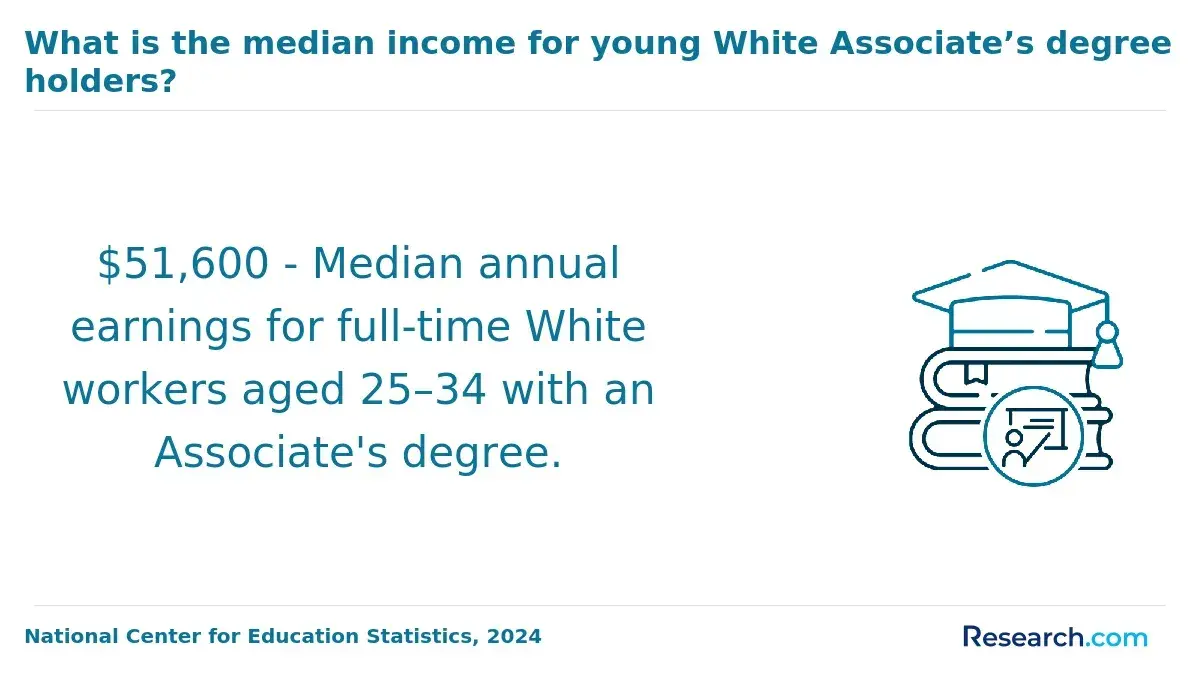
- Students Exploring an Associate's Degree for Faster Entry: Prospective students interested in short-term, accelerated associates degree online programs benefit from quick credentialing to enter or advance in the workforce but must be ready for the compressed rigor and self-discipline required.
Graduating sooner in an accelerated online program at the University of California, Berkeley requires more than just enrolling. It demands strategic academic choices and steady progress over time. The university enables faster completion rates, about 15% higher than traditional tracks according to a recent institutional report, but this speed depends on careful navigation of course loads and term options. Students must balance workload intensity with personal resilience to avoid burnout or gaps in mastery.
The following strategies pinpoint practical steps to capitalize on available policies and pacing opportunities effectively.
- Utilize Flexible Transfer Credits: Accepting transfer credits in fall and spring terms allows students to bypass introductory courses. Leveraging AP credits further reduces time spent on foundational material, accelerating overall progress. Prospective students should evaluate their prior learning credentials early to maximize credit acceptance.
- Maintain Continuous Enrollment: Enrolling in consecutive terms including winter and summer minimesters compresses the academic calendar. This minimizes breaks and sustains momentum, which is crucial given limited placement exam options and competency requirements that restrict skipping courses.
- Take Heavier Course Loads Strategically: Balancing increased credits per term helps complete degree requirements faster but requires disciplined time management. Students must realistically assess their capacity to handle workload spikes without compromising comprehension or wellbeing.
- Engage in Early Course Planning: Mapping out required courses and prerequisites in advance prevents scheduling conflicts and delays. It also assists in timely registration for limited enrollment classes, a common obstacle in accelerated settings.
- Prioritize Programs with Waived or Reduced Testing: Selecting programs that waive GRE or GMAT exams lowers admission barriers and reduces pre-enrollment delays, supporting a quicker start and sustained academic velocity.
- Build Time Management and Resilience Skills: Navigating compressed terms and demanding workloads necessitates strong organization and stress management. Developing these skills early improves the likelihood of maintaining consistent, accelerated progress.
- Monitor Graduation Rate Trends: Awareness that accelerated online students at University of California, Berkeley finish about 15% faster underscores the realistic potential and constraints of program pacing. Students should weigh this gain against possible impacts on depth of mastery and employability outcomes.
A former student shared how enrolling in summer minimesters made a significant difference. "I initially hesitated to take extra courses during the summer because I was worried about burnout," she recalled. "But once I committed, the continuous enrollment helped me avoid the usual semester breaks that slow progress. I also leveraged my AP credits to skip general education classes, which saved a whole semester. It was intense, but sticking to a strict weekly schedule kept me from falling behind. Finishing early felt stressful at times, but knowing I was advancing faster gave me the confidence to push through." This example highlights the practical tradeoffs and mindset required to finish faster while preserving academic integrity at University of California, Berkeley.
Choosing an accelerated online program at University of California, Berkeley means confronting a workload that demands clear-eyed time management and realistic expectations. These programs condense standard credit hours into shorter terms, increasing weekly study hours significantly. For example, students should anticipate dedicating about 18.3 hours weekly, a figure that underlines the program's intensity and the need to prioritize academic tasks alongside life commitments.
Without strategic planning, the pace can overwhelm even well-prepared learners. This is especially evident when balancing the program with full-time work, family, or other responsibilities-a scenario common among applicants. The following key aspects highlight the workload expectations for accelerated programs online at University of California, Berkeley.
- Compressed Assignment Deadlines: Accelerated courses shorten typical deadlines, demanding quick turnaround on assignments. This intensifies the need for efficient time use and early starts on projects to avoid last-minute rushes and burnout.
- Weekly Study Time: Students should prepare for an average of 18.3 hours per week engaged in readings, active participation, and assessments. This reflects a heavier weekly commitment compared to traditional courses and necessitates consistent scheduling.
- Balancing Multiple Responsibilities: Many students juggle job demands or family care alongside coursework. Success requires establishing firm boundaries and realistic goals to prevent overload and maintain progress.
- Faculty Support Availability: With over 3,000 full- and part-time faculty members, University of California, Berkeley offers substantial academic support. Students can leverage this resource for timely feedback, which is crucial in an accelerated setting.
- Synchronous and Asynchronous Learning Mix: Courses combine live, scheduled discussions with flexible, self-paced work. This design supports learners needing adaptability while still requiring dependable presence during live sessions.
- Intense Content Delivery: Content is densely packed into fewer weeks, requiring constant engagement and reinforcing the value of disciplined study habits and advanced planning.
- Alignment With Career Goals: Prospective students should assess their ability to meet workload demands relative to their professional objectives. Accelerated pacing suits those aiming to expedite their education but may mismatch with others' lifestyle constraints.
Prospective enrollees seeking quick masters degrees online are encouraged to consider these workload demands carefully to align expectations with their capacity and career timelines.
Focusing only on tuition masks the full financial commitment required for accelerated online programs at University of California, Berkeley. Many prospective students overlook essential costs like technology fees and course-specific expenses that can add substantially to the budget. Comparing accelerated programs solely on sticker tuition ignores the economic benefit of shorter time to degree completion, which can reduce living costs and lost income. For instance, a professional balancing full-time work might pay more upfront per credit but recoup these costs by returning to a higher salary sooner.
Below are the main cost factors to consider when assessing the true financial impact of enrolling in these accelerated online programs.
- Tuition And Fees: The total tuition of $45,282 is higher than the school's reported $42,708 total cost of attendance, reflecting the condensed, intensive nature of these programs. Students should consider the premium per credit hour charged for accelerated pacing and verify if required fees, such as online graduation or proctored exam charges, are included in published tuition to avoid surprises.
- Technology And Materials Expenses: Beyond tuition, students must budget for technology fees, digital textbooks, and potentially specialized software licenses tied to specific courses. These costs vary program to program but can add hundreds or thousands of dollars, impacting overall affordability especially when physical campus resources are unavailable.
- Additional Course-Specific Costs: Some accelerated courses require hardware or software not included in tuition or general expenses. These specialized requirements can be substantial, particularly in technical or STEM fields, making it necessary to review program details carefully before committing.
- Opportunity Cost Savings: Accelerated formats typically allow degree completion 15-20% faster, reducing months or even years of lost earnings and living expenses. A 2024 report highlights these time savings often offset higher per-credit tuition by diminishing indirect costs common in longer programs, a critical factor for those balancing work and education.
- Living And Miscellaneous Expenses: Although these are online programs, some students maintain living costs associated with study time or remain tied to local housing and family responsibilities. The compressed timeline can mitigate these expenses, but budgeting realistically remains important.
- Financial Aid And Employer Support: Access to scholarships, grants, or employer tuition reimbursement may differ for accelerated formats. Understanding the net cost after aid is crucial because sticker prices do not reflect actual out-of-pocket expenses.
- Long-Term Career Return On Investment: The upfront cost must be weighed against projected salary gains and advancement opportunities enabled by quicker credential completion. For students in competitive fields, paying more now can lead to accelerated income trajectories later, but this depends heavily on employer acceptance and market demand.
One University of California, Berkeley graduate recalled, "I spent weeks calculating not just tuition but all the hidden fees and the cost of software licenses required for my data science courses. It felt daunting at first, especially since my employer only partially reimbursed tuition. But I realized finishing six months earlier meant I could take a promotion sooner and avoid paying rent on an extra apartment for a year. The upfront expense hurt, but in the end, the faster timeline gave me financial breathing room I hadn't expected." This nuanced evaluation of total costs, benefits, and timing helped avoid regret and positioned her for a stronger career start despite the heavier initial price tag.
Accelerated online students rely heavily on seamless technology and responsive support to manage an intensified academic load. The speed of coursework demands platforms that facilitate quick access to materials and immediate troubleshooting when technical issues arise. Without these resources, students risk falling behind due to delays or insufficient guidance. Moreover, support services tailored to the pressures unique to compressed programs can make the difference between program completion and attrition.
The following are key services and technologies that shape accelerated learning success at University of California, Berkeley.
- Learning Management System Integration: The Canvas LMS is specifically configured to support condensed course timelines by enabling students to navigate materials quickly and track progress in real time. Its design helps maintain continuity despite rapid module turnover and supports multimedia resources that cater to diverse learning styles.
- 24/7 Technical Support Helpdesk: Continuous IT support addresses technical failures promptly, which is crucial when course pacing leaves little margin for error. Students benefit from immediate assistance that minimizes downtime and prevents cascading delays in assignment submission or access to live sessions.
- Specialized Academic Advising: Advisors trained in accelerated program demands offer personalized strategies for balancing coursework intensity with other commitments. This tailored guidance is essential to prevent burnout and to help students make informed choices about course loads and pacing.
- Comprehensive Digital Library Access: On-demand access to a vast collection of digital resources supports rapid research and study needs. This eliminates the inefficiency of physical library access during tight schedules, allowing students to draw from credible academic materials anytime.
- Mental Health and Peer Support Services: Virtual counseling sessions and group forums address the isolation and stress that come with accelerated formats. This support fosters resilience and community, which are vital factors in sustaining focus and motivation under intense academic pressure.
- Personalized Online Tutoring Platforms: Tailored tutoring services focus on core competencies required in accelerated courses, enabling targeted improvement and efficient problem-solving. Students can address knowledge gaps quickly, which prevents cumulative setbacks.
- Data-Driven Student Success Tracking: Analytics tools integrated within Canvas provide both students and instructors real-time insight into performance trends. This enables timely interventions and helps students adjust study strategies based on empirical feedback rather than delayed grade reports.
A study in the Journal of Online Higher Education reported that 73.4% of accelerated online students at University of California, Berkeley found integrated digital support crucial in meeting tight program demands. This statistic highlights how embedded technology and responsive supports can significantly improve retention and graduation odds in fast-paced academic settings.
Choosing between accelerated and traditional online programs at University of California, Berkeley involves more than just comparing graduation timelines. Both formats offer distinct educational experiences that impact student workload, stress, and career readiness. While accelerated online programs reduce term length significantly, they demand intensified time management and higher weekly engagement.
Selecting the right program requires understanding these trade-offs and how they align with individual learning styles and career goals. Below are key comparisons highlighting what prospective students should consider.
- Course Pace: Accelerated programs condense curriculum into shorter terms, allowing students to finish nearly twice as fast as traditional formats. This benefits those needing swift entry into the workforce but can overwhelm students unprepared for a rigorous schedule.
- Weekly Workload: Increased contact hours and assignments characterize accelerated programs, requiring sustained focus. Traditional courses spread work more evenly, offering flexibility for students balancing professional or personal responsibilities.
- Graduation Rates and Timing: Both formats maintain strong graduation rates near 93% at University of California, Berkeley. However, accelerated students typically complete degrees sooner, which may appeal to students prioritizing early career advancement.
- Tuition Costs and Fees: Tuition generally remains consistent around $45,282 regardless of format, with some variations in institutional fees related to support services. This counters the assumption that faster programs inherently cost more.
- Student Stress and Retention: A recent study by the National Education Research Foundation indicates accelerated students report higher stress and lower long-term satisfaction despite lower attrition rates. This suggests rigorous pacing might impact post-graduate career perseverance.
- Program Structure and Support: Traditional online programs often provide a steadier pace with more frequent breaks, which can improve learning retention. Accelerated formats may offer intensive faculty interaction within compressed timelines, benefiting students who thrive under pressure.
- Practical Application Scenario: For example, a working professional seeking to graduate swiftly to meet employer demands in sectors with increasing urgency, such as healthcare or technology, might choose an accelerated track. Conversely, someone needing balance to manage family or work commitments might find traditional pacing more sustainable.
Students interested in exploring alternative options designed for specialized needs can consider related choices like the military spouse online college programs, which tailor flexibility to unique circumstances. Evaluating these choices alongside the core differences between accelerated online programs versus traditional online courses at University of California, Berkeley equips learners to make informed decisions based on their academic background, schedule, and career planning.
Comparing accelerated online programs across universities is vital because such programs vary significantly in structure, cost, and outcomes. Students often assume these programs are interchangeable, but differences affect time commitment, financial investment, and career impact. For example, a working professional juggling family responsibilities may prioritize flexibility and cost efficiency over rapid graduation.
Exploring key factors clarifies how University of California, Berkeley's offerings stand against other institutions. The following points highlight essential distinctions to inform this comparison.
- Tuition Cost and Return: Berkeley's total tuition of $45,282 is higher than many public institutions with accelerated degrees. While costly, it corresponds with above-average salary outcomes, making it a strategic investment for certain career goals but a heavy burden for those prioritizing affordability.
- Graduation Rate: Berkeley achieves a 93% graduation rate, significantly exceeding the typical 75% for similar programs nationally. This reflects strong student support and program design but demands consistent, intensive effort from enrollees.
- Program Intensity and Time Commitment: The accelerated format requires sustained focus, often limiting flexibility for students balancing work and life. Prospective learners should assess whether their schedules and academic preparedness can accommodate this pace compared to alternatives.
- Employment Outcomes: Berkeley alumni report a median salary of $92,446, indicating strong market recognition. This advantage supports long-term career returns but may depend on industry relevance and geographic factors.
- Comparative Cost Efficiency: Some competitors offer slightly lower completion rates and earnings but substantially lower tuition. Students with budget constraints might find more cost-effective paths better aligned with their risk tolerance and immediate financial needs.
- Credential Value in Employer Market: Berkeley's brand and rigorous standards grant graduates a competitive edge in many sectors, yet other schools may still meet standards valued by local employers or specific fields, especially where practical experience outweighs prestige.
- Program Alignment with Career Goals: Choosing an accelerated degree requires matching curricular focus and delivery style with personal and occupational objectives, including exploring best degrees for remote work, to identify programs fitting current and future workforce demands.
The value of an accelerated online program lies in how effectively it aligns with a student's professional goals rather than just the speed of completion. Rapid graduation is beneficial only if it supports timely career moves or meets specific job market demands. Otherwise, quick pacing can undermine skill retention and depth of understanding, which are crucial for long-term advancement. Evaluating programs requires focusing on the quality and applicability of learning to the student's target role and industry expectations.
Accelerated formats provide clear advantages in scenarios like shifting careers into fast-evolving sectors or meeting strict employer deadlines for credentialing. For example, a mid-career professional in technology aiming for a promotion may gain significant value by quickly acquiring current skills recognized by hiring managers. Conversely, those lacking a foundational background or balancing competing responsibilities may find traditional pacing better supports sustained learning and reduces burnout risk.
Trade-offs between accelerated and traditional pacing include intensity of workload, retention of material, and networking opportunities. Accelerated programs demand focused effort over shorter periods, which can enhance employer perception of commitment but also increase stress. Traditional timelines may enable deeper engagement with complex subjects and gradual integration with professional commitments, critical for certain career transitions or academic preparations.
Prospective students should assess their current career phase, available time, financial investment capacity, and long-term objectives before choosing accelerated learning at University of California, Berkeley. A 2024 study by the National Center for Education Statistics highlights a 15% higher employment rate in relevant fields among accelerated degree holders there, indicating strong payoff when matched with career readiness. An honest appraisal of one's ability to manage intensive study alongside life demands will determine if the accelerated path is a strategic career investment or an undue risk.
What Graduates Say About Accelerated Online Programs at University of California, Berkeley
- Evelyn: "Choosing the accelerated online program at University of California, Berkeley was a calculated decision after assessing my ability to manage intense workloads alongside my role as a project manager. The compressed schedule demanded that I be exceptionally organized, so I developed a strict weekly routine to juggle work deadlines, family time, and studying. While the pace was challenging, finishing sooner allowed me to quickly pivot in my career, earning a promotion within six months of graduation thanks to the skills and credentials I gained."
- Jiho: "My experience with University of California, Berkeley's accelerated online curriculum was both rewarding and taxing. I entered the program knowing my job and family commitments would stretch me thin, but I embraced the fast pace as a way to stay fully engaged and avoid the burnout that sometimes comes with drawn-out degrees. The rigor pushed me to sharpen my time management strategies dramatically. Although the workload felt overwhelming at times, crossing the finish line early gave me a sense of accomplishment and opened doors to leadership roles that valued my discipline and quick learning."
- Alexa: "Being part of University of California, Berkeley's accelerated online program was a pragmatic choice driven by my career goals and desire to minimize time away from work. Adapting to the intensive course load required upfront honesty with myself about my limits and careful planning to prevent slipping behind. There were moments of real stress balancing assignments, meetings, and family, but the experience elevated my confidence in handling complex projects under pressure. Ultimately, graduating early helped me stand out in a competitive field and underscored my ability to take on evolving challenges."
Other Things You Should Know About University of California, Berkeley Degrees
Yes. Credit-bearing Berkeley courses appear on an official University of California, Berkeley transcript, but completion of a short online or extension course does not automatically create a degree credential. Transcripted credit is issued only when the course is university-approved and the required work is completed.
The accelerated format demands rigorous time management, often leaving little margin for unexpected personal or professional disruptions. Unlike traditional pacing, there is less flexibility to pause or slow down without risking falling behind. Prospective students should realistically assess their current commitments and consider if their work and personal schedules can consistently align with a demanding course cadence before enrolling.
Enrollment prerequisites for the 2027 Accelerated Online Programs at the University of California, Berkeley include a bachelor's degree from an accredited institution, a competitive GPA, and in some cases, relevant work experience. Specific programs may have additional requirements, such as prerequisite courses or standardized test scores.
The accelerated schedule at University of California, Berkeley reduces the time available for building deeper peer and instructor relationships usually fostered over longer terms. Networking tends to be more task-focused and less organic, which can limit long-term career connections. Prioritizing active engagement through forums, group projects, or alumni events outside class time is essential to mitigate these tradeoffs.
- Client Challenge https://www.sfchronicle.com/college-admissions/article/uc-three-year-graduation-21251145.php
- UC launches Degree Completion Program to assist reenrolling students - Daily Bruin https://dailybruin.com/2022/09/29/uc-launches-degree-completion-program-to-assist-reenrolling-students
- How to Get Into UC Berkeley (2024) | Undergrad https://www.youthfully.com/how-to-get-into-uc-berkeley/
- UC Berkeley Extension and SMU Partner to Launch Streamlined Pathway to a BSN Degree https://www.samuelmerritt.edu/news/uc-berkeley-extension-and-smu-partner-launch-streamlined-pathway-bsn-degree
- UC Berkeley Online Education Offerings https://2u.com/partners/uc-berkeley/
- 10 Most Popular Online Colleges in California | UoPeople https://www.uopeople.edu/blog/10-most-popular-online-colleges-in-california/
- Contact IT Support https://berkeley.service-now.com/kb_view.do
- Job Description https://careerspub.universityofcalifornia.edu/psc/ucb/EMPLOYEE/HRMS/c/HRS_HRAM_FL.HRS_CG_SEARCH_FL
- Campus https://k12programs.universityofcalifornia.edu/programs/
- Online College Degrees & Programs https://berkeleycollege.edu/online/index.html