2027 Part-Time vs Full-Time Online Mobile App Development Bachelor's Degree Programs
Audited and Verified:
Our Editorial and Data Verification Process
Research.com uses government datasets, official education statistics and primary institutional information to support its career and degree guides. Our review process checks factual accuracy, occupational definitions, source dates and the requirements associated with the credentials discussed.
How This Article Was Fact-Checked
Our editorial team verifies salary estimates, employment projections, education requirements and program information against original data providers and official organizations. Salary figures are checked against the relevant occupational definitions and reporting periods. Information about licensure, accreditation and required in-person training is reviewed separately.
Fact-checked and verified on:

Co-Founder and Chief Data Scientist
Balancing a full-time job while earning a bachelor's degree in mobile app development frequently leads working adults to rethink their educational routes. Many confront the choice of enrolling in a full-time online program that allows quicker completion versus a part-time option that offers greater flexibility for handling professional and personal duties. Based on recent data, 62% of online tech degree students favor part-time study formats to fit their work schedules. This article examines the distinctions between part-time and full-time online mobile app development bachelor's degree programs, intending to help prospective students choose the model that best matches their career goals and lifestyle needs.
Key Benefits of Part-Time vs Full-Time Online Mobile App Development Bachelor's Degree Programs
- Part-time programs offer greater scheduling flexibility, allowing students to balance coursework with work and family, while full-time students follow a more structured, intensive schedule.
- Full-time students typically complete their online mobile app development degree in about four years, whereas part-time students often take six years or more, reflecting a slower pace.
- Working adults often prefer part-time enrollment to manage career advancement alongside education, while full-time study demands a heavier commitment, potentially limiting outside responsibilities.
What Is the Difference Between Part-Time and Full-Time Online Mobile App Development Bachelor's Degree Programs?
Part-time and full-time online mobile app development bachelor's degree programs differ considerably in workload, pacing, and time commitment. Almost 40% of online undergraduate students in the United States enroll part-time, highlighting the rising demand for flexibility among learners balancing personal and professional duties. This distinction shapes how students engage with their studies and organize their schedules.
Listed below is a comparison of the main differences between part-time and full-time enrollment formats in online mobile app development degrees.
Part-Time Online Programs
- Course Load: Usually involves 6 to 9 credit hours per semester, letting students take fewer classes at once and lowering immediate academic pressure.
- Scheduling Flexibility: Built to serve those balancing work and family commitments, part-time programs provide more adaptable timetables and the ability to balance studies with other obligations.
- Study Intensity: The pace is more gradual, extending coursework over a longer period to ease the learning burden and encourage consistency without overwhelming the student.
- Curriculum Structure: Content matches full-time programs but is delivered in smaller increments, supporting steady progress without a rushed schedule.
Full-Time Online Programs
- Course Load: Generally includes 12 to 15 credit hours per semester, requiring students to handle multiple classes at once in a more concentrated study period.
- Time Commitment: Requires a consistent weekly dedication that often calls for a structured routine to keep pace with the intensive coursework.
- Study Intensity: Provides an immersive educational experience, with faster progression through the curriculum designed for those able to focus mainly on their studies.
- Scheduling: While still offering some flexibility typical of online programs, full-time enrollment usually expects steadier engagement and less variability in weekly study hours.
The choice between part-time and full-time formats reflects differing needs for flexibility and workload in online mobile app development degrees. Prospective students might also consider other accelerated learning options such as 1 year masters programs for advanced study timelines.
How Long Does It Take to Complete Part-Time vs Full-Time Online Mobile App Development Bachelor's Degrees?
Completion time for part-time versus full-time online mobile app development bachelor's degree programs varies greatly depending on enrollment type and student pace. National statistics indicate full-time bachelor's students generally finish their degrees in about 4.5 years on average, while part-time students often need six years or more. These timeframes mirror different schedules and course loads, directly affecting how quickly students progress. Below is a breakdown comparing these enrollment options for online mobile app development bachelor's degree completion time comparison.
Part-Time Online Programs
- Flexible Pacing: Part-time students typically take fewer credits per semester, often between 6 to 9 credit hours, allowing better balance with work and family obligations.
- Extended Duration: Taking a reduced course load often leads to program completion times beyond six years, reflecting a longer path but greater accessibility.
- Scheduling Options: Many part-time programs provide evening or weekend classes and extended enrollment windows, giving students more flexibility to customize their studies.
- Balancing Commitments: The part-time format lowers intensity, making it easier for nontraditional learners to sustain progress alongside professional or personal responsibilities.
Full-Time Online Programs
- Accelerated Timeline: Full-time students often enroll in 12 to 15 credit hours per term, which supports degree completion closer to the traditional four-year timeline.
- Structured Semesters: These programs usually follow defined start and end dates with consistent pacing to maintain steady academic progress.
- Focused Workload: A heavier course load requires more immediate commitment but allows for quicker achievement of credit requirements.
- Efficiency: This enrollment type suits students seeking to complete an online mobile app development bachelor's degree rapidly without extending the time beyond typical four-year schedules.
Students interested in accelerating their educational journey may also explore the fastest online psychology degree programs as a comparative example of accelerated online degree options available across fields.
What Is the Workload for a Part-Time vs Full-Time Online Mobile App Development Bachelor's Degree?
Online mobile app development bachelor's degree programs, whether part-time or full-time, vary chiefly in course load, hours of study per week, and pacing. Those enrolled full-time usually take three to five courses per semester, devoting roughly 35 to 40 hours a week to lectures, coding assignments, group projects, and exam prep. Learners on a part-time schedule generally enroll in just one or two classes per term, cutting their weekly commitment to around 15 to 20 hours, a better fit for anyone juggling a job or family. Full-time tracks advance rapidly through the curriculum, with frequent assignments and tighter timelines, whereas part-time options give students more room to absorb the material and hit deadlines with less stress. Such a contrast in pacing mirrors the different levels of commitment each route calls for.
The academic rigor of these two formats likewise differs considerably. Full-time students frequently deal with overlapping due dates across several courses, which calls for solid organizational skills to handle assignments, peer reviews, and quizzes. Part-time students, by contrast, face fewer deadlines at once yet need to stay consistently engaged across a longer stretch, demanding continuous motivation and disciplined time management. Both paths call for effective prioritization, though full-time study is generally more intense from week to week, whereas part-time study takes sustained effort to keep pace alongside other obligations.
Both part-time and full-time online mobile app development bachelor's programs provide flexible chances for working adults to further their education without disrupting their jobs or personal lives. The Bureau of Labor Statistics reports that about 40% of undergraduate students hold full-time employment while attending school, highlighting the need for adaptable learning formats. Listed below are key factors that distinguish these two study options.
- Scheduling Flexibility: Part-time programs generally let learners enroll in fewer classes each term, making it easier to balance work and family demands. Full-time formats typically require a more regimented routine with a heavier course load weekly.
- Workload Intensity: Full-time students often face a concentrated and faster-paced curriculum, managing multiple classes at once. By comparison, part-time students experience a lighter but extended academic schedule.
- Time Management: Both approaches require strong organizational skills; full-time learners must dedicate consistent, substantial hours weekly, while part-time students need lasting motivation over a longer period.
- Completion Pace: Full-time attendees usually finish their degrees in approximately four years, while part-time students may take six years or more depending on course choices and term load.
A working professional enrolled in an online mobile app development bachelor's program shared her experience: "Balancing a full-time job with coursework was initially overwhelming, especially managing deadlines and projects. Switching to part-time eased that pressure, but I had to stay self-disciplined to keep progressing steadily. It's a constant adjustment, but seeing steady results keeps me motivated. I believe both options are valid; it really depends on your personal rhythm and responsibilities."
Many online bachelor's degree programs in mobile app development provide the flexibility for students to switch between part-time and full-time enrollment as their personal circumstances or academic progress change. This adaptability assists learners balancing work, family, and education. Approximately 45% of nontraditional students change their enrollment status during their studies, showing the demand for flexible learning pathways. Changing study load can help sustain momentum or offer relief when necessary, aiding student retention. When considering a part-time to full-time online mobile app development degree switch, students should know that these options are increasingly common across programs.
Switching from part-time to full-time status generally involves notifying academic advisors or administrative offices and may require approval through defined policies. Students must prepare for a heavier academic workload and faster pacing, since full-time enrollment often means completing courses more quickly, affecting time management and assignment deadlines. These changes can also influence the scheduling of significant components such as internships or capstone projects. Recognizing these factors is vital when changing enrollment status, as shifts can affect graduation timelines and course sequencing. For those exploring advanced education, programs like online masters MFT illustrate similar flexible enrollment options.
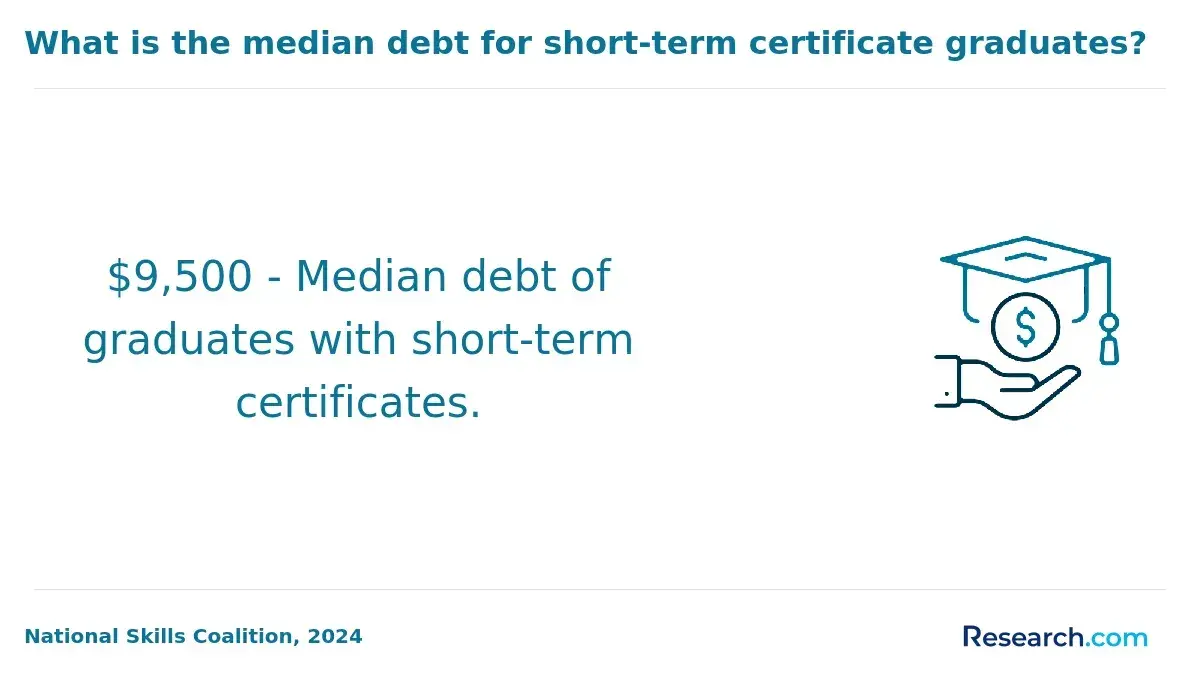
Costs for online mobile app development bachelor's degrees vary according to enrollment status, pacing, and the way schools apply charges for online courses. On average, tuition across these programs spans a wide range, depending on how many credits and terms a student takes. Such factors heavily influence the way students handle their financial obligations over the course of the program. The points below lay out the usual tuition differences between part-time and full-time students.
Online Programs for Part-Time Students
- Per-Credit Billing: Charges are typically assessed per credit, so part-time students pay only for the courses they take each term, which keeps payments smaller and easier to handle.
- Extended Timeline Costs: Even though each payment is smaller, stretching courses across several terms may bring extra fees or administrative charges, raising the total cost.
- Flexible Payment Scheduling: Part-time students gain flexibility with their finances, frequently sidestepping big lump-sum payments, though their overall payment period may run longer.
- Increased Enrollment Fees: Since the program lasts longer, certain institutions charge continuous enrollment or registration fees every term, which adds to the overall expense.
Online Full-Time Programs
- Higher Term Payments: Full-time students generally pay for a larger number of credits each term, which means notably bigger tuition bills every semester or quarter.
- Quicker Degree Completion: Because the timeframe is compressed, there are fewer terms of tuition to pay, which can lower total costs tied to administrative or enrollment fees.
- Flat-Term Billing: Certain schools bill a flat rate each term no matter how many credits are taken, a setup that favors full-time students yet may prove less economical for those enrolled part-time.
- Shorter Financial Commitment: Heavy course loads pack expenses into fewer terms, letting students leave the program with their finances unburdened sooner.
One graduate of an online mobile app development bachelor's degree noted that handling tuition payments amounted to a balancing act: "Going part-time let me steer clear of financial strain at the start, yet it felt like an ongoing obligation since the terms dragged on so long. I often wondered whether paying full-time, despite the higher fees each term, would have made my budget simpler in the end. The long stretch became mentally draining, with constant tracking of payments and deadlines-something I hadn't expected." Such insight points to the emotional and logistical factors that go beyond the dollar figures when weighing part-time against full-time routes.
Whether financial aid is available to online mobile app development bachelor's degree students usually hinges on enrollment status, eligibility requirements, and the policies of each institution. Roughly 40% of part-time online students get some kind of financial aid, versus almost 60% of those enrolled full-time. Such gaps shape which aid options each group can actually access.
- Federal Grants: Federal Pell Grants generally call for at least half-time enrollment, so full-time students are more apt to qualify for the full award. Part-time students carrying fewer than 50% credits might get smaller amounts or none of the Grant funding at all.
- Scholarships: A large share of scholarships are aimed at full-time students or demand minimum full-time status, which narrows eligibility for part-time learners. Still, certain merit-based and employer-sponsored awards can be flexible no matter the enrollment status.
- Federal Loans: Students in either category typically qualify for Direct Subsidized and Unsubsidized Loans provided they meet the enrollment minimums. Those enrolled full-time often see higher loan limits each academic year, giving them greater borrowing power.
- Work-Study Programs: Such programs tend to favor full-time students, since funding rests on campus-based availability and calls for steady class schedules. Part-time students may encounter fewer openings because of restricted hours and eligibility limits.
- Employer Tuition Assistance: Usually open to both groups, employer assistance centers more on balancing work and study than on enrollment status. Students who work full-time may struggle to pair full-time courses with job demands, so part-time enrollment becomes a practical route for anyone depending on this aid.
Deciding between part-time and full-time online mobile app development bachelor's degree programs means weighing personal circumstances against career goals. Part-time study brings flexibility that fits alongside full-time work or family obligations, whereas full-time programs speed up degree completion for a quicker entry into the workforce. What follows is a straightforward comparison of the pros and cons of each route, with attention to flexibility and workload in mobile app development bachelor programs.
Pros
- Flexibility: Those studying part-time can balance coursework with a job or personal duties, which eases stress and keeps progress steady.
- Deeper Learning: The longer timeframe typical of part-time programs often permits stronger absorption and more practice of app development concepts and skills.
- Speed: Studying full-time condenses the curriculum, letting students complete the degree more quickly and reach the job market earlier.
- Peer Interaction: Full-time cohorts keep tighter schedules, which encourages regular engagement with instructors and classmates and can enrich learning.
Cons
- Longer Duration: Part-time programs need more time to finish, which may postpone career advancement and pay raises.
- Extended Commitment: Staying focused across a long stretch can prove difficult for learners who juggle several priorities.
- High Intensity: Full-time study requires substantial time and effort within a short span, which can raise stress levels.
- Cost Concentration: During full-time study, tuition fees tend to cluster into fewer terms, which may create a heavier short-term financial burden even though overall costs vary.
For anyone curious about related fields or additional credentials, programs like art therapy certification provide alternative educational paths that merit consideration alongside mobile app development options.
More and more, employers rank candidates' proven skills above the mode of study, and a 2023 survey from the National Association of Colleges and Employers found that 72% of employers value technical skills over whether a degree was earned part-time or full-time. The shift mirrors a rising emphasis on hands-on expertise in today's competitive job market. How part-time versus full-time study affects online mobile app development careers hinges mostly on a handful of key factors.
- Skill Development: Command of programming languages, frameworks, and mobile platforms stays essential for part-time and full-time students alike. For employers hiring mobile app development graduates, solid technical skills count for more than the pace of enrollment.
- Work Experience Integration: Part-time learners frequently pair their studies with professional roles, picking up valuable industry exposure. Full-time students can likewise gain relevant experience via internships and project-based learning.
- Degree Credibility: Employers respect degrees from accredited institutions that keep curricula relevant and current with industry trends. Regardless of study format, that accreditation strengthens graduates' career outcomes.
- Networking and Progression: Engaging actively with peers, faculty, and industry contacts builds valuable connections that open up job prospects. Students in both part-time and full-time tracks gain equally from networking within their programs.
- Portfolio Quality: Projects that demonstrate problem-solving and design abilities play a key part in career advancement. Students ought to concentrate on assembling portfolios that showcase their skills and knowledge.
Anyone weighing degree options might look at online colleges that accept low GPA to locate programs suited to different academic backgrounds. In the end, career results for online mobile app development bachelor's degree students depend on the quality of skills and experience gained, not on the pace of study.
Picking between part-time and full-time study for an online mobile app development bachelor's degree calls for careful strategy. Almost 40% of online learners struggle with retention tied to workload management, which highlights how important realistic planning is. Here are frequent mistakes to steer clear of when selecting your study mode.
- Underestimating Workload: A lot of full-time students assume the online format means an easier schedule, only to discover coding projects demand serious effort. Part-time students might underestimate how courses pile up over time, risking burnout when steady progress slips.
- Poor Time Management: Juggling work and family makes time management essential, particularly for part-time students. Meeting deadlines and moving forward grows hard without a steady routine and set study blocks.
- Misaligned Schedules: Full-time students who have other commitments can struggle with synchronous sessions or group work. Part-time learners likewise risk clashes when course times don't match their availability, so checking schedule compatibility in advance is vital.
- Unrealistic Skill Expectations: Some anticipate quick mastery of technology, yet mobile app development calls for consistent practice no matter the study intensity. Such a misconception often brings frustration and setbacks.
- Insufficient Communication: Students in either group may neglect to engage enough with instructors or peers. Full-time students might expect instant replies, whereas part-time learners can feel isolated, so active participation matters greatly for success.
What Graduates Say About Part-Time vs Full-Time Online Mobile App Development Bachelor's Degree Programs
- Pedro: "Opting for a part-time online Mobile App Development bachelor's program let me balance work and study, which mattered a lot because I didn't want to put my career on hold. Juggling deadlines with my full-time job was tough, yet the program's flexible schedule and resources kept it manageable. After graduating, I've seen a notable jump in my technical skills that directly helped me earn a promotion in my current role."
- Marvin: "Signing up full-time for an online Mobile App Development bachelor's program was a leap of faith, yet it proved the right call for immersing myself completely in learning. Adjusting at first to remote, intensive study was hard, particularly keeping motivated without a traditional classroom setting. Still, the knowledge and portfolio I assembled during the program opened doors to exciting app development projects I had only dreamed of before."
- Bennett: "I chose to pursue a part-time Mobile App Development online degree because I wanted to make steady progress without giving up quality time with family. Although balancing responsibilities sometimes felt overwhelming, the program's structured pacing and encouraging instructors made it possible to keep going. Today, I'm thankful for how the degree sharpened my problem-solving approach and gave my freelance app projects a much-needed lift in professionalism."
Other Things You Should Know About Mobile App Development Degrees
Yes, many students who enroll in online mobile app development bachelor's programs work either part-time or full-time. Part-time study options tend to be more flexible, letting students balance work commitments with their coursework. Full-time students may also work, but the heavier academic load could require cutting back work hours.
Internships are generally open to part-time and full-time students alike, though part-time students might need to plan ahead more carefully to fit them into their schedules. A number of programs provide virtual or flexible internships designed for online learners, helping students acquire hands-on experience without moving or working full-time onsite.
Yes, plenty of 2027 online mobile app development bachelor’s programs call for a capstone during the final 1–2 terms. Students typically finish a portfolio app, a written proposal, and a demonstration for faculty to review. Certain programs allow part-time students to stretch the capstone over two semesters.
In 2027, student support differs between part-time and full-time online mobile app development programs mainly in accessibility and response times. Full-time students often enjoy quicker access to resources and support because of their immersive education schedule, while part-time students may face delays due to their flexible study hours.
- Mobile App Development Degree: A Guide https://careerkarma.com/blog/mobile-app-development-degree/
- How an App Development Course Can Transform Your Career Path https://www.webskittersacademy.in/app-development-course-can-transform-your-career-path/
- Part Time vs Full Time Study: Choose What Fits Your Boots https://www.uniccm.com/blog/part-time-vs-full-time-study-choose-what-fits-your-boots
- Comparing hourly rates for app and software developers 2025 https://www.knguru.de/en/blog/stundensaetze-app-software-entwickler
- Web and Mobile App Development | GOVISAFY Study Abroad Program https://fec.govisafy.com/programs/web-and-mobile-app-development-1
- Mobile Application Courses In Pune | Mobile Application Course in pune https://www.felix-its.com/blog/advantages-in-pursuing-mobile-application-courses/
- Can I switch from part time to full time doing Open Uni https://www.thestudentroom.co.uk/showthread.php
- Mobile Development Degrees | Online Associate, Bachelors & Masters https://www.itcareerfinder.com/find-training/by-career-path/mobile-application-development-online-courses-and-degrees.html
- Bachelor of Information Technology - Mobile App Development https://www.manyagroup.com/universities/bachelor-of-information-technology-mobile-app-development-comp-0023/
- Mobile development courses online: find the right path - Breanto https://www.breanto.com/en-us/article/jobs-and-education/mobile-development-courses-online-find-the-right-path-4158555121