2027 User Experience Career Outcomes by Degree Level Report: Pay, Employment, and Advancement Patterns

Co-Founder and Chief Data Scientist
Choosing the right degree level for a user experience career can present a costly gamble. For working professionals balancing time and finances, the difference between earning an associate, bachelor's, or graduate degree greatly influences hiring likelihood, pay trajectory, and long-term advancement. A 2024 study by the National UX Workforce Consortium found bachelor's degree holders experienced 15% higher promotion rates than those with only associate credentials, highlighting a structural advantage in career mobility.
Yet some roles and employers prioritize skills over formal education, complicating these trends. This article analyzes pay, employment, and advancement patterns by degree level to clarify these tradeoffs for current and prospective user experience students.
Key Things to Know About User Experience Career Outcomes by Degree Level
- Associates degrees in user experience offer faster entry but limit access to advanced roles, reflecting a tradeoff where quicker workforce integration may slow long-term advancement prospects relative to higher degrees.
- Employers increasingly prefer bachelor's or master's credentials, as 2024 labor data shows 67% of UX job postings require or favor these levels, indicating credential thresholds that shape hiring patterns in competitive markets.
- Master's and doctoral programs entail higher costs and longer timelines, often delaying credential return on investment, which impacts mid-career learners balancing education with immediate employment demands.
- Key Things to Know About User Experience Career Outcomes by Degree Level Key Things to Know About User Experience Career Outcomes by Degree Level
- What Career Outcomes Can Students Expect From Each User Experience Degree Level? Career Outcomes by Degree
- How Much Do User Experience Graduates Earn by Degree Level? Salary by Degree Level
- Which User Experience Degree Level Offers the Strongest Employment Prospects? Best Degrees for Employment
- What Entry-Level Jobs Can You Get With a User Experience Degree? Entry-Level Career Opportunities
- How Do User Experience Degree Levels Affect Career Advancement and Promotion Opportunities? Career Growth by Degree
- Is a User Experience Degree Worth It Based on Salary, Employment, and ROI? Salary, ROI, and Value
- How Do Associate, Bachelor's, Master's, and Doctoral User Experience Degrees Compare? Comparing Degree Levels
- Which Industries and Employers Hire User Experience Graduates by Degree Level? Which Industries and Employers Hire User Experience Graduates by Degree Level?
- What Skills, Credentials, and Experience Improve User Experience Career Outcomes? What Skills, Credentials, and Experience Improve User Experience Career Outcomes?
- Which User Experience Degree Level Is Best for Your Career Goals? Choosing the Right Degree
What Career Outcomes Can Students Expect From Each User Experience Degree Level?
Choosing between certificates, associate, bachelor's, master's, and doctoral degrees in user experience shapes not only initial job access but also long-term mobility and role specialization. For example, certificate holders often gain entry through focused skills training and online certificate programs, yet face ceilings in advancement without further credentials or extensive portfolios. Associate degrees provide a practical foundation with some transferability for working adults or military-affiliated students seeking technician roles, yet these credentials generally limit eligibility for leadership or highly specialized positions compared to bachelor's degrees, which dominate in employment pools and command stronger baseline pay and critical thinking requirements per data from the National Center for Education Statistics (NCES) 2024.
Master's degrees increasingly cater to those targeting research-driven roles or management tracks within user experience, reflecting the U.S. Bureau of Labor Statistics' 2024 observation on rising demand for professionals skilled in strategic design and interdisciplinary leadership. The greater time and financial investment at this level translate into stronger job stability and earnings potential but may necessitate prior practical experience or portfolios to fully leverage. Doctoral credentials, while rare, mostly serve career pathways tied to high-level research, academia, or executive innovation leadership, presenting a significant commitment with narrower applicability unless matched with clear professional or research objectives.
These degree-level choices shape opportunities for transfer credit use, part-time or flexible learning routes, and employer recognition, factors critical to balancing education disruption with career progression in evolving labor markets featuring diverse pay and employment trends for user experience graduates.
How Much Do User Experience Graduates Earn by Degree Level?
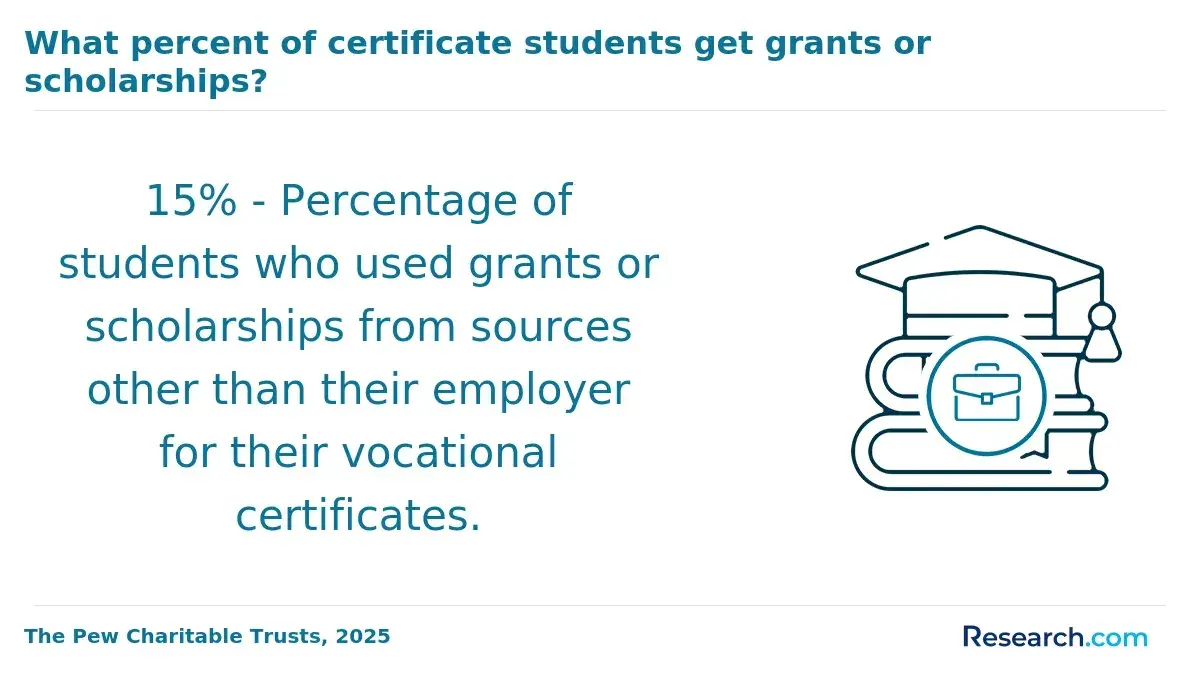
Income differences for user experience graduates largely reflect how employers value education alongside specialized skills and experience. Entry-level roles tied to certificates or associate degrees typically yield median salaries from about $50,000 to $65,000 but often limit upward mobility without further credentials or substantial on-the-job learning. Bachelor's degrees shift the landscape, aligning with positions demanding design and research capabilities and median pay closer to $75,000-$95,000, while also improving job security-unemployment rates near 3% compared to around 6% for certificate holders-highlighting the tangible stability premium of this credential. The choice between fast workforce entry via shorter programs and the longer timeline to a bachelor's often hinges on balancing immediate earnings needs against potential for career growth and the capacity to leverage transfer credits or part-time studies.
Advanced degrees in fields like human-computer interaction unlock more specialized roles with median salaries exceeding $100,000 and access to leadership or research-heavy positions; however, they require considerable investment in time and cost. Doctoral paths, while less common, typically open senior roles in academia or consulting where salaries often surpass $130,000 but come with narrower job markets and extended education periods. Graduates and working professionals must weigh these financial rewards against longer completion times and often stricter employer requirements, especially in regions where demand varies or where emerging tech specializations influence role availability.
A user experience graduate who initially pursued a certificate found the $55,000 starting salary insufficient for long-term goals. Reviewing local job listings and employer conversations revealed bachelor's degrees were frequently required for advancement beyond technician roles, prompting a return to school. Despite concerns about the time and cost of completing a degree while working, the student recognized that investing another two years part-time could boost earning potential substantially and improve job stability. This informed decision reflected practical judgment on the tradeoff between immediate earnings and longer-term career returns, a common consideration for adult learners balancing education against existing responsibilities.
Which User Experience Degree Level Offers the Strongest Employment Prospects?
Bachelor's degrees in user experience tend to offer the strongest employment prospects due to employer preferences for comprehensive knowledge and skills that align with industry demands. For example, UX designers with bachelor's credentials often qualify for mid-level roles that require problem-solving, design thinking, and strategic insight-positions typically inaccessible to certificate or associate degree holders. Data from the U.S. Bureau of Labor Statistics (2024) indicates that bachelor's graduates experience about a 15% lower unemployment rate than those without a four-year degree, reflecting both greater job stability and broader occupational access. While certificates and associate degrees enable quicker workforce entry, they can limit long-term upward mobility and often lead to hiring pools with higher turnover and lower wage growth.
Advanced degrees such as master's or doctorates generally open pathways to specialized, leadership, or research positions with higher earning potential, but these come with trade-offs related to time investment and more narrowly defined job markets. In practice, many students must weigh whether to enter employment sooner with an associate or certificate or to invest in a bachelor's program that includes internships and fieldwork, which enhance practical readiness.
Those considering graduate studies should factor in whether their career goals align with the often limited demand for doctoral-level user experience roles, which are sometimes more relevant in academia or niche consulting than mainstream industry. Employers frequently set bachelor's credentials as the minimum for UX research or design jobs, reinforcing the practical boundary between initial employability and advanced professional development.
What Entry-Level Jobs Can You Get With a User Experience Degree?
Entry-level job prospects in user experience vary markedly across degree levels, with employers weighing hands-on skills and portfolio quality alongside formal education. Candidates holding associate degrees often secure roles like UX assistants or junior designers, where foundational skills in graphic design or front-end coding are pivotal. However, these positions may serve as stepping stones toward more technical or specialized roles rather than end points, requiring additional practical experience or education. According to 2024 U.S. Bureau of Labor Statistics data on design fields, over 60% of hiring managers prefer applicants who complement their degree with internships or demonstrable projects, underscoring how employers prioritize applied competence over degree titles alone.
Bachelor's degree holders typically enter directly into core UX designer or researcher roles, benefitting from comprehensive exposure to user-centered design principles and usability testing methodologies often gained through targeted internships or capstone projects. For those weighing degree options, understanding that an online bachelor of psychology online could provide relevant foundational knowledge may influence interdisciplinary career pathways within UX teams focused on human behavior. Meanwhile, master's graduates commonly access more strategic or analyst positions-such as UX research analysts or strategists-where advanced theoretical and data analysis skills add value, though certifications remain optional rather than mandatory. These graduate-level roles tend to demand higher entry barriers but promise broader advancement potential if paired with a robust portfolio and relevant experience.
The variability in degree-related entry points also affects employment stability and long-term mobility, where roles accessible to associate-level graduates might offer immediate employment yet limited upward progression without further education. Conversely, bachelor's and master's pathways better position candidates for sustained skills development and career evolution, provided they navigate competitive internship landscapes successfully. As remote work expands geographic reach, degree-level screening still influences access to opportunities, making strategic choices about education and practical engagement critical for those prioritizing entry and advancement within user experience careers.
How Do User Experience Degree Levels Affect Career Advancement and Promotion Opportunities?
Degree level substantially influences how quickly and how far professionals in user experience can progress into leadership or specialized roles. While a bachelor's degree often opens doors to mid-tier positions within a few years thanks to foundational skills and credential expectations, master's degrees or specialized certifications tend to signal readiness for complex, strategic responsibilities preferred by employers for director-level roles. For example, 2024 data from the Integrated Postsecondary Education Data System indicates graduate degree holders in UX fields have about a 20% higher chance of advancing to senior leadership within seven years. However, deciding to pursue advanced education must weigh immediate workforce entry against longer-term mobility and the increased financial and time investments required, especially for adult learners balancing work and family commitments.
For many, industry certifications or associate degrees provide a quicker path into entry-level roles but may limit promotion potential without additional formal education or demonstrable project impact. Transfer students and those with prior credits benefit when programs accommodate credit transfer, enabling faster progression through higher-level degrees which integrate leadership training and supervisory practice. Employers often prioritize continuous skill updating and practical experience over credentials alone, meaning degree level complements but does not replace demonstrated capability. Prospective students with substantial work experience may find that additional degrees enhance credibility and open internal mobility but should consider if the degree aligns directly with expected leadership requirements in their organizations.
One user experience graduate recounted hesitating before enrolling in a master's program despite firm interest in moving to a senior research role. They observed that while their bachelor's degree and project successes secured their current position, promotional opportunities within their company increasingly favored candidates with advanced, research-focused credentials. Initially concerned about juggling coursework with full-time work, they ultimately viewed the master's as essential to overcoming a promotion plateau, enabling them to confidently apply for leadership roles while deepening their strategic expertise.
Is a User Experience Degree Worth It Based on Salary, Employment, and ROI?
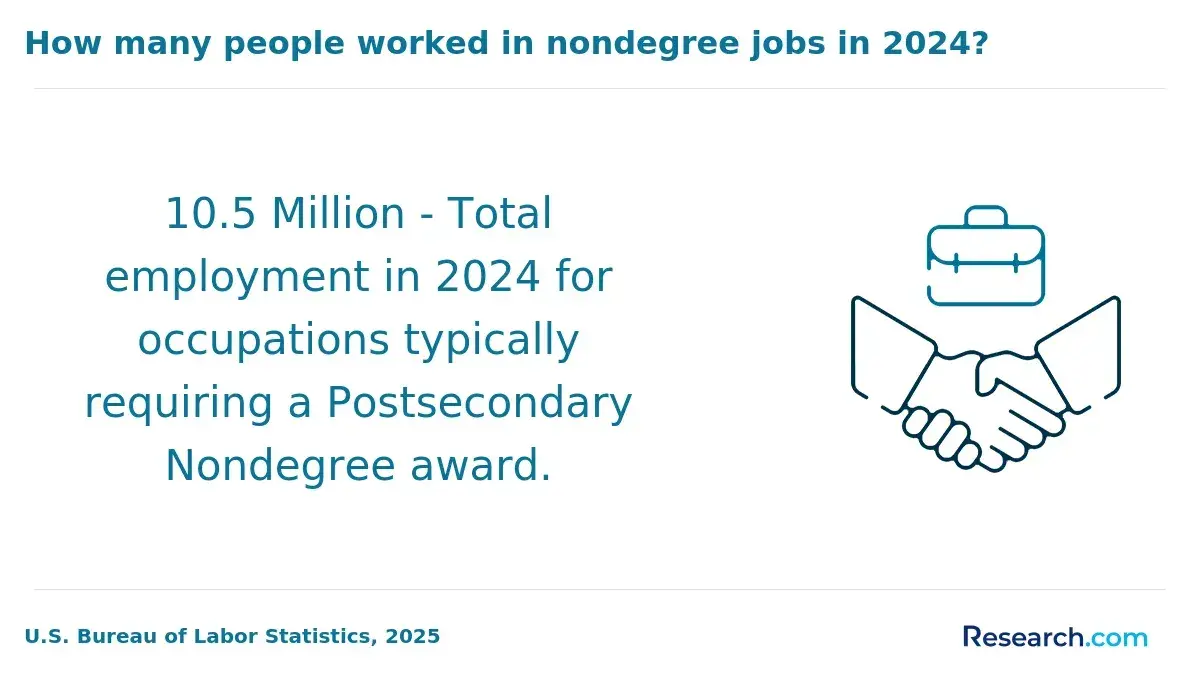
The decision to pursue a user experience degree hinges on a nuanced balance between salary expectations, employment prospects, and time investment. While bachelor's degree holders often see a significant boost in median wages and enjoy stronger job stability, graduate degrees tend to offer only modest salary increases relative to the extended program duration and heightened debt load. For working adults or military-affiliated students, leveraging transfer credits and part-time or online options can shorten time-to-degree and improve return on investment, but incomplete programs risk limiting job prospects and earnings compared to finished credentials.
Employers frequently prioritize portfolios and practical experience alongside formal education, which means opportunity costs associated with time spent studying-especially at the graduate level-must be weighed against real-world skill acquisition. Labor market variability also plays a decisive role, as metropolitan areas provide higher wages yet come with increased living costs that can erode financial gains. This dynamic greatly affects the return on investment for user experience degrees, making it critical for students to assess local demand and personal financial tolerance thoroughly.
Those aiming to optimize career outcomes should consider how program length and credential attainment interact with salary and job security, particularly when evaluating the value of incremental graduate studies. Prospective students may also benefit from exploring accelerated options such as 5 week college courses online, especially when balancing ongoing employment and study demands. In this way, the evaluation of user experience degree salary and job prospects becomes a tailored calculation that accounts for individual career trajectories and practical constraints rather than a uniform assumption of worth.
How Do Associate, Bachelor's, Master's, and Doctoral User Experience Degrees Compare?
Choosing to stop at an associate degree in user experience often means faster entry into the workforce but limits access to specialized roles, with employment rates near 65% according to 2024 National Center for Education Statistics data. Many employers prefer candidates with broader skill sets, typically demonstrated through a bachelor's degree, which blends technical and liberal arts training to unlock mid-tier positions and improve job stability. For example, those holding an associate degree may find progressing to roles involving interdisciplinary collaboration challenging without returning to school, whereas bachelor's graduates benefit from credit transfer options that reduce overall time and cost for continued education.
Master's degrees target those ready to focus on leadership and advanced research capabilities, frequently correlating with faster professional progression and higher retention in competitive roles, supported by a 75% completion rate noted by the Integrated Postsecondary Education Data System. Still, this investment comes with increased debt and requires careful consideration of institutional reputation to maximize return. Doctoral programs, while less common and better suited for academic or high-level consultancy careers, demand significant time-often over six years-and offer narrower labor market impact but unparalleled influence on innovation and industry standards. Prospective students must weigh these trade-offs, balancing time, cost, and expected career flexibility against their specific goals and labor market realities.
Which Industries and Employers Hire User Experience Graduates by Degree Level?
Employer demand for user experience graduates varies considerably by degree level, shaping distinct career trajectories and hiring expectations. Associate degree holders tend to fill entry-level roles in smaller startups, digital agencies, and contract firms where practical design tools and portfolio strength weigh more heavily than advanced research skills. For example, healthcare and education sectors may hire associates for usability testing and interface tweaks, reflecting a narrower, task-focused scope. However, these roles often come with limited advancement potential compared to those requiring deeper strategic capabilities.
Bachelor's degree recipients command the broadest opportunities, especially within technology, finance, and government sectors, where approximately 65% of job postings require this credential as a minimum, per the U.S. Bureau of Labor Statistics (2024). These positions blend design, research, and project management, emphasizing data analytics and cross-team collaboration. In contrast, master's graduates often secure specialized research or leadership roles critical to product strategy in industries like healthcare technology and enterprise software. Their advanced training commonly leads to a 30% higher likelihood of managerial placement compared to bachelor's holders, highlighting a clear tradeoff between degree investment and role complexity.
Doctorate holders occupy a narrower niche in academia, policy development, and R&D, focusing on innovating UX frameworks rather than direct product application. Meanwhile, certificates enable quick entry into freelance or contract roles, primarily supplementing existing professions but rarely replacing degree pathways. Employer screening practices increasingly segregate functions by credential level, blending practical experience and portfolio strength at lower tiers with a premium on research expertise and strategic contributions at advanced levels. Regional demand within metropolitan tech hubs also intensifies competition for higher degrees, influencing whether a learner's decision to continue education aligns with targeted industry expectations and career goals.
What Skills, Credentials, and Experience Improve User Experience Career Outcomes?
Progression in user experience roles hinges less on degree titles alone and more on a strategic combination of technical skills, applied credentials, and practical engagement that meet employer demands across degree levels. Core expertise in human-computer interaction and design thinking remains fundamental, but employers increasingly seek candidates with formal certifications like the Certified User Experience Professional (CUXP) and demonstrated proficiency in UX research methodologies. For example, mid-career professionals who couple such certifications with leadership experience in agile environments often gain promotion advantages unavailable to peers focused solely on academic credentials. This dynamic highlights the importance of stacking user experience design skills and certifications for career advancement in competitive hiring landscapes.
Practical experience, particularly internships, apprenticeships, and project-based learning, significantly enhances employability by allowing candidates to build measurable impact portfolios. Data from sources like the College Scorecard reveal that graduates who engage in these applied experiences have a 30% higher likelihood of securing full-time positions within their first year. For adult learners, military-affiliated students, or those transferring credits, the combination of hands-on work and formal credentialing improves not only initial job access but also long-term career mobility, especially when coupled with strong communication and leadership skills. Candidates should carefully evaluate which what MBA programs can I get into or specialized certification pathways best align with their career goals given these tradeoffs.
Portfolio evidence remains the decisive factor in screening processes, often outweighing degrees alone by demonstrating tangible outcomes from case studies and usability testing. While moving from associate to master's credentials can open advancement pathways, the real employer expectation centers on applied competence and the ability to show results. This layered approach addresses gaps between academic preparation and job-ready competencies, making the integration of essential credentials and experience to improve user experience job outcomes critical for those seeking sustained career progression.
Which User Experience Degree Level Is Best for Your Career Goals?
Choosing which user experience degree level offers the best career outcomes depends heavily on your current experience, financial capacity, and specific employment goals. Associate degrees provide a faster, lower-cost pathway into entry-level roles, appealing to those switching careers or minimizing debt, but typically limit advancement and specialization due to employer preference for more advanced credentials. In contrast, bachelor's degrees serve as the primary qualification for about 68% of user experience job postings in 2024, providing access to mid-level roles with improved pay and advancement potential while requiring greater time and financial investment.
Graduate degrees, such as master's programs, are often necessary for strategic, managerial, or research-focused positions within the field, although they represent fewer than 15% of current professionals. These advanced credentials correlate with leadership opportunities and specialized tracks like human factors research but require more substantial opportunity costs and may delay re-entry into the workforce. Decisions around transfer credits, program flexibility, and alignment with employer credential expectations are critical for working adults, military-affiliated students, and degree completers considering further education while balancing practical considerations like pay and advancement by education level.
Balancing these factors can inform whether continued education beyond a bachelor's is essential, especially as many employers expect higher credentials for leadership roles. For those evaluating the timing and scope of additional training, reviewing data on programs similar to the best 1 year MBA programs might provide insight into accelerated options that reduce opportunity costs while supporting upward mobility in user experience careers.
References
- Entry-Level UX Designer Salary: An Overview | Page Flows https://pageflows.com/resources/entry-level-ux-designer-salary/
- What is UX Career Development? — updated 2026 - Page 3 https://ixdf.org/literature/topics/ux-career-development
- Jobs of the Future: UX Designer | C+K Careers https://www.ckcareers.co.uk/c-k-news/jobs-of-the-future-user-experience-ux-designer
- UX Designer Careers - Careers Guide https://www.youthemployment.org.uk/careers-hub-job-role/ux-designer-careers-2/
- Build a Successful User Experience Designer Career in 2025 https://www.lastingdynamics.com/blog/user-experience-designer-career-2025/
- The State of UX Design Education, Part 2: Graduate Degree and Certificate Programs https://www.uxmatters.com/mt/archives/2021/06/the-state-of-ux-design-education-part-2-graduate-degree-and-certificate-programs.php
- Best Degrees for UX Designers: A Quick Guide - productic https://www.productic.net/design-stack/best-degrees-for-ux-designers-a-quick-guide/
- 20 Entry Level Remote Jobs To Consider in 2025 — Ideate Innovation Labs LLC https://www.uxwoman.com/20-entry-level-remote-jobs-to-consider-in-2025
- Types of College Degrees https://www.act.org/content/act/en/students-and-parents/high-school-success/what-to-do-after-high-school/college-degrees.html
- UI / UX Designer salaries DOU https://dou.eu/en/salaries
Other Things You Should Know About User Experience
The length and structure of user experience degree programs significantly influence how quickly graduates can enter the workforce. Shorter programs like associate degrees enable faster entry but often limit access to more complex roles, while longer programs such as master's degrees require more time investment yet better position graduates for advanced responsibilities and leadership. Those prioritizing rapid employment might lean toward streamlined programs with practical training, but should weigh this against potential slower career progression compared to those with graduate-level educations.
Lower-level degrees generally emphasize applied skills and hands-on experience, which align closely with immediate employer needs for junior roles. Advanced degrees often include extensive theory, research methods, and design thinking frameworks that support innovation and strategic leadership but may involve more academic workload with less direct job preparation. Prospective students should consider if their goal is quick job readiness or longer-term advancement through strategic expertise; balancing program focus with career timing is critical.
For those already employed in user experience roles, pursuing a master's or doctoral degree involves substantial time and financial commitment that may temporarily reduce work hours or delay income growth. The practical value of advanced degrees varies by employer and industry, with some valuing experience over credentials and others requiring advanced education for managerial tracks. Working professionals need to assess whether the degree's potential to unlock higher-level roles justifies the opportunity cost versus enhancing skills through targeted certifications or on-the-job learning.
Employers often associate bachelor's degrees with competent generalists capable of executing design and research tasks, while master's degrees signal readiness for complex problem-solving and cross-functional leadership. This creates a practical distinction where degree level influences not just pay but role scope and autonomy. Students aiming for early responsibility and leadership should prioritize graduate education despite additional investment, while those targeting solid, execution-focused positions may find bachelor's level sufficient and more cost-effective.