2027 Social Media Career Outcomes by Degree Level Report: Pay, Employment, and Advancement Patterns

Co-Founder and Chief Data Scientist
Choosing the right degree level can determine whether a social media professional breaks into management or plateaus in entry-level roles. Despite the surge in social media jobs, a 2024 report from the National Association of Colleges and Employers highlights that employers increasingly prioritize candidates with bachelor's degrees for advancement, signaling a shift in industry expectations.
This trend reveals significant implications for those balancing work, education costs, and time constraints while aiming to maximize career growth. Understanding nuanced pay, employment, and promotion trajectories tied to degree levels becomes essential for strategic decision-making. This article examines these patterns to help readers assess degree-level outcomes realistically and pragmatically.
Key Things to Know About Social Media Career Outcomes by Degree Level
- Associate degrees in social media offer quicker market entry but limit access to senior roles, reflecting employers' preference for bachelor's credentials in strategic or managerial positions.
- Data from 2024 shows bachelor's holders have 35% higher employment rates in specialized social media jobs, indicating the degree's role as a baseline for credential recognition and career advancement.
- Master's degree pursuit often delays workforce entry and increases cost without proportional wage or promotion gains, suggesting mid-career professionals weigh credential value against opportunity cost carefully.
- Key Things to Know About Social Media Career Outcomes by Degree Level Key Things to Know About Social Media Career Outcomes by Degree Level
- What Career Outcomes Can Students Expect From Each Social Media Degree Level? Career Outcomes by Degree
- How Much Do Social Media Graduates Earn by Degree Level? Salary by Degree Level
- Which Social Media Degree Level Offers the Strongest Employment Prospects? Best Degrees for Employment
- What Entry-Level Jobs Can You Get With a Social Media Degree? Entry-Level Career Opportunities
- How Do Social Media Degree Levels Affect Career Advancement and Promotion Opportunities? Career Growth by Degree
- Is a Social Media Degree Worth It Based on Salary, Employment, and ROI? Salary, ROI, and Value
- How Do Associate, Bachelor's, Master's, and Doctoral Social Media Degrees Compare? Comparing Degree Levels
- Which Industries and Employers Hire Social Media Graduates by Degree Level? Which Industries and Employers Hire Social Media Graduates by Degree Level?
- What Skills, Credentials, and Experience Improve Social Media Career Outcomes? What Skills, Credentials, and Experience Improve Social Media Career Outcomes?
- Which Social Media Degree Level Is Best for Your Career Goals? Choosing the Right Degree
What Career Outcomes Can Students Expect From Each Social Media Degree Level?
Career outcomes in social media vary significantly by degree level, shaping not only initial employment opportunities but also long-term advancement and specialization prospects. Certificate and associate credentials often lead to quicker workforce entry, targeting roles such as social media coordinators or content creators, but these positions generally offer limited upward mobility without further education or accumulated experience. For working adults and military-affiliated students weighing time investment against professional growth, the credential ceiling at these levels necessitates careful planning about potential transfer pathways and prior credit application to bachelor's programs. Employment and advancement patterns in social media degrees reveal that associate graduates usually gain foundational strategic communication knowledge, yet many encounter slower wage progression and hiring competition compared to degree holders, consistent with U.S. Bureau of Labor Statistics data from 2024.
Bachelor's degrees occupy a pivotal space for professionals aiming to cross into management or specialized digital marketing roles, reflecting employer preferences for analytical skills and collaborative experience. These programs often provide critical experiential learning and networking opportunities that drive leadership readiness and stable employment trajectories, which is supported by recent NCES findings indicating stronger job stability for bachelor's graduates in communication fields. Master's credentials further elevate responsibility levels, especially in data-driven campaign management or brand strategy, aligning with expectations for advanced critical thinking and research acumen.
This progression is especially pertinent for adult learners and degree completers targeting senior or executive roles, where graduate education correlates with higher promotion rates in state workforce projections. Those exploring advanced credentials may also consider niche academic or consultancy careers via doctoral programs emphasizing original research, recognizing that such paths diverge from typical industry ladders but confer distinct expertise and influence in policy or innovation sectors. For individuals assessing options, including transfer and time-to-degree considerations, resources like SLP master's programs online can provide comparative insights into flexible graduate-level study models compatible with ongoing professional commitments.
How Much Do Social Media Graduates Earn by Degree Level?
In Social Media careers, degree level impacts earnings, but the relationship is nuanced by factors such as role specialization, geographic location, and career stage. Bachelor's degree holders typically earn median salaries between $46,000 and $55,000 annually, benefiting from access to strategic and managerial roles that demand analytical skills developed through four-year programs, according to the U.S. Bureau of Labor Statistics (2024). By comparison, certificate holders usually enter at about $38,000 with limited advancement potential, while associate degree holders find a modest pay boost and greater employment stability due to more comprehensive training and transferability toward bachelor's degrees. Master's graduates may see salaries exceeding $70,000 in competitive markets, especially where expertise in digital analytics or consumer insights is valued, but the premium narrows outside specialized or senior positions, emphasizing that experience and networking often weigh heavily alongside formal credentials.
The decision to pursue higher credentials involves weighing time, cost, and the opportunity cost of delaying workforce entry against potential long-term benefits. For working adults or military-affiliated students, associate programs often serve as a pragmatic bridge to bachelor's completion, reducing redundancy and accelerating progression. Yet, entering the labor market with only a certificate may limit immediate earning capacity and restrict upward mobility, making bachelor's degrees a key differentiator for mid-level roles. Employers increasingly expect demonstrated skills and portfolios alongside degrees, so education alone does not guarantee higher pay; geographic market conditions and evolving technologies also shape compensation and job security. Prospective students should interpret pay data alongside completion timelines, transfer options, and realistic career trajectories rather than relying solely on headline wage figures.
One graduate recalled hesitating between completing a bachelor's degree or settling for a professional certificate after early job offers under $40,000. Reviewing local job postings and employer feedback revealed supervisors favored candidates with portfolios and internship experience typical of four-year programs, prompting the decision to finish the bachelor's despite additional cost and time. This plan required balancing part-time study and part-time work, but the graduate found the eventual jump in responsibility and salary justified the extended timeline, underscoring how real-world market demands shaped their education choices beyond mere credential comparison.
Which Social Media Degree Level Offers the Strongest Employment Prospects?
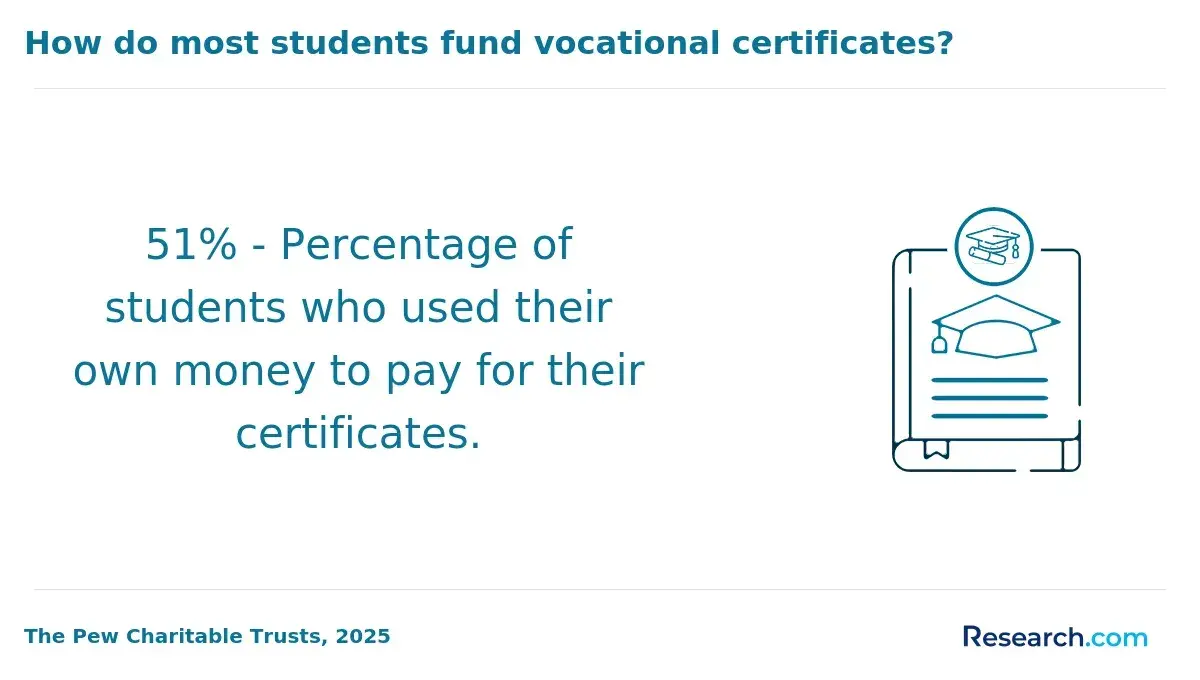
Bachelor's degrees in social media-related fields tend to offer the most reliable gateway to employment, largely because many employers set this credential as a baseline for entry-level roles. For example, a company seeking a social media analyst in a competitive urban market may reject candidates without a bachelor's degree, viewing it as evidence of critical thinking and comprehensive education. While associate degrees or certificates can expedite workforce entry, especially for coordinator or content creation roles, they often limit access to mid-level positions and result in slower salary growth. According to recent data from the U.S. Bureau of Labor Statistics, bachelor's degree holders in communication and marketing fields see employment rates near 85% within a year, noticeably higher than those with only associate credentials.
Advancing beyond initial employment, master's degrees offer distinct advantages for those targeting leadership or specialized roles such as social media strategists or digital marketing directors. These programs typically provide deeper expertise in data analytics and platform management, skills highly sought after for senior positions. However, the significant time and financial commitment required must be balanced against current career opportunities; many professionals choose to work while pursuing advanced degrees to maintain income and experience. Doctoral credentials remain rare in social media careers and are generally relevant only for academic, research, or consultancy paths rather than direct industry employment, reflecting their specialized focus. Ultimately, decisions about degree paths should weigh immediate labor market access against long-term positioning for strategic roles within the evolving landscape of social media work.
What Entry-Level Jobs Can You Get With a Social Media Degree?
Entry-level social media careers and salaries are heavily influenced by the degree level attained, with bachelor's degrees typically opening doors to strategic roles that require campaign development and data analysis. Candidates with associate degrees or certificates often find themselves in support positions such as scheduling or basic analytics, which may limit immediate advancement but build foundational skills. Employers increasingly prioritize applicants who present demonstrable experience through internships or portfolios; in fact, 68% of surveyed marketing firms in 2024 emphasize proven project outcomes over formal credentials alone.
Licensure is rarely required, yet certifications like Facebook Blueprint or Google Ads are valued by 42% of employers as differentiators that enhance employability. This reflects a workforce trend where technical proficiency in digital marketing tools bridges gaps between educational pathways, especially for those lacking advanced degrees. Geographic location and the rise of remote work also affect entry prospects, with urban centers offering more structured career ladders. Evaluating these factors alongside entry-level social media degree job availability is crucial for realistic career planning, particularly when comparing the long-term mobility of various program levels and considering graduate study intentions.
A practical approach for prospective students is to weigh the role of transferable skills such as communication and critical thinking against degree type to maximize entry-level opportunities. For those researching viable online pathways, exploring the top 10 online colleges may provide clearer insight into programs that balance skill development with market relevance.
How Do Social Media Degree Levels Affect Career Advancement and Promotion Opportunities?
Degree level directly influences eligibility and timing for supervisory and specialist roles within Social Media careers. While entry-level positions often accept associate degrees or certificates, moving into management or strategic roles typically requires a bachelor's or higher, as employers prioritize credentials that signal advanced skills in analytics, branding, and digital strategy. For example, over 65% of Social Media manager and director job listings now prefer a bachelor's degree, reflecting a trend where advanced degrees enhance leadership readiness and internal promotion prospects. This creates a tradeoff for working adults who must weigh the extended time and cost of higher education against the added career mobility and employer credibility it provides.
Incorporating practical experience through internships or applied projects embedded in bachelor's and graduate programs further sharpens promotion potential, providing leadership skills not easily gained through shorter-term certificates. At the same time, data shows specialists with advanced degrees tend to experience longer organizational tenure and lower turnover, underscoring how credential depth correlates with occupational stability and expanded responsibilities. For adult learners or transfer students, the decision to pursue additional degrees often hinges on whether their prior experience compensates for formal education in meeting employer expectations for strategic roles and ongoing professional development.
One Social Media graduate recalled hesitating to stop at an associate degree after early success in content creation but decided to pursue a bachelor's after realizing her employer's leadership track required expanded knowledge of data-driven marketing and campaign analytics. Despite feeling cautious about balancing work and study, she noted that completing the degree opened doors to roles with supervisory duties and higher pay, highlighting how deeper credentials can shift perceptions of professional readiness and internal mobility in real workplace contexts.
Is a Social Media Degree Worth It Based on Salary, Employment, and ROI?
Salary outcomes and employment stability vary significantly by degree level in social media careers, impacting whether pursuing such a degree is financially justified. Entry-level roles with associate degrees or certificates typically yield lower initial pay but require less time and financial investment, benefiting learners balancing work or family. Bachelor's degree holders generally access higher salaries and stronger employment projections, yet the costs and opportunity losses during the longer program can dilute immediate returns. Individuals with prior experience or partial credits must weigh if advancing their formal credentials will translate into measurable job growth or if targeted skill certifications might be more efficient. This reflects a nuanced tradeoff between credential depth, time-to-completion, and local market demand, especially in metropolitan areas where employers may require bachelor's degrees for manager-level social media roles.
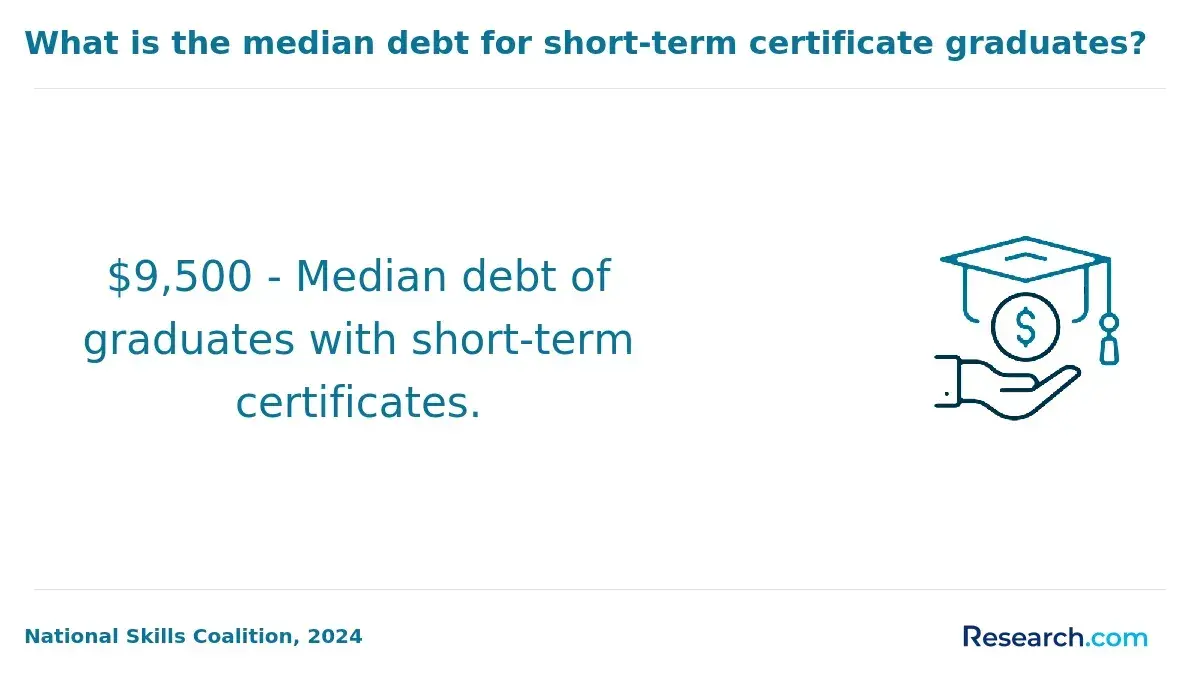
Workforce data indicates consistent demand growth for digital marketing and social media specialists, but career mobility often hinges on combining formal education with up-to-date skills, emphasizing analytics and platform expertise. Graduates carrying substantial debt from for-profit or part-time programs may face repayment pressures limiting flexibility.
Adult learners and working professionals should consider whether condensed certificate pathways supported by on-the-job learning meet their advancement goals without incurring excessive financial strain. Evaluating social media degree salary and employment outcomes alongside realistic ROI means balancing program cost against potential wage increases, employment stability, and long-term credential relevance. Those navigating these complexities might also explore online PsyD offerings in cases where advanced interdisciplinary skills complement marketing strategies and leadership roles within evolving digital environments.
How Do Associate, Bachelor's, Master's, and Doctoral Social Media Degrees Compare?
Choosing the degree level in social media decisively influences one's access to roles and career trajectories, where associate degrees mainly enable entry-level positions with moderate employment opportunities and limited growth. Transferability of credits from associate to bachelor's programs is often seamless, creating an efficient pathway for those aiming to elevate their credentials without repeating coursework. By contrast, bachelor's degrees tend to open doors to higher-paid, more specialized roles, including campaign management and strategic client interactions, with employment rates nearing 80% within six months post-graduation according to recent federal data. This level also better prepares graduates for leadership duties, though practical experience remains a critical determinant for advancement in competitive settings.
Master's degrees in social media prioritize managerial skills and strategic oversight, supporting faster progression into leadership and analytics-heavy roles but require balancing greater financial costs and longer study periods against delayed workforce entry. The debt burden and time investment associated with graduate study can temper short-term earnings, yet the increase in job stability and career mobility is significant for those targeting senior positions. Doctoral programs, while rare and focused on academia, research, or consultancy, offer niche employment with limited mainstream demand; these paths emphasize institutional reputation and scholarly specialization over licensure or broad-based marketability. Deciding to pursue advanced degrees should weigh the tangible trade-offs between extended education and the realistic impact on job stability, flexibility, and professional authority in a rapidly evolving labor market.
Which Industries and Employers Hire Social Media Graduates by Degree Level?
Employer preferences for social media graduates vary distinctly by degree level, reflecting the complexity and strategic demands of different roles. Entry-level positions in marketing agencies, retail, and small businesses predominantly hire candidates with associate degrees or certificates, emphasizing hands-on skills like content creation and campaign execution over advanced educational credentials. For example, about 35% of associate-level social media job postings concentrate in professional and retail sectors, according to the U.S. Bureau of Labor Statistics, highlighting a faster but narrower employment pathway focused on practical experience rather than strategic responsibility.
Bachelor's degree holders are targeted primarily by larger corporations in technology, finance, healthcare, and media, where roles emphasize analytical insight, brand management, and cross-functional communication. These employers often require familiarity with data analytics tools and prefer candidates who can contribute to broader corporate goals. Data from Burning Glass Technologies indicates that 60% of social media specialist roles in such industries demand a bachelor's degree, reflecting a distinct cutoff that separates tactical contributors from strategic team members. Master's and doctoral degree holders are more likely to access leadership, research, and policy-oriented roles within consulting firms, public relations agencies, or public sector organizations, where managing teams and organizational strategy become core responsibilities. Master's degrees, in particular, correlate with a 2.3 times higher probability of holding managerial titles in social media and digital marketing fields, per the National Center for Education Statistics.
Public sector employers and educational institutions present a hybrid pattern, often requiring bachelor's degrees for entry but valuing certificates or graduate credentials for senior roles. Geographic location also shapes credential expectations, with urban tech hubs raising hiring bars compared to smaller regional markets. Prospective students must weigh these tradeoffs: certificates and associate degrees offer quicker labor market access but limit upward mobility, whereas advanced degrees demand more time and cost but unlock leadership and specialized roles where advanced critical thinking and management skills are non-negotiable.
What Skills, Credentials, and Experience Improve Social Media Career Outcomes?
Employers increasingly prioritize candidates who combine technical proficiency with measurable outcomes, making skills in analytics platforms and digital campaign execution indispensable across all degree levels. For example, holders of a bachelor's degree who supplement their education with industry certifications typically gain a competitive advantage in hiring and promotion processes, as these credentials serve to validate both knowledge and applied capability. This social media career advancement skills and certifications mix not only improves initial employment access but also correlates strongly with faster role progression, especially when accompanied by a well-curated portfolio evidencing project ownership and leadership during internships or real-world projects.
Prior work experience, including internships, apprenticeships, and military service, critically shapes employment readiness and transferability of skills, particularly for associate degree holders or career changers who may lack traditional academic depth. Employers often weigh such experiential learning as a practical substitute for classroom theory when evaluating candidates for specialized social media roles. Soft skills like communication and adaptability further enhance these prospects, influencing promotion readiness into supervisory positions.
Adult learners and transfer students must therefore carefully balance credential stacking with applied experience to optimize outcomes within realistic labor market conditions. For those assessing education pathways, exploring what can you do with an environmental studies degree offers a comparative model of how specialized knowledge and credentials intersect with career mobility across fields. This integrated scrutiny of credentials and experience improving social media job outcomes enables informed decisions tailored to diverse learner backgrounds and career ambitions.
Which Social Media Degree Level Is Best for Your Career Goals?
Employment outcomes in social media vary significantly by degree level, with bachelor's degrees offering a clear edge for broader role eligibility and advancement, supported by National Center for Education Statistics 2024 data showing a 15% higher employment rate within six months compared to associate degree holders. For adult learners or working professionals balancing time and cost, associate degrees provide quicker entry and foundational skills ideal for many entry-level roles, yet they often restrict access to specialized or leadership positions due to limited coursework breadth. Selecting an associate degree thus requires weighing immediate workforce entry against possible longer-term tradeoffs in upward mobility and job scope, especially for those targeting managerial or strategic communication roles.
Graduate degrees in social media or digital communication suit professionals aiming for consultancy, leadership, or academic paths, offering research depth and strategic frameworks unavailable at lower levels but reflecting a notable 8% enrollment ratio nationally due to higher costs and niche application. This advanced study supports career switching and analytical skill development beyond basic credentialing, although it demands greater time investment and loan consideration, often best suited for those with clear specialization goals. Decision-makers should consider transfer options, credit applicability, and employer expectations carefully to optimize opportunity cost and support sustained career flexibility-factors critical for veterans or transfer students navigating complex educational timelines and long-term career planning.
Ultimately, the best social media degree level aligns closely with specific job market goals, personal financial capacity, and time investment tolerance, reflecting the nuanced realities of social media career outcomes by degree level. Students must integrate these factors with a clear-eyed understanding of sector hiring criteria and advancement pathways-the kind of practical insight found in comprehensive resources like the animal degree guide, which similarly emphasizes informed decision-making based on workforce data and program outcomes.
References
- 6 Entry-Level Social Media Jobs To Get Your Foot in the Door https://www.springboard.com/blog/business-and-marketing/entry-level-social-media-jobs/
- Graduating Students' Perception of Professional Social ... https://www.researchbank.ac.nz/bitstreams/b7fce182-e7ad-4955-8250-b8db95dbeae3/download
- Student Guide to a Successful Career in Social Media Marketing https://edtechlearning.in/blog/successful-career-in-social-media-marketing
- Master Your Digital Future: Social Media & Student Careers https://matchtocollege.com/blog/social-media-student-careers-digital-future
- GetMyFirstJob https://www.getmyfirstjob.co.uk/discover-opportunities/industry-sectors/marketing/39
- Learn how to become a social media manager | edX https://www.edx.org/become/how-to-become-a-social-media-manager
- Best Social Media Jobs in NYC, NY 2026 | Built In NYC https://www.builtinnyc.com/jobs/marketing/search/social-media
- Marketing and Communication Degree Careers and Salary in Europe - StudyinEurope.eu https://www.studyineurope.eu/marketing-communication/marketing-communication-degree-careers-salary-europe/
- Career Choice and the Impact of Social Media https://www.vetnetconf.net/article/download/30/13/144
- Social Media Recruitment Statistics 2026 https://standout-cv.com/stats/social-media-recruitment-statistics
Other Things You Should Know About Social Media
Advanced degrees in social media, such as master's or doctorates, typically demand significant time and financial investment which may delay entry into the workforce. For many roles, especially in fast-evolving digital environments, practical experience and portfolio development carry more weight with employers than higher academic qualifications. Prioritizing a bachelor's degree combined with internships or freelance projects can often yield quicker employment and relevant skills, making extensive education less critical unless targeting specialized research or leadership positions.
Online social media programs frequently offer flexibility but may lack the networking and hands-on collaboration that on-campus programs provide, which can influence job placement and advancement. At higher degree levels, such as master's or doctoral, in-person or hybrid formats often facilitate more direct mentoring and industry connections, which employers value for complex strategic roles. Prospective students should consider how program delivery aligns with their learning style and industry expectations, as online degrees may require compensating efforts to build professional relationships.
Beyond the bachelor's degree, returns tend to be more variable and often depend on the ability to translate advanced theoretical knowledge into practical leadership and analytics skills. Master's degrees can enhance advancement into managerial or strategic roles, but a doctorate rarely offers proportional career benefits within typical social media professional tracks and may lead to more research-focused or academic careers. Students should evaluate whether the additional degree aligns with their career goals as the time and opportunity cost may not correspond to broad industry demand.
Specialized social media degrees can provide targeted skills that meet immediate employer needs, but broader marketing or communications degrees often offer greater adaptability across job functions and industries. This flexibility can be crucial if career pivots become necessary or if economic conditions shift demand. For those uncertain about committing to a social media niche, broader degrees paired with social media certifications or experience usually afford a more resilient professional profile.