2027 Social Media ROI by Institution Type: Public vs Private vs Nonprofit Online Programs

Co-Founder and Chief Data Scientist
Consider a prospective student choosing between three online social media programs-each touting similar courses but with starkly different tuition fees and graduation rates. A 2024 National Student Clearinghouse report found that only 52% of online program enrollees graduate within six years, and debt levels vary widely by institution type. This disparity signals more than affordability-it reflects differences in institutional support, student outcomes, and ultimately career prospects.
Private online programs may carry higher costs but sometimes stronger career networks, while public and nonprofit options offer contrasting balances of value and risk. This article will examine these factors to help assess social media ROI across institution types.
Key Things to Know About Social Media ROI by Institution Type
- Public institutions often offer lower tuition but higher average student debt due to longer time-to-completion, indicating a tradeoff between upfront cost savings and extended financial exposure for online social media students.
- Employers increasingly recognize private and nonprofit online social media credentials linked to well-established accreditation, suggesting that institutional reputation directly influences career advancement potential and workforce integration.
- Nonprofit online social media programs frequently provide more tailored learner support and flexible pacing, benefiting working adults by reducing opportunity costs but often resulting in higher overall expenses compared to public options.
- What Does ROI Mean for a Social Media Program and How Is It Measured? Understanding Social Media Program ROI
- How Do Public, Private, and Nonprofit Online Social Media Programs Differ in Overall Value? Value by Institution Type
- How Do Tuition Costs Affect the ROI of a Social Media Program Across Institution Types? Tuition Costs and ROI
- How Do Graduation Rates Influence Social Media Program ROI? Graduation Rates Impact ROI
- What Role Do Career Outcomes Play in the ROI of a Social Media Degree? Career Outcomes and ROI
- How Does Student Debt Impact the Long-Term ROI of a Social Media Program? Debt vs. Long-Term ROI
- How Do Flexibility and Adult Learner Support Affect Social Media Program Value? Flexibility and Program Value
- How Do Accreditation and Institutional Reputation Influence Social Media ROI? How Do Accreditation and Institutional Reputation Influence Social Media ROI?
- How Does Time-to-Degree Affect the ROI of Public, Private, and Nonprofit Social Media Programs? How Does Time-to-Degree Affect the ROI of Public, Private, and Nonprofit Social Media Programs?
- How Can You Choose the Best Social Media Program Based on Your ROI Goals? Choosing Programs by ROI
What Does ROI Mean for a Social Media Program and How Is It Measured?
ROI for a social media program demands an assessment beyond simple cost versus salary calculations, reflecting a multifaceted reality that includes graduation rates, time-to-degree, and total educational expenses.
For example, while public online programs typically offer lower tuition and faster completion times, reducing student debt and opportunity costs, nonprofit programs may justify higher costs through stronger advising and retention, which can increase completion rates by about 10% according to 2024 data from the National Center for Education Statistics (NCES).
These differences influence long-term value significantly, as extended time-to-degree or poor completion outcomes often inflate overall costs, delaying workforce entry and critical career milestones.
Students juggling work and study must weigh opportunity costs carefully, choosing programs that provide scheduling flexibility or accelerated options to minimize income disruption.
Additionally, private programs sometimes bring enhanced networking opportunities and curriculum depth, influencing career outcomes beyond starting salaries. Such tradeoffs mean a lower-cost degree does not always yield the best ROI; those prioritizing rapid entry into the market might favor public institutions, while others focused on professional growth could find nonprofit or private options more valuable despite higher upfront costs.
For those researching pathways, resources focused on the fastest degree to get online can offer relevant insights into how speed and cost intersect in different program types.
How Do Public, Private, and Nonprofit Online Social Media Programs Differ in Overall Value?
Deciding between public, private, and nonprofit online social media programs involves balancing cost, support services, and career impact rather than simply tuition price. While public institutions generally offer more affordable tuition and greater scheduling flexibility suited for working adults and transfer students, they may provide less personalized advising and fewer networking opportunities.
According to a 2024 report by the Institute for College Access & Success, students at many private for-profit and some nonprofit schools carry notably higher student debt, which can diminish the long-term return on investment if salary improvements don't correspond.
Meanwhile, private nonprofits sometimes deliver tailored curricula aligned closely with evolving industry trends, but their higher costs and variable employer recognition mean that students must carefully evaluate whether the enhanced services justify the financial tradeoffs.
The reputation and accreditation of these programs heavily influence employer perceptions, though breadth of recognition often favors public and well-established nonprofit institutions. Graduates from private programs may benefit from closer career support and smaller cohorts but risk incurring significant debt without guaranteed gains.
For a learner whose priority is minimizing debt while maintaining flexibility, a public online program may be wiser; however, those seeking specialized expertise with strong institutional backing might consider private nonprofits despite the higher cost. Realistically, weighing debt levels against projected earnings and the availability of career resources is essential to making a decision that fits individual professional goals and financial situations.
One recent graduate's experience reflects these complexities: she initially hesitated between a lower-cost public program and a private nonprofit option that boasted advanced career services but came with steep tuition and limited financial aid. Concerned about taking on debt without clear salary benefits, she scrutinized graduation rates, employer partnerships, and support offerings.
Ultimately, she chose a public school with a proven track record of flexible scheduling and manageable costs, finding relief in avoiding large loans while still accessing sufficient career guidance to transition into a digital marketing role within a year of graduation.
How Do Tuition Costs Affect the ROI of a Social Media Program Across Institution Types?
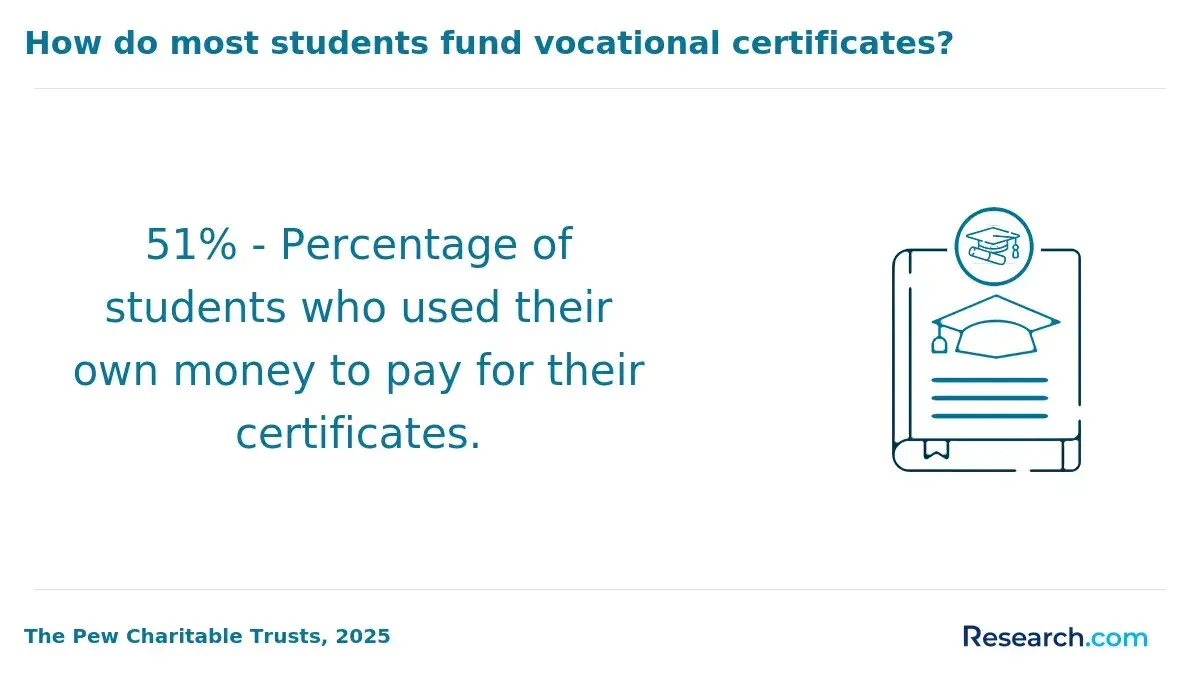
Lower tuition at public online institutions often reduces upfront financial barriers, but this does not guarantee a superior return on investment for social media programs. While average yearly sticker prices may be around $6,500 at public schools versus over $20,000 at private nonprofits, factors such as net cost after aid, graduation rates, and post-completion employment must be considered.
For instance, private nonprofit graduates are reported by the Education Research Institute to be 12% more likely to reach mid-level social media management roles within a year, suggesting that higher tuition may be offset by stronger networking opportunities and career support.
Debt levels upon graduation and program completion time also significantly affect ROI. Programs with accelerated paths minimize both tuition paid and lost income, crucial for adult learners balancing work and study, while high dropout rates erode tuition value regardless of sticker price.
Nonprofit institutions offering moderate costs combined with specialized curriculum often attract career changers who prioritize access to industry connections over immediate affordability, demonstrating that a lower sticker price alone is an incomplete measure of program value.
Ultimately, cost-conscious learners should weigh both direct expenses and qualitative benefits, including flexibility for working adults and the effectiveness of career services linked to salary outcomes. Public programs might provide more accessible pricing and reduce borrowing needs for in-state students, but private nonprofits' smaller class sizes and tailored support can yield higher employment placement rates.
This nuanced tradeoff underscores the importance of individualized evaluation rather than relying solely on tuition differentials when assessing social media program ROI.
How Do Graduation Rates Influence Social Media Program ROI?
Graduation rates impact the return on investment for social media online programs by reflecting how effectively institutions support student progress. However, they do not capture the full financial or career value.
Public programs, averaging around a 45% graduation rate per the National Center for Education Statistics 2024 report, often serve part-time and working adult students who face extended timelines and interruptions, which can depress completion figures without reducing educational worth.
In contrast, private nonprofit programs frequently report higher rates near 55%, benefiting from more comprehensive academic advising, flexible pacing, and targeted support services that help nontraditional learners persist. This illustrates how graduation rates can indicate institutional strengths in fostering completion.
However, graduation outcomes alone provide an incomplete lens on social media program success and ROI due to factors like differing debt burdens and time-to-degree variations. While private nonprofit students may graduate at higher rates, this often coincides with increased student debt, complicating long-term affordability. Prospective students must weigh these nuances alongside employment outcomes and curriculum relevance.
For those balancing cost with quality, exploring resources such as a cheap online accounting degree can offer insights into cost-effective pathways. Ultimately, graduation rates remain a useful but partial metric; integrating real-world persistence challenges and institutional mission better informs decisions about program value and career preparation in social media fields.
What Role Do Career Outcomes Play in the ROI of a Social Media Degree?
The value of a social media degree hinges significantly on career outcomes, which mediate the relationship between tuition costs and long-term professional gains. Programs from public institutions generally offer lower upfront expenses but may lack rapid curricular updates that address the fast-evolving demands of digital marketing roles, potentially delaying graduate employability.
Conversely, private programs, despite higher tuition, often integrate industry partnerships and networking opportunities that can accelerate job placement and enhance employer perceptions, contributing to an estimated 15% higher placement rate within six months according to the 2024 National Association of Colleges and Employers report.
Nonprofit online programs tend to prioritize mission-driven training that aligns with nonprofit and CSR-related careers, a choice that can yield strong job satisfaction and sustained engagement, albeit sometimes at the expense of starting salary premiums or immediate career leaps.
For prospective learners balancing debt concerns and time investment, these differential factors shape how career outcomes influence ROI beyond mere financial return. The interaction of curriculum relevance, institutional reputation, and career service strength affects not only hiring speed but also longer-term mobility within competitive social media fields.
Students aiming for rapid workforce entry may weigh public program affordability against slower adaptation to industry change, while those seeking robust employer networks and brand recognition might lean toward private programs despite their higher cost. Nonprofit program graduates often experience deeper alignment with their values and roles, which complicates ROI assessments focused solely on salary.
Ultimately, career outcomes translate the degree's value into real-time opportunity or stagnation, making them critical to informed enrollment decisions.
One graduate recalled facing uncertainty when choosing an online social media degree, initially concerned about whether the credential would genuinely open doors or simply add to debt. After enrolling in a nonprofit-focused program that emphasized social impact alongside technical skills, the graduate struggled to quantify success through salary figures alone.
However, within a year, internal promotions and expanded responsibilities at a marketing nonprofit signaled tangible career mobility reinforced by professional credibility gained through the degree. This experience underscored how career outcomes extend beyond immediate earnings and into professional validation and evolving opportunities, shaping a more nuanced understanding of ROI for working adults navigating complex career transitions.
How Does Student Debt Impact the Long-Term ROI of a Social Media Program?
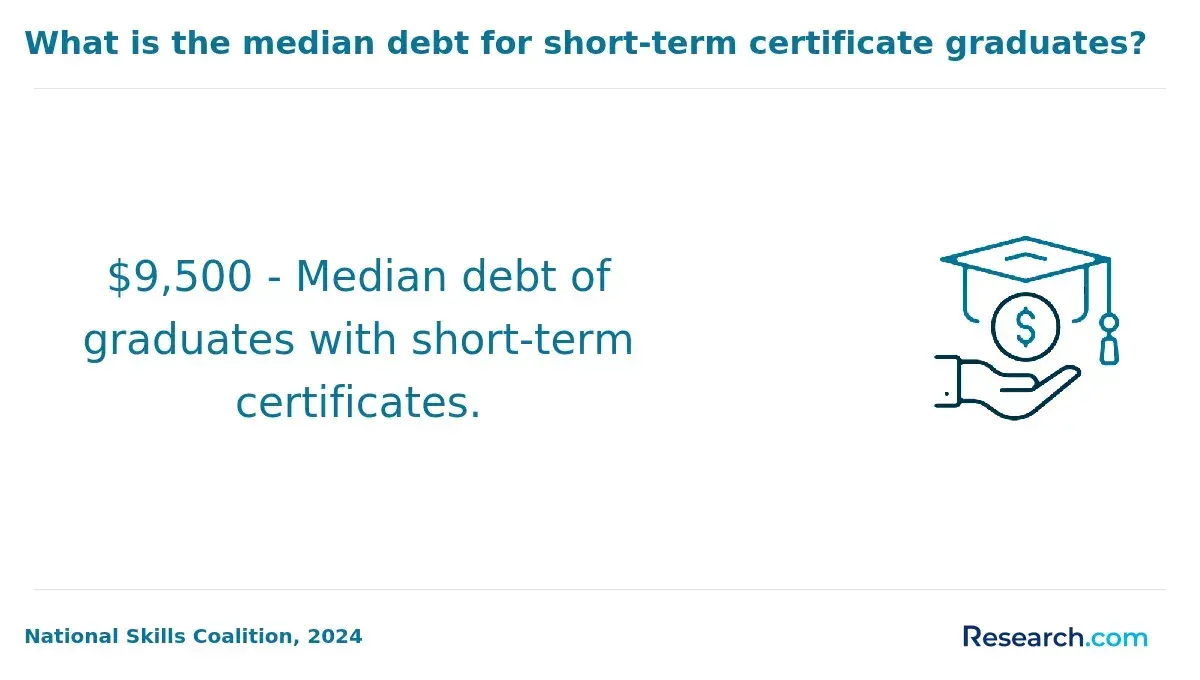
Higher student debt levels can significantly impact the long-term return on investment in social media programs, especially when comparing public, private, and nonprofit online institutions. Graduates from private nonprofit programs typically face average debts near $32,000, which correlates with extended repayment obligations that can delay financial stability and reduce early-career flexibility.
In contrast, public online program graduates tend to borrow less-around $22,000 on average-resulting in quicker repayment timelines and improved net ROI as they can reach positive cash flow sooner. For instance, a graduate burdened with higher debt may postpone further education or professional development, limiting career advancement despite potential salary growth.
Yet, debt load alone does not fully determine ROI or career outcomes. Nonprofit online programs, while more expensive, often boast higher graduation rates and enhanced career services that reduce time-to-completion to about 3.5 years, compared to four years for public programs. This shorter timeframe can lower additional borrowing, partially offsetting higher tuition costs.
Students evaluating the impact of student loan burden on social media program career outcomes should weigh these factors against the broader labor market realities, where growing demand for social media specialists may not immediately compensate for elevated debt. Considering these nuances helps students make strategic decisions aligned with their financial situation and vocational goals.
For prospective learners, particularly working professionals or career changers, assessing where and how to finance a social media education is critical. Options such as 6-week courses online may offer accelerated pathways that influence overall borrowing and repayment dynamics.
Understanding these tradeoffs in educational quality, debt burden, and repayment projections equips students to navigate the real-world financial and occupational implications embedded in their choice of social media programs.
How Do Flexibility and Adult Learner Support Affect Social Media Program Value?
Program flexibility and comprehensive adult learner support critically shape the practical value and return on investment of social media programs. Public, private, and nonprofit online institutions differ in their offerings.
Public programs often provide broader asynchronous options and part-time enrollment due to scale and state backing, which helps working adults manage time and reduce opportunity costs. However, their stretched advising services may limit personalized guidance crucial for persistence and job alignment.
For example, a working parent balancing shifts might benefit from a public school's flexible schedule but could face delays in career counseling or credit transfer assistance that extend time-to-degree and overall expense.
In contrast, private and nonprofit institutions tend to invest more in proactive academic advising, faculty availability, and career services tied closely to employment outcomes, supporting adult learners through tailored interventions. Such support is linked to measurable gains in student persistence-up to 15-20% higher completion rates reported by recent studies-though tuition costs generally exceed public options, raising immediate financial burdens.
Adult learners must therefore weigh whether enhanced support justifies higher debt, especially when military accommodations or transfer credit policies play a critical role in reducing redundancy and accelerating credential completion. Ultimately, evaluating social media programs through the lens of flexibility and support structures reveals uneven tradeoffs affecting retention, time-to-degree, and long-term career ROI rather than uniform advantages by institutional category.
How Do Accreditation and Institutional Reputation Influence Social Media ROI?
Accreditation status and institutional reputation critically affect the return on investment (ROI) of a social media program by shaping graduate employability and access to further education. Regional and programmatic accreditation act as key quality filters that ensure academic rigor and credit transferability, influencing how employers and graduate schools view credentials.
For example, data from the National Center for Education Statistics indicates graduates from regionally accredited programs are 25% more likely to secure employment within six months than their counterparts from nationally accredited or non-accredited institutions. This distinction can materially impact career trajectory, especially in competitive job markets prioritizing verified competencies and recognized credentials.
Institutional reputation influences ROI beyond accreditation by affecting employer perceptions, networking opportunities, and cost considerations. Public institutions commonly offer lower tuition and broader credit transfer options but may provide uneven student support, while private nonprofit schools might deliver tailored advising and niche industry connections at higher prices, increasing debt burden.
Employers in tech and marketing sectors increasingly value demonstrable skills and digital portfolios over brand prestige alone, which means reputational advantages do not always translate into higher earnings or hiring rates. Adult learners should therefore assess how accreditation, reputation, tuition costs, and support services align with their specific career goals and financial realities to maximize the practical value of their social media education.
How Does Time-to-Degree Affect the ROI of Public, Private, and Nonprofit Social Media Programs?
Time-to-degree directly influences the financial and career ROI of social media programs across public, private, and nonprofit online institutions by affecting tuition costs, debt burden, and time spent out of the workforce or in lower-paying roles. Public institutions typically cater to part-time and transfer students, extending time-to-degree due to enrollment patterns and flexible scheduling, which benefits those balancing employment and family but delays access to higher earnings.
In contrast, private and nonprofit online programs often offer accelerated pathways with higher full-time enrollment, which can shorten degree completion and reduce indirect costs, though the rigidity of these formats may not suit all learners and sometimes increases dropout risks.
The comparative analysis of graduation time and ROI for social media online programs also highlights how completion rates impact realized value; public institutions report roughly a 40% six-year graduation rate, while nonprofit institutions approach 50%, reflecting differences in persistence and program engagement.
Transfer credit policies can shorten time-to-degree by reducing total required credits, yet ineffective management of this option may prolong study and increase costs. Students weighing these factors must consider not only speed but the alignment of program flexibility and structure with their life circumstances and career goals, as sustainability in completion is critical to long-term return.
For working adults and career changers evaluating affordability alongside educational quality, these tradeoffs are particularly relevant. Programs that prioritize shorter timeframes do not inherently guarantee higher ROI if they overlook learner needs and completion likelihood.
Those interested in programs blending affordability and reasonable timelines might explore options such as child psychologist master's programs as analogs for evaluating degree paths that balance career timing and cost. A clear-eyed assessment of time-to-degree impact on social media program roi in public private and nonprofit institutions is essential for making informed decisions that reflect practical realities rather than surface-level marketing claims.
How Can You Choose the Best Social Media Program Based on Your ROI Goals?
Determining the best social media program for maximum return on investment depends largely on individual priorities rather than institution type alone. Public institutions typically offer lower tuition and greater financial aid access, reducing upfront costs and potential debt, which is critical for cost-conscious adult learners balancing family or work obligations.
However, private and nonprofit programs often boast higher graduation rates and more comprehensive learner support, which can shorten time-to-degree and improve outcomes-a crucial consideration when evaluating social media program ROI based on institution type.
Graduation rates and institutional reputation play significant roles in real-world employability, especially in competitive job markets where employer recognition matters as much as sector type. For working professionals or career changers, flexibility and career services may weigh more heavily, as timely credential completion and strong industry connections can accelerate salary growth and job placement.
While public programs enroll many working adults, their slower time-to-degree may offset lower costs. This nuanced tradeoff is central to choosing the best online social media program for maximum return on investment within various personal circumstances.
Prospective students should also verify accreditation and employer acceptance in their target fields, as these affect long-term ROI beyond tuition or graduation statistics.
Those aiming to pivot careers might explore resources linked to pathways like how to become an AI trainer, which reflect evolving employer demands in digitally connected industries. Ultimately, understanding these operational realities helps align educational investment with practical career ambitions and debt tolerance rather than relying on institutional prestige alone.
References
- #SocialSchool4EDU · Blog · Does Social Media Produce ROI? Five Critical Considerations https://socialschool4edu.com/does-social-media-produce-roi-five-critical-considerations/
- Social Media ROI Revisited: 4 Ways to Measure | Ignite Social Media https://www.ignitesocialmedia.com/twitter-marketing/social-media-roi-revisited-4-ways-to-measure/
- Is Grad School Worth It? A Comprehensive Return on Investment Analysis - FREOPP https://freopp.org/whitepapers/is-grad-school-worth-it-a-comprehensive-return-on-investment-analysis/
- Effects of Cancelling Student Loan Debt (2026) : Short & Long-Term https://educationdata.org/what-happens-if-student-loan-debt-is-canceled
- What Do We Mean When We Talk About the ROI of Social Media? https://fgiaonline.org/about/news-and-blogs/what-do-we-mean-when-we-talk-about-the-roi-of-social-media/
- Is Rising Student Debt Harming the U.S. Economy? | Council on Foreign Relations https://www.cfr.org/backgrounders/us-student-loan-debt-trends-economic-impact
- How to Create the Ultimate Social Media Strategy that Drives Brand Awareness & ROI | Digital Marketing Institute https://digitalmarketinginstitute.com/blog/social-media-strategy
- The Influence of Social Media on Public Relations as a Reinforcement of Higher Education Reputation https://serambi.org/index.php/managere/article/view/650
- How to get a Job in Social Media Marketing | University for the Creative Arts https://www.uca.ac.uk/blogs/what-is-a-social-media-degree/
- Social Media ROI: How to Measure & Grow 2025 https://improvado.io/blog/social-media-roi
Other Things You Should Know About Social Media
Public institutions often enroll larger cohorts which can mean diluted individual attention but greater peer diversity, exposing students to a wide range of perspectives and potentially broader networking connections.
Conversely, private and nonprofit programs typically have smaller cohorts, allowing for more personalized interaction but possibly a narrower professional network. Learners aiming for intensive mentorship may prioritize private or nonprofit settings, whereas those valuing diverse peer learning and expansive social capital might lean toward public institutions.
Employers hiring from public programs frequently expect graduates to have a solid theoretical foundation combined with applicable skills, reflecting the balance these institutions typically maintain. Private institutions might emphasize practical, hands-on experiences and portfolio development more aggressively, aligning with industry-ready skills.
Nonprofits often focus on socially conscious applications of social media, which can appeal to organizations valuing mission-driven communication. Prospective students should match their career goals with the program's curriculum emphasis, prioritizing skill sets demanded in their target job market.
Public online programs may have a steadier workload paced by structured timelines but expect more independent initiative due to larger class sizes.
Private institutions often provide more guided, interactive coursework with frequent feedback but can also increase workload intensity through cohort-based projects and immersive activities.
Nonprofit programs sometimes balance workload with flexible pacing to accommodate their often mission-driven student base but can demand considerable self-motivation. Students should consider their ability to manage workload and preference for structured versus flexible learning environments when choosing a program type.
Private online social media programs are more likely to offer niche specializations-like influencer marketing, analytics, or platform-specific strategies-catering to students seeking targeted expertise for competitive advantage.
Public programs may provide broader curricula emphasizing foundational skills usable across multiple roles but with less depth in cutting-edge subfields. Nonprofit programs often integrate social impact and community engagement themes, valuable for careers in advocacy or nonprofit sectors. Those with clearly defined career tracks should prioritize institutions whose specialization aligns with their professional objectives to maximize employability and long-term ROI.