2027 Patient Safety & Quality Salary Trends Report: Are Wages Keeping Up With Tuition and Inflation?

Co-Founder and Chief Data Scientist
A prospective patient safety & quality student faces a complex financial decision when considering enrollment. Tuition costs continue to rise steadily, and inflation further erodes purchasing power, making it unclear whether future salaries will offset these growing expenses. Evaluating the financial return on investment requires more than a glance at starting salaries; it demands careful comparison of wage growth with the escalating costs of education and overall economic conditions. This scenario has become increasingly relevant as students weigh the real value of earning a degree in patient safety & quality.
Salary growth, education costs, and inflation rarely move in sync, complicating straightforward assessments of financial benefit. Understanding long-term earning potential requires analyzing how these factors interact over time rather than relying on annual salary figures alone. This article examines recent salary trends in patient safety & quality alongside rising tuition and inflation rates. It explores the affordability and return on investment while highlighting key influences on the financial value of a patient safety & quality degree over the long term.
Key Things to Know About Patient Safety & Quality Salary Trends
- Median starting salaries for patient safety & quality grads have increased 4% annually since 2022, still lagging inflation by 2%, indicating net purchasing power decreases despite nominal wage growth.
- Tuition inflation outpaces wage gains in many programs, meaning students must critically assess debt-to-income ratios to avoid long-term financial strain post-graduation.
- Experience and certification drive earning potential more than initial degree prestige, emphasizing on-the-job learning and specialized credentials for sustainable income growth.
- Key Things to Know About Patient Safety & Quality Salary Trends Key Things to Know About Patient Safety & Quality Salary Trends
- What Is the Current Salary Outlook for Patient Safety & Quality Graduates? Salary Outlook
- Are Patient Safety & Quality Salaries Keeping Up With Inflation? Inflation Impact
- How Do Tuition Costs Compare With Patient Safety & Quality Salary Growth? Tuition vs Salary
- Does a Patient Safety & Quality Degree Deliver a Positive Return on Investment? Degree ROI
- Which Industries Offer the Highest Salaries for Patient Safety & Quality Graduates? Which Industries Offer the Highest Salaries for Patient Safety & Quality Graduates?
- Which States and Cities Offer the Highest Pay for Patient Safety & Quality Professionals? Which States and Cities Offer the Highest Pay for Patient Safety & Quality Professionals?
- How Do Patient Safety & Quality Salaries Grow Throughout a Career? Career Growth
- How Do Patient Safety & Quality Salaries Compare With Similar Degrees? Salary Comparison
- How Is Employer Demand Affecting Patient Safety & Quality Salary Trends? Employer Demand
- How Can Students Maximize Their Lifetime Earnings With a Patient Safety & Quality Degree? Maximizing Earnings
What Is the Current Salary Outlook for Patient Safety & Quality Graduates?
The 2024 patient safety and quality salary trends reveal a moderate upward trajectory influenced by experience, geographic location, and specialized credentials. Median wages for roles such as healthcare quality improvement specialists and patient safety coordinators typically range between $70,000 and $95,000 annually, with entry-level positions starting closer to $60,000 to $70,000. Growth rates of around 3% per year slightly exceed inflation but lag behind rising educational expenses, requiring graduates to carefully assess the balance between tuition costs and starting salaries. For instance, two graduates with similar degrees may experience divergent salaries if one pursues certification like the Certified Professional in Healthcare Quality (CPHQ) and takes on analytics or risk management roles, while the other remains in general safety coordination without specialized skills.
Factors beyond initial salaries play a critical role in shaping long-term earnings in patient safety and quality careers. Job demand remains stable due to increasing regulatory requirements and a focus on improving patient outcomes, contributing to gradual salary advancements over time. Professionals who leverage opportunities in regulatory compliance or leadership positions can expect greater wage growth, which compensates for the modest entry pay. Prospective students should also consider industry trends and broader economic conditions as they navigate educational investments, perhaps exploring options like a pharmacy school online that may offer alternative routes to related healthcare roles with different compensation dynamics.
Are Patient Safety & Quality Salaries Keeping Up With Inflation?
While salaries for patient safety and quality professionals have seen nominal increases averaging around 3% per year from 2021 to 2024, these gains do not fully counterbalance inflationary pressures. Inflation rates, as measured by the U.S. Consumer Price Index, surged to nearly 6% in 2022 before easing to about 4% in early 2024, outpacing wage growth during much of this period. This divergence means that new graduates or early-career professionals in the field may experience a decrease in real income, effectively reducing their purchasing power despite higher paychecks. For instance, a recent graduate earning an entry-level salary in a metropolitan healthcare system might find that their wage increases do not cover rising housing, transportation, and daily living expenses, tightening their financial flexibility over time.
Factors contributing to whether patient safety and quality salaries keep pace with inflation include employer type and regional economic conditions. Salaries tend to be more competitive at large academic centers or major metropolitan hospitals compared to smaller or rural employers, where inflation's impact can feel more acute due to relatively stagnant wages. Additionally, rising tuition costs-growing at about 5% annually-compound financial challenges for students and career changers weighing the return on investment in this field. Those considering this path may benefit from exploring no entrance exam nursing schools or institutions with controlled tuition to mitigate education expenses while assessing long-term earning potential amid evolving healthcare salary trends.
How Do Tuition Costs Compare With Patient Safety & Quality Salary Growth?
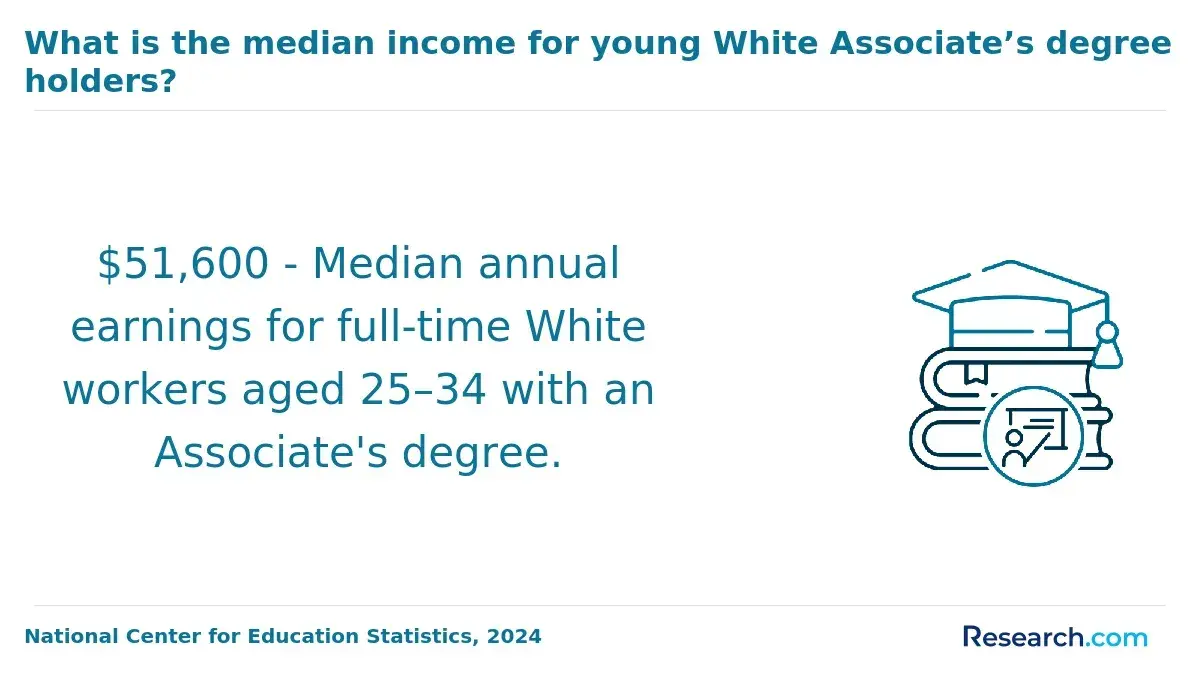
Evaluating the financial value of a patient safety & quality degree requires comparing rising tuition costs with salary growth rather than examining each in isolation. Recent figures from the National Center for Education Statistics and 2024 Bureau of Labor Statistics data show that annual tuition for healthcare master's programs has grown by about 4% per year, exceeding the approximately 3% general inflation rate. Meanwhile, early-career salaries for graduates typically start near $60,000, increasing to around $75,000 mid-career, but these gains average only 2-3% annually. This gap means tuition is increasing faster than earnings, creating a nuanced challenge: the upfront investment grows more burdensome over time while salary improvements may not keep pace with the cost of education or living expenses.
Consider a hypothetical student deciding between enrolling today or delaying for a year to save more. If tuition increases by 4%, waiting might raise the cost by several hundred dollars, even as anticipated salary growth remains modest. However, geographic factors, employer tuition assistance, and specialization opportunities can shift this balance for individuals, emphasizing that affordability and return on investment vary widely. Recognizing these variables alongside local job markets and personal debt tolerance will yield a more comprehensive understanding than headline salary or tuition figures alone.
One graduate recalls debating enrollment amid rising tuition, feeling torn between urgency and caution. Initially hesitant about accumulating debt, they ultimately deferred enrollment for six months to save more upfront, watching tuition rise nearly 5% during that period. Although early earnings were slower to climb than hoped, the graduate found that employer tuition reimbursement and targeted certifications eventually enhanced their earning capacity beyond median figures. This experience highlighted the complex interplay of timing, financial planning, and institutional support in shaping the real cost-benefit outlook of a patient safety & quality degree.
Does a Patient Safety & Quality Degree Deliver a Positive Return on Investment?
Return on investment (ROI) for a Patient Safety & Quality degree extends beyond initial earnings to include the balance of tuition costs against long-term salary growth and job stability. For example, a graduate entering as a quality improvement coordinator with a starting salary around $65,000 could see wages increase steadily, potentially reaching $95,000 as they gain experience and advance into management roles. This trajectory, while not guaranteed, highlights how ROI hinges on career advancement and sustained demand for specialized skills rather than immediate payoffs.
In 2024, data from the U.S. Bureau of Labor Statistics and the National Healthcare Quality Foundation illustrate that demand for patient safety professionals remains robust, often outpacing inflationary wage growth. However, tuition inflation complicates the picture-many programs carry high upfront costs that can exceed typical financial aid, meaning students should carefully assess financing options and employer assistance. Thus, ROI varies significantly depending on factors like tuition expenses, geographic location, and institutional ties to healthcare networks that might facilitate higher starting positions or faster promotions.
Ultimately, the decision to invest in a Patient Safety & Quality degree requires weighing these complex dynamics. While the field offers solid prospects and a generally positive ROI for many, individual outcomes depend on specific program costs, local labor markets, and how effectively graduates leverage their expertise within healthcare organizations. Prospective students would benefit from analyzing tuition trends alongside longitudinal wage data to make informed choices that reflect both economic conditions and personal career goals.
Which Industries Offer the Highest Salaries for Patient Safety & Quality Graduates?
Salary potential for patient safety & quality graduates varies significantly by industry, reflecting differences in operational scale, regulatory complexity, and organizational priorities. Those entering sectors with stringent compliance demands and high stakes for patient outcomes tend to find stronger compensation. Realistically, graduates should consider not only starting salaries but also the potential for rapid growth and long-term returns on investment, especially when factoring in costs such as tuition or inflation. For example, a recent graduate entering a hospital system in a leadership role overseeing quality assurance may command a median salary substantially higher than peers in academic settings due to the direct impact of their work on patient safety and institutional accreditation. Below are key industries offering the highest paying opportunities for patient safety & quality professionals.
- Hospital Systems: Hospitals and large healthcare systems consistently rank as top employers offering competitive pay. These organizations rely heavily on quality management to meet regulatory standards and secure funding. Patient safety & quality roles here often involve direct oversight of clinical protocols and risk management, with median salaries ranging between $85,000 and $110,000 depending on experience and geographic location.
- Pharmaceutical & Biotechnology: This sector typically offers some of the highest salaries for patient safety & quality professionals, with roles centered on quality control, regulatory compliance, and monitoring drug safety during development and production. According to data from the Pharmaceutical Research and Manufacturers of America, salaries in this field can range from $90,000 to over $120,000 annually.
- Healthcare Consulting Firms: Consulting firms focusing on patient safety provide lucrative career paths, especially for those skilled in audits, compliance, and organizational efficiency. Firms like Deloitte report starting salaries from $80,000 to $100,000, with rapid advancement tied to performance and specialization in healthcare quality initiatives.
- Medical Device Industry: Though less commonly highlighted, medical device companies employ patient safety & quality experts to ensure product compliance and safety standards. Salaries here are competitive, often comparable to pharmaceutical roles, driven by regulatory scrutiny and innovation demands.
- Government Agencies: While essential for public health oversight, government roles typically offer lower salaries compared to private industry but include comprehensive benefits. These positions are suited for those prioritizing job stability and public service over immediate financial gain.
- Academic Institutions: Roles focused on research, education, and policy within universities generally provide lower compensation but may offer unique opportunities for professional development, especially for those pursuing an online PhD in healthcare management or related advanced degrees.
Which States and Cities Offer the Highest Pay for Patient Safety & Quality Professionals?
Geographic location significantly impacts salary prospects for patient safety & quality professionals, with regional healthcare resources, local industry demands, and living costs shaping earning potential. National analyses from the U.S. Bureau of Labor Statistics and 2024 compensation studies highlight concentrated pockets where wages exceed the median for this field. However, higher pay often correlates with increased living expenses and competitive work environments, making it essential for students and recent graduates to weigh salary against these factors. Below are key states and cities where patient safety & quality professionals typically receive top compensation.
- California: Known for its dense network of leading academic medical centers and integrated healthcare systems, California offers some of the highest wages in cities like San Francisco and Los Angeles. Median salaries in these metro areas often surpass $110,000, but high housing costs can offset financial gains, particularly for those early in their careers or moving from lower-cost regions.
- Massachusetts: Anchored by Boston's world-class hospitals and research institutions, this state provides salary premiums 15-20% above national averages. These earnings reflect demand for advanced skills in complex care environments, though the state's elevated cost of living demands careful budgeting for new professionals.
- New York City: The city's dense population and numerous healthcare organizations create a competitive market for patient safety & quality roles. Compensation is attractive, driven by robust patient safety initiatives, but candidates must consider New York's high living expenses and intense job market rivalry.
- Washington State: Seattle and its surroundings are emerging as strong markets due to growing investments in quality improvement infrastructure. While wage growth is notable, housing affordability challenges are rising, necessitating a cautious assessment of overall lifestyle costs relative to salary benefits.
- Maryland: Baltimore and nearby areas increasingly prioritize patient safety programs, pushing up wages. Maryland blends solid pay with a moderately high cost of living, requiring early-career professionals to balance compensation gains with local economic realities.
How Do Patient Safety & Quality Salaries Grow Throughout a Career?
Salaries in the patient safety & quality field generally increase with experience, but the pace and extent of growth depend heavily on individual career paths and additional qualifications. Entry-level roles like patient safety analyst or quality coordinator usually start between $55,000 and $70,000, reflecting steady demand for professionals focused on healthcare outcomes and compliance. By mid-career-typically after 5 to 10 years-average salaries rise to roughly $75,000 to $95,000, especially for those who assume managerial duties or acquire certifications such as CPHQ. According to the Health Research & Educational Trust (HRET) 2024 report, professionals who invest in ongoing education and leadership development often see wage increases 10% to 20% faster than their less proactive counterparts.
Late-career professionals, especially those in senior leadership positions like directors of quality or chief patient safety officers, can earn salaries exceeding $100,000 and reaching into the $120,000 to $140,000 range. The American Society for Healthcare Risk Management (ASHRM) data underscores that these roles typically require advanced degrees and substantial experience in regulatory and strategic functions. The divergence in earnings between two graduates with the same degree might hinge on choices such as pursuing a master's degree, specializing in data analytics, or moving into administrative leadership versus remaining in technical or analyst roles. These factors weigh heavily on long-term salary potential and should be carefully balanced against the rising costs of advanced education and inflation.
One graduate, initially hesitant to invest in a master's degree due to mounting student debt and personal obligations, decided to accept a mid-level analyst position instead. Over six years, they found salary growth limited, mainly driven by incremental raises rather than promotions. Meanwhile, a peer from the same program took a risk by enrolling in a graduate program and pursuing certification, which positioned them for a director role within a major hospital network, substantially increasing their compensation. Reflecting on this, the first graduate acknowledged that the decision to delay further education had tangible financial consequences, though immediate economic pressures had made the choice feel urgent and necessary at the time.
How Do Patient Safety & Quality Salaries Compare With Similar Degrees?
Salary comparisons for graduates with Patient Safety & Quality degrees reveal a nuanced but generally competitive picture compared to related healthcare fields. Median salaries for these professionals hover between $65,000 and $85,000, reflecting roles focused on reducing medical errors and enhancing healthcare outcomes. However, the earnings trajectory can vary widely based on certifications like the Certified Professional in Healthcare Quality (CPHQ) and advancement into management positions. Tuition inflation and broader economic factors make it critical for students to evaluate these salary prospects alongside rising education costs. The following points illustrate how earnings for patient safety versus similar degrees typically compare in practice.
- Healthcare Administration: Typically commanding median salaries between $70,000 and $90,000, healthcare administration graduates often pursue leadership and operational roles in healthcare systems. Their higher pay primarily reflects broader managerial responsibilities and organizational scale compared to patient safety specialists focused on quality assurance.
- Public Health: With median salaries ranging from $55,000 to $80,000, public health degrees tend to lead to diverse career paths including epidemiology and community health, where compensation is influenced by public sector budgets and grant funding, often trailing patient safety roles in direct healthcare system impact.
- Registered Nursing: Registered nurses generally earn median salaries near $75,000, benefiting from strong demand and clinical responsibilities. Although nurses typically earn more initially, patient safety roles may surpass nursing salaries over time as professionals move into specialized quality and compliance positions.
This comparison highlights that while patient safety and quality salary comparison shows somewhat narrower immediate pay ranges, the field offers steady growth potential, especially when combined with certification and leadership. Prospective students should weigh these real-world earnings alongside tuition trends, considering programs like online BSN to MSN programs for alternative pathways. Balancing these factors aids in making informed decisions about long-term career and financial outcomes.
How Is Employer Demand Affecting Patient Safety & Quality Salary Trends?
Employer demand substantially shapes salary trends for patient safety & quality professionals by intensifying competition among healthcare organizations seeking qualified candidates. For example, a mid-sized hospital experiencing increased regulatory audits might aggressively recruit specialists with advanced certifications to mitigate compliance risks, driving wages upward to secure top talent. This competitive hiring environment directly influences compensation strategies, as employers balance budget constraints with the need to offer attractive salaries to fill critical roles swiftly. Recent data from the Healthcare Financial Management Association's 2024 report confirms a steady rise in demand for patient safety & quality roles, contributing to modest but consistent salary growth in many regions.
The employer demand impact on patient safety salaries is driven not only by healthcare regulations and patient advocacy but also by institutional priorities to reduce medical errors and improve outcomes. While strong demand can accelerate wage increases, salary trends also reflect experience levels, specialization areas, and broader economic conditions affecting healthcare budgets. According to the U.S. Bureau of Labor Statistics, the growth in patient safety & quality roles outpaces many healthcare occupations, yet salary increases often fail to fully offset tuition and living cost inflation. Prospective students and career changers should therefore consider long-term earning potential carefully, weighing employer demand against the actual pace of wage growth. Those exploring educational pathways might find value in programs focusing on sought-after skills, or even look into the easiest counseling degrees as alternatives to accelerate entry into related fields.
How Can Students Maximize Their Lifetime Earnings With a Patient Safety & Quality Degree?
Professionals with a patient safety & quality degree can significantly enhance their lifetime earnings by making informed educational and career choices aligned with current industry demands. Data from the U.S. Bureau of Labor Statistics and the Agency for Healthcare Research and Quality (2024) show that the highest earners combine their degrees with specialized certifications and leadership experience. For example, an early-career professional pursuing a Certified Professional in Healthcare Quality (CPHQ) credential while gaining experience in hospital quality management is more likely to access executive roles and superior compensation over time.
Below are key strategies to maximize long-term earning potential with a patient safety & quality degree:
- Advanced Certifications: Earning credentials like CPHQ signals expertise and commitment, often leading to salary premiums. Students can pursue certifications during or shortly after their degree to boost employability and negotiate higher pay.
- Leadership Experience: Taking roles with administrative or project management responsibilities in healthcare settings cultivates skills valued in higher-paying positions and supports upward mobility.
- Specialized Skill Development: Focusing on data analytics, regulatory compliance, and risk management taps into market demand. Such skills increase eligibility for roles with greater responsibility and remuneration.
- Graduate Education: Attaining a master's or doctoral degree opens pathways to executive-level jobs, which offer substantial salary growth despite the initial cost and time investment.
- Strategic Industry Selection: Employment in pharmaceuticals, insurance, or healthcare technology sectors tends to provide better compensation compared to some traditional healthcare environments.
- Geographic Positioning: Metropolitan areas with large healthcare systems generally offer higher salaries, making relocation a practical consideration for maximizing earnings.
- Professional Networking: Engaging with professional associations and mentorship programs builds connections and exposes students to high-value career opportunities.
References
- Career Paths https://healthsci.queensu.ca/hqprograms/programs/master-science-healthcare-quality/career-paths
- IHI Patient Safety and Quality for Emerging Leaders https://www.ihi.org/learn/courses/patient-safety-and-quality-emerging-leaders
- Post-Inflation Trends in Medical Payments Through 2025—A WCRI FlashReport https://www.wcrinet.org/reports/post-inflation-trends-in-medical-payments-through-2025a-wcri-flashreport
- Quality Patient Safety Jobs (with Salaries) - SEEK https://au.seek.com/quality-patient-safety-jobs
- Do Hospitals Make or Lose Money By Improving Patient Safety? - Vitalacy, Inc. https://vitalacy.ai/do-hospitals-make-or-lose-money-by-improving-patient-safety/
- How does medical inflation compare to inflation in the rest of the economy? - Peterson-KFF Health System Tracker https://www.healthsystemtracker.org/brief/how-does-medical-inflation-compare-to-inflation-in-the-rest-of-the-economy/
- Home | Hospital Safety Grade https://www.hospitalsafetygrade.org/
- Principal People: HSEQ Recruitment Made Easy https://www.principalpeople.co.uk/health-safety-salary-guide
- Maximize Your Patient Safety ROI: A Financial Analysis https://rightbiometrics.com/maximize-your-patient-safety-roi-a-financial-analysis/
- Costs of Caring | AHA https://www.aha.org/costsofcaring
Other Things You Should Know About Patient Safety & Quality
Longer or more intensive patient safety & quality programs often promise deeper expertise but come with increased tuition, time, and delayed entry into the workforce. Prospective students should assess whether advanced credentials significantly affect salary negotiations in their target roles or sectors. If employer expectations prioritize practical experience over extended education, investing in shorter, more focused programs might yield better net earnings by minimizing opportunity costs.
Patient safety & quality positions often involve high-stakes decision-making and accountability, which can lead to elevated stress levels and longer hours. Even if salaries nominally rise, they may not fully compensate for these workload demands, affecting overall job satisfaction. Candidates should consider whether higher wages adequately offset the intensity of roles or if they should prioritize workplaces with balanced workloads over marginally higher pay.
Maintaining credentials in patient safety & quality frequently requires ongoing education, recertification fees, and paid time off for training, which diminish net salary gains over time. This ongoing investment can be significant, especially if employers do not directly support these costs. Students and early-career professionals should prioritize programs and employers with clear support for professional development to avoid eroding the financial benefits of wage increases.
New professionals must balance initial pay against opportunities for skill-building and career progression within patient safety & quality. Taking a lower-paying role that offers structured mentorship and broader responsibilities may accelerate wage growth over time. Conversely, accepting a higher salary in a narrower, static role could limit long-term earning potential and professional development. Prioritizing career trajectory over immediate salary often yields better lifetime earnings in this field.