2027 Patient Safety & Quality Career Outcomes by Degree Level Report: Pay, Employment, and Advancement Patterns

Co-Founder and Chief Data Scientist
Facing unclear data on how degree levels affect career growth in patient safety & quality, adult learners often struggle to predict pay and employment outcomes. Recent 2024 research from the National Healthcare Workforce Institute reveals that professionals with bachelor's degrees in patient safety & quality experience a 15% faster promotion rate compared to those with associate degrees, highlighting the degree's impact on advancement speed. This difference influences not only initial job placement but also long-term career mobility and earning potential. Understanding these nuanced patterns is vital for making informed education investments and career moves.
This article analyzes pay, employment, and advancement trends by degree level in patient safety & quality to clarify these critical distinctions for learners.
Key Things to Know About Patient Safety & Quality Career Outcomes by Degree Level
- Associate and certificate credentials in patient safety & quality offer faster workforce entry but often limit advancement, signaling a tradeoff between immediate employment and longer-term upward mobility requiring higher degrees.
- Employers increasingly prefer master's-level credentials for leadership roles in patient safety & quality, reflecting a workforce trend where advanced education aligns with access to strategic quality improvement positions.
- Doctoral pathways demand greater time and financial investment with uncertain return timing, affecting candidates' ability to balance credential progression against immediate career or personal obligations in patient safety & quality.
- Key Things to Know About Patient Safety & Quality Career Outcomes by Degree Level Key Things to Know About Patient Safety & Quality Career Outcomes by Degree Level
- What Career Outcomes Can Students Expect From Each Patient Safety & Quality Degree Level? Career Outcomes by Degree
- How Much Do Patient Safety & Quality Graduates Earn by Degree Level? Salary by Degree Level
- Which Patient Safety & Quality Degree Level Offers the Strongest Employment Prospects? Best Degrees for Employment
- What Entry-Level Jobs Can You Get With a Patient Safety & Quality Degree? Entry-Level Career Opportunities
- How Do Patient Safety & Quality Degree Levels Affect Career Advancement and Promotion Opportunities? Career Growth by Degree
- Is a Patient Safety & Quality Degree Worth It Based on Salary, Employment, and ROI? Salary, ROI, and Value
- How Do Associate, Bachelor's, Master's, and Doctoral Patient Safety & Quality Degrees Compare? Comparing Degree Levels
- Which Industries and Employers Hire Patient Safety & Quality Graduates by Degree Level? Which Industries and Employers Hire Patient Safety & Quality Graduates by Degree Level?
- What Skills, Credentials, and Experience Improve Patient Safety & Quality Career Outcomes? What Skills, Credentials, and Experience Improve Patient Safety & Quality Career Outcomes?
- Which Patient Safety & Quality Degree Level Is Best for Your Career Goals? Choosing the Right Degree
What Career Outcomes Can Students Expect From Each Patient Safety & Quality Degree Level?
In contrast, bachelor's degrees open pathways to mid-level leadership or specialized compliance roles, where employers expect an ability to manage risk and audit functions with greater autonomy, partly due to integrated practicum experiences; this degree level also offers more stable long-term employment prospects according to National Center for Education Statistics data. For working adults balancing time and prior credit transfer considerations, starting at the associate level with clear intentions to pursue a bachelor's can be a practical approach to mitigate time investment while aligning with employer expectations for career progression.
Graduate degrees significantly reshape advancement and specialization opportunities within the patient safety & quality field, reflecting employer demand for expertise beyond foundational knowledge. Master's holders typically qualify for senior roles, including quality improvement directors or policy analysts, where demonstrated practical competence combined with advanced certifications drives promotion potential, supported by U.S. Department of Education findings on reduced labor market volatility.
Doctoral credentials prepare professionals for top-tier strategic, academic, or research roles but come with tradeoffs such as longer time-to-employment and narrower job openings, requiring candidates to weigh the benefit of distinctive leadership leverage against potential market constraints. Adult learners and military-affiliated students should carefully consider these dynamics when planning degree pathways to maximize both immediate employability and long-term career mobility.
Entry-level credentials like certificates offer foundational knowledge but generally limit advancement and specialized employment access, situating holders in compliance or safety coordination support roles with lower potential for growth without further education. As a strategic option for those evaluating education costs and timelines, prospective students may explore options such as the cheapest medical billing and coding online courses as part of their broader planning.
Overall, credential stratification reflects a layered labor market where associate and bachelor's degrees underpin readiness for many roles, while graduate education and professional certification acquisition become critical drivers of advancement and adaptive career mobility in patient safety & quality professions.
How Much Do Patient Safety & Quality Graduates Earn by Degree Level?
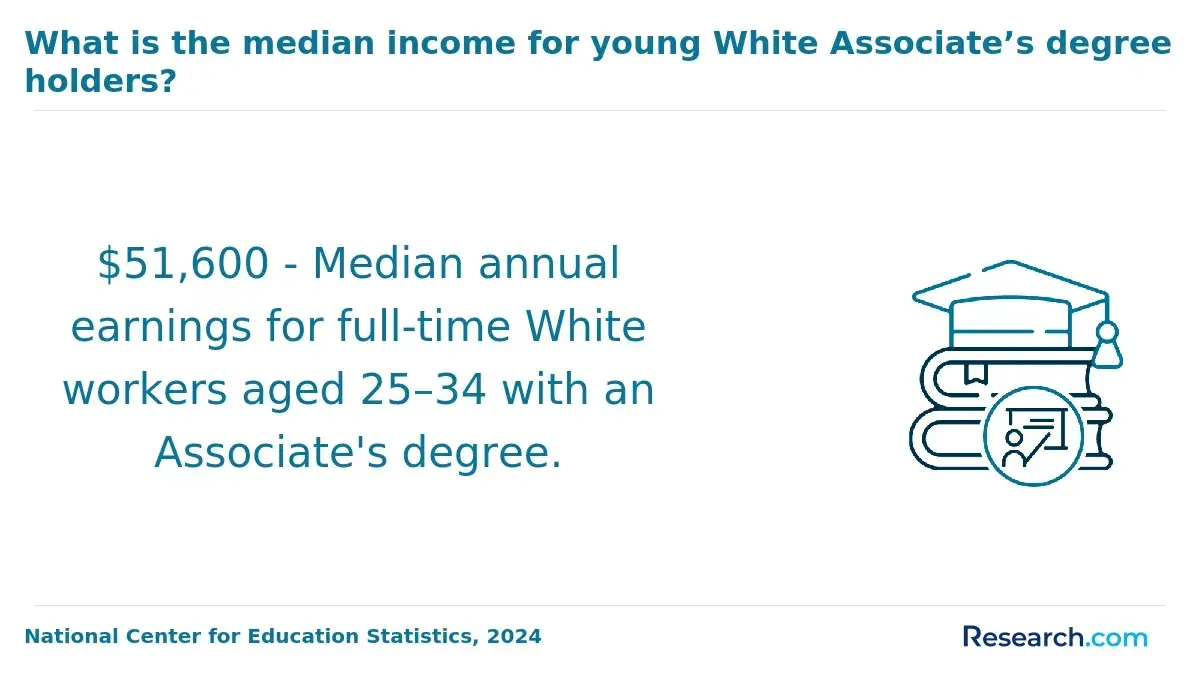
Wages in patient safety & quality vary substantially by degree level, influenced by complex factors such as role specialization, geographic market, and employer expectations. Entry-level credentials like certificates or associate degrees typically align with technician or coordinator roles, where salaries often fall between $40,000 and $55,000, but job stability can be limited and promotion pathways narrow.
Workers pursuing bachelor's degrees tend to access supervisory or analyst positions, earning roughly 20% more on the median—about $65,000 to $85,000—though navigating the transition may require strategic use of transfer credits and balancing work-study commitments. At advanced tiers, master's and doctoral holders frequently qualify for leadership or research roles with median earnings surpassing $95,000 and $110,000, respectively, yet these positions commonly demand significant prior experience, advanced certifications, and tolerance for longer educational timelines and often higher debt burdens.
Interpretation of pay differences must also consider employment volatility and professional advancement in real-world settings. For example, a working adult weighing a bachelor's degree against a yet more costly master's program should assess whether projected salary increments justify additional study duration and expense, especially if local employers emphasize practical experience or hold specific licensure standards. Regional salary variations of up to 25% further complicate planning, as higher urban wages often coincide with intensified job competition and credential inflation.
Understandably, many graduates leverage intermediary certifications to enhance marketability while continuing education incrementally. According to U.S. Bureau of Labor Statistics data from 2024, these employment and wage patterns not only reflect the scope of roles accessible but also underline the significance of combining formal education with hands-on skills and professional networking to improve both earnings and job security.
One patient safety & quality graduate recalled grappling with the decision to pursue a master's after completing a bachelor's amid conflicting advice. Seeing postings for patient safety officer roles that listed both master's degrees and multiple years of experience as preferred, they hesitated, uncertain if the sizable tuition and time commitment would pay off quickly enough. Conversations with employers highlighted that while a bachelor's afforded decent entry-to-mid-level opportunities, substantial pay raises and stability were often tied to advanced degrees coupled with certifications like CPHQ.
Ultimately, this informed a paced approach: focusing initially on gaining relevant experience while pursuing a part-time master's, balancing financial strain against long-term goal clarity—demonstrating the intricate tradeoffs learners face when evaluating how much patient safety & quality graduates earn across degree levels.
Which Patient Safety & Quality Degree Level Offers the Strongest Employment Prospects?
The strongest employment prospects in patient safety & quality are closely tied to degree level, with bachelor's degrees serving as a crucial threshold for stable entry and supervisory roles. Recent data from the U.S. Bureau of Labor Statistics indicates that about 92% of bachelor's graduates secure relevant employment within six months, compared to 75% for certificate holders, highlighting the premium employers place on comprehensive academic preparation.
While associate degrees and certificates offer quicker access to technician or support positions, these credentials often limit upward mobility, especially as more than 65% of management roles require at least a bachelor's degree due to the complexity of leadership and analytical responsibilities involved.
Master's degrees in patient safety & quality typically unlock specialized career pathways and leadership opportunities not as accessible at lower educational levels. These advanced programs frequently include training in risk management and healthcare informatics, which align with employer preferences for candidates equipped to handle data-driven decision-making and systemic quality improvement.
Additionally, certifications like Certified Professional in Healthcare Quality (CPHQ) are more commonly pursued alongside graduate credentials, further enhancing job security and salary potential. Conversely, doctoral degrees, while valuable for academic, research, and policy positions, usually entail longer timelines to employment and appeal to a narrower segment of the workforce.
For prospective students weighing immediate workforce entry against long-term prospects, the tradeoff is significant: lower-level credentials may facilitate rapid employment but often curtail advancement beyond technical roles, whereas bachelor's and graduate degrees support broader occupational access and resilience in a competitive market. Integrating internships and field experiences during these programs commonly strengthens employment outcomes, reflecting employer emphasis on applied skills.
Ultimately, decisions about pursuing advanced patient safety & quality education should factor in professional licensing demands, regional labor conditions, and personal career strategy rather than focusing solely on initial entry speed or credential cost.
Reputable universities with no application fee can reduce upfront barriers for students comparing degree options, particularly when applying to multiple programs. These schools may offer a more accessible starting point for students balancing education costs with long-term career goals.
What Entry-Level Jobs Can You Get With a Patient Safety & Quality Degree?
Entry-level patient safety and quality jobs generally present a clear divide based on degree attainment, with employers favoring bachelor's degree holders for roles involving data analysis, process improvement, or leadership potential. Associate degree graduates often find positions limited to coordination or compliance support, whereas a bachelor's degree typically opens access to more technically demanding roles. Given that roughly 65% of these openings in 2024 require at least a bachelor's degree according to the U.S. Bureau of Labor Statistics, students should weigh how degree level constrains not only immediate job eligibility but also initial exposure to skill development critical for advancement.
Internships and applied practicum experiences significantly enhance employability in patient safety and quality by providing practical knowledge of healthcare protocols and quality assurance systems. Graduates with such fieldwork are about 30% more likely to gain relevant employment within six months after graduation, underscoring the value employers place on real-world experience beyond academic credentials. While licensure is rarely mandatory at entry level, professional certification—such as the Certified Professional in Patient Safety—can distinguish candidates and facilitate progression from entry roles into supervisory or specialist functions.
Employers also prioritize transferable skills like critical thinking and communication, especially for candidates transitioning from related fields. Geographic factors influence role availability and the prevalence of remote or hybrid positions. Students considering advanced degrees or exploring options like an affordable online master's in healthcare administration should interpret early job prospects through the lens of employment stability and skill-building opportunities rather than immediate pay, as these foundational roles often serve as stepping stones rather than final career destinations.
How Do Patient Safety & Quality Degree Levels Affect Career Advancement and Promotion Opportunities?
Advanced degree levels in patient safety & quality directly shape promotion eligibility and the pace at which professionals access leadership and specialized roles. Employers frequently require at least a bachelor's degree for supervisory positions and often prefer master's or doctoral qualifications for strategic or compliance-focused responsibilities.
Data from the Integrated Postsecondary Education Data System indicates that individuals with graduate degrees typically move into senior roles faster than those holding only associate or bachelor's credentials, partly due to formal credential requirements set by both employers and certification bodies. For working adults balancing ongoing employment, programs offering flexible transfer credits can help mitigate career interruptions by allowing them to advance credentials without extended absences from their roles.
Compared to associate degree holders who usually remain in technical or entry-level posts longer, bachelor's graduates often reach supervisory roles more quickly, while master's degree holders tend to transition into management and leadership earlier in their careers. However, simply holding a higher degree does not ensure promotion; workplace recognition depends also on demonstrated skills in analytics, risk management, and leadership—competencies emphasized more in graduate curricula.
For military-affiliated students or prior college completers, the decision to pursue an advanced patient safety & quality degree hinges on balancing the credential's tangible impact on pay and role eligibility against time and financial investments, particularly as ongoing professional development becomes a driver of long-term occupational stability in healthcare quality settings.
One recent graduate recalled weighing whether a master's degree would substantively increase promotion opportunities in their hospital system, where many mid-level management roles mandated at least a bachelor's degree but preferred advanced credentials. They noted hesitation early on, uncertain if investing two more years would translate into meaningful advancement or higher pay.
Ultimately, the graduate found that while the degree opened doors to senior quality analyst roles, real progress depended on gaining both the credential and practical leadership experience, reflecting a cautious but optimistic view on advanced education's role in career momentum within patient safety & quality.
Is a Patient Safety & Quality Degree Worth It Based on Salary, Employment, and ROI?
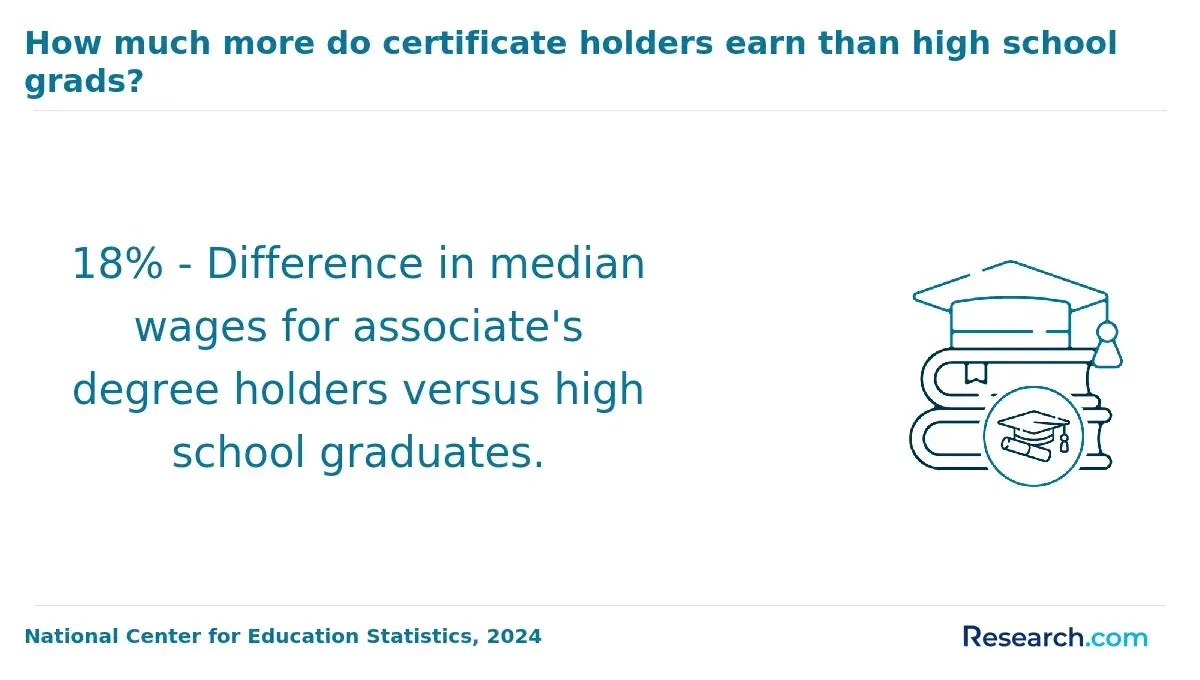
Salary and employment stability in patient safety & quality careers depend significantly on degree level and related credentials. While associate degrees or certificates can open entry points, they generally correspond to lower wages and limited advancement options, which affects early-career return on investment.
Professionals with bachelor's or master's degrees often secure higher pay, reflecting preference by employers for advanced credentials and certifications like Certified Professional in Healthcare Quality (CPHQ). This dynamic means adult learners and working professionals must assess the time and financial commitment against realistic wage growth, especially given regional labor market disparities where urban healthcare hubs offer better opportunities and compensation compared to rural areas.
Employment growth prospects for those in patient safety & quality remain above average due to regulatory pressures and the rise of value-based care models, supporting relatively secure career paths. However, managing opportunity costs is critical, particularly for students balancing work and study; part-time enrollment options and credit transfers can ease financial stress and time-to-completion challenges.
Prospective students should incorporate all attendance costs, including hidden fees and living expenses, to fully understand their investment and debt burden. For those seeking flexibility, a pathway like a medical assistant to LPN bridge program may represent a strategic alternative or complement to patient safety & quality degree programs focused on advancing employment outcomes.
Ultimately, decisions about pursuing a patient safety & quality degree should weigh the complex interplay of salary potential, credentialing requirements, career mobility, and local demand. While higher degree levels generally correlate with stronger pay and advancement, the real-world return on investment for patient safety & quality degrees varies widely depending on prior education, experience, and how well candidates navigate certification expectations and labor market conditions.
How Do Associate, Bachelor's, Master's, and Doctoral Patient Safety & Quality Degrees Compare?
Associate degrees in patient safety & quality typically offer a faster and more affordable pathway into entry-level positions, but they rarely provide access to supervisory roles or specialized functions crucial for long-term career growth. Many employers set a bachelor's degree as the minimum credential for managerial responsibilities, making the associate credential most suitable for those prioritizing immediate workforce entry or stacking credentials through credit transfers to bachelor's programs. This approach can serve workers seeking flexibility to build experience while gradually advancing their education without extensive upfront investment.
Bachelor's degrees expand career options by unlocking mid-level roles with greater complexity and responsibilities, including quality improvement and healthcare risk management. Completion rates hover around 60%, reflecting the moderate academic rigor required to gain these broader competencies. Although this credential enhances employability and specialization potential, the decision to pursue a master's should weigh the incremental benefits against tuition costs and the practical experience necessary for leadership tracks, where advanced degrees and certifications become increasingly influential.
Master's programs in patient safety & quality emphasize leadership preparation, research capabilities, and policy influence, supporting access to senior management and executive positions with higher earning potential. However, they also entail longer completion times and elevated debt burdens, which may not be justified for all candidates depending on their current role and career aspirations. Doctoral degrees, while less common and more demanding in time and resources, are essential for top-tier academic, research, and executive leadership roles, offering stability and prestige but limited labor market size.
Ultimately, students must balance the tradeoffs between educational investment, expected career returns, and the evolving credential demands of healthcare organizations when determining how far to pursue their studies in this field.
Which Industries and Employers Hire Patient Safety & Quality Graduates by Degree Level?
The hiring landscape for patient safety & quality graduates varies markedly by degree level, strongly influencing employer expectations and job responsibilities. Associate degree holders commonly occupy entry-level roles in hospitals, outpatient centers, and long-term care facilities, where the focus is on technical support, compliance monitoring, and data collection. Employers in these settings typically prioritize relevant certifications such as the Certified Professional in Healthcare Quality (CPHQ) alongside foundational education, meaning candidates reaching only this level should anticipate limited advancement without further education or experience.
Bachelor's graduates find broader access to positions within healthcare systems, insurance providers, and government health agencies that demand integration of clinical insight with quality improvement and risk management expertise. Hiring managers often seek candidates who combine technical skills with coordination abilities, reflecting increasing demand for quality management roles driven by tightening regulations and organizational accountability. For example, a bachelor's degree may open doors to mid-tier positions essential for driving compliance initiatives but often requires progression to master's-level education or specialized training for leadership tracks.
Master's and doctoral degrees significantly expand employability in leadership, analytics, research, and policy-oriented roles found in large hospital networks, federal agencies, and consulting firms. Graduates at these levels typically perform advanced project management, data-driven program development, and system-wide strategic planning. Doctoral holders especially engage in research and academic careers focused on evidence-based interventions and national standards, highlighting a tradeoff where investing in higher degrees entails more time and cost but yields access to influence organizational decision-making and shape industry frameworks.
Certificate programs, meanwhile, serve as targeted options for professionals aiming to upskill or pivot careers within specialized healthcare settings or quality measurement firms, though these credentials generally supplement rather than replace degree pathways.
What Skills, Credentials, and Experience Improve Patient Safety & Quality Career Outcomes?
Career advancement in patient safety & quality hinges less on degree titles alone and more on the strategic acquisition of relevant certifications, applied experience, and demonstrated leadership. For example, entry-level candidates who complement associate or bachelor's degrees with certified credentials such as those meeting patient safety & quality certification and licensure requirements typically enjoy faster employment placement.
Employers consistently value internships, military service, and quality management certifications as tangible evidence that candidates can navigate regulatory compliance and risk assessment, skills that directly affect readiness for frontline roles. Candidates lacking these credentials may face delayed hiring or need to invest extra time in on-the-job learning to compensate.
In mid- to senior-level roles, employers prioritize advanced skills in data analytics, electronic health record (EHR) proficiency, and process improvement frameworks like Six Sigma, making such competencies a practical prerequisite for promotion. Those who augment graduate degrees with leadership portfolios and research experience are better positioned for strategic decision-making roles. The interplay of stacking formal education with certifications and real-world experience critically influences mobility and pay scales, notably for professionals leveraging prior military or healthcare industry experience alongside new credentials.
Working adults and transfer students must weigh the opportunity costs of credentialing against demonstrated capabilities to optimize both short-term job access and long-term advancement. For a nuanced view of compensation trajectories within comparable healthcare support roles, the autopsy technician salary data offer useful contextual parallels to patient safety & quality positions.
Ultimately, patient safety & quality certification and licensure requirements represent a baseline rather than an endpoint; candidate portfolios showcasing technical aptitude combined with communication skills and specialized experience yield stronger outcomes. Associate degree holders often rely heavily on certifications and hands-on experience to offset limited academic breadth, whereas graduate degree holders gain leverage through applied research and leadership track records aligned with healthcare organizational priorities. This calibrated approach to credential stacking enhances screening success and aligns with how employers weigh proven capability versus credentials alone across various employment tiers.
Which Patient Safety & Quality Degree Level Is Best for Your Career Goals?
Selecting the appropriate patient safety & quality degree level shapes not only entry into the healthcare workforce but also long-term advancement and specialization opportunities. An associate degree typically grants faster workforce access suitable for technician or support roles where cost and time-to-employment are critical, but it limits career mobility and leadership prospects.
Working adults and military-affiliated students aiming for supervisory roles will find a bachelor's degree aligns better with employer expectations, especially in policy and risk management functions, and offers improved credit transfer pathways—factors that help balance affordability with completion odds. Data from the Bureau of Labor Statistics indicates employment rates for bachelor's credential holders surpass those with associate degrees by approximately 12%, underscoring this credential's prevalence in growth areas.
Master's degrees appeal most to candidates targeting advanced management, consulting, or academic roles requiring deeper research skills, though the longer duration and higher cost can increase opportunity costs and debt load. Given the rising graduate enrollment highlighted by IPEDS, institutions and employers signal a strong preference for this level in complex organizational settings, yet decision-makers must weigh these benefits against the potential need for part-time or accelerated options to sustain employment during study.
For learners considering shifting into clinical psychology or specialized research roles, exploring online PsyD programs accredited by APA may complement or extend patient safety & quality credentials by broadening licensure and career horizons. Degree choice significantly affects time-to-completion, transferability, and ability to meet employer credential thresholds, making it essential to map education plans to realistic career trajectories in this field.
References
- Career Paths https://healthsci.queensu.ca/hqprograms/programs/master-science-healthcare-quality/career-paths
- Quality/Patient Safety Jobs at Overlake https://www.overlakecareers.org/jobs/quality-patient-safety/
- LICQual Level 3 Certificate in Healthcare Quality and Patient Safety https://licqual.co.uk/licqual-level-3-certificate-in-healthcare-quality-and-patient-safety/
- 17 of the Best Entry-Level Careers in Healthcare https://credenzahealth.com/career-advice/17-of-the-best-entry-level-careers-in-healthcare
- IHI Patient Safety and Quality for Emerging Leaders https://www.ihi.org/learn/courses/patient-safety-and-quality-emerging-leaders
- Domain 5: Quality and Safety https://www.aacnnursing.org/essentials/tool-kit/domains-concepts/quality-and-safety
- Quality and Safety in Healthcare Jobs | Careers | HCI https://hci.care/careers/
- Top Skills and Certifications Needed to Land High-Impact Healthcare Roles | GHR Healthcare https://www.ghrhealthcare.com/blog/certifications-high-impact-healthcare-roles
- Highest Paid Public Health Careers https://www.publichealthdegrees.org/careers/highest-paid-public-health-jobs/
- The impacts of career ladder system for nurses in hospital https://www.elsevier.es/en-revista-enfermeria-clinica-35-articulo-the-impacts-career-ladder-system-S1130862119301081
Other Things You Should Know About Patient Safety & Quality
Graduates from programs with a strong focus on practical patient safety protocols and quality improvement methods tend to be favored by employers over those with broader but less specialized curricula. Specialized coursework that involves hands-on projects or real-world data analysis better prepares students for the technical demands of the field. For those aiming at roles deeply embedded in operational safety or accreditation processes, prioritizing program specificity can substantially enhance employability and earlier career impact.
While online and part-time degrees offer flexibility for working professionals, the tradeoff often lies in networking opportunities and hands-on learning experiences. Employers in patient safety & quality frequently value direct collaboration skills and practical exposure, which can be more limited in remote or asynchronous formats. Prospective students who already work in healthcare settings may find online options sufficient if supplemented with workplace experience, but those entering the field fresh should weigh the potential slower advancement pace relative to full-time in-person programs.
Many employers prioritize demonstrated experience in patient safety roles alongside educational credentials, especially at the bachelor's and master's levels. A higher degree alone does not guarantee faster job placement without relevant internships, certifications, or demonstrated quality improvement projects. Students should focus on programs that integrate practicums or employer partnerships to bridge this gap, as purely academic credentials may underdeliver in competitive job markets.
For professionals already employed in related healthcare environments, accelerating degree completion can be advantageous to minimize career interruption and capitalize on existing job networks. However, this approach risks sacrificing comprehensive training in complex quality measurement tools and leadership skills essential for higher-level roles. If advancement into management or specialized patient safety analysis is a goal, investing time in a more thorough curriculum may yield greater long-term returns despite slower completion.