2027 Online vs Campus Library Science Outcomes Report: Graduation Rates, Cost, and Career Trade-Offs

Co-Founder and Chief Data Scientist
Adult learners and transfer students pursuing library science often face complex decisions about credit transfer limits that can extend time-to-degree beyond initial projections. A 2024 national survey found that only 62% of institutions accept more than 50% of transfer credits for library science programs, underscoring a shift toward stringent credit evaluation that slows graduation and increases indirect costs.
This trend reflects mounting institutional caution to balance academic rigor with accessibility, affecting degree completion efficiency for non-traditional students. This article analyzes graduation rates, total cost implications, and career trade-offs between online and campus-based library science programs to aid pragmatic decision-making.
Key Things to Know About Online vs Campus Library Science Outcomes
- Online library science programs show a 15% lower graduation rate than campus programs, reflecting challenges with self-paced structures that delay credential completion and affect time-to-entry in the workforce.
- Employer surveys from 2024 reveal a subtle bias favoring campus graduates for roles requiring hands-on archives and reference desk experience, signaling tangible career trajectory impacts linked to program modality.
- Despite higher tuition transparency and no relocation costs, total expenses for campus programs often include hidden costs like commuting and lost work income, influencing affordability decisions beyond sticker price comparisons.
- Key Things to Know About Online vs Campus Library Science Outcomes Key Things to Know About Online vs Campus Library Science Outcomes
- What Are the Biggest Differences Between Online and Campus Library Science Program Outcomes? Online vs Campus Outcomes
- How Do Graduation Rates Compare Between Online and Campus Library Science Programs? Comparing Graduation Rates
- Why Do Online and Campus Library Science Students Have Different Completion Rates? Why Completion Rates Differ
- How Do Online and Campus Library Science Programs Compare on Total Cost? Total Cost Comparison
- What Hidden Costs Should Students Expect in Online vs Campus Library Science Programs? Hidden Program Costs
- How Does Financial Aid Affect the Cost of Online and Campus Library Science Programs? Financial Aid Impact
- Do Online and Campus Library Science Graduates Have Different Career Outcomes? Comparing Career Outcomes
- How Do Employers View Online vs Campus Library Science Degrees? How Do Employers View Online vs Campus Library Science Degrees?
- Which Library Science Degree Format Offers Better Flexibility for Working Adults? Which Library Science Degree Format Offers Better Flexibility for Working Adults?
- How Should Students Choose Between an Online and Campus Library Science Program? Choosing Your Program Format
What Are the Biggest Differences Between Online and Campus Library Science Program Outcomes?
Graduation rates in online versus campus library science programs reveal critical differences that directly affect student persistence and time-to-completion. Campus programs typically achieve around a 68% graduation rate, while online formats lag near 54%, largely due to the higher prevalence of part-time enrollment and external responsibilities among online learners. This gap reflects a real tradeoff between the flexibility online study offers and the structured, immersive environment that campus students experience, including direct access to faculty, peer cohorts, and hands-on practicums essential for mastering library science competencies.
Cost trade-offs are equally nuanced; while advertised tuition for online library science programs may appear lower, total expenses often rise when factoring in fees, technology needs, and occasional travel to in-person practicums, narrowing the financial advantage. The U.S. Department of Education's College Scorecard notes that online students frequently carry higher debt loads due to extended enrollment duration and limited institutional financial aid. These extended timelines and financial pressures can impact career mobility post-graduation, as employers increasingly recognize accredited online credentials but may remain cautious of graduates who lack campus-based experiential learning.
Prospective students weighing online versus campus formats must consider how program design influences completion timelines, employer perceptions, and practical career preparation. The trade-offs between geographic flexibility and access to networking or internship opportunities are pivotal in shaping outcomes within library science pathways. For working adults balancing commitments, links to resources like online PharmD programs illustrate how specialized online education can provide models of rigorous, career-aligned distance learning, though library science often demands more integrated local fieldwork, underscoring the importance of strategic format selection.
How Do Graduation Rates Compare Between Online and Campus Library Science Programs?
Graduation rates for library science programs vary notably by delivery format, but these differences largely reflect the contexts in which students enroll rather than educational quality alone. Traditional campus programs report graduation rates near 68% within 150% of the expected time, according to 2024 data from the National Center for Education Statistics, while fully online programs often see rates between 45% and 55%. Part-time enrollment, adult learner responsibilities, and less rigid cohort structures in online programs contribute to these gaps. Unlike campus-based students who typically enroll full-time and benefit from face-to-face advising and structured peer communities, many online learners balance coursework with work and family, increasing stop-out risk and complicating on-time completion.
Interpreting these statistics requires understanding program design and student circumstances rather than relying on raw graduation numbers. Online programs often adopt more accessible admissions and flexible pacing, which can extend completion timelines but also accommodate diverse life situations. Student persistence is closely tied to the quality of academic support and faculty engagement, and programs that proactively foster interaction help mitigate isolation and time management challenges common to remote learners. Employers increasingly recognize that graduation timelines reflect personal and structural factors, not simply academic rigor, making nuanced decision-making essential for those weighing online versus campus formats.
One recent library science student, weighing the choice between a local university's campus program and a fully online option from a reputed institution, struggled with concerns about staying on track without the daily structure offered by in-person cohorts. Working part-time and managing family duties, the student hesitated over online advising consistency and worried that less synchronous interaction might undermine timely progress. After speaking with current students and reviewing completion patterns, they appreciated how the campus program's cohort model provided predictable pacing and peer accountability, despite the commuting demands. This contrast illuminated the practical trade-offs behind graduation statistics, shaping a decision grounded in fitting educational structure to personal circumstances rather than assuming one format's inherent advantage over the other.
Why Do Online and Campus Library Science Students Have Different Completion Rates?
Differences in graduation rates between campus and online library science students often reflect deeper variations in student circumstances and program structures rather than inherent academic quality. Campus students typically experience a regimented, cohort-based curriculum with steady pacing and direct faculty interaction, which encourages progression and reduces attrition. In contrast, online learners are more likely to enroll part-time while balancing full-time employment and family duties, leading to extended timeframes and a higher incidence of stop-outs; for instance, recent data from the National Center for Education Statistics shows online program stop-out rates can surpass 30% versus 15-20% for campus cohorts.
Access to academic advising and support services further distinguishes outcomes, as campus-based students benefit from more frequent and comprehensive guidance that supports retention. The asynchronous and flexible nature of many online programs often comes at the cost of reduced peer connection and limited real-time feedback, which can hamper student engagement and persistence. Online cohorts also represent a wider demographic range, including older adults and geographically dispersed learners, who may require tailored advising to navigate complex financial aid systems and course requirements effectively.
These disparities highlight critical trade-offs for prospective library science students weighing mode of study. Those with stable schedules and a preference for structured progression may find campus programs better aligned with their likelihood of timely completion. Conversely, students prioritizing flexibility must realistically assess their capacity to remain consistently enrolled and seek out strong virtual advising resources to mitigate risks linked to stop-outs and part-time status. Interpreting graduation statistics in light of these factors provides a more actionable perspective on educational outcomes than raw percentages alone.
How Do Online and Campus Library Science Programs Compare on Total Cost?
Cost comparisons between online and campus library science programs require looking beyond base tuition since many institutions layer on fees that narrow apparent savings. Public campus programs often charge significantly lower in-state tuition compared to out-of-state rates, a factor online formats typically do not reflect due to flat-rate pricing regardless of residency.
Additionally, campus students face mandatory fees, sometimes exceeding $2,000 annually, and must budget for commuting or housing expenses that can easily total $8,000 to $15,000 per year. Online learners generally save on these living costs but incur technology fees and potential travel expenses related to fieldwork placements, making total cost differences less clear-cut than advertised tuition disparities suggest.
Differences in average tuition and fees for online versus campus library science degrees also affect student timelines and financial planning. Online formats offer flexibility that supports continuous employment but may involve longer completion periods if balancing work and study, influencing overall debt accumulation and return on investment. Campus programs often provide more access to employer tuition assistance, which many working adults rely on to offset costs, while online students might find such support less accessible.
Prospective students should weigh these tradeoffs carefully, considering both upfront expenses and downstream financial aid impacts-decisions that significantly shape net cost and career trajectory. For insights on education costs in allied disciplines, exploring resources like the cheapest online nursing PhD programs offers useful parallels and context.
What Hidden Costs Should Students Expect in Online vs Campus Library Science Programs?
Choosing between online and campus-based library science programs requires scrutiny beyond tuition figures, as hidden costs often shape the financial and practical feasibility of each path. For instance, online students routinely encounter technology fees ranging from $100 to $300 per semester to cover software licenses and proctoring, expenses less visible but recurring with every term. Conversely, campus learners face consistent commuting and parking costs that average over $1,200 annually, with additional housing expenses that can exceed $10,000 if relocation is necessary. These indirect expenditures, along with expenditures for field placements-such as transportation and certification fees-complicate budget planning and may offset the apparent affordability of one format over the other. Moreover, clinical or practicum components common to both modalities sometimes require unexpected travel or time off work, directly affecting income and extending the time to degree completion.
Financial aid disparities also weigh heavily on total costs; online students often qualify for less robust funding due to residency rules or enrollment status, while campus students face scheduling constraints that can reduce work hours and increase opportunity costs. Employers typically value flexible skill sets but also expect graduates to have hands-on experience, making format choice consequential for professional readiness. A prospective student balancing a mid-career job and family obligations must therefore weigh these tradeoffs, as rigid campus schedules may limit employment, whereas online programs might generate unforeseen fees or require occasional travel, complicating both finances and time management.
A graduate recalled grappling with the hidden expenses of an online library science master's program that advertised lower tuition but imposed sizeable proctoring fees and required specialized software purchases not initially disclosed. Balancing these costs against a local campus program, the student hesitated when calculating travel expenses for mandatory onsite practicums and parking. Ultimately, the cumulative impact of technology fees and sporadic campus visits challenged the initial assumption that online study would be less costly, illustrating the nuanced financial calculus required before committing to either format.
How Does Financial Aid Affect the Cost of Online and Campus Library Science Programs?
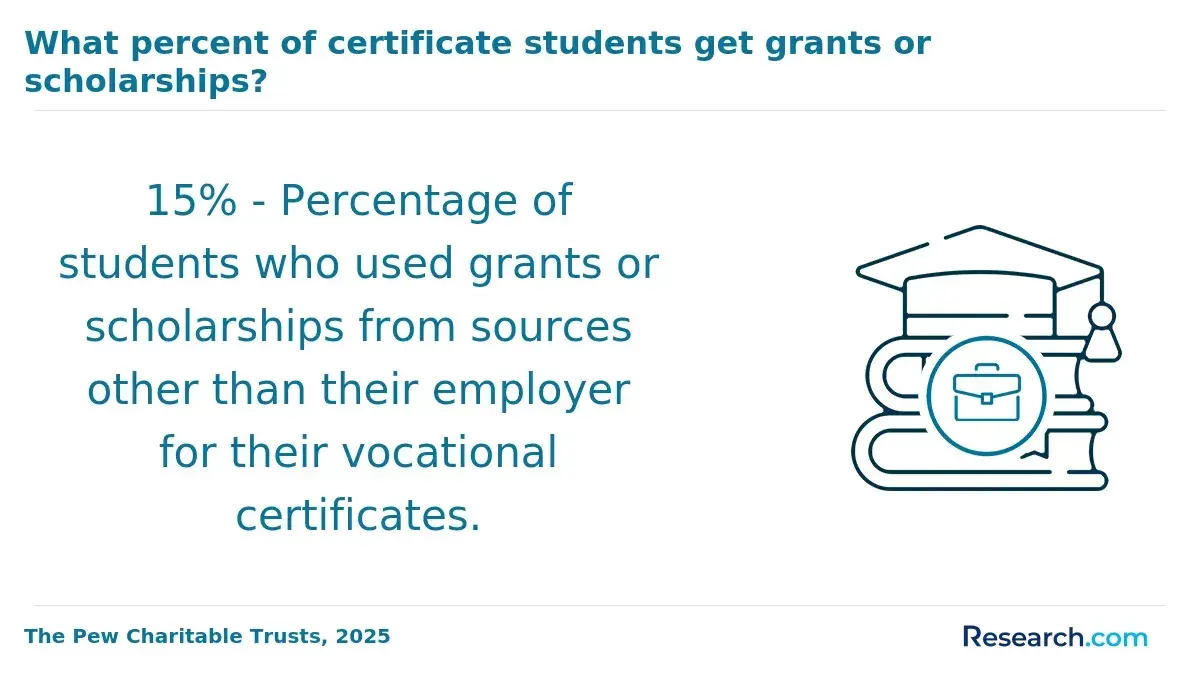
Financial aid impacts the net cost of library science degrees in ways that directly shape student decision-making about program format. Campus library science program financial aid eligibility and benefits often favor traditional enrollees, who can access scholarships tied to residency criteria and engage in assistantships or work-study roles that reduce out-of-pocket expenses while gaining experience.
However, these opportunities come with added living costs and sometimes stricter full-time enrollment requirements, which can increase borrowing needs despite aid. For an employed professional balancing work and study, online programs may offer employer tuition benefits that significantly offset tuition charges, though these students might face technology fees and fewer institutional grants.
Part-time enrollment, more common in online library science programs, shifts financial aid dynamics-federal loan eligibility and cumulative debt typically differ from full-time campus peers. The longer timeline required for part-time learners influences total interest paid and loan repayment strategies, adding complexity to cost-benefit analyses. Evaluating aid packages should therefore include factors such as tuition charges, enrollment intensity, and fee structures that vary by mode.
Students comparing pathways need to factor in how residency-linked scholarships, employer tuition reimbursement, and aid packaging affect net cost and borrowing decisions, which ultimately influence not only affordability but also progress to graduation. Directly comparing campus versus online financial aid scenarios, including those outlined in online medical assistant programs examples, sharpens financial planning for prospective library science students under real-world constraints.
Do Online and Campus Library Science Graduates Have Different Career Outcomes?
Employment outcomes for graduates of online and campus library science programs show close alignment, with recent data from the National Center for Education Statistics in 2024 indicating about an 82% employment rate within six months of graduation for both. However, some employers still weigh campus experience more favorably due to the tangible networking and internship opportunities that in-person programs often provide, which are critical in a field where practical exposure and professional connections can heavily influence job prospects. For instance, a student attending a campus program may benefit from facilitated placements and mentorship that online peers must pursue independently, affecting initial job market entry.
Credentialing and licensure pathways remain consistent across formats since ALA accreditation ensures graduates meet the same qualification standards regardless of delivery mode. The transcript does not typically distinguish an online degree from a campus one, preserving formal eligibility for roles requiring certifications such as the Certified Public Library Administrator. That said, career mobility and advancement frequently depend more on the reputation of the institution and program quality than on whether a degree was earned online or on campus.
Additionally, online study's flexible scheduling can enable working professionals to gain relevant experience concurrently, while campus programs may offer stronger regional networks beneficial to local employment. Cost considerations further differentiate paths, with online options often presenting 20-30% tuition savings, influencing long-term financial stability without sacrificing credential validity.
How Do Employers View Online vs Campus Library Science Degrees?
Employers assessing Library Science degrees increasingly focus on factors beyond whether the credential was earned online or on campus, with accreditation and program rigor playing decisive roles. According to a 2024 survey by the National Association of Colleges and Employers, 68% of employers rate online degrees from regionally accredited institutions as equally credible to traditional campus degrees. Yet, distinctions arise when considering program reputation, selectivity, and the inclusion of experiential learning components like internships or practicums, which often weigh more heavily than the delivery format in real hiring scenarios. For example, a hiring manager at a mid-sized public library might favor a candidate whose degree included a structured internship over another from a similarly accredited program lacking practical experience, regardless of whether their study was online.
Online program formats may sometimes face skepticism if diplomas or transcripts explicitly denote exclusive online study, potentially signaling less opportunity for hands-on collaboration or networking-elements that can be crucial for early-career applicants. However, where candidates demonstrate strong competencies through applied projects or documented work experiences, employers tend to prioritize those outcomes over the modality of education. In fields where the ALA accreditation and institutional reputation are well recognized, employers show increasing willingness to weigh professional performance and continuing education more than traditional campus attendance, aligning with workforce data that promotion paths often correlate with on-the-job skills rather than degree format.
Consequently, students evaluating Library Science programs should factor in how well a program's practical training matches employer expectations and the industry norms of their target job market. Institutional prestige and program selectivity still influence trust, but graduates' visible skills and internship experiences can noticeably bridge perceived gaps associated with online delivery. This nuanced employer perspective underscores that graduation outcomes and career trade-offs depend more on how education translates into demonstrated professional readiness than on where it was earned.
Which Library Science Degree Format Offers Better Flexibility for Working Adults?
Flexibility in library science degree programs for working adults hinges less on format alone and more on how scheduling constraints and practical requirements align with individual responsibilities. Online programs typically allow asynchronous study, enabling learners to fit coursework around variable shifts or caregiving duties, a crucial factor given that 65% of adult learners favor this model.
However, many online options still require synchronous sessions or in-person residencies, complicating planning for professionals who cannot easily commit to fixed dates. Conversely, campus-based programs often demand regular attendance during business hours and offer fewer opportunities for part-time pacing, risking conflicts with employment and increased commute costs that can delay graduation or increase financial strain.
These differences materially impact persistence and career continuity. Working adults pursuing campus options may benefit from structured cohort support and more direct faculty engagement but face higher dropout risks if job or family demands disrupt their schedules. Online learners generally enjoy more lenient stop-out and transfer policies, allowing extended completion timelines without jeopardizing enrollment; however, IPEDS data shows a 7% lower completion rate for online students, indicating challenges in sustained engagement without physical community anchors.
For those weighing online versus campus library science options for adult learners, considering how practicum timings, synchronous requirements, and cohort structures affect both pacing and cost is essential. Selecting programs that align with one's real-world constraints can prevent interruptions that delay credentialing and entry into employer networks familiar with traditional formats. Working adults should also consider financial impact carefully, exploring options like employer tuition support that increasingly recognize online credentials and can help manage costs alongside demanding schedules.
Moreover, programs vary widely in practical demands, making it wise to compare specific schedules and support services rather than assume uniform flexibility. For example, those seeking the most manageable financial options within flexible library science degree programs for working adults might benefit from researching the cheapest PMHNP certificate programs model for pricing insight, though not directly related, as analogous affordability patterns often apply across fields. Ultimately, adult learners must navigate these tradeoffs carefully, balancing workforce realities against program policies to secure timely graduation and meaningful engagement in their chosen career path.
How Should Students Choose Between an Online and Campus Library Science Program?
Graduation rates, cost, and career readiness are vital in weighing online vs campus library science program outcomes. Campus programs report graduation rates near 65%, outperforming online rates around 50%, a gap reflecting differences in academic oversight, persistence challenges, and access to hands-on resources. For example, a student juggling family and work might thrive in an online format's flexibility but face greater risk of delayed completion or gaps in practicum experiences valued by employers. Conversely, campus programs offer structured course sequencing, direct faculty mentoring, and internship opportunities that can enhance networking and early career mobility-factors crucial in fields where employer perceptions still favor tangible, face-to-face experience.
Cost comparisons show campus library science master's programs average around $30,000 total attendance, while online formats often reduce direct costs by 25-40%, though expenses for technology and reliable internet add complexity to affordability calculations. Students choosing between formats should assess how schedule flexibility and program accreditation align with professional licensure and career goals, since some states require specific experiential components not easily replicated online. These trade-offs influence not only immediate expense or convenience but long-term employability and career access. Individuals interested in broadening foundational knowledge might also look at links like online sociology degree bachelors programs to understand evolving trends in online education delivery.
Ultimately, choosing the best library science program format depends on aligning personal learning styles and life circumstances with workforce realities and institutional support systems. Campus environments suit those seeking structured peer interaction and hands-on learning labs, while online offerings demand strong self-discipline but provide critical scheduling latitude. Students must weigh how these factors impact persistence, opportunity costs, and practical workforce integration to make an informed decision about online vs campus library science program outcomes.
References
- Cheapest Master's in Library Science Programs (MLIS) https://www.mastersinlibraryscience.org/resources/cheapest/
- Online MLIS Flexibility, Community, and Choice https://www.libraryjournal.com/story/online-mlis-flexibility-community-and-choice
- Most Affordable MLIS Programs Online, Updated for 2025 https://www.librarysciencedegrees.org/programs/online/most-affordable-mlis
- Master's Degrees in Librarianship Online & Campus Based https://librarysciencedegreesonline.org/masters-degree-in-librarianship/
- Online vs in-person study: which one is right for you? https://www.ube.ac.uk/whats-happening/articles/online-vs-in-person-learning/
- Online vs. On-Campus Library and Information Science Programs in India https://lis.somaiya.edu/en/blog/online-vs-on-campus-library-and-information-science-programs-in-india/
- Are online MLIS degree-holders “less than?” https://meredith.wolfwater.com/wordpress/2015/06/22/are-online-mlis-degree-holders-less-than/
- Online vs. In-Person Library Science Programs https://www.librariancertification.com/online-vs-in-person-library-science-programs/
- On-Campus vs Online Study in the UK: Which is More Expensive? https://bsmsedu.org.uk/on-campus-vs-online-study-in-the-uk-which-is-more-expensive/
- How Employers View Online Degrees: Interviews with Nine Hiring Executives https://www.onlineeducation.com/features/how-employers-view-online-degrees
Other Things You Should Know About Library Science
Campus-based library science programs often provide more direct access to hands-on experiences such as working in physical archives, libraries, or special collections, which are critical for developing practical skills. Online programs usually rely on virtual simulations or remote projects, which can limit tactile engagement and peer collaboration. This means that students prioritizing experiential learning and networking in physical settings might benefit more from campus programs, while online learners should be proactive in seeking additional practical opportunities outside their coursework.
Yes, networking dynamics differ noticeably; campus programs naturally facilitate face-to-face mentorship and informal connections with faculty and peers, benefiting career-building. Online students often need to make deliberate efforts to engage through virtual office hours and digital communities, which can be less spontaneous and harder to sustain. Prospective students who highly value mentorship and immediate professional networking should consider the campus experience as potentially more advantageous, though online options with structured networking components can mitigate this gap.
Online programs offer greater flexibility, which helps working adults schedule study around job and family responsibilities, but this flexibility requires strong self-discipline to avoid procrastination. Campus programs provide more fixed schedules, which can help maintain consistent study habits but may be harder to reconcile with work commitments. Working adults should assess their time management skills honestly and choose the format that aligns with their lifestyle; those struggling with self-motivation might find campus attendance a better structure.
While online degrees in library science increasingly enjoy recognition, some employers and specialized roles may still prefer candidates from campus programs due to perceived rigor and in-person experience. Graduates of campus programs often report broader alumni networks and deeper industry contacts, which can influence career advancement. For students targeting competitive library sectors or leadership roles, the campus route may offer a slight edge; however, online graduates can overcome this by focusing on certifications, practical experience, and networking.