2027 Nurse Executive Leader Career Outcomes by Degree Level Report: Pay, Employment, and Advancement Patterns

Co-Founder and Chief Data Scientist
This article analyzes pay, employment, and advancement trends by degree level to clarify career outcomes for nurse executive leader students.
Key Things to Know About Nurse Executive Leader Career Outcomes by Degree Level
- Master's degree holders secure 45% more leadership roles than those with bachelor's, reflecting employer preferences for advanced credentials in managerial staffing decisions, affecting career trajectory planning.
- Associate degree graduates face limited upward mobility, with 2024 labor data showing under 20% transition to executive ranks, highlighting the credential ceiling impacting long-term advancement.
- Doctoral and certificate programs demand higher time and financial investment but offer specialized expertise; this tradeoff narrows job-market entry to roles valuing niche skills over broad administrative tasks.
- Key Things to Know About Nurse Executive Leader Career Outcomes by Degree Level Key Things to Know About Nurse Executive Leader Career Outcomes by Degree Level
- What Career Outcomes Can Students Expect From Each Nurse Executive Leader Degree Level? Career Outcomes by Degree
- How Much Do Nurse Executive Leader Graduates Earn by Degree Level? Salary by Degree Level
- Which Nurse Executive Leader Degree Level Offers the Strongest Employment Prospects? Best Degrees for Employment
- What Entry-Level Jobs Can You Get With a Nurse Executive Leader Degree? Entry-Level Career Opportunities
- How Do Nurse Executive Leader Degree Levels Affect Career Advancement and Promotion Opportunities? Career Growth by Degree
- Is a Nurse Executive Leader Degree Worth It Based on Salary, Employment, and ROI? Salary, ROI, and Value
- How Do Associate, Bachelor's, Master's, and Doctoral Nurse Executive Leader Degrees Compare? Comparing Degree Levels
- Which Industries and Employers Hire Nurse Executive Leader Graduates by Degree Level? Which Industries and Employers Hire Nurse Executive Leader Graduates by Degree Level?
- What Skills, Credentials, and Experience Improve Nurse Executive Leader Career Outcomes? What Skills, Credentials, and Experience Improve Nurse Executive Leader Career Outcomes?
- Which Nurse Executive Leader Degree Level Is Best for Your Career Goals? Choosing the Right Degree
What Career Outcomes Can Students Expect From Each Nurse Executive Leader Degree Level?
Career outcomes for nurse executive leader graduates vary sharply by degree level, with each credential shaping employment access, leadership readiness, and advancement trajectories in distinct ways. Associate and certificate-level qualifications often function as entry points, positioning graduates for support or supervisory roles but limiting direct leadership opportunities unless supplemented with clinical experience or further education.
In contrast, bachelor's degrees align more closely with employer expectations for administrative roles that combine evidence-based management and operational oversight, making these graduates competitive for mid-level management positions. According to the U.S. Bureau of Labor Statistics, demand continues to favor healthcare managers holding at least a bachelor's degree, underscoring the need for clear transfer planning and strategic credit use to minimize time investment for adult and military-affiliated learners moving through foundational programs.
At the master's level, the substantially expanded curriculum in nursing leadership or healthcare administration equips graduates for upper-tier management roles such as director of nursing or chief nursing officer, embedding critical competencies in health policy, financial oversight, and strategic planning. These programs often offer flexible completion models facilitating progression without interrupting employment, a practical consideration for working professionals balancing career and education.
Doctoral degrees, meanwhile, cater to those targeting the pinnacle of executive leadership, research, or academic roles, though the longer time-to-degree and higher costs necessitate deliberate weighing of employer expectations and long-term mobility benefits. Certification, such as the Nurse Executive (NE-BC) credential, remains an essential complement across degree levels, enhancing professional differentiation and aligning with advancement patterns observed in employment and salary outcomes for nurse executive leader graduates.
Those evaluating degree options may also consider that accelerated healthcare administration degree programs online can provide a pragmatic pathway to advance without significant employment disruption.
How Much Do Nurse Executive Leader Graduates Earn by Degree Level?
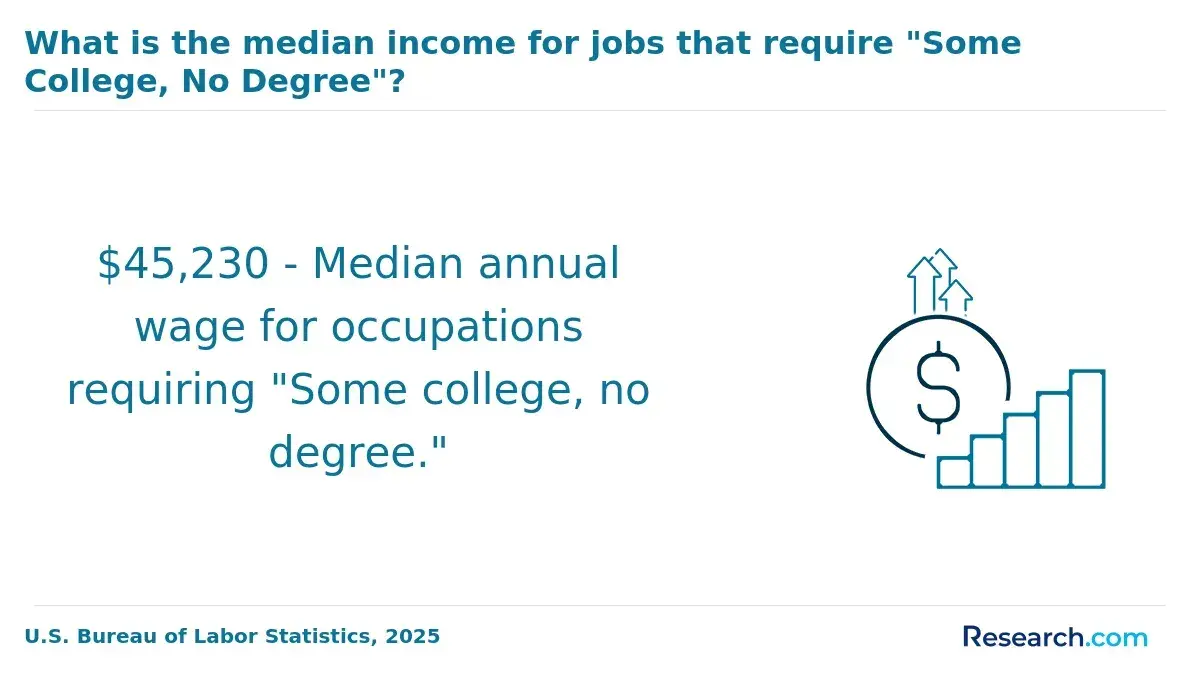
Earnings for nurse executive leader graduates shift markedly by credential level, shaped by employer expectations that link higher pay to expanded leadership responsibilities and specialized expertise. Median salaries reported by the U.S. Bureau of Labor Statistics in 2024 show entry-level professionals with associate degrees or certificates often earn around $70,000, while those holding master's or doctoral degrees typically surpass $110,000. However, this gap must be weighed against the additional years, costs, and potential lost income associated with advanced degrees, especially for working adults balancing career progression and personal obligations. Employers frequently require graduate degrees for senior roles such as director or chief nursing officer, where strategic management and policy skills influence salary, but bachelor's degree holders may face higher unemployment rates and limited upward mobility compared to their graduate-educated peers.
Beyond headline salary differences, employment stability and career advancement opportunities tend to improve with graduate education, a critical consideration for those evaluating transfer credits or part-time study options. Nurse executive leader graduates with only certificates or associate credentials often encounter bottlenecks moving beyond mid-level management, necessitating further education for long-term growth. Regional healthcare market demand and specialization areas like healthcare informatics also shape earnings, underscoring that graduates must consider local employer needs and credential recognition. Understanding these dynamics allows prospective students, including military-affiliated learners and degree completers, to make informed choices about investing in higher credentials versus entering the workforce sooner with more limited roles and compensation.
One graduate recalled hesitating before committing to a master's program, having initially planned to enter leadership immediately following a bachelor's degree. After reviewing local job postings and discussing with nursing directors, the student realized that top executive positions consistently required a master's degree coupled with administrative experience. Although the extended time and tuition felt daunting, the graduate noted relief in having concrete data on salary ranges and job stability, which helped recalibrate expectations and justify the investment as a practical step rather than an abstract credential pursuit.
Which Nurse Executive Leader Degree Level Offers the Strongest Employment Prospects?
Advanced degrees such as master's or doctoral programs offer the strongest employment prospects for nurse executive leaders, reflecting employer preferences for comprehensive expertise in healthcare management. While associate degrees or certificates may allow quicker entry into the workforce, their holders frequently face limited access to leadership roles due to credential inflation and specific licensure requirements, including certifications like Nurse Executive-Board Certified (NE-BC). For example, a bachelor's-prepared nurse executive might secure a mid-level management position within a flexible state market, but advancing to senior executive roles with commensurate pay typically requires graduate-level education combined with leadership experience.
Employment and career progression diverge notably in this field. Those with master's degrees benefit from both lower unemployment rates-under 1.5% according to the 2024 BLS Occupational Outlook-and greater mobility to attain positions such as Chief Nursing Officer. Conversely, nurses with only bachelor's degrees often encounter ceilings that hinder salary growth and promotion without further study. Practical work experience remains essential at all levels, but graduate programs that include clinical internships or administrative residencies provide vital hands-on exposure, enhancing both immediate employability and long-term advancement potential.
Regional labor markets introduce important variability: some systems prioritize experience over advanced credentials, occasionally opening leadership paths for bachelor's degree holders with significant clinical tenure. Nonetheless, the prevailing national trend favors higher academic qualifications to meet complex organizational demands and regulatory standards. Prospective students must weigh the tradeoff between entering the workforce earlier with a lower credential and investing additional time and resources to obtain graduate education that substantially expands leadership opportunities and long-term stability in nurse executive roles.
What Entry-Level Jobs Can You Get With a Nurse Executive Leader Degree?
Entry-level job opportunities for nurse executive leader graduates vary significantly based on the degree attained, licensure, and prior healthcare experience. Bachelor's degree holders often find their options limited to supervisory roles that still demand active clinical engagement, whereas those with master's degrees are more frequently considered for positions emphasizing operational management, budgeting, and policy implementation. The distinction matters because several advertised "entry-level" roles in this field actually expect candidates to bring practical leadership experience, which many programs now address by embedding internships or residencies. According to the National Center for Education Statistics (2024), programs with robust practicum components significantly improve graduate placement rates in these initial leadership positions, underscoring the growing employer expectation for hands-on, transferable skills such as conflict resolution and team coordination.
Interpreting nurse executive leader entry-level job opportunities requires understanding that some roles serve more as transitional pathways than definitive career entries. Many healthcare employers offer structured onboarding and mentorship for new graduates, reflecting the reality that demonstrable leadership ability often evolves on the job rather than through formal education alone. Geographic location also affects role availability, with urban hospitals generally providing broader leadership openings and formal development programs compared to rural areas where clinical and managerial duties frequently overlap. For students weighing degree costs against potential employment outcomes, resources detailing the cost of RN to BSN programs offer practical context for planning educational investments alongside career ambitions.
How Do Nurse Executive Leader Degree Levels Affect Career Advancement and Promotion Opportunities?
Advanced degree attainment plays a critical role in shaping promotion timelines and leadership eligibility for nurse executive leaders, with master's and doctoral credentials often accelerating access to senior management roles. According to 2024 labor market data from Lightcast, nurse executive leaders with graduate degrees experience promotion rates roughly 30% faster than those without, reflecting employer preferences for candidates demonstrating mastery in strategic management and healthcare policy.
Employers frequently embed formal credential requirements, such as a master's degree minimum, into job descriptions for executive positions, making higher education not just advantageous but sometimes mandatory. Conversely, those with associate or bachelor's degrees may rely more heavily on clinical experience and specialized certificates, which can suffice in smaller or less hierarchical healthcare settings but typically limit upward mobility in large organizations with strict credentialing standards.
For working professionals or adult learners considering mid-career advancement, degree completion programs that offer transfer credits and flexible formats can bridge experience with needed qualifications, enhancing leadership readiness without sacrificing employment. However, it remains essential to evaluate if additional education will translate into improved role eligibility or just extend timelines, since some employer-specific training and demonstrated operational competency occasionally offset the absence of advanced degrees. The decision to pursue a master's or doctoral path often intersects with workforce demand for evidence-based decision-making and fiscal oversight skills, which influence promotion decisions and internal mobility within healthcare systems undergoing rapid regulatory changes.
One nurse executive leader candidate reflected on her experience deciding whether to pursue a master's degree after years of clinical leadership. Although initially hesitant due to workload and tuition costs, she recognized that her hospital's senior leadership openings required a graduate degree and preferred candidates with demonstrated strategic financial skills taught in such programs. She found that completing the degree not only fulfilled credential prerequisites but also boosted her confidence in applying for broader supervisory roles, especially as her facility expanded care coordination teams that demanded more complex organizational oversight. The process reinforced her view that for her environment, graduate education was less a luxury and more a pathway to maintaining competitiveness and meeting evolving employer expectations.
Is a Nurse Executive Leader Degree Worth It Based on Salary, Employment, and ROI?
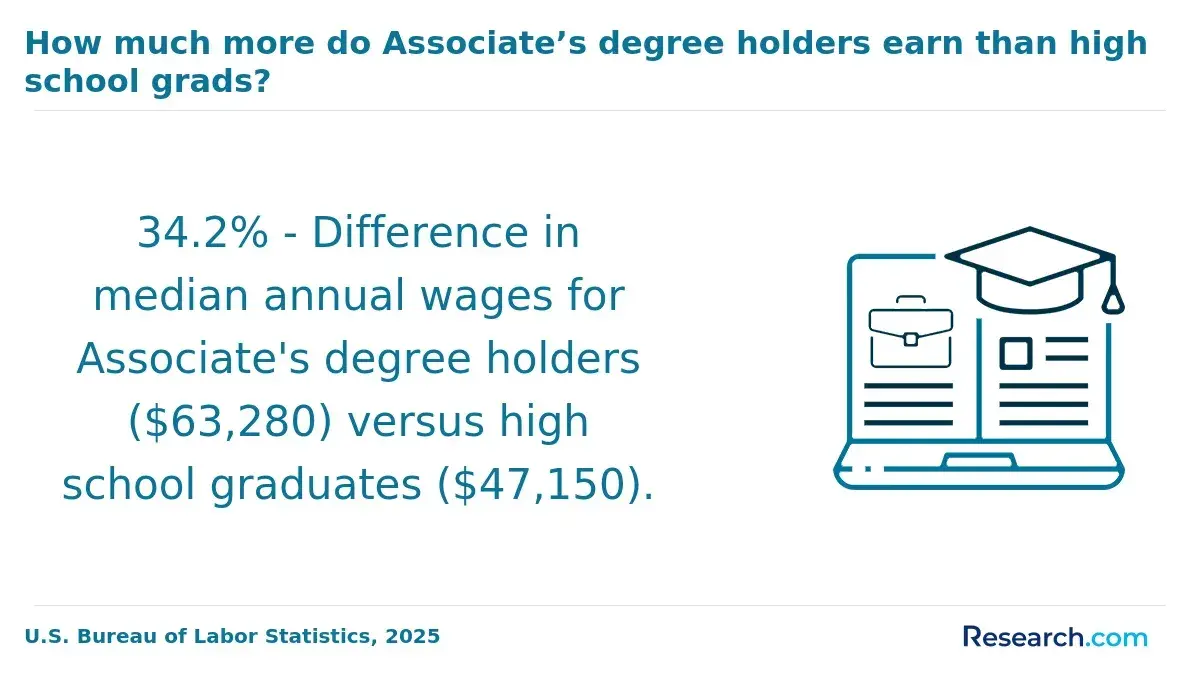
Salary differences across degree levels significantly influence whether a nurse executive leader degree is a worthwhile investment. While bachelor's degree holders face more limited salary gains and longer loan repayment timelines, advanced credentials such as master's or doctoral degrees provide access to higher median wages and leadership roles that demand complex management skills. For example, a working professional weighing a master's program with part-time enrollment opportunities must consider not only tuition costs but also the potential disruption to current income and family responsibilities. The nurse executive leader salary and employment outlook is strongest for those with advanced degrees, reflecting employer preferences that often tie pay scales and job security to educational attainment.
Employment stability in healthcare management supports the case for pursuing higher credentials, given projected growth well above average through 2032. However, the total return on investment varies by individual circumstances, including existing debt, regional labor market conditions, and program flexibility. Doctoral programs, while offering the highest long-term career mobility, also incur longer completion times and indirect costs that may dampen immediate financial benefits. Prospective students should carefully balance salary gains, possible advancement in health systems or hospital administration, and the opportunity costs of extended study periods.
Adult learners and transfer students will particularly benefit from programs providing credit transfer and flexible formats to minimize income loss during education. For those exploring additional options, considering medical assistant programs that accept financial aid might offer alternative pathways within healthcare administration.
Evaluating the return on investment for nurse executive leader degrees requires analyzing not just upfront costs but the strategic fit within one's career trajectory and employer expectations. Master's degree graduates typically manage to repay loans faster through steady earnings improvements, positioning them advantageously in competitive markets. In contrast, bachelor's degree holders often encounter slower advancement and wage growth, which can limit employment prospects and increase financial strain. Those balancing professional duties and academic demands should scrutinize program duration and flexibility while assessing credentials valued in their regional labor market. Ultimately, the decision hinges on nuanced tradeoffs among salary potential, stable employment opportunities, and timely degree completion aligned with professional goals.
How Do Associate, Bachelor's, Master's, and Doctoral Nurse Executive Leader Degrees Compare?
Choosing to stop at an associate degree in nurse executive leadership typically limits one to entry-level roles without significant supervisory or strategic responsibilities, as many healthcare employers set a bachelor's degree as the baseline for leadership eligibility. While associate programs offer faster and more cost-effective entry into the field, transfer policies can complicate progression to higher degrees, potentially prolonging advancement timelines if a candidate decides later to pursue a bachelor's or beyond. For example, a nurse with an associate degree may find they must return to school and invest additional time before qualifying for managerial roles increasingly requiring a bachelor's credential and RN licensure.
Bachelor's degrees remain the standard for foundational leadership positions, providing broader job access and supervisory duties, with about 68% of nurse leaders holding this level according to 2024 NCES figures. Moving into master's programs enhances specialization and prepares candidates for executive and administrative roles where employers often mandate advanced degrees; however, pursuing a master's can delay workforce reentry and increase debt, making it a strategic choice best suited for those targeting higher-tier management or specialized leadership tracks. Doctoral degrees focus on top-level clinical leadership, health policy influence, and academic careers, emphasizing research and systemic innovation but involve longer study periods and higher debt burdens, with returns highly dependent on the professional setting and long-term goals rather than immediate employment gains.
This progression outlines key tradeoffs: earlier degrees offer quicker entry and stability but limited upward mobility, whereas advanced degrees provide expanded leadership and research roles at the cost of time and financial investment. Balancing work experience with educational advancement is crucial, as employers often weigh practical skill alongside credential level. Students must consider not only immediate employability but also credit transferability, program length, and the specialized preparation required for targeted nurse executive leader roles when planning their educational pathways.
Which Industries and Employers Hire Nurse Executive Leader Graduates by Degree Level?
Employers of nurse executive leader graduates exhibit clear stratification based on degree level, which translates into distinct hiring expectations and career trajectories. Associate degree holders largely enter clinical support or supervisory roles at hospitals, outpatient centers, and long-term care facilities, where foundational nursing skills and basic management suffice but limit advancement into executive leadership. By contrast, bachelor's-prepared graduates are often channeled into middle management, with health systems favoring their combination of clinical experience and introductory leadership training; these roles frequently involve overseeing departments or clinical teams but may not fully satisfy the strategic demands of top administration.
The demand intensifies sharply for master's degree holders, particularly those with specialized nurse executive or healthcare administration training, who dominate openings across hospitals, government health agencies, insurance companies, and nonprofit health organizations. According to the National League for Nursing Workforce Report (2024), about 70% of nurse executive leader positions at major health systems require at least this credential, highlighting the premium on advanced regulatory knowledge and strategic leadership in complex organizational settings. Doctoral graduates, including DNP-prepared professionals, often access senior executive, policy advisory, or academic leadership roles that demand research-driven decision-making and innovation capabilities beyond most master's-level offerings. Certificates, while useful for targeted skills like financial oversight or quality improvement, rarely replace degree requirements for key leadership jobs, meaning candidates must weigh the tradeoff between shorter credentialing and broader employability.
What Skills, Credentials, and Experience Improve Nurse Executive Leader Career Outcomes?
Nurse executive leader credential requirements for career advancement center heavily on combining advanced degrees with role-specific certifications and demonstrable leadership experience. Employers increasingly prioritize candidates who supplement academic credentials with certifications like the Nurse Executive-Board Certified (NE-BC), reflecting a recognized standard of expertise. Practical leadership, financial management, and strategic decision-making skills rank as critical selection criteria, often outweighing degree prestige alone. For instance, master's-level nurses who leverage internships and applied leadership residencies can showcase portfolio evidence of competencies, improving access to senior administrative roles and facilitating earlier promotion readiness.
Licensure prerequisites typically begin with RN credentials, but targeted master's or doctoral-level education enhances competitive positioning in senior healthcare management. Candidates with prior clinical or military healthcare experience, including operational and crisis management, gain additional avenues for role transition and upward mobility. Soft skills such as emotional intelligence and conflict resolution further differentiate candidates in promotion decisions and complex healthcare environments. Credential stacking through leadership certifications coupled with field-specific training, like informatics, adds versatility across varied organizational contexts, directly influencing career mobility.
Because nurse executive leader leadership skills and professional experience impact both employment access and sustained advancement, combining new credentials with prior credits and experience requires strategic planning. Adult learners and working professionals must balance the tradeoffs between time investment and credential value relative to targeted roles. For those considering specialization shifts, understanding pathways to get an FNP to acute care certification may provide meaningful lateral options within clinical and leadership domains, strengthening their portfolio and adaptability in evolving healthcare systems.
Which Nurse Executive Leader Degree Level Is Best for Your Career Goals?
Employers increasingly favor master's degrees for nurse executive leader roles, as these credentials align with higher salary tiers and expanded leadership responsibilities. The 2024 National Center for Education Statistics data confirm individuals with master's degrees experience stronger employment rates in nursing management versus those holding only bachelor's degrees, reflecting real workforce expectations. For working professionals and military-affiliated students, this degree level balances skill specialization, credential eligibility, and manageable time-to-completion, but entails higher tuition and possible debt burdens.
Bachelor's degrees remain viable for entry-level executive positions or smaller facility management, particularly when accelerated or part-time programs fit around existing work commitments, though they often limit advancement into senior leadership demanding advanced certification or doctoral credentials. This degree level's constrained access to specialized certifications impacts nurse executive leader degree level salary comparison and longer-term opportunities.
Doctoral degrees, including the Doctor of Nursing Practice, unlock distinct advancement pathways in policy and academia but require selective entry and multi-year commitments, which may not suit all career switchers. Prospective students must weigh whether early completion and transfer credit strategies within master's programs better serve mid-career advancement compared to the higher investment doctoral routes. For those exploring specialized roles that mandate leadership certification, it is critical to account for credential prerequisites embedded in different degree levels.
Evidence on program outcomes also suggests that choosing pathways with strong clinical placement support, such as PMHNP programs online with best clinical placement, improves employment prospects. This approach is integral to navigating nurse executive leader degree level salary comparison and career advancement opportunities by nurse executive leader degree.
References
- Empowering Nurse Leaders: The Promise of the DNP/MBA Dual Degree https://esmed.org/MRA/mra/article/view/5700
- MSN vs DNP vs PhD in Nursing https://www.nursingcolleges.com/faq/msn-vs-dnp-vs-phd
- Key Skills Needed to Succeed as a Nurse Executive https://blog.methodistcollege.edu/key-skills-needed-to-succeed-as-a-nurse-executive
- Leading with impact: How the Nurse Executive Leadership Program is transforming careers – Australian College of Nursing https://www.acn.edu.au/nurseclick/leading-with-impact-how-the-nurse-executive-leadership-program-is-transforming-careers
- An MSN Degree Can Boost Your Knowledge and Earnings https://www.allnursingschools.com/msn/salary/
- How Much Do Nurse Executives Make? | NursingEducation https://nursingeducation.org/careers/nurse-executive/salary/
- Interim Leadership Benefits - Top Nurse Executive Salary | CareerStaff Unlimited https://www.careerstaff.com/nursing/interim-leadership-benefits-salary/
- Leadership Concept https://www.aacnnursing.org/developing-nurse-well-being-and-leadership-tool-kit/tool-kit/leadership-concept
- development strategies for the nursing career journey https://www.elsevier.com/resources/development-strategies-for-the-nursing-career
- DNP vs Ph.D. in Nursing Degree - What’s the Difference? https://nursinglicensemap.com/nursing-degrees/dnp-degree-programs/dnp-vs-phd-in-nursing/
Other Things You Should Know About Nurse Executive Leader
Longer and more intensive programs, particularly at the doctoral level, often require significant time commitments that can strain working professionals. Those enrolled in these programs may experience challenges maintaining their current leadership roles while completing coursework and research. Students should realistically assess their available time and employer flexibility before choosing higher-degree programs, as inadequate planning may delay completion and affect job performance.
Employers in healthcare leadership frequently weigh practical management experience heavily, sometimes placing it above the level of the graduate degree attained. While advanced degrees can open doors to higher-level executive roles, many organizations prioritize candidates with a proven record of handling complex operational challenges. Consequently, prospective students should consider gaining substantial leadership experience early on and select degree programs that incorporate applied learning or project-based components.
Flexibility in scheduling and delivery is crucial for working nurse executive leaders balancing employment and education, making online or hybrid programs attractive. However, these formats can limit in-person networking and mentorship opportunities, which are important for career advancement in healthcare leadership. Candidates should prioritize programs that offer robust virtual engagement and access to professional networks to mitigate these drawbacks while accommodating their work schedules.
Master's degrees generally offer faster completion times and entry into management roles without the extended research obligations of doctoral programs. Doctoral degrees, while lengthier, may lead to higher-level strategic positions and academic roles, but do not guarantee immediate salary increases or promotions. For those seeking timely advancement, a master's degree combined with practical leadership experience often yields better short-term outcomes, while doctoral candidates should be prepared for a longer investment horizon with eventual, but not automatic, payoff.