2027 Higher Education ROI by Institution Type: Public vs Private vs Nonprofit Online Programs

Co-Founder and Chief Data Scientist
A prospective student compares three online programs that all claim flexibility and career support yet show stark differences in tuition fees and graduation rates. Choosing a private nonprofit option might mean higher upfront costs but generally better institutional support, while a public program could offer lower tuition with variable postgraduation employment outcomes.
A 2024 study from the National Center for Education Statistics finds that graduation rates for nonprofit online programs exceed public counterparts by nearly 15%, which can significantly affect long-term debt and earning potential. This article will analyze return on investment by institution type and help readers weigh cost, quality, and career impact when selecting online higher education programs.
Key Things to Know About Higher Education ROI by Institution Type
- Public online programs typically offer lower total costs but show variable graduation rates, indicating a tradeoff between affordability and completion, which may impact timely credential attainment and debt levels.
- Private institutions often hold stronger employer recognition and accreditation, enhancing career advancement potential, yet this premium reputation may not always justify higher tuition when weighed against measurable post-completion outcomes.
- Nonprofit online schools frequently emphasize flexible schedules and robust learner support, aiding working adults' persistence, but extended program durations can increase opportunity costs and delay workforce reentry benefits.
- Key Things to Know About Higher Education ROI by Institution Type Key Things to Know About Higher Education ROI by Institution Type
- What Does ROI Mean for a Higher Education Program and How Is It Measured? Understanding Higher Education Program ROI
- How Do Public, Private, and Nonprofit Online Higher Education Programs Differ in Overall Value? Value by Institution Type
- How Do Tuition Costs Affect the ROI of a Higher Education Program Across Institution Types? Tuition Costs and ROI
- How Do Graduation Rates Influence Higher Education Program ROI? Graduation Rates Impact ROI
- What Role Do Career Outcomes Play in the ROI of a Higher Education Degree? Career Outcomes and ROI
- How Does Student Debt Impact the Long-Term ROI of a Higher Education Program? Debt vs. Long-Term ROI
- How Do Flexibility and Adult Learner Support Affect Higher Education Program Value? Flexibility and Program Value
- How Do Accreditation and Institutional Reputation Influence Higher Education ROI? How Do Accreditation and Institutional Reputation Influence Higher Education ROI?
- How Does Time-to-Degree Affect the ROI of Public, Private, and Nonprofit Higher Education Programs? How Does Time-to-Degree Affect the ROI of Public, Private, and Nonprofit Higher Education Programs?
- How Can You Choose the Best Higher Education Program Based on Your ROI Goals? Choosing Programs by ROI
What Does ROI Mean for a Higher Education Program and How Is It Measured?
ROI for a higher education program must be assessed through the interplay of multiple factors that shape both short- and long-term outcomes. For example, a working adult choosing between a lower-cost public online institution and a faster-track private nonprofit program must consider how tuition, time-to-degree, and potential debt load will affect net financial benefits over several years.
Graduating sooner might reduce opportunity costs related to income foregone during study, but higher tuition and debt levels can counterbalance these gains. Evaluating program reputation and graduation rates alongside expected earnings and career outcomes offers a more precise lens on real ROI, as these influence employability and employer perceptions in a competitive job market.
Measuring educational ROI in online institutions requires recognizing that initial price tags do not capture full financial or experiential costs. The Brookings Institution's recent evidence suggests that programs with robust learner support and career counseling can translate into smoother job transitions, which indirectly improve ROI even if their upfront costs appear higher.
Many students aiming for career changes or entry into expanding fields, such as those taking specialized billing and coding classes, should weigh how institutional resources and graduation likelihood mitigate long-term risks. Ultimately, understanding ROI calls for individualized analysis informed by personal goals, risk tolerance, and the realities of balancing work, debt, and time investment.
How Do Public, Private, and Nonprofit Online Higher Education Programs Differ in Overall Value?
Public, private, and nonprofit online higher education programs present distinct tradeoffs that significantly affect cost, completion rates, and career prospects. Public institutions generally offer lower tuition rates due to state funding, which can ease debt burdens for in-state students, but they vary widely in graduation outcomes and may have less personalized support.
Private nonprofit programs often command higher tuition but provide smaller cohorts and individualized attention, potentially improving persistence; however, this premium does not always correspond with better financial outcomes, as some report elevated loan default rates. According to recent data from the National Center for Education Statistics, public online programs typically attract more adult learners and maintain higher completion rates, a critical factor for those balancing education with work or family responsibilities.
Employer perceptions reflect nuanced distinctions rather than clear hierarchies. Many view degrees from regionally accredited public and nonprofit institutions as similarly rigorous, though certain private nonprofit programs carry reputational advantages within specialized fields that may justify their higher costs for niche career paths. Flexibility is universally crucial, yet public universities often lead in course variety and schedule adaptability, benefiting working professionals. Ultimately, decisions hinge on individual priorities: balancing affordability against the desire for tailored support, reputation, and long-term return on investment, while weighing risks of debt accumulation against potential salary gains.
One working professional recalled nearly choosing a private nonprofit program for its prestige and smaller class sizes but hesitated after reviewing loan default statistics and uncertain career payoff. Comparing this with more affordable public options that offered extensive evening and weekend courses, reliable graduation rates, and solid employer recognition helped clarify priorities. The individual ultimately enrolled at a public university that struck an acceptable balance among tuition, flexibility, and institutional reputation, reflecting a pragmatic approach centered on minimizing debt and maximizing completion likelihood amid a demanding work schedule.
How Do Tuition Costs Affect the ROI of a Higher Education Program Across Institution Types?
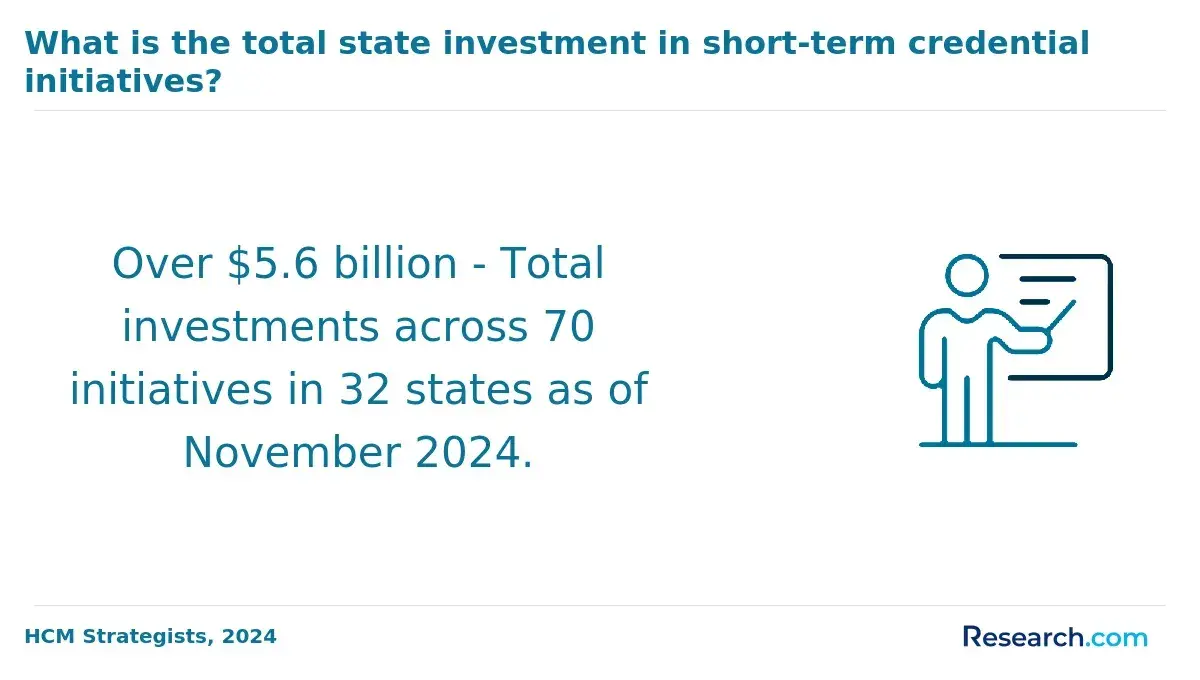
Lower tuition at public online programs often appears financially advantageous on the surface, but this initial saving can be offset by longer time-to-degree and lower completion rates, diminishing overall return on investment. For example, National Center for Education Statistics data from 2024 shows that public institutions charge roughly $5,000 annually for online undergrad courses-about a quarter of private nonprofit costs-but the tradeoff may involve slower degree completion and weaker student support, increasing opportunity costs and potentially delaying graduation.
Conversely, private nonprofit online programs-despite higher sticker prices exceeding $20,000-can offer more robust academic resources and career services that drive better graduation rates and salary growth, as evidenced by a 15% higher completion rate reported by the Education Trust in 2024. This improved efficiency and post-graduation earning potential often justify increased debt levels from borrowing more heavily. Yet, for working adults balancing job responsibilities, the flexible pacing and accelerated pathways available in some nonprofit settings can reduce time in school and enhance long-term financial outcomes despite the upfront cost.
Ultimately, ROI hinges not just on tuition but on how program quality, support infrastructure, and graduation velocity align with career goals and financial realities. Borrowing less at a lower-cost public institution might lead to slower income progression, while heavy loans from a private nonprofit may pay off if faster graduation and career services translate to stronger earnings. Students must therefore weigh these interconnected dynamics carefully, prioritizing programs that minimize debt relative to earning potential rather than focusing solely on sticker price.
How Do Graduation Rates Influence Higher Education Program ROI?
Graduation rates often reflect how effectively public, private, and nonprofit online higher education programs support student completion, which directly influences return on investment through reduced tuition expenses and faster labor market entry. For example, students at institutions offering robust academic advising and flexible scheduling-as often found in private and nonprofit sectors-tend to complete degrees more quickly, limiting overall debt and boosting financial outcomes. According to a 2024 National Student Clearinghouse Research Center report, graduates from public universities who finish within six years earn a median income 20% higher after a decade compared to non-completers, highlighting how graduation success correlates with long-term earnings potential and career stability.
Still, graduation rates alone do not fully capture program ROI, especially for adult learners navigating part-time enrollment, career breaks, or transfers that disrupt traditional timelines. These factors, common in online environments, can depress success metrics without necessarily diminishing program quality or value. When comparing institution types, students must weigh completion rates alongside student support services, tuition costs, and post-graduation employment prospects to form a nuanced picture of return. Evaluating programs like fast track degree programs may reveal opportunities to reduce time-to-degree while balancing persistence challenges inherent in different institutional models.
Ultimately, graduation success reflects institutional effectiveness but should be contextualized within broader factors influencing financial and career outcomes. A comprehensive assessment for cost-conscious learners must integrate these elements rather than rely solely on completion statistics, enabling informed decisions tailored to individual circumstances and long-term value across public, private, and nonprofit online higher education programs.
What Role Do Career Outcomes Play in the ROI of a Higher Education Degree?
Career outcomes are a decisive factor when weighing the return on investment for public, private, and nonprofit online higher education programs. Graduates from nonprofit online programs exhibit a 12% higher employment rate within six months compared to their public counterparts, a critical advantage for those balancing tuition costs and debt. While private institutions sometimes report elevated starting salaries in niche fields due to stronger industry connections, these gains may come alongside higher costs and less access for some learners. Thus, evaluating ROI requires a nuanced understanding of how employment prospects, program affordability, and employer recognition intersect, particularly for adults and career changers navigating local labor markets and flexible scheduling needs.
Programs that emphasize adaptive skill development and maintain active employer partnerships tend to improve long-term career resilience, potentially offsetting upfront expenses through sustained earnings growth and internal promotions. Public institutions often provide broader accessibility and lower tuition but may fall short in direct employer engagement, influencing graduates' access to specialized roles and advancement opportunities. Additionally, the strength of academic advising in nonprofit programs can meaningfully support transitions to graduate studies, further expanding career pathways. These factors collectively shape whether a degree's cost and time investment translate into durable professional value beyond immediate job placement metrics.
A graduate who earned an online degree from a nonprofit institution shared that initially, it was unclear if the credential would meaningfully impact career progression or justify the expense amid tight budgeting. Over time, they noticed their employer valued the credential during promotion discussions, leading to increased responsibilities and a more strategic role. The graduate also appreciated the program's focus on relevant skills and networking opportunities, which helped them adapt in a shifting job market. This experience highlighted how career outcomes extend beyond salary alone, underscoring the importance of assessing long-term professional flexibility and employer recognition when estimating a program's true ROI.
How Does Student Debt Impact the Long-Term ROI of a Higher Education Program?
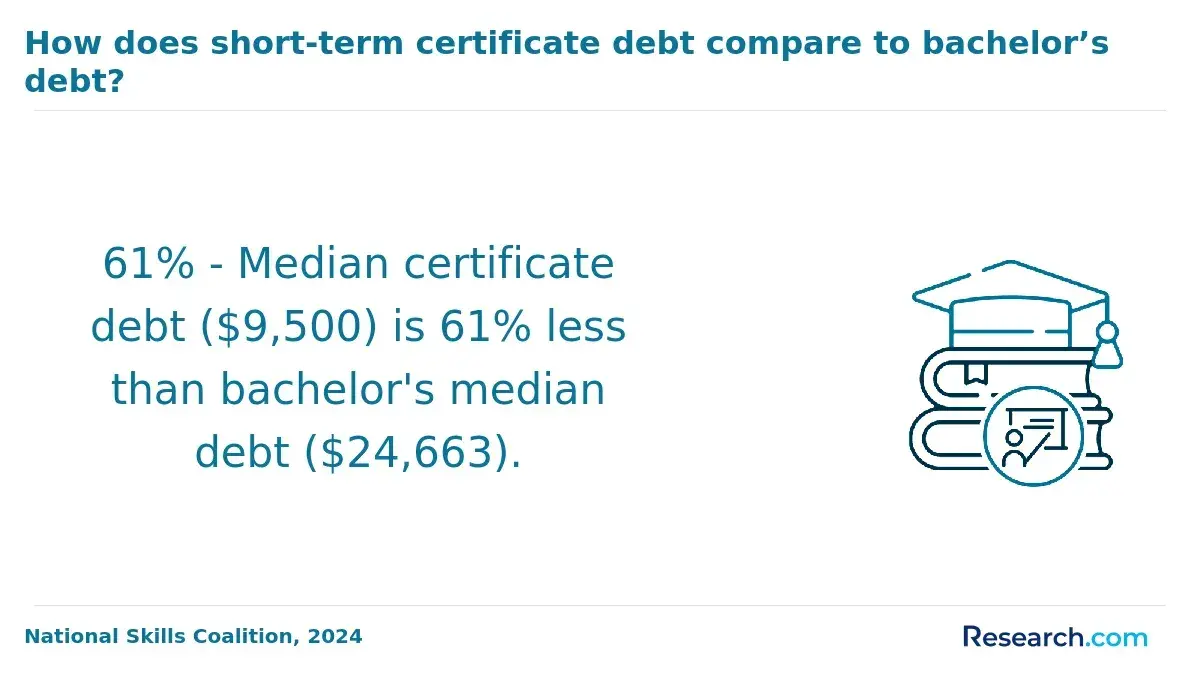
Student debt directly shapes the long-term return on investment (ROI) of higher education programs, particularly in online settings where costs and outcomes vary widely. Borrowing more from private online institutions, which typically charge higher tuition and offer fewer grants, often results in greater debt burdens that may not be offset by proportionally higher earnings. For working adults balancing current expenses, taking on 25% more debt compared to public programs can delay financial milestones such as buying a home or saving for retirement, ultimately diminishing the practical value of the degree despite potential salary gains.
Graduation rates and debt-to-completion ratios critically influence ROI in online higher education programs. Public institutions generally exhibit higher completion and lower loan default rates, indicating more reliable pathways to degree attainment without unmanageable debt. Conversely, private for-profit online programs frequently show higher default rates, signaling riskier borrowing relative to actual earnings. Prospective students must assess how the combined factors of program cost, expected career advancement, and institutional reputation weigh against debt levels, which means carefully evaluating student loan impact on online higher education program ROI before committing substantial resources.
Aligning borrowing decisions with realistic employment outcomes and repayment capacity remains essential, especially in fields with varying employer recognition. For example, those pursuing advanced credentials such as a PhD in healthcare management should consider how program quality and flexibility factor into long-term financial and professional returns. Careful selection that balances educational quality and affordable debt load enhances the likelihood that investment in online higher education delivers sustained benefits rather than burdensome financial strain.
How Do Flexibility and Adult Learner Support Affect Higher Education Program Value?
The flexibility of scheduling and the depth of support services critically shape the return on investment for online higher education programs, particularly for adult learners managing multiple responsibilities. Public institutions often accommodate this demographic with part-time options and asynchronous courses that allow pacing aligned with work and family demands, reducing opportunity costs and improving retention by as much as 15%. However, these flexible formats may lack the intensive advising and career-focused resources more commonly found in private and nonprofit programs, which invest in personalized academic planning, transfer credit evaluations, and job placement assistance to accelerate degree completion and employment readiness.
According to a 2024 National Center for Education Statistics report, adult students with access to dedicated advising and career services complete their programs at rates 22% higher than those without, highlighting the tangible impact of these supports on educational outcomes. Military-affiliated students often find greater accommodation and technology resources at public universities, while nonprofit programs tend to build closer employer partnerships beneficial for career changers seeking internships or relevant work experiences. These distinctions create tradeoffs between upfront affordability and targeted support that can influence both time-to-degree and long-term career trajectories.
Ultimately, deciding among public, private, or nonprofit online programs requires weighing personal scheduling needs alongside the availability of robust advising and career assistance, as these factors collectively drive persistence and reduce excess debt. For working adults and transfer students especially, the balance between flexibility and comprehensive support informs not only progression through programs but post-graduation value, making it essential to consider how institutional structures align with individual circumstances and workforce goals rather than relying on institutional reputation alone.
How Do Accreditation and Institutional Reputation Influence Higher Education ROI?
Accreditation and institutional reputation critically shape the return on investment (ROI) for online higher education programs by influencing employer recognition, credit transferability, and graduate outcomes. For example, graduates from regionally accredited institutions have been shown to experience a 15% higher employment rate within six months, according to the 2024 National Center for Education Statistics report.
Beyond broad institutional prestige, program-specific accreditation often determines eligibility for professional licensure, which directly affects career trajectory and earning potential in fields such as healthcare or education. Students prioritizing cost efficiency must weigh whether a well-known public university's established credit transfer frameworks and extensive resources outweigh potentially higher tuition at private or nonprofit institutions that may offer more specialized support but less recognized accreditation.
Employers frequently value candidates from accredited institutions with reputable academic rigor because these credentials reduce perceived hiring risks and streamline credential verification. However, reputation alone does not guarantee better returns if graduation rates, market relevance of programs, and alignment with licensing requirements are weak. Thus, prospective learners should consider not only accreditation status but also how institutional reputation interacts with graduation outcomes and transfer policies, which directly affect time and cost to degree completion. For transfer students and career changers, these factors often outweigh brand recognition, influencing debt burden and long-term financial viability.
How Does Time-to-Degree Affect the ROI of Public, Private, and Nonprofit Higher Education Programs?
Extended time-to-degree in public, private, and nonprofit online higher education programs directly raises total tuition exposure and opportunity costs, with public institutions commonly averaging 5.1 years compared to 4.4 years at private nonprofits. This difference is significant for working professionals and adult learners balancing education with other life responsibilities, as prolonged study delays reentry into the workforce or advancement opportunities, thereby dampening financial returns and increasing debt accumulation. Transfer credit policies and the ability to apply prior learning can shorten these timelines substantially, especially in nonprofit programs designed for transfer students, affecting how quickly students realize the returns on their investment.
Part-time enrollment strategies, prevalent in public and nonprofit settings, offer necessary flexibility but often extend degree duration, which may reduce immediate workforce benefits despite contributing to higher persistence rates. Conversely, private online programs sometimes provide accelerated pathways, such as certain accelerated PharmD programs, that condense time without sacrificing academic quality, though these can come at a premium tuition cost. Balancing these tradeoffs means students must weigh shorter completion for earlier career progression against potential limitations in internship experiences, networking, and program affordability.
Understanding how time-to-degree and financial return on investment in online higher education institutions interplay is critical for cost-conscious students prioritizing value without sacrificing academic or professional outcomes. Graduation rates also influence this relationship, as lower completion rates at many public institutions may compound costs through repeated courses or lost time. Ultimately, decisions around enrollment status, transfer credit acceptance, and program pacing profoundly shape both the immediate and long-term economic impact of educational investments.
How Can You Choose the Best Higher Education Program Based on Your ROI Goals?
Maximizing ROI in higher education depends largely on aligning program characteristics with individual priorities rather than simply choosing between public, private, or nonprofit online institutions. Public programs often provide lower tuition and reduced total cost of attendance, which can minimize student debt but may lack the flexible financial aid options found at private nonprofits.
Conversely, nonprofit online programs generally offer higher graduation rates and more robust career services, potentially enhancing long-term earnings and employability. For working adults balancing family and job commitments, program flexibility in scheduling and time-to-degree is crucial, as delays can offset initial affordability through extended expenses and lost income.
Evaluating higher education program ROI effectively requires careful consideration of factors beyond sticker price, including institutional accreditation, employer reputation, and support networks, which vary in impact depending on career goals and labor market demands. Graduates from nonprofit programs often benefit from wider alumni connections, yet many employers increasingly recognize quality from well-regarded public offerings, especially in STEM fields.
Time-to-degree expectations and personal circumstances like current employment status and financial capacity also weigh heavily in decision-making. For those seeking affordable advanced study options, exploring specific fields can reveal targeted pathways-for instance, a growing range of forensic psychology master's programs balance cost with emerging demand, illustrating how specialized choices influence ROI.
References
- The Essential Role of Accreditation in Higher Education Institutions https://www.qahe.org/article/the-essential-role-of-accreditation-in-higher-education-institutions/
- College is still worth it, even with student debt, but we can do better | Brookings https://www.brookings.edu/articles/college-is-still-worth-it-even-with-student-debt-but-we-can-do-better/
- Making sure you're not a bot! https://www.econstor.eu/bitstream/10419/325009/1/cesifo1_wp12018.pdf
- ROI of Higher Education - Signal49 Research https://www.signal49.ca/focus-areas/roi-of-higher-education/
- The Long-Term Effects of Student Loans | ACE Blog https://ace.edu/blog/the-long-term-effects-of-student-loans/
- Seattle Public and Private K-12 and College Admissions Coach https://www.schoolingdoula.com/blog/financial-matters-understanding-college-roi
- The Challenge of Measuring ROI and What Higher Education Can Do About It. https://www.careerleadershipcollective.com/post/the-challenge-of-measuring-roi-and-what-higher-education-can-do-about-it
- The Private Side of Public Higher Education https://tcf.org/content/report/private-side-public-higher-education/
- How to Check the ROI of Academic Programs: A Comprehensive Guide | Stordahl Capital Management https://www.stordahlcap.com/insights/how-to-check-the-roi-of-academic-programs-a-comprehensive-guide
- Bridging Education and Opportunity: Exploring the ROI of Higher Education and Workforce Development — HCM Strategists https://hcmstrategists.com/resources/ucmfwg7ha7zzeug6nb3dlawh3poziz
Other Things You Should Know About Higher Education
Not necessarily. While private institutions may have more exclusive or branded alumni networks, the quality and utility of networking often depend on the program's focus and the industry connections it fosters, rather than its institution type alone. Public and nonprofit online programs can offer strong regional or sector-specific networks, which may align more closely with local job markets or niche fields. Prioritizing programs with active alumni engagement and employer partnerships is more impactful than assuming private equals better networking.
Employer recognition varies widely, but many employers prioritize the program's curriculum relevance and demonstrated skills over institution type alone. Public institutions often have solid reputations for affordability and rigor, which may appeal in sectors valuing practical, budget-conscious choices. Private programs might stand out in industries sensitive to brand prestige, but this advantage diminishes when the degree lacks alignment with real-world competencies. For career changers, focusing on degrees known for hands-on learning and up-to-date coursework is more strategic than relying on the institution's label.
Yes, in most cases, because public and nonprofit programs generally offer lower tuition and more financial aid options, reducing the risk of excessive debt that can undermine ROI. Adult learners balancing work and family responsibilities benefit from this cost-effective approach without necessarily sacrificing educational quality. However, if a private institution provides clear evidence of faster salary gains or access to higher-paying roles post-graduation, the short-term debt might justify the investment. Careful analysis of debt-to-earnings ratios tailored to your field is crucial before committing.
Online programs at public institutions often emphasize flexibility and modular course delivery, accommodating working adults but occasionally sacrificing intensive hands-on components. Private schools may offer more immersive experiences with smaller cohorts or specialized mentorship but can demand higher time commitments and stress. Nonprofit online programs sometimes balance these approaches, focusing on application-oriented curricula with realistic workload expectations tailored for adult learners. Selecting a program whose design aligns with your available time and learning style significantly influences your ability to complete the degree and apply skills effectively.