2027 Health Services ROI by Institution Type: Public vs Private vs Nonprofit Online Programs

Co-Founder and Chief Data Scientist
Imagine a prospective health services student weighing three online programs that all promise career advancement but carry vastly different tuition fees, graduation rates, and post-completion debt. A 2024 National Center for Education Statistics report revealed public institutions often deliver higher graduation rates at significantly lower student debt levels compared to private counterparts, signaling key financial tradeoffs.
Yet private and nonprofit online programs may offer stronger institutional support or networking advantages that affect long-term career trajectories. Choosing the wrong type risks prolonged debt burdens despite similar credentials. This article dissects ROI by institution type-public, private, nonprofit-to clarify which online health services programs best balance cost, outcomes, and career value.
Key Things to Know About Health Services ROI by Institution Type
- Public institutions typically offer lower total costs but may have longer graduation timelines; this tradeoff impacts debt exposure and delays career advancement, especially for working adult learners balancing time and finances.
- Private and nonprofit programs often feature stronger employer recognition and specialized accreditations, increasing workforce alignment but sometimes at higher tuition, requiring learners to weigh career benefits against upfront costs.
- A 2024 study found public online health services programs report 20% higher completion rates for part-time students, highlighting how flexibility directly affects long-term ROI by reducing dropout and enabling steady skill accumulation.
- Key Things to Know About Health Services ROI by Institution Type Key Things to Know About Health Services ROI by Institution Type
- What Does ROI Mean for a Health Services Program and How Is It Measured? Understanding Health Services Program ROI
- How Do Public, Private, and Nonprofit Online Health Services Programs Differ in Overall Value? Value by Institution Type
- How Do Tuition Costs Affect the ROI of a Health Services Program Across Institution Types? Tuition Costs and ROI
- How Do Graduation Rates Influence Health Services Program ROI? Graduation Rates Impact ROI
- What Role Do Career Outcomes Play in the ROI of a Health Services Degree? Career Outcomes and ROI
- How Does Student Debt Impact the Long-Term ROI of a Health Services Program? Debt vs. Long-Term ROI
- How Do Flexibility and Adult Learner Support Affect Health Services Program Value? Flexibility and Program Value
- How Do Accreditation and Institutional Reputation Influence Health Services ROI? How Do Accreditation and Institutional Reputation Influence Health Services ROI?
- How Does Time-to-Degree Affect the ROI of Public, Private, and Nonprofit Health Services Programs? How Does Time-to-Degree Affect the ROI of Public, Private, and Nonprofit Health Services Programs?
- How Can You Choose the Best Health Services Program Based on Your ROI Goals? Choosing Programs by ROI
What Does ROI Mean for a Health Services Program and How Is It Measured?
ROI for a health services program must be viewed through the lens of long-term career impact rather than just initial salary or tuition figures. For example, public institutions often offer lower tuition and higher graduation rates-63% compared to 58% at private nonprofit schools according to recent National Center for Education Statistics data-allowing many students to enter the workforce sooner with less debt.
However, private and nonprofit online programs may justify higher costs by providing specialized curricula, stronger employer connections, and comprehensive learner support that can enhance job readiness and career mobility, factors critical when measuring ROI for online health services degrees. Determining ROI also requires weighing opportunity costs such as time-to-degree, which influences how long students forgo full-time earnings while studying.
Working adults should consider how program pacing and credit transfer policies in different institution types affect their ability to balance education with employment. Moreover, student goals and circumstances play a major role: a lower-cost program might reduce debt but not necessarily produce the strongest long-term value if it lacks critical practicum opportunities or alignment with labor market demands. Evaluating these tradeoffs helps clarify why affordability alone is insufficient and encourages scrutiny of educational quality and career outcomes alongside financial investment.
Students seeking a tailored balance between cost and career benefits may explore short medical assistant programs as one example of accelerated options that potentially improve roi by shortening time-to-degree and reducing opportunity costs. Ultimately, a practical roi calculation integrates total educational costs, debt burden, graduation likelihood, program efficacy, and individual career aspirations to inform enrollment decisions amid increasing demand across healthcare systems.
How Do Public, Private, and Nonprofit Online Health Services Programs Differ in Overall Value?
Cost differences between public, private, and nonprofit online health services programs are just one factor influencing overall value, with long-term career outcomes and student support playing equally critical roles. Public programs often offer lower tuition due to state funding, appealing to learners prioritizing affordability and minimizing debt, though these benefits can come with tradeoffs such as larger class sizes and less personalized scheduling flexibility.
Private programs tend to charge more but provide smaller classes, tailored academic advising, and stronger employer networking, which can translate into measurable salary advantages; a 2024 report from the Education Data Initiative found private program graduates earn roughly 12% higher starting salaries than their public counterparts. Nonprofit programs, blending elements of both sectors, frequently emphasize community engagement and flexible options, often yielding higher six-year graduation rates-about 58% versus 50% in public programs.
Employer hiring practices prioritize accreditation and reputation over institutional sector, making program-specific certifications and regional accreditation key considerations regardless of affiliation. For a working adult weighing immediate costs against potential salary gains and comfort with debt, these nuances influence whether lower tuition or enhanced career services yield the better return on investment.
Degree completion risk is another crucial factor: programs with supportive services and manageable workloads can reduce time-to-degree and cumulative expenses, particularly significant for career changers who may juggle education with employment or family responsibilities. Ultimately, students must balance financial constraints, career goals, and program characteristics to select an institution aligned with their individual ROI expectations.
One prospective student struggled to decide among a state university with the lowest tuition, a well-known private institution promising strong employer ties, and a nonprofit program offering flexible scheduling and higher graduation rates. Concerned about accumulating debt but hesitant to compromise long-term prospects, they evaluated financial aid packages, graduation statistics, and accreditation credentials closely. The decision came down to finding a program that combined moderate tuition with personalized advising and recognized certification, which ultimately eased anxiety over debt and improved confidence in completing the degree on time with marketable skills.
How Do Tuition Costs Affect the ROI of a Health Services Program Across Institution Types?
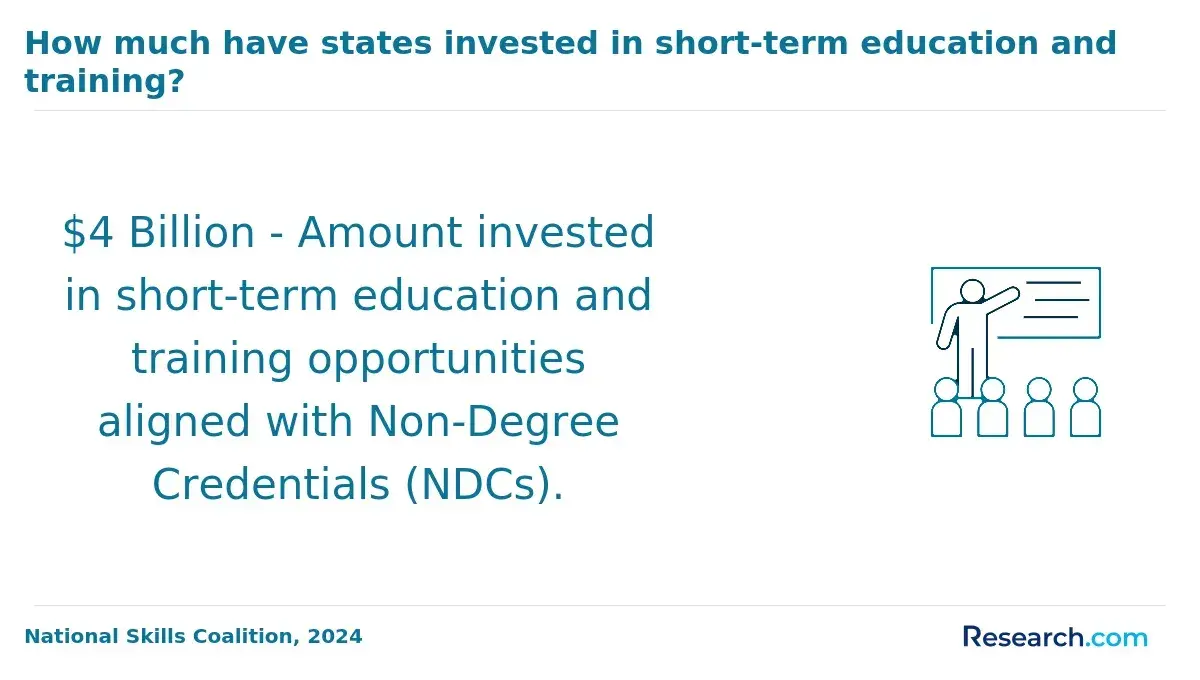
Tuition variation between public, private, and nonprofit online Health Services programs significantly shapes return on investment, but lower sticker prices don't guarantee better value. Public institutions typically offer tuition approximately 40% less than private counterparts, partially due to state subsidies and broader financial aid access, which can lower net costs for students. Yet, this initial affordability may be offset by longer degree completion times and fewer career services, potentially delaying workforce entry and income growth.
For example, an adult learner prioritizing minimal debt might choose a public program but face slower credentialing, whereas a professional seeking rapid upskilling with robust employer networks might weigh the higher cost of private options as a strategic investment. Higher tuition in nonprofit private programs often correlates with enhanced student support and career placement resources, which can accelerate graduation and improve employment outcomes, effectively narrowing the ROI gap despite larger upfront expenses.
However, these benefits are not universal; increased cost must be critically assessed against actual program quality and alignment with job market demands. Borrowing more to attend a higher-priced program only makes financial sense if the resulting credentials enable substantially better earning potential or job stability. Since tuition alone is an incomplete metric, prospective students must consider how financial aid, debt burden, completion rates, and post-graduation employment collectively influence long-term financial returns across institution types.
How Do Graduation Rates Influence Health Services Program ROI?
Graduation rates offer a significant lens into the return on investment for health services programs, yet they tell only part of the story. Public online programs often have graduation rates between 45% and 65%, reflecting diverse, part-time, and working student populations whose extended timelines complicate direct ROI comparisons. In contrast, private institutions may report rates exceeding 70%, but their steeper tuition fees and higher debt levels can offset gains in employability, especially when measured against salary outcomes.
Nonprofit programs tend to strike a balance by pairing moderate completion rates with stronger academic support, enhancing persistence for many adult learners navigating work and family obligations. While graduation rates are a useful indicator of institutional effectiveness, they do not fully capture program value for cost-conscious adult learners. Many students pause or slow their progress due to employment demands, and this attrition is not always reflective of program quality.
Flexible pacing and comprehensive learner support have become critical factors influencing long-term success beyond graduation statistics. According to the National Center for Education Statistics 2024 data, completing a degree within the expected timeframe correlates with significantly higher earnings over a decade, a vital consideration for those weighing average graduation rates by institution type for health services programs. For prospective students seeking affordable options, consulting a resource like online colleges with no application fee can help identify viable pathways that balance cost, support, and completion likelihood.
What Role Do Career Outcomes Play in the ROI of a Health Services Degree?
The return on investment for health services degrees hinges heavily on measurable career outcomes that differ notably across public, private, and nonprofit online institutions. Employment rates shortly after graduation reveal meaningful distinctions: graduates of public programs achieve roughly a 78% employment rate within six months, outpacing private and nonprofit counterparts. This difference reflects how well curricula align with immediate employer needs, with public institutions often focusing on cutting-edge healthcare regulations and technologies that enhance market readiness.
Meanwhile, nonprofit programs may yield longer-term career growth through leadership and community health skills, evidenced by a documented 15% higher mid-career promotion rate versus private program alumni, emphasizing the importance of understanding not just initial job placement, but sustained workforce advancement when weighing program costs and expected debt burdens.
Tuition price alone is insufficient for judging ROI without factoring in the quality of employer recognition and skill applicability embedded in each program's design. Programs emphasizing practical, industry-aligned competencies can facilitate smoother transitions into health services roles, even if initially more expensive, by reducing time unemployed post-graduation and improving promotion trajectories.
Conversely, private programs with specialized academic tracks might suit students targeting niche roles or graduate study but carry tradeoffs in broader workforce mobility. Cost-conscious learners must balance immediate affordability against these nuanced career dynamics while factoring in regional labor market variations and personal professional goals to avoid overestimating short-term earnings as the sole success metric.
One online health services graduate reflected on these complexities after completing a nonprofit program. Although initially uncertain whether the degree's cost justified the investment, they found that employer recognition of their enhanced leadership abilities led to an internal promotion within two years of graduating.
The expanded responsibilities and better alignment with organizational needs provided reassurance that the program's value extended beyond simple salary gains. This experience underscored how non-monetary career outcomes-like professional network access and skill utilization-can be pivotal in assessing the real ROI of a health services degree over time.
How Does Student Debt Impact the Long-Term ROI of a Health Services Program?
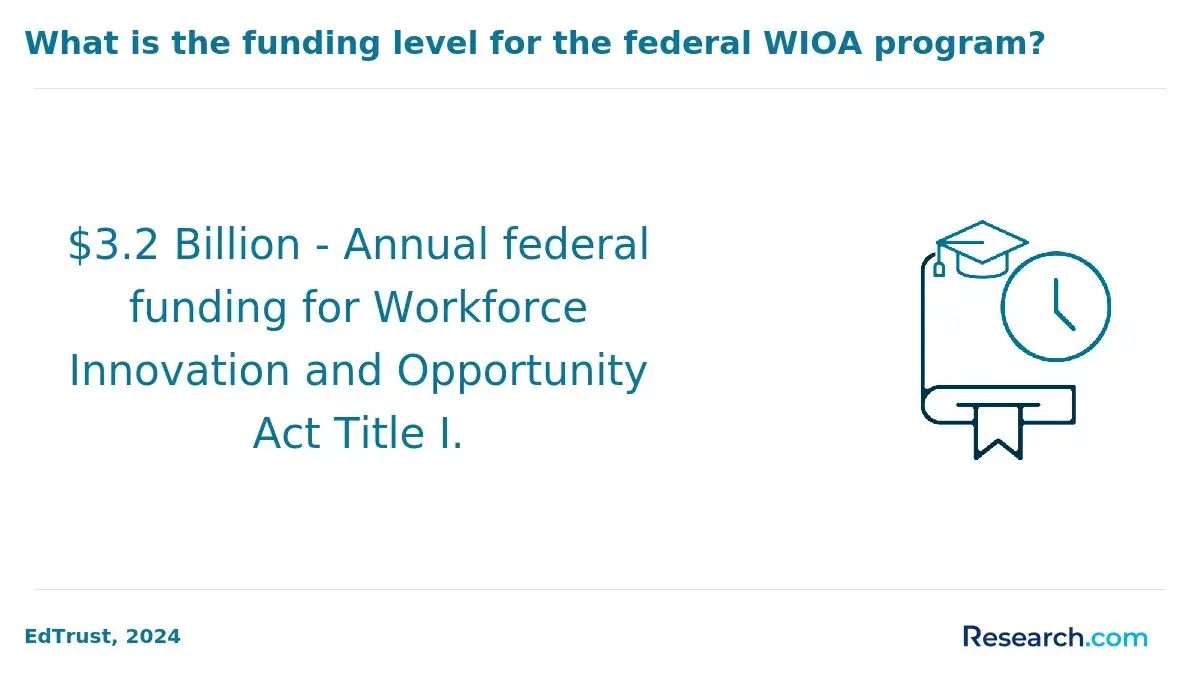
The long-term ROI of health services programs hinges critically on student debt levels, repayment obligations, and institutional characteristics. For instance, graduates from private online programs often carry average debts exceeding $45,000, substantially higher than the roughly $27,000 typical of public schools. This debt disparity can extend repayment periods and erode financial flexibility, delaying milestones like homeownership or retirement savings.
In contrast, public institutions frequently offer lower upfront costs combined with stronger completion rates and career support, enabling graduates to enter the workforce more rapidly and manage debt more effectively-a key consideration for those managing health services student debt impact on long-term ROI. The practical value of a program is not solely defined by cost but also by educational quality and market alignment.
Nonprofit institutions, despite moderate debt levels, may provide specialized training that justifies borrowing through improved employment prospects. However, students attending private for-profit programs often face greater risks: higher default rates linked to inconsistent graduation and job placement outcomes can undermine the returns on their investment. Choosing programs with robust accreditation and accessible financial aid options can mitigate these risks. Those exploring pathways like dietitian master's programs will find that evaluating debt alongside career advancement potential, program flexibility, and institutional support is essential for comprehensive long-term planning.
How Do Flexibility and Adult Learner Support Affect Health Services Program Value?
Programs that offer genuine scheduling flexibility and strong adult learner support significantly enhance the return on investment for online health services degrees, especially when compared across public, private, and nonprofit options. Asynchronous coursework and part-time enrollment are crucial for working professionals balancing multiple responsibilities, with public institutions often providing greater latitude here.
However, private and nonprofit programs, while typically pricier, may offset cost concerns by delivering more synchronous interaction and comprehensive academic advising, which can accelerate completion and ease career transitions. Robust student support structures-such as dedicated career counseling, transfer credit assistance, and targeted accommodations for military or parent students-directly impact persistence and graduation timelines.
Programs integrating these services often see measurable boosts in completion rates and quicker employment outcomes, according to data from the Lumina Foundation and EDUCAUSE. Yet, these benefits come with tradeoffs: higher tuition can increase debt burdens and affect net value, whereas public programs might prioritize affordability but offer less personalized guidance, potentially extending time to degree and hindering smooth workforce entry.
Adult learners must weigh these program characteristics alongside their own career timelines and financial constraints. For example, a military spouse pursuing part-time study might value a public institution's flexible scheduling and transfer policies despite limited one-on-one advising, while a career changer seeking rapid credentialing could benefit from a nonprofit program's hands-on support despite higher tuition. Understanding how these factors influence persistence, opportunity costs, and long-term outcomes is essential for making nuanced, cost-conscious decisions that align with professional goals and life circumstances.
How Do Accreditation and Institutional Reputation Influence Health Services ROI?
Accreditation type and institutional reputation critically shape the practical value and return on investment of health services programs, especially for cost-sensitive learners weighing debt and career prospects. Graduates from regionally accredited online programs demonstrate a 15% higher employment rate within six months compared to those from nationally accredited or non-accredited schools, according to a 2024 National Center for Education Statistics study.
This difference reflects employer reliance on accreditation as a proxy for consistent academic rigor, valid licensure pathways, and transferable credits-factors that directly influence career mobility and advanced education options. Private institutions often invest heavily in branding to bolster reputation, but this premium does not always result in superior employment or salary outcomes relative to well-accredited public or nonprofit programs.
Employers increasingly emphasize hands-on competencies and verifiable credentials over institutional prestige alone, meaning programs with strong student support and relevant curriculum can outperform more famous names in ROI terms. For example, a working adult balancing tuition costs and time may find better overall value in a regionally accredited public online program with dedicated retention resources than a costlier private counterpart lacking equivalent support or transparent licensure preparation.
Ultimately, comparing health services educational options demands a nuanced view that integrates accreditation status, institutional credibility, debt implications, and student services. Public institutions with regional accreditation often offer a pragmatic balance of affordability and educational quality, enhancing employment chances without excessive financial strain. Careful assessment of these tradeoffs-rather than relying solely on reputation or marketing-better equips learners to align investments with realistic workforce outcomes and evolving employer expectations.
How Does Time-to-Degree Affect the ROI of Public, Private, and Nonprofit Health Services Programs?
Time-to-degree directly shapes the financial and professional outcomes of health services programs by influencing tuition costs, opportunity costs, and workforce entry timing. Public institutions often involve longer completion periods due to higher rates of part-time enrollment and complicated transfer credit systems, which can increase both debt and delayed income potential.
Conversely, private and nonprofit programs usually offer accelerated or cohort-based pathways that compress time-to-degree but may impose demanding schedules, potentially challenging adult learners managing work and family commitments. These variations are critical for cost-conscious students evaluating the return on investment, as longer timelines may preserve flexibility but at a tangible cost to net education value and early career progression.
Graduation rates and enrollment intensity further differentiate outcomes across institution types, affecting real-world ROI through completion likelihood. Public and nonprofit programs tend to serve nontraditional students needing adaptable pacing, which supports persistence but can extend study duration; private online programs frequently prioritize full-time study models that shorten timelines, ideally increasing early employability but risking higher attrition if students cannot keep pace.
Transfer credit acceptance is another pivotal factor, where public schools often have more restrictive policies impacting time-to-degree and overall expenses. Prospective students balancing work-family-education demands must therefore weigh these tradeoffs carefully, including program flexibility and expected completion rates, to optimize educational investment and career timing. For those seeking the fastest way to become a nurse practitioner, understanding these dynamics is especially relevant when comparing health services programs.
How Can You Choose the Best Health Services Program Based on Your ROI Goals?
The highest return on investment in health services online program return on investment comparison depends more on individual priorities than on institution type alone. Public programs often provide lower tuition and a 30% lower average student debt at graduation according to a 2024 National Center for Education Statistics report, making them appealing for cost-conscious learners aiming to minimize financial burden.
Yet, private and nonprofit programs may offer stronger institutional reputation, specialized curricula, or enhanced career services, which can translate into superior employment outcomes and justify higher upfront costs for many students. Evaluating ROI requires balancing total cost with factors such as graduation and retention rates, program flexibility, and learner support, which vary widely across public, private, and nonprofit institutions.
Working adults or those with family obligations often prioritize flexible course delivery and shorter time-to-degree, and nonprofits frequently emphasize personalized advising that can improve long-term career trajectories despite higher sticker prices. Choosing the best health services program for career ROI necessitates understanding these nuanced tradeoffs alongside personal circumstances, including employment status and professional goals.
For those exploring specialized fields or faster pathways, reviewing accredited programs with stronger reputations may be prudent. Applicants looking to weigh such options can refer to resources like online master's in marriage and family therapy programs, which illustrate how these variables influence practical outcomes and investment value over time.
References
- Healthcare Investment ROI: How to Evaluate Digital Health ROI https://smarthealthasia.com/blog/healthcare-investment-roi-digital-health/
- Does College Pay Off? A Comprehensive Return On Investment Analysis - FREOPP https://freopp.org/whitepapers/does-college-pay-off-a-comprehensive-return-on-investment-analysis/
- Why ROI Measurement Matters in Healthcare—And How to Master It https://www.roiinstituteacademy.com/blog/why-roi-measurement-matters-in-healthcare-and-how-to-master-it
- Healthcare Accreditation: Challenges, Benefits, and the Role of Management Software - Interact Solutions https://www.interactsolutions.com/en/healthcare-accreditation-challenges-benefits-and-the-role-of-management-software/
- How are Private Industry and Public Health Related? - MPH Online https://www.mphonline.org/private-sector-in-public-health/
- Comparison of public, non-profit and private hospitals https://economic-policy.pl/index.php/eq/article/view/238/200
- Bridging Education and Opportunity: Exploring the ROI of Higher Education and Workforce Development — HCM Strategists https://hcmstrategists.com/resources/ucmfwg7ha7zzeug6nb3dlawh3poziz
- How to measure ROI in healthcare (the right way) | Out-Of-Pocket https://www.outofpocket.health/p/how-to-measure-roi-in-healthcare-the-right-way
- Mastering ROI Assessment for Your Health Plan https://www.worldinsurance.com/eb/articles/mastering-roi-assessment
- Understanding public and private health care | CMA https://www.cma.ca/our-focus/public-and-private-health-care/understanding-public-and-private-health-care
Other Things You Should Know About Health Services
Private institutions often charge a premium, but this does not always translate into proportionally higher ROI in health services fields. Their programs may offer smaller class sizes and more personalized career services, yet the higher debt burden can offset these benefits for many students. For cost-conscious learners, public programs frequently deliver comparable employer recognition and practical training at a lower price, making them more financially prudent unless private programs provide unique specializations directly linked to sought-after credentials.
Employer perceptions tend to focus more on the relevance of skills and certifications rather than institutional type alone. Nonprofit programs may emphasize mission-driven curricula and community engagement, which can align well with certain roles in health services nonprofits or public health agencies. However, public institutions often benefit from broader alumni networks and state-based recognition, which can lead to more consistent hiring opportunities. For students targeting specific sectors, prioritizing program content alignment over institutional classification is key to maximizing ROI.
Working professionals often face tradeoffs between program flexibility and institutional prestige. Public and nonprofit online programs typically provide more adaptable schedules and asynchronous options vital for balancing work and study, enhancing short-term ROI by reducing opportunity costs. In contrast, some private institutions offer hybrid formats or cohort models that may extend completion time or workload but potentially improve networking. Prioritizing flexible formats with demonstrated employer alignment usually results in better ROI for employed students.
Noncredit options can supplement degree programs by updating skills or fulfilling license renewal requirements, especially in nonprofit settings emphasizing lifelong learning. However, these courses rarely contribute directly to degree completion or salary increases and thus yield limited long-term ROI alone. For students balancing costs, investing primarily in accredited degree programs while using noncredit offerings strategically-such as to gain targeted certifications-maximizes practical value without unnecessary financial strain.