2027 Health Services Student Debt Report: Borrowing, Monthly Payments, and Repayment Risk

Co-Founder and Chief Data Scientist
Health services programs often require extended study periods, including rigorous clinical internships that delay entry into the workforce. These factors shape borrowing behavior, as many students accumulate debt before securing licensure and earning potential. Unlike fields with earlier workforce entry, health services students face variable salary outcomes influenced by specialization and geographic demand, complicating repayment trajectories. Recent 2024 data from the National Center for Education Statistics shows health-related degree holders carry higher average debt than their peers in other disciplines, reflecting program intensity and professional prerequisites. The age distribution of enrollees suggests a growing presence of nontraditional students balancing education with existing financial commitments.
Key Things to Know About Health Services Student Debt
- High student debt levels in health services often extend repayment timelines, increasing cumulative interest and potentially limiting early-career financial flexibility-a key tradeoff for students balancing education costs with long-term income growth.
- Employers in health services increasingly seek candidates with specialized credentials, so debt burden must be weighed against the likelihood that advanced qualifications improve employability and wage progression.
- Monthly payment obligations typically begin soon after graduation, reflecting the sector's limited deferment options; this timing pressure affects access decisions, particularly for students without alternative funding or part-time work.
- Key Things to Know About Health Services Student Debt Key Things to Know About Health Services Student Debt
- How Much Student Loan Debt Do Health Services Graduates Typically Have at Graduation? Average Studen Loan Debt
- What Factors Have the Biggest Impact on Health Services Student Loan Debt? Student Debt Key Factors
- What Is the Average Monthly Student Loan Payment for Health Services Graduates? Average Monthly Payment
- How Do Repayment Rates Compare Between Public and Private Institutions? Public vs. Private Institution Repayment Rates
- Do Online Health Services Graduates Have Different Repayment Outcomes Than Campus-Based Students? Online vs. On-Campus Student Loan Repayment
- Which Industries Provide the Best Financial Return Relative to Borrowing Costs? Which Industries Provide the Best Financial Return Relative to Borrowing Costs?
- Does Student Debt Affect Which Jobs Health Services Graduates Accept? Does Student Debt Affect Which Jobs Health Services Graduates Accept?
- What Factors Increase Student Loan Repayment Risk for Health Services Graduates? Loan Repayment Risk Factors
- How Can Health Services Students Reduce Student Loan Debt While Earning Their Degree? Tips to Reduce Student Debt
- How Should Prospective Students Evaluate Borrowing Risk Before Enrolling? Evaluating Student Debt Risk
How Much Student Loan Debt Do Health Services Graduates Typically Have at Graduation?
Data from 2024 indicates that student loan debt for health services graduate student loan debt averages between $30,000 and $60,000 at the time of graduation. This range reflects variables such as program length and institutional type, with those completing shorter associate-level or certificate programs typically incurring debt closer to the lower boundary. By contrast, bachelor's degree holders and advanced certification recipients often face higher borrowing levels due to extended time in school and additional expenses including clinical placement fees and specialized materials. Approximately 85% of these graduates carry some debt, often exceeding national averages for undergraduate borrowers, underscoring the financial burden this field can entail.
Variations in typical borrowing amounts for health services students at graduation are largely influenced by factors such as the distinction between public and private institutions, in-state versus out-of-state tuition rates, and the availability of scholarships or grants. Full-time enrollment generally leads to higher debt due to accelerated program completion and tuition accumulation, whereas part-time students may spread costs over a longer period, potentially affecting total borrowing differently.
Geographic cost-of-living differences and the specific design of health services programs also play significant roles, as do institutional financial aid policies that can offset or increase out-of-pocket expenses. Prospective students should evaluate these factors carefully to anticipate borrowing needs aligned with their educational pathways and personal circumstances.
The financial implications of health services student loan debt affect repayment stress and influence career choices post-graduation, particularly given that starting salaries tend to be moderate compared to some STEM or business fields. Income-driven repayment plans may help ease monthly obligations, but the debt load still represents a substantial share of early-career earnings, shaping decisions around employment sectors or positions with loan forgiveness options.
For students weighing financing strategies, resources like the best online nursing programs offer insights into affordable pathways that might mitigate borrowing levels while maintaining professional viability.
What Factors Have the Biggest Impact on Health Services Student Loan Debt?
Student loan debt levels among health services students result from a complex mix of institutional pricing structures and individual financial circumstances rather than a single obvious cause. These debts reflect how program design, enrollment choices, and funding availability interact with broader affordability frameworks. Understanding these underlying dynamics clarifies why borrowing amounts can differ so widely across prospective health services degree earners. This insight helps contextualize how students accumulate and manage debt relative to career and educational realities.
- Program Length and Degree Level: Extended enrollment in master's and doctoral health services programs typically drives significantly higher borrowing due to longer tuition periods and associated living costs. Higher-level credentials often necessitate costly clinical placements or certification fees, adding to total debt. The additional time in school also delays income earning, increasing reliance on loans to cover ongoing expenses.
- Institution Type and Pricing Models: Private and for-profit institutions usually charge higher tuition rates than public colleges, directly inflating debt levels for their health services students. These institutions may also offer less grant aid or structured financial support, shifting the cost burden onto student loans rather than scholarships or institutional aid. This pricing disparity amplifies borrowing differences across institution categories.
- Financial Aid Availability and Household Support: Access to grants, scholarships, and family resources critically reduces loan reliance. When institutional aid falls short or students come from lower-income backgrounds, borrowing becomes the default mechanism to fill funding gaps. For instance, the 2024 Department of Education report notes nearly 45% of health services students take out loans exceeding $40,000, highlighting systemic shortfalls in non-loan funding.
- Living Expenses and Geographic Variation: Students enrolled in health services programs located in high-cost urban areas often face elevated living expenses beyond tuition, necessitating higher borrowing for housing, food, and transportation. Geographic disparities in cost of living intersect with financial aid to produce uneven debt burdens that are sometimes masked by tuition comparisons alone.
- Enrollment Patterns and Interruptions: Part-time attendance or breaks in study elongate the debt repayment timeline and increase overall interest accumulation. These enrollment decisions often stem from personal or professional obligations but result in compounding debt effects that extend beyond direct tuition costs, influencing both short- and long-term financial outcomes for health services graduates.
Analyzing these factors together reveals that health services student loan debt is not solely a function of sticker price but rather an outcome shaped by multiple, overlapping affordability system components and borrowing behaviors. Prospective students should evaluate these drivers in combination, including how program duration and institution type influence loan needs and repayment timelines, especially when considering specialized pathways such as the cheapest rn-BSN online program.
What Is the Average Monthly Student Loan Payment for Health Services Graduates?
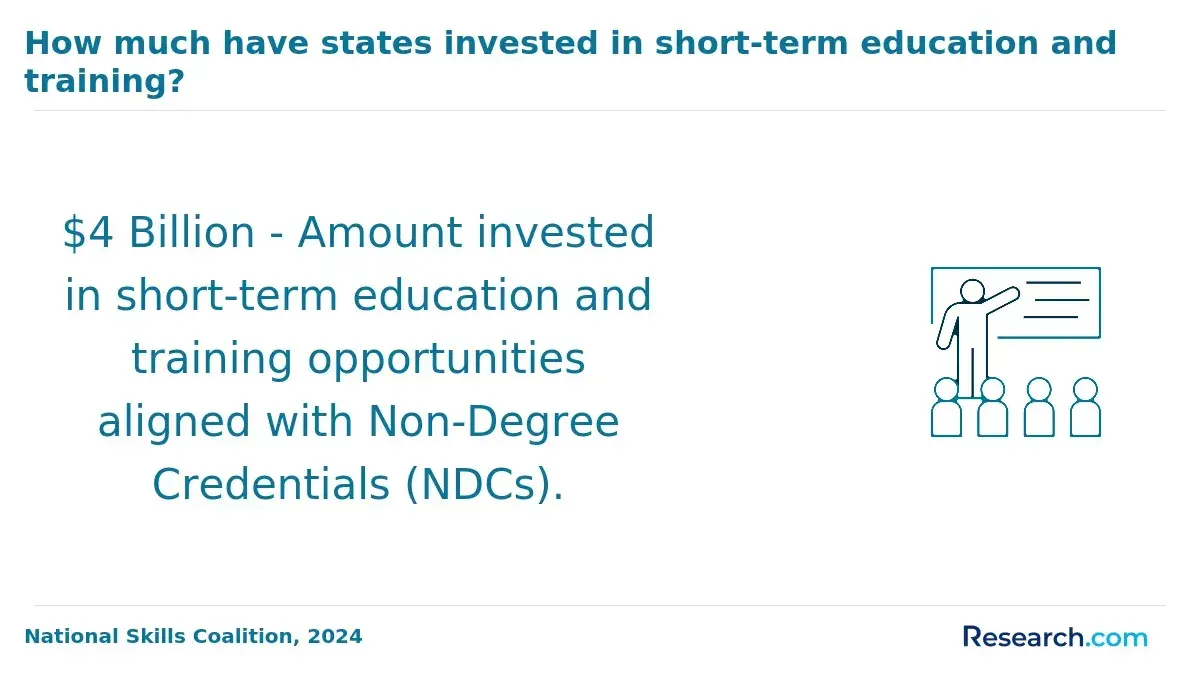
Recent analysis from the U.S. Department of Education shows that monthly student loan payments for health services graduates generally fall between $300 and $650, reflecting debt levels tied to varying educational commitments. Those with bachelor's degrees typically face payments in the $350 to $550 range under 10-year amortization plans, while individuals completing advanced certifications or extended programs can see amounts pushing $600 or more monthly. This spectrum accounts for differences in loan types, including federal and private borrowing, and highlights the financial strain placed on graduates earning median starting incomes near $40,000 to $55,000 annually.
Monthly payment disparities arise mainly from total debt accrued, with borrowing between $25,000 and $40,000 serving as a common baseline for undergraduates. Income-driven repayment plans often reduce initial payment burdens, sometimes below $250, yet variability in salary trajectories across health services roles impacts long-term affordability. Interest accrual and repayment term extensions further complicate monthly obligations, while early-career income fluctuations mean debt-to-income ratios may consume a significant share of take-home pay, underscoring the importance of tailored repayment strategies for financial sustainability.
One graduate shared that navigating the rolling admissions for a health services program introduced unexpected delays in enrollment decisions. Initially hesitant to commit without clearer financial aid information, they found themselves weighing application timing against the risk of missing optimal start dates. This uncertainty extended the decision window, creating stress around loan planning and underscoring how delays in admissions communications can complicate financial and academic preparation for prospective students.
How Do Repayment Rates Compare Between Public and Private Institutions?
Repayment rates for student loans among graduates of Health Services programs reveal a notable distinction between public and private institutions, as confirmed by 2024 data from the U.S. Department of Education's College Scorecard. Graduates from public universities tend to have stronger repayment outcomes, with median three-year rates approaching 58%, compared to roughly 50% for those from private institutions. This gap underscores persistent disparities in how borrowers manage debt following graduation, reflecting more than just institutional prestige or program quality but a complex interplay of financial and demographic variables influencing repayment behavior.
Core drivers behind these differences include disparate borrowing levels and earnings potential after leaving school. Public colleges typically have lower tuition and attract a higher proportion of in-state students benefiting from targeted loan forgiveness programs, which collectively reduce the average debt load. Conversely, private school graduates often face larger debts due to higher tuition costs and less consistent access to state-based aid, which can impose greater repayment strain despite sometimes higher starting salaries. Income disparities, combined with variations in career support infrastructure and program scale, further affect timely repayment outcomes, highlighting the need to weigh both upfront costs and realistic earnings trajectories when evaluating Health Services education options.
Do Online Health Services Graduates Have Different Repayment Outcomes Than Campus-Based Students?
Graduates from public institutions generally demonstrate higher student loan repayment rates than those from private institutions in Health Services degree programs, according to recent data from the U.S. Department of Education's College Scorecard and the National Center for Education Statistics (2024). Public university graduates in these fields show repayment rates averaging around 62% within three to five years post-graduation, compared to about 55% for private institution graduates. This difference reflects more than just simple institutional category; it captures underlying disparities in borrowing patterns, repayment behavior, and post-education financial realities that shape outcomes for Health Services students. These observed repayment divergences represent critical considerations for those analyzing campus versus online health services student loan payments across diverse educational settings.
The primary drivers behind this repayment gap include differing tuition structures, average debt burdens, and earnings potential after graduation. Private programs often charge higher tuition, leading students to assume larger loan balances which extend repayment periods and increase financial strain. In many cases, public institutions provide broader access to federal aid or subsidize costs more effectively, which can reduce the debt-to-income ratio upon entering the workforce. Moreover, public programs tend to be more established with stronger employer recognition and connections, enhancing early career placement and stable income generation-two crucial factors that support timely loan repayment. These financial and institutional dynamics collectively influence graduate borrowing behavior and repayment success, highlighting the complexity beneath the headline figures.
These differences also have broader implications for repayment stress and long-term financial mobility among graduates. Lower repayment rates at private institutions can signal heightened challenges in managing debt relative to earnings, which may affect credit scores, delay wealth accumulation, and alter lifetime economic trajectories. This repayment performance increasingly factors into how program value and institutional accountability are perceived by students and policymakers alike. Therefore, carefully assessing such repayment outcomes alongside program costs, graduate earnings, and career support resources is essential when selecting a pathway in health services education, whether considering campus-based or online options.
For those exploring specialized avenues, including masters in dietetics programs, this analytical lens provides vital context for making informed borrowing and enrollment decisions.
Which Industries Provide the Best Financial Return Relative to Borrowing Costs?
Financial return on educational investment within health services varies considerably across different industries, shaped by the interplay of salary potential, borrowing levels, and employment dynamics. Rather than focusing solely on median wages, evaluating return involves understanding how income progression and job market stability mitigate student debt burdens. Borrowing amounts typical for health services degree programs combined with sector-specific hiring demand ultimately influence whether graduates can sustain manageable repayment and build long-term financial security.
- Nursing: Nursing generally offers one of the most balanced financial profiles in health services education. Average student debt often remains below $50,000, while median annual salaries frequently exceed $75,000. This favorable debt-to-income ratio supports steady loan repayment and reflects robust employer demand, which accelerates wage growth during career advancement.
- Allied Health Professions: Fields such as physical therapy and diagnostic medical sonography also provide strong returns relative to borrowing. Though initial debt can vary, the accelerating demand for allied health roles and competitive salary growth help offset these costs, delivering a reasonable pathway to financial stability within a few years post-graduation.
- Health Informatics: As healthcare systems expand data and technology functions, health informatics professionals benefit from growing entry-level salaries paired with moderate borrowing requirements. The sector's rapid demand increase enhances job security and income trajectory, improving repayment capacity for those with typical education-related debt.
- Physician Assistant Specialties: Certain physician assistant tracks require higher upfront borrowing, often exceeding $70,000, but compensate with median salaries close to or above $90,000. While this supports relatively strong income potential, graduates face greater repayment risk if timely employment or salary growth does not materialize.
- Healthcare Management: Roles in healthcare administration may involve significant educational investment with variable borrowing levels. Salary progression is generally solid but less predictable, meaning that careful vetting of program cost and local job market stability is crucial to avoid disproportionate debt burdens without commensurate income returns.
According to recent reports from the U.S. Department of Education and the Bureau of Labor Statistics, sectors like nursing and allied health consistently deliver superior financial return through a combination of manageable debt and strong earnings potential. In contrast, specialized and management pathways require more deliberate risk assessment due to heavier borrowing and less uniform income outcomes, highlighting the importance of aligning education choices with realistic labor market expectations.
Does Student Debt Affect Which Jobs Health Services Graduates Accept?
Health services graduates carrying substantial student debt often face immediate pressure to prioritize salary in their first job offers, as balancing monthly loan repayments becomes a critical financial imperative. Those with higher debt-to-income ratios tend to select positions that provide more competitive compensation, frequently in private practices or urban healthcare settings, where pay scales exceed those typically found in public health or nonprofit roles.
According to a 2024 report from the National Center for Health Workforce Analysis, graduates with debt above $40,000 were 37% more inclined to accept private sector jobs rather than public-sector opportunities, indicating repayment obligations directly alter their employment decisions. This emphasis on income can overshadow considerations like job satisfaction or alignment with long-term career goals, as graduates weigh the immediate stability of earnings against the risk of accruing interest or missing payments.
Beyond salary-driven choices, broader structural and behavioral dynamics affect how student debt shapes labor market participation for health services graduates. Individuals with lower debt burdens may afford greater geographic mobility and explore roles in underserved or rural areas, whereas those with significant debt often remain tethered to higher-paying regions or institutions, narrowing their options.
Additionally, the need to maintain steady income streams constrains willingness to pursue further certifications or advanced trainings that might delay earnings but enhance future prospects. This creates a tension between short-term financial solvency and long-term professional development, where debt load stratifies graduates' career trajectories and influences sectoral distribution across healthcare fields. Thus, student debt imposes both explicit and implicit limits on employment flexibility, framing the early career path in ways that persist beyond initial job selection.
One recent graduate described applying to multiple health services programs during a rolling admissions cycle while juggling loan repayment concerns. The delay in receiving final offers created a tension between waiting for preferred options and needing immediate employment to manage mounting debt. They recalled feeling caught between hesitation and urgency, uncertain if deferring acceptance would risk losing opportunity or if settling quickly would mean sacrificing longer-term benefits. This period of uncertainty underscored how debt-related financial pressures intersect with the admissions and hiring timelines, shaping decisions well before starting a career in the field.
What Factors Increase Student Loan Repayment Risk for Health Services Graduates?
Repayment risk for health services graduates is shaped by a complex interplay of borrowing amounts, post-graduation income stability, and labor market dynamics rather than any single factor. The capacity to manage student loans depends heavily on how debt levels interact with earnings variability and employment conditions in the health services sector. Understanding these interdependent financial, academic, and economic influences offers clearer insight into which graduates face heightened repayment challenges.
- High Educational Debt Burden: Many health services programs, especially those involving graduate clinical training, require substantial borrowing. The National Center for Education Statistics reports that average debt for health services graduates exceeds $50,000, a level that often outpaces early-career salary potential. Elevated debt constrains monthly cash flow, increasing the likelihood of missed or deferred payments and exacerbating long-term financial strain.
- Income Variability and Employment Sector: Entry-level salaries in health services can vary widely, with internships and rural placements frequently offering lower pay and fewer benefits. This income inconsistency limits borrowers' repayment capacity, especially without access to robust loan forgiveness programs that are more common in other healthcare disciplines.
- Loan Repayment Term Length and Interest Accrual: Extended repayment schedules magnify total debt through compounding interest, prolonging financial pressure. Deferred or forborne payments temporarily reduce outflows but typically increase the principal balance, amplifying eventual repayment burdens.
- Career Interruptions and Role Changes: Graduates shifting to lower-paying positions outside health services or taking workforce breaks risk disrupting steady repayment patterns. Reduced income during these periods undermines loan servicing ability, potentially escalating delinquency risk.
These factors collectively influence student loan repayment risk for health services graduates, highlighting the critical impact of borrowing strategies and employment trajectories on financial outcomes. Prospective students should carefully weigh the impact of borrowing levels on health services student debt repayment when considering program costs and career expectations. For those exploring alternative or specialized roles, insights into how to get into pharmaceutical sales may be relevant as they evaluate diverse pathways beyond traditional health services employment.
How Can Health Services Students Reduce Student Loan Debt While Earning Their Degree?
Reducing student loan debt while earning a health services degree requires proactive planning that combines financial awareness, academic efficiency, and strategic use of available resources. This approach helps students minimize borrowing by selecting cost-effective educational pathways and maximizing institutional and employer support. Data from the National Center for Education Statistics in 2024 shows that over 60% of health services students graduate with debt between $35,000 and $50,000, underscoring the importance of deliberate debt mitigation.
- Prioritize Public or In-State Institutions: Attending public or in-state colleges generally lowers tuition costs significantly without sacrificing the quality or employability outcomes of health services programs. Students should weigh reduced tuition against any potential differences in networking or clinical placement opportunities to optimize affordability.
- Leverage Targeted Scholarships and Grants: Actively pursuing scholarships specific to health services fields can reduce loan reliance by directly offsetting tuition or fees. Scholarship eligibility often aligns with demonstrated financial need or academic merit, making early application and financial aid advising crucial.
- Utilize Part-Time Enrollment and Summer Courses: Spreading coursework over a longer duration through part-time study or summer terms allows students to maintain employment, generating income to cover living expenses. This lowers the need for loans, though students must carefully manage potential program length extension and its cost implications.
- Explore Employer Tuition Assistance: Many healthcare organizations offer tuition reimbursement or partial loan repayment to employees pursuing degrees relevant to their roles. Engaging with employer programs early helps students strategically align work commitments with academic progression, effectively reducing debt accumulation.
- Engage with Financial Aid Advisors on Federal Loan Options: Understanding income-driven repayment and loan forgiveness options through professional counseling enables informed borrowing decisions. This approach helps in managing long-term repayment burdens and sets realistic expectations about debt impact post-graduation.
- Reduce Living Costs Through Housing Choices: Sharing housing or relying on family support can significantly decrease non-tuition expenses, minimizing overall borrowing needs. However, feasibility varies widely with personal circumstances and regional cost of living.
- Analyze Program Selection for Efficiency: Selecting programs with clear, streamlined curricula that avoid unnecessary credits can reduce total tuition paid and time to degree. Students interested in comparative admission ease and program structure might consult resources on easiest SLP masters programs to get into for insight into program accessibility and length.
Effectively minimizing student loan debt in health services demands a nuanced combination of academic planning, financial aid optimization, and work-study balance. Applying these strategies can significantly improve affordability and reduce the long-term risks associated with borrowing.
How Should Prospective Students Evaluate Borrowing Risk Before Enrolling?
Assessing borrowing risk before enrolling in a health services degree program is critical to understanding the long-term financial impact of educational debt. This risk hinges on balancing the total expected cost-including tuition, fees, and living expenses-against realistic post-graduation earnings. Borrowers must also factor in repayment capacity and program-specific employment outcomes to determine whether the debt incurred is manageable and aligned with career prospects.
- Total Cost of Attendance: A thorough estimate of all expenses helps quantify potential debt exposure. Comparing this with starting salary ranges within health services roles allows students to anticipate repayment challenges.
- Debt-to-Income Ratio: Calculating monthly loan payments as a percentage of expected take-home pay-ideally below 15%-provides a practical benchmark for financial stability and sustainable repayment.
- Graduation and Licensure Rates: High completion and licensure pass rates indicate program efficacy and readiness for employment, mitigating risk of extended debt without earnings.
- Job Placement and Salary Data: Examining employment rates and median regional salaries immediately after graduation reveals realistic income expectations critical for assessing borrowing viability.
- Repayment Assistance Options: Availability of income-driven repayment plans or loan forgiveness programs can reduce immediate financial strain but may extend debt duration, influencing total cost over time.
- Market Demand and Growth Projections: Evaluating regional demand trends for health services professionals aids in forecasting longer-term job security and wage growth potential relevant to debt repayment capacity.
- Contingency Planning: Considering possible career interruptions, delayed employment, or part-time work scenarios highlights risks that can compound debt burdens and require conservative borrowing strategies.
According to a 2024 U.S. Department of Education report, nearly 45% of graduates in health-related fields carry student loan debt exceeding $40,000, underscoring the importance of rigorous pre-enrollment evaluation to avoid unsustainable financial commitments.
References
- FAQ: How to Pursue Public Student Loan Forgiveness (PSLF) as a Physician https://www.rosmansearch.com/resources/Public-Student-Loan-Forgiveness-for-Doctors.html
- Why For-Profit Hospitals Should Provide Student Loan Assistance I Summer Blog https://www.meetsummer.com/post/why-for-profit-hospitals-should-provide-student-loan-assistance
- Campus Based Student Loans https://paymybill.uillinois.edu/student_loans/campus_based_student_loans
- Does student loan repayment have negative health consequences? https://www.openaccessgovernment.org/student-loan-repayment-negative-health-consequences-cardiovascular-mental-illness/134761/
- fidelityworkplace https://www.fidelityworkplace.com/s/article/student-debt-healthcare
- Student Loan Debt Strains the Public Health Workforce, Study Finds https://debeaumont.org/news/2026/student-loan-debt-strains-public-health-workforce/
- How Student Loans Affect Healthcare Professionals https://luvohealthcare.com/how-student-loans-affect-healthcare-professionals/
- Average Medical School Debt [2025]: Student Loan Statistics https://educationdata.org/average-medical-school-debt
- Europe PMC https://europepmc.org/articles/pmc6179784
- Top Tips for Managing Medical School Debt | ELFI https://www.elfi.com/best-tips-for-paying-off-medical-school-debt/
Other Things You Should Know About Health Services
Program length in health services varies widely, from two-year associate degrees to advanced master's programs, and this directly impacts loan amounts and repayment timelines. Longer programs typically require more borrowing, which increases monthly payment obligations and extends repayment duration. Students should prioritize programs with a balanced curriculum that offers practical skills within a reasonable timeframe, as excessively long programs can lead to higher debt without proportional improvement in employability or income.
Private programs in health services often come with higher tuition and consequently larger debt loads, yet they may provide specialized training or stronger industry connections that improve job placement. However, these benefits do not always translate into higher salaries sufficient to offset greater borrowing. Students must weigh whether the program's prestige and resources justify the increased debt burden, and prioritize affordability if their goal is to minimize repayment risk, especially in markets where entry-level salaries are modest.
Employers in health services increasingly expect candidates to have certifications beyond a basic degree, frequently tied to specific roles or specialties. While these certifications can improve job prospects and salary, pursuing them often requires additional borrowing. Prospective students should evaluate industry demand carefully and only borrow for certifications with clear, market-validated salary premiums or job placement advantages to avoid unnecessary debt that does not improve career outcomes.
Graduates with stable employment in high-demand health services sectors should consider aggressive repayment to reduce long-term interest costs and free future income for saving or investment. Conversely, those in lower-paying roles or uncertain job markets may benefit from income-driven repayment plans that keep monthly payments manageable and reduce default risk. Prioritizing repayment strategy should align with job stability and salary growth prospects rather than a one-size-fits-all approach.