2027 Gifted Education Career Outcomes by Degree Level Report: Pay, Employment, and Advancement Patterns

Co-Founder and Chief Data Scientist
Key Things to Know About Gifted Education Career Outcomes by Degree Level
- Associate and bachelor's credentials in gifted education often grant entry-level school roles, but limited advancement occurs without master's-level certification, reflecting employer priorities for advanced pedagogical expertise in leadership or specialized positions.
- Master's and doctoral degrees significantly increase access to district leadership and policy-influencing roles; a 2024 labor study links doctoral attainment to a 35% higher administrative hiring likelihood, emphasizing credential value beyond classroom instruction.
- Certificate programs offer quicker, cost-efficient skill updates but lack long-term career mobility; this tradeoff affects working adults balancing timing, finances, and credential progression when pursuing expanded responsibilities or salary growth.
- Key Things to Know About Gifted Education Career Outcomes by Degree Level Key Things to Know About Gifted Education Career Outcomes by Degree Level
- What Career Outcomes Can Students Expect From Each Gifted Education Degree Level? Career Outcomes by Degree
- How Much Do Gifted Education Graduates Earn by Degree Level? Salary by Degree Level
- Which Gifted Education Degree Level Offers the Strongest Employment Prospects? Best Degrees for Employment
- What Entry-Level Jobs Can You Get With a Gifted Education Degree? Entry-Level Career Opportunities
- How Do Gifted Education Degree Levels Affect Career Advancement and Promotion Opportunities? Career Growth by Degree
- Is a Gifted Education Degree Worth It Based on Salary, Employment, and ROI? Salary, ROI, and Value
- How Do Associate, Bachelor's, Master's, and Doctoral Gifted Education Degrees Compare? Comparing Degree Levels
- Which Industries and Employers Hire Gifted Education Graduates by Degree Level? Which Industries and Employers Hire Gifted Education Graduates by Degree Level?
- What Skills, Credentials, and Experience Improve Gifted Education Career Outcomes? What Skills, Credentials, and Experience Improve Gifted Education Career Outcomes?
- Which Gifted Education Degree Level Is Best for Your Career Goals? Choosing the Right Degree
What Career Outcomes Can Students Expect From Each Gifted Education Degree Level?
Employment and advancement patterns in gifted education degrees reveal clear trade-offs between credential levels in terms of role access and long-term mobility. For those holding certificates or associate degrees, opportunities typically center on paraprofessional support or assistant roles, which seldom lead to lead instructional positions due to licensure requirements. Bachelor's degrees often serve as the gatekeeper credential for licensed classroom teaching, providing access to stable school employment but limiting advancement without further graduate study. According to 2024 data from the U.S. Bureau of Labor Statistics, job stability and upward mobility notably increase with graduate-level qualifications, underscoring the importance of aligning degree choice with career ambitions and readiness for prolonged study.
Master's degrees in gifted education expand employment horizons by opening leadership and specialized instructional roles, such as curriculum development and program coordination, which many employers prioritize for candidates with graduate credentials. These roles offer greater wage potential and job security compared to bachelor's-level positions, reflecting evolving employer expectations and state certification standards. Doctoral credentials focus on research, higher education faculty positions, and district-level leadership, although these options demand a narrower specialization and sustained research productivity. Prospective students, including working adults and transfer learners, should consider how prior credits or alternative routes impact time to degree and how these choices influence their trajectory beyond entry-level teaching, making deliberate alignment with credential requirements critical when planning advancement in gifted education careers. For more in-depth insights on graduate options related to advanced education pathways, exploring DNP programs can provide useful parallels in structuring extended professional qualifications.
How Much Do Gifted Education Graduates Earn by Degree Level?
The decision to pursue higher credentials must consider not just salary lifts but also the often complex licensure landscape, regional labor market variability, and how each degree level influences employability and career flexibility. Doctoral and professional degrees are linked to top-tier salaries exceeding $90,000 in some administrative or university roles, yet the niche nature of these positions and competitive market highlight a significant tradeoff in return on investment. Transfer credits and completion timelines particularly affect working adults and military-affiliated students who must balance educational advancement against immediate income needs. Studies from the U.S. Bureau of Labor Statistics and 2024 NCES data emphasize that employment stability notably improves with state certification accompanying bachelor's degrees, underscoring that credential value extends beyond base salary figures and includes job market resilience.
One recent graduate reflected on the stark differences in earnings and opportunities after comparing certificate-level support roles with bachelor's and master's options. Initially uncertain, this individual found that while the certificate path offered quicker entry and lower costs, job postings in their area consistently favored candidates with at least a bachelor's-and often master's degrees-for both pay and leadership potential. Weighing the cost and added years of schooling against these market signals prompted a cautious decision to pursue a master's, influenced by conversations with local employers who emphasized credentials linked to higher salary tiers and specialized responsibilities. This nuanced understanding helped shape realistic expectations around both compensation and career trajectory within gifted education.
Which Gifted Education Degree Level Offers the Strongest Employment Prospects?
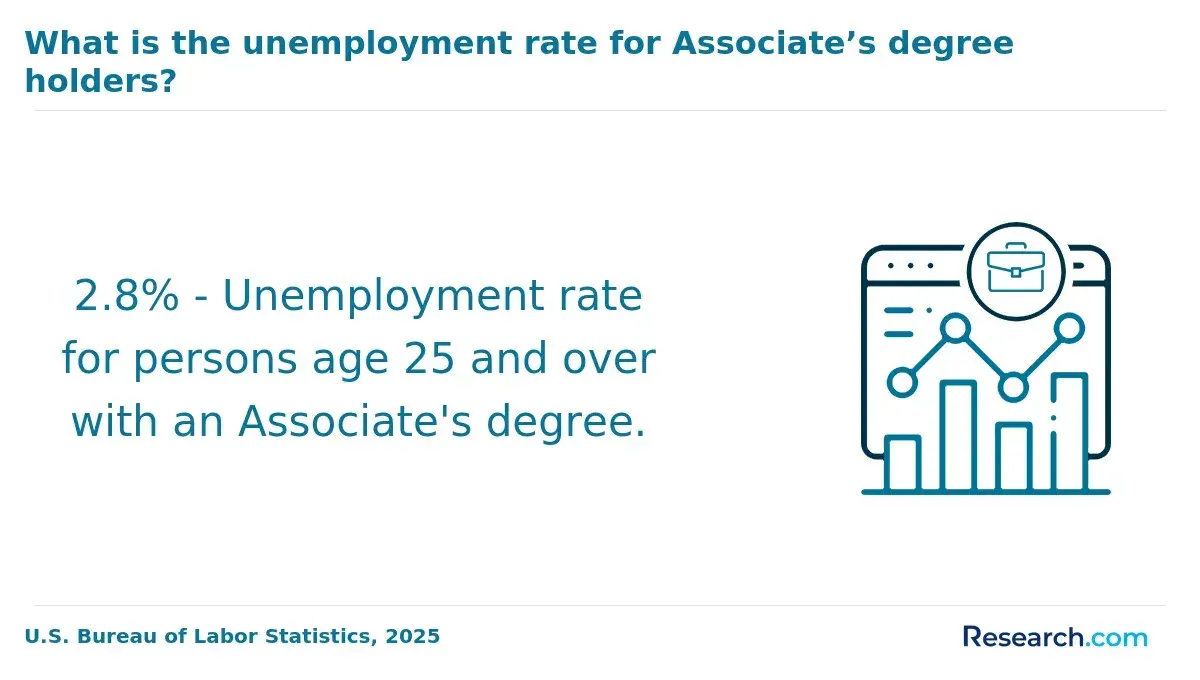
Individuals pursuing careers in gifted education will generally find that master's degrees provide the most favorable balance of employment prospects and long-term occupational mobility. According to 2024 data from the U.S. Bureau of Labor Statistics, those with master's-level credentials face unemployment rates roughly 30% lower than bachelor's degree holders, reflecting employer preferences and licensure mandates that prioritize advanced qualifications for core instructional and leadership roles. While certificates and associate degrees may allow for quicker entry into certain support positions, these credentials often fall short of state certification requirements, restricting candidates to paraprofessional roles with limited upward mobility and lower job security.
Doctoral degrees in gifted education typically open doors to research, policy, and senior administrative positions but come with significant time and financial costs that may not justify immediate employment advantages for most candidates. In contrast, a master's degree often includes practicum elements that build specialized skills aligned with employer demands, facilitating smoother transitions into teaching, program coordination, and curriculum development tailored to gifted learners. Regional labor market variations sometimes allow bachelor's-level holders to access entry-level teaching roles, yet such opportunities are generally less stable and capped in salary growth compared to those requiring graduate credentials.
Prospective students weighing whether to enter the workforce swiftly or continue advancing their education should consider that licensure standards and employer expectations commonly require a minimum of a master's degree for meaningful advancement. Although associate or certificate programs offer faster pathways into the field, investing in a graduate-level degree improves eligibility for regulated and leadership roles that drive career progression. These dynamics underline the importance of aligning educational choices with realistic job market conditions and long-term professional goals in gifted education.
What Entry-Level Jobs Can You Get With a Gifted Education Degree?
Entry-level roles available to gifted education graduates often vary significantly depending on degree attainment and licensure status. Individuals holding a bachelor's degree typically enter K-12 classrooms, but must navigate state licensure requirements that include certification exams and supervised practicum experiences focused on advanced learners. According to the U.S. Bureau of Labor Statistics (2024), about 30% of these graduates begin their careers as classroom teachers specializing in gifted education, a role that demands not only instructional skill but also practical classroom management, which many job postings expect even at entry level.
Graduate degrees in gifted education open doors to more specialized positions such as curriculum development, educational assessment, or program coordination, building on skills gained through internships and targeted practicum work documented in datasets like IPEDS. Candidates without sufficient hands-on experience often face challenges securing these roles, as employers prioritize demonstrated expertise in differentiated instruction and collaboration across multidisciplinary teams. This distinction is important for students considering how initial employment fits within broader career trajectories, especially when weighing the potential tradeoffs between immediate job stability and the skill-building potential necessary for future advancement within this niche field.
Travel and remote work remain limited in traditional gifted education teaching roles, influencing geographic mobility and employment options. Those evaluating entry-level positions within gifted education should consider how initial licensure, prior experience, and graduate study plans align with long-term professional flexibility. For prospective students balancing practical realities with career goals, understanding these dynamics is as critical as consulting broader labor trends, such as those highlighted in the medical billing and coding job outlook, to frame sector-specific employment expectations realistically.
How Do Gifted Education Degree Levels Affect Career Advancement and Promotion Opportunities?
Advanced degree qualifications in gifted education meaningfully influence access to supervisory and leadership positions, as many districts require a minimum of a master's degree for roles like program coordinators or instructional specialists. According to 2024 data from the National Center for Education Statistics, candidates holding graduate degrees are significantly more likely to secure mid-career and administrative posts compared to those with only bachelor's credentials. This is partly due to employer screening practices that prioritize licensure and certifications, often tied to graduate coursework, as prerequisites for promotion beyond classroom teaching. Professionals with doctoral or post-master's specialization not only enhance their eligibility but may also experience greater career stability and influence in shaping curriculum policies at district or state levels. However, pursuing advanced degrees entails balancing the cost and time investment against tangible benefits, especially for working adults who must navigate transfer credits and flexible program formats to maintain employment continuity.A teacher with a bachelor's degree faced hesitation before applying for a district leadership position because the job posting specified a master's degree preference coupled with specialized gifted education credentials. She initially weighed earning a graduate certificate versus a full master's, considering which would better meet state licensure requirements and employer expectations. Ultimately, she chose a part-time master's program offering adult learner accommodations and prioritized credits that aligned with promotion criteria. Although the prospect was daunting, this pathway improved her confidence and eligibility for advancement, illustrating how degree level decisions intersect with workplace demands, professional growth timelines, and credential recognition in gifted education careers.
Is a Gifted Education Degree Worth It Based on Salary, Employment, and ROI?
Evaluating gifted education degree salary and employment outcomes requires recognizing the nuanced tradeoffs among degree levels, credentialing requirements, and regional labor markets. Educators with bachelor's degrees in this field face entry-level salaries and competitive licensing hurdles that can delay employment, whereas master's degree holders typically command higher pay and greater stability but must account for increased tuition and longer time commitments. Working professionals and transfer students must weigh whether the incremental salary gains justify the upfront costs and potential loss of income during longer study periods, especially in districts where funding and demand for specialized gifted educators vary widely.
Return on investment for gifted education careers is also shaped by the total cost of advanced degrees, which often include tuition, fees, books, and opportunity costs that cumulatively can approach or exceed typical graduate loan debts. Leadership and specialist roles frequently require master's or doctoral credentials, which may increase earning potential but face uncertain availability depending on district budgets and certification demands. For adult learners and military-affiliated students balancing work and study, flexible formats such as part-time enrollment or transfer credits can ease financial and time burdens but may extend completion timelines. Those exploring alternative education routes might consult ASN online programs as potential stepping stones within broader career pathways.
Ultimately, decisions about gifted education programs benefit from analyzing how salary potential, employment stability, career mobility, and program duration interact in specific contexts. Prospective students should prioritize employer preferences for licensure, regional labor demand fluctuations, and financial aid options to determine feasible pathways. This pragmatic approach helps align educational investment with realistic career outcomes and the evolving landscape of specialized gifted education roles.
How Do Associate, Bachelor's, Master's, and Doctoral Gifted Education Degrees Compare?
Choosing an associate degree in gifted education usually facilitates quick entry into support roles but limits access to licensed teaching positions and long-term wage growth. Transfer credit policies often allow moving from associate to bachelor's programs without significant loss, offering a low-risk start for those balancing work and study. However, since bachelor's degrees underpin most teacher certification and are required for advanced endorsements or leadership tracks, stopping at an associate can restrict upward mobility and professional specialization.
Bachelor's degrees remain the primary credential for classroom teaching roles, with employment rates exceeding 85% within a year post-graduation, according to 2024 National Center for Education Statistics data. Yet, career progression frequently stalls without graduate-level credentials, especially in states where master's degrees unlock roles in curriculum design, instructional coaching, and administration. Meanwhile, master's programs demand more time and academic commitment but tend to deliver greater job security and leadership opportunities, directly aligning with district and state credentialing requirements. In practice, learners must balance these gains against increased educational costs and reduced completion rates.
Doctoral degrees in gifted education primarily cater to research, policy development, and high-level administration, commanding the highest degree of influence and job stability but with significant time investment and under 50% program completion rates. For educators aiming at university faculty positions or district leadership, the doctorate offers distinct advantages over master's credentials, especially when coupled with specialized expertise and institutional reputation. Prospective students should evaluate whether the incremental benefits justify the extended duration and rigor, as master's credentials often meet most advanced career expectations within the field.
Which Industries and Employers Hire Gifted Education Graduates by Degree Level?
Employment outcomes for gifted education graduates strongly correlate with degree level, shaping access to employer types and job functions in meaningful ways. Associate degree holders typically fill paraprofessional or instructional support roles within K-12 public and private schools, where licensure limits advancement beyond classroom assistance. In contrast, bachelor's degree graduates predominantly secure core teaching positions in public elementary and secondary education, with approximately 75% working in school districts or local education agencies; these roles mandate state certification and often emphasize classroom instruction over program leadership.
Master's degree holders benefit from broader hiring prospects, including curriculum development, program coordination, and specialized instructional roles often found in district offices, charter schools, and educational nonprofits that prioritize differentiated gifted programming. This credential frequently enables movement into administrative and coaching positions due to expanded licensure and management preparation. Doctoral graduates, meanwhile, most often enter academia, research institutions, and policy-making organizations where their expertise supports grant leadership, curriculum innovation, and federal-level consultancy. Certificate programs offer a niche path for practicing educators seeking targeted specialization without full degree commitment, though they typically result in modest pay enhancements and more focused instructional roles. These patterns highlight that decisions to stop at each credential level or pursue advanced degrees significantly influence workplace settings, responsibility scope, and long-term mobility in gifted education careers.
What Skills, Credentials, and Experience Improve Gifted Education Career Outcomes?
Advanced certifications and targeted licensure endorsements remain critical levers for improving career outcomes in gifted education, particularly when balanced with concrete technical competencies such as curriculum differentiation and data-driven instructional strategies. Candidates who strategically combine these specialized skills with relevant credentials typically experience stronger employment stability and more rapid promotion, reflecting employer expectations shaped by both state licensure mandates and practical classroom demands. For instance, an educator progressing from a bachelor's degree with initial teaching credentials to a master's-level endorsement in gifted instruction often gains access to leadership roles and higher pay scales, underscoring the tangible tradeoffs between broader degree acquisition and credential stacking in this field.
Notably, work experiences like internships, field placements, and apprenticeships significantly enhance applicant portfolios, with employer surveys indicating a roughly 25% increase in job placement success for recent graduates who can demonstrate applied learning. Beyond technical skills, soft skills-particularly communication, adaptability, and leadership-distinctly influence promotion potential, especially in positions that require project coordination or administrative responsibilities. This interplay of skills and experiences highlights the importance of aligning education pathways with licensure eligibility and experiential learning opportunities, vital considerations for adult learners, working professionals, or transfer students navigating gifted education career credential requirements.
Graduates must carefully weigh the incremental benefits of advanced degrees relative to their specific career goals, as the combination of practical skill mastery and credentialing often dictates access to desirable roles and advancement. Those evaluating options might also consider cross-disciplinary experiences or ties to related fields, as seen in inquiries about jobs for bioinformatics degree, which can complement educational technology competencies valuable in gifted education settings. Ultimately, the most effective career strategies integrate focused credential paths with experiential and leadership development to meet evolving employer demand and optimize long-term career mobility.
Which Gifted Education Degree Level Is Best for Your Career Goals?
Choosing the best gifted education degree for advancement requires weighing how degree level correlates with job roles, salary potential, and credential demands in a highly regulated field. Bachelor's degrees often suffice for entry-level instructional roles but limit mobility since many districts expect a master's for licensure or specialized program leadership. For example, a working professional seeking curriculum coordination typically must pursue a master's to meet certification benchmarks and stay competitive, reflecting data from the U.S. Department of Education showing 65% of gifted educators hold at least a master's. This degree also facilitates credit transfer strategies and part-time study options critical for adult learners balancing work and education.
Doctoral degrees in gifted education unlock roles in research, policy, and higher education teaching but come with longer completion times and notable debt risks, as indicated by IPEDS data. These advanced degrees often serve professionals targeting consultancy or leadership positions inaccessible with lower credentials. However, the decision to pursue a doctorate should consider opportunity costs and whether the early-career salary plateau aligns with personal workforce planning. Analyzing these tradeoffs through the lens of gifted education degree career outcomes highlights how long-term affordability and employer expectations shape educational pathways.
Prospective students must also evaluate program flexibility and regional licensure differences, as not all credits or certifications transfer uniformly. Workers seeking efficient degree routes might explore options highlighted in online public health masters programs easy to get into for ideas on accessible models, paralleling flexible gifted education offerings. Ultimately, understanding these structural realities sharpens critical decision-making for gifted education degree career outcomes by degree level and practical employment alignment.
References
- Teaching Gifted Education https://teach.com/careers/become-a-teacher/what-can-i-teach/gifted-education/
- Frequently Asked Questions about Gifted Education https://www.nagc.org/frequently-asked-questions-about-gifted-education
- Is College Worth it? | Return on Investment Analysis of College Degree https://educationdata.org/college-degree-roi
- What Can I Do With a Teaching Degree (Besides Teach)? https://www.alleducationschools.com/blog/what-can-i-do-with-a-teaching-degree-besides-teach/
- Research Summary: Education and Lifetime Earnings https://www.ssa.gov/policy/docs/research-summaries/education-earnings.html
- Does Going to College Make Financial Sense Anymore? https://www.wealthenhancement.com/blog/is-college-worth-it-financially
- Types of College Degrees https://www.act.org/content/act/en/students-and-parents/high-school-success/what-to-do-after-high-school/college-degrees.html
- National Association for Gifted Children (NAGC), NAGC Career Center|Find Your Career Here https://careers.nagc.org/
- Is College Worth It? A Comprehensive Return on Investment Analysis - FREOPP https://freopp.org/whitepapers/is-college-worth-it-a-comprehensive-return-on-investment-analysis/
- Educational Leadership Degree: Master’s vs. Doctorate https://www.educationalleadershipdegree.com/blog/educational-leadership-degree-masters-vs-doctorate/
Other Things You Should Know About Gifted Education
The duration and intensity of gifted education programs differ notably by degree level, with doctoral programs demanding several years beyond the master's level. Candidates must weigh not only the total time but also the depth and complexity of study required, which can impact work-life balance and immediate earning potential. For those aiming to enter the workforce promptly or maintain employment while studying, prioritizing a master's level could provide a practical balance of advanced credentials without the extensive time commitment doctoral programs require.
While advanced degrees, particularly at the doctoral level, improve eligibility for leadership roles such as curriculum directors or policy advisors, they don't automatically ensure these positions. Employers often emphasize proven leadership experience and the ability to navigate complex educational systems alongside academic credentials. Prospective students should focus on programs that integrate practicum or leadership training and seek roles that develop these skills early, rather than relying solely on degree attainment to advance.
Employers typically expect bachelor's graduates to have foundational skills but place a premium on practical experience that master's and doctoral candidates are more likely to possess through internships or research projects. Master's programs often incorporate applied learning elements critical for immediate classroom impact, while doctoral programs lean towards research and theoretical expertise, suitable for academic or policy roles. Students should prioritize degrees offering substantial hands-on experience if their goal is direct instructional roles, and consider doctoral pathways only if aiming for specialized or research-oriented careers.
Research-focused gifted education degrees, typically at the doctoral level, prepare graduates for academic, policy, or consultancy roles but may limit immediate employment opportunities outside these niches. Practice-oriented degrees, often master's level, enable quicker transitions into teaching and educational program management but might restrict access to high-level policy or administrative positions. Candidates should assess their long-term career flexibility and employer demands, opting for research degrees only if aligned with aspirations in academia or systemic roles, while practice degrees suit those prioritizing classroom or program-level impact.