2027 Gerontology Degree Concentration Trends: Which Specializations Are Growing the Fastest

Co-Founder and Chief Data Scientist
Maria, a registered nurse with five years' experience in elder care, weighs whether to specialize in geriatric mental health or aging policy within her gerontology master's program. The choice is critical: recent 2024 labor market data reveal that demand for specialists focused on dementia care and mental health is growing 25% faster than traditional elder care roles, signaling a shift toward integrated cognitive and emotional health services.
Ignoring these nuances risks limiting job prospects and career mobility amid rapidly evolving care models. As such, this article analyzes current gerontology degree concentration trends, highlighting which specializations are expanding most swiftly to guide focused, future-ready career decisions.
Key Things to Know About Gerontology Degree Concentration Trends and Fast-Growing Specializations
- Concentrations in healthcare administration and aging services management show stronger employer demand, but graduates must balance leadership competencies with clinical knowledge gaps, directly affecting role versatility and early career positioning in long-term care settings.
- The rise of gerontechnology and health informatics specializations reflects a broader workforce shift toward digitally integrated elder care, meaning graduates must continuously adapt to evolving tools and platforms to maintain sustained employability across diverse aging services environments.
- Growth in dementia care and neurodegenerative disease concentrations signals persistent industry need driven by rising prevalence, yet these pathways often require deeper clinical training and additional credentialing, influencing long-term flexibility for those seeking administrative or policy-facing roles.
- Key Things to Know About Gerontology Degree Concentration Trends and Fast-Growing Specializations Key Things
- What Are the Most Popular Gerontology Degree Concentrations Today? Popular Degree Concentrations
- Which Gerontology Degree Specializations Are Growing the Fastest? Fastest Growing Specializations
- Why Are Certain Gerontology Degree Concentrations Experiencing Rapid Growth? Reasons for Rapid Growth
- Which Industries Are Driving Demand for Fast-Growing Gerontology Degree Specializations? Industries Driving Demand
- What Are the Highest-Paying Gerontology Degree Concentrations? Highest-Paying Concentrations
- How Are Technology and Innovation Influencing Gerontology Degree Specialization Trends? Tech and Innovation Impact
- What Career Opportunities Are Available in Fast-Growing Gerontology Degree Concentrations? Career Paths in Growth Areas
- Which Online Gerontology Degree Concentrations Are Seeing the Most Growth? Concentrations Growth
- What Is the Future Outlook for Emerging Gerontology Degree Specializations? Future Outlook
- How Can You Choose the Right Gerontology Degree Concentration Based on Your Career Goals? Choosing Your Degree Concentration
What Are the Most Popular Gerontology Degree Concentrations Today?
The current popularity of gerontology degree concentrations reveals a growing alignment with healthcare administration and aging services management, reflecting a clear industry priority to address complex care coordination and policy navigation for aging populations. According to the National Center for Education Statistics, enrollment in these tracks has grown by 15% over three years, highlighting how workforce shortages and evolving regulatory requirements are driving demand for managers who can efficiently integrate services across various care settings. This trend suggests that students prioritizing practical leadership skills in aging care systems may find stronger employer interest, though they should also consider the potential tradeoff between administrative roles and direct clinical practice specialization.
Specializations in clinical gerontology and applied health sciences remain highly sought after due to the rising prevalence of chronic age-related conditions such as dementia, which create persistent demand for evidence-based therapeutic knowledge. While these specialties offer clear pathways into rehabilitation and long-term care environments, they often require deeper clinical training and may limit broader administrative career flexibility.
At the same time, emerging fields like gerontechnology and health informatics are gaining traction as digital innovation becomes integral to elder care, offering adaptable career options but possibly requiring continuous skill upgrades. Prospective students evaluating gerontology degree options should weigh how program emphases align with these shifting labor market realities and long-term workforce needs across the top gerontology specialization programs in the United States.
For those considering accelerated pathways, integrating specialized gerontology knowledge with practical credentials can provide strategic advantages. For example, combining core gerontological studies with a medical assistant program may enhance immediate employability in clinical settings, balancing specialization depth with operational versatility. These kinds of interdisciplinary approaches reflect broader industry hiring preferences for candidates who can bridge clinical, administrative, and technological roles, enabling more resilient and adaptable career trajectories in an evolving aging services landscape.
Which Gerontology Degree Specializations Are Growing the Fastest?
Growth in gerontology degree concentrations is driven by complex shifts in healthcare delivery, technology adoption, and policy changes rather than simple popularity surges. Programs emphasizing healthcare management and health informatics stand out, reflecting a labor market increasingly focused on managing aging populations with sophisticated digital tools—2024 data from the U.S. Bureau of Labor Statistics shows rapid expansion in roles tied to care coordination and electronic health records tailored for older adults.
Meanwhile, regulatory pressures around elder care funding and compliance have pushed specializations in administration and policy to the forefront, as graduates who can navigate these layered requirements fill roles unlikely to be automated, ensuring longer-term job stability. The growth of mental health and neurodegenerative disease concentrations highlights a distinct employer demand for professionals skilled in multidisciplinary approaches, responding to rising societal awareness and funding targeting Alzheimer's and dementia care challenges. However, these areas require greater educational depth and versatility, affecting curriculum design and candidate readiness for varied employment settings.
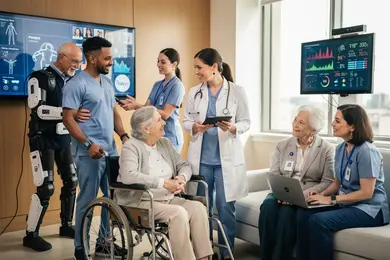
Emerging intersections between aging and technology, such as telehealth and assistive robotics, represent a smaller but fast-growing niche shaped by ongoing advances in AI and STEM integration within elder care. These specializations often come with strategic trade-offs, requiring close collaboration between academic programs and tech developers to keep offerings relevant while balancing their narrower industry footprint against broader employability. This market evolution illustrates why prospective students must assess not only current enrollment trends but also the flexibility of skills and interdisciplinary breadth each track fosters, as fast growth does not guarantee universal alignment with every career aim. Navigating between rapidly evolving digital health capabilities and more established regulatory expertise demands careful educational planning to maintain long-term relevance in an aging services workforce.
One student researching gerontology specializations initially leaned toward the technological innovation track, attracted by emerging AI applications in elder care. Yet, after consulting faculty and reviewing employer demand reports, they questioned whether the marked growth signaled lasting industry need or a short-lived niche enthusiasm. Balancing interest in tech with pragmatic considerations, they compared curricular requirements between broader healthcare administration programs and specialized cognitive care pathways. This process, though fraught with uncertainty, helped clarify that while emerging fields hold promise, depth in regulatory knowledge and clinical aging processes remained crucial for versatility, prompting a more cautious but informed decision about which specialization offered sustainable career potential.
Why Are Certain Gerontology Degree Concentrations Experiencing Rapid Growth?
The accelerating expansion of gerontology degree concentrations is predominantly driven by the demographic shift toward an aging population, notably in the United States where projections indicate all baby boomers will be over 65 by 2030. This demographic pressure compels employers to prioritize candidates with expertise in areas like geriatric health management, elder law, and emerging digital health tools tailored to older adults. However, rapid growth in technology-focused specializations, such as geriatric informatics and telehealth, reflects a sector adapting to integrated care models that blend clinical skills with IT proficiency, a requirement that may challenge students less comfortable with interdisciplinary technical training.
Regulatory developments and workforce shortages further intensify demand for credentials in long-term care compliance, policy interpretation, and quality assurance roles. As federal and state funding for aging services increases, so does the need for professionals adept at navigating complex legal frameworks, a niche that attracts students prepared for the rigor of policy-heavy curricula but potentially limits those seeking more patient-facing roles.
Enrollment surges in dementia care and elder financial advocacy also mirror employer calls for cultural competence and collaboration, underscoring that job security in gerontology hinges not only on specialization growth but also on alignment with evolving sector priorities and personal adaptability.
Which Industries Are Driving Demand for Fast-Growing Gerontology Degree Specializations?
Industry demand rather than academic trends is the key driver of which gerontology degree specializations are expanding rapidly. The healthcare sector, especially providers in long-term and hospice care, leads this growth due to workforce shortages and a 22% projected increase in elder care-related roles from 2022 to 2032, according to the U.S. Bureau of Labor Statistics. This trend reflects a shift toward clinical specializations that address complex chronic conditions and palliative care needs, underlining the tradeoff students face between broad foundational knowledge and targeted clinical expertise in their degrees.
Beyond healthcare, technology firms are fueling demand for hybrid skills that combine gerontology with telehealth, AI, and assistive devices, responding to an aging population's increasing need for remote monitoring and cognitive support tools. Public health agencies further influence specialization focus by prioritizing legal, policy, and community-based approaches to elder care, driven by regulatory shifts and funding increases in aging services.
Meanwhile, private industry sectors such as insurance and wellness emphasize risk management and lifestyle intervention expertise, reflecting a broader diversification of gerontology career sectors that challenge students to balance interdisciplinary breadth with market-ready specialization. Prospective learners should consider these dynamics carefully when evaluating how self paced college courses can support their goals within the fastest growing gerontology career sectors.
What Are the Highest-Paying Gerontology Degree Concentrations?
Specializations in gerontology that blend clinical skills with leadership or technical expertise consistently yield stronger earning potential due to their alignment with high-demand industry needs. For instance, healthcare administration roles focused on aging populations often command premium compensation as they manage multifaceted care delivery and compliance in increasingly complex regulatory environments. The U.S. Bureau of Labor Statistics' 2024 report highlights that healthcare managers in elder care settings earn substantially more than entry-level social service workers, underscoring how sector revenue and organizational scope shape pay scales.
Similarly, fields like geriatric nursing or advanced clinical practice benefit from persistent talent shortages driven by certification requirements and evolving patient care complexities, which raise barriers to entry and thus drive up wages.
Emerging intersections such as gerontechnology further illustrate how integrating technology with aging studies generates new career pathways with competitive compensation tied to innovation and cross-disciplinary problem-solving. Employers prioritize candidates proficient in these technical domains as the healthcare industry increasingly invests in smart-home health solutions and independent living supports.
However, these lucrative specializations often require continuous professional development and carry implicit tradeoffs, including higher educational costs and demanding licensure paths. Prospective students must therefore weigh these factors against personal aptitudes and long-term labor market signals rather than relying solely on income potential.
One recent graduate recalled initially torn between geriatric nursing and healthcare administration tracks, scrutinizing employment data and industry projections. Conversations with faculty and alumni revealed that while nursing offered direct patient impact, administrative roles promised broader leadership opportunities and higher pay ceilings. Ultimately, their decision balanced a personal commitment to clinical care with realistic appraisal of advancement and financial sustainability, reflecting the nuanced evaluation many face when selecting among top-paying gerontology concentrations.
How Are Technology and Innovation Influencing Gerontology Degree Specialization Trends?
The surge in technology advancements in gerontology degree specializations is reshaping curricula and graduate skill sets by emphasizing digital health, AI-assisted care, and data analytics. Employers, especially in healthcare systems and government sectors, now prioritize graduates who can interpret electronic health records and implement machine learning tools for predictive elder care, which shifts the value proposition from traditional elder care knowledge to technical fluency.
For example, telehealth management and remote monitoring technologies have become integral in many gerontology programs, reflecting this innovation-driven trend in gerontology education programs and the labor market's demand for interdisciplinary expertise.
Programs that incorporate training on automated care systems and big data analysis position students for broader employment opportunities but also face challenges in maintaining relevance amid rapid technological changes. Not all institutions have equal access to these advanced resources, creating disparities that impact graduation rates and timely completion, as students must often balance acquiring these new competencies with their existing workloads. Candidates considering different specializations within gerontology must weigh the benefits of technology integration against the necessity for ongoing upskilling, given the accelerated obsolescence in some digital tools and methods, which directly influences long-term employability and career adaptability.
Practical evaluation of these specialization trends should consider how well a program aligns with evolving employer expectations and workforce demands. Those seeking to enhance their credentials may also find complementary value in related fields, such as nursing, through pathways like an ASN program, to broaden interdisciplinary competence and job prospects. Overall, strategic specialization choices grounded in an understanding of innovation-driven education shifts will better prepare students for the complexities of a digitally transformed gerontology landscape.
What Career Opportunities Are Available in Fast-Growing Gerontology Degree Concentrations?
Demand growth in gerontology degree concentrations increasingly favors roles that integrate management expertise with evolving care complexities and technological fluency. For instance, projections from the U.S. Bureau of Labor Statistics anticipate a 14% increase in healthcare management positions between 2022 and 2032, underscoring employer needs for professionals capable of overseeing interdisciplinary teams and innovating senior care services. Graduates focusing on healthcare management within gerontology can position themselves for leadership roles where strategic coordination and adaptation to systemic challenges become daily responsibilities.
Specializations involving senior technology reflect a pivotal industry shift as digital and assistive technologies gain traction in elder care settings. Employers seek graduates who not only understand emerging tools but can also address barriers in user adoption among older adults, blending health knowledge with technical skills.
Conversely, policy and advocacy-focused concentrations cater to roles demanding fluency in regulatory environments, elder rights, and public program navigation, often requiring interdisciplinary insight beyond traditional gerontology curricula. Selecting a concentration thus moves beyond immediate job postings—it frames long-term professional adaptability, with tech and policy areas particularly demanding ongoing learning and cross-sector collaboration.
Which Online Gerontology Degree Concentrations Are Seeing the Most Growth?
The strongest growth in online gerontology degree concentrations correlates closely with shifting healthcare delivery models and technological integration in elder care. Specializations such as geriatric care management are expanding because they address the complexities of coordinating multidisciplinary services, a necessity underscored by an expected 17% employment increase through 2030, according to the U.S. Bureau of Labor Statistics. However, students should recognize that this pathway demands convergence of clinical knowledge, policy understanding, and communication skills, which can limit flexibility outside healthcare administration or long-term care settings.
Meanwhile, gerontechnology represents a rapidly emerging field propelled by innovations such as telehealth and assistive technologies tailored for older adults. Job postings requiring expertise in this area have risen approximately 25% annually, reflecting healthcare's growing reliance on digital tools. Yet, this technical focus also requires students to balance proficiency in evolving digital systems with a human-centered approach, a tradeoff that may not align with those seeking purely clinical or psychosocial roles.
Psychosocial gerontology continues steady growth driven by mental health and wellness priorities but tends to compete with more directly employment-oriented technical specializations, which often offer clearer pathways to in-demand roles. Understanding these nuanced distinctions is critical for prospective students when weighing specialization choices against their career goals and the dynamics of an aging demographic increasingly driven by health IT and policy reform.
What Is the Future Outlook for Emerging Gerontology Degree Specializations?
The trajectory of emerging gerontology degree specializations is increasingly shaped by the integration of technology and evolving healthcare frameworks. Employment in healthcare support and social services tied to aging populations is projected by the U.S. Bureau of Labor Statistics to grow by 16% over the next decade, emphasizing strong demand for professionals adept in both aging sciences and digital health tools. This signals a strategic advantage for specializations like gerontechnology, which merge healthcare with innovations such as telehealth and remote monitoring, though students must weigh the rapid pace of technological change and variable regional adoption affecting job availability.
The growing focus on public health policy and mental health within gerontology reflects shifts in regulatory environments and heightened awareness of age-related cognitive disorders. Specializing in these areas requires navigating complex healthcare systems and community-based aging services, skills increasingly valued as insurers and policymakers redefine elder care models.
Prospective students evaluating emerging gerontology degree career prospects should consider how interdisciplinary skills and adaptability to changing funding streams play out practically in workforce settings, avoiding overly narrow training that may limit flexibility. For those pursuing broader clinical or administrative roles, cross-sector understanding remains vital, as exemplified by the broadening research investments highlighted by the National Institute on Aging.
Ultimately, choosing a specialization demands critical assessment of local labor markets and technological infrastructure readiness alongside national trends. Those interested in gerontology might also explore complementary education avenues, as seen in adjacent fields like school psychology programs online accredited by NASP, which share overlapping competencies. The future demand for gerontology specializations will hinge not only on demographic pressures but also on how effectively graduates can integrate new technologies with policy and community health imperatives in diverse professional environments.
How Can You Choose the Right Gerontology Degree Concentration Based on Your Career Goals?
Choosing a gerontology degree concentration requires strategic evaluation of how each specialization aligns with long-term career plans and the labor market's practical demands. For instance, a focus on clinical gerontology or dementia care builds specialized assessment skills essential for medical and research roles, whereas community planning or policy advocacy concentrations equip graduates with organizational and leadership capabilities suited to nonprofit or governmental positions. Selecting a concentration without regard for these distinctions can limit employment options or necessitate additional training later, impacting career flexibility and advancement opportunities.
Emerging fields such as gerontechnology and aging-in-place design reflect a significant industry pivot towards technological integration to support older adults' independence. With enrollment in these concentrations rising over 25% since 2022 among accredited programs, students targeting innovation-driven roles should weigh these options carefully against more traditional pathways. This is particularly relevant for those considering interdisciplinary degrees or planning to pursue an online PhD in counseling that can complement practical gerontology expertise and enhance adaptability in evolving job markets.
Students should also factor in employer expectations emphasizing adaptability and cross-disciplinary knowledge, which often means combining specializations or pursuing concentrations with broader applicability. Recognizing how different gerontology degree concentration career options position graduates—whether for direct patient care, administrative leadership, or technology development—can guide more informed specialization choices that align with personal strengths and expected workforce trends.
References
- 5 Great Gerontology Specializations - Master's in Public Health Degree Programs https://www.masterspublichealth.net/list/5-great-gerontology-specializations/
- Gerontology Market Size, Share & Growth Analysis Report 2032 https://www.snsinsider.com/reports/gerontology-market-5863
- What Can You Do With a Degree in Gerontology? - Gerontology at FranU https://gerontologyatfranu.com/what-can-you-do-with-a-degree-in-gerontology/
- Online Gerontology Degrees: Compare Schools & Get Program Info https://www.edumed.org/online-schools/gerontology-degrees/
- Online Gerontology Master's Degree & Graduate Certificate https://www.idea.edu/program/gerontology
- The Future of Geriatric Care: Technology and Innovations https://keystone.health/future-of-geriatric-care
- Technology & Innovations and the Future of Aging - The Senior Alliance https://thesenioralliance.org/blog/technology-and-healthcare-innovations-are-shaping-the-future-of-aging/
- Online Certificate Programs - American Society on Aging https://asaging.org/certificate-programs/
- Gerontologist - Salary, How to Become, Job Description & Best Schools https://www.onlinedegree.com/careers/medical-healthcare/gerontologist/
- Knowledge mapping and evolution of research on older adults’ technology acceptance: a bibliometric study from 2013 to 2023 - Humanities and Social Sciences Communications https://www.nature.com/articles/s41599-024-03658-2
Other Things You Should Know About Gerontology
Emerging specializations such as gerontechnology and dementia care require integrating interdisciplinary skills that often increase program complexity. Prospective students should weigh whether the additional coursework and technical demands align with their career aspirations, especially if they aim for roles involving applied research or technology implementation. Prioritizing concentrations with clearer pathways to licensure or certifications can yield tangible employment advantages, so those seeking practical, career-ready outcomes may prefer specializations with established employer demand despite a heavier initial workload.
Fast-growing specializations like geriatric mental health or palliative care respond to immediate sector shortages but may involve narrower practice scopes. Conversely, more traditional concentrations such as policy advocacy or community programming offer broader roles with more flexibility but slower job growth. Students should balance opting for a specialization with rapid entry opportunities against one providing adaptability in an evolving workforce, considering how quickly they want to enter the job market versus sustaining long-term career mobility.
Employers increasingly value skills in data analytics, digital health, and interprofessional collaboration, favoring concentrations that incorporate these elements even if newer. However, established fields like aging services management remain foundational in many organizations. When choosing, students should assess if the program's curriculum exposes them to cutting-edge tools and practices that employers prioritize today and anticipate valuing in the near future, rather than solely relying on specialization prestige or tradition.
For 2027, technology-driven gerontology specializations like telehealth and gerontological data analytics are growing rapidly. These focus areas can significantly impact careers by offering diverse job opportunities, including in innovation and technology application for elder care, thereby accommodating various backgrounds and enhancing employability.