2027 Energy Policy Salary Trends Report: Are Wages Keeping Up With Tuition and Inflation?

Co-Founder and Chief Data Scientist
A prospective energy policy student weighs the rising cost of tuition against expected graduate salaries to decide if the degree provides a worthwhile financial return. As education prices climb and inflation erodes purchasing power, relying solely on salary figures offers an incomplete view.
The challenge lies in understanding whether wage growth keeps pace with or outstrips both tuition and broader economic shifts. Salary increases, tuition fees, and inflation rarely align, complicating assessments of a degree's true value over time.
Evaluating long-term earning potential requires analyzing how these factors interact rather than focusing on initial income alone. This article examines salary trends, tuition costs, inflation, and return on investment to shed light on the affordability and financial viability of an energy policy degree in today's economy.
Key Things to Know About Energy Policy Salary Trends
- Median graduate salaries in energy policy grew 4.5% annually through 2023, outpacing inflation but lagging behind the 7% average rise in tuition, suggesting tighter real returns on investment.
- Specialization in regulatory compliance correlates with 15% higher earnings; therefore, targeted skill-building enhances employability and can offset rising educational costs over time.
- Long-term wage growth hinges on public-sector funding trends and policy shifts, implying graduates must adapt continuously to evolving governmental priorities to sustain earning potential.
- Key Things to Know About Energy Policy Salary Trends Key Things to Know
- What Is the Current Salary Outlook for Energy Policy Graduates? Salary Outlook
- Are Energy Policy Salaries Keeping Up With Inflation? Inflation Impact
- How Do Tuition Costs Compare With Energy Policy Salary Growth? Tuition vs Salary
- Does a Energy Policy Degree Deliver a Positive Return on Investment? Degree ROI
- Which Industries Offer the Highest Salaries for Energy Policy Graduates? Highest-Paying Industries
- Which States and Cities Offer the Highest Pay for Energy Policy Professionals? Highest-Paying Locations
- How Do Energy Policy Salaries Grow Throughout a Career? Career Growth
- How Do Energy Policy Salaries Compare With Similar Degrees? Salary Comparison
- How Is Employer Demand Affecting Energy Policy Salary Trends? Employer Demand
- How Can Students Maximize Their Lifetime Earnings With a Energy Policy Degree? Maximizing Earnings
What Is the Current Salary Outlook for Energy Policy Graduates?
Energy Policy graduate salary trends 2024 reveal a nuanced picture shaped by factors such as geographic location, sector, and level of experience. Median annual wages for roles like environmental analysts and government policy advisors range from $70,000 to $95,000, with entry-level salaries starting around $55,000 and senior positions in metropolitan or federal agencies surpassing six figures.
For example, two graduates with identical degrees might diverge significantly in earnings if one opts for a regulatory role in a high-demand urban center while the other accepts an entry-level position at a smaller nonprofit organization. These disparities highlight how career path choices and the employing organization's nature influence compensation more than degree alone.
Interpreting the current salary outlook should go beyond initial paychecks to consider the longer-term trajectory supported by strong job growth projections. The U.S. Energy Information Administration forecasts a 6 percent increase in policy-related energy jobs through 2032, outpacing many social science fields, which suggests expanding opportunities and potentially accelerating wage growth for those combining technical skills with policy expertise.
However, rising tuition costs above $30,000 annually for many energy policy graduate programs, paired with inflation-stagnated wages, require prospective students to weigh education expenses against realistic salary returns. Many find that pursuing advanced credentials or certifications can be decisive in enhancing earning potential in this competitive market.
While recent data from the National Association of Colleges and Employers show that salaries for energy policy graduates slightly exceed the social science median of $60,000, inflation-adjusted gains remain modest and can complicate the evaluation of return on investment.
Prospective students might consider alternatives such as fast online degrees that pay well if time and cost-efficiency are priorities. Ultimately, salary outcomes differ widely depending on individual choices and economic conditions, so assessing compensation alongside career growth potential and sector demand offers a more meaningful framework for decision-making.
Are Energy Policy Salaries Keeping Up With Inflation?
Nominal wage increases in fields related to energy policy have not consistently kept pace with inflation, leading to a decline in real earning power for many professionals. Data from the U.S. Bureau of Labor Statistics and Federal Reserve Economic Data reveals that from 2019 through 2023, average wages in energy policy-related roles rose by approximately 4%, while inflation measured by the Consumer Price Index increased about 12%.
This gap means that even though salaries went up, purchasing power effectively diminished, which is a critical consideration for students and graduates evaluating the long-term value of these degrees.
Consider a recent graduate who secured an entry-level policy analyst position in a mid-sized city. Although their pay increased by 3% annually, rising costs of housing, transportation, and everyday expenses, driven by inflation, eroded those gains. In this context, the modest salary growth fails to offset higher tuition and living costs, raising questions about the sustainability of financial returns on energy policy graduate wages keeping pace with tuition.
Graduates may need to strategically pursue higher-paying sectors or develop specialized skills to counterbalance these economic pressures, or explore options like internships in sectors with stronger wage growth or the easiest online MSW program as an alternative pathway for career enhancement.
Wage growth in energy policy is further influenced by budget limitations in public institutions and slower private-sector wage competition, which often suppress salary gains despite increasing demand for expertise in sustainability, regulatory frameworks, and market analysis. This dynamic underscores the importance of interpreting nominal salary figures in the context of inflation and sector-specific factors.
Understanding that nominal raises do not guarantee improved financial stability is vital for prospective and current students who must weigh tuition investments against real wage trajectories over time.
How Do Tuition Costs Compare With Energy Policy Salary Growth?
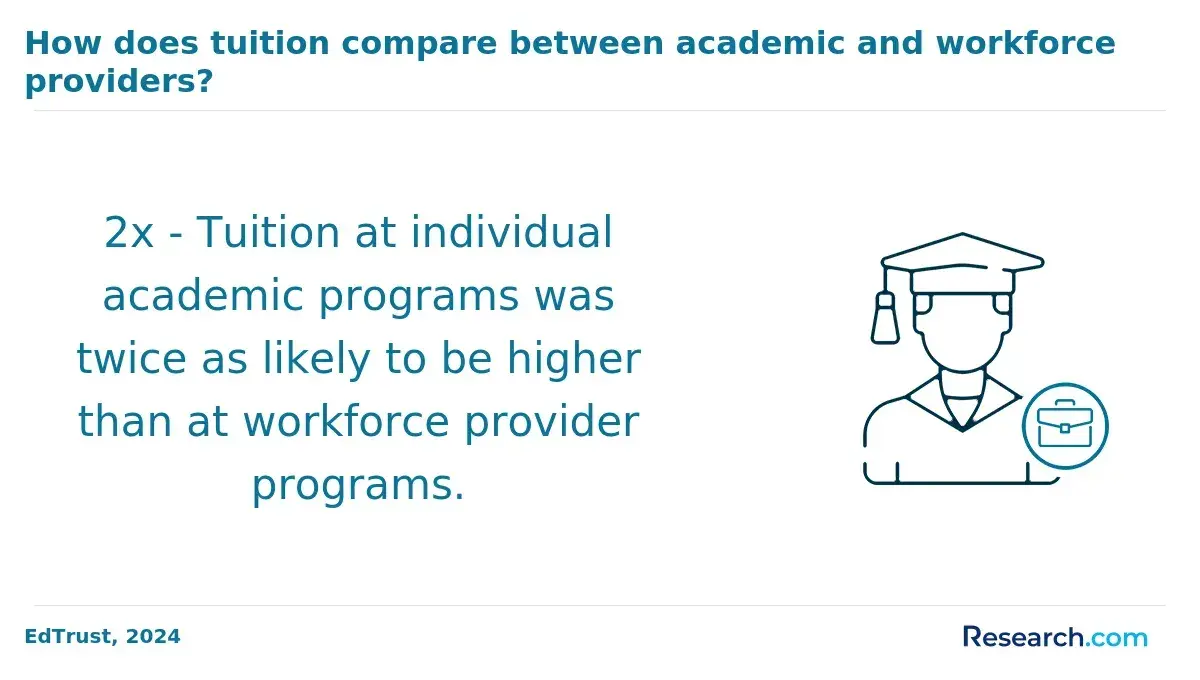
Examining the trajectory of tuition fees alongside salary growth offers a sharper lens for assessing the financial viability of an energy policy degree. According to the National Center for Education Statistics, public university tuition has climbed roughly 3.5% annually over the past decade, surpassing typical inflation rates, while private institutions have seen even steeper increases.
In contrast, median starting salaries for energy policy graduates have only increased by about 2-3% yearly, adjusted for inflation, with early-career incomes usually between $55,000 and $65,000 and mid-career figures often leveling off just under $95,000. This mismatch suggests that although an energy policy degree retains long-term value, the initial educational expenses are growing disproportionately relative to immediate and even mid-term earning potential.
This divergence in cost and compensation influences financial planning considerably, depending on a student's background and goals. For example, a graduate who secures employer tuition reimbursement may manage rising costs more effectively than someone relying heavily on loans, whose debt service could delay key life milestones such as purchasing a home.
Factors like geographic location, sector demand, and government funding also play pivotal roles in shaping the balance between tuition burdens and salary progression. Consequently, simply knowing tuition or salary figures in isolation does not provide enough context; understanding their relative trends is essential for a realistic assessment of return on investment in an energy policy education.
One energy policy graduate shared that deciding to enroll amid rising tuition felt urgent yet fraught with uncertainty. They initially hesitated due to escalating costs but ultimately proceeded after securing a partial scholarship and part-time work that lessened loan reliance.
Early in their career, the slower salary growth forced careful budgeting, limiting discretionary spending and delaying savings. However, they viewed the degree as a strategic choice tied to evolving energy regulations rather than immediate financial reward, underscoring how personal circumstances and sector dynamics critically shape the experience behind the numbers.
Does a Energy Policy Degree Deliver a Positive Return on Investment?
Return on investment (ROI) in higher education goes beyond initial salaries and examines the balance between the costs of earning an energy policy degree and the long-term financial and professional benefits it offers.
While graduates may start with salaries around $50,000 to $65,000, the true value emerges through sustained wage growth over time, often reaching mid-career earnings of $85,000 to $100,000, according to the U.S. Department of Education's College Scorecard (2024). This steady increase reflects growing demand for expertise in energy transition and regulatory compliance, areas where specialized skills can lead to roles that offer better compensation and job security.
Consider a student who finances their energy policy degree amid tuition rising at approximately 3% annually, with inflation rates exceeding 4% recently. Although the upfront costs may seem steep compared to starting salaries, data from the Energy Policy Institute's 2024 report indicate that over a 10 to 15-year horizon, salary increases typically outpace inflation and tuition growth.
This scenario suggests that while immediate earnings may not fully cover education expenses, the investment often becomes worthwhile as professionals leverage experience and sector demand to realize positive ROI.
Several variables affect whether an individual's energy policy degree yields a favorable return, including the employer sector, geographic location, and ability to capitalize on emerging opportunities in government, consulting, or sustainability fields. The National Association of Colleges and Employers highlights that specialized degrees like energy policy position graduates for advancement in industries responding to climate and energy regulations, which can enhance earning trajectories.
However, personal factors such as networking, skill development, and career choices ultimately influence how quickly financial benefits materialize, making ROI a nuanced measure that varies by individual circumstances and market conditions.
Which Industries Offer the Highest Salaries for Energy Policy Graduates?
Energy policy graduates seeking to maximize salary potential must consider industries where demand for specialized knowledge intersects with substantial fiscal resources and regulatory complexity. Recent 2024 data from the U.S. Bureau of Labor Statistics and the Energy Information Administration indicate that government agencies, consulting firms, and renewable energy companies consistently top the list for offering the highest compensation to these professionals.
It is critical to weigh how the roles, responsibilities, and skills required in each sector align with individual career goals and market trends. Below is a concise breakdown of industries that generally offer the strongest salary prospects for energy policy graduates.
Here are the key sectors:
- Federal Government Roles: Positions in agencies like the Department of Energy and the Environmental Protection Agency offer top-tier salaries, robust benefits, and job stability. These roles often emphasize policy analysis, regulatory compliance, and strategic energy planning, requiring deep expertise in sustainability and energy markets.
- Consulting Firms: Environmental and energy-focused consulting companies pay competitively, particularly for professionals who can advise on carbon reduction, energy efficiency, and risk management. Salary growth in this sector is fast-paced due to increasing corporate demand for sustainable transitions.
- Renewable Energy Industry: Companies specializing in solar, wind, and emerging green technologies offer attractive wages to those skilled in navigating regulatory frameworks and project development. This sector's compensation benefits from strong public and private investment flows.
- Utilities Sector: While salaries are generally moderate compared to other high-paying sectors, utilities employ many energy policy graduates in regulatory affairs, grid modernization, and infrastructure planning with steady income.
- Oil and Gas Industry: Despite offering slightly lower median salaries than consulting or government sustainability roles, this sector provides opportunities for energy policy graduates knowledgeable in compliance and international energy markets, often coupled with bonuses tied to project success.
- International Organizations: Entities such as global development banks and energy-focused multilateral institutions present roles addressing energy access and policy reforms worldwide, with salaries that reflect specialized expertise and international experience.
- Emerging Technology Ventures: Startups and innovative firms in areas like energy storage and advanced biofuels increasingly seek energy policy graduates to bridge technology and policy, offering competitive pay that can include equity incentives.
Research reveals that government and consulting roles remain the highest paying sectors for energy policy degrees, with median salaries often exceeding national averages for related occupations.
For individuals weighing the cost of education and future earnings in energy policy, resources such as 12 month certificate programs that pay well can provide targeted skills to enter these promising fields more rapidly. Choosing the right sector will depend on balancing salary expectations with personal interests and the evolving landscape of energy policy careers.
Which States and Cities Offer the Highest Pay for Energy Policy Professionals?
Geographic factors play a crucial role in shaping salary expectations for professionals with a degree in energy policy. Local economies, the maturity of regional energy sectors, and legislative frameworks heavily influence compensation levels.
In 2024, data from the U.S. Bureau of Labor Statistics affirm that states with strong renewable energy industries and progressive climate policies typically pay higher wages. Metropolitan hubs with concentrated research and tech activities also stand out as lucrative centers, though higher living costs often accompany these benefits.
Below are five key states and cities where energy policy experts tend to find the greatest financial rewards.
- California: Leading the pack, California boasts the highest median salaries for energy policy roles, often exceeding $110,000 in metro areas like San Francisco. This is driven by the state's aggressive clean energy mandates, the presence of Silicon Valley tech firms, and abundant private and federal research institutions. However, steep housing prices and living expenses mean that high salaries may not always translate to proportional increases in disposable income.
- Massachusetts: Boston's dense cluster of universities, government agencies, and clean energy startups creates strong demand for policy expertise. Salaries here are robust, reflecting the region's leadership in climate research and innovation. Candidates should weigh the benefit of a dynamic job market against the relatively high cost of living.
- Washington State: Seattle offers competitive wages due to its expanding green tech sector and vigorous state policies on sustainability. The city attracts professionals interested in both regulatory and private consulting roles. While housing costs have risen, they remain generally lower than California's, offering a slightly better cost-salary balance.
- Texas: Houston and Austin provide growing opportunities in energy policy linked to both traditional oil & gas and emerging renewables. Wages tend to be lower than in California or the Northeast but come with significantly more affordable living expenses. This can appeal to career changers or recent graduates seeking accessible market entry with potential for steady income growth.
- Colorado: Denver and Boulder benefit from a rapidly expanding renewable energy industry and supportive state climate policies. Salaries are competitive but not top-tier nationally. Prospective energy policy professionals must consider a moderate cost of living alongside solid career prospects in government, nonprofit, and corporate sectors focused on energy transition.
How Do Energy Policy Salaries Grow Throughout a Career?
Energy policy salaries typically start in the range of $55,000 to $70,000 for entry-level roles, influenced heavily by geographic location, education, and employer type, according to the 2024 National Association of Colleges and Employers report. As professionals accumulate experience over 5 to 10 years, they often see moderate increases, with mid-career salaries generally between $75,000 and $95,000, reflecting added responsibilities such as policy development and team leadership.
However, salary growth is rarely steep and may lag behind rising tuition and inflation, a trend confirmed by data from the Energy Information Administration workforce survey. Those who pursue advanced certifications or graduate degrees, especially in energy economics or environmental policy, tend to reach the upper salary tiers within this range more consistently.
After 15 years or more, energy policy professionals may move into senior advisory or directorial roles, where salaries can climb past $110,000 to $130,000 annually, though these positions remain competitive and heavily sector-dependent. Private consulting and large corporate firms generally offer higher compensation compared to government or nonprofit employers.
Consider two graduates with identical energy policy degrees: one opts to pursue an advanced degree and joins a private firm, steadily increasing income and responsibility, while the other remains in a government role without further credentials, experiencing slower wage growth that struggles against inflation. This divergence highlights how factors such as ongoing education, sector choice, and strategic career moves strongly influence long-term salary trajectories in energy policy.
One graduate recalls initially hesitating to invest in a master's degree due to tuition costs but later decided it was necessary after reviewing stagnant pay raises during early years in a nonprofit role. Transitioning to a corporate consulting firm post-degree led to a noticeable salary boost, validating the decision despite the upfront financial strain.
This experience underscores the delicate balance between education expenses and realistic salary progression-a calculation many graduates must weigh carefully when navigating this field.
How Do Energy Policy Salaries Compare With Similar Degrees?
Salary outcomes for graduates with energy policy degrees generally fall below those with traditional engineering backgrounds yet align closely with environmental science and public policy earnings. This indicates a tradeoff between the interdisciplinary, policy-driven nature of the field and the higher technical specialization found in engineering. For a student deciding between similar majors, understanding these differences is crucial to evaluating long-term financial returns against tuition inflation and career ambitions.
- Mechanical Engineering: Typically commands higher starting salaries exceeding $75,000 due to the technical depth and industry demand in manufacturing and energy sectors. Career paths often involve design and development roles requiring robust STEM expertise.
- Environmental Science: Salaries range from $60,000 to $68,000, closely paralleling energy policy graduates. Jobs usually focus on sustainability and regulatory compliance, where interdisciplinary knowledge of science and policy is valued.
- Public Policy: Average earnings sit near $62,000 with variation depending on government or nonprofit employment. Specialization in energy policy within this field can generate a wage premium through expertise in economic and regulatory frameworks.
Additionally, for students interested in shorter, cost-effective credentials, short certificate programs that pay well online may complement their educational path and improve employability in targeted areas.
How Is Employer Demand Affecting Energy Policy Salary Trends?
Employer demand directly influences salary trends in the energy policy sector by intensifying competition among organizations for qualified candidates. As demand rises, particularly driven by policy shifts toward sustainability and climate change mitigation, employers increase hiring activity and often enhance compensation packages to secure talent with specialized knowledge.
For instance, a graduate with expertise in renewable energy regulations negotiating an entry-level position might find multiple offers due to growing vacancies, pushing starting salaries upward. However, despite an 8% increase in job openings reported by the U.S. Bureau of Labor Statistics, salary growth in energy policy roles has not kept pace with inflation, which impacts the real earnings of recent graduates and those entering the field.
The impact of employer demand on energy policy salaries is also shaped by additional factors like experience level, niche skillsets, economic conditions, and organizational budget constraints. Specialized capabilities such as data analysis or regulatory compliance often attract higher premiums because employers value them amid increasing complexity in the sector.
Prospective students should weigh these nuances carefully, understanding that while strong demand can foster faster wage increases, compensation remains uneven across the field. Those considering long-term earning potential amid rising tuition costs might explore targeted training or advanced specializations, similarly to diligent research on the best online animal science degree, to enhance their marketability and salary prospects.
Ultimately, energy policy graduate employer demand trends reveal a nuanced landscape where growth in job openings does not always equate to proportional salary increases. Organizations' compensation strategies respond dynamically to supply and demand but within external constraints, underscoring the importance of strategic career planning in energy policy fields.
How Can Students Maximize Their Lifetime Earnings With a Energy Policy Degree?
Practical strategies play a crucial role in maximizing lifetime earnings after earning an energy policy degree. Data from the U.S. Bureau of Labor Statistics and recent 2024 research underscore that combining policy expertise with technical and economic skills often leads to higher salaries.
For example, a graduate who pairs a master's in energy economics with data analysis skills may secure roles in renewable energy consulting or government agencies that pay above average. This approach balances specialization with adaptability in high-demand sectors.
Below are key strategies grounded in recent evidence that prospective and current students can apply to enhance long-term financial outcomes.
- Advanced Education: Pursuing a master's or PhD in focused areas like energy economics or environmental law significantly increases earning potential by opening doors to senior roles in academia, policy analysis, or legal consulting.
- Sector Targeting: Positioning oneself in growing sectors such as renewable energy or sustainable project management captures premium salaries due to high demand and regulatory complexity.
- Geographic Mobility: Seeking opportunities in urban centers with concentrated policy hubs enhances earnings because these areas tend to offer more roles with competitive pay.
- Interdisciplinary Skills: Gaining capabilities in data analytics, economics, and regulatory frameworks creates versatility, making candidates more valuable to employers adapting to evolving policy landscapes.
- Certifications and Internships: Earning certifications in project management or sustainability and completing internships with influential organizations accelerate entry into well-paid positions and demonstrate practical expertise.
- Networking: Building professional connections with energy firms, government agencies, or international bodies provides early access to lucrative job openings and mentorship opportunities.
- Continuous Learning: Staying updated on emerging technologies and policy shifts ensures adaptability, positioning graduates to capture roles tied to industry growth and innovation.
References
- Top 20 Careers in Renewable Energy (Ranked by Salary, Demand & Future Growth) - AscendurePro https://ascendurepro.com/careers-in-renewable-energy/
- 4 Energy Management Careers https://freemannews.tulane.edu/2025/03/17/4-energy-management-careers
- Key employment trends for the power industry in 2026 https://www.airswift.com/blog/power-employment-trends
- Energy Outlook Report | Employment Trends in Oil, Gas & Energy https://hiring.energyjobsearch.com/Resources/energy-outlook-report
- Sustainable Energy Economics and Policy Analysis Course https://upskilldevelopment.com/sustainable-energy-economics-and-policy-analysis-course
- Renewable Energy Policy Means Good-Paying Jobs in Red and Blue States - Information Technology Industry Council https://www.itic.org/news-events/techwonk-blog/renewable-energy-policy-means-goodpaying-jobs-in-red-and-blue-states
- How does a college degree improve graduates’ employment and earnings potential? - APLU https://www.aplu.org/our-work/4-policy-and-advocacy/publicuvalues/employment-earnings/
- Clean Energy https://www.sustainabilitydegrees.com/careers/clean-energy/
Other Things You Should Know About Energy Policy Salary Trends
Part-time and flexible program formats can help students reduce upfront tuition debt and maintain income streams, but they often prolong entry into the full-time workforce where wage growth accelerates. Given that energy policy salaries tend to lag behind inflation, committing to longer studies without immediate full-time employment can delay recouping education costs. Prospective students should prioritize programs that balance manageable course loads with access to internships or employer partnerships to sustain earnings during their studies.
The early career phase in energy policy often involves high workloads with expectations for policy analysis, stakeholder engagement, and technical report writing, but these demands don't always correspond to significant wage increases. This disconnect can discourage retention and slow wage trajectory if employees accept extra responsibilities without negotiation leverage. Prioritizing employers with formal career development and wage review processes is crucial for graduates to ensure workloads translate into tangible compensation gains.
Programs with integrated experiential learning-such as co-ops or policy labs-tend to better position graduates for higher initial salaries by enhancing practical skills and employer networks. In contrast, purely academic or theory-heavy curricula may limit immediate wage negotiation power. Students should evaluate program design critically, favoring those that explicitly connect learning outcomes to workplace competencies valued by employers to improve salary outcomes over time.
Regions with strong renewable energy sectors or government policy hubs may offer better overall compensation but often come with higher living and tuition costs, potentially offsetting wage gains. Conversely, lower-cost regions may yield smaller salaries with less pronounced inflation protection. Students must weigh whether paying premium tuition in high-cost areas aligns with realistic salary expectations and local job availability, as relocating post-graduation could impact net financial returns substantially.