2027 Energy Policy Degree Program Availability Report: Which States and Schools Offer the Most Options

Co-Founder and Chief Data Scientist
The distribution of energy policy degree programs reflects how regional economic structures and state-level priorities shape educational offerings. States with diverse energy portfolios and significant policy activity tend to host a broader array of academic options, aligning education with local workforce demands. Recent data from the U. S. Bureau of Labor Statistics highlights a 7% growth in energy-related policy roles between 2022 and 2028, emphasizing the need for regionally tailored programs. These patterns reveal not only institutional responsiveness but also disparities in access to specialized training. This report examines which states and schools provide the most energy policy degree options and what these trends indicate about educational access, institutional focus, and workforce integration.
Key Benefits of States and Schools That Offer the Most Energy Policy Degree Program Options
- Broader program availability often correlates with diverse specializations, but this spread can dilute faculty expertise, requiring students to evaluate whether program depth meets evolving employer demands.
- Employers increasingly seek candidates versed in interdisciplinary energy policy approaches; states with varied programs better prepare graduates to match complex workforce expectations tied to integrated regulatory and technical skills.
- More program options can reduce wait times and geographic constraints, yet students may face higher cumulative costs navigating multiple institutions, affecting access and timely degree completion.
- Key Benefits of States and Schools That Offer the Most Energy Policy Degree Program Options Key Benefits
- Which States Offer the Most Energy Policy Degree Programs? Top States
- Why Do Some States Have More Energy Policy Programs Than Others? Program Availability
- Which Colleges Offer the Largest Number of Energy Policy Degree Options? Top Schools
- How Do Online Programs Improve Access in States With Limited Options? Online Program Access
- How Much Does Energy Policy Program Tuition Vary by State? Tuition Across States
- How Does Energy Policy Program Demand Affect Admissions Decisions? Program Demand
- How Do Energy Policy Specialization Options Vary by Region? Specialization Options
- How Does Regional Employer Demand Affect Career Outcomes? Employer Demand
- What Factors Matter Most When Comparing Energy Policy Programs Across States? Key Comparison Factors
- Which Regions May See the Fastest Growth in Energy Policy Education? Fastest Growing Region
Which States Offer the Most Energy Policy Degree Programs?
Energy policy degree programs in the United States are unevenly distributed, reflecting broader regional economic structures, institutional capacities, and local workforce demands. States with high concentrations of research universities, diverse energy sectors, and active policy environments tend to offer the most program options, providing students with both depth and variety in curricular focus areas. Industry partnerships and state-level energy initiatives further drive program development in these regions, aligning academic output with employer expectations and market realities. Such clusters foster specialized expertise in areas ranging from renewable integration to regulatory frameworks, which benefits graduates navigating complex labor markets.
- California: Hosting a vast network of public and private universities, California's robust emphasis on renewable energy and stringent climate policies make it a leading hub for energy policy programs. The state's dynamic clean energy market motivates academic institutions to develop interdisciplinary curricula incorporating technical innovation, legal compliance, and social equity. Students gain access to a diverse array of specializations and regional employers focused on sustainability and carbon reduction, aligning education closely with practical labor market needs.
- New York: As a financial and political center with strong ties to energy regulatory bodies and utilities, New York excels at combining economic, infrastructural, and environmental policy education. Its dense urban environment supports programs that explore energy transition within complex metropolitan systems, enhancing students' readiness for roles in government agencies, consulting firms, and non-governmental organizations. The state's established energy policy research institutions add significant academic rigor and applied perspectives.
- Texas: Reflecting its extensive oil and gas industry alongside emerging renewable sectors, Texas provides energy policy programs that balance traditional fossil fuel market knowledge with renewable energy policymaking. The region's energy diversity encourages curricula focused on market economics, legal structures, and geopolitical factors affecting energy supply chains. This breadth equips students to engage with a wide range of employers, from legacy energy firms to innovative project developers, thereby maximizing career adaptability.
The clustering of programs in these states is supported by the presence of major research universities and ongoing policy innovation, which in 2024 studies indicates contributes significantly to both program availability and graduate employability. For prospective students and researchers evaluating the top states for energy policy degree programs, the advantage lies not only in quantity but in the strategic alignment between educational offerings and evolving labor market demands. Those considering flexible learning pathways may explore a variety of online colleges that complement regional program availability while addressing individual practical constraints.
Why Do Some States Have More Energy Policy Programs Than Others?
The availability of energy policy degree programs varies significantly across U.S. states due to differences in higher education infrastructure and regional labor market demand for graduates with specialized policy skills. States with dense populations and well-established public research universities tend to offer a broader mix of programs tailored to the complex needs of their energy sectors.
This regional concentration supports workforce readiness by aligning academic offerings with employer expectations in energy regulation, environmental law, and sustainable development. These structural factors create uneven program distribution, reflecting how institutional capacity and economic context intersect to shape educational opportunities.
State funding priorities and university research capacity serve as primary drivers behind regional differences in energy policy program growth. States that allocate budgetary resources to higher education and incentivize research collaborations often enable universities to develop interdisciplinary curricula incorporating law, economics, and environmental science. Industry clusters specializing in fossil fuels, renewables, or nuclear technologies further catalyze program expansion by generating local demand for graduates skilled in navigating complex policy environments.
For instance, data from the U.S. Energy Information Administration illustrates that states with robust energy employment, such as Texas with over 12,000 energy-related jobs requiring policy expertise, tend to sustain more specialized academic tracks. These factors combine, producing a concentration of educational programs where institutional development strategies align with regional economic imperatives.
These geographic disparities have broader implications for student access and regional workforce development. Students in states with limited program diversity may face constraints that drive demand for remote learning options, encouraging a rise in online offerings such as accessible, affordable degrees. Balancing local workforce needs with broader enrollment accessibility remains a challenge for policy makers and institutions aiming to address the uneven distribution of energy policy education.
Prospective students and researchers seeking the cheapest online master's in counseling can draw parallels regarding how program availability shapes career pathways, underscoring the systemic nature of program growth tied to regional economic realities and institutional resource distribution.
Which Colleges Offer the Largest Number of Energy Policy Degree Options?
The variety of energy policy degree options available at a college is largely determined by institutional scale, funding, and academic infrastructure rather than geography alone. Larger and more research-intensive universities typically offer the broadest array of specialized tracks, interdisciplinary concentrations, and flexible delivery formats such as certificates, bachelor's, master's, and doctoral programs. These institutions leverage extensive faculty expertise, dedicated sustainability centers, and strategic industry or government partnerships to expand program offerings and maintain relevance within a rapidly evolving labor market.
- Large public research universities: These institutions often provide the widest variety of energy policy programs due to substantial state and federal research funding, large faculty pools across diverse departments, and strong ties to regional energy industries. For example, universities within major public systems like the University of California or Texas A&M have formed specialized centers that integrate policy with engineering and environmental science, enabling students to pursue detailed concentrations such as regulatory affairs or energy economics.
- Research-intensive private universities: Ivy League and other elite research universities offer multiple degree levels and interdisciplinary options through their established schools of public policy, business, and environmental studies. Their endowments and donor networks support innovative program design, faculty research, and fellowships, which broaden curriculum content and delivery modes, catering to students targeting leadership roles in policy formulation and analysis.
- Land-grant and technical universities: These colleges leverage mandates focused on applied research and workforce development to create practical and policy-oriented tracks in energy studies. They often emphasize collaboration with state agencies and industry partners to keep curriculum responsive to emerging technologies and regulatory shifts, which expands offerings from certificate programs to advanced degrees aligned with regional economic priorities.
- Multi-campus university systems with sustainability institutes: Systems incorporating dedicated energy or sustainability centers facilitate curriculum sharing and cross-listing of specialized courses across campuses. This structure enhances program diversity without duplicating resources. The University of Massachusetts system, for example, coordinates offerings to serve diverse student needs while aligning with state energy policy goals.
Data from 2024 analyses by leading educational research groups highlights that states with established energy sectors-such as California, Texas, and Massachusetts-tend to house institutions with the most comprehensive energy policy portfolios, reflecting their ability to deploy multi-disciplinary faculty teams and scalable program models. This institutional capacity supports student pathways from entry-level certificates through research-intensive doctoral studies while aligning workforce preparation with industry demands for policy expertise capable of navigating complex regulatory and technological landscapes.
How Do Online Programs Improve Access in States With Limited Options?
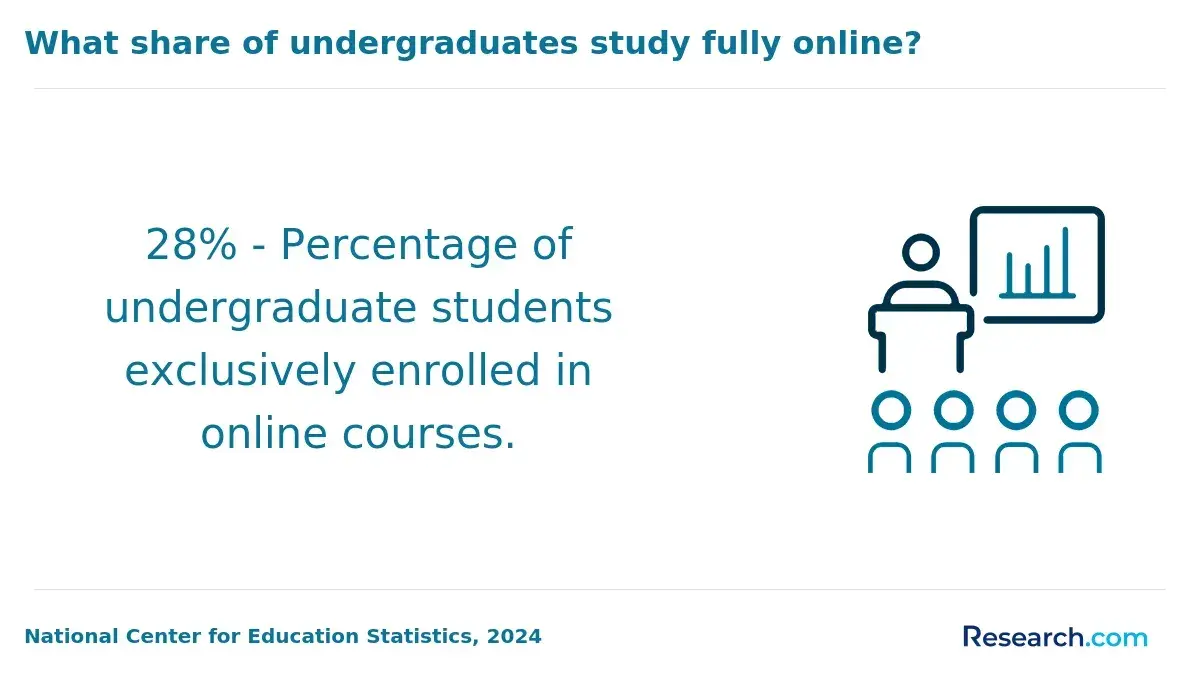
Students residing in states with few or no physical energy policy degree programs face significant barriers to pursuing specialized education in this field. Online programs directly address these geographic limitations by offering access to curricula that would otherwise require relocation or commuting that many cannot afford. A 2024 report from the U.S. Department of Education highlights that over 65% of prospective graduate students in underserved states prioritize online education as their primary route to advanced study in energy policy. This trend reflects a structural shift where remote delivery becomes a critical mechanism for expanding enrollment beyond traditional campus footprints, mitigating the risk of absenteeism from energy policy education due to local scarcity.
Key drivers enabling this expansion include asynchronous course models that allow flexible schedules accommodating diverse student circumstances and institutional strategies that scale program offerings across state lines without the need for physical infrastructure. This model reduces dependency on local universities' capacity and faculty availability, enabling students in rural or isolated regions to connect with expert resources nationwide. Institutional expansion through virtual formats also fosters increased competition among universities for cross-state students, encouraging enhancements in program quality and relevance. Data from the National Center for Education Statistics in 2024 confirms a 30% enrollment increase in energy policy-related online programs, emphasizing how digital access reshapes geographic disparities in higher education.
The broader impact of these online degrees extends to regional workforce development by equipping a more geographically diverse pool of students with critical skills, which can help address local energy challenges without forcing talent migration. Moreover, the feasibility of remote study encourages a more dynamic student mobility pattern, wherein learners can remain rooted in their communities while benefiting from specialized instruction. This shift challenges traditional admissions and capacity models, urging institutions to rethink their role and reach within the national energy policy education ecosystem.
One graduate described navigating the online admissions process as a balancing act fraught with uncertainty. Applying during a rolling admissions cycle, they hesitated to submit early since personal circumstances delayed their test preparation, yet felt urgency as available seats began filling. The flexibility of online programs meant they could afford to wait for later decisions, but this also brought stress over potential missed opportunities. Ultimately, the ability to engage asynchronously with admissions and coursework allowed them to align enrollment with readiness, reflecting how non-traditional timing factors critically shape access in regions lacking in-person options.
How Much Does Energy Policy Program Tuition Vary by State?
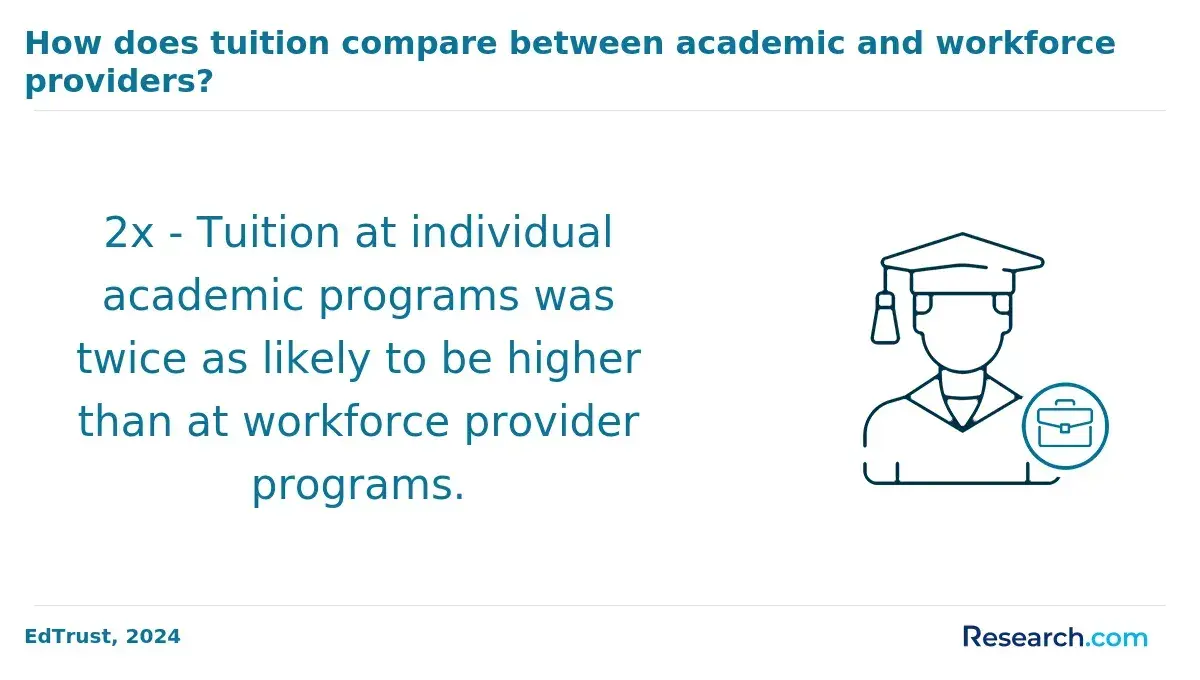
Tuition for energy policy programs varies significantly across U.S. states, largely shaped by differences in state funding priorities, institutional types, and residency-based tuition models. Public universities typically offer lower in-state tuition thanks to state appropriations intended to subsidize local students, while out-of-state students pay substantially higher rates reflecting the lack of direct subsidy. Private institutions, by contrast, maintain more uniform and generally higher tuition regardless of residency, reflecting a business model less reliant on public funds. These structural distinctions reveal that tuition disparities are rooted not just in institutional prestige or program content but in fundamentally different financing and governance frameworks within higher education systems.
Looking at energy policy degree tuition costs by state comparison, states with well-funded public university systems such as California and Texas commonly present in-state tuition ranges from $7,000 to $15,000 annually, according to data from the U.S. Department of Education and state university reports. Out-of-state tuition in these locations often doubles, significantly increasing the financial burden for nonresidents. Private graduate programs charge between $25,000 and $45,000 per year, independent of state residency. Regions with less public funding available for education, such as parts of the Midwest or South, may face higher base tuition or fewer energy policy program options, driving in-state costs toward the $12,000 to $20,000 range. This state-level variation emphasizes not only cost differences but disparities in access and program choice that reflect broader economic and policy ecosystems rather than arbitrary price setting.
These tuition differences have tangible implications for student decision-making and access. Affordability disparities often shape geographic and institutional mobility, as prospective students must weigh lower tuition against program availability and regional employment opportunities. States with strong energy industries and multiple program offerings, like Pennsylvania and New York, may offset higher tuition through scholarships, internships, and paid research partnerships, enhancing real-world outcomes despite upfront cost. Conversely, more affordable programs in states with limited industry engagement may offer fewer experiential learning opportunities crucial for employability.
For those comparing energy policy education options, evaluating these funding structures and regional economic contexts is essential rather than relying on sticker price alone, particularly when aligning choices with long-term career paths and potential return on investment. Prospective students and education researchers examining program availability can also consider interdisciplinary options such as top online MBA programs that do not require the GMAT or GRE to broaden flexibility in financing and scheduling.top online MBA programs.
How Does Energy Policy Program Demand Affect Admissions Decisions?
Rising demand for energy policy degree programs intensifies admissions selectivity as schools face pressure to allocate limited spots among growing applicant pools. This surge often compels programs to raise standards, prioritizing candidates who demonstrate strong quantitative skills, relevant experience, and clear alignment with sector needs. As competition increases, admissions committees refine criteria to predict a student's potential to succeed academically and meet workforce expectations, creating a feedback loop that favors applicants with specialized backgrounds. The result is a narrower acceptance window, reflecting both the program's response to application volume and strategic efforts to sustain academic rigor.
The constraints imposed by program capacity, faculty availability, and accreditation requirements play a decisive role in shaping these more stringent admissions processes. Programs cannot immediately expand to match every spike in demand, which drives selectivity upward while balancing quality control and resource allocation. Moreover, alignment with labor market needs informs admissions decisions, as programs seek to graduate candidates equipped with skills in policy analysis, energy economics, and regulatory frameworks that employers prioritize. This integration of market feedback influences not only who is admitted but also the way programs structure their cohorts to optimize graduate outcomes within capacity limitations.
Rising demand also affects prospective students' approach to admissions, compelling them to better tailor applications and bolster qualifications in anticipation of intensified scrutiny. Simultaneously, programs benefiting from heightened selectivity may strengthen reputations, yet this dynamic can reduce accessibility for less prepared applicants or those from nontraditional backgrounds. Thus, the interplay between demand growth and admissions management influences both program demographics and long-term inclusiveness, as institutions navigate tradeoffs between expanding access and maintaining industry-relevant standards.
One graduate reflected on their admissions experience during a period of escalating program demand, noting how the rolling admissions process introduced significant uncertainty. They delayed submitting finalized documents, hoping to improve test scores and gain more relevant internship experience to stand out amid growing competition. The extended wait for a decision felt fraught with hesitation, but ultimately the increased preparation paid off, illustrating how intensified demand forces applicants to be more strategic and patient in securing admission to competitive energy policy programs.
How Do Energy Policy Specialization Options Vary by Region?
Energy policy specialization tracks closely mirror the economic and industrial fabric of their respective regions, with curricula tailored to meet local sector demands. Areas with expansive renewable energy industries-such as California and parts of the West Coast-prioritize studies centered on clean energy integration, climate policy, and sustainability innovation, reflecting employer needs for professionals skilled in cross-disciplinary approaches. Conversely, regions historically dominated by fossil fuel production, especially in the Midwest and Appalachia, emphasize expertise in regulatory management, energy economics tied to traditional fuels, and workforce transition strategies to support fading industries. This alignment signals how academic programs respond directly to regional labor markets, preparing graduates for the policy challenges their local economies face.
Dominant local industries shape not only specialization topics but also the nature of university research and employer ties that inform program design. For example, the Northeast's dense cluster of public policy schools and environmental science departments fosters specialized pathways in energy justice, grid modernization, and international market analysis, supported by complex regulatory regimes and stakeholder engagement demands. Employer collaborations in such areas provide experiential learning and reflect hiring trends in government and nonprofit sectors. Data from the 2024 National Energy Education Database show that nearly two-thirds of energy policy graduate programs concentrate within just ten states, underscoring how higher education access and program diversity are often conditioned by established institutional strengths and regional workforce priorities.
These regional disparities influence prospective students' strategic decisions about where to study and which skillsets to pursue. Opting for a program aligned with local industry enhances employability in that market but may narrow exposure to emerging energy sectors. Alternatively, relocating to states with broader, multidisciplinary offerings can increase competition and financial burden. Recognizing these tradeoffs is crucial when assessing how well a program's regional focus matches individual career goals amid the evolving national energy landscape.
How Does Regional Employer Demand Affect Career Outcomes?
Regional employer demand for energy policy graduates plays a crucial role in shaping immediate job availability and early career trajectories. Areas with concentrated energy firms, regulatory agencies, and environmental organizations typically provide a denser network of entry-level roles and internships, reducing the time it takes for graduates to secure employment. States that host diversified energy sectors offer a combination of renewables, oil and gas, and infrastructure projects, increasing the range of career pathways and enhancing initial salary prospects. Such geographic clustering reflects local market needs and institutional partnerships that support workforce integration for energy policy degree holders by state.
The mechanisms behind these regional differences often relate to localized industry concentration and employer collaborations with educational institutions. Where employers actively engage with universities through internships, joint research, and hiring pipelines, graduates benefit from smoother transitions into the labor force. Wage competition among employers in energy hubs typically elevates median starting salaries; data from the U.S. Bureau of Labor Statistics shows states with the highest density of energy policy roles feature median pay approximately 15% above those with weaker markets. Specialized ecosystems combining technology, economics, and policy expertise also drive demand for graduates who can navigate complex regulatory and sustainability challenges, shaping both salary structures and professional development opportunities.
These regional distinctions impact long-term career prospects by influencing decisions on geographic mobility and program selection. While remote work options are expanding, locally based hiring patterns remain significant for accessing multidisciplinary projects and sustained employer networks. Students and professionals aligned with regional labor market demand often experience accelerated career progression, while those in less concentrated markets might face longer job searches or need additional credentials. For example, integrating knowledge from a bachelor applied artificial intelligence can complement energy policy expertise and increase adaptability across shifting regional economies.
What Factors Matter Most When Comparing Energy Policy Programs Across States?
Comparing energy policy degree program availability by state requires assessing factors that extend beyond mere program presence. State-level differences affect affordability, specialization breadth, and alignment with local energy labor markets, shaping both educational access and graduate outcomes. These distinctions warrant nuanced evaluation, especially given the regional divergence in energy sector demands and institutional capabilities.
- Program specialization diversity: States offering a wide spectrum of focused tracks, such as renewable energy policy, regulatory frameworks, and energy economics, enable students to tailor credentials to specific industry niches. This diversity reflects institutional capacity and regional industry trends, enhancing employability by aligning curricular offerings with evolving sector needs like those emphasized in states investing heavily in green energy.
- Faculty expertise and industry ties: Access to faculty engaged in active research or partnerships with energy agencies significantly influences program quality and job placement. States with established energy hubs provide stronger networking and internship pipelines, which many employers value for bridging academic knowledge with practical workforce skills, as supported by data from the U.S. Department of Energy's 2024 workforce analysis.
- Program flexibility and delivery format: Availability of online and hybrid formats broadens access, particularly for working professionals balancing education with employment. States with robust infrastructure for remote learning can reduce geographical barriers but must maintain curriculum rigor and accreditation standards to ensure outcomes comparable to on-campus counterparts.
- Accreditation and curriculum rigor: Regional variations in accreditation status and educational quality control affect how well graduates meet employer expectations nationally. Rigorous curriculum aligned with workforce competencies enhances career mobility, especially as the energy policy workforce is projected to grow 10% from 2022 to 2032 according to the U.S. Bureau of Labor Statistics.
- Regional job market alignment and growth: Geographic considerations profoundly impact post-graduation employment opportunities. Energy policy programs located in states with active energy initiatives or concentrated job growth provide practical advantages, emphasizing the importance of matching education with local labor demands and institutional partnerships.
Prospective students should also explore interdisciplinary and emerging fields; for example, those interested in technology integration may consider pathways such as a PhD in artificial intelligence USA to complement energy policy expertise in advancing smart grid or data-driven energy solutions.
Which Regions May See the Fastest Growth in Energy Policy Education?
Growth in energy policy education tends to cluster where rising employer demand, shifting demographics, and strategic investments in higher education intersect, reinforcing one another. These structural factors underpin expansions in academic offerings by regional universities seeking to align programs with evolving labor markets. Future program growth reflects broader economic development and workforce priorities rather than isolated educational trends, signaling where specialized curriculum and student opportunities may increase.
1. Western United States: The West leads due to robust clean energy infrastructure investments and progressive state policies fostering workforce development. University systems here are rapidly expanding energy policy curricula, with states like California reporting 15% annual growth in related degrees. These conditions promote diverse program specializations and internship access aligned with a dynamic energy sector.
2. Southern United States: Traditional energy hubs such as Texas combine legacy oil and gas industries with rising renewable sectors. This blend drives universities to modernize and diversify offerings, responding to employer demand and demographic growth. Southern programs often emphasize regulatory compliance and market analysis, cultivating practical skills valued in regional labor markets.
3. Mountain West: States like Colorado benefit from expanding renewable energy firms and growing populations that support higher education investments. This region's programs increasingly integrate technology trends and public policy aspects relevant to local economic development, reflecting sustained institutional capacity building.
4. Midwestern United States: Growth is modest here due partly to slower economic shifts and older curricular models. Limited program variety can restrict student options, although some urban centers are beginning targeted expansions linked to industry change.
5. Northeastern United States: Despite a dense university network, energy policy education growth is comparatively restrained by economic and demographic factors. Programs typically focus on traditional policy frameworks, with fewer offerings tailored to emerging energy technology sectors.
References:
- Comparative study on energy policies in the EU macro-regions – CEPS https://www.ceps.eu/ceps-projects/comparative-study-on-energy-policies-in-the-eu-macro-regions/
- Table of 100% Clean Energy States - Clean Energy States Alliance https://www.cesa.org/projects/100-clean-energy-collaborative/guide/table-of-100-clean-energy-states/
- 11 countries leading the charge on renewable energy | Climate Council https://www.climatecouncil.org.au/11-countries-leading-the-charge-on-renewable-energy/
- Renewable Energy Universities - Updated 2026 https://uniscopio.com/en/university/renewable-energy-schools/
- A comparative analysis of the United States, European Union and Azerbaijan’s climate and renewable energy policies https://hagueresearch.org/a-comparative-analysis/
- The U.S. States That Incentivize Renewable Energy the Most https://vitruvisoftware.com/blog/states-that-incentivize-renewable-energy-the-most
- Renewable energy production and the socio-economic development of regions – a case study of Poland https://ekonomiaisrodowisko.pl/journal/article/view/1125
- Identifying and Analyzing State Policy Options https://19january2017snapshot.epa.gov/statelocalclimate/identifying-and-analyzing-state-policy-options_.html
- Energy Degree Programs and Courses https://www.degreedays.net/courses/
- Improvement of energy efficiency in school buildings belonging to Foundation for International Education and Socio-educational Association of Managers - Ministry of Climate and Environment - Gov.pl website https://www.gov.pl/web/climate/improvement-of-energy-efficiency-in-school-buildings-belonging-to-foundation-for-international-education-and-socio-educational-association-of-managers
Other Things You Should Know About Energy Policy
The 2027 Energy Policy Degree Program Availability Report highlights California, New York, and Texas as the leading states offering the most diverse options in energy policy degree programs. Schools such as Stanford, Columbia University, and UT Austin provide extensive curricula, supported by industry connections, meeting varying educational needs in the energy sector.
States with numerous energy policy programs often include a mix of flagship research institutions and smaller regional colleges, each with distinct reputational impacts on employability. Attending a high-volume but less selective program may offer more course variety but often correlates with less faculty-led research opportunities and weaker industry connections. Those prioritizing networking and access to cutting-edge projects should weigh whether institutional prestige and employer recognition outweigh the convenience of broader program selection. In many cases, fewer options at a highly regarded school can yield stronger post-graduation outcomes than more options at less established programs.
States with many energy policy degree options often exhibit significant differences in program length and course pacing, affecting students' workload and time to degree. Programs in some regions may require dense, full-time schedules with intensive capstone projects or theses, which demand sustained effort but can enhance professional readiness. Others offer part-time or accelerated paths appealing to working students but may limit scope for internships or research. Students must assess how program pacing aligns with their capacity to balance work, study, and practical experiences, as accelerated options may come with tradeoffs in depth or networking opportunities.
While broad program availability suggests diversity in curriculum and specialization, this does not guarantee stronger employer connections or effective career placement. Schools with fewer energy policy programs but established partnerships with local governments, industry bodies, or research centers often provide more direct pathways to employment and applied experience. For students seeking timely employment or sector immersion, prioritizing these relationship-driven programs is advisable over merely selecting schools with the most options. Ultimately, practical integration with employers tends to outweigh sheer curriculum breadth in long-term career impact.