2027 Energy Policy ROI by Institution Type: Public vs Private vs Nonprofit Online Programs

Co-Founder and Chief Data Scientist
Consider a prospective energy policy student examining three online programs that look comparable at first glance but diverge sharply in key post-graduation outcomes. One public university's program may offer lower tuition yet yield lower graduation rates and weaker career support.
A private institution might promise extensive resources but saddle students with significantly higher debt. Meanwhile, a nonprofit program could balance cost and career value but lack comprehensive alumni networks. According to a 2024 report from the National Center for Education Statistics, online programs vary widely, with graduation rates ranging from 30% to over 70%, revealing stark differences in institutional effectiveness and ROI.
This analysis will dissect these distinctions to guide prospective students in assessing energy policy programs across institution types based on cost, outcomes, and long-term value.
Key Things to Know About Energy Policy ROI by Institution Type
- Public institutions generally offer lower total costs but longer average completion times, which can delay workforce reentry; this tradeoff impacts ROI by extending student debt exposure despite affordable tuition.
- Private programs often leverage strong industry ties and accreditation, enhancing employer recognition; however, higher fees may not proportionally increase career advancement, requiring careful employer-value alignment.
- Nonprofit online Energy Policy programs emphasize flexible schedules and learner support, aiding working adults' timely graduation; recent data shows 15% higher retention than public peers, crucial for minimizing opportunity costs.
- Key Things to Know About Energy Policy ROI by Institution Type Key Things to Know About Energy Policy ROI by Institution Type
- What Does ROI Mean for a Energy Policy Program and How Is It Measured? Understanding Energy Policy Program ROI
- How Do Public, Private, and Nonprofit Online Energy Policy Programs Differ in Overall Value? Value by Institution Type
- How Do Tuition Costs Affect the ROI of a Energy Policy Program Across Institution Types? Tuition Costs and ROI
- How Do Graduation Rates Influence Energy Policy Program ROI? Graduation Rates Impact ROI
- What Role Do Career Outcomes Play in the ROI of a Energy Policy Degree? Career Outcomes and ROI
- How Does Student Debt Impact the Long-Term ROI of a Energy Policy Program? Debt vs. Long-Term ROI
- How Do Flexibility and Adult Learner Support Affect Energy Policy Program Value? Flexibility and Program Value
- How Do Accreditation and Institutional Reputation Influence Energy Policy ROI? Accreditation and Reputation
- How Does Time-to-Degree Affect the ROI of Public, Private, and Nonprofit Energy Policy Programs? Time-to-Degree
- How Can You Choose the Best Energy Policy Program Based on Your ROI Goals? Choosing Programs by ROI
What Does ROI Mean for a Energy Policy Program and How Is It Measured?
ROI for an energy policy program must be evaluated through a nuanced lens that incorporates more than just immediate salary prospects. For cost-conscious adult learners and working professionals, the total educational costs, including tuition, fees, and additional expenses, must be weighed against real outcomes such as graduation rates, time-to-degree, and debt burden.
For example, a public institution offering lower tuition may reduce financial strain upfront, but if a private or nonprofit program has higher completion rates or stronger employer connections, it could ultimately yield superior long-term value despite greater initial costs. Measuring ROI in this way aligns with the varying priorities of students depending on their personal situations, such as balancing work commitments or minimizing time away from the workforce.
Understanding how to measure ROI for online energy policy degrees requires attention to both tangible and intangible returns. While earnings often dominate the discussion, employers increasingly emphasize applied skills and policy competencies that go beyond formal credentials.
Programs that embed practical learning and networking opportunities can lead to more sustainable career trajectories, even if immediate salary increases appear moderate. Public institutions typically exhibit higher online graduate completion rates which can reduce the risk of accumulating debt without a degree, a factor critical to ROI assessment. Choosing a program should thus reflect a comprehensive view of educational quality, institutional reputation, and opportunity costs, rather than relying solely on sticker price or simplified financial formulas.
Students seeking energy policy expertise will find it useful to examine institutional differences in the context of their own career goals and circumstances. For instance, a working professional prioritizing flexibility and accelerated completion might favor certain private or nonprofit online programs despite their higher tuition.
Conversely, someone managing a tight budget may opt for a lower-cost public alternative with established graduation benchmarks. This decision-making process benefits from consulting data from authoritative sources like the National Center for Education Statistics and considering workforce trends highlighted in resources on the top 10 best majors for the future. ROI is strongest when student choices reflect practical tradeoffs between cost, completion likelihood, career impact, and skill relevance rather than defaulting to the least expensive option.
How Do Public, Private, and Nonprofit Online Energy Policy Programs Differ in Overall Value?
Public, private, and nonprofit online energy policy programs present distinct tradeoffs that extend well beyond tuition alone, shaping affordability, debt exposure, and career prospects in materially different ways. Public institutions usually offer lower tuition rates, particularly for in-state students, and more flexible schedules that accommodate working professionals, which can be crucial for balancing ongoing employment with studies.
In contrast, private nonprofit programs often deliver more intensive student support services, including career counseling and industry networking, which many employers value for practical, job-ready skills. A 2024 survey by the Higher Learning Commission found employers frequently recognize these institutions' specialized curricula and experiential learning components, influencing hiring preferences.
Graduation rates tend to be higher at private nonprofits compared to public schools, affecting completion risks and thus overall return on investment, while debt burdens typically run lower in public programs, according to recent data from the Institute for College Access and Success.
Institutional reputation and accreditation also vary, with some public flagship universities leveraging strong research foundations to position graduates favorably for policy analysis roles in government and regulatory agencies. However, nonprofit programs accredited by regional bodies often maintain rigorous standards supporting upward career mobility within specialized sectors.
For a prospective student weighing these options, the key consideration lies in balancing immediate cost savings and manageable debt against longer-term benefits of career services and degree prestige. Those prioritizing affordability and flexibility may lean toward public programming, while learners aiming for targeted sector entry or professional advancement might find private nonprofits preferable despite potentially higher expenses.
One working professional exploring online energy policy degrees felt torn between the affordability of public institutions and the enhanced career support available at private nonprofits. Careful comparison revealed that while some private nonprofit programs came with steeper tuition and potentially higher debt, their graduation rates and employer recognition suggested a stronger ROI.
Ultimately, the individual chose a nonprofit pathway with robust career services after securing substantial financial aid, relieved by a program that balanced manageable debt with meaningful job placement assistance, reflecting a considered, nuanced approach rather than a simple cost-based decision.
How Do Tuition Costs Affect the ROI of a Energy Policy Program Across Institution Types?
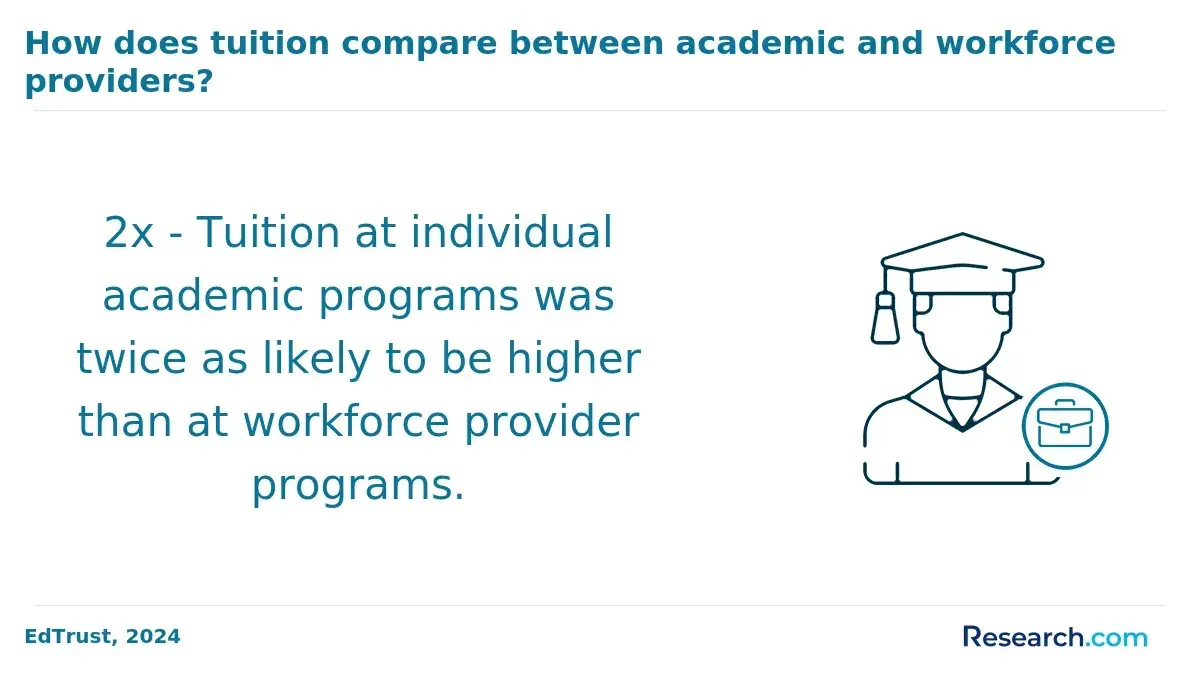
Tuition costs alone are an incomplete measure of return on investment for energy policy programs, as they interact with factors like financial aid, program completion rates, and career relevancy. For instance, public universities often offer the lowest net tuition after aid, which from the National Center for Education Statistics 2024 data, reduces overall debt burdens for students.
However, this advantage can erode if programs have less flexible structures or limited student services that delay graduation. A working professional juggling employment may find that a slower path to degree completion or insufficient career support diminishes the financial benefits of lower upfront tuition, ultimately affecting time-to-employment and earnings potential.
Conversely, private nonprofit institutions generally charge higher tuition but may provide more specialized curricula, stronger alumni networks, and targeted career resources aligned with evolving employer demands in the energy sector. This can translate into quicker employment in niche roles with salary premiums that justify greater initial debt, though this depends heavily on the institution's reputation and program fit.
Data from the Institute for College Access & Success (2024) show borrowers from private schools often carry higher loan balances, increasing long-term financial risk if expected salary boosts fail to materialize. Adult learners and career changers must weigh whether the potential for enhanced outcomes outweighs the risks of prolonged debt or inflexible program requirements compared to more affordable public or nonprofit options.
How Do Graduation Rates Influence Energy Policy Program ROI?
Graduation rates are a key indicator of institutional effectiveness but can only partially capture the return on investment in energy policy online programs. While a 2024 National Student Clearinghouse Research Center report highlights that programs exceeding a 60% graduation rate often correspond to stronger employment outcomes and higher median earnings within five years, this metric alone overlooks complexities such as program cost, student demographics, and support infrastructure.
For instance, public institutions frequently enroll more part-time and nontraditional learners, which lowers completion rates but may offer better affordability and credit transfer options, factors that can enhance long-term ROI despite comparatively modest graduation statistics.
The role of student support services is critical; robust advising, flexible scheduling, and career counseling can significantly improve persistence and completion rates, especially in nonprofit online programs designed for working adults. Private providers might showcase higher graduation percentages but often at increased tuition and debt, potentially eroding net financial benefits.
Consequently, adult learners must weigh graduation rates alongside other markers like affordability, time-to-degree, and institutional mission when evaluating the practical value of energy policy online programs. Considering these tradeoffs is essential, whether comparing programs or exploring pathways such as an online construction management degree that shares similar evaluation challenges in balancing completion outcomes with cost and career relevance.
What Role Do Career Outcomes Play in the ROI of a Energy Policy Degree?
The value of an energy policy degree largely depends on tangible career outcomes rather than institutional reputation alone. Public institutions typically offer a measurable edge, with graduates showing around a 12% higher employment rate within six months, reflecting stronger industry ties and hiring pipelines.
Private online programs may foster better skill development through specialized curriculum but often struggle with limited employer recognition and smaller professional networks, which can slow job placement or restrict mobility. Nonprofit online programs attract working adults seeking flexibility, yet their ROI varies geographically and sector-wise, emphasizing how local demand and employer perceptions deeply influence credential value beyond tuition cost or program length.
These factors interplay with debt levels and time-to-degree-cost-conscious learners must weigh whether accelerated, affordable programs deliver market-relevant skills and connections that translate into faster employment or advancement. Employers increasingly prioritize applied experience and policy analysis aptitude over pedigree, so programs aligned with evolving sector requirements can enhance early career moves and reduce the reliance on costly further education.
However, without robust alumni networks or recognized employer partnerships, even skill-rich graduates may face hurdles in competitive job markets, suggesting the return on investment hinges on how well a program bridges academic learning with labor market realities.
A recent graduate of an online energy policy program shared that before enrolling, the decision hinged on whether potential career gains would justify both financial costs and the time commitment. Although skeptical at first, they found that employer recognition of their degree opened doors to internal promotions and greater project responsibilities within their agency—benefits not immediately apparent when comparing tuition rates alone.
The graduate noted that relying solely on salary changes undervalued the degree's contribution to professional credibility and expanded networks, which over time, proved crucial for securing leadership opportunities beyond their immediate role.
How Does Student Debt Impact the Long-Term ROI of a Energy Policy Program?
Student debt shapes the long-term ROI of energy policy programs by directly affecting graduates' financial flexibility and earnings trajectories. Public institutions tend to involve lower tuition, reducing total borrowing, but may have higher loan uptake due to less extensive financial aid for nonresident or graduate students.
Conversely, private programs often come with higher debt burdens, 20-40% above public peers, impacting repayment obligations and postponing major financial milestones such as homeownership. For example, an adult learner weighing enrollment in an online nonprofit program must consider whether longer completion times and increased debt dilute early-career income gains typical in energy policy fields, which generally offer modest starting salaries compared to STEM areas.
The impact of student loan repayment on energy policy degree value depends on nuanced interactions between debt levels, program length, and employment outcomes. Higher on-time graduation rates at public universities limit borrowing duration and enhance ROI despite smaller salary premiums, whereas some private and nonprofit programs may leverage specialized curricula and professional networks to boost mid-career growth, potentially offsetting initial debt with stronger placement.
Adult learners must analyze how their financing options, including merit aid variability, align with realistic career advancement paths. This tradeoff analysis helps avoid overextending debt relative to earnings and emphasizes examining completion timeframes and loan repayment risk, particularly relevant in assessing the financial sustainability of energy policy degrees compared to programs like 6 month MBA alternatives.
How Do Flexibility and Adult Learner Support Affect Energy Policy Program Value?
Flexibility in scheduling and robust adult learner support systems critically shape the ROI of energy policy programs, particularly for those balancing employment and family commitments. Programs offering asynchronous coursework and part-time enrollment options help reduce opportunity costs by enabling students to progress without pausing work or other responsibilities.
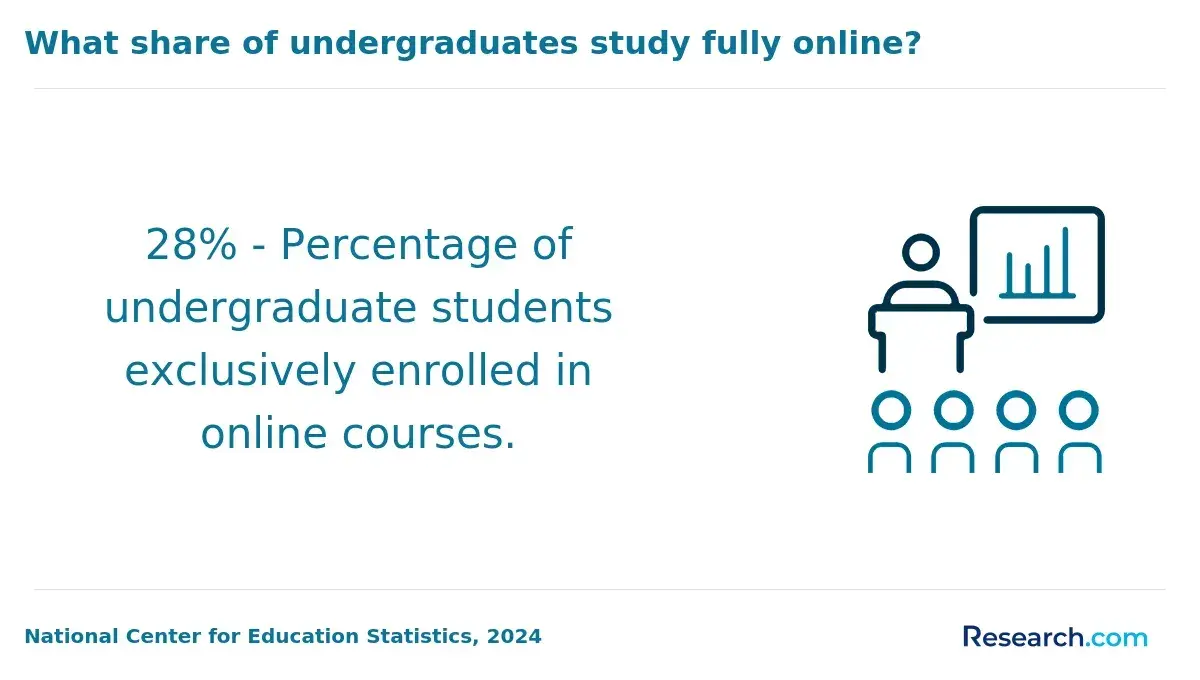
According to a 2024 report from the National Center for Education Statistics, adult learners in flexible online programs exhibit a 25% higher graduation persistence rate, underscoring how adaptability directly impacts degree completion timelines and overall educational investment. Without these options, students may face prolonged time-to-degree and added expenses, diluting long-term value.
The scope and personalization of support services intensify these effects, with academic advising, career counseling, and accessible faculty playing pivotal roles in aligning education with labor market needs.
Programs integrating proactive career resources can increase employment rates post-graduation by 15%, reflecting better real-world outcomes for graduates. Public institutions often excel at transfer-friendly policies and offer broad technology supports but might struggle with personalized advising at scale, potentially delaying progress.
Conversely, private institutions may deliver tailored guidance and stronger employer networks but at a higher tuition cost, necessitating a careful cost-benefit assessment by prospective students. Nonprofits tend to offer affordability combined with targeted accommodations, for military personnel or working parents, for instance, though their limited program diversity and fewer synchronous interactions might restrict networking opportunities critical in energy policy fields.
How Do Accreditation and Institutional Reputation Influence Energy Policy ROI?
The interaction between accreditation and institutional reputation directly impacts the return on investment for students in online energy policy programs, particularly in how employers and graduate schools evaluate credentials. Regional or programmatic accreditation remains essential for ensuring credit transferability and graduate school eligibility, serving as a practical gatekeeper rather than a mere formality.
For example, graduates from regionally accredited programs secure approximately 15% higher employment rates within six months compared to peers with national or nonaccredited credentials, according to the Council for Higher Education Accreditation (CHEA). This distinction can mean the difference between immediate workforce entry and extended job searching, affecting both short-term income and debt management.
Institutional reputation shapes outcomes more indirectly, influencing networking opportunities, employer perception, and access to sector-specific career resources. The National Association of Colleges and Employers (NACE) reports that 62% of hiring managers weigh institutional reputation moderately to highly when assessing energy policy candidates, especially in competitive industries like energy consulting and environmental regulation.
Yet, this premium must be balanced against cost, as highly reputed private institutions may carry higher tuition and potentially greater debt, with no guaranteed superior outcomes over quality public or nonprofit programs that often provide stronger academic support and demonstrated graduate employment outcomes. For working professionals or career changers, flexibility and demonstrated competencies frequently outweigh brand prestige, making program design and real-world skill applicability key factors in maximizing ROI.
How Does Time-to-Degree Affect the ROI of Public, Private, and Nonprofit Energy Policy Programs?
Time-to-degree materially affects the return on investment for public, private, and nonprofit online energy policy programs by shaping both direct tuition and indirect opportunity costs. Public institutions generally have longer median completion times, around 4.5 to 5 years, due to higher part-time enrollment and flexible pacing, which can reduce yearly tuition burdens but delay workforce reentry and salary gains.
In contrast, private programs often encourage accelerated paths with completion times closer to 3.5 to 4 years, offering faster financial returns but potentially increased stress and cost due to heavier course loads. For working adults balancing family and jobs, the nonprofit sector's approach-with flexible timelines and robust credit transfer policies-can improve persistence and completion rates, indirectly enhancing return by minimizing debt and time lost.
Adult learners and career changers must weigh these tradeoffs carefully, as time-to-degree impacts not only tuition exposure but also the timing of skill acquisition and employer readiness. Courses with faster completion might expedite early salary gains yet could sacrifice depth of understanding essential in complex fields like energy policy, influencing long-term employability.
Conversely, extended programs allow students to integrate education with work experience, but accumulated opportunity costs and delayed credentialing might dampen net ROI. Practical decision-making also involves identifying programs that support transfer credits and flexible pacing, which can shorten actual completion time without accelerating curriculum intensity.
These factors all converge to shape cost-effective educational strategies, especially relevant when comparing options such as those documented for MLIS programs as a benchmark for interdisciplinary affordability considerations.
How Can You Choose the Best Energy Policy Program Based on Your ROI Goals?
The optimal ROI from online energy policy programs hinges on individual priorities rather than institution type alone. Public universities often provide lower tuition and stronger financial aid, which can minimize debt and improve net returns, especially for cost-conscious students balancing family or work obligations.
However, private and nonprofit programs, while typically more expensive, may offer more flexible scheduling and robust learner support that expedite time-to-degree-an important factor since prolonged enrollment increases opportunity costs and can delay workforce entry. This dynamic directly affects ROI calculations depending on how quickly a student needs to recover educational expenses and start earning.
Career outcomes further complicate the decision. Graduates from private nonprofit schools generally report higher starting salaries but also carry heavier debt burdens, diluting overall financial benefits, whereas public school alumni often leverage lower debt to maintain greater financial stability despite initially lower wages.
Institutional accreditation and reputation also shape employer perceptions in energy policy-related fields, influencing network access and job prospects in public sector versus consultancy roles. Balancing these factors with personal circumstances such as employment status and timeline expectations is essential for those comparing the best online energy policy programs for ROI.
Students evaluating energy policy ROI comparison by institution type should also consider specialized career pathways where tailored programs may offer unique advantages. For example, exploring concentration areas relevant to forensic careers or other niche sectors can improve employability and salary prospects beyond traditional metrics.
Ultimately, understanding the tradeoffs between debt, program structure, and career trajectory is vital to making fully informed choices in this evolving educational landscape.
References
- How to Calculate Sustainability ROI: The Comprehensive Guide https://ecoskills.academy/measure-sustainability-roi-methods/
- Adult learning and education and European & international policies - European Association for the Education of Adults https://eaea.org/why-adult-education-2/adult-learning-and-education-and-european-and-international-policies/
- Energy Policy Tracker - Track funds for energy in recovery packages https://www.energypolicytracker.org/index.html
- Does College Pay Off? A Comprehensive Return On Investment Analysis - FREOPP https://freopp.org/whitepapers/does-college-pay-off-a-comprehensive-return-on-investment-analysis/
- The Economics of Accreditation: Costs, Benefits, ROI - Course Accreditation https://course-accreditation.com/blog/the-economics-of-accreditation-costs-benefits-roi/
- The ROI of Cost-Saving Renewable Energy in Data Centers https://www.pacificoenergy.com/post/roi-renewable-energy-data-centers
- Clean Energy Careers Guide - By Career Pathway | Clean Energy Council https://cleanenergycouncil.org.au/working-in-clean-energy/careers-guide/clean-energy-careers-by-career-pathway
Other Things You Should Know About Energy Policy ROI by Institution Type
Public programs often emphasize practical policy applications with state-focused case studies, which can benefit students targeting regional government or public sector roles. Private institutions may offer more specialized electives and networking opportunities but often require higher time commitments and tuition costs, which can delay ROI realization. Nonprofits sometimes balance cost and flexibility but may have fewer offerings or less employer recognition, impacting opportunities in competitive markets. Choosing a program structure aligned with your career goals and capacity to manage workload is crucial for maximizing ROI.
Private programs often provide stronger alumni networks and focused mentorship that can accelerate career advancement but might demand greater financial and time investments, which not all professionals can afford. Nonprofit programs usually offer better tuition rates and flexible pacing, which helps maintain employment while studying but may offer less direct career support. For working professionals balancing income and study, nonprofits are generally preferable unless a specific private program's industry connections and curriculum closely match a defined career target.
Employers in energy policy roles tend to prioritize demonstrated skills and relevant experience over institutional prestige. Public institutions are often perceived as providing rigorous, policy-oriented training useful for government jobs, but their programs may lack cutting-edge industry connections. Private schools might be favored in niche consulting or corporate roles due to specialized curricula but come with higher tuition that raises expectations for immediate measurable impact. Nonprofits' graduates may face a perception challenge when competing with public and private counterparts but benefit from cost savings that reduce pressure to deliver short-term ROI.
Public online energy policy programs often lead to stable, incremental career growth within government and regulatory agencies, favoring students aiming for policy implementation roles. Nonprofit programs may offer less predictable trajectories but afford more flexible entry points into consulting or advocacy sectors. For those seeking steady advancement within structured careers, public programs hold an advantage, while professionals interested in mission-driven or dynamic roles with variable earnings should prioritize nonprofits due to lower investment and adaptable learning formats.