2027 Biomedical Engineering Affordability by State: Where Students Pay the Most and Least

Co-Founder and Chief Data Scientist
Choosing between two biomedical engineering programs with dramatically different tuition rates often forces students into a difficult financial calculation. For example, a 2024 report found that average out-of-state tuition can be more than double in certain states, effectively limiting access for students unable to relocate or pay premium rates. Additionally, rising living expenses frequently offset advertised savings, especially in high-cost urban environments. This disparity influences borrowing decisions and future debt burdens, shaping career flexibility and long-term financial health.
This article examines state-by-state affordability variations in biomedical engineering programs to help students identify where pursuing this degree is most and least financially accessible.
Key Things to Know About Biomedical Engineering Affordability by State
- States with lower tuition often have higher living costs or fewer industry connections, creating a tradeoff that affects total affordability and post-graduate employment outcomes.
- Out-of-state tuition premiums frequently exceed scholarship benefits, limiting competitiveness for domestic applicants and driving selective enrollment that shapes regional workforce supply.
- Shifts toward online biomedical engineering programs reduce relocation costs but can delay hands-on lab experience, impacting timely degree completion and practical readiness in clinical tech roles.
- Key Things to Know About Biomedical Engineering Affordability by State Key Things to Know About Biomedical Engineering Affordability by State
- Which States Have the Most Affordable Biomedical Engineering Degree Programs? Most Affordable State Programs
- Which States Have the Highest Biomedical Engineering Degree Costs? Highest State Tuition Costs
- How Much Does a Biomedical Engineering Degree Cost by State? Degree Costs by State
- Why Does Biomedical Engineering Affordability Vary So Much Between States? State Affordability Variations
- How Do In-State and Out-of-State Tuition Rates Affect Biomedical Engineering Affordability? In-State vs. Out-of-State Rates
- How Does the Cost of Living Impact Overall Biomedical Engineering Affordability by State? Living Costs and Affordability
- Which States Offer the Best Value for a Biomedical Engineering Degree? Best Value State Degrees
- What Financial Aid and Scholarship Opportunities Can Reduce Biomedical Engineering Costs? What Financial Aid and Scholarship Opportunities Can Reduce Biomedical Engineering Costs?
- Are Online Biomedical Engineering Degree Programs More Affordable Than On-Campus Options? Are Online Biomedical Engineering Degree Programs More Affordable Than On-Campus Options?
- Is a Biomedical Engineering Degree Worth the Cost Based on Career Outcomes and ROI? Degree ROI and Outcomes
Which States Have the Most Affordable Biomedical Engineering Degree Programs?
State-level variations in tuition and public funding directly shape the affordability of biomedical engineering degree programs, often tipping the balance for students weighing where to enroll. States with lower per-student tuition, such as Wyoming or North Dakota, benefit from sustained public investment that keeps resident costs down, a crucial factor given that in-state tuition frequently accounts for the majority of a student's educational expenses. For example, public universities in Wyoming report average in-state tuition near $4,500 annually, substantially below the national average, which can translate into tens of thousands of dollars saved over a four-year degree. However, the tradeoff may include fewer research resources or limited industry connections compared to programs in more populous states, underscoring the need for budget-conscious students to evaluate not only sticker price but also long-term educational value and employment pathways.
Regional differences in living costs and institutional policies such as guaranteed resident rates or financial aid openness further influence where biomedical engineering programs become truly affordable. In states like New Mexico, average student debt levels run about 20% below the national median, reflecting not only lower tuition and fees but also targeted public scholarships designed to support in-state learners. Such affordability dynamics can affect enrollment decisions, particularly for students balancing cost constraints against career objectives in a high-demand STEM field. For those exploring flexible options, emerging online and hybrid formats permit maintaining residence in low-cost areas while accessing quality instruction, which may align with broader efforts to identify the shortest EdD program online or similarly efficient degree pathways, emphasizing the intersection of affordability, educational infrastructure, and practical progression within biomedical engineering education.
Which States Have the Highest Biomedical Engineering Degree Costs?
The most significant biomedical engineering degree expenses arise from a combination of institutional funding models, regional economic conditions, and residency policies rather than tuition alone. States with limited public investment in higher education often shift costs to students, particularly out-of-state enrollees, while densely packed private institutions contribute to inflated overall prices. For instance, urban centers with high living costs exacerbate affordability challenges, making it hard for students to justify attending costly programs unless the local job market or networking advantages clearly offset debt implications. According to 2024 data from the National Center for Education Statistics, annual tuition and fees at certain flagship universities can exceed $50,000, a threshold that, when combined with living expenses, may push total attendance costs well beyond $40,000 per year.
Such disparities influence decisions on whether to pursue biomedical engineering locally, relocate to lower-cost states, or opt for online degrees where available. Residency requirements and limited program slots further complicate access, forcing some students into more expensive private options or out-of-state tuition rates. Notably, the presumed prestige of institutions in high-cost areas does not always translate into proportionally better job outcomes, prompting budget-conscious students to weigh tuition savings against potential career benefits carefully. Financial aid packages and local economic factors must be scrutinized as part of a strategic evaluation of where to enroll, especially considering the rising student debt affecting long-term financial well-being in this competitive STEM field.
One biomedical engineering student recalled spending weeks comparing costs across states, initially fixated on a program in a high-cost city but growing concerned about the combined tuition and urban living expenses. After factoring in eligibility for in-state tuition elsewhere and the possibility of online classes, the student shifted focus toward more affordable options in a neighboring state, despite fewer on-campus research opportunities. Their experience highlighted the complex balance between cost, residency status, and program reputation that shapes the practical value of a degree beyond its sticker price. They noted, "I felt stuck between a program that looked great on paper but was financially daunting and more affordable programs that didn't have all the bells and whistles but made more sense for my situation."
How Much Does a Biomedical Engineering Degree Cost by State?
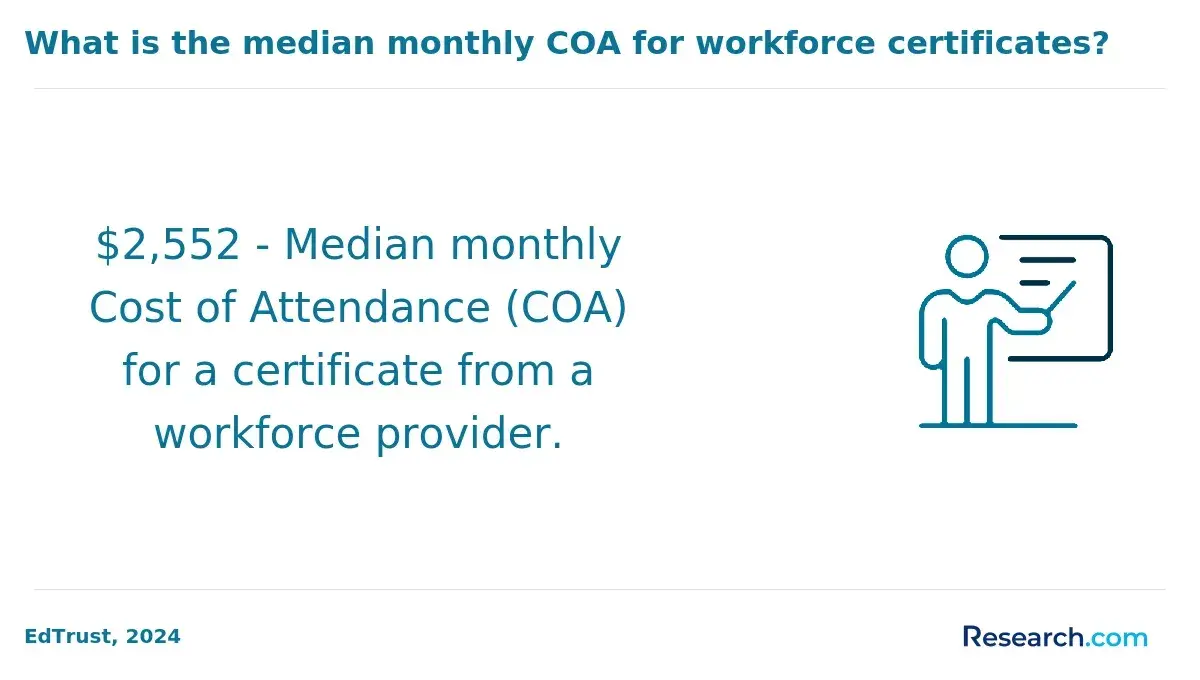
Cost disparities in pursuing a biomedical engineering degree across states reflect not only tuition variances but also broader economic and policy contexts that significantly influence long-term financial commitments. For example, attending a public university as an in-state student in Michigan might cost around $17,000 annually in tuition, while out-of-state students could face more than double that amount, creating pivotal decisions about residency, relocation expenses, and debt load. These differences are compounded by regional cost-of-living factors and the availability of state-funded financial support, which can make programs in states like Nebraska or Alabama more accessible compared to high-cost states such as California or Massachusetts where total attendance often exceeds $70,000 over four years.
Private institutions, predominantly located in higher-cost states, typically impose steep tuition rates that exceed $60,000 annually regardless of residency, which narrows affordability and influences many students to prioritize public universities or consider online hybrid models. Policymakers' approaches to financial aid and scholarships also create uneven net price outcomes, compelling prospective learners to weigh potential aid against sticker prices and future salary trajectories within regional healthcare and engineering labor markets. The substantial variation in expenses underscores the importance of evaluating both direct costs and contextual factors, like job market density and local employer demand, to develop a sustainable education plan that balances upfront investment with practical workforce integration.
Why Does Biomedical Engineering Affordability Vary So Much Between States?
Variations in biomedical engineering tuition cost differences by state largely reflect the differing priorities states place on funding public universities and their strategies for balancing resident and nonresident student enrollment. For example, states like Wyoming and New Mexico that allocate above-average funding per student tend to maintain more affordable resident tuition rates, making local enrollment financially accessible while limiting reliance on out-of-state fees. By contrast, states with larger urban centers and high living costs, such as California and New York, often pass higher operational expenses onto students, which elevates total educational costs despite substantial state budgets.
Regional factors affecting biomedical engineering education affordability extend beyond tuition to include cost of living and targeted student aid programs that can ease financial burdens for STEM students. High-expense metropolitan areas like Boston and San Francisco raise the overall cost of attending school, influencing enrollment patterns and encouraging some students to explore in-state online programs or transfer options to reduce expenses. According to 2024 data from the National Center for Education Statistics, states with focused grant programs for STEM fields consistently see improved retention by offsetting costs for lower-income students, affecting where prospective biomedical engineering students choose to study.
Students must weigh these affordability disparities against practical outcomes such as employability and long-term earnings, since higher tuition regions may offer stronger industry connections and job markets. Balancing upfront costs with expected workforce opportunities forms a critical part of educational planning for biomedical engineering degrees. Budget-conscious learners can benefit from exploring alternatives like online degrees and in-state tuition discounts to optimize both affordability and career prospects, similar to options available in fields like the video game designer degree programs.
How Do In-State and Out-of-State Tuition Rates Affect Biomedical Engineering Affordability?
Residency-based tuition disparities fundamentally shape the financial calculus for students pursuing biomedical engineering, often determining whether attending certain public universities is feasible. Average in-state tuition at leading public institutions stands near $11,000 annually, while out-of-state rates can more than double, exceeding $28,000 according to the National Center for Education Statistics for 2023-2024. This difference isn't just a sticker price concern; it influences decisions on geographic mobility, program selection, and even the strategic pursuit of residency reclassification to reduce costs. Regional reciprocity agreements sometimes help, but they are limited and inconsistent, making students weigh the value of a broader geographic education against increased debt and living expenses tied to relocating or paying premium out-of-state rates.
Public institutions' tuition patterns also interact with available state financial aid, often restricting aid eligibility to residents and affecting total affordability. Private and online programs, less tethered to residency distinctions, offer alternatives but can come with their own cost premiums or tradeoffs in networking opportunities and local industry connection crucial for job placement. For budget-sensitive biomedical engineering students, the financial implications of residency status extend beyond tuition to influence strategies on campus choice, internship location, and how education costs align with long-term career investments within regionally concentrated health technology hubs.
An early-career biomedical engineering graduate recalled grappling with whether to accept an out-of-state university offer. The significant tuition premium, combined with higher living costs, introduced hesitation, especially given uncertainty about securing in-state residency after the first year. This student valued the program's reputation but ultimately weighed the debt risk against prospects for local internships closer to home. The decision underscored how residency-driven tuition differences complicate financial planning and sometimes force compromises between educational prestige and manageable expenses.
How Does the Cost of Living Impact Overall Biomedical Engineering Affordability by State?
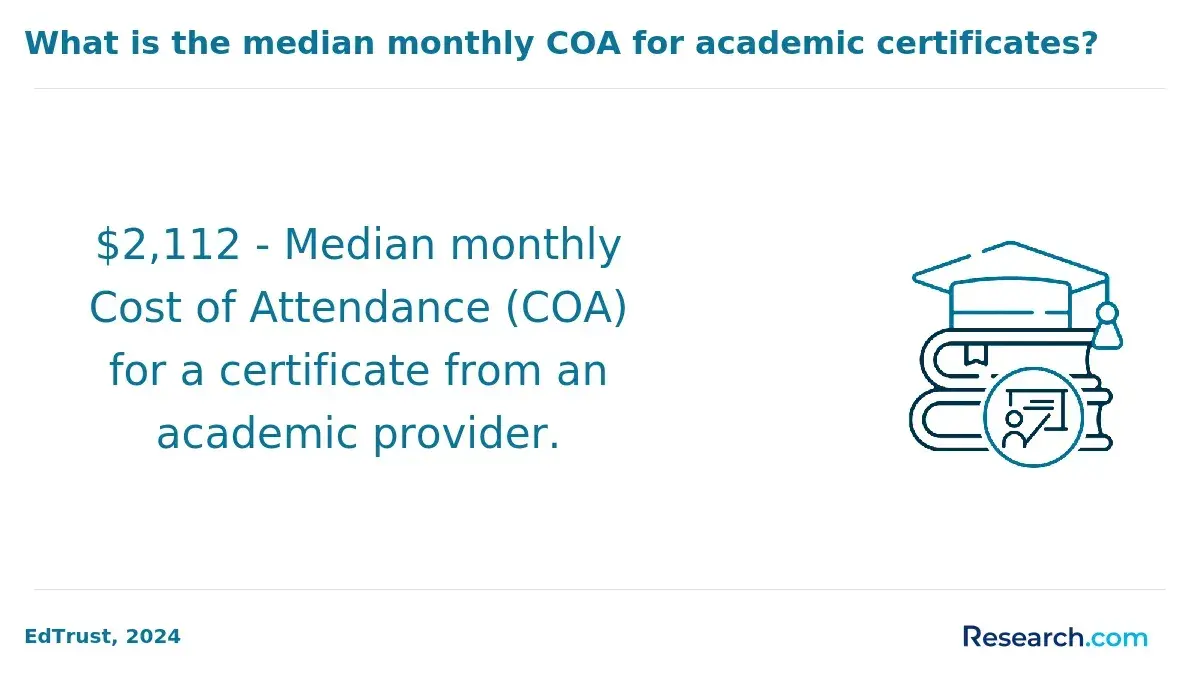
Cost-of-living differences significantly shape the real financial demands of pursuing a biomedical engineering degree across states, often outweighing the apparent tuition price variations. For instance, students in high-cost states like California or New York face housing and utility expenses two to three times greater than counterparts in more affordable states such as Texas or Ohio, resulting in substantially higher overall education costs despite similar tuition rates. Such disparities affect student debt levels and financial aid requirements, compelling budget-conscious learners to weigh the tradeoff between living affordability and access to established biomedical industry hubs, which often cluster in pricier metropolitan areas.
Transportation, food, and healthcare expenses compound these regional cost challenges. Urban campuses may require costly daily commuting, combining public transit fares or parking fees, while rural campuses might reduce housing expenses but necessitate car ownership with associated fuel and maintenance costs. These factors also influence enrollment choices and completion strategies, including considerations for online coursework or part-time options. Regional economic conditions that impact non-tuition costs directly affect the practical accessibility of a biomedical engineering education, reinforcing the importance of evaluating local economies alongside tuition. Prospective students must incorporate these variables into decision-making to anticipate net affordability rather than relying solely on sticker price comparisons.
Furthermore, regional cost of living impact on biomedical engineering education expenses extends to long-term career viability, as states with lower living costs may offer less concentrated biomedical employment, affecting internship and job prospects post-degree. Planning must consider how financial pressures interact with workforce opportunities and lifestyle costs, ensuring holistic affordability assessment. For students exploring diverse pathways, including those interested in fields like MBA operations management, understanding these localized economic factors can clarify the realistic investment needed to complete their education and launch their careers.
Which States Offer the Best Value for a Biomedical Engineering Degree?
Choosing where to pursue a Biomedical Engineering degree requires balancing tuition costs against factors like graduation rates and local job markets, rather than simply opting for the cheapest option. For example, states with favorable in-state tuition policies tied to residency, such as North Carolina, often offer more than just low sticker prices; they provide stronger degree completion rates and access to industry hubs that improve employment prospects. This combination can lower overall indebtedness by enabling timely graduation and facilitating entry into competitive biomedical sectors, which is crucial given that roughly 60% graduation rates in STEM fields mark a significant difference in long-term return on education investment.
Conversely, states with moderate tuition but supportive financial aid and established healthcare industries, like Minnesota, may yield higher net value despite slightly higher upfront costs. Their competitive employment environment and public investment in STEM education increase the likelihood students will find well-paying roles shortly after graduation. Meanwhile, cost of living remains a key variable often overlooked; for instance, Texas blends moderate tuition with relatively low living expenses and a demand-sustained economy, easing the burden of education debt without sacrificing access to engineering roles. Students should analyze how state-specific factors-including residency-based tuition eligibility, program completion data, and regional biomedical industry health-intersect to affect total cost and career feasibility before deciding where to study.
What Financial Aid and Scholarship Opportunities Can Reduce Biomedical Engineering Costs?
Federal financial aid, particularly Pell Grants, significantly shapes the affordability of a biomedical engineering degree, with over 70% of eligible undergraduates receiving these grants or subsidized loans according to the U.S. Department of Education. However, reliance on these funds entails navigating exacting eligibility criteria and renewal requirements, which vary by academic progress and income thresholds. For students in states with high in-state tuition, such as New York or Texas, leveraging state-sponsored grants and tuition reciprocity programs can reduce costs by up to 30%, but residency rules and application timing critically impact access. These factors underscore the importance of strategic planning for students deciding where to enroll, as missing deadlines or falling short on residency can abruptly diminish financial aid and increase debt burdens.
Institutional scholarships often target high-achieving biomedical engineering candidates, offering merit-based awards that help offset tuition but usually require stringent GPA maintenance, imposing pressures that affect students' ability to balance work-study demands. Additionally, employer-sponsored tuition assistance, especially from healthcare and biotech firms, is emerging as a valuable, though sometimes underutilized, resource for working students aiming to bridge education and industry roles. The uneven distribution of aid types across states means that lower-need-based grant availability frequently correlates with increased student loan dependence, raising long-term repayment challenges. Students must therefore weigh the tradeoff between borrowing and eligibility for layered aid packages, considering how state policies, institutional priorities, and employer benefits collectively influence the net cost of biomedical engineering education and future financial stability.
Are Online Biomedical Engineering Degree Programs More Affordable Than On-Campus Options?
Online biomedical engineering degree affordability in the United States depends heavily on nuanced cost factors that go beyond headline tuition differences. While online programs often advertise savings of 15-30% due to reduced campus fees and eliminated room and board costs, the reality varies markedly by state and student circumstance. For example, a student residing in California might save up to $10,000 annually by avoiding high on-campus housing and commute expenses, yet they may face comparable or higher total costs once technology fees and out-of-state tuition restrictions are factored in. This interplay between non-tuition expenses and residency-based pricing policies complicates straightforward cost comparisons between online and on-campus options.
The cost comparison of on-campus versus online biomedical engineering programs by state reveals key policy and practical tradeoffs influencing affordability. State residency requirements can limit in-state tuition benefits for remote learners, often neutralizing savings on traditional fees. Additionally, program design matters: online formats frequently demand technology access and specialized software, which introduce new annual expenses averaging $500 to $1,000. Students balancing coursework with employment may find online flexibility financially advantageous by offsetting lost income, but employer perceptions of hands-on training and networking opportunities remain relevant considerations for long-term return on investment.
For budget-conscious learners, analyzing these factors-including residency rules, employment impact, and additional fees-is critical to deciding where and how to pursue a biomedical engineering degree with meaningful affordability. Resources like associates degrees online can provide useful context for comparing program costs and outcomes across modalities and states, enabling informed decisions grounded in real-world constraints and opportunities.
Is a Biomedical Engineering Degree Worth the Cost Based on Career Outcomes and ROI?
Choosing where to pursue a biomedical engineering degree significantly shapes its return on investment, as tuition disparities create real financial tradeoffs that influence long-term career outcomes. States like California and New York, where average tuition is substantially higher, often lead students to incur over $35,000 in debt, increasing financial pressure despite median salaries ranging from $70,000 to $95,000 nationally according to the U.S. Bureau of Labor Statistics. In contrast, programs in states with more affordable tuition and stronger six-year graduation rates-such as Texas and North Carolina-can reduce costs and accelerate entry into the workforce, improving practical ROI beyond sticker price.
Students evaluating biomedical engineering degree return on investment in the United States should also factor in regional employment demand and industry ecosystems. States with clusters in medical devices and biotech, including Massachusetts and Minnesota, offer enhanced job prospects and potentially higher starting salaries, underscoring how geographic mobility can impact career trajectories. Moreover, the degree's interdisciplinary nature and pathways to graduate education add complexity to ROI assessments, as these advanced options vary widely by institution quality and state support. Budget-conscious learners must weigh these educational and workforce realities alongside available financial aid and realistic time-to-degree expectations to navigate tradeoffs effectively.
Those prioritizing flexibility and affordability may explore options like online schools with multiple start dates, which can mitigate opportunity costs and improve access to biomedical engineering programs aligned with their career goals. Given the growing demand projected through 2030 by the U.S. Department of Labor, making strategic, context-aware decisions about where and how to pursue this degree profoundly affects both immediate affordability and long-term professional success in biomedical engineering graduates by state.
References
- Is Biomedical Science Degree Worth It? https://pathologylabtraining.co.uk/biomedical-sciences/degree-worth-it
- Pursue Biomedical Engineering in the USA https://gyanberry.com/blog/pursue-biomedical-engineering-in-the-usa/
- Indecision at the Crossroads - Biomedical Engineering https://talk.collegeconfidential.com/t/indecision-at-the-crossroads-biomedical-engineering/3657343
- College Affordability Still Out of Reach for Students with Lowest Incomes, Students of Color https://www.ihep.org/college-affordability-still-out-of-reach-for-students-with-lowest-incomes-students-of-color/
- The Effects of Rising Student Costs in Higher Education - Ithaka S+R https://sr.ithaka.org/publications/the-effects-of-rising-student-costs-in-higher-education/
- Best Online Biomedical Engineering Master's Degree Programs, Jobs, and Salaries https://careerkarma.com/blog/online-biomedical-engineering-masters/
- How much do in-state students pay in tuition and fees to attend four-year public universities? - APLU https://www.aplu.org/our-work/4-policy-and-advocacy/publicuvalues/college-costs/
- Online Biomedical Engineering Degree - Best of 2025 | UniversityH https://universityhq.org/degrees/online-biomedical-engineering-programs/
- Importance of Cost of Living | Goldwater Institute https://www.goldwaterinstitute.org/cost-of-living/
Other Things You Should Know About Biomedical Engineering
While tuition cost is a critical factor, the reputation and quality of biomedical engineering programs in certain states significantly influence graduate employability and earning potential. Lower-cost programs in states with weaker industry connections or less rigorous curricula may lead to fewer internship opportunities and lower initial job placements. Prospective students should weigh affordability against program prestige and employer recognition, as paying more upfront in a state with strong biomedical engineering networks can translate to better career outcomes and a faster return on investment.
In some cases, more affordable programs may have compressed or more intensely scheduled coursework, potentially increasing student workload within a shorter timeframe. This can impact student well-being and mastery of complex biomedical engineering skills, especially when balancing practical lab work or co-op placements. Conversely, pricier programs might spread content over longer periods with more support resources, making them more manageable but at a higher financial cost. Students should consider how program pacing aligns with their learning style and personal circumstances alongside tuition affordability.
Yes, prioritizing states with robust biomedical engineering industry presence often outweighs the drawbacks of higher tuition. Graduates in such states benefit from proximity to leading employers, stronger internship pipelines, and often better salaries, which can offset initial educational expenses. For students focused on long-term career placement and growth within biomedical fields, the premium paid in tuition often translates into practical advantages that make those programs financially justified over the medium term.
States that invest more heavily in biomedical engineering research tend to offer better-funded labs, cutting-edge technology, and more faculty expertise, which enhance the learning experience but can also increase program costs. The higher tuition associated with these quality improvements reflects real-world training advantages critical in biomedical fields. For cost-conscious students, selecting a state with moderate research funding may improve affordability but could limit access to specialized resources that are highly valued by employers, affecting readiness for advanced technical roles.