2027 Biochemistry Salary Trends Report: Are Wages Keeping Up With Tuition and Inflation?

Co-Founder and Chief Data Scientist
A prospective biochemistry student weighs the rising cost of tuition against future salary prospects, wondering if the investment truly pays off. Tuition fees and living expenses climb steadily each year, while wages for graduates often show uneven growth. Inflation further erodes purchasing power, complicating direct comparisons between starting salaries and education costs. Understanding whether a biochemistry degree offers financial stability requires more than just looking at entry-level pay figures.
Salary growth, tuition inflation, and the cost of living rarely increase at the same rate, making it critical to assess long-term earning potential. Prospective and recent graduates must consider how wages keep pace with overall economic changes to determine real value. This article explores biochemistry salary trends in the context of tuition costs, inflation, return on investment, and affordability, highlighting key factors shaping the degree's financial outlook over time.
Key Things to Know About Biochemistry Salary Trends
- Graduate wages in biochemistry have grown about 3% annually since 2022, lagging behind the 6% average inflation rate, reducing real income and slowing debt repayment capacity.
- Rising tuition costs, increasing 5% yearly, now outpace starting salaries, meaning entry-level biochemistry professionals often face longer financial strain post-graduation.
- Long-term earnings hinge heavily on specialization and industry alignment, with pharmaceutical and biotech sectors offering up to 25% higher salaries than academic roles, impacting career path decisions.
- Key Things to Know About Biochemistry Salary Trends Key Things to Know About Biochemistry Salary Trends
- What Is the Current Salary Outlook for Biochemistry Graduates? Salary Outlook
- Are Biochemistry Salaries Keeping Up With Inflation? Inflation Impact
- How Do Tuition Costs Compare With Biochemistry Salary Growth? Tuition vs Salary
- Does a Biochemistry Degree Deliver a Positive Return on Investment? Degree ROI
- Which Industries Offer the Highest Salaries for Biochemistry Graduates? Which Industries Offer the Highest Salaries for Biochemistry Graduates?
- Which States and Cities Offer the Highest Pay for Biochemistry Professionals? Which States and Cities Offer the Highest Pay for Biochemistry Professionals?
- How Do Biochemistry Salaries Grow Throughout a Career? Career Growth
- How Do Biochemistry Salaries Compare With Similar Degrees? Salary Comparison
- How Is Employer Demand Affecting Biochemistry Salary Trends? Employer Demand
- How Can Students Maximize Their Lifetime Earnings With a Biochemistry Degree? Maximizing Earnings
What Is the Current Salary Outlook for Biochemistry Graduates?
The 2024 salary outlook for biochemistry graduates indicates moderate growth influenced by factors such as geographic location, sector, and experience. Entry-level salaries typically fall between $55,000 and $65,000 annually, with variations depending on regional market demands and employer type. For instance, two graduates with similar degrees might diverge significantly in earnings if one secures a research role in a biotech hub like San Francisco, while the other takes a position in a less urban area with lower cost of living and pay. This regional disparity exemplifies why understanding the broader context behind the biochemistry graduate salary trends 2024 is essential when planning a career path.
Biochemistry salaries tend to improve considerably with advanced degrees and accrued experience, where mid-career professionals often earn from $80,000 up to $110,000, especially in specialized fields such as biopharmaceutical research or genetic engineering. However, these figures should be balanced against rising educational costs and inflation, which have outpaced wage gains over the past few years. Long-term career progression and the availability of salary growth opportunities weigh heavily on the financial viability of a degree in biochemistry. Prospective students should also explore options like an accelerated BCBA program online to potentially reduce time spent in school and mitigate tuition expenses while maintaining strong market relevance.
Ultimately, the United States biochemistry salary outlook reflects a stable but nuanced picture where entry-level pay offers a foundation, but real financial returns depend on strategic career moves, advanced qualifications, and industry demand. Graduates positioned in metropolitan centers with concentrated biotech industries benefit from salary premiums, while others may find tradeoffs between pay and living costs. Consequently, a biochemistry degree's value cannot be measured strictly by starting salary but should incorporate projected job demand and long-term earning potential within evolving scientific fields.
Are Biochemistry Salaries Keeping Up With Inflation?
Wage growth for biochemistry-related occupations has not kept pace with inflation, reducing the real purchasing power of professionals in this field. Data from the U.S. Bureau of Labor Statistics shows that median wages for biochemists and biophysicists increased by only about 3.2% over the last year, while inflation, measured by the Consumer Price Index, rose nearly twice as fast at 6.5%. This disparity means that despite nominal salary increases, biochemists often face a decline in their actual living standards, as their earnings do not stretch as far when adjusted for rising prices on essentials like housing, food, and transportation.
Consider a recent graduate starting a career in biochemistry who secured a salary reflecting the median increase. Despite earning more than previous cohorts nominally, this graduate encounters higher costs not only in daily living but also in student debt repayment, especially since tuition inflation for science programs often exceeds overall inflation rates. Such a scenario forces graduates to critically assess whether accepting an early-career position in their field offers sufficient financial return or if alternatives - such as relocating to regions with higher wages or pursuing specialized subfields - might better preserve their income's real value over time. When evaluating biochemistry salary growth compared to inflation, it becomes clear that nominal gains alone do not guarantee improved economic outcomes for degree holders.
Several factors influence whether biochemistry wages keep up with inflation, including geographic disparities in job markets and the competitive demand for advanced skills. The financial strain from elevated tuition costs, which outpace inflation by about 1.5 percentage points annually, further complicates the long-term earning potential for many students. Prospective and current students should also examine opportunities for cost-saving educational options like the cheapest online counseling degree programs when considering their educational investments in relation to market returns. Ultimately, the impact of inflation on biochemistry wages underscores the importance of a nuanced approach to career planning within this scientific discipline.
How Do Tuition Costs Compare With Biochemistry Salary Growth?
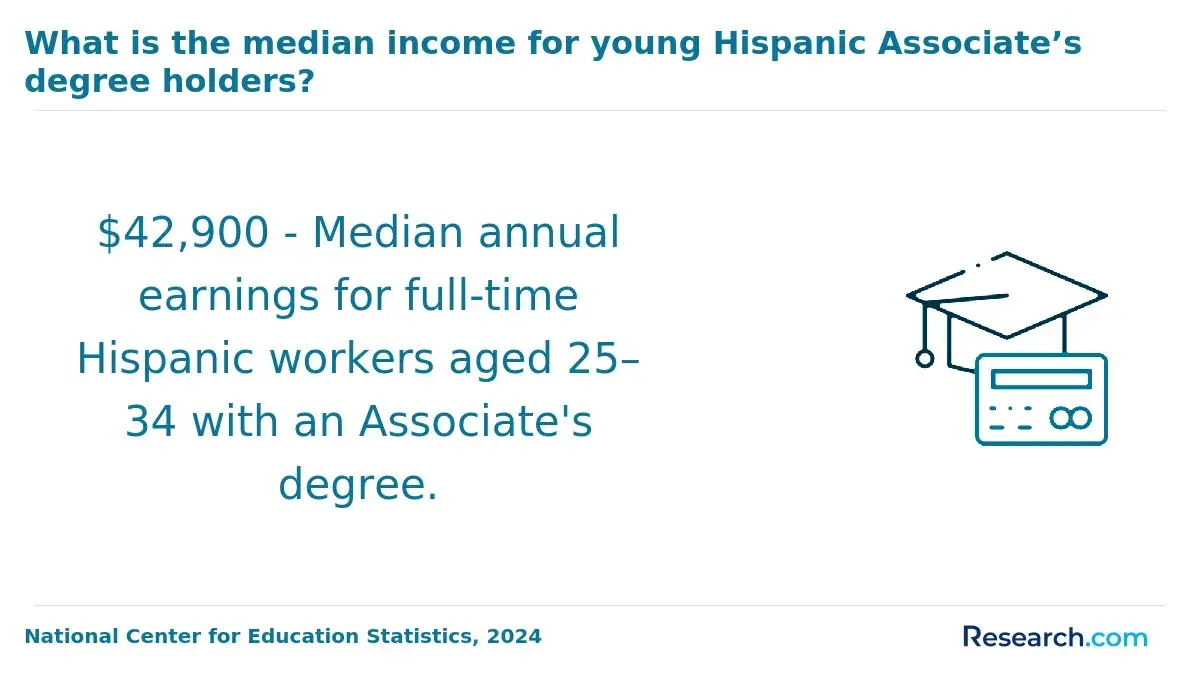
Assessing tuition costs alongside salary growth offers a nuanced understanding of the financial viability of pursuing a biochemistry degree. According to 2024 data from the National Center for Education Statistics, average tuition exceeds $11,000 annually at public four-year colleges and approaches $41,000 at private institutions. Conversely, median starting salaries for biochemistry graduates are around $55,000 per year, with only modest annual increases of 2-3% reported by the Bureau of Labor Statistics. This means early-career wage growth often lags behind rising tuition and inflation, complicating repayment strategies and diminishing the immediate financial return on education.
Factors such as geographic location, sector of employment, and years of experience influence how tuition costs stack up against salary progression. While mid-career biochemists earn between $85,000 and $95,000, persistent inflation averaging 4% tempers these gains in real income. For example, a student attending a private university with high upfront costs might face heavier debt burdens and delayed financial stability compared to someone graduating from a public institution. This divergence highlights how tuition inflation and salary growth do not move in tandem, making financial planning essential to managing long-term expectations.
One biochemistry graduate recalled hesitating before committing to an expensive private college due to concerns about job market entry salaries. After weighing the higher debt load against modest starting wages, they chose a public university with lower tuition despite initial uncertainty about program prestige. That decision, coupled with careful budgeting, allowed them to navigate early career financial constraints with less pressure, underscoring how understanding the interplay between tuition and salary growth can directly shape post-graduation outcomes.
Does a Biochemistry Degree Deliver a Positive Return on Investment?
Assessing the return on investment (ROI) for a biochemistry degree involves weighing the total cost of education-including tuition inflation and associated expenses-against long-term earnings and career growth. ROI in this context is less about initial salaries and more about the ability to recover educational expenses through steady wage increases and diverse career opportunities. For example, a graduate who initially earns around $60,000 annually in a pharmaceutical research role but experiences salary growth into six figures within 10 to 15 years may achieve a favorable ROI despite rising student debt. This scenario aligns with findings from the Georgetown University Center on Education and the Workforce, which indicate biochemistry graduates typically recoup their educational costs within that timeframe, particularly when entering high-demand fields such as biotechnology and research.
Key factors influencing whether a biochemistry degree yields a positive ROI include program costs relative to inflation, regional job market strength, specialization, and the reputation of the institution. According to data from the National Center for Education Statistics and the U.S. Bureau of Labor Statistics in 2024, early-career biochemists earn median salaries between $55,000 and $75,000, with wage growth generally keeping pace with inflation, thus preserving real income value over time. However, students should carefully consider program selection and geographic location, as these variables can significantly impact employment prospects and earning trajectories. While the upfront investment is substantial, sustained demand for biochemistry expertise in healthcare, academia, and industry suggests that for many graduates, the degree remains a sound financial choice when coupled with strategic career planning.
Which Industries Offer the Highest Salaries for Biochemistry Graduates?
Salaries for biochemistry graduates vary widely across industries, influenced by factors such as funding availability, regulatory environment, and the demand for specialized expertise. In North America, top-paying sectors for biochemistry careers often correspond with areas of intensive research and commercial innovation, where the application of biochemical skills directly impacts product development and health outcomes. Data from sources like the U.S. Bureau of Labor Statistics consistently show that pharmaceutical and biotechnology industries lead in compensation, but emerging sectors and niche roles can also offer strong earning potential. Below are key industries offering the highest salaries and the practical considerations behind their pay structures.
- Pharmaceutical Industry: This sector leads compensation for biochemistry graduates due to its focus on drug discovery, personalized medicine, and clinical trials. Roles involve research scientist positions requiring deep biochemical knowledge and often advanced degrees. The complexity of developing novel therapies drives high wages and frequently includes bonuses tied to project milestones.
- Biotechnology Firms: Startups and established biotech companies specializing in genetic engineering and molecular diagnostics offer lucrative salaries coupled with stock options or research funding. Biochemistry graduates skilled in molecular biology and bioinformatics are highly sought after, particularly for roles in innovation and commercialization of new biotechnological applications.
- Chemical Manufacturing: Companies producing specialty chemicals, industrial enzymes, and materials science products employ biochemists for research and development roles. Salaries here are substantial due to the applied nature of the work and its relevance to large-scale manufacturing and sustainable technologies.
- Academic and Government Research: Although entry-level pay may be lower compared to industry, experienced biochemistry professionals in academia or government labs can command competitive salaries through tenure, grants, and leadership roles. This sector appeals to those prioritizing foundational research and public health contributions.
- Healthcare and Clinical Labs: Clinical diagnostics and laboratory management roles provide stable income for biochemistry graduates. Salaries are generally below pharmaceutical levels but offer growth opportunities in hospital systems and diagnostic companies focusing on disease detection and monitoring.
- Environmental Science and Biotechnology: Environmental firms employing biochemistry graduates focus on bioremediation, pollution control, and sustainable solutions. These roles pay well when linked to government contracts or private-sector investments in green technologies.
- Regulatory Affairs and Quality Control: Within highly regulated sectors such as pharma and biotech, biochemists with expertise in compliance and quality assurance can achieve strong salaries. Their understanding of biochemical processes is critical to meeting safety standards and ensuring product integrity.
Recent studies report that pharmaceutical and biotechnology industries place biochemistry-related roles among the top-paying occupations in the US, reflecting their prioritization of innovation and scientific rigor. However, prospective and current students should also consider that the long-term earning potential often correlates with experience, advanced qualifications, and strategic internships or industry exposure during studies. For those balancing salary expectations with rising educational costs and inflation, exploring specialized pathways such as the shortest MBA can enhance their competitiveness in both science and management roles. Understanding these dynamics is essential for making informed decisions about career trajectories within the highest salaries offered by industries employing biochemistry graduates.
Which States and Cities Offer the Highest Pay for Biochemistry Professionals?
Location remains a defining factor in the earning potential for biochemistry professionals, with wages closely tied to local industry density and institutional presence. In 2024, data from the U.S. Bureau of Labor Statistics highlights states and metro areas where biochemistry specialists command the highest annual salaries, often influenced by the concentration of biotech companies, pharmaceutical firms, and government research bodies. However, the raw salary figures must be weighed against living expenses and job market conditions that vary widely. Considering these tradeoffs can reveal which regions offer the most practical financial advantages for graduates and early-career professionals.
Here are some key states and cities known for top biochemistry compensation:
- California: The Bay Area and San Diego anchor a biotechnology powerhouse, with median annual wages often exceeding $95,000 and some districts surpassing $110,000. This reflects the heavy presence of established pharma and startup ecosystems. Prospective workers should factor in the region's high living costs, which can reduce net financial gains despite robust salaries.
- Massachusetts: Boston's biotech corridor benefits from elite research universities and large pharmaceutical companies, driving salaries 20-30% above national averages. The area offers strong career stability but comes with a steep cost of living, making it essential to evaluate long-term residency expenses.
- Maryland: Proximity to federal research institutions like the National Institutes of Health in Baltimore supports competitive pay combined with a moderate local cost of living. This combination can lead to better quality of life relative to other high-paying metro areas.
- New Jersey: With a dense network of pharmaceutical giants near New York City and Philadelphia, New Jersey provides substantial wage opportunities, although commuting and housing costs may affect take-home financial benefits.
- San Francisco: Beyond California's broader landscape, the Bay Area spotlights some of the highest biochemistry salaries nationally due to concentrated government funding and venture capital. However, inflated housing prices and daily expenses demand careful financial planning for new graduates.
- Boston: The city's biotech and pharmaceutical sectors not only offer lucrative jobs but also emphasize research and development, appealing to those aiming for academic-industry crossover roles. Yet, the expensive urban environment necessitates balancing salary with cost factors.
- North Carolina and Colorado: Emerging biotech hubs in these states provide growing wage opportunities that may not yet rival coastal powerhouses but often come with improved quality of life and lower living costs. For many starting professionals, these areas present viable alternatives with less financial pressure.
How Do Biochemistry Salaries Grow Throughout a Career?
Starting salaries for biochemistry graduates generally fall between $50,000 and $65,000 annually, though these figures fluctuate depending on geography and sector, such as academia, industry, or government roles. Over time, as professionals develop specialized skills-bioinformatics or molecular techniques, for example-and potentially step into supervisory positions, average salaries typically increase to a range of $75,000 to $95,000 by mid-career. Data from the National Institutes of Health and the American Society for Biochemistry and Molecular Biology underscore that further education like master's or doctoral degrees often opens doors to higher compensation levels. However, advancing into senior roles, which might include principal investigator or senior scientist in biotech firms, can push salaries to the $100,000 to $140,000 range or beyond, especially within pharmaceutical and biotechnology R&D sectors.
Consider two graduates with identical degrees: one pursues a master's and joins a biotech startup, quickly gaining project leadership experience and specialized skills, while the other remains in an entry-level government lab without advanced qualifications. The former is more likely to see accelerated salary growth, reflecting the premium placed on education and managerial responsibilities. Industry analysis from 2024 illustrates that long-term earning potential in biochemistry is heavily influenced by continuous skill acquisition, strategic career moves, and sector choice. Yet, it's crucial to weigh these opportunities against rising tuition fees and inflation, which can erode real wage gains and affect the financial return of the degree over time.
One biochemistry graduate recalled feeling uncertain after finishing their degree because fellow classmates scattered across academia and biotech fields seemed to diverge widely in pay just a few years in. Choosing to pursue a doctoral program while balancing part-time teaching delayed immediate earnings but eventually led to a senior research position with better stability and a respectable salary boost. They often reflect on how slower short-term growth felt frustrating but proved worthwhile compared to peers who prioritized quicker entry-level jobs without further education, underscoring that salary progression in this field often hinges on challenging long-term commitments and carefully timed decisions.
How Do Biochemistry Salaries Compare With Similar Degrees?
Biochemistry salary comparison with related degrees reveals nuanced differences that affect long-term earnings. Median starting salaries for biochemistry graduates hover around $60,000, positioning them competitively but slightly below STEM fields such as engineering and computer science. These figures underscore the importance of career path choices and further education, as advanced degrees often unlock higher-paying roles in research, pharmaceuticals, and healthcare. Below are key contrasts between biochemistry and similar degrees in terms of earnings, typical career trajectories, and growth patterns.
- Chemical Engineering:Chemical engineering graduates typically start near $70,000, benefiting from strong demand in manufacturing and technology sectors. The higher initial salary reflects more industry-driven roles with clear advancement ladders, though longer-term biochemistry careers in biotech can catch up with specialization and research advancements.
- Computer Science:Computer science salaries also begin around $70,000 but tend to rise more rapidly in early career stages due to tech industry growth. Unlike biochemistry, computer science offers more immediate opportunities for salary jumps through software and data roles, while biochemistry follows a steadier progression often linked to research experience and advanced degrees.
- Biology and Chemistry:Degrees in general biology or chemistry usually report starting salaries between $50,000 and $55,000. These fields often lead to academia or government roles with moderate salary growth, whereas biochemistry graduates can leverage specialized knowledge to enter higher-paying biotech and healthcare sectors.
- Graduate Education Impact:Advanced degrees in biochemistry significantly enhance earning potential, especially in pharmaceutical research and biotechnology. Unlike some fields where quick salary increases are common, biochemistry professionals often see gradual growth over time, reflecting the lengthy training and specialized skills that advanced studies provide.
For students evaluating the return on investment, pursuing biochemistry means balancing immediate salary limitations against promising opportunities in specialized industries. Geographic location and career focus remain crucial factors, as biochemistry graduates working in biotechnology firms and healthcare tend to earn notably more than those in academia or government research. Exploring competency based programs can further sharpen skills and potentially improve earnings over time.
How Is Employer Demand Affecting Biochemistry Salary Trends?
Employer demand critically influences salary trends for biochemistry professionals by shaping the competition for qualified candidates and driving hiring activity. For example, a pharmaceutical company investing heavily in novel drug development may increase recruitment efforts for biochemists with specialized skills, pushing salaries higher to secure top talent. According to the U.S. Bureau of Labor Statistics' 2024 projections, employment for biochemists and biophysicists is expected to grow around 8% from 2022 to 2032, outpacing many other fields. This sustained demand encourages employers to adopt compensation strategies that reflect the evolving scope and specialization required, although wage growth can be uneven due to factors like organizational budgets and broader economic conditions.
Several major factors shape employer demand, including advancements in biotechnology, increased research funding, and healthcare priorities. These forces create roles that require not only technical expertise but also industry-specific experience, which often commands higher pay. However, wage trends do not always keep pace with rising tuition and inflation, meaning students must weigh the cost of education against potential earnings. For prospective students considering the balance of education and salary, exploring programs that integrate applied skills can be advantageous. For instance, individuals interested in combining business leadership with their science background might explore an MPA one year program to enhance their marketability and salary prospects in biochemistry-related fields.
The relationship between employer demand and salary trends is therefore nuanced: strong demand can drive faster wage growth, but experience level, specialization, and economic context also significantly influence compensation. Recent data from the American Chemical Society show median starting salaries for bachelor's degree holders growing modestly in 2024; these increases often lag behind the rising costs associated with higher education and living expenses. Understanding these dynamics helps current and future biochemistry graduates make informed decisions about their career paths and financial investments in education amid fluctuating job market trends for biochemistry graduates in the US.
How Can Students Maximize Their Lifetime Earnings With a Biochemistry Degree?
Maximizing lifetime earnings with a biochemistry degree requires more than just obtaining the diploma. According to 2024 data from the U.S. Bureau of Labor Statistics and leading industry reports, strategic choices in education, experience, and professional development heavily influence income trajectories. For example, a graduate who combines advanced degrees with targeted internships in growing biotech hubs is far more likely to exceed average earnings than one who does not. Below are key strategies that concretely elevate earning potential over time.
- Advanced Education:Pursuing a master's or doctorate enables access to specialized roles in research and pharmaceuticals, significantly increasing salary ceilings and job stability over the long term.
- Interdisciplinary Skills:Integrating data analysis, computational biology, or regulatory affairs enhances marketability by aligning with emerging high-demand niches, opening doors to premium positions.
- Relevant Internships:Completing internships in drug development, medical devices, or environmental science sectors builds practical expertise and professional networks, improving employment offers immediately after graduation.
- Geographic Mobility:Relocating to metro biotech centers like Boston or San Francisco corresponds to higher wages despite increased living costs, presenting a net financial benefit for career-driven graduates.
- Professional Certifications:Obtaining certifications and engaging with organizations such as the American Society for Biochemistry and Molecular Biology unlocks leadership and consulting roles with superior compensation.
- Continued Learning:Staying current with technological advances ensures career resilience and gradual wage growth in a competitive, evolving field.
References
- Average Cost of College [2025]: Yearly Tuition + Expenses https://educationdata.org/average-cost-of-college
- What Is The Average Biochemistry Salary? - Cemp https://cempeducation.com/news/biochemistry-salary/
- Biomedical Science vs Other Degrees Comparison https://pathologylabtraining.co.uk/biomedical-sciences/degree-comparison
- Top 10 Highest Paying Biochemistry Jobs 2025 (Inc Salaries) | Nexford University https://www.nexford.edu/insights/highest-paying-biochemistry-jobs
- What Can You Do With a Biochemistry Degree? https://www.ycp.edu/news/what-can-you-do-with-a-biochemistry-degree
- Does College Pay Off? A Comprehensive Return On Investment Analysis - FREOPP https://freopp.org/whitepapers/does-college-pay-off-a-comprehensive-return-on-investment-analysis/
- The price of college is rising faster than wages for people with degrees | USAFacts https://usafacts.org/articles/is-college-worth-it-the-price-of-college-is-rising-faster-than-wages-for-people-with-degrees/
- Highest Paying Biochemistry Jobs in India https://internshala.com/blog/highest-paying-biochemistry-jobs/
- Biochemist - Career, Role, Education, Jobs & Salary https://www.careers360.com/careers/biochemist
Other Things You Should Know About Biochemistry
Advanced degrees in biochemistry often entail significant additional tuition and time investment, but they tend to provide a salary boost beyond entry-level positions. However, the premium for master's and PhD holders varies widely depending on the employer and specialization. Prospective students should prioritize programs with strong research opportunities and industry partnerships because these often lead to roles that meaningfully exceed undergraduate salary ranges. Without that, the added cost and time might not translate into proportional financial returns within a reasonable timeframe.
Biochemistry programs that emphasize heavy lab workloads and research commitments can reduce time available for internships or networking, which are critical for early job offers and salary negotiation leverage. While intensive academic training can open doors to higher-level positions, students might face a short-term tradeoff where their earnings potential is delayed. Those focusing primarily on practical experience alongside academics may advance faster in salary but could face limitations in specialized roles requiring deep research skills. Balancing these elements early can shape long-term compensation trajectories substantially.
Employers increasingly seek candidates with cross-disciplinary skills such as data analysis and bioinformatics in addition to core biochemistry knowledge. Tuition inflation has not been matched by curricula updates in many programs, which can leave graduates less competitive and limit salary growth. Prioritizing programs that integrate evolving technical skills equips graduates to meet higher employer expectations and capture stronger wage increases. Candidates should assess whether their education keeps pace with market demands, as lagging skills translate to slower salary growth despite rising tuition costs.
While prestigious programs can open doors to desirable employers, geographic location often exerts a more immediate influence on starting salaries and career growth potential. High cost-of-living areas may offer higher nominal wages, but real income gains depend on controlling educational debt and living expenses. Choosing a reputable program near or within a strong job market can reduce relocation costs and position graduates for steadier salary increases. Practical experience in the local region during studies should be prioritized over prestige alone if financial return on investment is the goal.