2027 Biochemistry Career Outcomes by Degree Level Report: Pay, Employment, and Advancement Patterns

Co-Founder and Chief Data Scientist
Deciding between an associate, bachelor's, or graduate degree in biochemistry often involves more than passion for science - it means confronting stark differences in career trajectories and financial outcomes. Many learners underestimate how critical degree level is to securing stable employment and meaningful advancement, especially when nearly 40% of recent biochemistry bachelor's graduates face underemployment within two years, according to the 2024 National Science Foundation survey.
This trend highlights structural gaps in opportunity tied to credential attainment that directly shapes workforce mobility and income potential. This article analyzes pay, employment, and advancement patterns by biochemistry degree level to clarify those implications for informed decision-making.
Key Things to Know About Biochemistry Career Outcomes by Degree Level
- Associate degrees in biochemistry often lead to entry-level lab technician positions, offering quicker workforce entry but limiting long-term advancement without further credentialing.
- Data from 2024 indicate employers increasingly prefer master's or doctoral credentials for research roles, signaling a shift toward higher degree requirements that constrain opportunities for bachelor's holders.
- The substantial time and cost investment of doctoral studies creates delayed workforce access, which prospective students must weigh against the relatively incremental job-market advantage over master's degree holders.
- Key Things to Know About Biochemistry Career Outcomes by Degree Level Key Things to Know About Biochemistry Career Outcomes by Degree Level
- What Career Outcomes Can Students Expect From Each Biochemistry Degree Level? Career Outcomes by Degree
- How Much Do Biochemistry Graduates Earn by Degree Level? Salary by Degree Level
- Which Biochemistry Degree Level Offers the Strongest Employment Prospects? Best Degrees for Employment
- What Entry-Level Jobs Can You Get With a Biochemistry Degree? Entry-Level Career Opportunities
- How Do Biochemistry Degree Levels Affect Career Advancement and Promotion Opportunities? Career Growth by Degree
- Is a Biochemistry Degree Worth It Based on Salary, Employment, and ROI? Salary, ROI, and Value
- How Do Associate, Bachelor's, Master's, and Doctoral Biochemistry Degrees Compare? Comparing Degree Levels
- Which Industries and Employers Hire Biochemistry Graduates by Degree Level? Which Industries and Employers Hire Biochemistry Graduates by Degree Level?
- What Skills, Credentials, and Experience Improve Biochemistry Career Outcomes? What Skills, Credentials, and Experience Improve Biochemistry Career Outcomes?
- Which Biochemistry Degree Level Is Best for Your Career Goals? Choosing the Right Degree
What Career Outcomes Can Students Expect From Each Biochemistry Degree Level?
Deciding between degree levels in biochemistry requires a clear understanding of how each credential influences employment rates and salary trends by biochemistry degree level, along with long-term career opportunities. For instance, students earning certificates or associate degrees often enter technician or support roles but face limited upward mobility without further education, as many employers prioritize bachelor's degrees for scientific positions. This dynamic shapes crucial trade-offs for adult learners or transfer students balancing time investment and prior credit use, where moving directly into a bachelor's program can bypass job market bottlenecks that associate degree holders often experience, especially given the higher competition and lower stability reported by the U.S. Bureau of Labor Statistics in 2024.
Bachelor's degrees typically unlock more immediate employment access in research labs or regulatory environments, with hands-on internships accelerating readiness but imposing a mid-level advancement ceiling without graduate credentials. Master's degrees, by contrast, tend to align with rising demand across healthcare systems and industry certification thresholds, enhancing leadership readiness and specialized role eligibility for experienced professionals. Meanwhile, doctoral candidates concentrate on research specialization and credentialing requirements, including postdoctoral work, which narrows early employment options but substantially increases long-term advancement potential and contributions to academic or technical leadership.
Adult learners weighing these pathways must consider how employer expectations for supervisory roles and specialized credentials can affect timing and program choice, especially when planning through accelerated programs that optimize progression and workforce outcomes within biochemistry degree career pathways and advancement potential.
How Much Do Biochemistry Graduates Earn by Degree Level?
Salary ranges among biochemistry graduates reflect the diverse roles accessible at different educational levels rather than a simple stepwise increase with degree attainment. While bachelor's degree holders often enter roles with median pay near $65,000, their opportunities are typically more limited to technician or entry-level positions compared to those with graduate degrees. Master's and doctoral graduates, earning around $80,000 and $95,000 respectively as median salaries, usually occupy specialized or leadership roles-such as research scientists or regulatory affairs specialists-that demand deeper expertise and offer more stability, especially in competitive markets or high-cost regions. However, these higher salaries must be balanced against longer completion times, potential credit transfer issues, and the upfront costs associated with advanced degrees, which can particularly impact working adults or military-affiliated students deciding if further education aligns with their financial and career timelines.
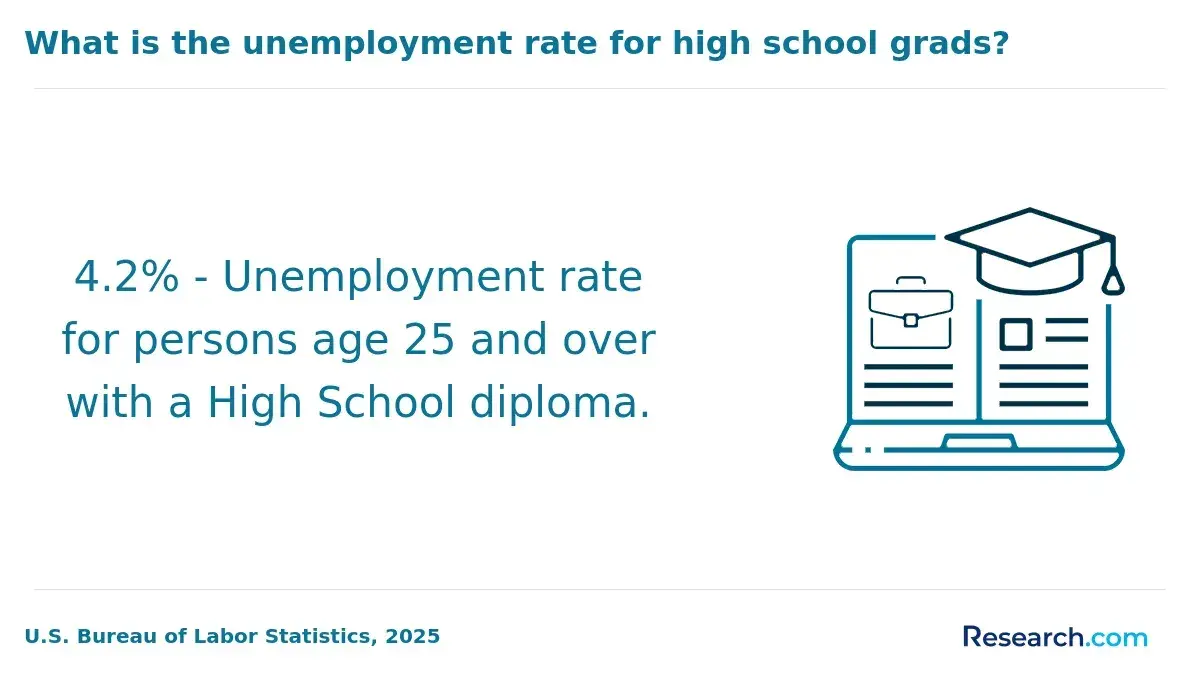
Employment stability also correlates with degree level, as reported unemployment for doctoral biochemistry holders typically stays below 3%, contrasting with roughly 5-7% for bachelor's graduates. This disparity signals that while higher degrees often improve job security and promotion potential, the decision to pursue them should account for sector demand, geographic location, and personal circumstances. For example, a biochemistry graduate eyeing a mid-level role in biotech may find a master's degree acceptable to bypass technician-level positions, whereas aspiring principal investigators usually require doctoral credentials. Prospective students should interpret pay data alongside job prospects and recognize that in some industries, relevant experience or certifications might narrow wage gaps, making incremental educational investments less urgent.
One biochemistry graduate shared that after reviewing local job openings and speaking with industry contacts, they were initially hesitant about the time and expense of a master's degree. They discovered many advertised positions valued candidates with five or more years of lab experience combined with a bachelor's rather than automatically favoring master's holders. This insight led them to prioritize gaining practical lab skills first and consider graduate studies later if advancement stalled. Their experience highlights the importance of interpreting aggregated salary data within specific market and employer contexts, rather than assuming advanced degrees invariably translate to immediate pay jumps or security.
Which Biochemistry Degree Level Offers the Strongest Employment Prospects?
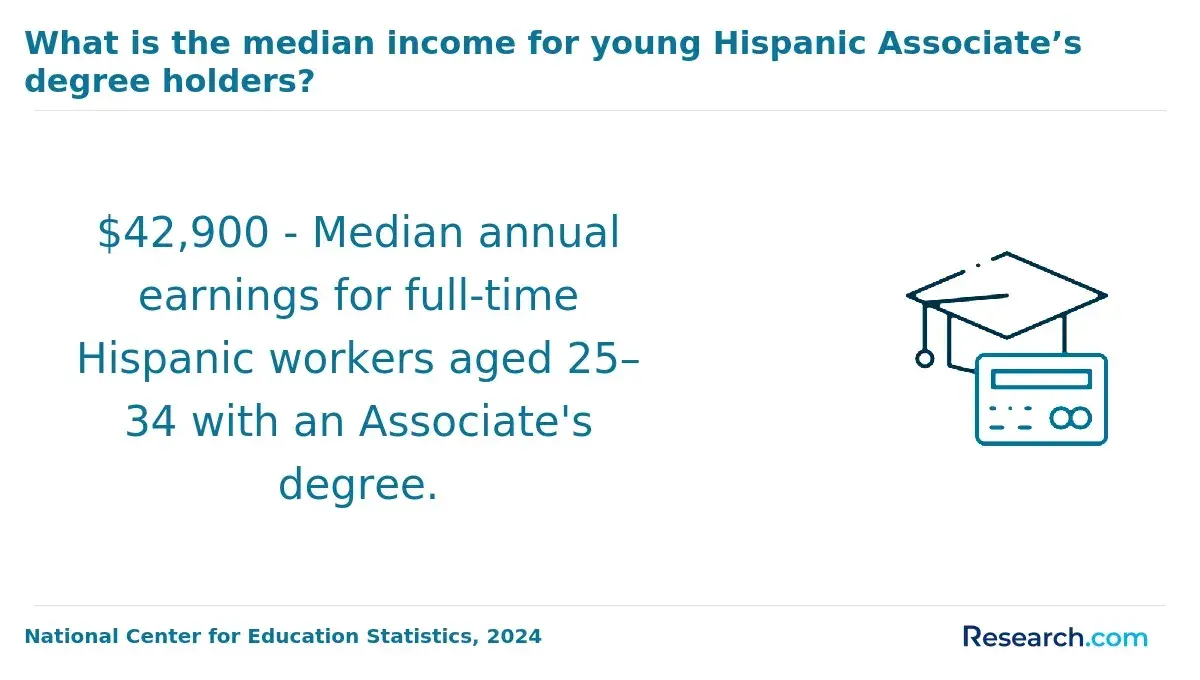
Employers in the biochemistry field typically prioritize candidates with at least a bachelor's degree due to the combination of theoretical knowledge and laboratory experience required for most entry-level roles in research labs, pharmaceuticals, and biotech companies. While associate degrees and certificates can provide rapid workforce entry, they often confine holders to technician or assistant positions with limited upward mobility and notably lower wages-up to 30% less median pay compared to bachelor's graduates. This tradeoff means individuals must carefully consider whether early employment outweighs potential longer-term gains associated with higher credentials that unlock more stable and better-compensated roles.
Advancing to a master's degree significantly elevates prospects by qualifying graduates for specialized applied research or quality assurance functions, roles that routinely demand both technical certifications and deeper subject mastery. According to data from the U.S. Department of Education's Integrated Postsecondary Education Data System (2024), over 80% of master's holders in life sciences secure employment promptly after graduation, reflecting stronger market demand for this level of expertise. However, pursuing a doctoral degree, while narrowing the available job market, opens pathways to academic, leadership, and advanced research careers that require unique skillsets and offer distinct advantages such as lower unemployment rates but may entail extended job searches and regional variability in opportunities.
Students should weigh the practical implications of entering the workforce early with an associate or certificate versus investing time and resources in bachelor's or graduate degrees that better facilitate advancement. Opportunities such as internships integrated in bachelor's programs can improve employability by providing crucial hands-on experience. Conversely, doctoral study demands long-term commitment and accommodation of a specialized career trajectory, which not all candidates may prioritize. The decision to halt after an associate degree or progress to higher qualifications should reflect individual career goals aligned with the varied expectations and technical demands of employers in different sectors of the biochemistry labor market.
What Entry-Level Jobs Can You Get With a Biochemistry Degree?
Entry-level biochemistry jobs in the US often reflect a balance between educational attainment and prior hands-on experience, shaping the practical career avenues graduates can access. Bachelor's degree holders commonly find technician or analyst roles where laboratory proficiency and data management skills are pivotal, but many employers explicitly prioritize candidates with internships or applied research exposure. For instance, a recent shift in job postings underscores the increasing weight placed on certifications such as Good Laboratory Practice (GLP), which can distinguish candidates amid a competitive landscape. According to the U.S. Bureau of Labor Statistics 2024 data, laboratory technician positions are projected to grow by 7%, signaling moderate but consistent demand for graduates with pragmatic lab skills and experience.
Those with a master's degree typically encounter roles requiring greater autonomy and specialized knowledge, such as bioprocessing specialists or regulatory affairs associates, where industry standards and credentials become critical. However, this level often serves as a gateway to more technical or supervisory functions rather than a guaranteed leap in pay or job security absent relevant certifications. Employment stability and long-term mobility can hinge on geographic location, with urban pharmaceutical hubs offering more opportunities than rural areas, and remote options remaining limited due to the hands-on nature of most lab work. Understanding how entry-level biochemistry jobs intersect with sector-specific demands helps students weigh decisions about investing in further education or focusing on internships and certification to strengthen their position in the field.
Prospective and current learners considering a criminal justice major or other discipline should note that early career choices in biochemistry are shaped less by degree title alone and more by how well candidates translate academic concepts into applicable skills. Navigating job markets demands recognizing when entry-level roles are stepping stones that build essential expertise versus positions that may stagnate without additional credentials or practical experience initiatives. These realities underscore the importance of strategic planning in education pathways to align outcomes with professional aspirations.
How Do Biochemistry Degree Levels Affect Career Advancement and Promotion Opportunities?
Advancement opportunities in biochemistry are closely tied to the highest degree attained, with graduate-level credentials often serving as gatekeepers for supervisory and specialized roles. For example, employers frequently require a master's or doctoral degree for positions involving project leadership or advanced research, reflecting the need for deeper technical expertise and managerial skills. According to 2024 data from the U.S. Bureau of Labor Statistics and IPEDS, individuals with a master's degree in biochemistry have promotion rates roughly 30% higher within five years compared to those holding only a bachelor's degree, signaling a significant timing advantage in career mobility. While entry-level roles typically require just a bachelor's degree, further education accelerates access to senior scientific or administrative positions, although this comes with increased time and financial investment.
Licensure and certification are comparatively rare in this field, but specialized credentials and continuing education remain valuable for maintaining competitiveness, particularly in pharmaceuticals and biotech sectors where innovation demands ongoing skill upgrades. Adult learners or professionals with prior experience should weigh the potential for faster promotion and leadership readiness against the opportunity costs of extended study. Transfer students and military-affiliated learners may find that advancing beyond a bachelor's degree can unlock roles that their current qualifications limit, though employers also value relevant work experience and demonstrated problem-solving abilities as key factors in internal advancement.
One graduate, initially hesitant about pursuing a master's after working in a research technician role, found that despite strong practical skills, promotions stalled without the advanced credential. They recalled, "I was regularly involved in projects that needed oversight, but the company explicitly prioritized candidates with a master's for supervisory openings. Deciding to enroll was frustrating at first because of the time it meant away from work, but it quickly changed how my employer viewed my capabilities and opened doors I hadn't expected." This experience illustrates how degree level can shape not just eligibility but also employer perception, influencing both confidence and career trajectory.
Is a Biochemistry Degree Worth It Based on Salary, Employment, and ROI?
Salary and employment outcomes for those pursuing a biochemistry degree vary significantly depending on the level of education attained and local labor market conditions. Graduates holding only a bachelor's degree commonly find entry-level technical roles with moderate pay that may limit long-term career mobility without additional credentials or experience. In contrast, advanced degrees often yield higher median earnings and greater access to research or specialized positions but require weighing the opportunity cost of extended study and associated debt against potential salary gains. For working adults or military-affiliated learners, leveraging transfer credits or part-time enrollment can mitigate time-to-completion challenges, although this may also delay income growth and career progression.
Regional demand plays a critical role in shaping employment stability and wage potential in this field, with biotech hubs presenting markedly stronger prospects than areas with limited industry presence. Students assessing the return on investment for biochemistry graduates must also consider the burden of typical debt levels and realistic job placement rates in their target markets. Employer preferences frequently favor candidates with laboratory experience or certifications that supplement formal education, making continuous professional development a practical necessity. Individuals exploring accelerated options might consult resources like a 6 month masters degree to balance credentials with time and financial constraints.
How Do Associate, Bachelor's, Master's, and Doctoral Biochemistry Degrees Compare?
Biochemistry degree levels distinctly shape access to roles and advancement trajectories, with associate degrees generally limiting candidates to entry-level technician jobs that rarely provide significant upward mobility. Graduates holding an associate degree may face challenges transferring credits to bachelor's programs, potentially delaying progress for those seeking specialized or supervisory positions. For example, a student starting with an associate degree often must weigh the cost and time of additional education against immediate employment in lower-tier roles that offer less job security and minimal leadership pathways.
Bachelor's degrees broaden eligibility for mid-level roles requiring combined laboratory and analytical skills, often seen as the baseline for research associate or product development positions in both academic and commercial labs. The ability to stack credentials is crucial here, as many employers look favorably on candidates pursuing master's studies, which add practical research experience and deepen specialization. According to recent data from the National Center for Education Statistics, about 85% of bachelor's graduates secure relevant employment within two years, reflecting better stability and field alignment compared to holders of associate degrees.
Master's and doctoral qualifications drive access to leadership, project management, and highly specialized research roles, although the extended time and financial commitments present notable trade-offs. Professionals with master's degrees benefit from higher employment stability and accelerated promotion potential, while doctoral graduates concentrate on academic tenure-track positions or industry R&D leadership, where institutional reputation and research output significantly influence career entry. Individuals must balance longer program durations and potential debt against the competitive advantages conferred by advanced specialization, recognizing that licensure demands remain uncommon in this discipline but research credentials carry distinct weight in securing elite roles.
Which Industries and Employers Hire Biochemistry Graduates by Degree Level?
Hiring patterns for biochemistry graduates reveal clear distinctions by degree level, significantly shaping career trajectories and employer expectations. Associate degree holders typically secure entry-level roles in healthcare labs, pharmaceutical manufacturing, and quality control, where hands-on technical skills suffice but advancement stalls without further education. In contrast, bachelor's degree graduates access broader sectors-biotech firms, government agencies, and environmental testing-with roles demanding analytical capabilities and regulatory knowledge, yet many encounter wage plateaus without graduate credentials. The College Scorecard data from 2024 confirms that bachelor's holders enjoy higher median wages and more diverse employers but face a ceiling in seniority unless they pursue advanced degrees.
Master's graduates leverage specialized expertise to attain project management or senior research roles, particularly in pharmaceutical companies and government research labs. Their credentials signal both scientific depth and leadership readiness, expanding opportunities for supervisory positions. Doctoral degree holders predominantly occupy research-intensive environments, including academia and strategic R&D roles, where PhDs are almost mandatory for principal investigator status and grant leadership. This level demands significant time investment but yields the highest potential for innovation influence and career advancement. Certificate programs, meanwhile, serve as targeted skill enhancements within regulatory, safety, or technical niches, supplementing but not replacing formal degrees.
This stratification influences employer screening and job function complexity, necessitating that prospective biochemistry students weigh immediate employability against long-term prospects. For example, those aiming at senior research or policy-impacting roles must often commit to doctoral training, whereas individuals prioritizing faster entry into lab support roles might opt for associate degrees with plans for incremental upskilling. The U.S. Bureau of Labor Statistics reports that demand for technically skilled lab technicians remains robust, but upward mobility correlates strongly with higher credentials and specialization. Such real-world dynamics underscore the importance of aligning educational choices with sector-specific job market realities and advancement pathways.
What Skills, Credentials, and Experience Improve Biochemistry Career Outcomes?
Employers hiring biochemistry professionals prioritize candidates who combine strong technical expertise with applied experience, reflecting real workforce demands rather than abstract credentials. For instance, bachelor's degree holders who complement foundational laboratory skills with certifications in clinical laboratory science or regulatory affairs significantly improve their access to entry-level roles; however, without practical internships or cooperative education placements, they risk stagnating in advancement. Graduate-level candidates with specialized credentials and documented participation in accredited research projects tend to surpass employer screening filters more readily, highlighting that experiential learning and hands-on exposure remain critical differentiators alongside academic achievement. This practical interplay of skills, credentials, and experience directly informs promotion readiness and long-term career mobility within biochemistry fields.
Military-affiliated students and working adults entering or returning to the field benefit from leveraging prior discipline and regulated environment exposure, which can compensate for fewer formal licensure pathways relative to other healthcare professions. However, combining formal education with leadership roles, communication ability, and portfolio evidence markedly improves prospects for managerial or supervisory positions, emphasizing that not all credentials carry equal weight without relevant experience. This nuanced dynamic, illustrated by comparisons to pathways in fields such as forensic psychology, suggests that strategic credential stacking tailored to specific degree levels and career goals defines success in biochemistry more than isolated certifications.
Evaluating these factors enables informed decisions on how to blend prior credits, specialized certificates, and experiential credentialing to optimize real employment outcomes and advancement potential across diverse learner profiles including transfer students and career-focused adults pursuing a forensic psychology degree or related disciplines.
Which Biochemistry Degree Level Is Best for Your Career Goals?
Choosing the appropriate degree level in biochemistry significantly shapes employment access and advancement opportunities. Bachelor's degrees offer quicker entry into entry-level research and laboratory technician roles, with employment rates near 68% within six months of graduation, according to the National Center for Education Statistics (2024). However, for specialized positions or certifications, a master's degree is often required, providing deeper technical expertise and improved pay, as employers prefer candidates with demonstrated specialization and lab experience. This makes the master's path more suitable for those targeting pharmaceutical or biotech development roles, especially given the long-term pay and employment benefits compared to bachelor's holders.
Doctoral degrees fit those seeking roles in academia, grant-funded research, or high-level regulatory science, offering broader occupational mobility but also demanding longer time commitments and incurring higher student debt. These tradeoffs affect working adults, military-affiliated students, and transfer learners, who must weigh opportunity costs against credential value and career flexibility. Choosing a degree level also impacts eligibility for licensure or certification and influences transfer paths-an important practical factor for adult learners navigating educational interruptions. Comparisons of biochemistry degree pay and employment outcomes reveal how higher credentials tend to correlate with enhanced job-fit but restrict career switching flexibility.
Prospective students should also consider alternative pathways such as accelerated or part-time programs, especially if balancing work and study. For those interested in flexible schedules, exploring online universities with multiple start dates can facilitate progression without prolonged gaps. Aligning degree choice with realistic career goals and labor market demands helps reconcile immediate employment needs with long-term specialization aspirations in this evolving field.
References
- Career Options https://www.biochemistry.org/careers-and-education/careers/career-options/
- The Brain and Behaviour https://www.thecareersguide.com/Page-Career-Biochemistry_Careers-295
- What Can You Do With a Biochemistry Degree? https://www.ycp.edu/news/what-can-you-do-with-a-biochemistry-degree
Other Things You Should Know About Biochemistry
Advanced degrees like a master's or PhD in biochemistry typically require several additional years of focused study and research, which can delay full-time employment and income growth. For many, the value of this time investment depends on their career goals: if you aim for research-intensive roles or specialized positions in biotech or pharmaceuticals, the longer training is often justified. However, for roles in applied labs or industry settings valuing practical skills over deep specialization, a bachelor's degree combined with experience might offer a better balance of time and return.
Employers tend to expect bachelor's graduates to have strong foundational knowledge and technical lab skills, while master's and doctoral candidates are often expected to undertake independent research, lead projects, or contribute to innovation pipelines. This division affects how graduates should approach their education: undergraduates should prioritize internships and technical certifications, whereas advanced-degree students benefit from focusing on publishing research and developing leadership capabilities that align with specialized industry needs.
Specializing in a niche area during master's or doctoral studies can open doors to cutting-edge roles and potentially higher salaries but may limit flexibility if industry demands shift. Conversely, a broader curriculum allows easier pivoting across multiple sectors or roles but may not provide enough depth to compete for highly specialized positions. Prospective students should prioritize specialization only if they have a clear vision of their targeted career path or sector, as misalignment can make job transitions more challenging.
Many graduate programs emphasize academic research, which hones investigative and theoretical skills but may underprepare students for fast-paced, product-driven industry roles requiring collaboration and project management. Choosing programs that integrate industry internships, applied projects, or cross-disciplinary teamwork can improve job readiness and employability. When deciding on a program, students should assess how well the curriculum aligns with their intended career environment-rigorous academic research training favors academia or R&D careers, whereas mixed models better serve those targeting industry positions.