2027 Biochemistry Degree Completion Rates by Format: Online, Hybrid, and Campus Programs Compared

Co-Founder and Chief Data Scientist
Choosing how to pursue a biochemistry degree involves balancing various commitments, learning preferences, and career objectives. A prospective student may wonder whether completing the program online offers the flexibility needed to manage work and family, or if a traditional campus setting provides better access to lab resources and peer collaboration. Meanwhile, a hybrid format might seem to promise a blend of both but could introduce scheduling challenges and varied instructional quality. Understanding these tradeoffs is essential before committing time, money, and effort to a program.
Completion rates vary notably across online, hybrid, and campus biochemistry programs, reflecting differences in student support, engagement, and institutional structures. Factors such as hands-on lab experience, self-discipline, and interaction with faculty and peers significantly impact success and employability after graduation. This article examines these completion rates in detail, explores the key influences on student outcomes, and offers insight on selecting the format best aligned with educational goals and realistic career paths.
Key Things to Know About Biochemistry Degree Completion Rates by Format
- Online biochemistry programs report a 15% lower completion rate than campus formats, often due to reduced hands-on lab access, implying students may face challenges mastering essential experimental skills remotely.
- Hybrid formats exhibit moderate completion rates, balancing flexible study with in-person lab work, suggesting a practical compromise that supports skill acquisition and persistence without full campus immersion.
- A 2024 study shows students in campus biochemistry programs have 20% higher graduation rates, reflecting the crucial role of direct mentorship and resource availability in complex STEM curricula.
- Key Things to Know About Biochemistry Degree Completion Rates by Format Key Things to Know About Biochemistry Degree Completion Rates by Format
- How Do Completion Rates Compare Across Online, Hybrid, and Campus Biochemistry Programs? Completion Rate Comparison
- What Factors Have the Greatest Impact on Biochemistry Degree Completion? Degree Completion Factors
- Which Biochemistry Degree Format Is Hardest to Complete? Completion Difficulty
- How Does Each Biochemistry Learning Format Affect Student Success? How Does Each Biochemistry Learning Format Affect Student Success?
- How Does Enrollment Status Affect Biochemistry Completion Rates? How Does Enrollment Status Affect Biochemistry Completion Rates?
- Can Transfer Credits Improve Biochemistry Degree Completion? Transfer Credits
- What Student Support Services Improve Biochemistry Completion Rates? Student Support Services
- How Do Biochemistry Completion Rates Affect Career Outcomes? Impact on Career Outcomes
- How Should Students Choose the Best Biochemistry Learning Format? Choosing the Best Format
- What Are the Long-Term Pros and Cons of Each Biochemistry Learning Format? Learning Format Pros & Cons
How Do Completion Rates Compare Across Online, Hybrid, and Campus Biochemistry Programs?
Completion rates in biochemistry programs offer insights into student success but should not be mistaken as direct evaluations of program quality. Differences in these rates across online, hybrid, and campus formats largely reflect the diverse backgrounds, lifestyles, and commitments of the students enrolled. For instance, nontraditional students juggling work and family might gravitate toward online formats, impacting the overall completion statistics more than the instructional design itself. This perspective is crucial for interpreting biochemistry degree completion rates by program format as indicators of outcomes shaped by student circumstances rather than intrinsic program merit.
Variations in completion rates between online, hybrid, and campus programs often stem from practical factors like enrollment intensity, access to student support services, and scheduling flexibility. Online students commonly face challenges such as less immediate access to peer and faculty interaction, requiring heightened self-discipline. Conversely, hybrid programs blend in-person and virtual elements, offering a middle path that can aid those balancing education with work or family pressures. Campus programs usually maintain higher completion rates, benefiting from structured environments and direct campus resources, but they demand consistent presence and may not suit every learner's personal responsibilities. These patterns underline that success depends significantly on aligning format demands with individual situations and learning habits.
Prospective students should weigh completion rate data for online hybrid campus biochemistry graduation statistics alongside their own learning preferences, available study time, and career ambitions. A student seeking flexibility but needing some campus interaction may find hybrid formats optimal, while those with rigid schedules or remote living situations might choose online despite typically lower completion figures. Considering options like a masters in social work online program illustrates how field-specific format choices impact degree attainment. Ultimately, understanding these trade-offs helps students identify which pathway aligns with their capacity and goals, enhancing the likelihood of completing their biochemistry degree successfully.
What Factors Have the Greatest Impact on Biochemistry Degree Completion?
Degree completion for a biochemistry program depends on a nuanced interplay of personal, academic, and program-related factors rather than motivation alone. Strong intent can falter without adequate academic support, manageable financial conditions, or effective time management. For instance, a full-time worker pursuing a biochemistry degree online might struggle to complete lab assignments without access to campus resources or flexible scheduling. The following factors most commonly influence biochemistry degree completion.
- Academic Preparedness and Prior Knowledge: Students entering biochemistry programs with a solid foundation in chemistry and biology are better positioned to succeed. Those lacking essential prerequisites often face early setbacks that can derail progress, so strengthening fundamental science skills before or during the program improves persistence.
- Financial Stability and Aid Access: Managing tuition and related costs directly affects a student's ability to stay enrolled. Financial pressures cause a significant dropout risk, especially among lower-income learners. Access to scholarships or affordable options like a cheap online bachelor degree can reduce this barrier substantially.
- Effective Time Management Skills: Balancing coursework with work or family obligations requires disciplined planning. This skill is crucial for online and hybrid learners who often lack structured schedules. Students improve outcomes by developing regular study routines and using time-blocking strategies.
- Institutional Support and Engagement: Programs providing robust advising, tutoring, and peer collaboration tools witness higher completion rates. In particular, online learners benefit when schools facilitate virtual study groups and accessible faculty, which combats isolation and disengagement.
- Learning Format Fit and Resource Access: The alignment between a student's learning style and program format impacts persistence. Campus formats offer direct faculty contact and laboratories, aiding hands-on learning, while hybrid formats combine flexibility with face-to-face support, addressing diverse needs more effectively than purely online delivery.
- Personal Life Stability and Stress Management: External responsibilities like childcare, health, or employment can interrupt studies. Students with coping strategies and support networks tend to navigate challenges better, highlighting that completion is not solely an academic issue but interwoven with life circumstances.
- Motivation Anchored in Clear Goals: Beyond initial drive, students who maintain focused, realistic objectives regarding their biochemistry degree navigate obstacles more resiliently. Setting milestones and linking study activities to career aspirations enhance perseverance throughout the program.
Which Biochemistry Degree Format Is Hardest to Complete?
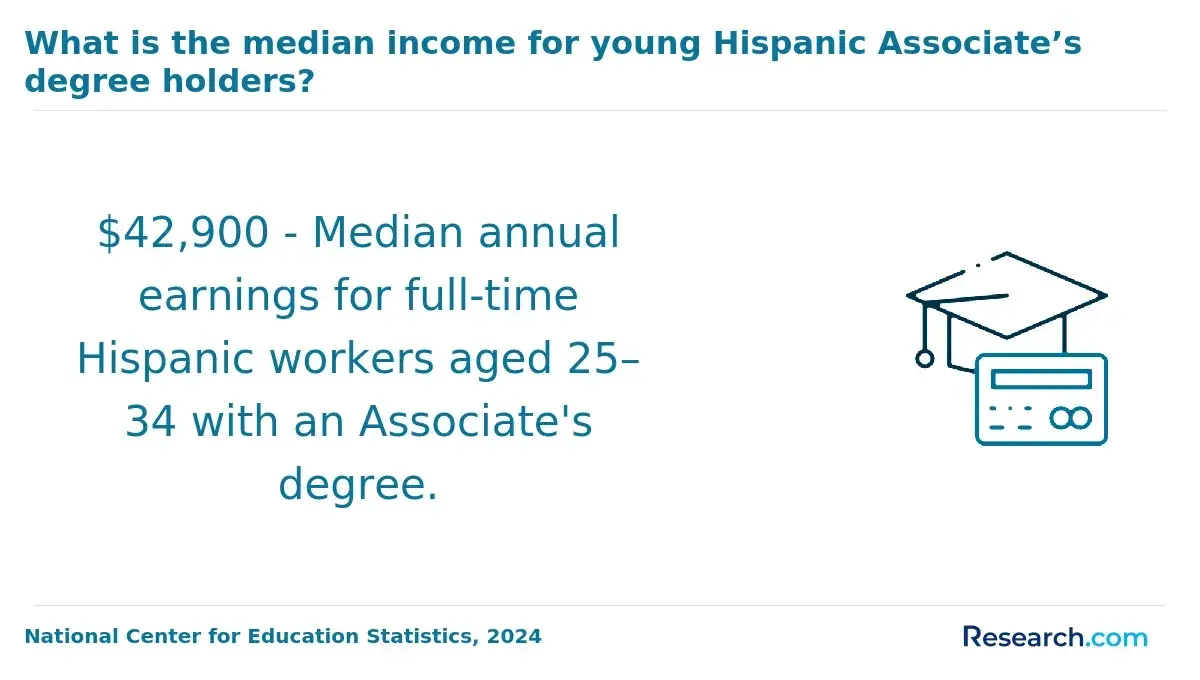
Completion rates for biochemistry degrees vary notably by learning format, with fully online programs showing the lowest persistence. National Center for Education Statistics data from 2024 highlights that online biochemistry students face significant hurdles due to the demanding hands-on lab components that virtual formats cannot fully replicate. Completion rates for online STEM degrees tend to fall between 40% and 50%, compared to 55%-60% for hybrid models and above 65% for fully campus-based programs. These figures underscore how the immersive environment and immediate access to resources on campus improve retention, while blended hybrid courses offer a compromise that supports engagement without sacrificing flexibility.
The challenge with fully online biochemistry programs is less about academic difficulty and more about replicating in-person experiential learning, which is vital for mastery in this field. Time management and self-motivation become critical, as students must navigate complex concepts alongside limited practical exposure. Campus programs offer structured schedules and peer support that foster accountability, often smoothing the path to degree completion. Hybrid options partially offset the isolation found online by integrating necessary labs and seminars, helping maintain student commitment while accommodating diverse life circumstances.
Reflecting on these realities, a recent biochemistry graduate who initially enrolled in a fully online program found the lack of direct lab engagement a significant barrier. After struggling to balance work and study, they switched to a hybrid format that required occasional campus visits for hands-on sessions. This adjustment brought relief and a renewed sense of progress, as the in-person interactions helped clarify difficult material and alleviate the isolation of online study. Their experience illustrates how the choice of format can deeply affect persistence and confidence, particularly in skill-intensive fields like biochemistry.
How Does Each Biochemistry Learning Format Affect Student Success?
Student success in biochemistry degree programs hinges more on how well a chosen learning format matches individual study habits, time constraints, and life responsibilities than on the format itself. While campus, hybrid, and online options each present distinct environments, the alignment with personal circumstances largely determines persistence and completion. For example, a working parent balancing job and studies might thrive in a hybrid program that offers flexibility without sacrificing in-person engagement. The following points highlight the main factors influencing success in each format.
- Access to Hands-On Laboratory Experience: Biochemistry demands practical lab skills, which are inherently easier to acquire in campus-based programs offering direct, real-time lab work. Students relying solely on online formats may face challenges unless the institution provides advanced virtual labs and regular synchronous sessions to simulate hands-on learning effectively.
- Academic Support and Faculty Interaction: Frequent, face-to-face interaction with instructors and peers in campus programs correlates with higher completion rates, as it fosters immediate feedback and mentorship. Hybrid models partially replicate this support, whereas fully online students often experience gaps unless proactive advising and structured virtual engagement are prioritized.
- Flexibility Versus Structure: Online formats provide unmatched scheduling freedom, benefiting students juggling external commitments. However, the lack of fixed routines can lead to lower persistence, as evidenced by recent 2024 data from the National Student Clearinghouse Research Center showing fully online biochemistry students have statistically higher attrition rates compared to campus or hybrid peers.
- Peer Collaboration and Motivation: The campus environment naturally facilitates peer-to-peer learning, which motivates and sustains engagement-critical in demanding STEM fields. Hybrid formats offer periodic in-person collaboration opportunities, while online learners must rely on virtual networks, which can vary widely in effectiveness.
- Technical and Resource Accessibility: Access to campus resources like libraries, specialized equipment, and study spaces supports deeper learning and eases challenges common in advanced science courses. Hybrid students benefit from partial access, but online learners must ensure their technology and environment meet rigorous program demands.
- Adaptability to Learning Preferences: Students with strong self-discipline and digital literacy often succeed online, while those preferring direct supervision and structured guidance typically fare better in campus or hybrid settings. Recognizing personal learning style contributes significantly to choosing the most compatible format and sustaining academic momentum.
- Balance Between Engagement and Convenience: Hybrid programs often optimize this balance, combining flexibility with meaningful face-to-face interaction. Data from 2024 indicate hybrid biochemistry students achieve completion rates closer to those of full-time campus students, suggesting this blend may enhance persistence for many balancing complex life situations.
How Does Enrollment Status Affect Biochemistry Completion Rates?
Enrollment status is a crucial determinant in biochemistry degree completion rates, but its influence depends heavily on a student's unique circumstances rather than just the sheer number of courses taken. Whether full-time or part-time, the choice reflects broader lifestyle, financial, and support realities that shape academic progress. Understanding these dynamics helps prospective students realistically assess their chances of timely graduation. Below are key ways enrollment status shapes outcomes for biochemistry students.
- Time commitment and academic momentum: Full-time enrollment allows students to maintain consistent progress, which typically leads to higher completion rates-sometimes 20-30% greater than part-time peers, according to data from major educational research organizations in 2024. Students balancing jobs or family responsibilities may find full-time pace unsustainable but can mitigate delays by aligning course loads with available energy and focus.
- Resource access and learning environment: Full-time students, particularly in campus and hybrid formats, gain more frequent access to labs, faculty, and peer collaboration, critical for a hands-on discipline like biochemistry. Part-time students often face sporadic access, which can slow skill acquisition and reduce engagement.
- Financial and personal trade-offs: Part-time enrollment often suits working professionals who need to spread tuition costs and preserve income flow. However, extended timelines can increase overall expenses and risk of attrition as life events intervene. Realistic budgeting and support planning help manage these risks.
- Program format interaction with enrollment status: Online programs frequently attract part-time students who value flexibility but may experience lower completion rates due to limited in-person interaction. Hybrid options can partially offset this by combining scheduled in-person labs with flexible study, boosting success rates for part-time students who can engage intermittently.
- Psychological and motivational factors: Sustaining motivation over a longer period is a common challenge for part-time enrollees, especially without regular cohort interaction. Full-time students often benefit from cohort continuity, which promotes accountability and persistence.
- Impact on long-term career trajectories: Delays in degree completion from part-time enrollment can postpone entry into relevant biochemistry roles or graduate studies, influencing lifetime earnings and professional development speed. Conversely, a balanced part-time approach can allow maintenance of employment and professional growth while studying.
- Real-world scenario application: A working parent pursuing a biochemistry degree part-time online may struggle with deadlines during peak family demands but could improve outcomes by enrolling in a hybrid program with structured labs. This tailored approach reflects the nuanced impact of enrollment status beyond course count alone.
Students exploring these trade-offs should examine how full-time vs part-time enrollment affects biochemistry degree completion rates by considering personal capacity and program design. For those evaluating how different formats fit their needs, reviewing options like an accelerated construction management degree may offer additional insights into balancing pace and outcomes within rigorous STEM fields.
Can Transfer Credits Improve Biochemistry Degree Completion?
Transfer credits can significantly shorten the path to a biochemistry degree by eliminating redundant coursework, though the actual impact hinges on how well those credits fit program requirements and institutional policies. According to recent 2024 data from the National Student Clearinghouse Research Center, students transferring credits graduate within six years at a rate 27% higher than peers starting anew at a single school. This advantage is particularly relevant for learners with previous college experience, military training, or professional education that aligns with core biochemistry prerequisites.
For example, a student who completed introductory chemistry and biology at a community college may bypass these foundational courses in a university biochemistry program, allowing more focus on advanced topics. However, not all transferred credits contribute equally-some programs may reject credits that lack laboratory components or fail to match specific curricular standards. This underscores that transfer credits alone do not guarantee faster completion; the quality, relevance, and acceptance of transferred coursework are crucial.
Variation by learning format is also important. Campus programs often provide clearer articulation agreements and on-site advising, making credit evaluation more streamlined. Hybrid students benefit from a mix of in-person and digital support, which can facilitate credit transfer with some flexibility. Online students face tougher challenges, such as inconsistent credit acceptance and limited personalized guidance, potentially slowing degree progress if transfer credits don't fully count.
Prospective students should realistically assess whether transferring credits will accelerate their degree by requesting official credit evaluations and reviewing how remaining requirements fit their planned course load. Understanding the balance between the number of credits accepted and the institution's hands-on or research demands-critical in biochemistry-is key to predicting completion timelines. While transfer credits often improve chances of timely graduation, they represent only one factor among many influencing success in complex STEM degree pathways.
What Student Support Services Improve Biochemistry Completion Rates?
Student support services play a pivotal role in determining whether biochemistry students persist and complete their degrees, with clear variations in effectiveness depending on the instructional format. Evidence from recent 2024 studies by the National Center for Education Statistics and complementary research highlights that programs embedding proactive and format-tailored support see completion rates improve by up to 15%. However, it's important to recognize each mode-online, hybrid, and campus-poses unique challenges requiring carefully calibrated resources.
Below are key support services most strongly linked to improved degree completion:
- In-person academic advising and mentorship: Direct access to faculty advisors and research mentors on campus fosters academic confidence and helps students navigate complex biochemistry concepts and lab requirements. This face-to-face guidance often results in timely interventions preventing dropout.
- Virtual academic coaching and real-time support: Online students benefit greatly from synchronous tutoring, chat-based help desks, and scheduled progress check-ins, which counteract isolation and promote accountability, boosting persistence in remote settings.
- Structured peer study groups and community forums: Both hybrid and online learners who engage regularly in collaborative study environments or discussion boards develop a stronger connection to their program, lessening the common feeling of isolation that undermines motivation.
- Access to hands-on laboratory experiences: Hybrid programs that successfully integrate on-site lab sessions give students essential practical skills and an experiential context, which reinforce theoretical learning and increase program commitment.
- Early alert systems and personalized outreach: Proactive monitoring combined with personalized, timely communication from advisors ensures students remain on track academically and helps promptly address emerging barriers to progress.
- Centralized career services and internship placement: Linking academic efforts to tangible employment outcomes sustains motivation by clarifying long-term value. Students who utilize these services tend to exhibit higher persistence and graduation rates.
An online biochemistry graduate recounts hesitation early in their studies, struggling with complex topics and feeling distanced from faculty. The turning point came when they accessed a virtual academic coach who provided regular, personalized sessions and connected them to online peer groups. These resources created a sense of accountability and reduced isolation, which the student credits as crucial to completing the degree on time amid competing personal responsibilities.
How Do Biochemistry Completion Rates Affect Career Outcomes?
Completion rates in biochemistry programs critically shape career trajectories, with degree attainment often marking the difference between stalled employment prospects and progressive professional growth. Data from recent 2024 studies on biochemistry degree completion rates and career success reveal that students finishing their bachelor's degrees-whether campus-based, hybrid, or online-typically access higher earnings, more stable jobs, and enhanced promotion likelihood. Understanding these effects helps prospective students evaluate which format supports their persistence and long-term goals best. Below are key career outcomes tied to degree completion:
- Improved Employment Stability and Earnings Over Time: Graduates who complete biochemistry degrees consistently earn higher salaries and face lower unemployment risks than those who leave early.: Completion signals mastery of complex scientific skills valued by employers, making graduates more competitive, especially in research or lab-based roles. Students balancing work and family, often found in hybrid programs, can maintain income while progressing toward these benefits.
- Access to Advanced Education and Specialized Roles: Degree completion is a prerequisite for graduate school admission and professional certifications crucial in biochemistry fields.: For students aiming to reach specialized research positions or industry leadership, persistence through degree programs unlocks crucial academic pathways. Campus students often benefit from networking that supports these transitions.
- Enhanced Practical and Collaborative Competencies: Campus and hybrid formats promote hands-on training and peer mentoring, fostering skills necessary for team-based scientific work.: Students completing on-campus programs typically gain immersive lab experience critical for early career success, while hybrid students combine flexibility and practical engagement, supporting completion despite external obligations.
- Long-term Career Mobility and Promotion Opportunities: Degree completers are more likely to receive promotions and assume leadership roles aligned with accumulated expertise.: Persistence pays off in climbing organizational hierarchies, but real-world advancement depends also on ongoing skill development and labor market dynamics.
A working professional who opts for a hybrid bachelor's biochemistry program exemplifies these tradeoffs, balancing job retention with steady academic progress, contrasting with peers who may accelerate on campus but risk work interruptions. Prospective students considering program format must weigh these practical realities alongside personal circumstances.
For those comparing degree options, this analysis underscores that completion is the primary gatekeeper for accessing meaningful career pathways in biochemistry. Those looking beyond biochemistry to related fields might also explore opportunities such as an inexpensive online MBA, which can complement scientific expertise with business acumen.
How Should Students Choose the Best Biochemistry Learning Format?
Successfully completing a biochemistry program depends on matching the learning format to individual circumstances and goals. Recent 2024 data from government education reports confirms campus-based programs lead the highest completion rates, often exceeding 70%, due to structured schedules and hands-on access to labs and faculty. Conversely, online programs offer essential flexibility but show lower completion rates around 50-60%, influenced by self-discipline and limited practical experience. Hybrid models, combining online coursework with scheduled campus labs, typically yield moderate completion outcomes, balancing flexibility with in-person engagement. Below are key factors students must evaluate when choosing the best biochemistry degree formats for student success.
- Work and Family Commitments: Students with significant job or caregiving responsibilities often benefit from hybrid or fully online formats that accommodate irregular schedules. However, the tradeoff can be longer times to degree completion, so realistically assessing daily time availability is crucial for sustained progress.
- Need for Hands-On Laboratory Experience: Those pursuing research-intensive or clinical careers should prioritize campus or hybrid formats. These provide essential lab skills that online-only programs often lack, directly impacting employability and preparedness in practical settings.
- Self-Motivation and Time Management Skills: Online formats demand high self-discipline to avoid dropout risks. Students confident in independent study and technology use may thrive in these flexible environments, while others might struggle without structured guidance.
- Access to Reliable Technology and Resources: Consistent internet, software, and academic support access are foundational for online and hybrid learning. Evaluating technological readiness can prevent interruptions that jeopardize completion.
- Long-Term Career Objectives: Carefully aligning program format with career goals helps ensure educational experiences build relevant skills. Campus and hybrid models often enhance practical competencies, while online may suffice for theoretical or interdisciplinary roles.
- Institutional Support and Faculty Availability: Higher completion rates on campus partly result from immediate faculty interaction. Students valuing frequent mentorship should consider formats offering direct access.
- Financial and Time Investment Considerations: Balancing cost, duration, and personal obligations is imperative. Some online options compete on affordability and speed, as seen in areas like spanish online degree programs, illustrating the need for thorough cost-benefit analysis across fields.
What Are the Long-Term Pros and Cons of Each Biochemistry Learning Format?
Choosing the right learning format for a biochemistry degree deeply affects long-term completion and career outcomes. Each format-online, hybrid, and campus-offers distinct advantages and challenges that influence skill development, networking, and persistence. A practical example is a working professional balancing childcare who may find hybrid or online formats more achievable than full-time campus study. Consider these key factors when comparing formats:
- Flexibility and Time Management: Online programs provide unmatched scheduling flexibility, ideal for learners juggling work or family, which can reduce early dropout rates. Campus formats require a rigid full-time presence, potentially limiting accessibility for nontraditional students.
- Hands-on Laboratory Experience: Campus-based degrees offer immersive lab access critical for mastering complex techniques, whereas online options may limit hands-on opportunities, impacting students aiming for lab-intensive careers.
- Student Engagement and Networking: Hybrid programs facilitate face-to-face interaction during labs while maintaining online convenience, fostering stronger peer connections than fully online cohorts but less than campus immersion.
- Completion Rates and Persistence: Data from 2024 studies show campus programs have the highest graduation rates, followed by hybrid, with fully online trailing, linked to motivation and support structures available on campus.
- Career Readiness and Soft Skills: Campus environments enhance mentorship and professional networking, key for competitive job markets, while online learners may need additional efforts to build these connections independently.
- Logistical Challenges: Hybrid students must manage mixed schedules and commuting, which can strain those without reliable transportation, unlike solely online learners who avoid this hurdle.
References
- Biochemistry https://www.cascadia.edu/academic-programs/science-technology-engineering-and-mathematics/biochemistry.aspx
- How to help students reach their STEM potential - Futurum https://futurumcareers.com/how-to-help-students-reach-their-stem-potential
- Online and hybrid college programs explained. Flexibility, risk, and the real value equation | CG https://collegegrind.org/posts/online-and-hybrid-college-programs-explained/
- Biochemistry https://online.une.edu/science-prerequisites/biochemistry/
- 5 benefits of studying biochemistry https://isc.strath.ac.uk/blog/why-study-biochemistry
- Online Biochemistry Degree Programs (Biochem) https://www.medicaltechnologyschools.com/biological-sciences/online-degree-in-biochemistry
- Biochemistry https://www.straighterline.com/online-college-courses/biochemistry/
- Unlocking Biochemistry Success: Your Complete Guide to Expert Tutoring and Academic Support - My Engineering Buddy Blog https://www.myengineeringbuddy.com/blog/unlocking-biochemistry-success-your-complete-guide-to-expert-tutoring-and-academic-support/
- Biochemistry BSc | Royal Holloway, University of London https://www.royalholloway.ac.uk/studying-here/undergraduate/biological-sciences/biochemistry/
- Transfer credits | Study https://www.uottawa.ca/study/undergraduate-studies/transfer-credits
Other Things You Should Know About Biochemistry
Lab work is critical in biochemistry programs, and its delivery varies significantly by format. Online programs typically require students to arrange local lab access or attend short on-campus residencies, which can delay completion if scheduling is challenging. Hybrid and campus formats integrate hands-on labs more seamlessly, reducing barriers related to practical skill acquisition. For students prioritizing smooth progress, formats with embedded, in-person labs tend to support steadier completion rates due to clearer scheduling and direct supervision.
Faculty involvement in active research can enhance learning but often correlates with campus-based programs where mentorship and collaborative projects are more accessible. This engagement frequently motivates students to persist and complete their degrees by deepening their interest and job readiness. Online programs may lack this direct access, which can affect student retention negatively if the curriculum feels disconnected from evolving biochemistry fields. When deciding, students aiming to maximize completion and employment chances should favor formats offering robust research opportunities aligned with faculty expertise.
Online biochemistry programs often offer asynchronous pacing, appealing to working adults but risking procrastination and dropout without strong self-discipline. Hybrid and campus programs usually have more structured timelines, encouraging consistent progress through regular class meetings and deadlines. This structure often leads to higher completion rates because students receive ongoing feedback and peer interaction. Prospective students less confident in self-management would benefit from prioritizing hybrid or campus formats to increase their likelihood of finishing.
Some employers in the biochemistry field maintain a preference for campus or hybrid degrees, associating them with rigorous training and hands-on experience. This perception can affect graduates' job prospects and, consequently, their motivation to complete the degree promptly. Students aware of such biases might find that choosing formats with recognized reputations and demonstrated completion success enhances their return on investment. Therefore, prioritizing program formats known for industry acceptance can indirectly support degree completion by reinforcing career incentives.