2027 Adult Gerontology Acute Care Nurse Practitioner Job Market Report: Open Roles, Salary Bands, and Hiring Momentum

Co-Founder and Chief Data Scientist
The adult gerontology acute care nurse practitioner field is navigating significant shifts driven by evolving clinical demands and regulatory updates impacting patient care models. Open roles, salary bands, and hiring momentum reflect deeper labor market dynamics shaped by changes in employer priorities, such as integrating complex care coordination and advanced technological proficiency.
Industry investment cycles and credentialing expectations influence where workforce shortages emerge and which skill sets gain premium valuation. Geographic clustering of positions and workforce age profiles further reveal how supply aligns with local demographic pressures. This analysis situates hiring trends within these broader forces, illustrating how they guide the profession's trajectory and adaptation to emerging healthcare challenges.
Key Things to Know About Adult Gerontology Acute Care Nurse Practitioner Job Market
- Open roles for adult gerontology acute care nurse practitioners have grown modestly in 2024, signaling steady demand but also increasing competition, requiring candidates to emphasize specialized acute care skills in hiring processes.
- Salary projections show a plateau trend in many regions, reflecting budget constraints in healthcare systems that employers face, which may limit immediate earnings growth despite sector-wide workforce shortages.
- Hiring momentum varies regionally, with urban centers accelerating recruitment; this temporal and geographic disparity suggests prospective students should weigh program timing and location carefully to optimize job access.
- Key Things to Know About Adult Gerontology Acute Care Nurse Practitioner Job Market Key Things to Know About Adult Gerontology Acute Care Nurse Practitioner Job Market
- How Strong Is Demand for Adult Gerontology Acute Care Nurse Practitioner Graduates in Today's Job Market? Demand for Graduates
- Which Adult Gerontology Acute Care Nurse Practitioner Careers Have the Most Open Job Opportunities? In-Demand Careers
- What Salary Bands Are Employers Offering Across Adult Gerontology Acute Care Nurse Practitioner Careers? Offered Salary Bands
- Which Industries Are Hiring the Most Adult Gerontology Acute Care Nurse Practitioner Graduates? Top-Hiring Industries
- How Does Hiring Demand Vary by State, Region, and City? Hiring Demand by Location
- What Skills Are Employers Prioritizing in Adult Gerontology Acute Care Nurse Practitioner Job Postings? In-Demand Skills
- Which Certifications Increase Employability and Salary Potential? High-Value Certifications
- How Do Remote and Hybrid Opportunities Affect the Adult Gerontology Acute Care Nurse Practitioner Job Market? How Do Remote and Hybrid Opportunities Affect the Adult Gerontology Acute Care Nurse Practitioner Job Market?
- Which Adult Gerontology Acute Care Nurse Practitioner Careers Show the Strongest Long-Term Hiring Momentum? Strongest Careers
- How Can Students Use Job Market Data to Make Better Career Decisions? How Can Students Use Job Market Data to Make Better Career Decisions?
How Strong Is Demand for Adult Gerontology Acute Care Nurse Practitioner Graduates in Today's Job Market?
Demand for adult gerontology acute care nurse practitioner graduates remains notably strong in 2024, driven by the shifting needs of healthcare systems managing an aging population with complex acute and chronic conditions. Data from the U.S. Bureau of Labor Statistics projects employment growth for nurse practitioners, particularly those specialized in acute care, at a rate surpassing the average across occupations through this decade.
Recent LinkedIn Workforce Reports further reinforce this trend by identifying sustained growth in job postings for adult gerontology acute care nurse practitioners, mainly concentrated in hospital environments and specialized healthcare facilities, reflecting ongoing clinical demand intensity in these settings. Key drivers influencing this demand include heightened clinical complexity in acute care, regional demographic variations, and evolving employer expectations emphasizing multifaceted skill sets beyond core clinical expertise.
Employers increasingly prioritize candidates who possess strong interdisciplinary communication abilities and experience with electronic health record systems, indicating a broader shift toward integrated care delivery models. Geographic discrepancies are notable, with metropolitan areas and regions characterized by larger elderly populations consistently offering more robust opportunities compared to rural or underserved locales, which nonetheless may provide distinct roles underscoring professional growth and adaptability.
For prospective students and early-career practitioners evaluating pathways into this specialty, interpreting these labor market signals requires balancing short-term job availability against long-term role evolution and stability. Emphasizing specialization, clinical experience, and certifications aligns with the growing complexity of acute care demands and can enhance employability despite localized market saturation. Exploring targeted resources such as reputable online DNP programs may provide practical avenues for developing the requisite competencies demanded by employers within this field.
Which Adult Gerontology Acute Care Nurse Practitioner Careers Have the Most Open Job Opportunities?
Open job opportunities for adult gerontology acute care nurse practitioners are unevenly distributed across specialized settings due to healthcare system priorities, skills shortages, and evolving employer demands. Hospital-based acute care environments dominate hiring because of increased patient acuity and the need for practitioners skilled in managing severe, multi-organ conditions.
Labor market shifts show that clinical expertise in critical care subspecialties increasingly determines job availability, reflecting operational pressures and advances in acute care delivery. These patterns underscore the importance for candidates to align their competencies with high-demand practice areas.
- Intensive Care Unit (ICU) Acute Care Nurse Practitioners: ICU roles lead the demand driven by expanded critical care capacity in both metropolitan and rural hospitals. Employers seek acute care nurse practitioners proficient in complex ventilator management, sepsis protocols, and multi-organ failure interventions, addressing nationwide shortages of clinicians capable of high-acuity patient management. A 2024 National Institutes of Health report notes a 15% rise in ICU-specific job postings year-over-year.
- Emergency Department (ED) Adult Gerontology Acute Care Nurse Practitioners: Hiring for ED roles escalates as hospitals respond to fluctuating patient volumes and the need for autonomous rapid decision-making. Candidates with trauma care certification and acute intervention skills are prioritized. The American Hospital Association identifies emergency units as increasingly reliant on AG-ACNP expertise to improve throughput and patient outcomes under operational constraints.
- Cardiovascular Acute Care Specialists: Demand intensifies in cardiovascular acute care due to an aging population with complex cardiac emergencies. Employers value advanced knowledge in cardiac support devices, arrhythmia management, and post-intervention critical care, as reflected by a 12% job vacancy increase noted by the American Board of Family Nurse Practitioners.
- Neurocritical Care Adult Gerontology Acute Care Nurse Practitioners: Elevated openings in neurocritical care come from increased prevalence of stroke, traumatic brain injury, and neurological emergencies requiring specialized AG-ACNP skills. Facilities require expertise in intracranial pressure monitoring, neuroprotective strategies, and multidisciplinary coordination in neuro-ICU settings.
- Post-Acute and Rehabilitation Facility Specialists: Compared to acute hospital settings, these roles show fewer openings, reflecting a labor market focus on immediate life-sustaining interventions rather than long-term recovery care. However, opportunities persist in specialized rehabilitation units emphasizing comprehensive gerontological management post-critical illness.
For those weighing educational pathways, examining the outcomes of PhD in nursing programs can provide insight into advanced competencies that align with leadership and research roles supporting these high-demand areas. Select programs emphasize acute care research and clinical innovation, potentially enhancing employability in competitive adult gerontology acute care nurse practitioner career tracks.
What Salary Bands Are Employers Offering Across Adult Gerontology Acute Care Nurse Practitioner Careers?
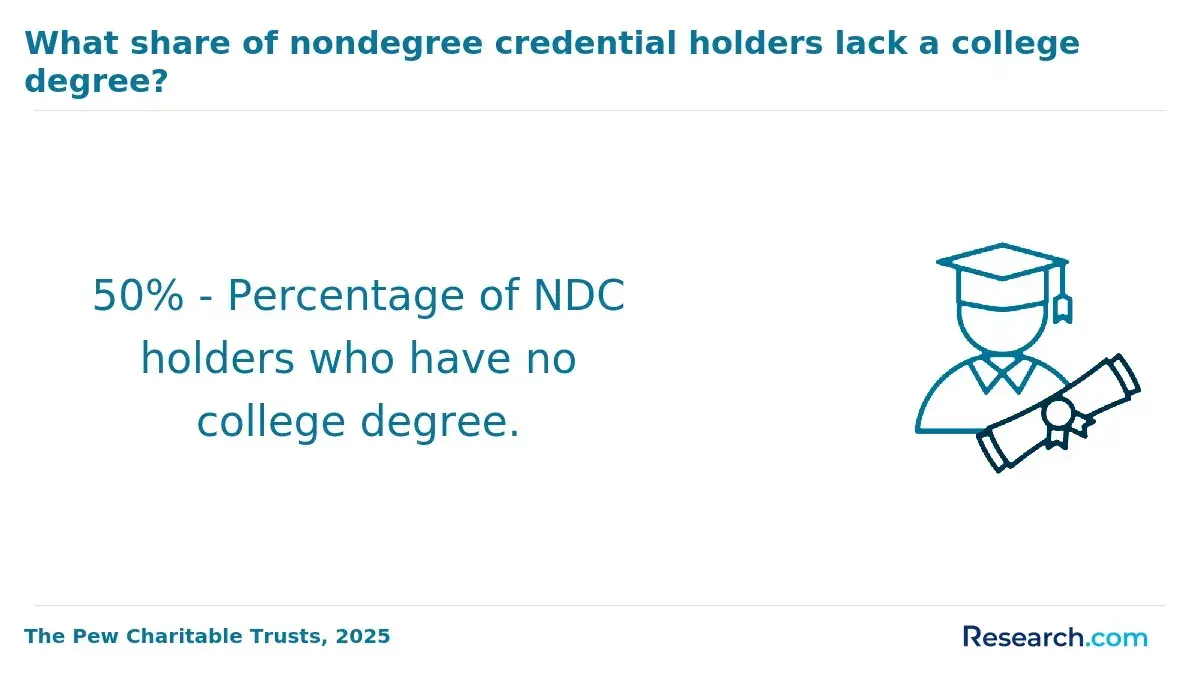
Salary bands for adult gerontology acute care nurse practitioners in 2024 reflect a clear correlation between experience and compensation, with entry-level positions generally offering between $95,000 and $115,000, mid-level practitioners earning from roughly $115,000 to $140,000, and senior professionals commanding upwards of $140,000 to $170,000 or more, according to data consolidated from the U.S. Bureau of Labor Statistics and industry salary surveys.
These figures capture more than just tenure; they mirror increasing responsibilities, such as independent critical care management and leadership duties. Employers across hospital systems and outpatient acute care settings use these ranges strategically to attract talent capable of handling the complex clinical demands inherent to adult and geriatric critical care. The structure serves both to incentivize skill development and to recognize subspecialty certifications that enhance clinical value and decision-making impact.
Variations in salary within these bands are heavily influenced by factors including geographic location, institutional size, and demand intensity, particularly in urban centers facing acute nurse practitioner shortages. High-cost regions and large health systems typically offer more competitive wages to secure practitioners with proven acute care expertise, while rural or underserved areas may offset lower pay with non-monetary benefits like loan repayment or greater clinical autonomy.
Moreover, the specialization of adult gerontology acute care nursing, involving intricate knowledge of multi-system critical illnesses across a wide patient age spectrum, drives a premium on specialized skill sets scarce in the labor market. This creates a tiered pay landscape where compensation is as much a function of market scarcity and organizational context as of individual experience.
One graduate recalled navigating the rolling admissions process while weighing salary expectations and program selection carefully. Initially hesitant to apply broadly due to concerns about timing and financial strain, she delayed submission until late winter. This decision meant limited options and waiting on offers, adding stress around securing a favorable salary band post-graduation.
Ultimately, the experience underscored how strategic timing and early preparation influence access to positions aligning with desired compensation, highlighting real-world tradeoffs between admission uncertainty and eventual earnings outcomes in the adult gerontology acute care nurse practitioner field.
Which Industries Are Hiring the Most Adult Gerontology Acute Care Nurse Practitioner Graduates?
Demand for adult gerontology acute care nurse practitioner graduates concentrates in sectors navigating significant workforce shifts or evolving care models influenced by technological integration and demographic changes. These industries are not only expanding hiring but also emphasizing specialized competencies that align with complex care needs and system efficiency improvements.
The recruitment patterns reveal how clinical expertise, care coordination, and adaptive skills are becoming critical amid rising patient acuity and value-based care initiatives.
- Acute Care Hospitals: Representing the largest segment of employment, acute care hospitals drive high demand due to their focus on critical and specialty unit care, including cardiac and respiratory disciplines. Employers prioritize practitioners adept at managing multifaceted conditions in older adults, with expertise in rapid clinical decision-making and interdisciplinary collaboration. Approximately 70% of workforce openings in this field occur within these settings, reflecting their central role in treating complex geriatric patients.
- Outpatient and Ambulatory Care Centers: These centers are growing as healthcare shifts toward outpatient management of chronic and post-acute conditions. Adult gerontology acute care nurse practitioners with strong skills in transitional care, patient education, and chronic disease management are especially valuable here, supporting efforts to reduce hospital readmissions and improve long-term outcomes.
- Skilled Nursing Facilities and Long-Term Care: Increased emphasis on post-hospital recovery and chronic illness stabilization fuels hiring in this sector. Expertise in coordinating care across multiple providers and tailoring treatment plans for aging populations's unique needs remains crucial. These facilities require practitioners capable of balancing acute interventions with long-term maintenance strategies.
- Home Health Care Services: Growth in home-based models reflects a broader industry trend toward decentralized, patient-centered care. Adult gerontology acute care nurse practitioners are sought for autonomous practice, comprehensive assessment abilities, and capacity to manage complex cases outside traditional clinical environments.
- Specialty Clinics Focused on Geriatric Care: As providers increase focus on age-related conditions, these clinics prioritize practitioners with advanced knowledge in geriatric syndromes and multi-morbidity. Proficiency in personalized treatment approaches and interdisciplinary coordination supports these clinics' goals of optimizing quality of life for aging patients.
How Does Hiring Demand Vary by State, Region, and City?
Hiring demand for Adult Gerontology Acute Care Nurse Practitioner varies notably across states and broader regions, shaped by the interplay of healthcare infrastructure concentration, demographic trends, and economic conditions. States with larger elderly populations, particularly in the Midwest and Northeast, such as New York, Pennsylvania, and Ohio, report substantial openings owing to established hospital systems and specialized geriatric acute care centers.
This geographic disparity is reinforced by workforce analytics indicating that states with aging populations naturally see heightened demand for acute care roles, although reimbursement models and regional health policy also influence employer priorities. The need to align advanced practice education with such regional labor market patterns is critical for graduates evaluating Adult Gerontology Acute Care Nurse Practitioner job demand by state and identifying viable employment opportunities.
At the city level, demand for Adult Gerontology Acute Care Nurse Practitioners is more nuanced, driven largely by the presence of teaching hospitals, healthcare clusters, and robust clinical networks in metropolitan centers such as Boston, Chicago, and Seattle. These urban hubs present concentrated hiring activity, competitive salary bands tempered by higher living costs, and greater employer density, which together increase both opportunity and competition.
Conversely, smaller cities and rural markets, while offering fewer openings, may provide broader clinical roles and less competition, attractive for those prioritizing work-life balance over initial compensation. The local workforce ecosystem, including available talent pipelines and healthcare system complexity, plays a defining role in shaping demand patterns. Prospective practitioners should also consider practical pathways such as online ASN programs as part of their educational planning in relation to these geographic hiring dynamics.
What Skills Are Employers Prioritizing in Adult Gerontology Acute Care Nurse Practitioner Job Postings?
Employer expectations for adult gerontology acute care nurse practitioners are rapidly evolving due to technological advances, automation in healthcare, and increasing complexity in patient care. Job postings reflect a shift toward candidates who combine robust clinical expertise with sophisticated digital literacy and strong teamwork abilities.
This dynamic skill demand highlights how healthcare systems prioritize adaptability alongside technical proficiency to meet critical care challenges.
- Advanced Clinical Decision-Making: Employers emphasize the ability to quickly interpret complex diagnostic data and manage critically ill adult and elderly patients as patient acuity and comorbidities increase. Mastery of this skill is crucial for effective acute interventions and directly influences practitioner value in high-stakes environments.
- Electronic Health Records (EHR) Proficiency: Navigating and documenting care accurately in digital systems is now fundamental. Over 70% of recent job ads specify this skill, reflecting how digital integration has transformed workflow, data management, and interprofessional communication in acute care settings.
- Pharmacological Expertise: The demand for deep knowledge of medications and dosing specific to adult and geriatric populations stems from the complexity of polypharmacy and the increasing precision required in pharmacotherapy. This competency is pivotal for reducing medication errors and optimizing patient outcomes.
- Interdisciplinary Communication: Effective collaboration across multidisciplinary teams is critical, as nearly two-thirds of job postings list this skill. Clear communication supports coordinated care plans, reduces errors, and improves patient safety within high-pressure healthcare environments.
- Stress Management and Adaptability: Acute care roles require handling unpredictable, ethically complex situations under pressure. About 40% of recent listings highlight resilience and adaptability as key soft skills, indicating that emotional intelligence complements clinical ability and enhances overall performance and longevity in these demanding roles.
The increasing emphasis on these skills signals a labor market that values not just technical knowledge but integrated capabilities aligned with healthcare's digital and collaborative evolution. Candidates who develop these priorities position themselves better for employment and sustained career progress within adult gerontology acute care settings.
Which Certifications Increase Employability and Salary Potential?
Certifications within the adult gerontology acute care nurse practitioner field function as key indicators that signal specialized expertise, clinical proficiency, and readiness to meet the evolving demands of healthcare settings. These credentials supplement formal training by validating advanced skills and aligning professionals with the expectations of acute and complex care environments.
Holding recognized certifications can distinguish candidates in competitive hiring pools and often correlates with measurable salary enhancements, reflecting employer prioritization of verified competencies.
- Adult-Gerontology Acute Care Nurse Practitioner (ANCC) Certification: As the most widely acknowledged credential among employers, this certification validates comprehensive acute care knowledge and clinical judgment. It directly addresses critical care skill shortages and is associated with an average salary increase of approximately 10%, highlighting its role as a baseline standard for employability and compensation in this specialty.
- Advanced Cardiac Life Support (ACLS): Frequently mandated or preferred in job listings, ACLS certification demonstrates proficiency in managing cardiac emergencies and acute patient deterioration. Given the high acuity of cases encountered in acute care, possessing ACLS enhances hiring prospects and contributes to incremental salary benefits by meeting a consistent employer demand documented in over 65% of relevant job postings as of 2024.
- Trauma Nursing Core Course (TNCC): This certification signals readiness to provide evidence-based trauma care, addressing skill gaps in high-stress environments such as emergency or critical care units. Employers value TNCC for its focus on rapid assessment and intervention skills, which can influence candidate selection where trauma expertise is essential.
- Palliative Care Certification: Representing a growing focus on holistic and patient-centered care, palliative care credentials reflect advanced competencies in managing chronic and terminal conditions. Though not always required, these certifications distinguish practitioners in specialized units, often yielding salary premiums between 5 to 8 percent due to their alignment with increasing demand for comprehensive care approaches.
- Renal Care Certification: This credential highlights proficiency in managing complex renal and electrolyte disorders, a niche but vital skill set in certain acute care settings. Its possession can position applicants favorably where specialized renal expertise is scarce, translating into differentiated hiring advantages and modest compensation uplifts.
A nurse practitioner who recently completed their adult gerontology acute care program reflected on the challenges of certification timing amid a rolling admissions cycle for their first job. They initially hesitated to pursue ACLS certification while waiting for ANCC exam results, uncertain if employers would prioritize the supplemental credential before full certification.
However, after observing several peers secure positions citing ACLS as a key qualifier, they expedited ACLS training to enhance marketability. This strategic decision later proved beneficial, providing a competitive edge during interviews when acute care employers emphasized multifaceted acute emergency skills. Their experience underscores the importance of pacing certification efforts to both meet hiring cycles and respond to employer expectations in a dynamic labor market.
How Do Remote and Hybrid Opportunities Affect the Adult Gerontology Acute Care Nurse Practitioner Job Market?
Remote and hybrid work arrangements are reshaping hiring trends within adult gerontology acute care nurse practitioner roles, even as the core acute care requirements limit fully offsite clinical work. According to recent labor market analytics reflecting 2024 industry shifts, many employers incorporate hybrid models primarily for follow-ups and administrative duties while retaining strict onsite demands for critical patient care.
This approach expands hiring flexibility by allowing organizations to tap into a broader talent pool beyond local geographies, aligning with data showing a gradual increase in hybrid positions in acute care settings. The impact of these work models is visible in recruitment patterns where proficiency in telehealth technologies enhances candidate competitiveness amid a stable salary band structure, according to health workforce reports.
The broader implications of remote and hybrid opportunities include a more geographically dispersed adult gerontology acute care nurse practitioner workforce and a gradual normalization of compensation across regions, mitigating some historical salary disparities. This shift also intensifies competition as employers gain access to candidates outside traditional local markets, placing a premium on digital communication skills and adaptability to blended clinical environments.
Employer expectations increasingly emphasize seamless coordination between virtual and onsite care, reflecting an industry trend towards integrated care delivery models. These dynamics are expected to persist, shaping long-term job market structures by fostering workforce diversity and operational flexibility while maintaining stringent acute care standards crucial to patient outcomes.
For prospective practitioners assessing educational pathways, including those considering the cheapest psychiatric nurse practitioner programs as part of their broader credential strategy, understanding these labor market transformations is essential for realistic career planning.
Which Adult Gerontology Acute Care Nurse Practitioner Careers Show the Strongest Long-Term Hiring Momentum?
Long-term hiring momentum in adult gerontology acute care nurse practitioner (AG-ACNP) careers reflects deep structural shifts in healthcare delivery rather than transient job market fluctuations. Sustained demand is driven by enduring economic, demographic, and technological trends that shape workforce requirements in acute and critical care settings.
These forces include the aging population's complex needs, growing chronic disease burdens, and expanding hospital admissions for severe cases, all necessitating specialized advanced nursing expertise over the coming decade. According to the U.S. Bureau of Labor Statistics 2024 projections, nurse practitioner employment in acute and critical care is expected to rise approximately 28% through 2032, underscoring this sector's robust labor demand.
- ICU and Critical Care Nurse Practitioners: remain in highest demand due to increasing patient acuity and technological complexity in intensive care units. Evolving monitoring systems and life-support equipment require practitioners with advanced skills in managing multi-system organ failure and rapid clinical changes, reinforcing this role's long-term hiring momentum.
- Emergency Department Nurse Practitioners: are integral in addressing rising acute care volumes and throughput pressures. Regulatory shifts granting nurse practitioners greater autonomy in emergency contexts expand role scope, while ongoing overcrowding challenges sustain employer investment in this workforce segment.
- Specialty Inpatient Service Nurse Practitioners: supporting cardiology, pulmonology, and geriatrics demonstrate durable demand linked to the chronic disease epidemic among older adults. Their expertise in managing complex multi-morbidity enhances care quality, fulfilling an essential niche as hospitals prioritize outcome-driven acute management.
- Transitional Care Nurse Practitioners: facilitating hospital-to-home transitions show growing momentum due to policy and reimbursement models emphasizing reduced readmissions. Their roles blend clinical acuity with care coordination skills, leveraging technology and cross-disciplinary collaboration to meet evolving healthcare delivery models.
Within this landscape, adult gerontology acute care nurse practitioner job growth trends highlight the critical need for practitioners skilled in acute geriatric medical management and critical care specialization. While such focus may restrict lateral movement into broader primary care roles, it significantly increases employability in niche high-intensity settings.
Early-career AG-ACNPs should balance these demand drivers and realities against the practical challenges of longer hours and intensive clinical environments. Employers continue to seek candidates with certification and experience aligned with complex acute care for adults and the elderly, signaling a competitive but rewarding employment field.
For prospective students comparing healthcare pathways, it is prudent to carefully assess specific workforce trends and practical outcomes rather than generic degree claims. Some may also explore related healthcare programs for veterans, such as those highlighted in the best military-friendly online speech pathology degrees, which similarly address workforce needs in specialized care domains.
How Can Students Use Job Market Data to Make Better Career Decisions?
Students can leverage current labor market data from sources such as recent labor reports, hiring platforms, and salary databases to evaluate demand, compensation ranges, and growth trajectories for adult gerontology acute care nurse practitioner roles. These data reveal geographic hotspots of job openings and employer preferences, helping to target education and job search strategies effectively.
Salary bands differentiated by experience level and region enable more precise financial planning, while growth forecasts tied to aging population trends indicate long-term sector viability. Utilizing data from 2024 and beyond ensures alignment with contemporary healthcare demands and certification requirements affecting employability.
Interpreting this market data requires balancing quantitative indicators with qualitative factors like personal interest and workplace culture fit. Students should cautiously avoid overemphasizing transient hiring spikes or salary peaks without considering sustainability and career longevity.
Geographic flexibility also influences opportunity breadth versus personal priorities. Aligning skill development with employer demand and certification standards enhances job prospects, but strategic decision-making integrates these metrics within a broader career framework that weighs professional goals against labor market realities and clinical workload challenges.
References
- Job Growth Trends and Employment Outlook for Nurse Practitioners - Hayes Locums https://www.hayeslocums.com/blog/job-growth-trends-and-employment-outlook-for-nurse-practitioners/
- 4 Reasons to Consider a Career as an Adult-Gerontology Nurse Practitioner https://www.chamberlain.edu/blog/4-reasons-to-consider-a-career-as-an-adult-gerontology-nurse-practitioner-
- AGACNP Salary and Career Guide: What You Need to Know https://online.king.edu/news/agacnp-salary-career-guide/
- Job Options for Acute Care Nurse Practitioners - BoardVitals Blog https://www.boardvitals.com/blog/nurse-practitioner-jobs/
- Everything You Need to Know About Becoming an AGACNP https://onlinedegrees.rockhurst.edu/blog/adult-gerontology-acute-care-nurse-practitioner
- How to Become a Community Health Nurse https://www.allnursingschools.com/specialties/adult-gerontology-nurse-practitioner/
- How to Become an Adult Gerontology Nurse Practitioner https://credenzahealth.com/career-advice/how-to-become-an-adult-gerontology-nurse-practitioner
- Adult-Gerontology Acute Care Nurse Practitioner DNP https://www.rushu.rush.edu/college-nursing/programs-admissions/adult-gerontology-acute-care-nurse-practitioner-dnp
- Adult Gerontology Acute Care Nurse Practitioner (AG-ACNP) https://nursinglicensemap.com/advanced-practice-nursing/nurse-practitioner/adult-gerontology-acute-care-np/
- Are You Considering a Career as an Adult-Gerontology Acute Care Nurse Practitioner? https://www.aanp.org/news-feed/are-you-considering-a-career-as-an-acute-care-nurse-practitioner
Other Things You Should Know About Adult Gerontology Acute Care Nurse Practitioner
The selection of clinical rotation sites heavily influences practical readiness and employability. Rotations in high-acuity, diverse hospital settings tend to develop stronger acute care competencies, aligning more closely with employer expectations. Conversely, rotations limited to less intensive environments may leave graduates underprepared for complex cases common in acute care. Prioritizing rotations with direct patient management in busy acute care units is recommended to enhance learning depth and job market competitiveness.
Choosing a position offering robust mentorship and continuing education at a modest salary can accelerate skill acquisition and improve long-term earning potential. In contrast, higher-paying roles with demanding caseloads may risk burnout and limit opportunities for growth, especially early in a career. For those prioritizing career sustainability and advancement, accepting slightly lower pay for quality professional development is generally advisable, as the acute care field demands ongoing specialization and critical decision-making expertise.
While specialized skills (e.g., cardiac or neurocritical care) can command niche positions with potentially higher salaries, they may also restrict job options geographically or institutionally. Broad acute care competencies offer greater flexibility and resilience in fluctuating job markets but might yield more modest initial compensation. Candidates should consider whether their local job market and personal career goals favor specialization or general skillsets, balancing immediate employability against future niche opportunities.
Yes, employers increasingly value nurse practitioners who demonstrate strong collaboration and communication skills within multidisciplinary teams. Those lacking experience or evidence of effective teamwork during training may face slower hiring momentum in competitive markets. Prospective job seekers should prioritize programs and clinical experiences that incorporate interprofessional practice to improve their marketability and align with evolving employer expectations in acute care environments.