2027 Adult Gerontology Acute Care Nurse Practitioner Tuition Inflation Report: How Fast Are Program Costs Rising?

Co-Founder and Chief Data Scientist
As demand for skilled acute care providers grows amid an aging population, Adult Gerontology Acute Care Nurse Practitioner programs face unique pressures affecting tuition costs. Enhanced clinical training requirements, specialized faculty with advanced certifications, and investment in high-fidelity simulation labs drive operational expenses higher than in many other healthcare fields. Regulatory shifts mandating rigorous competency assessments and accreditation standards further amplify program complexity and resource needs. According to the AACN's 2024 survey, enrollment in adult-gerontology acute care NP tracks increased by 12%, intensifying competition for limited clinical sites and faculty expertise. Rising tuition reflects these structural and educational dynamics rather than isolated financial factors.
Analyzing tuition inflation in this discipline reveals how educational institutions balance workforce demand with costly infrastructure and labor market realities. The age distribution of enrollees, skewing toward mid-career professionals, underscores evolving educational accessibility patterns and workforce retention strategies essential for acute care settings. This trajectory signals a field adapting to shifting healthcare delivery models while navigating the complexities of specialized graduate education.
Key Things to Know About Adult Gerontology Acute Care Nurse Practitioner Tuition Inflation
- Tuition for adult gerontology acute care nurse practitioner programs has risen roughly 6% annually since 2021, reflecting inflation pressures that outpace general graduate education costs; this escalates total debt risks for students balancing clinical training duration.
- Employers increasingly expect specialized acute care certification alongside advanced degrees, but rising tuition inflates entry barriers, potentially reducing workforce diversity and limiting access for midcareer nurses seeking upskilling.
- Delayed program enrollment due to tuition inflation may extend workforce gaps in acute care, as cost-prohibitive education limits timely entry; this tradeoff challenges healthcare systems reliant on rapid practitioner availability.
- How Much Has Adult Gerontology Acute Care Nurse Practitioner Tuition Increased Over the Past Decade? How Much Has Adult Gerontology Acute Care Nurse Practitioner Tuition Increased Over the Past Decade?
- How Does Adult Gerontology Acute Care Nurse Practitioner Tuition Inflation Compare to Overall Inflation? How Does Adult Gerontology Acute Care Nurse Practitioner Tuition Inflation Compare to Overall Inflation?
- Which Types of Schools Have Experienced the Fastest Adult Gerontology Acute Care Nurse Practitioner Tuition Growth? Tuition Growth by School Type
- What Factors Are Driving Rising Costs in Adult Gerontology Acute Care Nurse Practitioner Degree Programs? Tuition Cost Drivers
- How Does Adult Gerontology Acute Care Nurse Practitioner Tuition Growth Vary by State and Region? Tuition Growth by State
- Are Online Adult Gerontology Acute Care Nurse Practitioner Programs Becoming More Affordable Than Campus-Based Programs? Online Program Affordability
- How Have Financial Aid and Scholarships Changed as Adult Gerontology Acute Care Nurse Practitioner Tuition Has Increased? Impact on Financial Aid and Scholarships
- How Does Rising Adult Gerontology Acute Care Nurse Practitioner Tuition Affect Student Debt After Graduation? Impact on Student Debt
- Do Higher-Cost Adult Gerontology Acute Care Nurse Practitioner Programs Deliver Better Career Outcomes or Earnings? Impact on Career Outcomes
- What Do Current Tuition Trends Suggest About the Future Cost of a Adult Gerontology Acute Care Nurse Practitioner Degree? What Do Current Tuition Trends Suggest About the Future Cost of a Adult Gerontology Acute Care Nurse Practitioner Degree?
How Much Has Adult Gerontology Acute Care Nurse Practitioner Tuition Increased Over the Past Decade?
Tuition for adult gerontology acute care nurse practitioner programs in the United States has risen sharply over the past decade, with increases frequently ranging between 40% and 60% since 2014, according to recent data from the National Center for Education Statistics and the College Board. This growth outstrips general inflation and surpasses many other healthcare graduate programs, reflecting the specialized nature and increased demand for acute care skills. Regional variations in annual tuition inflation rates further complicate affordability, with some areas experiencing higher costs driven by local market dynamics and institutional funding models. Prospective students should consider these trends in light of evolving career opportunities and the competitive advantages conferred by specialized training.
Several factors underpin these rising costs. Expanded clinical training requirements, including increased hands-on hours and access to specialized sites, exert pressure on program budgets by necessitating highly qualified faculty and administrative support. State funding fluctuations and institutional priorities have shifted costs toward tuition, while investments in technology and infrastructure respond to both regulatory standards and student expectations. Enrollment shifts also contribute, as programs adapt capacity in response to demand and workforce shortages, creating a cycle that sustains or elevates prices. These dynamics highlight why adult gerontology acute care nurse practitioner tuition does not merely reflect inflation but broader systemic changes affecting higher education finance.
For students balancing affordability with career ambitions, these tuition increases present concrete challenges. Higher education expenses may lead to increased borrowing and longer repayment terms, influencing program choice and potentially limiting access for individuals with constrained financial resources. Evaluating these costs against expected job placement outcomes and salary prospects is essential; the long-term return on investment depends on careful alignment of educational spending with market realities. For those comparing different pathways, resources detailing the cheapest accelerated nursing programs may offer practical alternatives to balance cost and credential value.
How Does Adult Gerontology Acute Care Nurse Practitioner Tuition Inflation Compare to Overall Inflation?
Tuition inflation for adult gerontology acute care nurse practitioner programs has consistently outpaced broader economic inflation, with recent data showing annual increases often exceeding 5%, while the general Consumer Price Index (CPI) hovers near 3.5%. This gap reflects a persistent deviation where costs for specialized nursing education rise significantly faster than overall consumer prices in the United States. Such trends align with findings from national education data aggregators like the National Center for Education Statistics and the College Board. When comparing adult gerontology acute care nurse practitioner tuition inflation rates United States-wide, it becomes clear that these programs face distinct cost pressure drivers unlike those influencing general inflation.
The structural factors behind rising tuition include shrinking public subsidies and heightened administrative expenses, which disproportionately impact specialized healthcare tracks like adult gerontology acute care nurse practitioner programs. Institutions are also compelled to expand student support services and invest heavily in clinical partnerships, simulation technology, and faculty with niche expertise to maintain program quality. These operational demands inflate costs beyond typical market inflation because tuition must compensate for funding gaps left by reduced state appropriations and rising personnel costs. Such dynamics illustrate how evolving institutional funding models and higher education cost behaviors diverge from broader economic trends.
For prospective students, the inflationary gap creates significant affordability challenges, often leading to increased borrowing and financial strain despite relatively stable wage growth in many nursing roles. The resulting cost pressure influences how learners evaluate program value and select pathways, weighing tuition hikes against expected return on investment and labor market prospects. Awareness of these long-term affordability dynamics is crucial for those assessing options, especially when considering alternatives like online RN programs that may offer different pricing structures and cost trajectories within nursing education markets.
Which Types of Schools Have Experienced the Fastest Adult Gerontology Acute Care Nurse Practitioner Tuition Growth?
Tuition growth for Adult Gerontology Acute Care Nurse Practitioner programs varies notably across institutional types, influenced by differing funding mechanisms, enrollment pressures, and program specialization requirements. Grasping these distinctions is crucial for assessing cost trajectories and the overall value proposition of such advanced nursing degrees. Institutional financial models, target student populations, and resource demands shape divergent patterns of tuition inflation in this field.
- Private Nonprofit Universities: These institutions have seen the fastest tuition increases, often exceeding 5% annually, driven by reliance on tuition revenue amid declining external funding. They tend to invest heavily in program specialization, research infrastructure, and faculty expertise, which raises operational costs and drives tuition upward.
- Public Universities: Although generally more affordable, public schools face steady tuition rises due to diminished state appropriations and the need to cover growing expenses. Their broader mission to serve in-state and diverse populations pressures them to balance accessibility with cost recovery, resulting in moderate but persistent tuition growth.
- For-Profit Institutions: For-profit schools exhibit mixed tuition trends, with some offering competitive pricing to attract adult learners but occasionally increasing fees to sustain marketing and administrative overhead. Their growth strategies focus on flexible delivery models, but pricing often reflects the cost of rapid program expansion rather than deep clinical specialization.
- Research-Intensive Universities: Universities with significant research activity often charge premiums reflecting their advanced clinical training resources and faculty credentials. Tuition hikes here align with investments in cutting-edge healthcare technologies and faculty-led innovation that enhance program prestige but heighten student costs.
- Regional Colleges: These colleges usually maintain more modest tuition increases due to smaller scale operations and limited program specialization. Their constrained funding bases and focus on serving local communities moderate pricing pressures, although they may lack the resources for extensive clinical training enhancements.
- Online Universities: Online providers show variable tuition growth; some leverage economies of scale to control costs while others raise prices to fund technology platforms and student support services. The flexibility offered appeals to working adults but requires investment in virtual clinical experiences, influencing tuition adjustments.
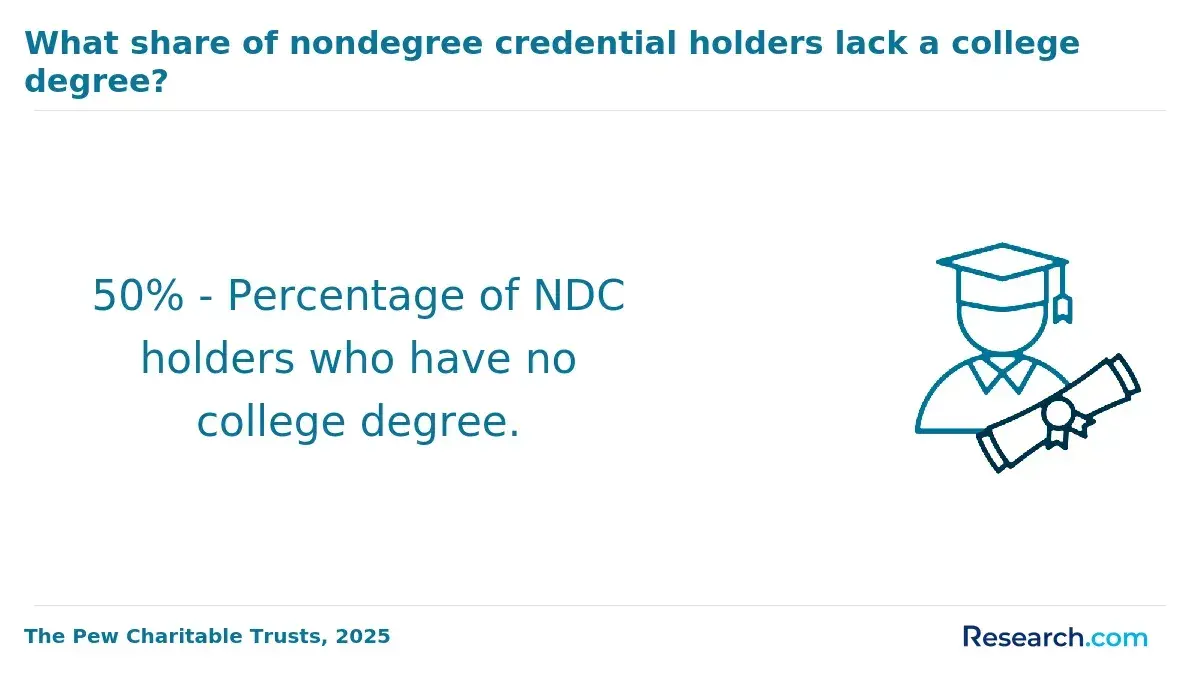
According to 2024 data from the National Center for Education Statistics, private nonprofit Adult Gerontology Acute Care Nurse Practitioner programs have experienced tuition increases outpacing public and for-profit counterparts by approximately 5% annually over three years. These trends underscore how institutional finance and programmatic priorities distinctly impact educational affordability and curricular offerings within this specialized nursing discipline.
What Factors Are Driving Rising Costs in Adult Gerontology Acute Care Nurse Practitioner Degree Programs?
Rising costs in adult gerontology acute care nurse practitioner degree programs stem from a complex mix of institutional and economic factors rather than a single underlying cause. These programs operate within a higher education landscape where funding streams have shifted and operational demands have escalated, leading to multifaceted pressure on budgets. The interplay between growing clinical training requirements, regulatory compliance, and market-driven program expansions intensifies expenses. Schools must balance resource allocation to maintain instructional quality and clinical partnerships while addressing increasing student services, all of which drive up the overall cost beyond simple tuition hikes.
One significant driver is the decline in state appropriations for public institutions, shifting reliance onto tuition and fee revenues to cover operational costs. Increased competition for experienced faculty in specialized fields pushes salary costs higher, while expanding administrative staff manage evolving accreditation and student support responsibilities. Additionally, considerable investments in simulation technology, digital learning platforms, and clinical facilities are essential to meet employer expectations for practice readiness but markedly raise program overhead. According to the National Center for Education Statistics' 2024 report, tuition for advanced nursing degrees has increased about 4.5% annually over the last five years, reflecting these systemic financial pressures rather than isolated market fluctuations.
One graduate recounted navigating admissions during a rolling application cycle, which introduced uncertainty in timing their enrollment decision. Initially hesitant due to the escalating tuition and cost concerns, they delayed submitting their application while seeking clarity about financial aid and clinical placement options. As slots began filling and deadlines approached, they felt increasing pressure to commit despite lingering questions about program affordability. This experience highlighted how cost-related factors extend beyond sticker price to include strategic considerations around application timing, preparation, and the risk of missing limited enrollment opportunities in a competitive field.
How Does Adult Gerontology Acute Care Nurse Practitioner Tuition Growth Vary by State and Region?
Tuition growth for adult gerontology acute care nurse practitioner programs varies significantly across states and regions, influenced by differences in state funding, institutional type, and local economic conditions. These programs are affected not only by general higher education inflation but also by distinct public university funding models and competitive pressures among private institutions. The regional cost of living and workforce demand for advanced nursing professionals play a substantial role in shaping tuition trajectories, resulting in uneven increases that reflect broader educational finance structures rather than simply geography.
Key drivers of tuition growth variation include the scale and stability of state appropriations supporting public institutions, which can constrain or accelerate price increases in tuition. Regions with large flagship research universities or a concentration of private institutions often demonstrate higher tuition inflation due to operating cost pressures and strong demand for specialized clinical training. For example, states in the Northeast and West Coast commonly report annual tuition increases between 6% and 8%, reflecting high living costs and institutional reliance on tuition revenue amid constrained state budgets. Conversely, Midwestern states typically see more moderate growth-around 2% to 4%-stemming from relatively stable public funding and less volatile labor and real estate expenses. The South shows mixed patterns that mirror diverse university budget sizes and local healthcare market dynamics. These factors combined shape regional differences in adult gerontology acute care nurse practitioner tuition growth by state trends.
These tuition growth disparities affect student mobility and program accessibility, as affordability challenges intensify in high-growth regions without equivalent wage premiums or employer tuition support, potentially limiting return on investment for students. Lower-growth tuition states may offer better immediate cost control but sometimes accompany fewer clinical placement opportunities and smaller healthcare markets, affecting long-term career outcomes. Prospective learners must navigate these complex tradeoffs, weighing regional tuition inflation against local employer demand and salary prospects to optimize educational value. For those considering alternative pathways in nursing education, exploring options such as the MA to LPN bridge program online may provide flexible avenues aligned with workforce needs and financial realities.
Are Online Adult Gerontology Acute Care Nurse Practitioner Programs Becoming More Affordable Than Campus-Based Programs?
Tuition trends for online adult gerontology acute care nurse practitioner programs show a modest but consistent affordability advantage compared to traditional campus-based formats. While annual tuition inflation for online pathways hovers around 3.5%, campus programs have experienced increases closer to 5%, reflecting a persistent though gradually narrowing gap. This difference is influenced by distinct pricing strategies; online programs often leverage scalable course delivery models and reduced overhead to moderate tuition, whereas campus-based programs maintain higher fees due to fixed costs associated with physical facilities and infrastructure maintenance. However, variation persists, with some high-tier online programs pricing similarly to or above on-campus offerings, illustrating that affordability is not uniform across institutions.
The divergence in cost structures stems from multiple institutional and operational factors. Online education reduces expenses tied to campus physical spaces, such as classrooms and student housing, but invests significantly in digital platforms, course design, and technology-enhanced delivery. Faculty roles also shift; asynchronous content demands upfront development time and instructional design expertise, while synchronous components may require flexible scheduling and specialized training. Additionally, student support services-ranging from virtual advising to clinical placement assistance-entail ongoing operational costs that factor into tuition pricing. These elements reflect a complex balance where technological investments and digital learner support partly offset savings from diminished physical infrastructure. Data from the National Center for Education Statistics in 2024 underscores that while online program tuition inflation trends are generally lower, any cost advantages depend on institutional strategy and program maturity rather than inherent delivery format alone.
One graduate shared that during the rolling admissions cycle for an online adult gerontology acute care nurse practitioner program, delayed acceptance notifications created uncertainty about financial planning and enrollment timing. Despite initial hesitation, the applicant prioritized programs with transparent tuition structures and predictable deadlines, recognizing that cost efficiency often correlated with clarity in admissions processes and consistent communication. This experience highlighted how perceived affordability extends beyond sticker price to include timing, administrative responsiveness, and the ability to prepare strategically for program entry conditions.
How Have Financial Aid and Scholarships Changed as Adult Gerontology Acute Care Nurse Practitioner Tuition Has Increased?
As tuition rates for Adult Gerontology Acute Care Nurse Practitioner programs have surged over recent years, financial aid and scholarship offerings have adjusted unevenly. Institutions have increasingly implemented targeted internal scholarships and work-study options, yet these often fall short of offsetting the rising sticker prices. While the overall count of scholarships focused on these advanced nursing students has grown, average award sizes frequently lag behind inflation in program costs. Federal grants remain limited for graduate nursing cohorts, with Pell Grant eligibility and disbursements largely unchanged, preserving loans as the dominant resource for covering tuition gaps. This shift highlights a growing reliance on borrowing rather than grant-based aid, pushing many students toward increased debt burdens despite modest institutional support expansions.
Several forces have shaped these aid dynamics. Competitive enrollment pressures have led programs to deploy merit-based scholarships to attract academically strong candidates, sometimes at the expense of need-based support. Meanwhile, federal funding policies have maintained relatively stable nominal grant levels, failing to reflect the accelerated tuition inflation. Institutions also employ tuition discounting and employer partnerships-such as reimbursement agreements tied to post-graduation service-to partially alleviate costs, but such arrangements often impose restrictive conditions and do not fully address upfront financial barriers. These combined factors produce a financial aid landscape where net price stability is uneven, frequently leaving students to shoulder a greater proportion of escalating education expenses.
Consequently, net affordability for Adult Gerontology Acute Care Nurse Practitioner programs remains a challenge. Aid portfolios that emphasize merit over need may inadvertently narrow accessibility, and the near-static nature of federal support exacerbates debt accumulation risks. As rising tuition outpaces scholarship growth, prospective and current students must weigh the potential long-term financial implications carefully, including the likelihood of increased borrowing and the effect of repayment obligations on career flexibility. Such trends underscore a systemic tension between institutional pricing strategies, funding policies, and the practical economic realities faced by learners pursuing this specialized advanced nursing qualification.
How Does Rising Adult Gerontology Acute Care Nurse Practitioner Tuition Affect Student Debt After Graduation?
Rising tuition costs for adult gerontology acute care nurse practitioner programs directly increase student borrowing levels, pushing many learners to depend more heavily on loans to finance their education. As tuition outpaces available grants and scholarships, students face mounting tuition balances that require larger loans to fill funding gaps. This inflates immediate debt loads at graduation, particularly for adult learners who may have limited capacity to absorb upfront costs due to concurrent family and work commitments. The growing financial burden stemming from adult gerontology acute care nurse practitioner tuition impacts decisions around enrollment intensity, often leading students to extend their studies part-time, which further adds to cumulative borrowing and interest accrual.
Several factors compound these rising debt levels. Widening discrepancies between tuition growth and financial aid support create funding shortfalls that disproportionately affect students in more expensive private institutions versus public programs. Meanwhile, interest accumulation during prolonged education periods magnifies total repayment obligations, particularly for those balancing part-time schedules. Post-graduation income variability within adult gerontology acute care nurse practitioner fields also influences debt management, as not all roles yield starting salaries sufficient to easily service high loan balances. According to recent data from government sources in 2024, average tuition increases for nurse practitioner programs have outpaced wage growth, exacerbating the repayment challenge. This tuition impact on student loan debt shifts repayment pressures in ways that can delay wealth-building milestones such as homeownership or retirement savings.
With repayment stress heightened by these financial dynamics, more graduates rely on income-driven repayment plans or loan forgiveness options to maintain affordability. Rising debt loads also sway program selection, with prospective students weighing the practical return on investment of adult gerontology acute care nurse practitioner pathways against alternative healthcare roles. These financial constraints underscore the importance of transparent cost-benefit analysis in decision-making. For those interested in related healthcare careers but weighing the financial tradeoffs, exploring fields such as sports analytics jobs may offer additional perspectives on educational costs and income potential.
Do Higher-Cost Adult Gerontology Acute Care Nurse Practitioner Programs Deliver Better Career Outcomes or Earnings?
The question of whether higher-cost adult gerontology acute care nurse practitioner program tuition correlates with better career outcomes or earnings is complex and not directly proportional. Recent analyses show that more expensive programs do not consistently deliver stronger employment results or significantly higher starting salaries. According to a 2024 report from the U.S. Department of Education's National Center for Education Statistics, graduates from costly programs demonstrated only marginal advantages in employment rates within six months post-graduation compared to lower-cost institutions. This disconnect suggests that tuition alone is a poor predictor of long-term financial return or job market success in this specialized field.
Various factors beyond program cost critically influence outcomes, including institutional reputation, clinical internship networks, employer partnerships, and program specialization. Many employers in healthcare prioritize clinical experience, certifications, and demonstrated practical skills over the price paid for a degree, substantially affecting hiring decisions. Regional supply-demand dynamics also play a significant role, as regional differences in adult gerontology acute care nurse practitioner salary outcomes reflect how geographic location and healthcare setting impact starting wages more than program costs. Specialized training opportunities and alumni networks can enhance professional connections but rarely guarantee immediate salary premiums or faster employment.
For prospective students assessing tuition versus career earnings tradeoffs, it is essential to consider individual financial circumstances alongside long-term career goals and local labor market realities. Evaluating program quality through measurable outcomes, such as certification pass rates, employer feedback, and regional employment trends, provides a more reliable return-on-investment framework. Additionally, exploring financial aid options and comparing accredited online colleges for drug and alcohol counseling and similar fields can inform smarter educational investments in an increasingly cost-sensitive healthcare education environment.
What Do Current Tuition Trends Suggest About the Future Cost of a Adult Gerontology Acute Care Nurse Practitioner Degree?
Current tuition trends for Adult Gerontology Acute Care Nurse Practitioner (AGACNP) programs signal a continued escalation in costs, exceeding general inflation and broader graduate nursing averages. Data from the National Center for Education Statistics in early 2024 highlights annual tuition increases averaging between 5% and 7% over the past five years. These historical patterns suggest that future AGACNP tuition will track upward, influenced not only by inflation but also by the specialized nature of these programs and the rising expenses linked to clinical education delivery. Unlike many undergraduate programs, tuition here reflects the added costs of faculty expertise and clinical placement logistics, which are less susceptible to scaling efficiencies.
Several structural factors drive this tuition growth. Limited institutional funding relative to operational demands forces programs to rely more on tuition revenue, especially as workforce demand for Adult Gerontology Acute Care Nurse Practitioners sustains enrollment. Simultaneously, the expansion of online and hybrid education models introduces both new cost dynamics-sometimes reducing overhead but also requiring technological investments and enhanced student support services. These elements interact with institutional priorities that emphasize maintaining quality clinical experiences, limiting cost-cutting options and thereby contributing to sustained tuition increases.
For prospective and current students, these trends imply increasing financial commitments and potential reliance on borrowing or employer assistance for affordability. The cost trajectory may influence decisions on program format, with some adult learners weighing flexibility against price. While tuition projections are useful, they must be considered alongside employment outcomes and personal financial planning, recognizing the nuanced balance between tuition costs, program accessibility, and long-term return on investment in advanced practice nursing roles.
References
- Sign Up for the Journal of Nursing. https://www.asrn.org/journal-advanced-practice-nursing/3419-top-acute-care-nurse-practitioner-programs-2026.html
- How to Become a Community Health Nurse https://www.allnursingschools.com/specialties/adult-gerontology-nurse-practitioner/
- Adult-Gerontology Acute Care Nurse Practitioner Concentration | Masters of Science in Nursing https://www.south.edu/program/ms-nursing-with-concentration-in-adult-gerontology-acute-care-nurse-practitioner/
- How To Become an Adult-Gerontology Nurse Practitioner (AGNP) https://betternurse.org/adult-gerontology-nurse-practitioner/
- Adult Gerontology Acute Care Nurse Practitioner (AG-ACNP) https://nursinglicensemap.com/advanced-practice-nursing/nurse-practitioner/adult-gerontology-acute-care-np/
- Master of Science in Nursing: Adult Gerontology Acute Care Nurse Practitioner https://online.norwich.edu/online/programs-courses/programs/master-science-nursing-acute-care
- AGACNP Salary and Career Guide: What You Need to Know https://online.king.edu/news/agacnp-salary-career-guide/
- Most Affordable Adult-Gerontology NP Programs 2026 https://www.healthcaredegree.com/blog/most-affordable-agnp-programs
- Student debt hurts nursing students, too https://www.nysna.org/student-debt-hurts-nursing-students-too
- What the Outrage over Nursing Loan Limits Gets Wrong | American Enterprise Institute - AEI https://www.aei.org/education/what-the-outrage-over-nursing-loan-limits-gets-wrong/
Other Things You Should Know About Adult Gerontology Acute Care Nurse Practitioner
Many accelerated AGACNP programs compress clinical hours and coursework into a shorter time frame, which often comes with higher tuition per credit. While this may reduce overall living expenses and time out of the workforce, the intensity can lead to increased workload and stress, potentially affecting learning quality and clinical readiness. Prospective students should prioritize programs that balance cost efficiency with sufficient clinical exposure and manageable pacing to ensure competence and confidence post-graduation.
As tuition rates rise, spreading costs over a longer time by enrolling part-time may seem financially prudent but can delay program completion and entry into higher-paying roles. However, full-time enrollment demands a higher immediate financial outlay and workload, which may not be feasible for all, especially working RNs. Students must weigh the short-term financial burden against delayed earnings and the risk of burnout influencing program success and long-term career trajectory.
Higher tuition for prestigious programs may reflect enhanced clinical affiliations or faculty expertise, but it does not automatically translate to superior job placement or employer preference. Employers typically prioritize clinical experience quality, certification pass rates, and demonstrated competencies over program cost. Students should critically assess that premium tuition aligns with tangible advantages like stronger clinical networks or specialized skill training rather than brand name alone.
Rising tuition heightens the importance of employer financial support programs, which can significantly affect net education costs. However, eligibility criteria and coverage limits vary widely, making it crucial to verify reimbursement policies early and assess their reliability in relation to tuition inflation. Prioritizing programs with proven alignment to employer tuition assistance can reduce out-of-pocket expenses and debt, enhancing return on investment despite market-wide cost increases.