University of Utah
- Type:
- Public
- Programs:
- 4 years or more


Cost
- Cost / year
- $37,284
- Tuition & fees
- $10,848
- Avg. aid
- $10,995
- Receiving aid
- 79%
Admissions
- Acceptance rate
- 86%
- SAT range
- 1190–1380
- ACT range
- 22–29
Outcomes
- Graduation rate
- 65%
- Median salary
- $52,910
- 1 yr after graduation
What does University of Utah offer in terms of athletics?
The Utah Utes compete in NCAA Division I athletics and joined the Big 12 Conference in 2024. Varsity teams include football, basketball, gymnastics, skiing and several other men's and women's sports.
Varsity competition is only one way to participate in sports. The university also has student club sports and recreational or intramural activities, which operate under different eligibility, coaching and competition arrangements. A student interested in playing rather than watching should confirm whether a particular activity is varsity, club or intramural and whether tryouts or fees apply. Athletic scholarships and recruiting decisions are specific to varsity programs; general admission does not confer a place on a team.
What student groups and Associations are available at University of Utah?
Students can participate in recognized organizations covering academic interests, cultural and identity-based communities, arts, recreation, service and professional development. Associated Students of the University of Utah is the student government and supports aspects of student representation and programming.
Other established avenues for involvement include fraternity and sorority life and the MUSS, the student cheering section associated with Utah athletics. The Bennion Center for Community Engagement coordinates service and community-engaged opportunities; it is a university resource rather than simply another student club. Organization activity and membership rules can change from year to year, so the current recognized-organization directory is the best place to identify a group that is actively meeting.
Who studies at University of Utah?
The University of Utah enrolls about 36,894 students, making it a large institution with a substantial first-year class and a meaningful transfer population. The reported entering figures include 6,001 first-time degree- or certificate-seeking undergraduates and 1,522 transfer-in students.
Its students come from Utah and beyond. In the reported geographic breakdown, 53% were Utah residents, 42% came from other U.S. states and about 4% came from other countries. The age distribution extends beyond traditional college ages: while many students are 18-24, thousands are 25 or older. These institution-wide figures describe enrollment, not the composition of any particular classroom, major or residence hall.
The scale of the university can mean a broad choice of courses and activities, but it also makes advising and registration planning consequential. The reported student-to-faculty ratio is 19 to 1; that institution-wide measure does not predict the size of a specific lecture, seminar or laboratory.
How does student life look like at University of Utah?
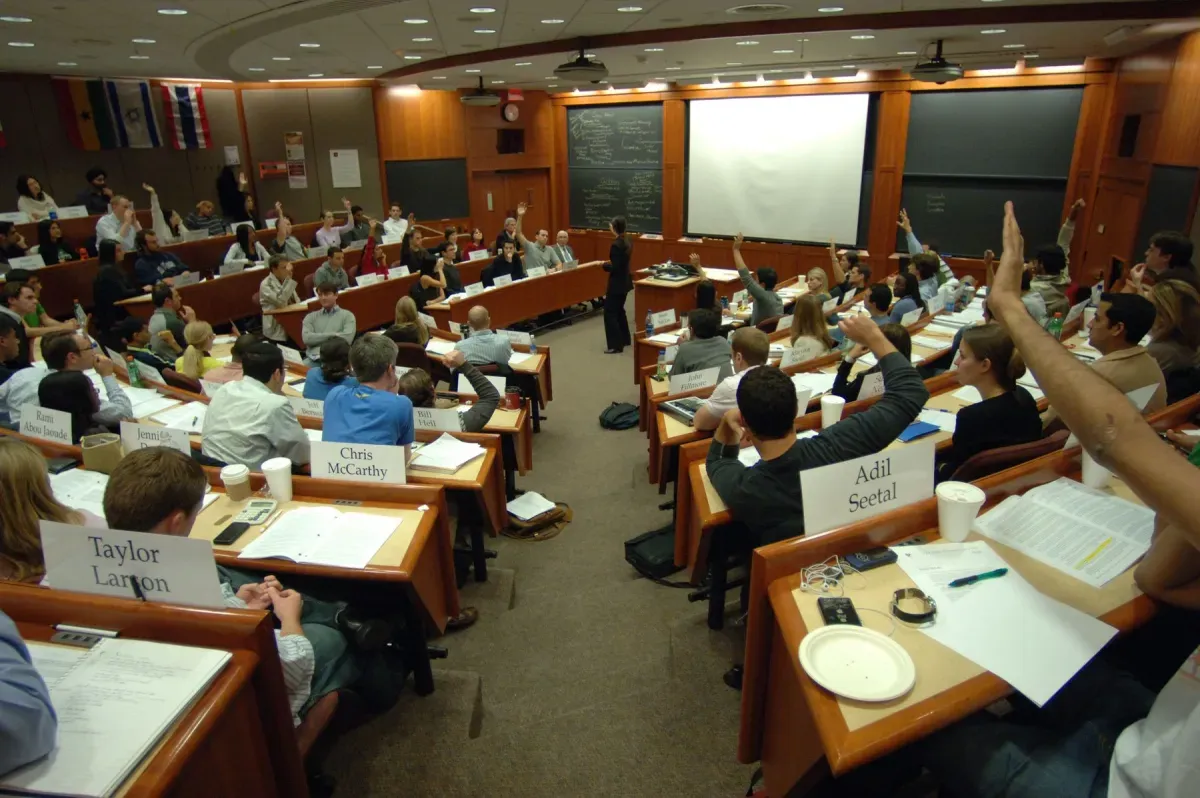
Student life at the University of Utah combines a large research campus with a predominantly commuting student body. Students can attend campus programs, use recreation and wellness facilities, and take part in service or cultural activities, but their day-to-day experience may differ considerably depending on where they live and study.
The A. Ray Olpin University Union is a gathering place for events and student services. First-year and orientation programs provide an initial route into campus resources, while the student health clinic and counseling services address different health and well-being needs. The university also has student media and performing groups, including a newspaper, radio station, theater activities and music ensembles. For a commuter, the timing of events and access to transit or parking may shape participation as much as the number of activities offered.
What libraries are available to students at University of Utah?
The J. Willard Marriott Library is the University of Utah's main library. Students in specialized fields can also use relevant resources at the Spencer S. Eccles Health Sciences Library and the S.J. Quinney College of Law Library, subject to each library's access policies.
The libraries provide more than print collections: research databases, online journals, study space and help locating or evaluating sources are central services. Marriott Library offers reservable study rooms, and borrowing or interlibrary-loan services can help students obtain materials beyond local holdings. Students should check current building hours, especially near exams; the reported library arrangements do not indicate a regularly available 24-hour study area.
University of Utah Student Life for 2027
Total enrollment
36894Full Time Degree Seeking Freshmen
6313Member of Athletic Associations
NCAATotal staff
1508 full time, 765 part timeVeterans affair office
YesUniversity of Utah Student Body
Undergraduate vs. graduate students
Full-time vs. part-time students
Full-time degree-seeking students by gender
Students by race/ethnicity
Freshly enrolled students' age
University of Utah Sports & Athletics
- Member of NCAA
Varsity teams compete against other colleges, intramural teams within the school. Each column says whether men, women or both take part, and whether the sport offers athletic scholarships (Aid).
Sport
Baseball
Basketball
Cross-country running
Football
Golf
Gymnastics
Ice hockey
Lacrosse
Rugby
Sand volleyball
Skiing (downhill)
Soccer
Softball
Swimming and diving
Tennis
Track and field
Ultimate Frisbee
Volleyball
Water polo
Data last updated on November 5, 2026
Data sources: IPEDS 2024-25, Peterson 2026, College Scorecard 10/2026, Clery 2024 (2023-24), OpenAlex 2026
Figures on this profile come from federal and third-party datasets in the editions listed above and are refreshed periodically, so they may differ from what the institution currently reports. Confirm costs, deadlines and requirements with the school before making decisions.