Minnesota State University Moorhead
- Type:
- Public
- Programs:
- 4 years or more


Cost
- Cost / year
- $26,316
- Tuition & fees
- $10,975
- Avg. aid
- $6,740
- Receiving aid
- 94%
Admissions
- Acceptance rate
- 59%
- Avg. SAT
- 1110
- ACT range
- 18–25
Outcomes
- Graduation rate
- 57%
- Median salary
- $47,202
- 1 yr after graduation
What does Minnesota State University Moorhead offer in terms of athletics?
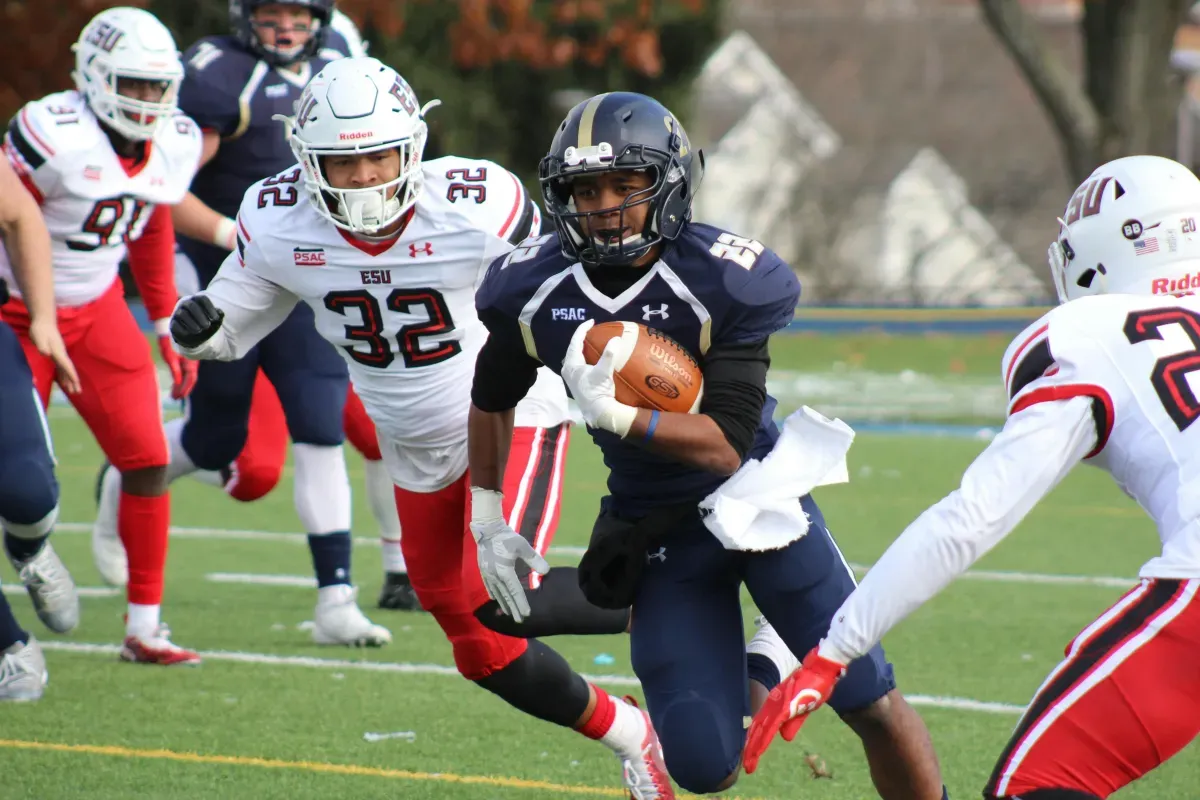
Minnesota State University Moorhead's varsity teams are the Dragons. They compete in NCAA Division II and the Northern Sun Intercollegiate Conference. Representative varsity sports include football, basketball, volleyball, cross-country, track and field, softball and wrestling.
Varsity competition is only one way to participate in sports. Students interested in less formal play can investigate current intramural, club-sport and recreation offerings, which have different participation rules from NCAA teams. A sport appearing in a broad campus activities listing should not be assumed to be a varsity team. Prospective athletes should check the current Dragons roster and recruiting requirements for their sport.
What student groups and Associations are available at Minnesota State University Moorhead?
MSUM has student organizations spanning academic interests, identity and culture, recreation, and professional development. Examples in university listings include the African Student Union, D&D Adventurer's Guild, Education Minnesota Aspiring Educators, Psi Chi/Psychology Club, and the student group associated with the National Student Speech Language Hearing Association.
Student government and campus media provide other routes into campus activities. Organization rosters and meeting schedules can change with student participation, so an incoming student should use the current activities directory to check whether a particular group is active. A recognized student organization differs from an academic department or university-run support service, even when they work together on events.
Who studies at Minnesota State University Moorhead?
MSUM enrolled about 4,386 students in the reported institutional data. The entering undergraduate population included roughly 601 first-time students and 366 transfer students, making transfer pathways a meaningful part of the enrollment picture.
About 70% of students were Minnesota residents, while 27% came from other U.S. states. The reported share from other countries was about 2%. Separate demographic counts identify White students as the largest reported racial group and also include Black, Hispanic or Latino, American Indian or Alaska Native, Asian and multiracial students. These categories should not be treated as a description of any individual student's experience.
The reported student-to-faculty ratio was 17 to 1. That institution-wide measure gives a rough sense of staffing relative to enrollment, but it is not a class-size guarantee: introductory lectures, seminars, labs and online courses can differ substantially.
How does student life look like at Minnesota State University Moorhead?
Student life at MSUM combines a residential campus with a substantial commuting population. About one-quarter of students were reported to live on campus, so participation in activities is not limited to residence-hall life; schedules, travel and work commitments will shape how students engage.
Welcome activities, student organizations, performances, campus media and recreation offer ways to meet peers outside class. The university also reports personal counseling services and support for veterans. For a new student, orientation and the student activities calendar are practical starting points for finding services and events that fit a particular schedule.
What libraries are available to students at Minnesota State University Moorhead?
Livingston Lord Library is MSUM's main campus library. It provides study space and access to research materials needed for coursework, including electronic resources that can be useful to students working away from campus.
Students can seek research assistance, use library collections and request study rooms. When a needed item is not held locally, library borrowing and interlibrary services can broaden access. Students planning a late study session should check the current hours: the library is not reported to have a study area open 24 hours a day throughout the week.
Minnesota State University Moorhead Student Life for 2027
Total enrollment
4386Full Time Degree Seeking Freshmen
594Member of Athletic Associations
NCAATotal staff
177 full time, 79 part timeVeterans affair office
YesMinnesota State University Moorhead Student Body
Undergraduate vs. graduate students
Full-time vs. part-time students
Full-time degree-seeking students by gender
Students by race/ethnicity
Minnesota State University Moorhead Sports & Athletics
- Member of NCAA
Varsity teams compete against other colleges, intramural teams within the school. Each column says whether men, women or both take part, and whether the sport offers athletic scholarships (Aid).
Sport
Basketball
Cheerleading
Cross-country running
Fencing
Football
Golf
Ice hockey
Indoor track
Lacrosse
Rock climbing
Rugby
Sand volleyball
Skiing (downhill)
Soccer
Softball
Swimming and diving
Table tennis
Tennis
Track and field
Ultimate Frisbee
Volleyball
Weight lifting
Wrestling
Data last updated on November 5, 2026
Data sources: IPEDS 2024-25, Peterson 2026, College Scorecard 10/2026, Clery 2024 (2023-24), OpenAlex 2026
Figures on this profile come from federal and third-party datasets in the editions listed above and are refreshed periodically, so they may differ from what the institution currently reports. Confirm costs, deadlines and requirements with the school before making decisions.