2027 Women's Health NP Program Guide for Nurses in Mississippi: MSN Options and Clinical Planning
Audited and Verified:
Our Editorial and Data Verification Process
Research.com uses government datasets, official education statistics and primary institutional information to support its career and degree guides. Our review process checks factual accuracy, occupational definitions, source dates and the requirements associated with the credentials discussed.
How This Article Was Fact-Checked
Our editorial team verifies salary estimates, employment projections, education requirements and program information against original data providers and official organizations. Salary figures are checked against the relevant occupational definitions and reporting periods. Information about licensure, accreditation and required in-person training is reviewed separately.
Fact-checked and verified on:

Co-Founder and Chief Data Scientist
For a Mississippi RN, the difficult part of choosing a women's health nurse practitioner program is often not finding an online MSN. It is confirming that the track prepares graduates for women's health NP certification, accepts Mississippi students, and can support approved clinical experiences near home.
This guide explains the available education routes, what to verify with schools and regulators, and how to plan coursework, placements, costs, and the transition into practice. It is designed to help you rule out an attractive but unsuitable program before you commit time or money.
Key Things You Should Know
- Choose a program with an explicit women's health NP population focus; an FNP, nurse-midwifery, or non-APRN MSN is not an interchangeable credential.
- Before enrolling, make 3 separate checks: Mississippi enrollment and clinical eligibility, eligibility for National Certification Corporation women's health NP certification, and Mississippi Board of Nursing APRN requirements.
- Build a budget around 4 cost categories - tuition and fees, clinical-placement expenses, required travel, and reduced work hours - rather than comparing advertised tuition alone.
What Is a Women's Health Nurse Practitioner Program in Mississippi?
A women's health nurse practitioner (WHNP) program is graduate, postlicensure nursing education for RNs seeking advanced practice in women's and gender-related reproductive and gynecologic health across the lifespan. It combines advanced clinical coursework with supervised patient care. A nurse may live and complete approved clinical experiences in Mississippi while attending a program based elsewhere; that does not make every online program available to Mississippi residents.
The track matters more than the degree label. An MSN in nursing education or leadership does not provide WHNP preparation, and family nurse practitioner (FNP) education addresses a different population focus. Nurses drawn to broad primary care should compare that goal with WHNP practice before pursuing comparing 12-month family NP programs; a shorter FNP route is not a substitute for WHNP preparation.
What Are the Requirements to Become a Women's Health Nurse Practitioner in Mississippi?
The usual sequence is an active RN license, completion of a graduate WHNP track with approved supervised clinical preparation, national WHNP certification, and Mississippi authorization to practice as an APRN. The Mississippi Board of Nursing, not the school, makes the state licensing decision. Verify its current application, RN-license, certification, and practice requirements before choosing a program.
Your starting credential changes the academic route. An RN with a BSN may pursue a WHNP MSN or DNP track. An RN with a graduate degree in a non-APRN specialty still needs formal WHNP preparation.
An already-certified NP changing population focus should ask a WHNP program for an individualized review of transcripts, course content, and documented clinical hours; prior employment does not automatically replace new supervised experiences. The same principle applies when evaluating postgraduate PMHNP certificate comparisons: a certificate must match the population focus in which you intend to practice.
Which MSN Programs Prepare Nurses for Women's Health NP Careers?
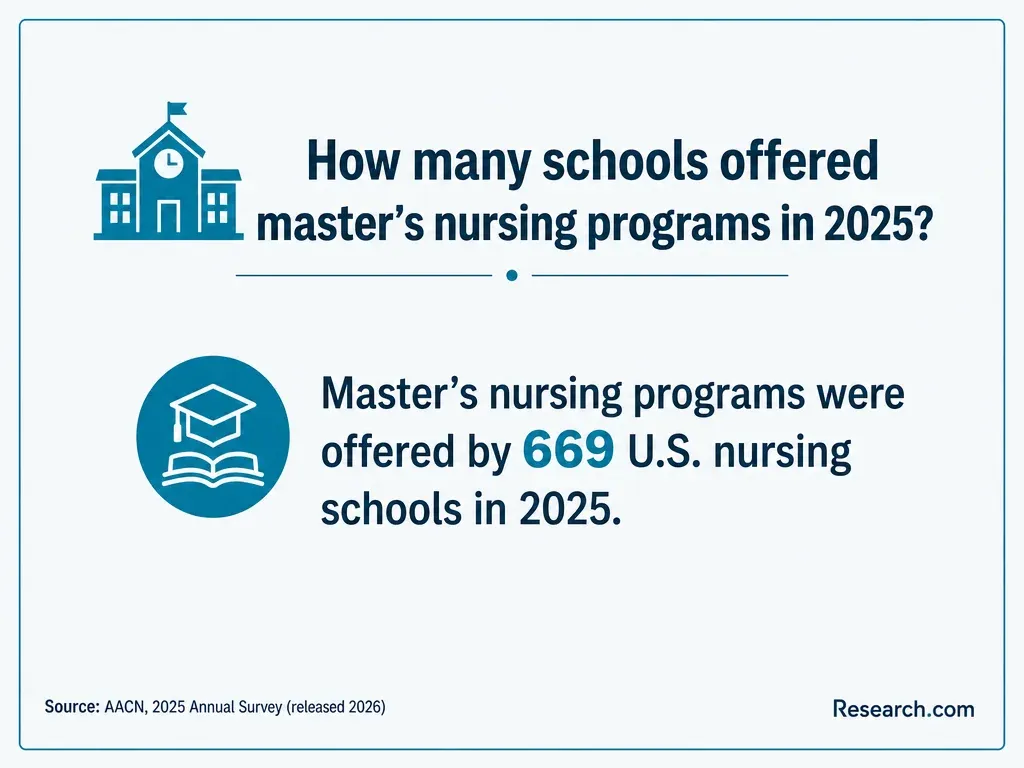
Look for an MSN track expressly identified as women's health nurse practitioner, not merely a school advertising "NP programs." Availability and Mississippi enrollment policies can change by entry term, so a static school list is less useful than confirming each track directly with its program director. Accreditation of the nursing program, eligibility for the intended certification exam, and the school's ability to arrange or approve Mississippi clinical sites are separate questions.
This comparison identifies the routes most likely to appear in a Mississippi nurse's search. It also shows when an MSN is not the right application.
| Route | Best fit | Decision-critical check |
| BSN-to-MSN WHNP track | BSN-prepared RN seeking initial WHNP preparation | Confirm the track's certification eligibility and Mississippi clinical access. |
| RN-to-MSN pathway with a WHNP track | Eligible RN without a BSN who wants a graduate route | Confirm that the bridge actually leads into WHNP courses; not every RN-to-MSN does. |
| Post-graduate WHNP certificate | Graduate-prepared nurse adding WHNP preparation | Request a formal review of prior coursework and clinical competencies. |
| WHNP DNP track | RN seeking WHNP preparation through a practice doctorate | Compare added time and cost with an MSN that meets the same immediate practice goal. |
When screening lower-tuition advanced practice nursing programs, first filter for an actual WHNP track and state eligibility. A low published price for another NP specialty does not answer this decision.
Online delivery generally changes where didactic courses occur, not whether supervised clinical care, skills assessment, or occasional campus attendance is required. Campus-based study may simplify access to faculty and regional clinical contacts, but it can impose a regular commute. Neither format guarantees a nearby preceptor.
Ask each program who identifies sites, who secures affiliation agreements, how preceptors are approved, and what happens if a Mississippi placement falls through. Policies advertised for another specialty illustrate questions to ask, not WHNP guarantees; for example, comparing FNP preceptor placement policies can help you identify the distinction between placement assistance and an actual placement commitment.
Before accepting an offer, request the required live-session schedule, campus-visit calendar, and typical clinical-day expectations in writing. "Online" may still require weekday patient-care hours that conflict with full-time RN employment.
WHNP curricula generally include advanced pathophysiology, pharmacology, and health assessment alongside population-focused study of gynecologic and reproductive care, prevention, and clinical decision-making. Supervised experiences develop skills in assessment, diagnosis, treatment planning, counseling, documentation, and referral within the role's scope.
Schools set their curricula and evaluate competencies; the certifying organization and state board set separate eligibility and practice requirements.
A strong clinical plan identifies approved sites and preceptors, needed patient populations, scheduling constraints, faculty oversight, and how hours and competencies will be recorded. A nurse's existing job, simulation, or prior experience should not be counted toward required clinical education unless the program expressly approves it under its rules. Ask how the school handles insufficient exposure to a required clinical area rather than assuming one office can provide every experience.
Do not confuse a practice doctorate's non-APRN leadership work with population-focused clinical preparation. Online DNP leadership pathways for graduate nurses may serve a different goal, but they do not by themselves prepare a nurse for WHNP certification.
Programs commonly review RN-license status, prior nursing education, transcripts, academic performance, professional references, and a statement of goals. Some request nursing experience, an interview, or prerequisites. Clinical participation can also require a background check, immunizations, and documentation required by placement sites. Minimums and deadlines are school-specific; admission to a university is not confirmation of admission to its WHNP track.
If you hold an RN license but no BSN, ask whether the school offers an RN-to-MSN route into this specific track and which undergraduate requirements remain. If you are not yet an RN, a WHNP MSN that requires RN licensure is not an initial nursing program. Resources on alternatives to HESI-based nursing admission address an earlier, prelicensure decision - not a waiver of WHNP graduate admission or RN requirements.
Study length depends on the entry route, course sequence, enrollment intensity, and how quickly approved clinical experiences can be completed. A full-time MSN and a part-time MSN should not be compared using tuition alone: part-time study can preserve earnings but may extend fees and delay the move into an APRN role. Ask for a term-by-term plan for your intended entry date, including the earliest realistic clinical start.
For a usable cost estimate, obtain the school's total required credits, price per credit, mandatory fees, clinical and technology charges, and any tuition differences for Mississippi residents studying out of state. Then add travel or lodging for campus visits, clinical-site travel, certification and licensing expenses, and any wages you expect to forgo. Confirm financial-aid eligibility and employer reimbursement conditions rather than treating either as guaranteed.
If you are also considering accelerated DNP program comparisons, check whether the doctorate includes a WHNP track and what its additional terms accomplish for your career goal. A shorter advertised calendar is not a saving if placements or required visits make it impractical.
The National Certification Corporation (NCC) awards the WHNP-BC credential through its women's health care nurse practitioner certification process. Before enrolling, compare the school's track and clinical documentation with NCC's current eligibility requirements.
After meeting certification requirements, apply to the Mississippi Board of Nursing for the APRN authorization required for practice in the state. Graduation, examination eligibility, certification, and state licensure are distinct milestones.
Keep copies of transcripts, clinical-hour records, and certification documentation. Ask the board how its current rules apply to your RN-license status and intended practice, including any practice or prescribing requirements. A multistate RN practice privilege should not be mistaken for Mississippi APRN authorization.
Likewise, the shorter completion times sometimes discussed for post-master's FNP certificate completion timelines do not establish WHNP certification eligibility. Population-focused education and the resulting credential must match the role.
WHNPs may seek positions in gynecology and reproductive-health practices, health systems, community clinics, and other services whose patient populations and job descriptions match their preparation and Mississippi scope of practice. Duties can include preventive visits, assessment and management of gynecologic concerns, patient education, and coordination with other clinicians. An employer may require additional onboarding and demonstrated competencies even after licensure.
Evaluate a posting by its actual patient mix, referral access, expected schedule, clinical support, and orientation - not just its "NP" title. A position primarily providing broad primary care, psychiatric care, or nurse-midwifery services may call for different education and credentials. Nurses interested in psychiatric practice should investigate accelerated PMHNP master's admissions and requirements as a separate career decision, not an alternate route into WHNP work.
What Salary and Job Outlook Can Women's Health NPs Expect in Mississippi?
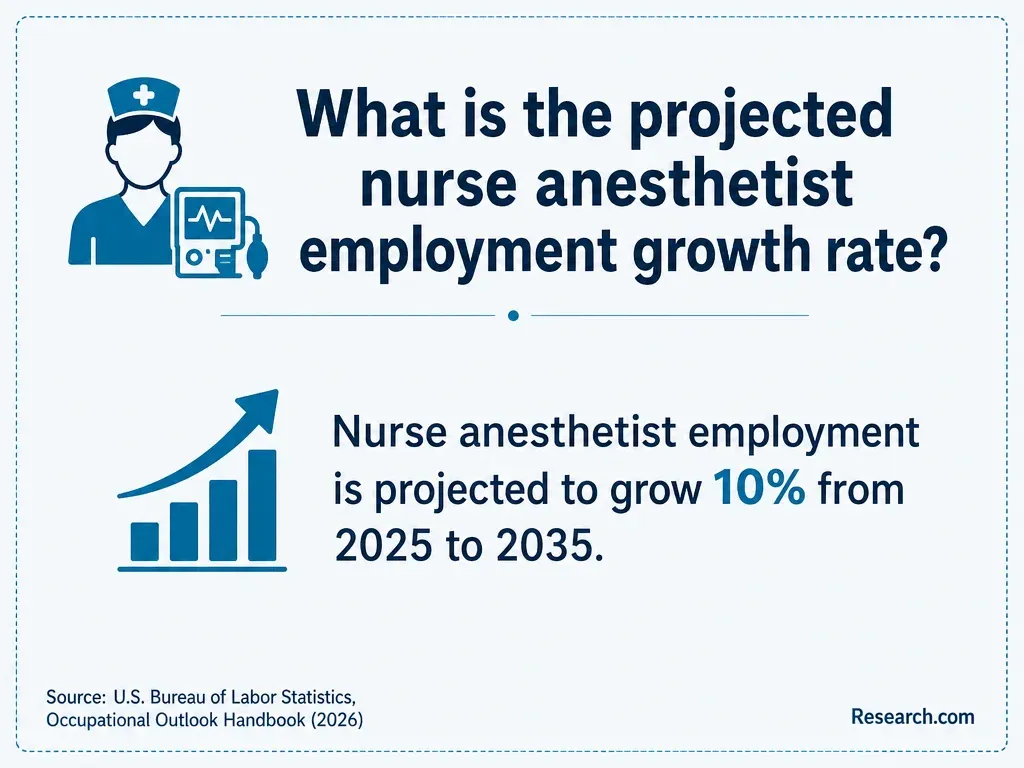
The U.S. Bureau of Labor Statistics reports wages and employment projections for nurse practitioners, not a separate Mississippi WHNP occupation. Its NP figures can provide a broad market benchmark, but they cannot predict a WHNP offer in a particular Mississippi clinic. Specialty, location, employer type, experience, schedule, and compensation structure can all change an offer; a national occupation-wide median is not a new graduate's starting salary.
Use the latest BLS NP wage and projection tables for broad context, then compare actual Mississippi WHNP postings and written offers on salary, benefits, call obligations, patient volume, and clinical support.
Broad NP growth does not establish the number of local WHNP openings. If compensation is leading you toward another specialty, compare the role and education costs as well - for example, cost-focused online psychiatric NP options address a different practice population and should not be chosen on assumed salary differences alone.
Other Things You Should Know About Nursing
Yes. It can strengthen clinical context and an application, but the school decides whether any prior learning affects coursework; employment does not automatically replace supervised WHNP clinical hours.
Potentially, if the position's duties fit the WHNP's education, certification, state authorization, and employer requirements. Check the clinic's patient mix and referral resources before accepting.
An early conversation can reveal local capacity, but do not promise or begin counting hours. The program must confirm the site, preceptor, agreement, and experience are acceptable.
Many nurses work during graduate study, but feasibility depends on clinical-day availability, course scheduling, travel, and employer flexibility. Request a term-by-term schedule before committing.
- Grants & Scholarships | Office of Nursing Workforce https://www.msbn.ms.gov/onw/grants-scholarships
- Apply to the Nurse Corps Scholarship Program | hrsa.gov https://bhw.hrsa.gov/programs/nurse-corps/scholarship/apply
- Women's Health Nurse Practitioner MSN | keiseruniversity.edu https://www.keiseruniversity.edu/programs/nursing/masters-womens-health-nurse-practitioner/
- Program: Nursing, Master of Science in Nursing - MUW bulletin https://bulletin.muw.edu/preview_program.php
- Clinical Placements and Learning | umich.edu https://nursing.umich.edu/academics/clinical-placements
- Women's Health Nurse Practitioner Program (WHNP) | Frontier Nursing University https://frontier.edu/womens-health-nurse-practitioner/
- Clinical Collaborations | Nell Hodgson Woodruff School of Nursing https://www.nursing.emory.edu/degrees-programs/simulation-and-clinical-experience/clinical-collaborations
- Financial Aid | 26-27 School of Nursing Bulletin https://nursing.bulletins.duke.edu/policies/financial/aid
- MSN-WHNP Program (BSN to MSN) - Nursing | Herzing University https://www.herzing.edu/nursing/msn-whnp-program
- Costs - UGA Student Financial Aid - University of Georgia https://osfa.uga.edu/costs/