2027 Which Technology Management Degree Careers Have the Highest Barriers to Entry?
Audited and Verified:
Our Editorial and Data Verification Process
Research.com uses government datasets, official education statistics and primary institutional information to support its career and degree guides. Our review process checks factual accuracy, occupational definitions, source dates and the requirements associated with the credentials discussed.
How This Article Was Fact-Checked
Our editorial team verifies salary estimates, employment projections, education requirements and program information against original data providers and official organizations. Salary figures are checked against the relevant occupational definitions and reporting periods. Information about licensure, accreditation and required in-person training is reviewed separately.
Fact-checked and verified on:

Co-Founder and Chief Data Scientist
Why do some technology management careers demand far more qualifications than others? A recent report notes that over 60% of senior tech management roles require a master's degree along with specialized certifications and extensive industry experience. For a career switcher or recent graduate, this means navigating complex licensing processes and demonstrating skill specialization that goes beyond foundational education. While entry-level positions focus mostly on technical knowledge, higher-tier roles often add layers of scrutiny through experience thresholds and competitive hiring pools.
This article identifies which technology management degree careers have the highest barriers to entry and explores factors behind these challenges to guide informed career planning.
Key Things to Know About Technology Management Careers With the Highest Barriers to Entry
- Most high-barrier technology management roles require advanced degrees such as master's or doctorates, with over 60% of senior managers holding these credentials.
- Competitive hiring practices often demand demonstrated leadership and technical experience, filtering candidates through rigorous multi-stage interviews and assessments.
- Strict credentialing and certifications, including PMP or CISSP, alongside 5-10 years of relevant experience, commonly define eligibility for these positions.
Which Technology Management Careers Are Hardest to Get Into?
Some technology management careers are notably difficult to enter due to intense competition and scarce openings. For instance, acceptance rates for certain specialized roles can be as low as 10%, reflecting a high applicant-to-position ratio. This dynamic makes breaking into these fields a significant challenge for many candidates.
Below are several of the hardest technology management careers to secure, each marked by limited availability and substantial selectivity.
- Chief Technology Officer (CTO): CTO positions are rare across most organizations, often reserved for a small group of highly experienced professionals. The role's strategic importance means only a select few advance to this level, making entry extremely competitive.
- Product Manager: Highly visible in shaping product direction, product manager roles attract a large pool of qualified applicants. The number of vacancies is limited, and the selection criteria are rigorous, contributing to a challenging entry landscape.
- Technology Consultant: Leading firms offering technology consulting implement strict hiring standards due to the high demand and prestige tied to these jobs. Candidates face intense competition when attempting to join this elite group.
- IT Project Manager: Managing large-scale technology initiatives demands proven leadership and a strong track record, restricting the field to only experienced professionals. This requirement narrows the candidate pool significantly.
- Data and Analytics Manager: As data-driven decisions become central to organizational strategy, senior roles in analytics are few and highly sought after. The scarcity of these positions matched with growing demand raises the difficulty to enter the field.
Prospective students interested in expanding their qualifications might explore specialized paths such as the BCBA online programs which offer focused educational opportunities.
What Academic Requirements Make Technology Management Careers Harder to Enter?
Academic requirements often pose significant barriers to entering technology management careers, especially when roles demand extended education or specialized knowledge. Nearly 40% of technology management positions now require at least a master's degree, reflecting the increasing emphasis on advanced credentials. Such requirements can limit accessibility for many interested candidates.
Below are some key academic factors that contribute to these challenges:
- Advanced Degrees: Senior and specialized roles frequently require a master's or doctoral degree, which involves years of additional study beyond a bachelor's. This extended education often includes rigorous research, thesis development, and comprehensive examinations.
- Specialized Coursework: Certain career paths emphasize focused academic preparation in areas like cybersecurity, data analytics, or IT governance. These specialized courses may not be available in all programs, necessitating enrollment in niche electives or dedicated training.
- Extended Study Timelines: Integrated or dual-degree programs combining technology and management can prolong time to graduation. These longer academic pathways delay workforce entry and require strong commitment.
- Rigorous Curriculum Standards: Programs emphasizing quantitative analysis, technical writing, and project management require sustained effort and mastery of diverse subjects. This academic intensity can create additional hurdles for students.
What Certifications Are Required for Technology Management Careers?
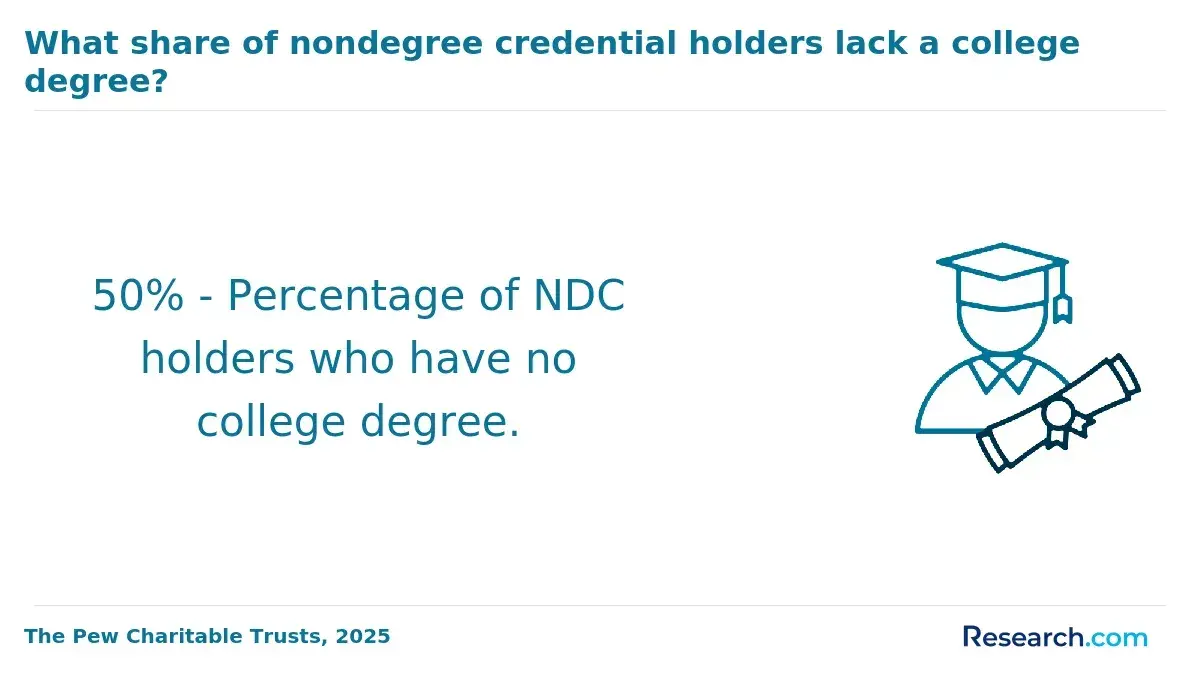
Certifications often serve as essential requirements in certain technology management careers, acting as formal credentials that professionals must obtain to practice or specialize. These certifications standardize skills and knowledge, setting a clear threshold for qualification. Studies show that about 60% of technology management job listings specify certifications as either mandatory or highly preferred qualifications.
The following certifications are commonly required and function as significant entry barriers in this field:
- Project Management Professional (PMP): This certification validates an individual's ability to lead and execute complex projects effectively. It is widely recognized as a benchmark for managing technology-driven initiatives, reflecting leadership and organizational skills.
- Certified Information Systems Security Professional (CISSP): Globally acknowledged in cybersecurity, this credential ensures candidates thoroughly understand security protocols and risk mitigation strategies. It creates a standard that filters professionals seeking roles in information security management.
- Certified ScrumMaster (CSM): Focused on agile project management, this certification proves competence in facilitating iterative development and team collaboration, essential for modern software and technology projects.
- ITIL Foundation: Demonstrating knowledge of IT service management principles, this credential helps employers ensure effective governance and operational control over technology services.
Asked about the certification process, a technology management degree graduate described it as "a rigorous journey" that tested not just knowledge but endurance. He explained that preparing for the PMP exam required balancing full-time work with study, feeling at times "overwhelmed" by the volume of material. Achieving these certifications felt like clearing "critical hurdles" that ultimately solidified his confidence and credibility in a competitive job market.
Experience requirements significantly impact competitiveness in technology management roles, as employers rely on these criteria to screen candidates. Higher experience thresholds often narrow the pool, ensuring only those equipped to handle demanding responsibilities proceed. This filtering is crucial for roles with selective entry and intense competition.
Below are common experience categories seen across technology management roles:
- Entry-Level: Minimal professional experience is expected, often limited to internships or academic projects. These positions target recent graduates or those shifting into technology management careers.
- Early Career: Candidates usually need one to three years of experience demonstrating basic project management abilities and familiarity with technology management concepts.
- Mid-Level: Roles at this tier require three to seven years of relevant experience, including proven skills in project oversight and collaborative work, often involving leadership of small teams.
- Senior-Level: Extensive experience, generally seven to ten years or more, is essential. Applicants must show strategic leadership, full project ownership, and the ability to guide complex initiatives.
- Executive-Level: Typically necessitating over a decade of experience, these positions demand sustained success in technology direction, strategic influence, and managing large departments or divisions.
For those exploring pathway options, programs such as an associate degree in 6 months online can serve as an entry point into technology management roles, where experience requirements vary significantly by industry.
Careers in technology management with high entry barriers demand a blend of advanced and specialized abilities. These requirements create rigorous selection criteria, ensuring candidates possess comprehensive expertise beyond basic technical knowledge. A 2023 survey revealed that 68% of employers in technology management prioritize specialized skills over formal education alone, emphasizing the value of practical competencies in this field.
Several critical skills define why these roles remain challenging to enter:
- Strategic Vision: Aligning technology projects with business objectives requires anticipating market changes and organizational needs. This foresight demands strong analytical thinking and planning capabilities, which raise the skill threshold.
- Technical Expertise: Proficiency in specific technologies and software systems goes beyond superficial understanding. Candidates must demonstrate deep knowledge and the ability to adapt to evolving tools, posing a significant challenge.
- Leadership and Communication: Effectively guiding cross-functional teams and interpreting technical concepts for diverse stakeholders necessitates refined interpersonal skills and emotional intelligence, increasing complexity for entrants.
- Risk Assessment and Judgement: The capacity to evaluate uncertain scenarios and make sound decisions is essential. This skill requires resilience and critical thinking due to the multifaceted impacts of technology choices.
- Data-Driven Decision Making: Harnessing data analysis to inform technology solutions underscores the importance of evidence-based strategies, demanding familiarity with analytical tools and data interpretation.
When discussing these skills with a professional holding a Technology Management degree, she shared how mastering strategic alignment was initially intimidating. "Balancing technical details with big-picture business goals took time to grasp," she noted, reflecting on her early projects. She described navigating complex team dynamics and translating technical language as ongoing learning experiences that deepened her appreciation for communication skills. Her journey highlighted how developing confidence in risk evaluation and data reliance was gradual but rewarding, reinforcing the demanding yet fulfilling nature of these high-barrier careers.
Barriers to entry within technology management vary significantly across different sectors. Some industries impose more stringent requirements due to the complexity and critical nature of the technologies they manage, resulting in tougher entry conditions for newcomers. These variations often reflect the distinct regulatory and operational demands of each field.
The following industries exemplify those with heightened entry barriers in technology management careers:
- Aerospace and Defense: This sector deals with highly complex technologies and stringent security measures. Strict regulatory oversight and sensitive operational environments create substantial hurdles for those entering from outside the field.
- Healthcare Technology: Technology roles in healthcare must comply with rigorous safety, privacy, and ethical standards related to patient care. These rules ensure public health protection but also raise the difficulty of gaining entry.
- Financial Technology (Fintech): Working in fintech requires navigating dense regulatory frameworks tied to financial laws and risk management. The dual demands of technology proficiency and compliance elevate entry barriers.
- Energy and Utilities: This area involves managing critical infrastructure with strict safety and reliability standards. Extensive regulation and operational risks impose significant entry challenges for technology management professionals.
- Pharmaceutical Technology: Integrating technology into drug development and production involves adhering to complex quality controls and legal regulations. These factors contribute to high barriers in joining this specialized industry.
Geographic location plays a crucial role in shaping entry requirements for technology management careers, as differing state regulations and workforce expectations impact how accessible these roles are. Regions vary widely in their regulatory frameworks and labor standards, which can either facilitate or hinder entry into certain positions. Around 42% of U.S. states have unique licensing or certification rules for technology-related management jobs, illustrating notable regional disparities in accessibility.
The following factors highlight why some areas impose stricter entry standards:
- Licensing and Certification: Some states require specific licensure or certifications for technology management professionals, creating formal barriers that candidates must meet to qualify.
- Regulatory Oversight Intensity: Regions differ in how rigorously they enforce qualification and compliance standards, with some imposing more stringent regulatory controls that raise the threshold for entry.
- Professional Bodies: Local or regional professional associations may enforce unique standards and approval processes that add complexity to entering certain roles in technology management.
- Urban Labor Market Competitiveness: Metropolitan areas with dense technology sectors often demand higher qualifications due to more intense competition and the presence of established firms with elevated hiring criteria.
- Economic Development Policies: State and local policies that drive workforce expectations and investment in technology sectors can influence how rigorous entry requirements become in different regions.
These geographic and regulatory variations explain why technology management career barriers can differ significantly by location. Understanding these patterns is essential for those assessing which regions may present more challenges when pursuing advanced management roles in technology fields.
Competitiveness in the hiring process for technology management careers in the US is heavily influenced by the volume of applicants compared to job availability and the level of employer selectivity. Certain technology management roles attract many more applicants than openings, sometimes exceeding a 20:1 application-to-job ratio, highlighting the significant hiring challenges and requirements faced by candidates. This intense competition reflects the high demand for specialized skills within the field and the limited number of positions, resulting in selective recruitment processes. Such dynamics compel employers to maintain rigorous standards to secure the best talent for key roles.
The variability in hiring competitiveness across the technology management job market means some positions involve moderate competition, while others require extensive screening and multi-stage interviews. Highly selective positions often focus on critical organizational functions or strategic leadership, emphasizing the importance of identifying top-tier candidates. These roles exemplify how competitive pressures shape broader hiring dynamics, influencing career entry barriers within the field. Prospective students seeking to navigate this landscape might also explore options like pursuing the cheapest online doctorate in organizational leadership to strengthen their qualifications and improve prospects.
Certain organizations within technology management fields are notably selective due to limited openings, high standards, and prestigious reputations. These factors contribute to competitive hiring environments where top technology management employers with toughest hiring standards attract thousands of applicants each year. For instance, some leading firms receive over 10,000 applications annually but fill fewer than 100 roles, reflecting acceptance rates below 1%.
The following list highlights types of companies known as the most competitive technology management companies in the US, distinguished by their rigorous entry barriers:
- Large Multinational Corporations: These global entities enforce demanding hiring processes to maintain high employee performance standards in competitive markets.
- Highly Selective Consulting Firms: To protect their elite status and ensure the delivery of premium advisory services, these firms conduct stringent candidate evaluations.
- Specialized Technology Firms: Focused on niche expertise, these companies require precise skill sets and proven accomplishments, restricting the candidate pool significantly.
- Government and Defense Agencies: Security clearances and confidentiality protocols create additional hurdles, limiting access and extending candidate vetting times.
- Financial Institutions with Technology Arms: These organizations demand professionals capable of navigating complex regulatory frameworks alongside technical challenges, raising their standards for new hires.
Prospective candidates may benefit from exploring options such as the cheapest online master's in human resources to build foundational skills applicable in navigating these demanding career paths.
Careers in technology management that have higher barriers to entry often offer greater financial rewards, reflecting the premium placed on specialized qualifications and scarce expertise. Generally, positions demanding rigorous skills and experience correlate with enhanced salary benefits of challenging technology management roles. A 2023 report from the Bureau of Labor Statistics shows that professionals in specialized technology management roles can earn as much as 30% more than those in less demanding positions. This pattern demonstrates that technology management careers with highest salary potential tend to align with increased complexity and responsibility.
Yet, the link between difficulty of entry and compensation is not consistent across all fields within technology management. Some demanding roles require extensive expertise but do not always lead to the highest salaries due to market saturation or industry-specific pay differences. Conversely, other careers with moderate entry barriers might offer competitive pay based on strategic importance rather than technical exclusivity. Pursuing an online degree in mechanical engineering is an example of a pathway that blends challenge with substantial salary prospects.
What Graduates Say About Technology Management Careers With the Highest Barriers to Entry
- Roman: "Choosing to pursue a technology management degree was daunting given the competitive landscape and technical requirements. However, I found that dedicating time to build both technical and leadership skills was crucial to stand out. Today, my degree not only opens doors but also empowers me to lead projects with confidence and adaptability."
- Marcus: "Reflecting on my journey, the high barriers in technology management careers meant I had to be strategic about gaining hands-on experience and networking. The program taught me to embrace continuous learning and problem-solving, which has been invaluable in navigating complex industry challenges. Earning this degree truly transformed my professional mindset and opportunities."
- Dermott: "Technology management career paths are known for their rigorous entry requirements, but the payoff is remarkable. I proactively enhanced my credentials through certifications and internships while in school, which significantly boosted my employability. This degree has been instrumental in shaping my ability to manage technological innovation and drive impactful business results."
Other Things You Should Know About Technology Management Degrees
Employers often expect a Certified Information Systems Auditor (CISA), Certified Information Systems Security Professional (CISSP), or Project Management Professional (PMP) for technology risk management roles. Senior positions may also require 5 to 8 years of experience, plus familiarity with ISO 27001 or NIST frameworks.
Continuous learning is critical in these careers due to the fast pace of technological change and evolving management techniques. Professionals must update their skills regularly through workshops, certifications, and industry conferences. This commitment to development helps maintain relevance and competitiveness in senior technology management positions.
While strong technical expertise forms the foundation, leadership skills become increasingly important at higher levels. Effective communication, strategic thinking, and team motivation are key factors that distinguish successful candidates. Balancing technical insight with leadership capabilities is essential for long-term success.
Interdisciplinary skills, such as business acumen, finance understanding, and knowledge of regulatory environments, significantly enhance a candidate's suitability for top technology management roles. Professionals who integrate diverse knowledge areas can better align technology initiatives with broader organizational goals, making them more competitive in high-barrier fields.
- Competition is fierce for technology candidates https://www.robertwalters.co.uk/insights/hiring-advice/blog/competition-is-fierce-for-technology-candidates.html
- 12 Highest Paying Jobs in Tech | Hightekers https://www.hightekers.com/en-us/blog/12-highest-paying-jobs-in-tech
- These are the hardest companies to interview for, according to Glassdoor https://finance.yahoo.com/news/hardest-companies-interview-according-glassdoor-000957968.html
- Hard to Fill Roles in 2026: Top 20 Jobs TA Teams Struggle to Hire - https://taggd.in/blogs/hard-to-fill-roles/
- The 8 Most Difficult IT Jobs For Employers To Fill - ExamTopics News https://www.examtopics.com/news/the-8-most-difficult-it-jobs-for-employers-to-fill/
- Top IT management certifications to boost your career in 2025 https://www.okoone.com/spark/leadership-management/top-it-management-certifications-to-boost-your-career-in-2025/
- 6 Must-Have Skills for Technology Managers https://www.dice.com/career-advice/6-must-have-skills-for-technology-managers
- This website is not available in your country https://www.eurotechjobs.com/article/766/educational-requirements-for-tech-jobs-degrees-certifications-and-skills
- Trump administration tosses degree requirements for federal IT managers | Federal News Network https://federalnewsnetwork.com/hiring-retention/2026/04/trump-administration-tosses-degree-requirements-for-federal-it-managers/
- The Geography of Tech Jobs in 2025: The Top 10 States and Sectors https://jobright.ai/blog/the-geography-of-tech-jobs-in-2025-the-top-10-states-and-sectors/