2027 Technology Management Degree vs Bootcamp vs Certificate: Which Path Leads to Better Career Outcomes?
Audited and Verified:
Our Editorial and Data Verification Process
Research.com uses government datasets, official education statistics and primary institutional information to support its career and degree guides. Our review process checks factual accuracy, occupational definitions, source dates and the requirements associated with the credentials discussed.
How This Article Was Fact-Checked
Our editorial team verifies salary estimates, employment projections, education requirements and program information against original data providers and official organizations. Salary figures are checked against the relevant occupational definitions and reporting periods. Information about licensure, accreditation and required in-person training is reviewed separately.
Fact-checked and verified on:

Co-Founder and Chief Data Scientist
Choosing between a technology management degree, bootcamp, or certificate can profoundly impact career outcomes-especially regarding salary, job placement, and long-term growth. For example, data shows that individuals with a technology management degree report a median salary 20% higher than those with certificates, yet bootcamps offer faster job placement rates. Employers may prefer degrees for senior roles but recognize bootcamp graduates for practical skills. This article examines these paths' effects on return on investment, networking opportunities, and suitability for diverse learners-equipping readers with evidence-based insight to select the best educational route for their career objectives.
Key Things to Know About Which Path Leads to Better Career Outcomes: Technology Management Degree, Bootcamp, or Certificate
- Technology Management degree holders typically see higher long-term salary growth-bootcamp graduates earn faster initial returns but plateau earlier in their careers.
- Employers often prefer degrees for senior roles, valuing comprehensive knowledge-certificates and bootcamps excel for skill-specific roles with quicker job placement.
- Degrees provide expansive networking access critical for career advancement-bootcamps suit career changers seeking rapid entry, while certificates benefit working professionals targeting niche skills.
How Does Technology Management Degree Compare to Bootcamps and Certificates in Total Program Cost and Time to Completion?
Prospective students exploring technology management education face a genuine choice between a multi-year degree investment and faster, lower-cost alternatives like bootcamps or professional certificates. Each pathway suits different learner needs and career goals.
A traditional technology management degree, typically a bachelor's or associate's program offered by accredited colleges, demands around four years for a bachelor's and two to three years for an associate's degree full-time. According to data from the National Center for Education Statistics (NCES), average tuition for in-state public bachelor's programs stands near $10,000 annually, with private institutions often charging significantly more. Part-time study options provide flexibility but usually extend the time to completion.
Bootcamps are intensive training programs lasting between 8 and 26 weeks, designed to quickly build practical skills for entry-level to mid-tier roles. Aggregated costs from Course Report and SwitchUp generally range from $7,000 to $15,000, a more affordable option compared to degree tuition. These programs may be full- or part-time and offer financing opportunities, appealing to those seeking a faster pathway into technology management careers.
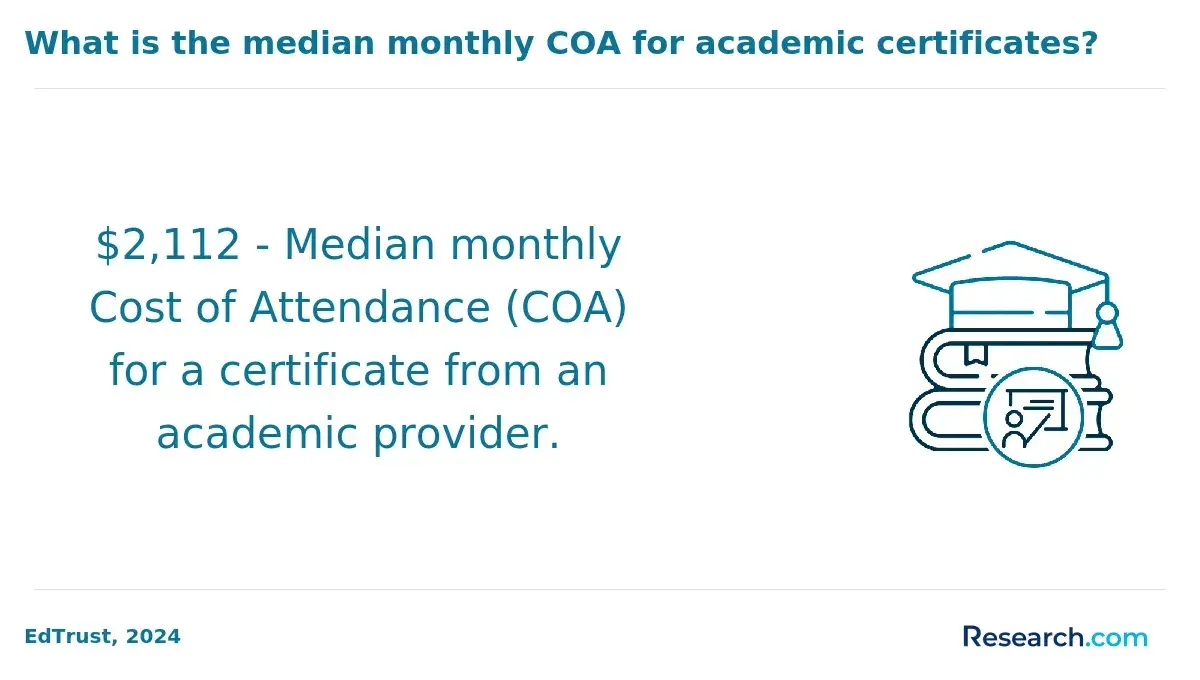
Professional certificates, available through platforms such as Coursera, Google, or industry groups, vary widely in format-self-paced or instructor-led-and usually require less than three months to complete. Costing between $300 and $3,000, certificates deliver high flexibility for upskilling or career shifts without the commitment demanded by longer programs. The average time to complete technology management certificate programs aligns well with professionals balancing work and study.
While cost and duration are critical, they don't tell the full story. Factors like employer recognition, salary outcomes, job placement rates, networking opportunities, and long-term career growth heavily influence which pathway leads to better technology management career outcomes. Students can also compare options like BCBA master's programs online for specialized fields within management education, evaluating returns on investment across different learning formats.
What Career Outcomes Can Technology Management Degree Graduates Expect Compared to Bootcamp and Certificate Completers?
Graduates of technology management degree programs generally secure higher employment rates and starting salaries than those completing bootcamps or certificate programs, according to data from the Bureau of Labor Statistics (BLS), the NACE Early Career Salary Survey, and Course Report's annual bootcamp outcome reports. Within six months post-completion, degree holders often achieve employment rates exceeding 85%, while bootcamp and certificate completers typically range from 65% to 80%, influenced by the program's reputation and geographic location. This reflects employer preference for the comprehensive curriculum found in degrees-combining managerial and technical competencies.
Median salaries follow a similar pattern. Degree graduates usually command national starting salaries between $65,000 and $75,000, compared to bootcamp graduates earning around $50,000 to $60,000. Salary differences between technology management certificate holders and degree completers tend to vary widely based on certification type and industry focus. However, elite bootcamp completers from CIRR-verified programs can narrow this gap, highlighting shifting employer trends toward skills-based hiring.
Typical first job titles differ as well: degree holders often begin in management-track roles such as project coordinator or junior manager, while bootcamp and certificate completers enter more technical or specialist positions like IT analyst or technical coordinator before advancing. It is important to note bootcamp outcome data may be subject to survivorship bias or selective reporting, so candidates should seek independent verification or CIRR membership status when evaluating claims.
For those seeking flexible and affordable options, exploring an online bachelor degree can offer a valuable path in technology management, balancing cost, accessibility, and outcomes effectively.
Which Technology Management Pathway - Degree, Bootcamp, or Certificate - Offers the Highest Starting Salary for Graduates?
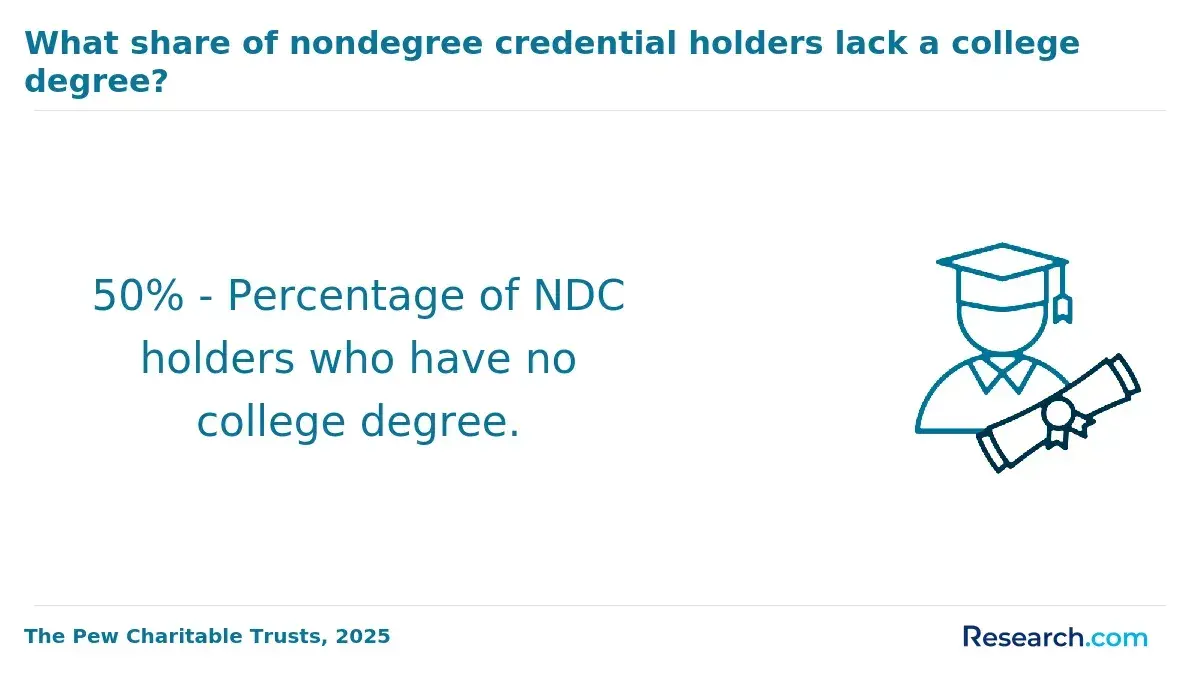
Entry-level salaries in technology management vary notably by educational background, as seen in data from BLS, NACE, LinkedIn Salary Insights, and Glassdoor. Graduates with a bachelor's degree typically earn median starting pay between $60,000 and $75,000 annually. Bootcamp completers usually begin with salaries around $50,000 to $65,000, while certificate holders often start near $45,000 to $60,000.
- Employer Type: Large corporations tend to favor degree holders, offering higher initial pay reflecting formal credential preferences. Conversely, startups-especially those in tech hubs-often prioritize skills and relevant experience over credentials, sometimes equalizing salaries between bootcamp and degree graduates.
- Industry Sector: Finance, healthcare, and government sectors generally prefer degree-holding candidates for superior starting salaries. In contrast, software development startups and digital marketing agencies often reward demonstrated competency over formal education, providing competitive pay to bootcamp or certificate graduates.
- Job Role Specificity: Positions with specialized titles like IT project manager usually require degrees for top-tier pay, whereas roles such as junior analyst or associate technical manager tend to have less stringent credential demands, reducing pay disparities.
- Geographic Factors: Metropolitan areas with high living costs-San Francisco, New York, Seattle-boost all salaries but sustain degree holders' advantage due to more structured corporate hiring.
- Salary Trajectory: Although bootcamp and certificate graduates can start with comparable salaries, degree holders often progress faster into higher-paying roles due to degree requirements in promotions and specialized career tracks within technology management.
- Individual Variability: Median figures mask broad differences shaped by prior experience, program quality, network access, and geographic flexibility, meaning some candidates outperform averages regardless of credentials.
A professional who finished a technology management degree shared how the process was both demanding and transformative-balancing coursework with internships and networking stretched his limits but built a solid foundation. He noted, "The degree opened doors, especially in enterprises that valued formal education. But it wasn't just the credential-it was what I learned and how I applied it on projects that truly made the difference." This experience highlights that while credentials matter, practical skills and relationships often carry equal weight in early career success.
Employers weigh technology management employer credential preferences differently across sectors-large corporations, government, and regulated industries such as healthcare and finance generally uphold a preference for bachelor's or master's degrees. These credentials are often seen as evidence of credible foundational knowledge, particularly valuable for higher-level positions.
Conversely, startups, consulting firms, and some software service companies increasingly accept candidates with bootcamp or certificate backgrounds. In these settings, practical skills, portfolios, and project experience frequently carry similar weight to degrees, especially for entry-level roles.
New skills-based hiring initiatives by major tech firms and governmental bodies aim to lower degree requirements. However, data indicates a gap remains between policy and practice-with non-degree holders getting more interviews but still encountering barriers moving into senior roles.
Credential signaling varies by sector-compliance and risk-sensitive industries emphasize formal education and leadership training, while innovation-driven environments prioritize technical agility and current competencies, allowing bootcamp and certificate completers to compete effectively.
Career decisions should consider targeted employer types and roles. Those pursuing regulated or large enterprise roles might find greater advantage in degree programs. Alternatively, candidates targeting dynamic startups could benefit from accelerated bootcamps combined with strong portfolios. For those exploring options, resources like the cheap online accounting degree programs offer examples of affordable pathways to build foundational knowledge alongside practical skills.
Accredited technology management degree programs typically demand a minimum GPA, usually between 2.5 and 3.0 on a 4.0 scale, demonstrating consistent academic performance. Bootcamps and certificate programs generally do not impose GPA standards, focusing instead on open access. Other requirements might include:
- Prerequisite Coursework: Degree applicants often need prior classes in subjects like mathematics, business basics, or information technology. Bootcamps and certificates commonly have no formal prerequisites, enabling quick entry.
- Standardized Tests: Many degree programs require SAT or ACT scores for undergraduates and GRE scores for graduate admissions, though test-optional policies are increasingly adopted. Bootcamps and certificate programs rarely ask for standardized test results.
- Application Materials: Letters of recommendation and personal statements are standard for degrees, offering deeper insight into motivation and potential. Bootcamps typically streamline or omit these components to speed enrollment.
- Timeline and Selectivity: Degree program application deadlines are fixed well before the start of the term, reinforcing a selective admissions process viewed by many employers as a quality filter. Bootcamps and certificates operate on rolling admissions with minimal barriers, emphasizing measurable outcomes, instructor credentials, curriculum thoroughness, and accreditation instead of selectivity.
Lower admission hurdles in bootcamps and certificates expand opportunities for career changers, working professionals, and underrepresented groups who confront obstacles like cost, location, family responsibilities, or income interruption in traditional degree paths.
Evaluating one's academic record and life situation is crucial for selecting a pathway-what signals rigor for some might represent a structural challenge for others, shaping both accessibility and perceived program value.
One professional who built her career after completing a technology management degree recalled the daunting process of gathering recommendation letters and balancing intense prerequisite courses. She reflected, "Meeting strict GPA requirements and standardized testing was stressful, but it pushed me to develop discipline I hadn't tapped before." Conversely, she appreciated how the admissions rigor gave her confidence employers recognized the degree's credibility, which helped in early job interviews and networking opportunities.
Degree programs typically span three to four years, combining broad general education with specialized technology management courses. Core subjects often include business fundamentals, IT strategy, organizational behavior, and project management. Electives allow students to explore areas such as cybersecurity or data analytics more deeply.
Many programs feature research projects or theses that cultivate analytical thinking and problem-solving skills. This diverse curriculum builds a robust foundation that supports career flexibility, though graduates may face a longer journey before entering the workforce compared to alternative routes.
Structured as short, immersive experiences, bootcamps prioritize rapid acquisition of applied skills. Curricula focus largely on project-based learning simulating real-world technology management challenges, like agile workflows, tech leadership, and digital transformation practices. While they excel at preparing learners for immediate employment, boot camps tend to limit theoretical depth and elective variety. This streamlined approach suits individuals aiming for swift career entry or skill enhancement but may sacrifice some foundational knowledge.
Certificate programs range from entry-level certifications offered by providers such as Google and Coursera to advanced professional credentials from recognized industry bodies. Entry-level certificates target foundational technical abilities or introductory management topics, helping candidates qualify for junior roles.
In contrast, advanced certificates often require prior experience and demonstrate expertise in specialized fields like IT governance or risk mitigation. Certificates emphasize targeted competencies over comprehensive understanding, making them ideal for focused career advancement but less extensive than degrees or bootcamps.
Each pathway balances theory and practice differently-degree programs provide broad, transferable knowledge; bootcamps emphasize practical, job-ready skills; and certificates concentrate on validating specific expertise. Prospective learners should consider these curricular distinctions alongside their professional objectives, experience level, and timeline when selecting the appropriate education path.
Calculating the return on investment (ROI) for technology management education requires accounting for all costs-including tuition, fees, materials, and especially opportunity cost, which is the income foregone while studying full-time. For instance, students in two- or four-year degree programs often forego $50,000 or more annually by leaving the workforce during enrollment. This hidden cost significantly impacts degree ROI compared to shorter alternatives like bootcamps and certificates, which frequently allow learners to work during study and thus reduce opportunity cost.
Consider three learner profiles:
- Recent High School Graduate: With little or no income to forgo, the opportunity cost for a degree is minimal. Although degree programs have higher upfront costs, their salary premium over five and ten years generally exceeds that of bootcamps or certificates, yielding stronger long-term ROI despite slower initial payback.
- Mid-Career Professional: A professional leaving a $50,000/year job to pursue a degree faces high opportunity costs, which often offset the degree's salary gains in the short term. Bootcamps tend to offer the fastest ROI here due to lower cost and shorter duration-enabling quicker workforce reentry and incremental salary improvements.
- Part-Time Learner: Studying while employed keeps opportunity costs low across all pathways. Thus, ROI differences narrow-certificates and bootcamps provide rapid skill gains and modest salary bumps, whereas degrees still deliver more robust long-term earning potential and greater employer credential recognition.
Ultimately, ROI calculations-based on NCES cost data, NACE salary benchmarks, and validated bootcamp outcome reports-highlight that faster payback does not always mean better fit. Employer requirements and the depth of study remain critical. Learners weighing Technology Management options should integrate this comprehensive analysis with personal goals and market realities.
Job placement rates for technology management degree programs, bootcamps, and certificate courses vary significantly-both in how they are reported and what "placement" actually means. Degree programs typically collect placement data through institutional methods such as IPEDS graduate outcome surveys and career services reports that focus on employment directly related to technology management fields. This offers a more standardized and verifiable measure of success over time.
- Bootcamp Reporting: Many technology management bootcamps present self-reported job placement rates with varying reliability. Some follow CIRR (Council on Integrity in Results Reporting) standards, providing independently audited data and greater transparency. However, bootcamps may define "placement" broadly, sometimes counting employment in tech-adjacent or even unrelated roles as successful outcomes, which can inflate figures and complicate comparisons with degree program data.
- Certificate Program Data: Certificates often use less formal reporting, relying on internal surveys or anecdotal career service feedback. Since certificate programs frequently cater to part-time learners balancing work and study, their placement rates and timing may differ significantly from traditional degree students, complicating direct comparisons.
- Definition of Placement: The meaning of "placement" varies widely across pathways. Degrees focus on jobs related specifically to technology management, whereas bootcamps may include broader tech-sector employment. Prospective students should ask about which roles count toward placement and what timeframe post-completion is considered.
- Career Services Impact: Effective career services-including employer partnerships, resume workshops, interview coaching, and alumni networks-play a vital role in improving placement rates across all pathways. Evaluating these support systems is crucial when assessing program quality.
- Benchmarking and Transparency: Students should request detailed placement breakdowns by job role, salary range, and time to placement rather than accepting aggregate percentages. This approach aids in benchmarking real-world outcomes and making informed decisions about the return on investment for each pathway.
For those weighing options like certificate programs versus degree job placement outcomes or seeking practical supplemental education through a technology management bootcamp job placement rates comparison is essential. Additionally, adult learners exploring part-time paths can benefit from resources such as online real estate classes to broaden credentials alongside their technology management education.
Networking benefits in technology management degree programs often stem from rich infrastructures that include well-established alumni associations, career fairs, faculty mentorship, Greek life, and professional organizations. These networks are further strengthened by long-standing employer relationships cultivated over decades, providing graduates significant advantages in referrals and senior-level opportunities. The prestige and geographic reach of a degree-granting institution directly enhance the influence and accessibility of its network, with top-ranked universities offering global connections that sustain leadership development and partnerships.
- Degree Programs: These offer comprehensive networking support, leveraging institutional reputation and extensive alumni access advantages for technology management bootcamp graduates, cultivating ongoing career growth across industries.
- Bootcamps: Typically much smaller and newer, bootcamps emphasize close-knit cohort models promoting peer support and active alumni communities focused on referrals and skill validation. Select programs have established partnerships with regional employers, creating pipelines into tech-adjacent technology management roles, though their networks are less expansive and long-lived than traditional degree programs.
- Certificate Programs: Credentials such as Google Career Certificates or Salesforce Trailhead connect learners with professional communities varying widely in engagement. These networks provide access to online forums and occasional mentorship but tend to be transactional and lack cohesion. Opportunities for sustained mentorship or hiring manager engagement after certificate completion often remain limited without additional networking efforts.
Across educational pathways, developing a professional network remains one of the most durable assets for career progression-often surpassing formal instruction in value for senior advancement. Learners may also explore specialized paths such as an online mechanical engineering degree to complement management knowledge, balancing network access and technical skills for broader career prospects.
Geographic factors strongly influence which educational path-degree, bootcamp, or certificate-best supports career success in technology management. Large metropolitan hubs like San Francisco, New York, and Seattle tend to offer superior job placement for bootcamp and certificate graduates due to their dense employer networks that highly value skill-focused, rapid training.
- Bootcamp Concentration: Many bootcamps are based in major cities where employer connections align closely with curriculum, boosting placement rates for graduates who stay local. Moving away from these tech-centric areas often reduces opportunities, as smaller or less tech-savvy markets generally prefer degree holders with recognized academic credentials.
- Employer Density: Degree programs typically have more consistent recognition across regions since traditional employers often prioritize their legitimacy. Smaller or regional labor markets usually favor degrees over boot camps or certificates, which may lack visibility outside metropolitan centers.
- Remote Work Impact: The rise of remote employment helps level geographic disparities by letting candidates compete for high-salary metro-based roles regardless of location. Still, this broadens competition nationally, potentially diminishing local advantages for bootcamp and certificate recipients from smaller markets.
Research Advice:
- Assess Local Employer Density: Identify how many technology management positions exist nearby and which credentials employers prefer.
- Evaluate Remote Opportunities: Explore the availability of remote roles and how they align with your credential pathway.
- Check Credential Recognition: Understand which certifications or degrees local employers value most in your target region.
According to 2023 data from Course Report, bootcamp employment rates in top metro areas exceed 80%, while rates frequently fall below 60% in less concentrated markets-underscoring the importance of geography in pathway outcomes.
Employer preferences for credentials in technology management vary significantly across organizational types and sizes. Large enterprises and government bodies often maintain bachelor's degrees or higher as essential filters-leveraging degree requirements to streamline vast applicant pools and ensure baseline knowledge.
- Enterprise and Government: These employers tend to prioritize formal education credentials, viewing degrees as indicators of comprehensive training and candidate reliability.
- Startups and Skills-First Employers: Smaller companies and agencies emphasize practical skills and demonstrable achievements, such as strong portfolios, coding challenges, and completion of bootcamps or certificate programs, over traditional degrees.
- Post-2020 Hiring Trends: Following public announcements by major firms relaxing degree mandates, a gradual shift toward acceptance of non-degree credentials has emerged. However, degree holders continue to comprise the majority of hires in large organizations, while certificates and bootcamp graduates increase their presence mostly in entry- and mid-level roles.
- Research and Networking: Published policies may not fully capture actual hiring practices. Candidates benefit from direct conversations with hiring managers and by reviewing LinkedIn profiles of recent hires to gain clearer insights into preferred qualifications.
- Credential Analysis: LinkedIn data shows varying educational backgrounds among technology management professionals-signaling the importance of tailoring applications to employer expectations and the specific career stage.
This evidence-based overview underscores that each educational pathway-degree programs, bootcamps, and certifications-holds distinct advantages, with value shaped by employer context, job level, and individual career goals.
What Graduates Say About Which Path Leads to Better Career Outcomes: Technology Management Degree, Bootcamp, or Certificate
- Ramon: "Choosing the technology management degree was a game changer for me-while bootcamps often promise quick entry into the workforce, the degree's long-term career growth potential and higher average salary outcomes convinced me. Employers consistently prefer the depth of knowledge and formal credential the degree offers, which has opened doors to leadership roles. If you're ready for a serious commitment and want a strong professional network, this path delivers exceptional return on investment."
- Marcos: "After completing a bootcamp, I realized its strength lies in rapid skill acquisition and excellent job placement rates-you can quickly pivot into tech roles without years of study. However, I've noticed that certificates sometimes fall short when competing against candidates with formal degrees, despite their affordability and faster pathway. For self-motivated learners who need immediate results, bootcamps offer the best fit, but be mindful of how each credential is valued by employers in the long run."
- Silas: "Reflecting on my certificate journey in technology management, I appreciate the balance it struck between affordability and access to industry-relevant skills. While it doesn't carry the same weight in employer credential preferences as a degree, the certificate provided excellent networking opportunities and a stepping stone towards further education. It's ideal for professionals balancing work with study-offering good return on investment if you're strategic about your career goals and aware of each path's limitations."
Other Things You Should Know About Technology Management Degrees
Degree holders in technology management generally experience more sustained long-term career growth compared to bootcamp or certificate completers. This is because degree programs cover a broader range of foundational concepts and leadership skills that align with higher-level management and strategic roles. Bootcamps and certificates often focus on specific technical skills, which can accelerate entry-level job placement but may offer limited advancement without further education.
Recent high school graduates typically benefit more from pursuing a degree in technology management that offers a structured, comprehensive curriculum and recognized credentialing. Career changers, especially those with some relevant experience, may find bootcamps or certificates more efficient for acquiring targeted skills quickly and transitioning into new roles without the longer time commitment a degree requires. The choice depends on prior experience and how quickly the individual needs to enter the workforce.
Yes, if the certificate is an official graduate or postbaccalaureate credential from a regionally accredited college. Many universities require at least 12 graduate credit hours for admission review, and some master’s programs also expect prerequisite coursework in management, information systems, or business.
Technology management degrees come with regional or national accreditation-which is widely recognized and respected by employers. Bootcamps and certificates may be accredited by industry organizations but lack the formal academic accreditation that universities have. This difference affects perceived legitimacy and can influence employer hiring decisions, especially for roles requiring formal qualifications or regulatory compliance.
- College vs. Bootcamp: Which Learning Model to Choose - tripleten.com/blog https://tripleten.com/blog/posts/college-vs-bootcamp-which-learning-model-to-choose
- Certification vs Degree: Which Holds More Weight in Tech? - ONLC https://www.onlc.com/blog/certification-vs-degree-in-tech/
- College Degree vs. Bootcamp ROI https://oboe.com/learn/college-degree-vs-bootcamp-roi-cs5335/certification-pathways-college-degree-vs-bootcamp-roi-3
- Cybersecurity Bootcamp vs Degree: Complete Comparison 2026 https://unihackers.com/compare/bootcamp-vs-degree
- University Degree vs AI Bootcamp: Which is Best Career Path? https://agilefever.com/university-degree-vs-ai-bootcamp-which-is-best/
- How I Reviewed Resumes as a Tech Hiring Manager | Break into Tech https://www.breakinto.tech/blog/2016/6/2/how-i-reviewed-resumes-as-a-tech-hiring-manager
- Coding Bootcamp vs Degree: Which Path Fits Your Tech Goals? https://sdgku.edu/blog/coding-bootcamp-vs-degree-which-is-right-for-you/
- High-Paying Certificate Programs in the US https://www.ism.ws/certifications/certificate-programs-that-pay-well/
- Advantages of Getting IT Certification Training Through a College vs. Bootcamp https://woz-u.com/blog/advantages-it-certification-training-college-bootcamp/
- Diplomas, IT Certifications, or Boot Camps: Which is For You? https://lumifylearn.com/blog/diploma-it-certification-or-boot-camp-which-is-for-you/