2027 Which Schools Offer Flexible Start-Anytime Enrollment for an International Relations Degree Master's Program?

Co-Founder and Chief Data Scientist
Working professionals and active-duty military personnel often face scheduling conflicts that prevent enrollment in traditional International Relations degree master's programs. Nearly 45% of graduate students pursuing International Relations indicate that rigid academic calendars impede their progress. This inflexibility can delay career advancement or disrupt personal commitments.
As demand for adaptable learning grows, institutions have introduced flexible start-anytime enrollment options that align with nontraditional schedules. This article examines which schools offer such accommodating International Relations master's programs and provides guidance to help prospective students identify flexible pathways tailored to their unique timing needs.
Key Benefits of Flexible Start-Anytime Enrollment for a International Relations Degree Master's Program
- Flexible start-anytime enrollment allows students to begin their international relations master's program without waiting for traditional semester dates, enhancing scheduling flexibility and convenience.
- Such programs often offer accelerated tracks, enabling completion in as little as 12 to 18 months, supporting varied pacing preferences.
- This enrollment model supports better work-study balance, with asynchronous coursework enabling professionals to manage job commitments alongside academic progress.
What Does Start-Anytime Enrollment Mean for a International Relations Master's Degree?
Start-anytime enrollment for an international relations master's degree allows students to begin their graduate studies at multiple points throughout the year, offering a flexible alternative to traditional programs with fixed semester start dates or cohort groups. This structure eliminates the need to wait for a designated term, making it easier to fit education into varying personal and professional schedules.
Unlike cohort-based programs, where students progress together through a set curriculum, start-anytime enrollment supports a more individualized pacing and course selection. Such flexibility is especially valuable for those seeking to balance advanced education with other commitments.
This approach directly impacts the student experience by enabling learners to control how and when they engage with their studies, often through asynchronous coursework and modular class formats. Interaction with instructors and peers tends to be more personalized, occurring via online forums or scheduled virtual meetings rather than fixed class times.
Students pursuing start-anytime enrollment in international relations master's programs benefit from greater autonomy over course access and sequencing, which reduces pressure from cohort deadlines and supports diverse learning preferences. For those interested in exploring similarly flexible graduate programs, options like a master's in speech pathology online also offer adaptable enrollment choices.
What Schools Offer Start-Anytime International Relations Master's Programs?
Start-anytime enrollment is more commonly offered by specific categories of institutions that prioritize flexibility for nontraditional students and working adults. Recent data indicate that about 40% of online graduate programs nationwide incorporate rolling admission or flexible enrollment models.
Below is an overview of the main types of universities offering flexible enrollment options for students pursuing international relations graduate degrees:
- Public Universities: These institutions often provide multiple start dates annually, usually connected to traditional academic terms but with additional enrollment periods. Their flexible enrollment options tend to focus on online or hybrid formats to fit diverse student schedules.
- Private Nonprofit Institutions: Similar to public universities, many private nonprofits offer several start dates throughout the year. These schools typically emphasize accommodating working professionals through online or hybrid international relations master's programs.
- For-Profit Universities: They frequently market aggressive rolling start options with shorter terms and accelerated pacing, allowing students to complete international relations graduate degrees more quickly.
- Competency-Based Institutions: Leading in start-anytime enrollment, these schools let students begin courses whenever they are ready and progress at their own pace based on demonstrated competencies, making them highly flexible for adult learners.
Institutions offering flexible enrollment in international relations graduate degrees cater to students seeking adaptable schedules. For professionals worried about balancing work and study, these start-anytime programs provide important options. Those interested in flexible graduate education might also explore cheap PhD programs online as a path to further academic advancement.
Are Start-Anytime International Relations Master's Programs Available in Both Online and On Campus Formats?
Start-anytime international relations master's programs are available in both online and on-campus formats, with offerings largely shaped by each institution's structure and program design. Around 40% of flexible enrollment graduate programs, including those in international relations, are fully online, providing easier access for professionals balancing work and study.
Program formats vary, encompassing several distinct categories:
- Fully Online Programs: These allow multiple start dates throughout the year, enabling students to enroll without waiting for a traditional semester cycle, which suits those needing maximum scheduling flexibility.
- Hybrid Formats: Combining online coursework with periodic campus sessions, hybrids offer flexibility while still providing in-person interactions, often with rolling admissions to support varied start times.
- Evening or Weekend Campus Options: Designed for nontraditional students, these schedules accommodate work commitments and may offer several start dates or rolling admits to reduce delays in enrollment.
- Competency-Based Models: Centered on skill mastery rather than time spent, these programs often allow students to start anytime and progress at their own pace, favoring personalized learning paths over fixed schedules.
When I asked a graduate of an online international relations master's program with flexible start-anytime enrollment about his experience, he shared challenges related to juggling work, study, and personal responsibilities. "Being able to start when I was ready, not tied to semester dates, really helped me manage my time," he explained.
However, he noted the importance of staying disciplined, saying, "The freedom meant I had to be my own motivator, which was tough but rewarding." This flexibility made it possible for him to complete the degree without pausing his career, a balance he described as "crucial" to his success.
Admission standards for start-anytime international relations master's programs largely mirror those of traditional graduate programs, with the key difference being more flexible application and enrollment schedules. This adaptability allows candidates to apply and begin their studies throughout the year without adhering to fixed semester periods.
The main requirements typically include the following components:
- Minimum GPA Standards: Applicants are generally expected to have completed a bachelor's degree with a competitive GPA, commonly around 3.0 on a 4.0 scale. This requirement ensures academic readiness while accommodating slight variations depending on the institution.
- Professional Experience: Relevant work or research experience is often valued, particularly for those seeking flexible enrollment. Programs may prioritize candidates with experience in international or policy-related fields to complement academic qualifications.
- Letters of Recommendation: Flexible programs usually request two to three letters from academic or professional references. These letters assess the candidate's analytical, leadership, and interpersonal skills, which are crucial for graduate-level success.
- Standardized Test Policies: Many start-anytime international relations master's programs waive GRE or GMAT requirements or classify them as optional. This reflects an emphasis on holistic application reviews that consider diverse applicant backgrounds.
Applicants exploring start anytime international relations master's program admission criteria should also review prerequisite coursework and professional experience expectations. For those balancing education with work, flexible formats provide rigorous academic and professional benchmarks without traditional timing constraints. Those interested in affordable options might also consider programs recommended in lists such as the cheapest engineering degree online.
Start-anytime academic calendars provide a flexible framework for pursuing a master's degree in international relations, contrasting with traditional models that rely on fixed semester or cohort start dates. These programs often offer between six and twelve enrollment opportunities throughout the year, making it easier for working professionals and nontraditional students to begin their studies at their convenience.
Below are the key features defining these flexible schedules:
- Rolling Start Dates: Students are allowed to enroll at multiple points during the year, eliminating the wait for traditional term beginnings and enabling quicker program entry.
- Modular Courses: Curriculum is broken down into shorter segments, typically lasting four to eight weeks, which helps learners manage coursework in focused, digestible units.
- Asynchronous Scheduling: Coursework and activities do not demand simultaneous participation, accommodating students across different time zones and varied work commitments.
- Individualized Progression: Learners can customize their course order and pace based on personal goals and schedules, creating a tailored academic journey that fits their lifestyle.
This approach allows students to start studies promptly once ready and maintain steady momentum without the constraints of rigid academic calendars or cohort deadlines, making advanced degrees in international relations accessible to those balancing professional and personal responsibilities.
There is a common assumption that start-anytime international relations master's programs might carry higher costs compared to traditional cohort-based formats. However, tuition generally falls within a similar range for both, with online international relations master's degrees averaging between $15,000 and $35,000 in total tuition.
Below are key financial aspects to consider when comparing these program types:
- Tuition Structure: Start-anytime programs often bill per credit hour, allowing students to pay only for courses taken each term. Traditional programs usually employ flat semester fees, which can vary in cost efficiency depending on course load.
- Additional Fees: Flexible programs may include charges for technology use, access to digital resources, or online platforms. Many schools either embed these costs in tuition or offer waivers to reduce the burden.
- Technology or Platform Costs: Costs associated with virtual classrooms, digital libraries, and interactive tools can add to expenses but are frequently bundled or subsidized so as not to significantly increase overall costs.
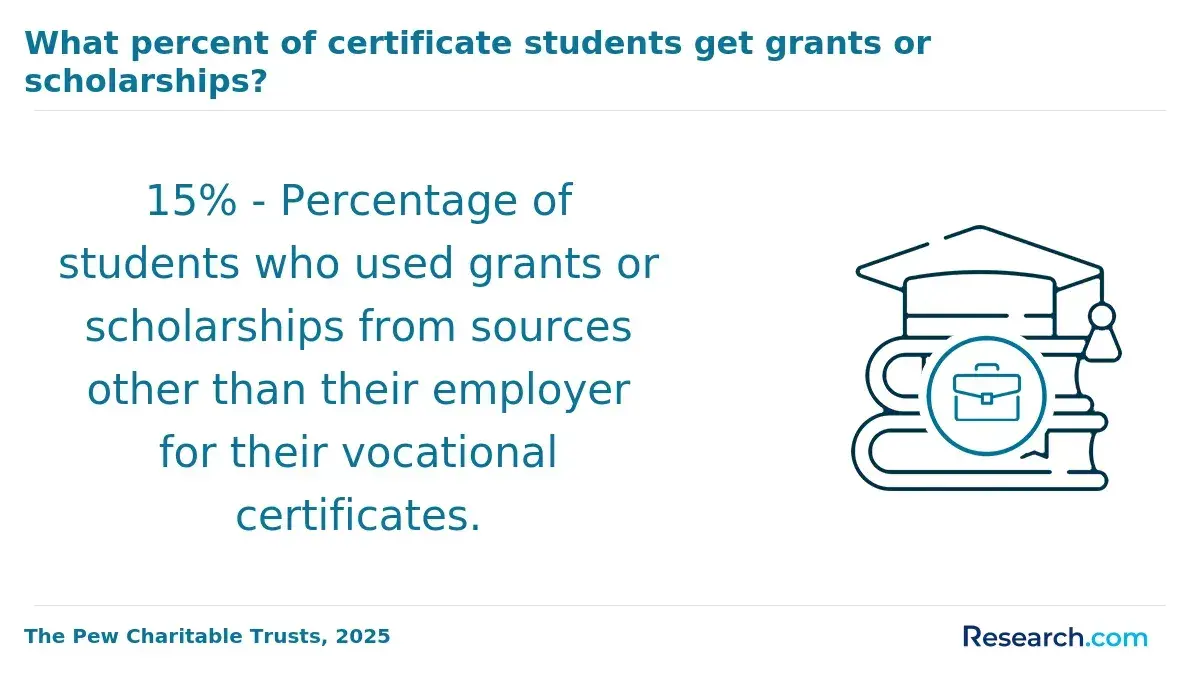
- Financial Aid Availability: Both flexible and traditional programs typically provide access to federal aid, scholarships, and employer tuition assistance, helping to mitigate financial challenges.
When I spoke with a professional who recently completed a start-anytime international relations master's degree, she described her experience as both challenging and rewarding. Managing coursework on a self-paced schedule initially felt daunting, especially balancing job commitments alongside studies.
Yet, she appreciated the control over timing, which helped avoid debt accumulation since she only paid for courses she was ready to tackle. "It was reassuring to know I wasn't locked into rigid semester fees, which gave me financial flexibility," she reflected. Ultimately, she felt the investment matched the value and convenience the program offered without feeling financially overextended.
Start-anytime international relations master's programs offer significant flexibility, allowing students to begin their studies at various times throughout the year. This adaptability can impact the total time needed to complete the degree, which on average ranges from 18 to 36 months for flexible or online programs.
Several important factors influence how long it typically takes to finish. Below are key considerations:
- Pacing Flexibility: Students who select self-paced modules can adjust their speed, either accelerating or extending their studies to fit personal and professional demands.
- Course Load Options: Taking more courses per semester shortens completion time but increases workload, while a lighter load lengthens the process.
- Accelerated Modules: Some programs condense core subjects into shorter time frames, enabling quicker graduation but requiring greater focus during these periods.
- Part-Time vs. Full-Time Enrollment: Full-time students often finish within about two years, whereas part-time students typically take closer to three years due to balancing work and study.
Choosing a start-anytime international relations program means carefully weighing flexibility with the ability to maintain consistent progress. Prospective students should assess their schedules and goals to select pathways that align with their lifestyles and desired pace of completion.
Career services play an essential role in graduate education, supporting students beyond academic coursework. Flexible, start-anytime international relations master's programs often ensure access to these resources, adjusting delivery methods to fit nontraditional schedules.
Key career services available to such students include:
- Career Counseling: Start-anytime students typically receive personalized career guidance through virtual appointments, helping with resume development, interview preparation, and strategic career planning tailored to flexible enrollment needs.
- Job Placement Assistance: Access to exclusive job boards, employer partnerships, and virtual career fairs specific to international relations fields enables flexible enrollment students to pursue relevant opportunities regardless of their start date.
- Networking Opportunities: Online platforms, discussion groups, and scheduled live events facilitate connections with peers, faculty, and industry professionals, fostering a community for start-anytime learners.
- Alumni Connections: Mentorship programs and alumni directories are available for start-anytime international relations master's students to build professional relationships and gain insights into diverse career paths.
These continuous career services help optimize professional development alongside academic progress, a vital factor for those balancing studies with other commitments. Students seeking flexible options may also consider related programs, such as the easiest online MSW program, for comparison in accessibility and support.
Overall, access to job placement resources for flexible enrollment international relations programs is maintained to ensure that students can pursue career advancement efficiently, irrespective of when they begin their studies.
Employers' perceptions of start-anytime international relations master's degrees have shifted positively, with flexible-start graduate programs gaining comparable credibility to traditional cohort-based degrees. A 2023 survey by the Graduate Management Admission Council (GMAC) found that 72% of employers regard online or nontraditional graduate programs as equally credible, assuming quality standards are maintained.
Key factors driving this respect are detailed below:
- Accreditation: Employers emphasize the importance of degrees from accredited institutions, which guarantees consistent program quality regardless of the enrollment format. Accreditation reassures employers that the flexible-start master's program meets established academic standards.
- Program Rigor: Challenging curricula with measurable outcomes strengthen the perceived value of flexible enrollment international relations master's programs by demonstrating competency and readiness for professional roles.
- Professional Experience: Graduates who integrate flexible studies with relevant international relations work experience tend to receive higher evaluations from employers, reflecting the practical benefits of combining education and career development.
- Skill Demonstration: Employers look for concrete proof of skills acquired through internships, capstone projects, or research opportunities that flexible programs must effectively provide to maintain credibility.
The increasing recognition of asynchronous and rolling admissions shows that flexibility does not undermine academic quality or graduate preparedness. Start-anytime international relations master's candidates who clearly showcase professional growth and robust credentials find respect across public, private, and nonprofit sectors. Professionals exploring advanced degrees may also consider an online school for game design as an option for flexible learning paths.
Flexible enrollment graduate programs, especially those with rolling or start-anytime options, offer greater convenience than traditional cohort models by enabling students to begin when it suits them best. This approach significantly benefits those balancing multiple responsibilities, with research showing that about 60% of participants in online or rolling-start programs are working professionals or nontraditional students.
The following groups find unique advantages in this adaptable format:
- Working Professionals: Maintain full-time employment while progressing academically without waiting for fixed session dates, allowing continuous career growth alongside studies.
- Career Changers: Transition smoothly into new fields by selecting enrollment times that fit with personal and professional shifts, easing the changeover process.
- Adult Learners With Family Responsibilities: Manage childcare and household duties flexibly, fitting coursework around family commitments without sacrificing progress.
- Students Seeking Accelerated Completion: Customize their course load and pacing to either fast-track completion or extend learning periods based on individual capacity and goals.
What Graduates Say About Flexible Start-Anytime Enrollment for a International Relations Degree Master's Program
- Emily: "Completing the start-anytime international relations master's program was a game-changer for me. The flexibility allowed me to balance my full-time job and studies easily, and the affordability meant I didn't have to take on massive debt. Since graduating, I've been promoted to a strategic role that directly benefits from the skills I gained. "
- Josie: "I appreciated how the flexible start-anytime format respected my unpredictable schedule while still providing rigorous academic content. The cost was reasonable compared to other programs I researched, making it accessible without compromising quality. This master's degree has been instrumental in broadening my global perspective and opening new career paths in diplomacy. "
- Rebecca: " The ability to start the international relations master's program any time was crucial, given my professional commitments. Financially, it was a smart investment, offering quality education without excessive fees. Professionally, the degree elevated my profile, leading to consultancy opportunities with international organizations."
Other Things You Should Know About International Relations Degrees
Many do, but the requirement is program-specific. Some schools ask for a thesis, while others use a capstone, policy memo, or applied research project instead. In 2027, confirm the required credit total, usually 30 to 36 semester credits, before enrolling.
Scholarships and financial aid are often available to students enrolled in start-anyime International Relations master's programs. However, eligibility criteria and availability can differ by school and program type. Prospective students should contact financial aid offices directly to learn about awards intended for online or flexible-enrollment learners.
In 2027, several universities offer flexible start-anytime enrollment options for an International Relations master's program. Schools like the University of Edinburgh, Liberty University, and Walden University have adopted these flexible enrollment structures to accommodate different student needs and schedules.
- International Relations (double degrees) https://www.lazarski.pl/en/offer/admission/higher-education/international-relations-dual-degree-masters-degree
- Master of International Relations https://www.uwa.edu.au/study/courses/master-of-international-relations
- Master of Arts in International Relations https://www.ceu.edu/academics/degrees/ma-international-relations-2-years
- Understanding the Start Times for Master's Programs - Oreate AI Blog https://www.oreateai.com/blog/understanding-the-start-times-for-masters-programs/1328a0c537fab2ec34308cc3603f0fbb
- International Relations (MA) https://warwick.ac.uk/study/postgraduate/courses/ma-international-relations/
- International enrollment is under pressure. How can colleges respond? https://www.highereddive.com/news/international-enrollment-under-pressure-what-colleges-can-do/812258/
- Master Of Arts in International Relations and Diplomacy https://unitar.org/courses-learning-events/individual-learners/master-degree-related-qualifications/master-arts-international-relations-and-diplomacy
- International Relations Master's Degree https://salve.edu/academics/find-your-program/international-relations-masters-degree
- Should you pursue an MA degree in International Relations? — EA Forum https://forum.effectivealtruism.org/posts/ZevseWfzdkXgy7hW3/should-you-pursue-an-ma-degree-in-international-relations
- Master's Programmes https://event.unitar.org/about/masters-programmes