2027 Which Schools Offer Flexible Start-Anytime Enrollment for a Creative Writing Program?

Co-Founder and Chief Data Scientist
Many aspiring creative writing students struggle to find programs that accommodate their busy lives, particularly working adults and career changers. Research indicates that over 40% of adult learners seek flexible enrollment options to balance education with professional and personal commitments. This demand highlights a significant gap in traditional academic schedules that start only at fixed times.
This article explores the benefits of flexible start-anytime enrollment in creative writing programs, detailing how such options support diverse student needs. Readers will gain insight into how flexible scheduling can make pursuing creative writing more accessible and manageable, enabling them to advance their education without disrupting their daily responsibilities.
Key Benefits of Flexible Start-Anytime Enrollment for a Creative Writing Program
- Flexible start-anytime enrollment allows students to begin creative writing programs monthly or quarterly, avoiding traditional semester deadlines.
- This model supports working adults and career changers by offering asynchronous coursework adaptable to varied schedules.
- Online creative writing program enrollment has grown over 25% in recent years, reflecting demand for flexible learning options.
What Does "Start Anytime" Mean in a Creative Writing Program?
"Start anytime" enrollment in creative writing programs allows students to begin their studies at various points throughout the year, moving away from traditional academic calendars with fixed start dates like fall or spring semesters. This flexible start enrollment in creative writing programs means learners can register and access course materials immediately upon enrollment, enabling progress at their own pace.
Typically, course pacing is self-directed or structured to accommodate individual scheduling needs, differing from standard programs where all students follow the same timeline. Access to assignments and learning resources is continuous and adjusts to student progress rather than predetermined deadlines.
This approach to enrollment affects student progression by offering greater control over the speed and timing of course completion, which benefits working adults, career changers, and other adult learners balancing education with life commitments. Academic advising often adapts accordingly, providing personalized support that matches diverse start dates and pacing preferences.
Trends indicate growing demand for such flexibility, as shown by nearly 35% of adult learners prioritizing schedule adaptability in their program selection. For those exploring options in fields like creative writing, especially in freelance or gig economy careers, understanding how start anytime enrollment works in creative writing is essential. For further guidance on flexible degree options, consider exploring the MSW degree pathway as an example of programs designed with accommodation and accessibility in mind.
What Are the Admission Requirements for Start-Anytime Creative Writing Programs?
For prospective students seeking start anytime enrollment requirements for creative writing programs, it is essential to understand typical admission criteria. This knowledge helps working adults and career changers evaluate their eligibility and prepare necessary documents ahead of time.
- Prior education: Most programs require proof of prior education, such as a high school diploma or equivalent. Some flexible start creative writing courses may require a bachelor's degree, especially at advanced levels.
- GPA requirements: Admission often includes minimum GPA criteria, usually ranging from 2.5 to 3.0, depending on the program's rigor and level.
- Standardized tests: SAT or ACT scores are rarely required for flexible start creative writing courses, particularly in grad programs, reducing barriers for adult learners.
- Writing samples: Submission of writing samples or portfolios is common to demonstrate creative ability and writing proficiency essential for admission.
- Professional experience and personal statements: Many programs request relevant work experience or personal statements that explain motivation and career goals, supporting a holistic review process.
According to data, flexible scheduling and start dates have increased in online humanities programs by about 20% since 2018, reflecting growing demand among adult learners. Those balancing education with other responsibilities also often explore affordable options, such as the cheapest business administration degree online paths, to complement their creative writing studies.

Can Transfer Students Enroll Immediately in Start-Anytime Creative Writing Programs?
Transfer students aiming to enroll quickly in start-anytime creative writing programs need to understand the complexities of credit transfers and institutional policies. Flexibility in enrollment does not always guarantee immediate start dates due to necessary administrative steps.
- Credit Evaluation: Previously earned credits must be assessed for relevance and compatibility with the creative writing curriculum. This review often determines eligibility and placement, which can affect how soon a student can begin coursework.
- Prerequisite Alignment: Transfer students may need to complete required foundational courses before advancing. Ensuring earlier coursework matches program prerequisites is essential to avoid delays.
- Application Timing: Schools usually request applications and official transcripts well in advance, allowing adequate time for thorough evaluation. Even with flexible start dates, processing can take two to four weeks, impacting immediate enrollment.
- Enrollment Policies: Eligibility depends on each institution's approach to transfer students and flexible schedules. Variability in processing times stems from differing administrative procedures and resource availability.
When asked about her experience enrolling as a transfer student in a start-anytime creative writing program, a graduate shared that although the program advertised immediate starts, her credit evaluation took nearly a month. She explained, "I had to submit my transcripts early, and while they were thorough, I couldn't begin classes right away." Despite initial frustration, she appreciated the personalized communication throughout the process, noting it helped her plan effectively around work and family commitments. "It wasn't instantaneous, but the flexibility still made it possible to start sooner than traditional semesters," she reflected.
Flexible enrollment options have become essential for creative writing students juggling work, family, and other commitments. Access to start-anytime programs varies depending on whether courses are online or on campus, influencing how and when students can begin their studies.
- Availability of Formats: Most start-anytime creative writing programs are found online, where institutions offer rolling admissions or several start dates yearly. On-campus programs generally follow traditional semester calendars, limiting flexible entry points.
- Scheduling and Pacing: Online learners often study asynchronously, allowing them to set their own pace after enrollment. In contrast, on-campus students attend scheduled classes that require fixed attendance times, restricting flexibility in starting courses.
- Resource Access: Digital platforms supporting online programs provide 24/7 access to course materials, helping students integrate learning with busy lifestyles. Campus-based students benefit from in-person mentorship and facilities but face more rigid timelines.
- Balancing Commitments: Adults balancing professional duties, family, or commuting often find online start-anytime options ideal due to their adaptability. Those seeking face-to-face interaction might explore hybrid formats or short-term workshops, which sometimes offer flexible scheduling despite fewer start-anytime choices.
For prospective students seeking flexible enrollment in creative writing, understanding how start-anytime programs organize their academic terms and modules is essential. These programs prioritize adaptability, allowing learners to balance studies with other commitments through tailored course structures.
- Term Scheduling: Academic terms are divided into short, self-contained modules typically lasting 4 to 8 weeks. This setup permits multiple start dates throughout the year, eliminating the need to wait for traditional semester beginnings.
- Modular Course Design: Each module focuses on specific writing skills or genres, such as poetry or screenwriting. This targeted approach enables students to concentrate efforts and build expertise in particular areas progressively.
- Pacing Flexibility: Students can enroll in one module at a time or simultaneously take several, adjusting their course load based on personal availability and goals. This flexibility helps accommodate varying schedules and learning speeds.
- Progress Monitoring: Evaluation often involves assignments and peer reviews, allowing learners to demonstrate mastery before advancing. Continuous enrollment options support ongoing access and momentum in the program.
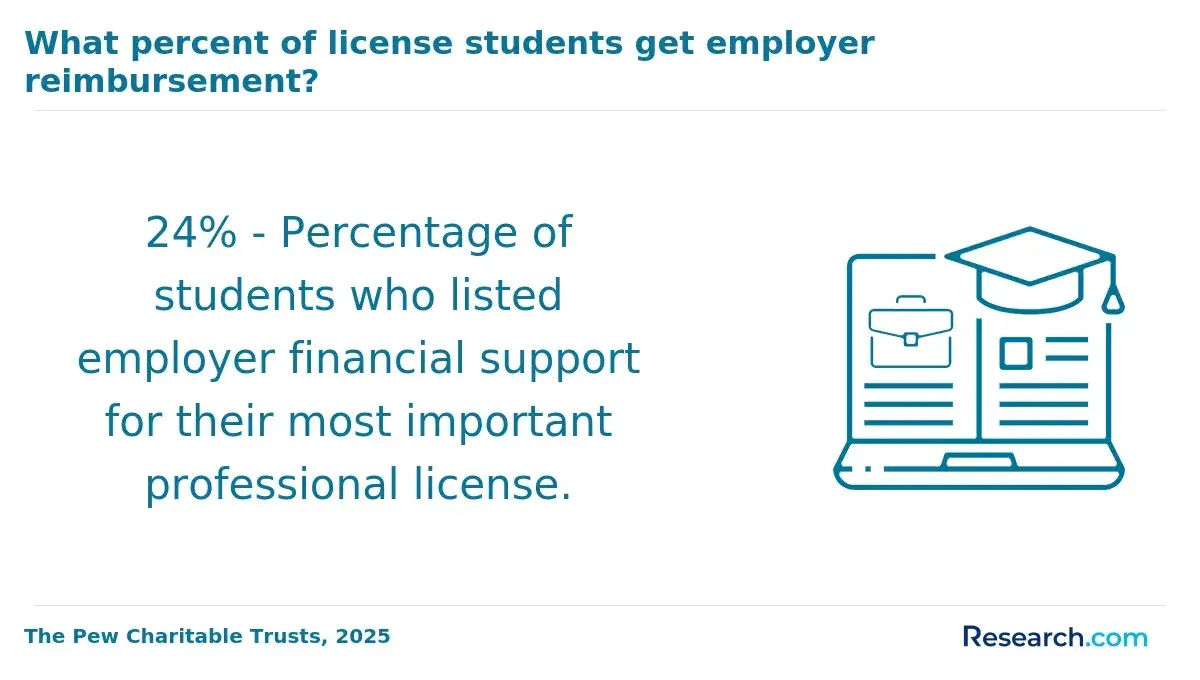
For prospective students seeking flexible enrollment options, understanding tuition payment schedules is essential to managing finances effectively in start-anytime creative writing programs. These programs cater especially to working adults, career changers, and adult learners by offering payment plans that match diverse schedules and financial situations.
- Installment Plans: Tuition is commonly divided into installments, allowing students to pay in segments rather than a full lump sum. This method supports those pursuing creative writing programs with flexible tuition schedules for creative writing courses who need budget-friendly options over time.
- Per-Term or Per-Module Billing: Most programs charge tuition based on the specific term or module in which a student enrolls. This approach ensures students pay only for the courses they take during that period, providing financial control aligned with customized pacing.
- Payment Deadlines: Deadlines are typically set a few weeks before each term starts, reflecting the flexible start dates available in these programs. Reminder systems help ensure that students beginning at different times can meet their financial obligations on schedule.
- Financial Planning and Payment Methods: Many institutions offer options like automatic deductions and electronic payments to simplify tuition management. Financial aid and employer reimbursement programs are often coordinated with modular billing to ease the payment process for adult learners.
Flexible billing structures have become increasingly relevant, as nearly 40% of adult learners prefer installment payments for flexible start date programs, according to a survey by the National Center for Education Statistics. For those also exploring related fields, such as online psychology programs, similar flexible payment options are common, demonstrating a wider trend toward accommodating diverse adult education needs.
Learn more about affordability and structure by exploring resources like online psychology programs, which often share comparable tuition flexibility features.
Students seeking flexible enrollment options in creative writing programs often wonder about transfer credit acceptance, especially those returning to education or switching fields. Policies differ significantly, making it essential to clarify how prior coursework may apply when starting a program at any time.
- Evaluation of Prior Coursework: Institutions assess transcripts to determine if previous classes align with the creative writing curriculum. This review considers course content, grades earned, and relevance to current program requirements.
- Credit Limits: Many programs cap transfer credits to a portion of total credits needed, commonly ranging from one-quarter to three-quarters of the program. This ensures students complete enough core courses within the new program.
- Prerequisites: Transferred credits must often fulfill prerequisite criteria to allow enrollment in advanced writing courses, maintaining a coherent progression toward degree completion.
- Start Date Flexibility: While students may begin at various points throughout the year, transfer credit policies might require completing foundational classes before advancing, influencing course sequencing regardless of start date.
When I spoke with a student who shifted from a traditional English degree to a start-anytime creative writing program, he described initial uncertainty about which credits would transfer. "It felt overwhelming to piece together what counted and what didn't," he shared. The process involved submitting detailed syllabi and communicating with advisors extensively. Although some credits weren't accepted, he appreciated the ability to start quickly without waiting for a new semester. Navigating prerequisites was challenging but necessary to build a solid foundation moving forward.
Accreditation plays a crucial role for students considering flexible start-anytime creative writing programs, as it validates the academic quality and credibility of the degree. Ensuring a program is properly accredited helps protect students' investments of time and money while increasing the value of their diploma in the job market. This is especially important for those who benefit from flexible enrollment options but still want to maintain educational standards.
There are two main types of accreditation to be aware of: regional and national. Regional accreditation is generally seen as more prestigious and facilitates ease of credit transfer between colleges, making it preferable for students planning to continue their education. On the other hand, national accreditation often applies to vocational or specialized programs and may not be universally recognized by all employers or institutions.
Some programs also gain endorsements from professional bodies like the Association of Writers & Writing Programs, which enhance their reputation but do not replace formal academic accreditation. Ultimately, accreditation influences financial aid eligibility, credit acceptance, and employer recognition, which are essential considerations for adult learners balancing education with other commitments.
Employer recognition is a crucial factor for prospective creative writing students, particularly those seeking flexible start-anytime enrollment options. The growing acceptance of nontraditional education is reflected in trends showing a 25% increase in flexible scheduling within higher education over recent years.
- Program accreditation: Employers prioritize degrees from accredited programs because they guarantee adherence to academic standards. This holds true regardless of flexible enrollment formats, signaling that graduates possess a credible education and skills.
- Industry standards: The creative writing field values creativity, writing proficiency, critical thinking, and adaptability. These core skills are independent of when a student starts their coursework, and employers assess candidates primarily on demonstrated competencies.
- Skills demonstrated: Employers often focus more on writing portfolios, internships, and published works than on enrollment logistics. Portfolios showcasing a candidate's practical skills typically carry significant weight in hiring decisions.
- Professional reputation: Despite varying academic formats such as start-anytime programs, the reputation of creative writing as a profession remains strong. This acceptance is reinforced by workforce demand for writers with adaptable learning backgrounds.
- Value of flexible enrollment creative writing programs: As adult learners balance work and other responsibilities, start-anytime programs provide essential flexibility. According to the 2024-25 Bay View Analytics survey, 40% of faculty taught at least one fully online course, reflecting increased institutional support for flexible learning.
For working adults, career changers, and others considering creative writing degrees, understanding employer attitudes toward start anytime creative writing degrees is vital. These attitudes reflect broader trends favoring flexible education paths without sacrificing quality or career potential. Many students gravitate towards fields identified as the most lucrative college majors, and creative writing programs with flexible start dates are positioned to meet evolving workforce and learner needs.
Choosing a start-anytime creative writing program requires careful evaluation of multiple factors to ensure it aligns with your needs and lifestyle. Prospective students seeking flexible start creative writing programs should consider these critical aspects to maximize their academic and professional outcomes.
- Accreditation: Confirm that the program holds accreditation from agencies recognized by the U.S. Department of Education or the Council for Higher Education Accreditation. Accredited programs ensure credit transferability, employer acceptance, and maintain educational quality.
- Program Format and Pacing: Flexible start dates and asynchronous course delivery are essential for adult learners managing work and family commitments. Self-paced options allow students to progress at a comfortable speed, making the best start-anytime creative writing courses ideal for balancing responsibilities.
- Credit Transfer Policies: Verify if prior college credits or relevant professional experience can be applied to reduce time and cost. Transparent policies support informed decisions and efficient progress toward degree completion.
- Cost and Financial Aid: Tuition rates and the availability of scholarships or employer tuition assistance significantly affect accessibility. Reviewing financial details upfront helps prospective students plan effectively.
- Employer Recognition: Programs with strong industry ties or active alumni networks can enhance employment opportunities in creative fields, where recognition may vary considerably.
- Alignment with Career Goals: Ensure the curriculum supports your specific ambitions, whether publishing, screenwriting, or freelance writing. Tailored programs contribute to long-term satisfaction and success.
For those interested in exploring further educational opportunities that prioritize flexibility, researching easy degrees to get online may uncover additional pathways suited to diverse schedules and goals.
What Graduates Say About Flexible Start-Anytime Enrollment for a Creative Writing Program
- Garim: "Discovering a creative writing degree program with start-anytime enrollment was a game changer for me. The flexibility allowed me to begin my studies without waiting for a traditional semester, and the average cost, which was around $15,000, felt manageable given the quality of instruction. Since graduating, I've landed a publishing contract and feel confident knowing my degree opened doors in a competitive field."
- Enzo: "When I first looked into creative writing programs, the start-anytime option appealed to me because I didn't want to delay my passion for storytelling. The program's cost, roughly $14,000, was an investment I was cautious about, but it was worth every penny. The skills and connections I gained have significantly elevated my professional writing career in ways I didn't anticipate."
- Rowan: "Choosing a creative writing degree with continuous enrollment suited my busy schedule perfectly. At an average cost of $16,000, I knew I was making a serious commitment, but the degree has proved invaluable in establishing my credibility as a freelance writer. Reflecting on this journey, I appreciate how the start-anytime format empowered me to pace my learning around my work life."
Other Things You Should Know About Creative Writing Degrees
Flexible start-anytime enrollment often provides more freedom in scheduling, but some programs may limit course availability based on semester cycles or prerequisite sequences. Students might not access all courses immediately and may need to plan their curriculum according to course rotations set by the institution. It's important to verify if your preferred electives are offered year-round in a flexible format.
Most schools offering start-anytime enrollment provide virtual or in-person academic advising tailored to flexible schedules. Student support services such as tutoring, career counseling, and writing workshops are typically accessible on-demand or through scheduled appointments. These services help ensure that flexible start students receive guidance comparable to traditional enrollment formats.
Most start-anytime creative writing programs require an online application, official high school or college transcripts, and a short writing sample, usually 5 to 10 pages. Some schools also ask for a 2.0 GPA minimum and a personal statement before admitting students.
- What Can You Do With A Creative Writing Degree? https://www.immerse.education/career-exploration/creative-writing/careers-in-creative-writing/
- Register or sign up for a free class | The Intuitive Writing Project https://www.intuitivewritingproject.com/registration
- Creative Writing https://www.imperial.ac.uk/admin-services/centre-for-languages-culture-and-communication/imperial-horizons/module-options/year-2-undergraduates/creative-writing/
- Starting your creative writing MFA – 9 tips - Method Writing https://method-writing.com/starting-your-creative-writing-mfa-9-tips/
- Bachelor's in Creative Writing Major - Carlow University - Pittsburgh, PA https://www.carlow.edu/academic-programs/english-communication-degrees/creative-writing-major/
- Admission Requirements | Wilkes University https://www.wilkes.edu/academics/graduate-programs/creative-writing-ma-mfa/admissions-requirements/index.aspx
- 10 Considerations Before You Apply to a Creative Writing MFA Program — Set Your Muse on Fire! https://www.setyourmuseonfire.com/blog/10-considerations-before-you-apply-to-a-creative-writing-mfa-programnbspnbsp
- Creative Writing - eCornell https://ecornell.cornell.edu/certificates/marketing/creative-writing/
- What Can You Do With a Creative Writing Degree? https://studyonline.ecu.edu.au/blog/what-can-you-do-creative-writing-degree
- NZ Writers’ College Online Writing Courses – FAQ | Flexible Start https://www.nzwriterscollege.co.nz/writing-careers/nz-writers-college-online-writing-courses-faq/
- Open Educational Resources Survey | Bay View Analytics https://www.bayviewanalytics.com/oer.html