2027 Which Journalism Degree Careers Offer the Best Return Without Graduate School?

Co-Founder and Chief Data Scientist
With rising education costs reaching over $30,000 annually for public universities, many prospective journalism students question whether pursuing graduate school is financially worthwhile. Entry-level roles such as reporter, copy editor, or content producer often accept candidates with just a bachelor's degree.
Yet, median salaries in journalism-related fields remain modest, making it vital to choose paths with clearer returns. Approximately 65% of journalism graduates enter the workforce directly after their undergraduate program, seeking stable jobs without additional debt.
This article explores which journalism degree careers provide the best financial outcomes without requiring graduate education and why these options stand out for value and growth.
Key Benefits of Journalism Degree Careers That Offer the Best Return Without Graduate School
- Strong earning potential with median salaries growing by 15% in the first five years enhances long-term return on investment for journalism degree holders without graduate school.
- Stable job demand in digital media and communications sectors supports consistent career growth, promoting financial security over time.
- Accessible entry requirements allow graduates immediate workforce entry, enabling quicker salary accumulation compared to careers needing advanced degrees.
Which Journalism Careers Offer the Best Return Without Graduate School?
Evaluating journalism careers with the highest salary without graduate degree emphasizes finding roles that deliver strong financial rewards and steady advancement.
The U.S. Bureau of Labor Statistics reports a median wage of about $49,300 for reporters and broadcast news analysts, revealing that well-chosen journalism jobs provide solid income without graduate education.
Below are some journalism careers offering the best return on investment without the need for a master's degree.
- Content Strategist: This position involves planning and managing digital content aligned with marketing goals, benefiting from growing demand as companies prioritize online presence. It offers solid salary progression and diverse opportunities that sustain long-term career growth without advanced degrees.
- Editorial Assistant: Working within publishing or media outlets, this foundational role develops editorial skills and industry contacts essential for promotion. The career longevity and steady trajectory make this a reliable path for those seeking the best return journalism jobs without master's degree requirements.
- Social Media Manager: Focused on audience engagement through multiple platforms, this role capitalizes on communication and storytelling strengths. Competitive compensation and flexible career pathways contribute to its strong overall ROI for bachelor-level professionals.
- Technical Writer: Specialized in translating complex information into clear content, technical writing merges research and writing skills effectively. Its consistent demand and niche expertise provide a dependable return without pursuing graduate education.
Choosing from these career paths allows prospective students to align their journalism degree with roles that maximize financial and professional returns while avoiding the time and expense of graduate school. Alternatively, students who do plan to go to graduate school may find 1 year PhD programs online no dissertation a good option.
What Are the Highest-Paying Journalism Jobs Without a Master's Degree?
For bachelor's degree holders pursuing journalism careers, identifying roles that offer strong earnings without requiring a master's degree can greatly impact financial stability and job satisfaction.
The U.S. Bureau of Labor Statistics reports a median annual wage of about $49,300 for reporters and news analysts, but some positions pay considerably more. Below are top journalism jobs that pay well while needing only a bachelor's degree.
- Broadcast News Analyst: These professionals earn between $50,000 and $115,000 annually by reviewing and interpreting news stories for television, radio, and digital media. Their skill in presenting complex information to broad audiences places them among the highest-paid journalism careers without advanced degrees.
- Public Relations Specialist: Typically earning from $47,000 to $120,000 per year, public relations specialists manage public images for organizations or individuals. Their expertise in strategic communication and media relations drives lucrative opportunities in various industries.
- Media Planner: With salaries ranging from $55,000 to $105,000, media planners strategize advertising campaigns and select optimal media outlets. Their analytical skills and close ties to marketing budgets contribute to competitive pay.
- Technical Writer: Although outside traditional journalism, technical writers holding journalism degrees earn between $55,000 and $110,000. Their ability to create clear documentation for technical products is highly sought after across sectors without requiring graduate credentials.
These roles demonstrate that journalism graduates can achieve substantial incomes by focusing on positions that reward skill and experience rather than advanced degrees.
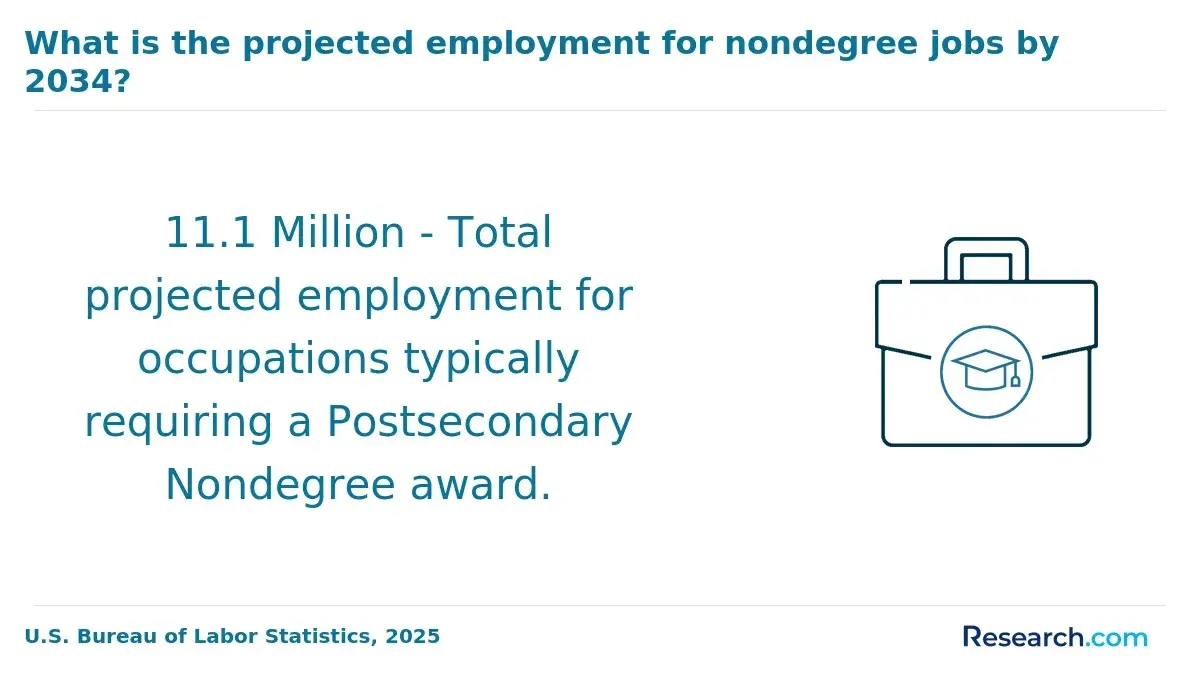
Which Industries Offer High Salaries Without Graduate School?
Choosing the right industry plays a crucial role in shaping salary outcomes for those with a bachelor's degree in journalism, as wage gaps between sectors can surpass 30%. This variation highlights the importance of targeting fields that maximize earning potential without further schooling.
Below are several industries known for rewarding journalism graduates with competitive pay.
- Public Relations and Communications: This sector values the ability to craft clear, persuasive messages that bolster brand reputation and stakeholder engagement. Salaries typically range between $60,000 and $90,000, reflecting high demand for skilled communicators across corporate and nonprofit settings.
- Technology and Software: Journalism graduates fit well in tech companies needing professionals to translate complex information into accessible content. Pay often starts around $70,000 and can exceed $100,000, fueled by the expanding digital economy and need for concise communication.
- Broadcast Media: Television and digital media outlets seek journalism expertise for storytelling combined with production skills. Compensation varies but can reach above $65,000, especially in large markets where strong on-air presence or production experience commands premium pay.
- Financial Services: Firms in this industry require communicators adept at explaining economic trends and corporate news clearly. Entry salaries commonly begin around $65,000, with opportunities to increase income significantly as experience grows within this profitable sector.
A journalism degree graduate shared that navigating job opportunities without a graduate degree meant focusing heavily on networking and continuously improving practical skills. "It was challenging at first to find well-paid roles," he recalled, "but concentrating on industries where storytelling impacts business outcomes helped."
He emphasized how adapting his communication style to diverse fields opened doors, stating, "I learned that success comes from understanding each industry's needs and delivering value beyond just writing." This perspective underlines how strategic industry choice and flexibility can lead to rewarding careers without advanced degrees.
Choosing entry-level jobs with clear advancement potential is essential for building a lasting career in journalism. The U.S. Bureau of Labor Statistics projects a 9% growth in employment for reporters, correspondents, and broadcast news analysts from 2021 to 2031, highlighting promising opportunities.
Below are several entry-level roles known for paving the way to more advanced positions.
- Staff Reporter: This role focuses on producing news stories and cultivating investigative skills while fostering valuable industry connections. It often leads to specialized journalist or editorial roles with greater responsibility.
- Social Media Coordinator: Managing a news outlet's digital presence develops expertise in audience engagement and analytics, which can transition into digital strategist or content management careers over time.
- Broadcast Production Assistant: Assisting with news production builds technical knowledge and insight into editorial decisions, setting the stage for future roles such as producer or director.
- Copy Editor or Fact-Checker: These positions enhance detail orientation and editorial precision, skills critical to advancing into managing editor or editor-in-chief roles.
Entry-level roles that combine versatile skills and industry insight better prepare journalists for evolving media landscapes and steady career growth.
For professionals exploring options to enrich their qualifications without graduate school, considering the cheapest executive MBA may be a strategic move to complement hands-on experience and open leadership opportunities.
Focusing on skill development can substantially increase earnings for journalism degree holders, with studies showing that 78% of employers prefer candidates who bring practical abilities rather than relying solely on formal education. These in-demand skills directly impact salary by enhancing job performance and opening doors to higher-paying roles.
Below are several key competencies that elevate compensation without the need for graduate degrees.
- Digital Storytelling: Proficiency in multimedia content creation-such as video editing, podcasting, and interactive web design-helps journalists connect with broader audiences. This versatility is increasingly prized, boosting marketability and salary potential.
- Data Analysis: Being skilled in gathering, interpreting, and visualizing data allows journalists to create compelling, evidence-driven stories. This skillset enhances credibility and qualifies professionals for specialized reporting areas that command higher pay.
- SEO and Social Media Strategy: Understanding how to optimize online content for search engines and leverage social platforms increases readership and engagement. Journalists with this knowledge contribute directly to their outlets' digital growth, often leading to above-average compensation.
- Project Management: Competence in organizing workflows and leading teams enables journalists to handle complex assignments efficiently. This responsibility elevates their role and justifies increased earnings.
- Multilingual Communication: Fluency in multiple languages expands reporting reach and audience diversity, raising demand for such professionals in diverse markets and niche topics.
A professional with a journalism degree shared her experience on this topic, emphasizing how mastering digital storytelling transformed her career. She described learning video production as initially overwhelming but ultimately rewarding because it allowed her to pitch and deliver richer content that editors valued highly.
"It wasn't easy adapting to so many new tools," she said, "but the trust and opportunities that came with it made the effort worthwhile." She highlighted how acquiring practical skills often felt more impactful than chasing additional degrees, underscoring the importance of continual learning and adaptability in maximizing salary growth.
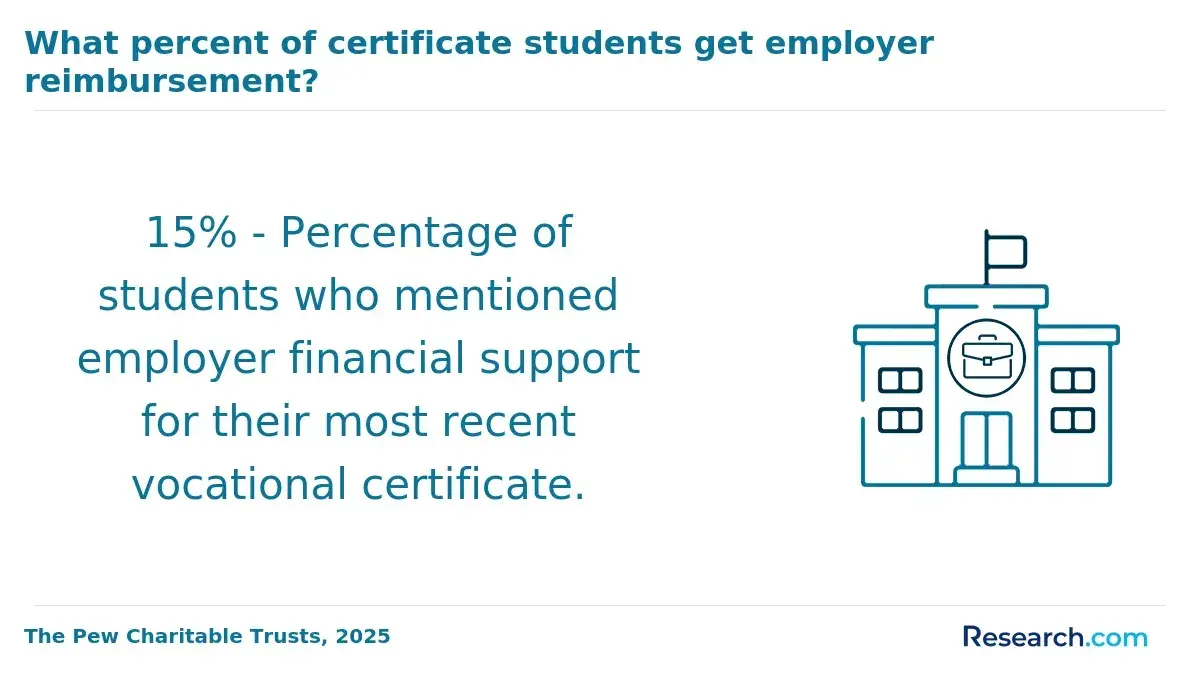
Professional certifications provide a practical alternative to pursuing a master's degree for journalism graduates looking to boost their credibility and advance their careers. According to the Association for Talent Development, certified professionals typically earn salaries about 20% higher than those without certifications.
Below are several well-regarded certifications that can enhance career prospects while avoiding the time and cost of graduate education.
- Certified Digital Journalist (CDJ): This credential affirms skills in digital storytelling, multimedia production, and online audience engagement-essential abilities as journalism increasingly shifts to digital formats.
- Certified Content Marketing Specialist (CCMS): Focused on content creation and management that drives audience interaction, this certification supports journalists expanding into editorial marketing or brand communication.
- Social Media Strategist Certification: Concentrating on the strategic use of social media campaigns and analytics, this certification equips journalists to effectively grow and engage their audiences through social platforms.
- Project Management Professional (PMP): Though not specific to journalism, PMP emphasizes leadership and organizational skills vital for managing complex editorial projects and coordinating newsroom teams.
- Google Analytics Individual Qualification (GAIQ): This qualification demonstrates expertise in analyzing web traffic and user behavior data, helping journalists optimize content reach and performance online.
These certificates align closely with current industry needs, offering journalism professionals practical tools to distinguish themselves and adapt in a competitive job market.
In many journalism careers, employers often prioritize demonstrated skills, storytelling ability, and a strong portfolio over formal advanced credentials. Professional experience enables candidates to build practical expertise, sharpen interviewing and multimedia production skills, and adapt to fast-paced environments.
On-the-job learning provides valuable real-world understanding that a graduate degree may not always offer. Proven performance and the ability to deliver results frequently weigh more heavily in hiring decisions than academic qualifications.
However, relying solely on experience has its limits. Initial access to higher-level editorial or specialized roles, such as investigative journalism or broadcast production management, may be slower or more competitive without advanced degrees. Certain sectors within journalism prefer or require graduate credentials, especially when complex legal or ethical issues are involved.
Experience becomes most valuable when combined with continuous self-improvement, internships, freelance work, and strong professional networks, allowing many candidates to advance rapidly despite lacking graduate degrees.
Many journalism professionals weigh the benefits of entering the workforce immediately against pursuing graduate education to enhance their career prospects.
According to the U.S. Bureau of Labor Statistics, individuals with a master's degree typically earn about 20% more than those with only a bachelor's, highlighting a clear financial difference tied to further study.
- Slower Career Advancement: Without a graduate degree, journalists may experience delayed progression into leadership or editorial roles, as many organizations prioritize candidates with advanced training for these positions. This limitation can affect income growth and professional development opportunities.
- Limited Access to Specialized Roles: Investigative journalism, data journalism, and media strategy often require skills emphasized in graduate programs. Forgoing graduate education can reduce one's depth of knowledge and technical expertise, narrowing career options in these competitive niches with strong salary potential.
- Competitive Hiring Disadvantages: Top-tier employers and metropolitan media outlets frequently regard a graduate degree as a sign of dedication and capability. Candidates without this credential may find it harder to secure positions that offer both financial rewards and impactful assignments.
- Smaller Professional Networks: Graduate programs provide access to mentorship and industry connections that support career growth. Missing out on these networks can hinder opportunities for collaboration and insider insights into evolving trends.
- Reduced Exposure to Advanced Methodologies: Graduate study often emphasizes critical thinking, ethics, and research skills essential for navigating complex media environments. Skipping this phase can limit a journalist's ability to adapt to fast-changing information landscapes.
Prospective students aiming to explore options can also consider MSW programs as a point of comparison when evaluating graduate education pathways.
Recognizing these challenges enables better-informed decisions about the impact of careers without graduate degree limitations in journalism and the income effects tied to skipping graduate school on journalism salaries.
Return on investment (ROI) in education measures the balance between the cost and time invested in earning a degree and the financial and career benefits gained afterward.
For journalism graduates, the median early-career salary is approximately $45,000, underscoring the need to adopt strategies that boost long-term ROI.
Here are practical ways to maximize return on investment with a journalism degree.
- Specialize Strategically: Focus on high-demand journalism niches such as digital media, data journalism, or corporate communications, which typically offer better salaries and career prospects than traditional reporting roles.
- Develop Technical Skills: Building expertise in multimedia production, data analytics, or content management systems enhances competitiveness, opening doors to higher-paying positions.
- Gain Practical Experience: Pursue internships and networking opportunities within reputable media organizations to build professional connections and acquire marketable skills that accelerate career growth.
- Choose Thriving Markets: Target geographic areas with strong media industries and digital markets, such as major urban centers, to access greater salary potential and advancement opportunities.
- Manage Early Career Moves: Seek roles with clear advancement paths and demonstrate leadership and innovation to increase visibility and fast-track promotion prospects.
By aligning these strategies, journalism graduates can realize high-paying journalism careers without graduate school. For those exploring related fields that also emphasize financial return, consider becoming a certified bookkeeper as another high-ROI career option.
Deciding whether graduate school is worthwhile for journalism careers hinges on individual career objectives, industry demands, and potential return on investment. According to the U.S. Bureau of Labor Statistics, journalism professionals with a master's degree often earn around 20% more than those holding only a bachelor's degree, particularly in advanced or leadership roles.
However, many journalism positions emphasize experience and portfolios over formal education. Evaluating the benefits of graduate school for journalism professionals helps clarify when additional education enhances career advancement.
Graduate programs typically add strategic value by opening doors to specialized roles unavailable through undergraduate studies alone. Careers in investigative or data journalism, media law, and leadership positions often require advanced degrees.
Additionally, journalism pathways focused on academic research or regulated industries benefit considerably from graduate education. For those weighing options, exploring affordable pathways like a history masters online can offer relevant advanced skills and improve long-term prospects while maintaining manageable costs.
What Graduates Say About Journalism Degree Careers That Offer the Best Return Without Graduate School
- Kian: "Opting out of graduate school was a defining choice for me after earning my journalism degree. I focused on building a strong portfolio through internships and freelance writing, which opened doors to full-time newsroom roles. This hands-on experience proved far more valuable than additional schooling for launching my career."
- Leah: "Choosing not to pursue a graduate degree in journalism allowed me to jump straight into the field and refine my skills through real assignments. I prioritized networking and digital media proficiency, which greatly expanded my opportunities. My journalism degree served as a solid foundation without the need for further academic credentials."
- Desiree: "My journalism degree was instrumental in shaping my career, even without graduate studies. I leveraged the critical thinking and storytelling skills I gained to excel in communications roles that valued practical expertise over advanced degrees. Reflecting on my path, I believe the direct industry engagement was essential to my professional success."
Other Things You Should Know About Journalism Degrees
Networking is vital for journalism graduates, especially those without a master's degree in 2027. It helps them access job opportunities, gain insights into the industry, and build relationships with professionals who can offer guidance. Events, workshops, and social media platforms are optimal for expanding one's network.
Practical experience in newsrooms, digital media companies, or public relations firms is highly valuable for journalism graduates. Internships that provide hands-on reporting, editing, and content creation skills help graduates build a portfolio that employers seek. Experience with multimedia tools and social media management also strengthens employability in journalism roles.
Hiring managers look for 3 to 5 strong samples: a reported news story, a feature, a multimedia package, a data-driven article, and a clip showing social-media or CMS skills. Pieces published during internships, campus media, or freelancing prove reporting ability faster than GPA alone.
Freelance journalism offers a flexible career path with the potential for substantial income based on skill and niche expertise. Graduates without a master's degree can build reputations through consistent publishing and client relationships. Freelancing also allows professionals to diversify their experience while maintaining independence from traditional employment structures.
- Five reasons why a journalism degree is useful — even if you don’t go into journalism post-grad https://cujsoc.com/five-reasons-why-a-journalism-degree-is-useful-even-if-you-dont-go-into-journalism/
- Journalist chooses community college over grad school | EdSource https://edsource.org/2025/unconventional-path-journalism-career/737413
- Career Opportunities in Journalism: A Guide for Graduates https://jgu.edu.in/opjgublog/career-opportunities-in-journalism-a-guide-for-graduates/
- The Pros and Cons of Pursuing a Degree in Journalism - NewEduTrend: Find Your Educator https://search.newedutrend.com/blog/53-the-pros-and-cons-of-pursuing-a-degree-in-journalism
- From Newsrooms to Boardrooms: 10 High-Impact Jobs You Can Land With a Journalism Degree https://www.ucumberlands.edu/blog/high-impact-jobs-with-a-journalism-degree
- Impactful jobs for journalism degree graduates https://probablygood.org/degree-paths/journalism-jobs/
- Is graduate school journalism worth it? Should I go back to school? https://readthespirit.com/bookstore/books/breaking-in/more/graduate-school-journalism/