2027 What Job Postings Reveal About Journalism Careers: Skills, Degrees, and Experience Employers Want

Co-Founder and Chief Data Scientist
Job seekers scanning listings for journalism roles often face uncertainty about what employers truly prioritize. Are practical skills more valuable than academic credentials, or do hiring managers demand extensive experience from the start? Recent data shows that nearly 65% of journalism job postings prefer candidates with a bachelor's degree alongside demonstrable digital media skills. This trend reflects the evolving landscape where traditional reporting intersects with technological fluency. Understanding these shifting requirements is crucial for prospective and current journalism students aiming to align their qualifications with market demands. This article examines what job postings reveal about the skills, degrees, and experience that employers want in journalism careers.
Key Things to Know About Skills, Degrees, and Experience Employers Want
- Employers emphasize digital literacy, multimedia reporting, and social media skills as crucial, reflecting industry shifts toward online content and audience engagement.
- About 70% of postings require a bachelor's degree in journalism or related fields, often alongside 1-3 years of relevant experience, underscoring education's role in initial screening.
- Systematic analysis of job ads clarifies that practical skills and adaptability frequently weigh as heavily as formal credentials in hiring decisions.
What Do Job Postings Say About Journalism Careers?
Job postings provide a clear view of what employers expect from candidates in journalism careers, emphasizing strong writing and editorial skills alongside digital content creation and multimedia proficiency. Most listings require at least a bachelor's degree, commonly in journalism or related fields, while some show flexibility for candidates with degrees in communications or liberal arts if they demonstrate relevant abilities. Experience preferences often include internships or freelance work that showcase adaptability across platforms. One report analyzing over 1,000 postings found that nearly 78% specified digital literacy or multimedia skills as essential alongside traditional writing expertise.
Patterns in job postings reveal consistent core qualifications regardless of specific roles, with employers prioritizing technical versatility and foundational communication skills. However, variability emerges depending on the focus of the position, such as investigative reporting emphasizing research capabilities or social media roles prioritizing audience engagement. These listings reflect a growing demand for candidates who combine solid editorial strengths with the ability to navigate multimedia tools and evolving technologies. Such insights help clarify which competencies carry the most weight across different journalism career paths.
What Skills Are Most Requested in Journalism Job Postings?
Job postings for journalism roles consistently highlight a core set of skills that employers seek in candidates. Over 70% of listings require proficiency in digital skills alongside traditional reporting abilities, reflecting how the field continues to evolve with technological advances. This trend emphasizes the rising importance of adaptability in today's media landscape.
The following are some of the most requested skills found in journalism job descriptions:
- Strong Writing and Reporting: Clear and concise writing is fundamental for delivering complex information to diverse audiences. Reporting skills focus on gathering accurate data through interviews, observation, and research, which is essential for producing credible news content.
- Digital Literacy: Proficiency with content management systems, multimedia tools, and social media platforms allows journalists to create and share stories across various online channels. This skill supports the growing demand for essential digital skills for journalism careers.
- Critical Thinking and Analysis: Employers look for journalists who can assess source credibility, identify biases, and interpret data accurately. These abilities ensure well-rounded coverage and help maintain public trust in journalistic integrity.
- Communication and Interpersonal Skills: Effective interaction with sources, editors, and audiences requires strong communication skills. Building rapport and collaborating with team members are increasingly vital in dynamic newsroom environments.
- Multimedia Storytelling: Expertise in video, podcasts, and interactive graphics enables journalists to engage audiences through top multimedia storytelling techniques in journalism. This skill enriches the delivery of news and adapts to audience preferences.
For those interested in advancing their journalism career, programs such as the cheapest online master's in social work can serve as a comparative example of how specialized education pathways support professional growth in related fields.
What Degrees Do Employers Require for Journalism Careers?
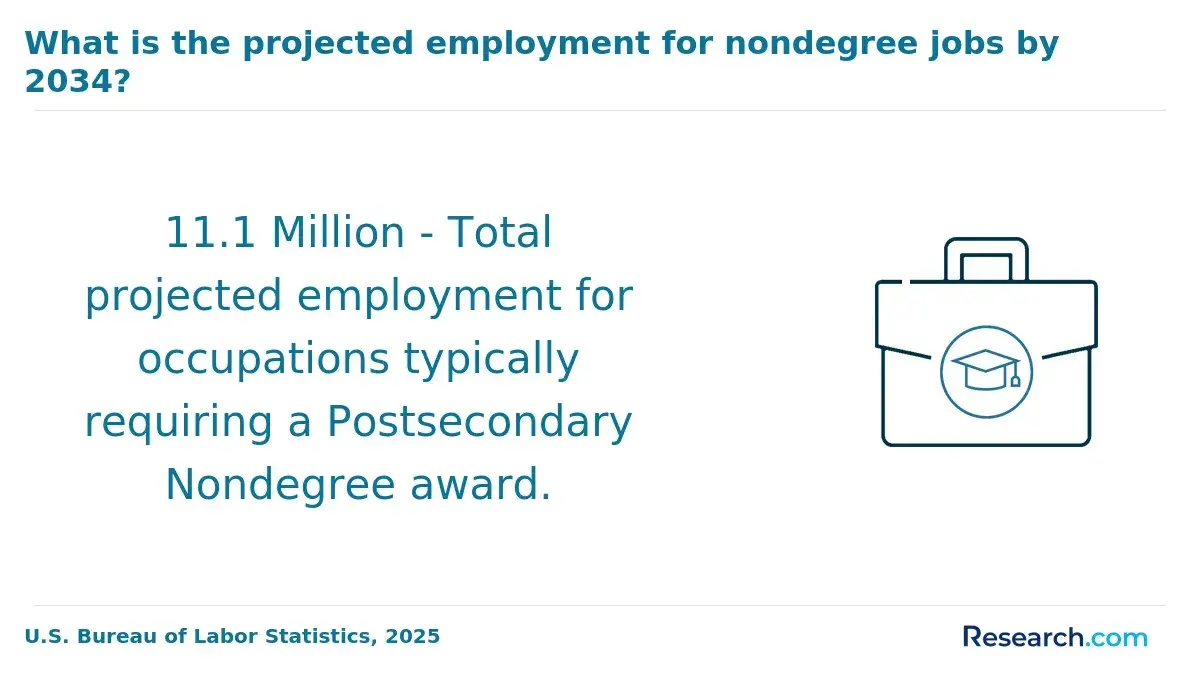
Job postings in journalism commonly specify a bachelor's degree as the foundational credential, though requirements can shift depending on the complexity of the role and the sector. Advanced degrees or specialized certifications become more relevant for senior or niche positions. Industry nuances also affect how strictly employers enforce formal education standards.
About 78% of journalism job listings in 2023 required at least a bachelor's degree, highlighting its importance as a baseline qualification. The following points reveal typical degree-related expectations from employers:
- Bachelor's Degree Minimum: Most employers mandate a bachelor's degree in journalism or related fields such as communications or media studies. This helps ensure candidates have basic training in essential areas like reporting, writing, and media ethics.
- Advanced Degree Preference: Master's degrees or professional certifications often play a role in securing roles with greater responsibility, such as investigative reporting or editorial leadership, reflecting the growing demand for specialized expertise.
- Sector Variability: Traditional news organizations generally maintain stricter educational criteria, whereas some digital media outlets may weigh practical experience or portfolios more heavily, though degrees are still frequently listed as preferred.
- Niche Specializations: Certain postings emphasize degrees aligned with specialty topics, such as data journalism or political science, tailored to specific job functions in expanding media landscapes.
When asked about his experience, a journalism degree graduate reflected on the challenging transition from academia to the workforce. He shared that while earning the degree provided a solid theoretical foundation, he often found that real-world newsroom demands required adjusting and continually learning on the job. "The degree opened doors, but I quickly realized that adapting to deadlines and diverse media formats was a whole different challenge," he said. The process of applying for positions felt competitive, and he noted the emotional rollercoaster of persistent interviews and occasional rejections. Yet, the formal education offered confidence and credibility that helped him navigate those early stages of his career.
Journalism job postings vary widely in their experience requirements, largely depending on the position's level and specific focus. Employers often rely on candidates' experience as a primary criterion to assess their readiness and fit for the responsibilities involved. This practice helps ensure teams include individuals with appropriate backgrounds for their roles.
Below are typical experience patterns that appear in journalism job postings across the United States:
- Entry-Level Roles generally call for little to no professional experience, sometimes accepting candidates with relevant internships or volunteer work such as student media involvement. These positions emphasize foundational skills and eagerness to learn on the job.
- Mid-Level Positions usually require around two to five years of journalism experience. Candidates must show independent content creation capabilities, deadline management, and often some expertise in specific beats or media formats.
- Senior and Specialized Roles demand over five years of demonstrated journalism expertise, frequently spanning various media platforms. These jobs often include leadership responsibilities, mentoring, and complex editorial tasks for seasoned professionals.
- Subject Matter Experience is increasingly sought in specialized areas, where employers look for candidates familiar with particular industries or media types to enhance reporting quality and relevance.
Prospective journalists seeking to balance their career path might also consider an online masters in marriage and family therapy as a complementary qualification, depending on personal interests or career goals. The average years of experience for journalism careers reflect these structured stages, guiding applicants on what to expect at different points in their profession.
Certain sectors show a strong willingness to hire journalism graduates who lack professional experience, often valuing enthusiasm and basic writing skills more than a lengthy work history. Nearly 45% of entry-level journalism roles across various industries specify that no prior experience is necessary, signaling a welcoming environment for newcomers eager to start their careers.
The following industries commonly offer accessible entry points for fresh journalism graduates:
- Media and Publishing: This area regularly posts positions such as editorial assistants and content creators tailored to recent graduates. The dynamic and deadline-driven nature encourages adaptability and rapid skill-building from the outset.
- Public Relations and Communications: These roles often focus on producing press materials and managing digital presence, with organizations willing to support candidates who show strong communication talent. The team-oriented culture values fresh ideas and offers on-the-job training.
- Nonprofit and Advocacy: Many nonprofits recruit graduates to aid in storytelling, outreach, and grant writing, offering a platform to develop diverse skills while supporting meaningful missions. Smaller teams foster broad involvement across projects.
- Corporate Communications: Companies hire graduates to enhance internal messaging and brand narratives without demanding extensive background in media. Structured programs typically provide guidance and mentorship for new hires.
- Digital Content and Marketing Agencies: Fast-paced agencies look for entry-level content writers who can quickly learn to create engaging online material. This environment allows newcomers to grow alongside evolving digital platforms.
When asked about her journey, a fresh journalism graduate described the initial difficulty of finding roles that welcomed beginners. She explained, "It was challenging to prove my value without prior internships, but persistence paid off." She noted the importance of staying adaptable, saying, "I learned to embrace roles that taught me diverse skills, which helped me build confidence." Her experience highlights that while starting can be daunting, many industries remain open to fresh graduates willing to learn and contribute. "It's encouraging to know that enthusiasm and willingness to grow are often as important as experience," she added.
Certain sectors within journalism have steeper criteria for hiring, requiring more extensive experience, specialized education, or advanced skills. Job postings often highlight these higher standards, reflecting employers' expectations for candidates to bring depth and expertise. For example, about 45% of listings in specialized fields demand at least five years of relevant experience, compared to just 28% in general news roles.
The following industries commonly expect greater qualifications and experience from journalism candidates:
- Financial Media Often demanding a background in economics or finance, these roles require multiple years of experience along with proficiency in data analysis and interpretation. Employers look for journalists who can navigate complex financial topics with clarity and accuracy.
- Legal Reporting Candidates frequently need in-depth knowledge of legal systems and procedures, with some positions asking for certifications or training related to law. Understanding legal documents and terminology is essential to meet the demands of this field.
- Science and Health Journalism Reporting in these areas requires familiarity with scientific concepts and terminology. Many positions prefer candidates who possess related academic credentials or experience in health communication.
- Investigative Journalism This field prioritizes strong research capabilities and often several years of experience uncovering intricate stories. The ability to conduct detailed investigations and analyze complex information is key.
These industries also value niche skills such as data visualization, advanced research methods, and regulatory knowledge. Some jobs may require formal qualifications like graduate degrees or specific certifications, reflecting a trend toward recognizing deep expertise alongside traditional reporting skills.
Employers rely heavily on academic and professional credentials to gauge the preparedness of candidates for journalism roles. These qualifications offer a tangible measure of a candidate's technical knowledge, ethical grounding, and adaptability to the industry's evolving demands. In many cases, certifications and degrees can significantly influence hiring decisions by differentiating applicants.
The most valued credentials in journalism careers include the following:
- Bachelor's Degree: Often the baseline requirement, a bachelor's degree in journalism or a related field provides foundational skills in reporting, media ethics, and digital communication technologies essential for contemporary newsrooms.
- Master's Degree: Advanced degrees such as a master's in journalism or communications indicate deeper specialization and research capabilities. Employers particularly prize these credentials for investigative or data-driven journalism roles.
- Professional Certifications: Credentials offered by organizations like the Society of Professional Journalists (SPJ) serve as endorsements of ethical standards, fact-checking rigor, and industry best practices, helping candidates stand out in competitive hiring pools.
- Technical Certificates: Proficiency credentials in multimedia tools-such as video editing, digital storytelling, or data visualization-reflect the digital transformation of journalism and signal essential technical aptitude alongside traditional skills.
These credentials function as reliable proxies for both subject matter expertise and adherence to evolving journalistic norms, thereby shaping employer expectations and candidate evaluation processes.
Salary levels in journalism job postings often reflect a combination of experience, education, and the complexity of the specific role. Employers tend to set pay ranges that allow some flexibility, adjusting compensation based on a candidate's background and skills. For instance, journalists with five or more years of experience can earn between 30% and 50% more than entry-level peers, which demonstrates how much value experience adds. This variability illustrates how salary negotiation for journalism jobs can hinge significantly on demonstrated expertise and often incorporates specialized skills or advanced degrees.
The degree to which salary offers are flexible typically depends on the seniority level and organizational policies within media companies. Entry-level postings usually have a tighter salary band with little room for negotiation, while advanced or managerial roles present broader pay ranges to encourage discussions tied to a candidate's proven track record. Employers often signal this openness through job descriptions, showing that experience not only influences base pay but also the potential for upward adjustment. Those interested in understanding educational paths related to earning potential might explore options such as a cheapest online doctorate that can complement professional growth in journalism careers.
Job postings are essential for optimizing your resume for journalism job descriptions, revealing what employers prioritize in skills, education, and experience. Resumes tailored closely to job listings have a 40% higher chance of passing through applicant tracking systems (ATS) and reaching recruiters, underscoring the need for precise resume customization.
Consider these effective strategies to match your resume to journalism job postings:
- Interpret the Job Posting: Carefully read the entire description to identify core responsibilities and sought-after skills. Look for recurring themes or unique requirements that highlight what employers value most.
- Highlight Relevant Experience: Showcase assignments, internships, or projects directly related to the key skills listed, whether in investigative reporting, multimedia content creation, or editorial tasks.
- Align Terminology and Keywords: Use the exact words and phrases found in the job posting, as ATS often scan for these terms to filter applicants who best fit the role's criteria.
- Prioritize Required Qualifications: Make sure your education, certifications, and technical skills reflect those explicitly requested, such as a bachelor's degree in journalism or proficiency in digital editing software.
- Emphasize Matching Skills and Experience: Demonstrate how your background directly corresponds to the journalism job descriptions to increase your chances of standing out among applicants.
Additionally, candidates exploring higher education to boost qualifications might consider programs like the fastest MBA program, which can complement journalism skills with advanced business acumen valued in some media roles.
Job advertisements offer a clear view into what employers expect from candidates pursuing journalism careers. Careful review of these ads helps clarify the specific responsibilities, skills, and qualifications required for each role. Recent research shows that over 70% of journalism job postings explicitly state key competencies and qualifications, providing valuable transparency.
Key elements to consider when reading journalism job ads include the following:
- Core Responsibilities: Job descriptions detail the main tasks, such as reporting, editing, multimedia production, or investigative work, outlining what daily duties candidates will perform.
- Required Qualifications: Employers often specify educational background, certifications, or specialized training needed, including proficiency in media tools or understanding of media law.
- Experience Expectations: Ads indicate whether they seek entry-level, mid-career, or veteran journalists and often mention the number of years of relevant experience preferred.
- Essential Skills: Both hard skills like fact-checking and writing, and soft skills such as communication and deadline management, are frequently emphasized.
- Additional Training Opportunities: Some postings highlight options like speech pathology leveling programs online to develop complementary skills valuable in journalism fields.
What Graduates Say About Skills, Degrees, and Experience Employers Want
- Kian: "As a fresh graduate in journalism, I relied heavily on job postings to understand which roles truly matched my skills and academic background. The detailed requirements helped me tailor my resume and cover letter, making me confident in applying to positions that felt like a perfect fit. It's fascinating how these ads serve as a roadmap for newcomers like me to navigate and enter the journalism field."
- Leonard: "With several years of experience under my belt, I turn to job ads not just to change roles but to identify emerging trends within journalism. They often reveal shifts in the industry, like growing demand for digital storytelling or data journalism, which has encouraged me to upgrade my skills accordingly. Using these postings as a career compass has kept me adaptive and competitive in a fast-evolving landscape."
- David: "Throughout my professional journalism journey, job postings have been a vital tool for assessing the market's expectations and standards. Analyzing multiple ads over time helped me gain insight into what employers value most, refining my approach to both my portfolio and professional development. These ads don't just list vacancies; they tell a bigger story about the career trajectory within journalism."
Other Things You Should Know About Journalism Degrees
Yes, job postings often emphasize the importance of digital media skills alongside traditional reporting abilities. Candidates with experience in multimedia storytelling, social media management, and digital content creation tend to stand out. This reflects the evolving nature of journalism where online platforms play a significant role.
Internships and hands-on experience are frequently required or strongly recommended in journalism job postings. Employers prioritize candidates who have demonstrated their ability to work in real newsroom environments or on relevant projects. Such experience signals readiness for professional responsibilities.
While a bachelor's degree in journalism or a related field remains the standard, some advanced roles prefer or require specialized graduate degrees. These may include master's degrees focusing on investigative journalism, data journalism, or media ethics. However, these requirements vary widely by job and employer.
Yes. Many journalism postings request 3 to 5 writing clips, broadcast reels, or a digital portfolio before interview decisions. Employers use samples to verify reporting quality, accuracy, and beat knowledge, especially for newsroom, editorial, and multimedia roles.
- How to Ace Your First Journalism Job Interview https://nbcuacademy.com/journalism-job-interview/
- Career Opportunities in Journalism: A Guide for Graduates https://jgu.edu.in/opjgublog/career-opportunities-in-journalism-a-guide-for-graduates/
- How to analyze a job advertisement https://www.uni-potsdam.de/en/praxisportal/job-applications/job-application-tips/analyzing-job-advertisements
- Your first salary negotiation https://www.cjr.org/realtalk/your_first_salary_negotiation.php
- Decoding Job Ads: What to Watch For and What to Avoid https://kes.bc.ca/decoding-job-ads-what-to-watch-for-and-what-to-avoid/
- Degree: Graduate jobs with a journalism degree https://www.graduate-jobs.com/degree/journalism
- Want to get a journalism job? Here are the skills you need, according to a new report - Poynter https://www.poynter.org/business-work/2016/want-to-get-a-journalism-job-here-are-the-skills-you-need-according-to-a-new-report/
- Top Tips: Journalism skills can transfer to any career https://news-decoder.com/top-tips-journalism-skills-can-transfer-to-any-career/
- Behind the Headlines https://theguardianfoundation.org/programmes/behind-the-headlines/media-careers-advice/editor-guide-to-journalism-application
- How To Write A Journalism Resume And Cover Letter | Trint https://trint.com/creator-hub/how-to-write-journalism-resume-cover-letter