2027 Most Recession-Resistant Careers You Can Pursue With a Journalism Degree

Co-Founder and Chief Data Scientist
Journalism graduates often face uncertainty when economic downturns hit, as traditional media jobs tend to shrink. However, some sectors remain stable-public relations, corporate communications, and governmental agencies show resilience during recessions. Employment data from 2025 reveals that roles in digital content strategy and internal communications grew by 18%, even as overall media jobs declined.
Adapting to evolving media technologies and enhancing skills in multimedia storytelling can position graduates competitively. This article explores the most recession-resistant careers for journalism graduates and offers guidance on how to leverage their skills for long-term stability in a shifting job market.
Key Points About Recession-Resistant Journalism Careers
- Journalism graduates excel in fact-checking and investigative roles critical during economic uncertainty, a sector showing 12% job growth as demand for credible information rises.
- Content strategy and digital media fields value journalism skills for clear communication-these areas report higher stability since digital advertising budgets remain less affected in recessions.
- Technical writing for government and healthcare sectors offers recession-resistant opportunities, leveraging journalism training to simplify complex information amid increased regulatory focus.
What is the employment outlook for graduates of Journalism?
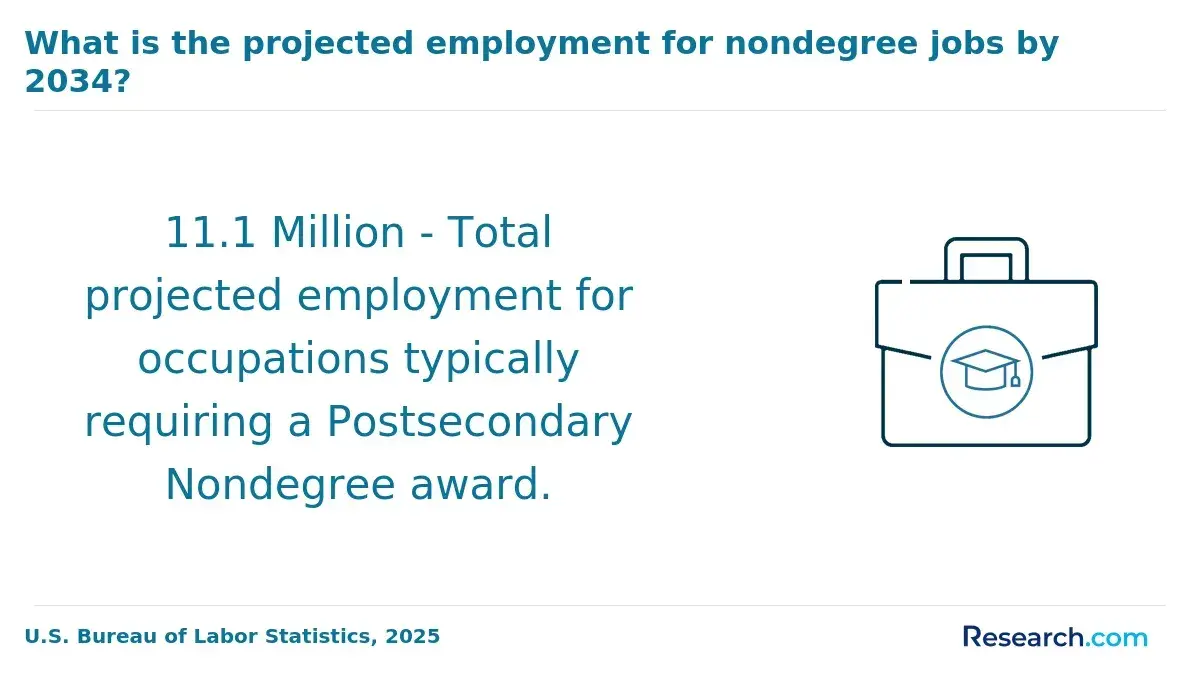
Employment opportunities for journalism graduates remain stable despite economic fluctuations, supported by steady industry demand and evolving media roles. The U.S. Bureau of Labor Statistics projects a 7% growth in jobs for reporters, correspondents, and broadcast news analysts over the next decade, an average increase compared to all occupations. The employment outlook for journalism graduates in the US benefits from multiple resilient factors. Key reasons for this stability include:
- Demand for Credibility: The expanding digital media landscape intensifies the need for fact-checked, reliable information. This creates sustained opportunities for journalists skilled in verification and ethical storytelling.
- Adjacent Industries: Job market trends for Journalism degree holders show growing roles in public relations, corporate communications, and content marketing, where storytelling and communication skills are highly valued.
- Local Journalism: Community-specific news remains vital, providing stability to local reporters even during economic downturns, as audiences rely on trusted sources for relevant information.
- Versatile Skill Sets: Graduates often transition into fields such as social media management and data analysis, combining storytelling with digital expertise to shape durable career paths.
- High Employment Rates: A 2025 media industry report found that 65% of journalism graduates secure relevant employment within two years of graduating, reflecting consistent absorption of their skills into the workforce.
Those considering further specialization may explore online PhD programs to advance their expertise and competitiveness in this dynamic field.
What are the most recession-resistant careers for Journalism degree graduates?
Certain roles within journalism and adjacent industries remain naturally shielded from economic volatility-often because their functions are essential, regulatory, or tied to public accountability. Research shows that fields such as government communication grew by 7% during the last recession, reflecting strong demand for transparency and reliable public information. Below are five recession-resistant careers for graduates with a journalism degree, highlighting their stability even in downturns.
- Public Relations Specialist: Responsible for managing an organization's public image, public relations specialists protect revenue and brand reputation. Companies prioritize these roles during recessions because maintaining positive stakeholder relationships can directly impact survival.
- Government Communications Officer: These professionals disseminate crucial information and ensure transparency, often in compliance with legal mandates. Because governments cannot reduce essential communication during crises, this role enjoys strong job security.
- Health Communications Coordinator: Focused on educating the public about health-related information, workers in this field support vital healthcare outreach-especially crucial in times of public health emergencies, thereby making their roles resilient against budget cuts.
- Corporate Compliance Writer: Tasked with creating clear, accurate documentation to meet regulatory requirements, these professionals are essential because noncompliance during downturns can result in costly penalties. The necessity of compliance safeguards these positions.
- Investigative Journalist: Investigative reporters uncover information on corruption or abuse-stories that maintain high public interest and watchdog importance. News organizations often preserve these roles to sustain credibility and audience trust, even when budgets tighten.
Graduates interested in a LMFT online program or other fields that intersect with communication will find that the skills acquired through journalism degrees transfer well to roles demanding clear and effective information delivery. These positions often prove to be among the most recession-resistant careers for journalism degree graduates thanks to their high demand and the essential services they provide during economic downturns.
In which industries can Journalism degree holders find work?
Holders of a journalism degree often find their skills transferable beyond traditional media roles, allowing them to thrive in a variety of economic sectors. Research shows that 68% of graduates working in fields beyond editorial positions enjoy greater job stability. Below are key industries where their expertise is in demand.
- Public relations and communications: Professionals in this sector use storytelling and media management skills to protect and enhance organizational reputations, especially important during economic challenges. Roles include crafting messages and managing crises effectively.
- Government and public policy: Journalism graduates are valued for turning complex information into clear, accessible content. They often serve as policy analysts, speechwriters, or communications officers tasked with fostering transparency and engaging the public.
- Healthcare: Skilled communicators translate complicated medical terminology into understandable language for patients and the broader community. This opens opportunities as health communicators, patient educators, and medical writers.
- Financial services and economic reporting: In volatile markets, accurate, clear communication is crucial. Graduates can excel as financial reporters, strategists, or analysts by making intricate financial data more digestible.
- Education and e-learning: The rise of digital education demands professionals who can develop curricula, create engaging content, and support online learning initiatives, using their ability to present information in accessible ways.
When asked about career paths after completing an online journalism bachelor's degree, one professional shared the emotional complexity of shifting industries. He described feeling uncertain at times about leaving behind traditional media, but appreciated how the program emphasized adaptability. "It was challenging to reposition myself at first," he reflected, "especially learning to communicate for completely different audiences." However, navigating roles in corporate communications expanded his confidence, proving that journalism skills can indeed open many doors beyond the newsroom.
Jobs in the public sector-such as government agencies, educational institutions, and nonprofit organizations-generally offer greater job security for journalism graduates, especially during economic downturns. These roles benefit from stable funding through budgets and grants, which reduces the likelihood of layoffs. Additionally, public sector positions often include reliable benefits like pensions and healthcare, contributing to long-term employment stability and aligning well with skills in public communication and education.
On the other hand, private sector opportunities-including corporate media, startups, and marketing firms-are more sensitive to market shifts and funding changes. Advertising revenue and investor support can decline quickly during recessions, making layoffs and contract reductions frequent. Still, private sector jobs typically provide faster career advancement with higher salaries, plus chances to innovate through digital journalism, brand storytelling, and content strategy.
About 60% of journalism-related roles in the public sector remain stable during recessions, compared to only 35% in the private sector. Graduates who prioritize steady employment and lower risk may gravitate toward public sector paths. Conversely, those willing to accept less stability for the potential of rapid growth and creative freedom might prefer private sector careers. Ultimately, one's risk tolerance and career goals should guide the decision between security-focused and opportunity-rich environments.
Where graduates choose to work significantly impacts their job stability-certain states serve as vital centers for industries that highly value journalism skills. Below are three states known for offering more reliable employment prospects for journalism graduates.
- California: Home to a vast concentration of media outlets, tech companies, and entertainment firms-particularly in Los Angeles and Silicon Valley-California fuels consistent demand for journalism expertise. Its diversified economy supports roles in digital media, video production, and content strategy, making it one of the most resilient job markets nationwide.
- New York: As a global center of media and publishing, New York attracts a strong need for adaptable journalists proficient in multimedia storytelling. The state's location quotient for news and information roles is about 1.5 times the national average, highlighting its prominence as a hub for stable journalism careers.
- Texas: Expanding cities like Austin, Dallas, and Houston drive growth in media, public relations, and corporate communication opportunities. Texas's strong technology and healthcare sectors create specialized roles for journalists with technical expertise, offering steady employment outlooks even during economic slowdowns.
Combining traditional journalism skills with digital knowledge further strengthens job security-positions blending these talents are significantly more likely to endure economic challenges across these regions.
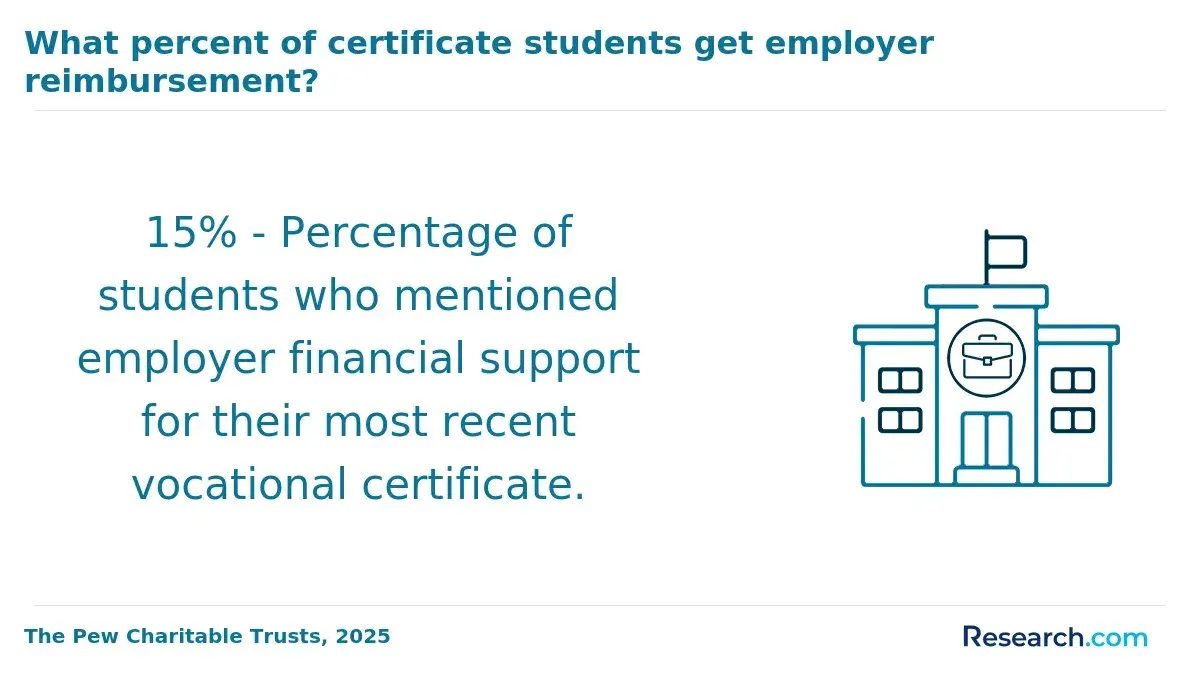
Post-graduate credentials and continuing education offer a vital layoff shield for journalism professionals by validating specialized, high-demand expertise that companies seek during economic downturns. In fact, employment in digital content creation roles related to journalism is projected to grow 13% faster than traditional journalism jobs. Below are several recession-resistant certifications that can enhance job security and open new career pathways.
- Certified Digital Marketing Professional: This certification imparts skills in SEO, analytics, and content promotion, making journalists highly competitive for roles like content strategists and social media managers. It addresses the growing shift toward digital media and significantly increases employability across various industries.
- Data Journalism Certificate: Offered by institutions such as the European Journalism Centre, this credential teaches data analysis and visualization techniques. These competencies are crucial for investigative journalism and specialized reporting that rely on interpreting complex datasets, ensuring relevance in a data-driven media landscape.
- Video Editing Certification: Credentials like Adobe Certified Professional provide expertise in producing and editing video content-a medium that is rapidly becoming central to journalism. This skill is valuable in broadcast, digital media, and corporate communication roles, adding resilience to one's career.
- Certificate in Media Ethics and Law: This certification focuses on ethical standards and regulatory knowledge, offering an edge for newsroom leadership and legal consulting roles where trust and compliance are paramount despite economic fluctuations.
Securing recession-resistant certifications for journalism professionals is increasingly essential to secure journalism jobs during economic downturns. For those considering complementary career paths, exploring opportunities such as a UI/UX designer degree can provide additional job security in fields adjacent to journalism.
Constantly expanding skill sets makes journalism graduates less replaceable during organizational shifts often triggered by economic downturns. Below are five crucial capabilities that help strengthen job security in this competitive field.
- Data Literacy and Analysis: Mastering data interpretation and visualization tools like Excel and SQL empowers graduates to craft more insightful, data-driven stories. These abilities are increasingly sought after in investigative reporting and analytics roles.
- Multimedia Production: Expertise in video editing, podcast creation, and graphic design enables journalists to develop diverse digital content. This versatility supports employment across digital media, marketing, and content creation sectors.
- Digital Marketing and SEO: Skills in optimizing content for search engines and engaging audiences through social media increase the visibility and impact of journalistic work. These competencies are valuable for roles bridging journalism and corporate communications.
- Project Management: Proficiency in organizing teams and managing complex workflows ensures smooth collaboration in fast-paced environments. Effective project management is prized in newsroom leadership and cross-departmental initiatives.
- Fact-Checking and Verification: Accurate source validation and fact confirmation uphold credibility and combat misinformation. These skills heighten trust and are indispensable in investigative journalism and editorial quality control.
Developing these essential skills for recession-resistant journalism careers enhances versatility and adaptability, qualities that employers prioritize during downturns. Recent studies reveal that those with combined digital and analytical expertise have a significantly higher chance of maintaining employment. For those interested in complementary disciplines, exploring accounting programs can also provide valuable crossover skills for economic resilience.
School prestige can significantly influence the stability of jobs for journalism graduates. Employers often associate well-known programs with rigorous training and superior skills, which can make graduates from these institutions more attractive candidates in competitive markets.
Graduating from a reputable school also provides valuable networking opportunities. Access to alumni networks, internships, and industry connections can open doors to better job offers and career advancement, offering a clear advantage in fields where relationships often matter as much as skills.
However, graduates from any accredited journalism program can remain competitive by demonstrating proven performance and adaptability. Building a strong portfolio, gaining relevant experience, and continuously updating skills remain critical factors in securing recession-resistant careers within journalism and related industries.
Aligning academic studies with the rapidly changing demands of the journalism field is vital for students aiming to boost their employability and secure stable careers. Taking deliberate steps during their education can help them stand out in a competitive job market. Consider these practical actions:
- Hands-On Media Experience: Actively engage in student-led news outlets to gain real-world skills in reporting, editing, and multimedia production. This direct involvement builds confidence and familiarity with newsroom workflows.
- Internships: Seek out positions at established newsrooms, digital media firms, or PR agencies to develop a professional portfolio and expand industry contacts. These experiences offer insight into workplace expectations and networking opportunities.
- Digital Proficiency: Build mastery in data journalism tools, social media management, and multimedia storytelling platforms. Keeping pace with technology ensures adaptability to the digital evolution of journalism careers.
- Freelance Projects: Contribute to diverse writing or content creation assignments to demonstrate versatility and the ability to work across formats and topics. This broadens a resume and sharpens adaptability.
- Specialized Training: Participate in workshops or certification programs focused on fact-checking, investigative methods, and journalism ethics. These credentials reinforce reliability and trustworthiness-key traits valued by employers.
When asked how journalism students can best prepare for current job demands, a professional who earned his degree online shared, "Balancing coursework with family and part-time work was tough, but prioritizing real assignments over theoretical ones made a huge difference. I remember feeling overwhelmed at times, especially when deadlines for internships and freelance gigs overlapped. What kept me focused was knowing these experiences were essential to landing my first roles post-graduation. Constantly adapting to new digital tools also pushed me out of my comfort zone, but it was rewarding to see how those skills translated into opportunities." This perspective highlights the importance of persistence and embracing challenges as part of career readiness.
Recession-resistant journalism careers pay well in the current market, with average salaries for recession-proof journalism jobs in the US starting around $50,000 and median wages climbing to about $65,000 mid-career. These figures are competitive compared to the national average for all occupations, which is closer to $55,000. Specialized roles in digital media, data journalism, and fact-checking often command higher starting offers and performance bonuses, reflecting their growing value.
Among recession-resistant journalism careers, those in specialized or digital media tend to offer more lucrative income, while traditional reporting roles typically provide stable but more modest salaries. The annual employment growth rate of approximately 5% in these fields surpasses the average across sectors, highlighting a steady demand for skilled communicators. This makes journalism-related professions a sound choice for those seeking financial stability despite economic downturns.
Income in journalism can vary widely depending on industry, employer, geographic location, and credentials. Professionals with advanced certifications or the ability to pivot into adjacent sectors-such as public relations or corporate communications-often see enhanced salary prospects. For students considering educational pathways, combining a journalism degree with other qualifications like an online mental health counseling masters could further diversify career opportunities and income potential.
What Graduates Say About Their Career After Getting a Degree in Journalism
- Kian: "Pursuing a journalism degree was my way of sharpening critical thinking and storytelling skills that are essential in any communication-driven industry. The rigorous training I received taught me how to quickly research, analyze, and present information clearly, which made transitioning into my role in public relations seamless. Today, I appreciate how my background in journalism ensures I remain adaptable and valuable in a stable, ever-evolving job market."
- Leonard: "Reflecting on my decision to study journalism, I realize it was driven by a passion for truth and empowering others through information. The degree gave me a solid foundation in ethics and multimedia skills that employers in crisis management sectors find indispensable. My journalism education was definitely a key factor in securing a resilient career, especially during economic downturns when clear communication is crucial."
- David: "With a practical and professional outlook, I chose journalism because it hones one's ability to adapt and communicate under pressure. Throughout my studies, I developed investigative and digital skills that paved the way for a transition into cybersecurity communications, a field known for recession resistance. My journalism background continuously proves its worth by equipping me with tools that keep me relevant regardless of market shifts."
Other Things You Should Know About Journalism Degrees
Digital transformation in journalism is vital for recession resistance. It opens diverse opportunities, such as content creation for online platforms, digital marketing roles, and social media management. Journalists proficient in digital skills can transition smoothly into careers less affected by economic fluctuations, sustaining growth despite market challenges.
Most do not require a state license, but several employers prefer certification for credibility. For example, public relations specialists may earn the APR credential from PRSA, and broadcast, data, or SEO roles often value Google Analytics or Adobe certifications as proof of job-ready skills.
Freelance journalism can offer flexibility but may not always be recession-resistant due to fluctuating demand and inconsistent pay. However, freelancers who build niche expertise or strong networks often maintain steadier work. Diversifying assignments across various platforms and topics also improves resilience during economic downturns.
- Journalism Job Market: A Growing Landscape - Shoolini University https://shooliniuniversity.com/blog/journalism-job-market-a-growing-landscape/
- Recession-Proof Careers: The Smart Path to Job Security in Uncertain Times for 2025 Graduate https://gocsb.com/recession-proof-careers-the-smart-path-to-job-security-in-uncertain-times-for-2025-graduate/
- What skills do journalists have to weather the storm of redundancy? https://www.artshub.com.au/news/features/what-skills-do-journalists-have-to-weather-the-storm-of-redundancy-2738086/
- Journalism jobs are precarious, financially insecure and require family support https://theconversation.com/journalism-jobs-are-precarious-financially-insecure-and-require-family-support-157012
- AI and ‘recession-proof’ jobs: 4 tips for new job seekers https://www.pbs.org/newshour/nation/4-tips-for-new-grads-looking-for-work-in-an-uncertain-market
- Do we need J-schools? https://www.cjr.org/special_report/do-we-need-j-schools.php/
- Is there money in a journalism career? https://cjf-fjc.ca/there-money-journalism-career/
- Our Journalism Jobs Board - Salary Details Included https://www.journoresources.org.uk/journalism-jobs-internships/
- Best States for Journalists – Prism PR https://prismpragency.com/best-states-for-journalists/
- Content Writing: A Recession-Proof Job https://dimensionscontent.com/content-writing-a-recession-proof-job/