
2027 Is a Journalism Degree Better Than Experience Alone? Salary, Hiring, and Career Growth Compared

Co-Founder and Chief Data Scientist
Entering the journalism field without a degree often challenges candidates on salary, hiring prospects, and career advancement. Employers frequently prefer degree holders for entry-level positions, linking formal education to essential skills and ethics. However, recent data shows that 42% of journalism professionals without degrees who gained experience through internships and freelance work report comparable salaries within five years-a trend reflecting evolving industry dynamics. Some roles still mandate degrees, but rising digital platforms allow experience to sometimes substitute for formal education.
This article examines salary differences, hiring practices, and career growth between degree holders and self-taught applicants to guide informed career decisions in journalism.
Key Points About Having Journalism Degrees vs Experience Alone
- Journalism degree holders earn on average 15% more than experienced non-degree journalists, reflecting employers' preference for formal education in competitive salaries.
- Degree holders access 40% more job listings requiring specific academic credentials, limiting opportunities for those relying solely on experience.
- Career advancement to senior or leadership roles is 30% more frequent for journalists with degrees, often due to networking and theoretical training benefits.
What technical proficiencies can you gain from having Journalism degrees vs self-teaching?
Professionals pursuing a journalism degree gain foundational principles and practical applications in ways that often surpass learning solely through work experience. While self-teaching and on-the-job training develop certain proficiencies, degree programs provide structured exposure to essential technical skills within a broader academic context. The following highlights five key proficiencies comparing how they are acquired via a journalism degree versus self-taught experience.
- Advanced multimedia production: Degree programs offer comprehensive training in video editing, audio integration, and graphic design specifically tailored for storytelling, ensuring students master these in a journalistic context. In contrast, learning on the job or through tutorials may focus on individual tools without integrating them cohesively.
- Data journalism techniques: Academic settings emphasize data mining, statistical analysis, and visualization to extract and communicate information effectively, with theoretical foundations backing these skills. Self-taught professionals might handle data tools but often miss the underlying frameworks critical for interpreting complex datasets accurately.
- Ethical reporting frameworks: Journalism degrees embed legal standards and ethical decision-making consistently throughout the curriculum, cultivating principled reporting habits. Relying solely on experience can leave gaps in understanding nuanced ethical considerations that arise in challenging scenarios.
- Investigative research methodologies: Degree courses include archival research, fact-checking protocols, and source verification strategies designed to ensure accuracy and credibility. While experience builds some investigative skills, structured guidance helps avoid common pitfalls.
- Content management systems (CMS) and digital publishing: Formal education trains students in industry-standard workflows to optimize digital content dissemination, integrating technical skills with editorial processes. Self-taught individuals may learn CMS basics but often miss systemic efficiencies and standards prevalent in professional environments.
In the context of journalism degree versus self-taught experience in media tools, formal education covers a broader, more integrated skillset. According to a study on media employment trends, 68% of hiring managers preferred candidates with formal journalism education for roles demanding complex technical capabilities, recognizing the advantage of this comprehensive approach. Meanwhile, 32% found practical experience combined with targeted upskilling acceptable in more technical or digital-first newsrooms.
While shorter programs like tutorials and bootcamps provide focused training on specific software, they do not replicate the holistic and ethical training essential for innovation in the newsroom. For those exploring education paths, it is worth considering programs beyond journalism itself, such as SLP online programs, which exemplify how structured online degrees balance skill acquisition with accessibility.
Are there certifications or licenses that only Journalism degree holders can obtain?
Continuing education and obtaining additional credentials can significantly enhance a journalist's career, even as many employers increasingly emphasize skills-based hiring. Several professional certifications, however, specifically require holding a journalism degree to meet eligibility criteria. Below are key credentials that often mandate formal education in journalism or closely related fields.
- Accredited Broadcast Meteorologist (ABM): Administered by the National Weather Association, this certificate focuses on broadcast meteorology. Candidates typically need a journalism degree to satisfy the specific coursework and training requirements, enhancing credibility in weather reporting roles within broadcast news.
- Society of Professional Journalists (SPJ) Certification: This credential emphasizes ethical, legal, and practical skills. While accessible to many, journalism degree holders are more likely to meet prerequisite educational standards, strengthening their eligibility and helping demonstrate professional ethics commitment.
- Radio Television Digital News Association (RTDNA) Certificate: Focused on multimedia journalism, this certificate requires foundational knowledge usually obtained through a journalism degree. It is particularly valuable as digital media continues to expand in importance and influence.
- Public Relations Society of America (PRSA) Accreditation (APR): Designed for those moving into public relations, this accreditation often requires a journalism degree among its educational qualifications. It supports career advancement in strategic communications and public relations sectors.
These certifications illustrate how journalism degree certification requirements often serve as gatekeepers for exclusive professional credentials. Holding such credentials can provide a measurable advantage in hireability and career growth compared to relying solely on experience or self-teaching. According to industry research, 68% of hiring managers prefer candidates with formal journalism education for certified roles, underscoring the tangible value a degree offers beyond experience alone.
For those weighing the cost of further education or credentials, resources on online executive MBA cost may provide useful context, especially as strategic career planning crosses into advanced degrees and professional certifications.
Will a degree in Journalism make you more employable?
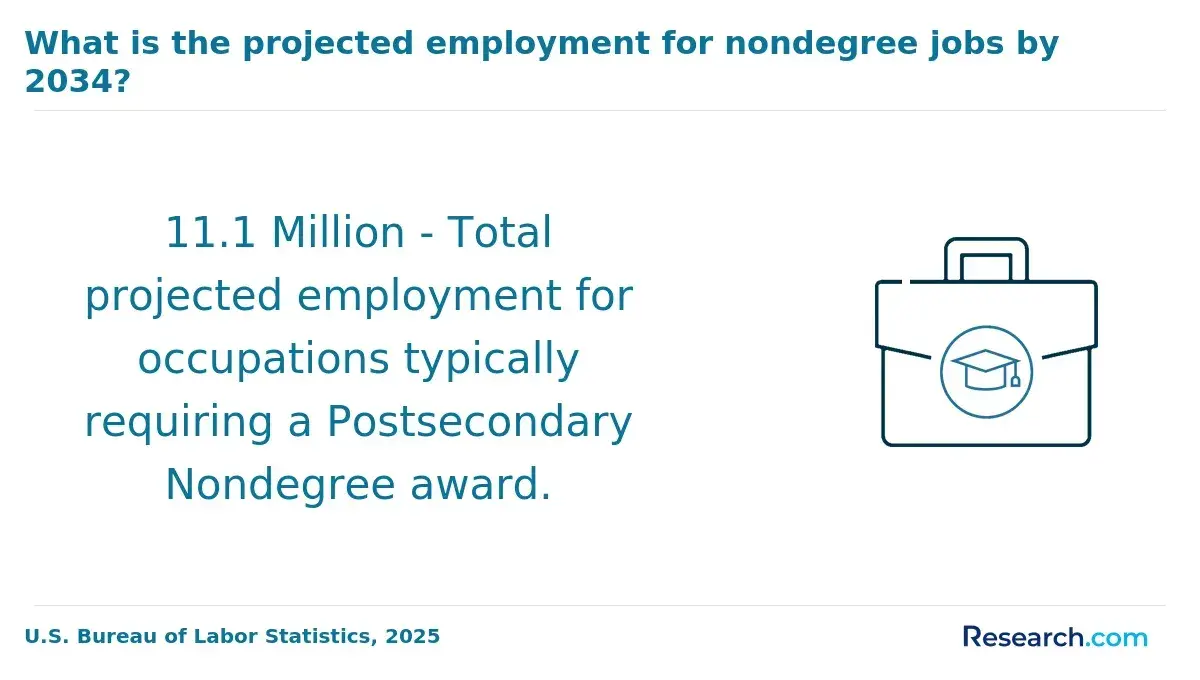
The job market shows a clear preference for candidates with a journalism degree, especially for entry-level roles where about 65% of employers require or strongly favor formal education in journalism. However, those without degrees but with several years of proven experience can still be competitive, with nearly half securing comparable positions based on hands-on skills and portfolios.
Employers value the academic foundation that a journalism degree provides, such as training in ethics, media law, and multimedia storytelling, which are critical in today's complex news environment. At the same time, there is growing emphasis on digital expertise and adaptability, making real-world experience and practical skills equally important. Networking opportunities and internships linked to degree programs often help graduates gain additional edge.
Ultimately, whether to pursue a journalism degree depends on individual career ambitions and learning preferences. Those aiming for structured knowledge and professional connections may benefit from formal education, while others might focus on building a strong portfolio through freelance or internship work to develop credibility and skills.
I spoke with a professional who earned a bachelor's degree in journalism online, and he said the experience was both challenging and rewarding. "Balancing coursework with freelance assignments wasn't easy," he shared, "but the structured curriculum pushed me to master media law and ethical reporting, subjects I wouldn't have prioritized on my own." He also noted that the program's career services helped him connect with editors and internship opportunities that proved invaluable after graduation. "In the end, the degree opened doors and gave me confidence, but I know my on-the-job hustle was what really got me hired."
Some journalism careers prioritize formal education, often requiring a journalism degree, while others focus more on skills and job-readiness, welcoming candidates with practical experience. Here are several key roles highlighting the differences in requirements and opportunities.
- News Reporter: Reporters gather news, conduct interviews, and deliver stories across multiple media. A journalism degree is typically needed for its foundation in research, legal standards, and effective communication, though some non-degree holders find entry in smaller markets or digital startups.
- Editor: Editors ensure content accuracy, style, and editorial compliance. This role usually requires a formal degree given the ethical standards and mastery of editing tools expected, but experienced professionals may secure freelance or remote positions.
- Public Relations Specialist: Managing communications between organizations and the public, this career often prefers journalism or communications degrees but sometimes favors candidates with relevant skills gained through internships or hands-on experience.
- Broadcast Journalist: Working in television or radio, broadcast journalists need knowledge of journalistic principles and technical production skills generally acquired through degree programs, although those without degrees may advance with substantial experience.
- Content Strategist: A newer role in journalism, content strategists create and manage digital content to engage audiences. Formal journalism training helps, but strong digital marketing skills and proven results can compensate for the absence of a degree.
Recent data shows that 68% of employers hiring for core reporting and editing roles prefer candidates with a journalism degree, valuing trustworthiness and foundational knowledge. Conversely, roles like content strategy see about 45% of hires relying primarily on significant work experience rather than formal education. Students weighing journalism degree career opportunities in the United States should consider both the nature of their desired job and the value employers place on credentials versus experience.
Those interested in expanding their knowledge in related digital fields may also explore programs at a cryptocurrency university, which can complement journalism skills with expertise in emerging technologies.
High-paying jobs for journalism degree holders often correlate with roles demanding strong editorial judgment, ethical reporting, and multimedia storytelling capabilities, solidifying the case for formal education in competitive markets.
Degree holders in journalism often gain access to structured networking channels like internships, industry events, and alumni connections that can be difficult to find independently. These opportunities are facilitated by partnerships between schools and media organizations, offering mentorship and referrals that give students an edge early in their careers. In contrast, those without degrees typically depend on building contacts through personal efforts and workplace relationships, which may not open as many doors in established professional circles.
Journalism students benefit from resources such as alumni mentorship programs, university-sponsored showcases, and internships with major outlets, enabling more frequent interactions with hiring decision-makers. Non-degree journalists often rely on their immediate networks or current employers for opportunities, which might limit exposure compared to formal programs' wider reach. Both groups develop professional ties, but degree programs provide more reliable gateways to introductions and endorsements crucial in the field.
The journalism industry heavily values trust and credibility, making personal networks a key factor in career advancement. While skill and initiative remain essential, having academic connections often enhances access to the referral economy that dominates hiring. Consequently, building professional relationships through degree programs can offer a measurable advantage over experience alone when navigating the competitive landscape of journalism careers.
A journalism degree can enhance a professional's eligibility for certain promotions within the industry by demonstrating both practical skills and theoretical knowledge. The degree often signals readiness for more complex responsibilities. Here are some reasons why having a journalism degree may influence career growth:
- Skill Development: Degree programs provide comprehensive training in multimedia storytelling, ethical standards, and legal aspects, equipping graduates with a versatile skill set. This foundation can make them more prepared for advanced editorial roles.
- Employer Confidence: Structured education often decreases onboarding time and reflects a candidate's dedication, making employers more inclined to offer leadership opportunities to degree holders.
- Networking Advantages: Access to internships and alumni connections through academic programs opens doors that can lead to managerial and directorial positions, fostering career advancement.
That said, those without a degree can still progress by building a strong portfolio, maintaining consistent performance, and obtaining recognized certifications. While formal education may speed up promotion chances, practical experience combined with professional development can also pave a successful path in journalism leadership.
Professionals with a journalism degree generally start with higher salaries compared to those relying solely on experience and self-teaching. Entry-level reporters holding degrees earn approximately 15% more annually, with starting pay around $45,000 versus $38,000 for non-degree holders. While wage disparities exist early on, long-term income potential depends more on skill set, network strength, and portfolio quality than on degree status alone. Both degree and non-degree journalists can face income ceilings, but those without formal qualifications often need to work harder to close this wage gap.
Non-degree holders can enhance their income outlook by acquiring specialized skills and gaining visibility through reputable bylines. This approach can help them match the earning power of degree holders over time. Navigating senior positions like editor or producer typically demands management acumen coupled with editorial expertise, areas where degree holders may initially have an advantage; however, sustained performance and leadership are crucial factors for success in higher roles regardless of educational background. For professionals researching educational pathways, exploring the top PsyD programs in the US can offer valuable insights about advanced learning options.
Regularly updating skills makes professionals more resilient amid industry shifts and economic changes. To stay competitive and improve job security, consider focusing on:
The average cost of tuition for a journalism degree in the United States typically falls between $20,000 and $40,000 per year, depending on the institution. Over a four-year undergraduate program, the total expense may reach up to $160,000. Despite this investment, those with a journalism degree often start their careers with entry-level salaries near $40,000 annually. According to a study from the National Career Journal, professionals generally recoup their education costs within 7 to 10 years through salary growth and career advancement.
Students can improve their return on investment (ROI) by applying for scholarships and financial aid, which can significantly reduce their upfront expenses. Selecting accelerated programs allows faster entry into the workforce, while internships and networking can lead to higher-paying jobs earlier in their careers. Although self-teaching and experience may reduce initial costs, a formal journalism degree offers structured training and valuable professional connections that often result in better long-term salary growth and career stability.
The journalism industry is experiencing increasing adoption of AI and automation, primarily targeting routine tasks like data compilation and basic reporting. Economic fluctuations also add uncertainty, leading to layoffs and budget cuts. These changes create challenges for professionals whose skills center on repetitive activities, which are easier to automate or outsource during downturns.
Journalism degree holders tend to be better equipped to handle these shifts because their education cultivates diverse abilities such as critical thinking, ethical decision-making, investigative reporting, and multimedia skills. These competencies require human insight and are less likely to be replaced by machines. Research indicates that individuals with formal journalism training have shown greater resilience against job displacement caused by automation and recessions compared to those relying solely on experience or self-study. In contrast, non-degree workers often miss out on this structured development, leaving them more exposed when industry demands evolve rapidly.
When asked about his experience, a professional who earned his journalism degree online shared that the program helped build confidence amid industry changes. He explained, "The coursework pushed me to adapt constantly, which made me less anxious when automation started affecting entry-level roles." He also emphasized the value of mentorships and access to networks from the program, describing them as "essential support systems" that increased his job security during economic downturns, something he felt would have been harder to achieve without a formal degree.
What Graduates Say About Their Journalism Degrees
- Kylie: "Having a journalism degree truly set me apart in a competitive field, giving me the critical skills and ethical grounding necessary to excel. The hands-on experience with various media tools during my studies made me job-ready from day one. This background directly influenced my ability to secure a position at a top regional broadcaster shortly after graduation."
- Leonard: "Reflecting on my career, earning a journalism degree was fundamental in shaping my professional identity. It wasn't just about writing or reporting but understanding the broader impact of truthful storytelling. The degree opened doors to promotions and increased responsibilities that might have been harder to reach otherwise."
- Rosalyn: "From a practical standpoint, my journalism degree boosted my confidence in pitching stories and navigating newsroom dynamics. Employers valued my academic preparation, which led to better salary prospects early in my career. More importantly, the degree fostered a lifelong commitment to accuracy and insight in my reporting."
Other Things You Should Know About Journalism Degrees
Employers often recognize a journalism degree as a formal validation of skills and knowledge, which can provide an initial advantage in the hiring process. However, in the journalism field, tangible experience and demonstrated ability, such as published work or portfolios, carry significant weight and can sometimes outweigh formal education. Ultimately, respect depends on the employer's value system and the quality of work presented.
In 2027, having a journalism degree may enhance salary growth potential as it can signify formal training in key skills. Employers might value a degree for advanced roles, though significant experience can also lead to competitive salaries, especially if accompanied by a strong portfolio.
Yes. Many editors ask for 3 to 5 published clips, a résumé, and evidence of reporting, writing, and multimedia skills. Entry-level applicants without clips are often screened out, because employers use portfolios to verify ability faster than transcripts or course lists.
Journalism graduates often have exposure to specialized areas like investigative journalism, broadcast, or digital media, which can position them for niche roles. Professionals relying solely on experience might develop specialization based on the nature of their work but may have less formal training guiding them. Specialized roles occasionally require theoretical knowledge that degrees emphasize alongside practice.
- The State of American Journalism Education https://knightfoundation.org/features/je-the-state-of-american-journalism-education/
- Journalism Career Pathways & Earnings https://collegeroi.org/roi/major/journalism/
- The Role of Student Editorial Practice in Journalism Degree Programs https://www.e-mentor.edu.pl/eng/article/index/number/82/id/1441
- The Journalism Major: Your Complete Guide to Journalism Degrees, Skills, and Career Opportunities https://www.collegeadvisor.com/resources/journalism-major/
- What can colleges learn from degrees awarded in the fast-shrinking journalism field? https://www.highereddive.com/news/bachelors-masters-journalism-degree-outcomes-roi/638219/
- From Newsrooms to Boardrooms: 10 High-Impact Jobs You Can Land With a Journalism Degree https://www.ucumberlands.edu/blog/high-impact-jobs-with-a-journalism-degree
- Journalist Certifications: Best Credentials to Advance Your Career | Teal https://www.tealhq.com/career-paths/journalist-certifications
- Why journalism training will still be relevant in 2025 https://www.the-land.bzh/en/campus/actualite/pourquoi-une-formation-en-journalisme-est-toujours-pertinente-en-2025/
- College Students Weigh AI's Impact on Majors and Careers https://news.gallup.com/poll/704087/college-students-weigh-impact-majors-careers.aspx
- Should I Be a Journalist? https://nbcuacademy.com/journalism-school-media-layoffs/


