2027 Which Educational Technology Degree Careers Offer the Best Return Without Graduate School?

Co-Founder and Chief Data Scientist
Rising tuition fees have many recent graduates questioning whether pursuing a graduate degree is essential for lucrative jobs in educational technology. With bachelor's degree holders comprising over 60% of the educational technology workforce, understanding which roles offer competitive salaries without advanced credentials is critical.
Entry-level positions like instructional coordinators and education software specialists often require strong technical and pedagogical skills attainable through undergraduate study.
This article explores which educational technology degree careers provide the best financial return without pursuing graduate school, helping prospective students make informed decisions about their educational investments and career paths.
Key Benefits of Educational Technology Degree Careers That Offer the Best Return Without Graduate School
- Strong earning potential with early salary growth rates around 5% annually supports substantial long-term return on investment for bachelor's degree holders.
- Consistent job demand and career advancement opportunities in edtech ensure financial stability over decades without needing graduate qualifications.
- Entry requirements exclude graduate education, allowing quicker workforce entry and earlier salary accumulation compared to fields requiring advanced degrees.
Which Educational Technology Careers Offer the Best Return Without Graduate School?
Evaluating the return on investment in educational technology careers is essential for bachelor's degree holders seeking strong career outcomes without graduate school. The U.S. Bureau of Labor Statistics projects a 9% growth in educational technology roles over the next decade, signaling robust demand and stability.
Below are some of the best-paying educational technology jobs that don't require graduate school, offering balanced benefits in salary, career longevity, and advancement:
- Instructional Designer: These professionals create e-learning materials and training programs for educational and corporate settings. This role blends creativity with technical skills in technology integration, providing consistent demand and good salary potential without needing advanced degrees.
- Educational Software Developer: Focused on designing and developing educational tools and applications, these developers contribute to modernizing learning experiences. A background in both education and technology ensures stable employment and growth opportunities in an expanding job market.
- Learning Technology Specialist: Specialists in this position support and manage learning management systems and digital educational platforms. Their expertise bridges education and technology, with chances to ascend into leadership roles without graduate credentials.
- Training Coordinator: Commonly employed in educational or corporate settings, training coordinators handle the organization and delivery of training programs. This career path is reliable and offers steady advancement, combining instructional oversight with technology management.
As the educational technology field continues to evolve, some professionals choose to pursue PhD programs online to strengthen their expertise in digital learning, instructional systems, or educational leadership.
These flexible doctoral options allow individuals to continue working while expanding their qualifications for higher-level positions in research, curriculum innovation, consulting, and academic administration.
What Are the Highest-Paying Educational Technology Jobs Without a Master's Degree?
For many students, assessing the financial benefits of educational technology careers without pursuing a master's degree is essential for making smart educational investments. Recent labor data shows that some positions in this field offer salaries exceeding $80,000 annually with just a bachelor's degree.
Highlighted below are several high-paying jobs in educational technology that do not require graduate-level education:
- Instructional Designer: Earning between $65,000 and $85,000 per year, instructional designers create effective learning programs and materials. Their skill in integrating educational theory with technology solutions makes them highly sought-after by schools and corporations, resulting in competitive salaries.
- Educational Software Developer: These professionals typically make $70,000 to $95,000 annually by designing and improving software tailored for learning environments. Their technical expertise and understanding of education needs contribute to their strong earning potential without advanced degrees.
- Learning Management System Administrator: With an average salary from $60,000 to $80,000, LMS administrators oversee digital platforms hosting online courses. Their ability to manage technology infrastructure and assist users secures their role in many institutions.
- eLearning Coordinator: Making between $55,000 and $78,000 per year, eLearning coordinators organize and ensure smooth delivery of online education programs, requiring both technical and managerial skills that support their solid income.
Which Industries Offer High Salaries Without Graduate School?
Choosing the right industry profoundly impacts salary potential for individuals with a bachelor's degree in educational technology. According to the U.S. Bureau of Labor Statistics, wage differences across industries can exceed 30%, emphasizing the value of targeting sectors with strong pay scales.
Below are several key industries that reward educational technology graduates with substantial earnings without the necessity of advanced degrees:
- Technology and Software Development: The growth of digital learning tools and corporate training software drives high demand, resulting in salaries typically ranging from $60,000 to $90,000. Employers in this field value practical skills and innovation, which enhance earning potential.
- Corporate Training and Development: Industries such as finance, manufacturing, and retail invest heavily in workforce education, offering compensation between $55,000 and $85,000. The strategic role of employee skill enhancement sustains competitive wages for educational technology professionals.
- Healthcare and Medical Devices: Strict compliance and ongoing training requirements in this sector lead to salaries often starting near $60,000 and exceeding $90,000 for seasoned workers. Educational technology expertise is crucial for developing effective training and regulatory education programs.
- Government and Public Sector: Federal and state agencies provide stable employment with salaries generally from $50,000 to $80,000. These roles emphasize employee development and educational innovation within public programs, with added benefits contributing to overall compensation.
- E-learning and Online Education Providers: The rapid expansion of virtual courses fuels demand for digital curriculum specialists, offering earnings typically between $55,000 and $85,000. Success here depends on the ability to enhance learner engagement using technology.
One educational technology degree graduate shared that entering the technology sector involved navigating a steep learning curve, especially adapting to evolving software platforms and team collaboration tools.
He mentioned how understanding user experience nuances and rapid problem-solving helped him stand out, despite challenges such as shifting project goals and tight deadlines.
"It wasn't easy at first," he said, "but gaining hands-on experience and being open to continuous learning made a big difference in reaching a solid salary without pursuing further schooling."
Starting a career in educational technology with positions that support upward mobility is crucial, as early-career professionals often see promotion rates between 10% and 15% within three years. Selecting roles that build in-demand skills and leadership potential helps establish a strong foundation for long-term advancement.
Here are several entry-level jobs that typically lead to broader career opportunities:
- Instructional Design Assistant: This role involves supporting course development, multimedia integration, and user engagement strategies. It builds critical skills for advancing to instructional designer or learning experience designer positions.
- Technology Integration Specialist: Specialists work with educators to incorporate digital tools in classrooms, gaining exposure to varied educational environments. Experience here paves the way to leadership roles in tech planning or program coordination.
- E-learning Content Developer: Creating and adapting digital learning materials hones expertise with authoring tools and content management systems, preparing workers for project management and senior design jobs.
- Education Support Technician: Handling hardware and software troubleshooting develops technical proficiency, often leading to advanced IT or ed-tech management roles in schools or corporate settings.
Each of these positions encourages continuous growth, often opening doors to specialized careers such as curriculum technologist or training coordinator.
For those evaluating career options after completing degrees, exploring the best bachelors degrees can further guide decisions toward paths with strong salary and advancement potential.
Building specialized skills is a proven strategy to elevate salary potential for educational technology graduates, even without advancing to graduate study. Recent data shows that 79% of employers prioritize skills-based hiring, often rewarding candidates with wage increases for practical expertise.
Below are several critical skills that enhance earning opportunities in this field:
- Technical Mastery: Proficiency in e-learning platforms, authoring software, and multimedia tools enables professionals to create and manage engaging digital learning environments. This capability often results in greater responsibility and higher pay as organizations seek experts to improve educational technology implementation.
- Analytical Insight: Skillful use of data analysis and learning analytics helps track student progress and assess program success. Professionals adept in this area provide valuable feedback to improve results, making them more indispensable and better compensated.
- Instructional Design Expertise: Knowing how to develop learner-focused curriculum that drives measurable engagement makes instructional designers essential team members. These skills often translate into key roles that offer elevated salary potential.
- Project Coordination: Effectively handling project timelines, resources, and stakeholder communication ensures smooth educational technology delivery. This leadership skill boosts one's value within an organization, often reflected in pay increases.
- Collaborative Communication: Strong interpersonal abilities facilitate coordination with educators and developers, enabling more complex projects and often leading to improved financial rewards.
A professional with a Educational Technology degree shared that early in her career, she faced difficulty standing out without an advanced degree. By focusing on mastering project coordination and learning analytics, she was able to take on leadership roles that came with noticeable salary bumps.
She emphasized the importance of continuous skill-building and highlighted how stepping beyond technical tasks to lead cross-functional teams helped her earn greater respect and better compensation.
"It wasn't just about knowing the tools but about helping others understand the data and timelines," she noted. This blend of skills ultimately opened doors that a degree alone could not provide.
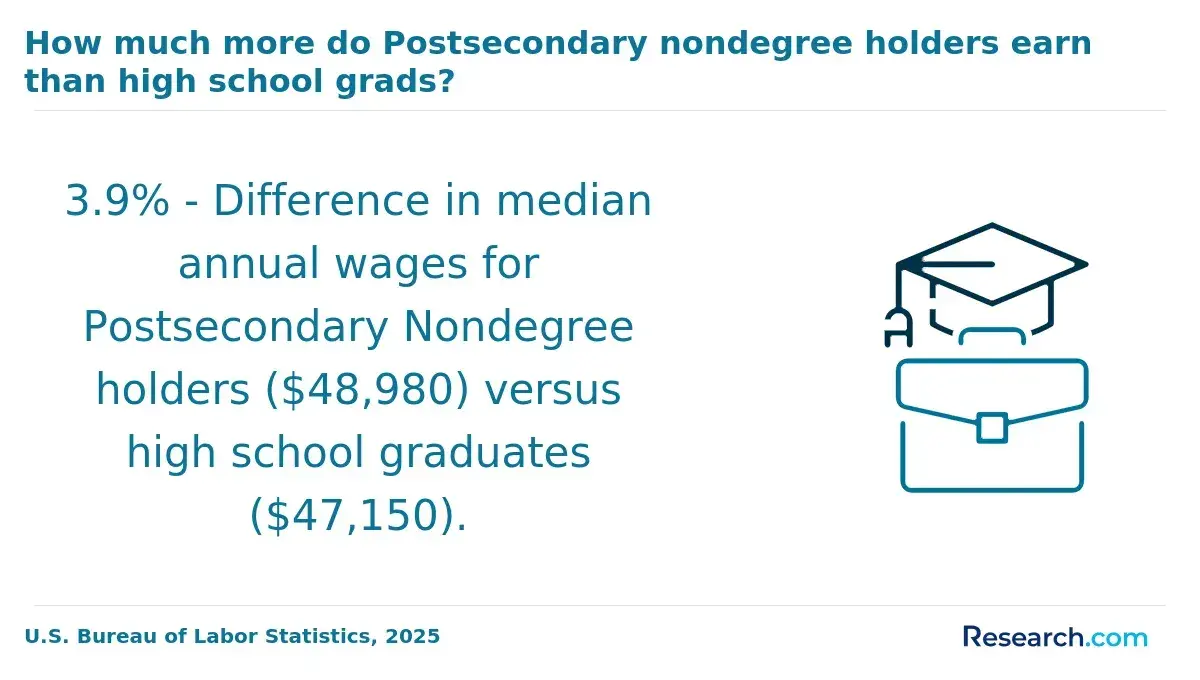
Certifications provide a practical way for professionals in educational technology to boost their credentials and advance their careers without enrolling in graduate programs. A 2023 ISTE survey found that those with relevant certifications experienced an average salary increase of 12% compared to peers without them.
The following certifications are widely respected and can significantly enhance career prospects in this field:
- Certified Educational Technology Leader (CETL): Issued by the Consortium for School Networking, this certification emphasizes leadership and strategic management of technology initiatives in educational settings. It strengthens professional credibility for those overseeing technology programs and can facilitate access to higher-level administrative roles.
- Google Certified Educator Levels 1 and 2: These credentials verify expertise in applying Google's educational tools effectively. Since Google products are staples in many learning environments, earning these certifications signals practical skills and improves employability.
- Adobe Certified Professional: Focused on multimedia and digital design abilities, this certification benefits educational technologists engaged in creating instructional content. It demonstrates advanced competency in developing engaging and interactive learning materials.
- Microsoft Certified: Education Transformation Specialist: This certification validates the capacity to integrate Microsoft technologies to foster digital innovation and streamline educational change. Holders are valued for their skills in driving technology adoption and transformation projects.
- Project Management Professional (PMP): Though not exclusive to education, PMP certification is prized for equipping professionals to efficiently manage complex projects, including those in educational technology. It enhances leadership skills crucial to implementing tech initiatives successfully.
Professional experience often plays a crucial role in career advancement within educational technology, as many employers place greater value on demonstrated skills, on-the-job learning, and proven performance than on formal credentials.
Practical expertise with relevant tools and platforms frequently outweighs graduate degrees, especially in areas like instructional design and e-learning development. Candidates who offer a robust portfolio of completed projects and measurable impacts on learning outcomes can stand out more effectively to hiring managers.
Additionally, ongoing professional development through certifications and workshops can enhance the value of experience in this field.
However, relying solely on experience has its limitations. Initial access to senior or specialized roles may be slower or less certain, particularly in organizations with strict credential requirements or where advanced theoretical or leadership knowledge is necessary.
Some sectors within educational technology continue to emphasize formal education for networking and mentorship advantages typically gained through graduate study.
Experience becomes most valuable when combined with consistent results, adaptability to new technologies, and a commitment to continual learning, especially in startups or innovative companies that prioritize practical skill over academic qualifications.
Many professionals in educational technology weigh the trade-offs of advancing their education beyond a bachelor's degree, especially when considering long-term career growth and earning potential.
Data from the U.S. Bureau of Labor Statistics indicates that individuals with a master's degree typically earn around 20% more than those with only a bachelor's degree in related fields.
Below are some key limitations associated with stopping at a bachelor's degree in this sector:
- Slower Advancement: Without graduate-level credentials, career advancement challenges without graduate degree become more pronounced. Entry-level roles are accessible, but moving into leadership or specialized positions often requires a master's degree, slowing overall career progress.
- Limited Specialized Roles: Many instructional design, curriculum development, or technology integration leadership jobs require skills typically gained through graduate studies. This creates limitations of educational technology jobs without masters, reducing eligibility for these rewarding positions.
- Competitive Hiring Disadvantages: Employers frequently prioritize candidates with graduate degrees for top-tier projects and strategic roles. This preference can restrict opportunities for bachelor's degree holders, even those with substantial practical experience.
- Networking and Mentorship Gaps: Graduate programs often offer valuable connections and mentorship that influence career mobility. Bachelor's degree holders may find it harder to access these networks, impacting long-term professional development.
Despite these challenges, some educational technology professionals successfully enhance their careers by pursuing certifications, professional development, and hands-on experience. For those exploring further education options, programs such as online degree psychology courses may offer flexible pathways in related fields.
Return on investment (ROI) in education measures the balance between the costs and time spent earning a degree against the long-term career outcomes and earnings it generates.
For educational technology bachelor's degrees, graduates can expect about 20% higher lifetime earnings than those with non-technical degrees, according to a 2023 report from the Georgetown University Center on Education and the Workforce.
Here are practical strategies to maximize ROI with an educational technology degree:
- Targeted Internships and Projects: Engaging in purposeful internships focused on educational software development, digital curriculum design, or learning management systems builds valuable hands-on experience. These opportunities increase employability and often lead to higher starting salaries, enhancing your ROI over time.
- Develop In-Demand Skills: Concentrate your studies on high-growth areas such as instructional design, data analytics in learning, or multimedia content creation. These skills are highly sought after in both educational institutions and EdTech companies, unlocking advanced roles with better pay without needing graduate school.
- Strategic Networking: Building a professional network within schools, corporate training departments, and EdTech startups accelerates access to lucrative mid-level and senior positions. Networking can significantly shorten the time required to secure these advanced roles, improving overall return on investment.
- Early Leadership Roles: Pursuing team leadership or project management responsibilities early in your career demonstrates capability and drives faster promotions. This progression increases long-term earnings and career growth prospects.
- Stay Current with Tech Trends: Remaining up-to-date with emerging technologies like AI-powered learning platforms ensures your skills remain relevant and competitive in evolving job markets, a vital factor for maximizing ROI.
Students exploring related fields might also consider specialized graduate options such as MFT programs for expanded career flexibility.
Deciding whether to pursue graduate school for educational technology careers depends largely on one's career objectives, industry standards, and the overall return on investment.
Many educational technology roles offer competitive salaries with a bachelor's degree, but advanced degrees often lead to higher earnings and expanded opportunities.
For example, data shows those with a master's degree earn about 20% more than bachelor's degree holders on average. Evaluating these factors helps in determining when a master's degree in educational technology is truly beneficial.
Graduate education is strategically valuable when aiming for specialized instructional design positions, leadership roles, regulated professions, or research-driven careers within educational technology.
These paths often require advanced degrees to meet certification standards or to establish expertise and credibility for policy or curriculum development. Those looking to advance in these specific areas will find graduate school to be a worthwhile investment, while others may benefit more from gaining experience or certifications.
Students interested in cost-effective options may consider a library science degree or other alternatives that complement their educational technology goals without extensive graduate study.
What Graduates Say About Educational Technology Degree Careers That Offer the Best Return Without Graduate School
- Devin: "Choosing not to pursue a graduate degree in educational technology was a decision driven by my desire to enter the workforce quickly and gain hands-on experience. I focused on obtaining certifications and refining technical skills that employers value, which opened doors to roles in instructional design and e-learning development. The practical knowledge from my degree, combined with continuous learning, has made my career growth both steady and rewarding."
- Zion: "Reflecting on my path, I realized that maximizing my educational technology degree meant leveraging internships and networking early on rather than immediately going for graduate school. Gaining real-world experience helped me build a strong portfolio and provided clarity on which career path to follow. Skipping graduate education allowed me to avoid debt and apply my skills directly in educational product management, where I've seen tangible impacts."
- Jack: "My career in educational technology flourished without attending graduate school because I concentrated on developing expertise in learning management systems and data analytics. This strategic focus positioned me well in the growing job market, especially in K-12 and corporate training environments. I often share how a well-chosen undergraduate degree can be sufficient, as long as you commit to self-driven learning and professional development."
Other Things You Should Know About Educational Technology Degrees
Employer-recognized certifications can raise pay for instructional technologists, LMS administrators, and e-learning specialists. Common options include CompTIA A+, Google for Education, Canvas Certified Educator, and ISTE certification. Many employers list one to three years of classroom, training, or support experience plus these credentials.
Yes, soft skills such as communication, project management, and collaboration are critical for success in educational technology fields. These skills help professionals work effectively with educators, administrators, and stakeholders to tailor technology solutions to diverse learning environments. Strong interpersonal abilities often distinguish candidates in roles that do not require graduate education.
Internships and practical experiences offer significant advantages by providing real-world exposure to educational settings and technology implementation. Such experiences allow bachelor's degree holders to build portfolios, network with professionals, and demonstrate readiness for entry-level and mid-level positions. Employers often value this applied knowledge as highly as formal education beyond a bachelor's degree.
Entry-level roles like instructional designer, educational technology specialist, or e-learning developer are promising in 2027. These careers often provide a strong return on investment due to the growing demand for digital education solutions and competitive starting salaries.
- Top 10 Jobs for EdTech Majors and Who’s Hiring https://joinhandshake.com/blog/students/top-jobs-for-ed-tech-majors/
- Best Entry Level Edtech Jobs in New York City, NY 2026 | Built In NYC https://www.builtinnyc.com/jobs/entry-level/edtech
- Maximizing ROI in Higher Education Technology https://www.academiaerp.com/blog/maximizing-roi-in-higher-education-technology-strategies-and-best-practices/
- Reasons to Earn a Master’s in Educational Technology - Graduate Programs for Educators https://www.graduateprogram.org/blog/reasons-to-earn-masters-in-educational-technology/
- 5 High-Paying Tech Jobs That Don’t Need a Degree | Kable Academy - Kable Academy - Get a New IT Career in as Little as 12 Weeks https://www.kableacademy.com/5-high-paying-tech-jobs-that-dont-need-a-degree-kable-academy/
- Top Entry Level Edtech Jobs https://builtin.com/jobs/entry-level/edtech
- 9 High Income Skills (No Degree Necessary!) https://www.onlinecoursesaustralia.edu.au/online-education-blog/high-income-skills-no-degree-necessary/
- 18 Highest Paying Jobs With an Education Degree (not teaching) | Devlin Peck https://www.devlinpeck.com/content/jobs-with-an-education-degree
- How to Maximize ROI on EdTech Investments - Optima https://optimaxr.ai/how-to-maximize-roi-on-edtech-investments/